
South America is full of vibrant culture, stunning landscapes, and unique traditions. Beyond the usual attractions, travelers can enjoy experiences that feel daring yet are completely legal. From riding llamas in highland pastures to exploring hidden caves or joining local rituals, these activities reveal a side of the continent that’s adventurous and safe.
These “surprisingly legal” experiences often challenge expectations. What seems taboo may simply reflect local customs or regional laws. Travelers can enjoy these opportunities for memorable stories without crossing boundaries.
Stepping off the beaten path gives travelers deeper insight into South America’s diverse regions, blending thrill, culture, and legality in one trip.
1. Llama Trekking, Peru
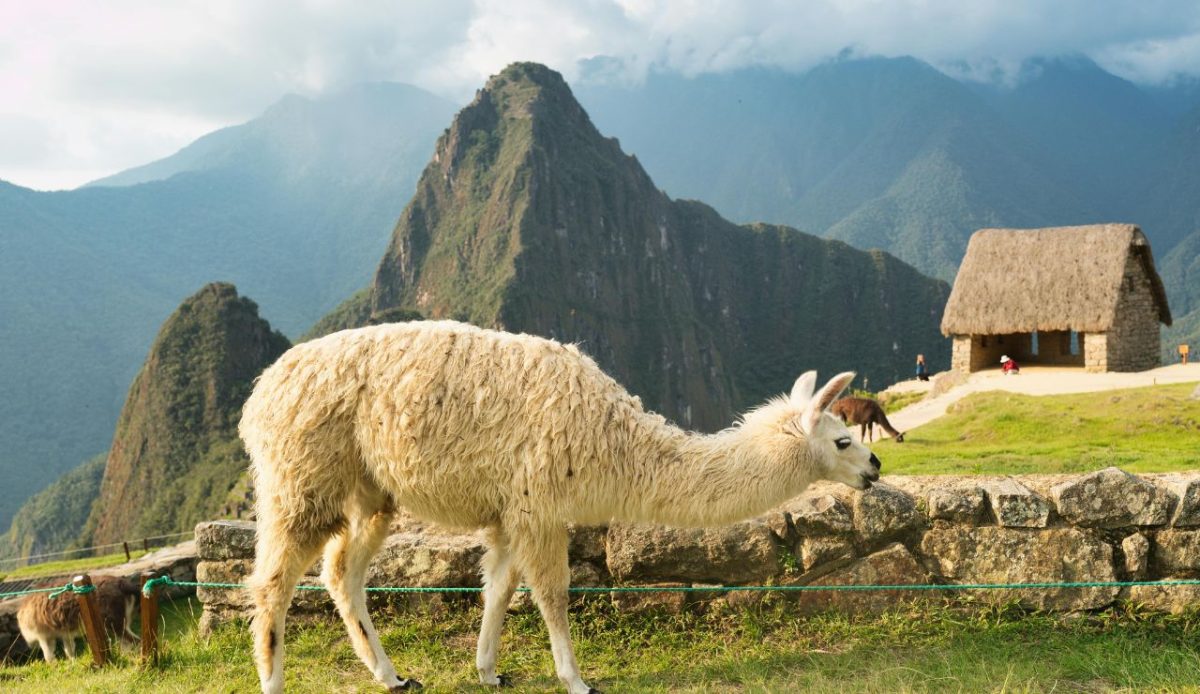
High in the Andes, trekking with llamas is a popular and legal activity in Peru. Unlike the more common hiking tours, llama trekking lets travelers interact with animals used for centuries by local communities for transport and wool.
Guides lead small groups along remote trails, often passing small villages where traditional life is still visible. Llamas carry supplies while hikers enjoy breathtaking mountain scenery without disturbing the environment.
This activity is not only adventurous but also educational. Visitors learn about llama behavior, Andean culture, and sustainable tourism practices, creating memories that feel rare yet completely above board.
2. Coffeeshop Tours, Colombia
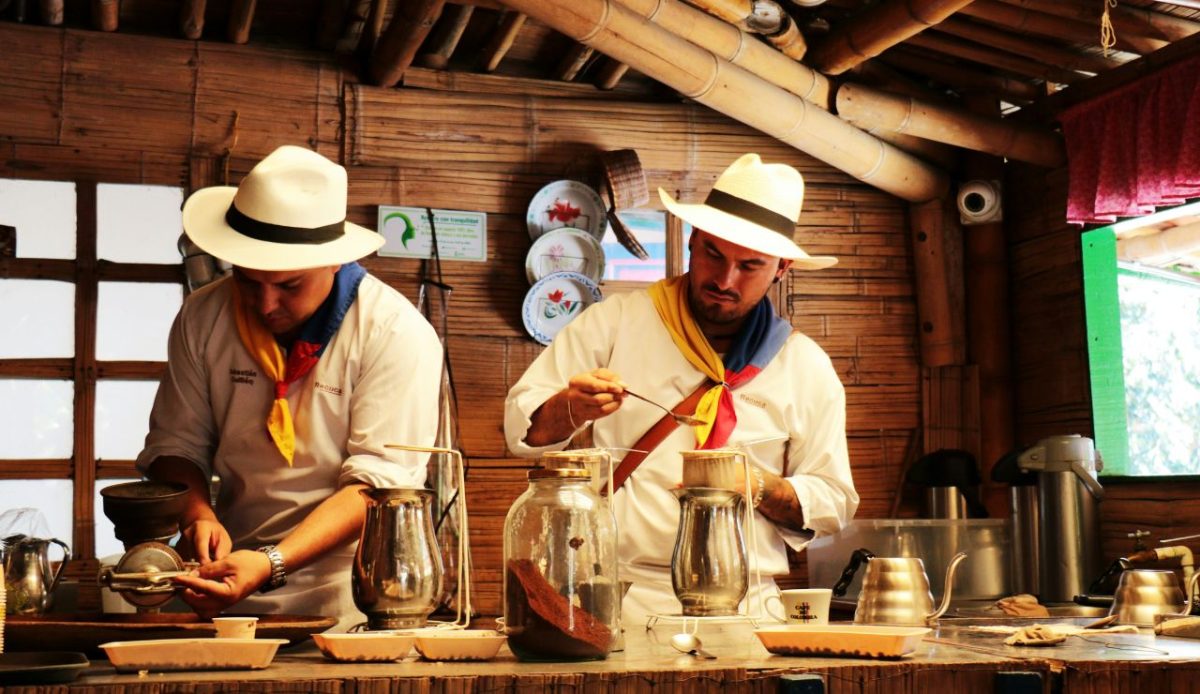
Colombia’s coffee regions offer legal tours that dive into coffee culture from bean to cup. Travelers can explore plantations, witness the harvest, and participate in tastings guided by local experts.
These tours provide insight into how coffee shapes rural economies and communities, highlighting sustainable practices and artisanal techniques. Travelers also enjoy scenic drives across rolling hills and lush valleys.
What may surprise some visitors is how immersive and hands-on these experiences are, from picking ripe beans to learning roasting secrets, all fully sanctioned and highly educational.
3. Iguazu Waterfall Swimming, Argentina/Brazil
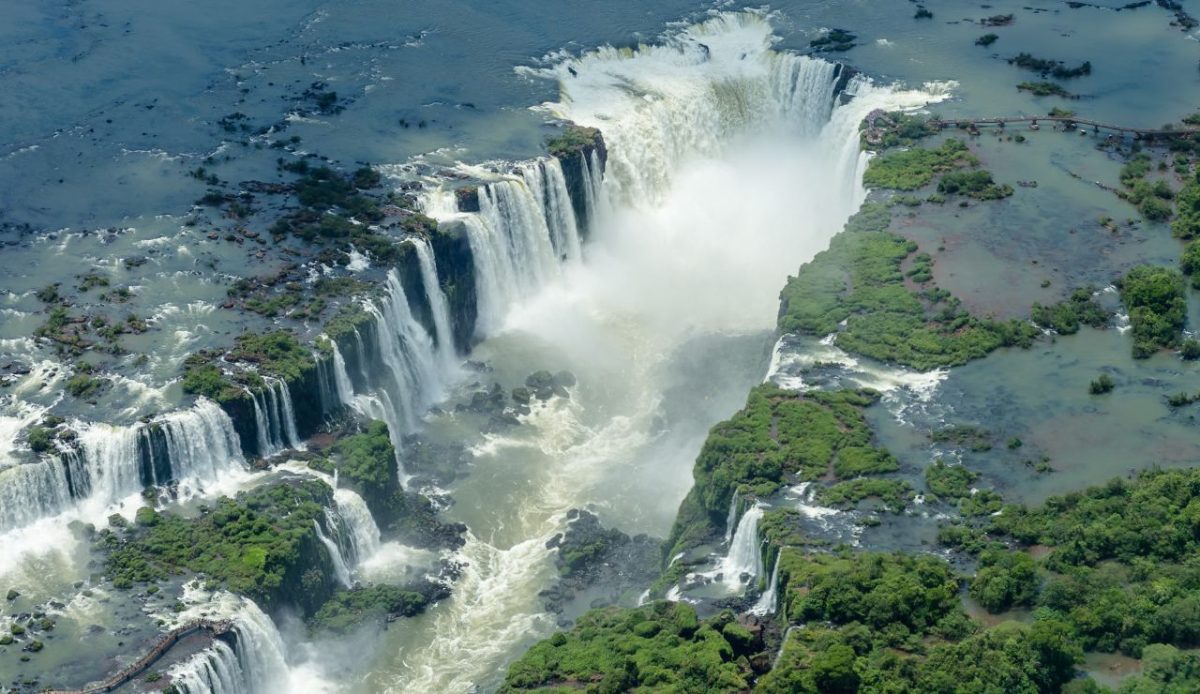
Iguazu Falls is globally famous, yet some lesser-known pools and viewpoints allow legal wading and supervised swimming near the falls. Local guides maintain safety protocols while visitors enjoy the mist and natural beauty.
Access is typically restricted to certain zones to protect wildlife, ensuring legal participation while offering a thrilling encounter with one of the world’s largest waterfall systems. Wildlife such as coatis and exotic birds add extra charm to the surroundings.
Swimming here is a rare treat. Most travelers never realize they can safely engage with the falls’ power up close. The combination of adrenaline, natural splendor, and authorized access makes it an unforgettable experience.
4. Capoeira Classes, Brazil

Capoeira, a Brazilian martial art blending dance, music, and acrobatics, is widely practiced and completely legal. Travelers can join local schools to learn movements, rhythms, and cultural context.
Sessions range from casual workshops for tourists to intensive classes in Rio de Janeiro and Salvador, often accompanied by live music and traditional instruments. Experienced instructors focus on proper technique while making it enjoyable for beginners.
Participating in capoeira offers both fitness and cultural immersion. Visitors gain insight into Afro-Brazilian history, music, and philosophy while practicing legally, making it a safe and enriching adventure.
5. Salt Flat Photography, Bolivia
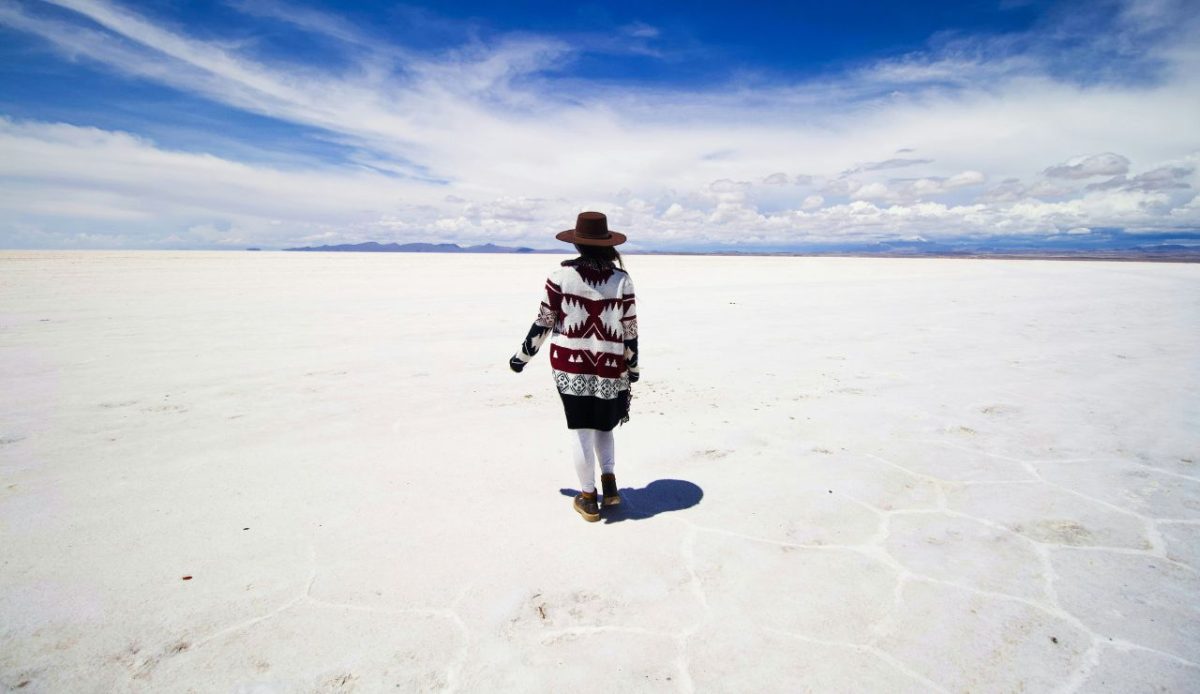
The Uyuni Salt Flats are one of South America’s most iconic landscapes, and exploring them is fully legal. Visitors can drive, walk, or join guided tours to photograph mirror-like reflections and vast horizons.
Tours often include unique overnight stays in salt hotels and visits to isolated islands dotted with giant cacti, creating surreal scenes perfect for photography enthusiasts. Local guides provide tips to maximize creative shots while preserving the delicate environment.
Travelers are free to explore and capture these striking landscapes without restriction. The combination of surreal visuals, legal access, and hands-on guidance makes it a bucket-list adventure few forget.
6. Piranha Fishing, Brazil
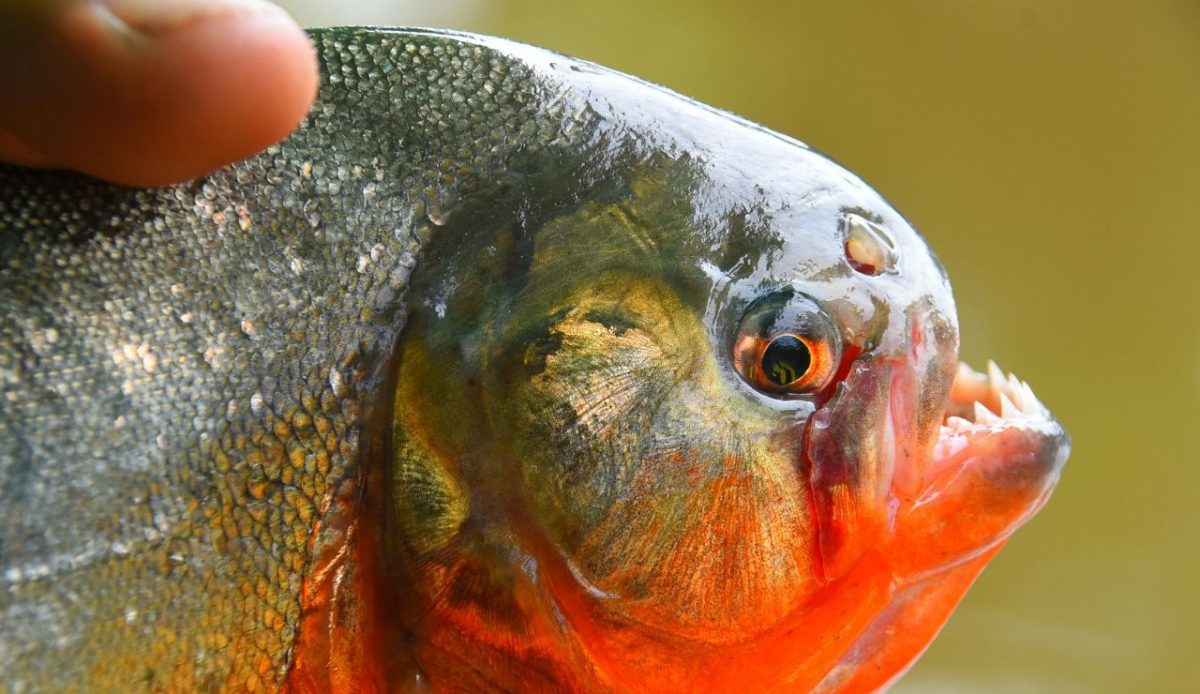
In Brazil’s Pantanal region, piranha fishing is a legal sport guided by local experts. Anglers learn techniques while respecting seasonal limits and conservation rules, ensuring safe and responsible interaction.
The thrill comes from handling these famously aggressive fish, with safety measures protecting both humans and the broader ecosystem. Lodges often provide boats, gear, and ecological education for tourists seeking adventure.
Participating in piranha fishing is both legal and adrenaline-inducing. Travelers experience river life up close while observing strict environmental regulations, creating a rare, exciting, and responsible adventure.
7. Sandboarding, Chile
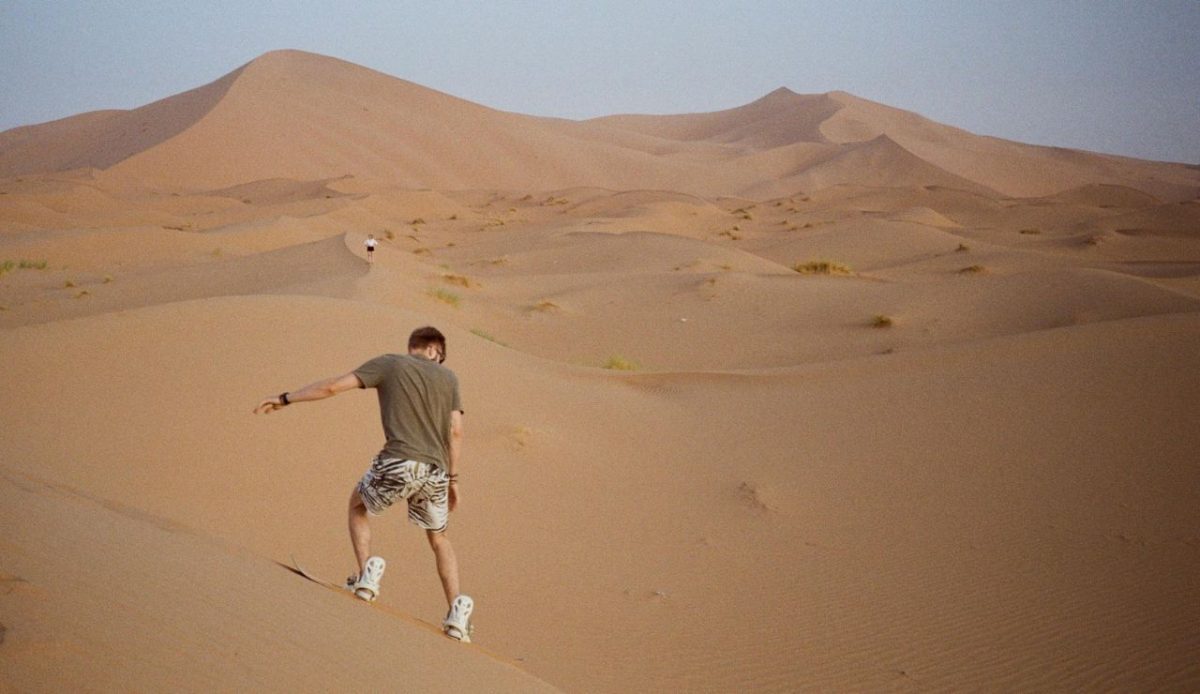
The Atacama Desert offers massive sand dunes perfect for legal sandboarding experiences. Tours provide boards, safety gear, and instruction for first-time adventurers or seasoned thrill-seekers alike.
Visitors glide down dunes surrounded by stark desert landscapes, salt flats, and distant volcanoes, experiencing an exhilarating sport that feels extreme but is fully permitted. The desert’s unusual topography adds extra excitement and photo opportunities.
Sandboarding combines thrill with legality, creating a memorable way to explore the desert’s vast terrain. Tourists safely enjoy a high-adrenaline activity that few expect in a South American desert, making it unforgettable.
8. Traditional Pachamama Ritual, Ecuador
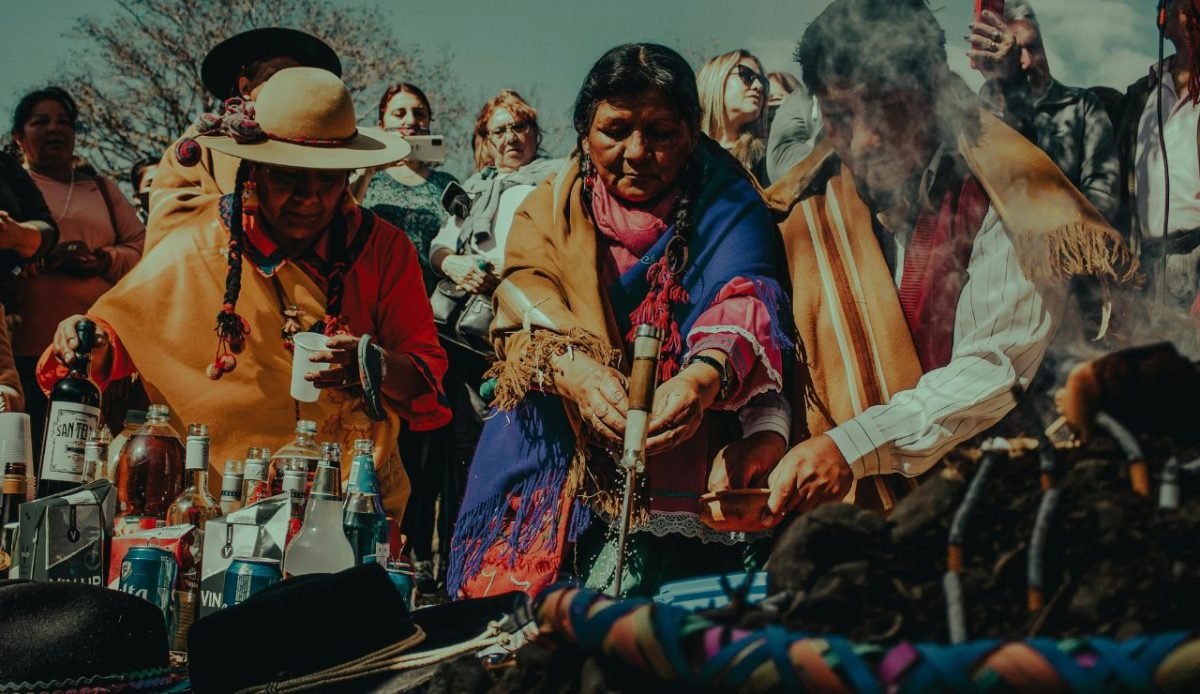
In Andean communities, participating in Pachamama (Mother Earth) ceremonies is a legal and culturally enriching activity. Travelers witness offerings of food, leaves, and prayers to honor nature.
Local shamans guide small groups through the ritual, explaining symbolic gestures and the spiritual significance of each step. Respect for customs ensures an authentic and deeply meaningful experience without infringement.
This legal interaction provides insight into indigenous culture, spirituality, and environmental reverence. Participating allows travelers to witness a sacred tradition while remaining fully compliant with local customs and laws.
9. Hot Springs Soaking, Chile/Argentina
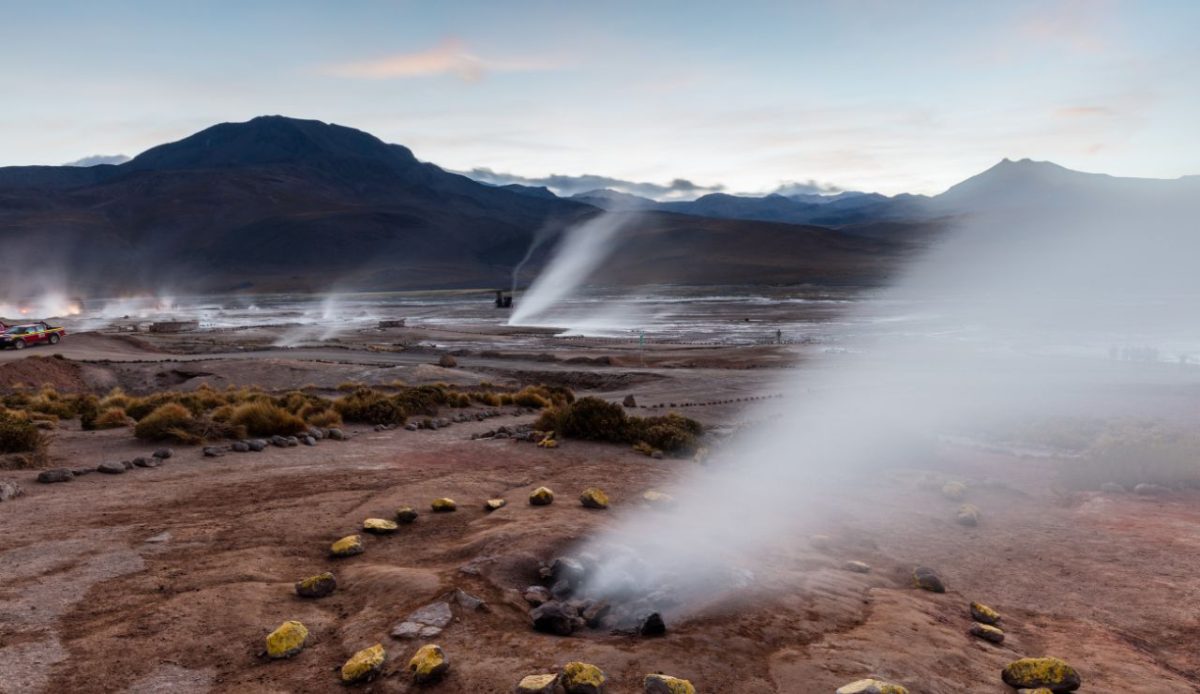
Many volcanic regions of South America feature natural hot springs. In areas like Puyehue (Chile) or Termas de Cacheuta (Argentina), soaking is legal, relaxing, and therapeutic, offering an unusual contrast to city life.
Resorts and public pools regulate access while preserving natural surroundings, ensuring travelers enjoy safety alongside authentic thermal experiences. Mineral-rich waters are famed for relaxation, healing, and stress relief.
Visitors often find it surprising that such natural indulgences remain largely untouched. Legal access allows for a serene escape where one can rejuvenate body and mind amid breathtaking landscapes.
10. Tango Lessons, Argentina

Tango is not only iconic but also legally taught to travelers across Buenos Aires. Schools and dance halls provide lessons from beginner workshops to intensive classes with professional instructors.
Even casual participants can join social milongas (dance nights), enjoying music, movement, and local interaction without any restrictions. Experienced dancers often mentor newcomers in a supportive, immersive environment.
Learning tango is both a fun and lawful way to engage with Argentine heritage, combining entertainment, skill, cultural immersion, and social interaction that travelers often overlook.
11. Wildlife Photography, Galapagos Islands, Ecuador
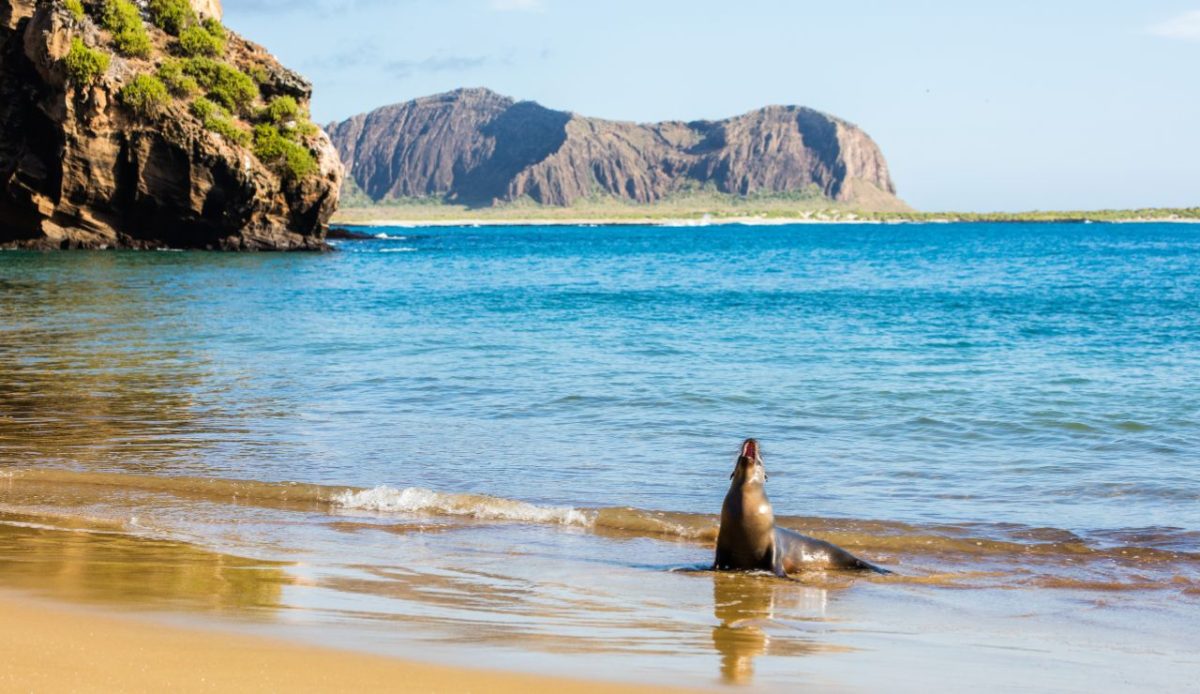
Visitors to the Galapagos can legally photograph unique wildlife under strict park regulations. Guides ensure responsible interaction, minimizing human impact while capturing endemic species safely.
Animals such as giant tortoises, marine iguanas, and blue-footed boobies are accustomed to human presence in controlled environments. Eco-guides explain species behavior, adding depth to every photographic opportunity.
Travelers can legally explore and document one of the world’s rarest ecosystems. The combination of adventure, education, and ethical wildlife interaction ensures an unforgettable and fully authorized experience.
