
Portugal has tiny places that many travelers miss because popular spots like Porto and Lisbon take most of the attention. These smaller communities offer calm lanes, handmade food traditions, and scenery that feels untouched. Some are in forests, others near cliffs or deep valleys. Access can be slower, which is why crowds stay away, but that is the charm. Visitors often feel like they are walking through older Portugal without loud shops or tour buses. Keep in mind that local life runs at a slower pace, so give yourself time to enjoy bakeries, small cafés, and short walks. Public transport may be limited in certain spots, so renting a car can help.
1. Piódão
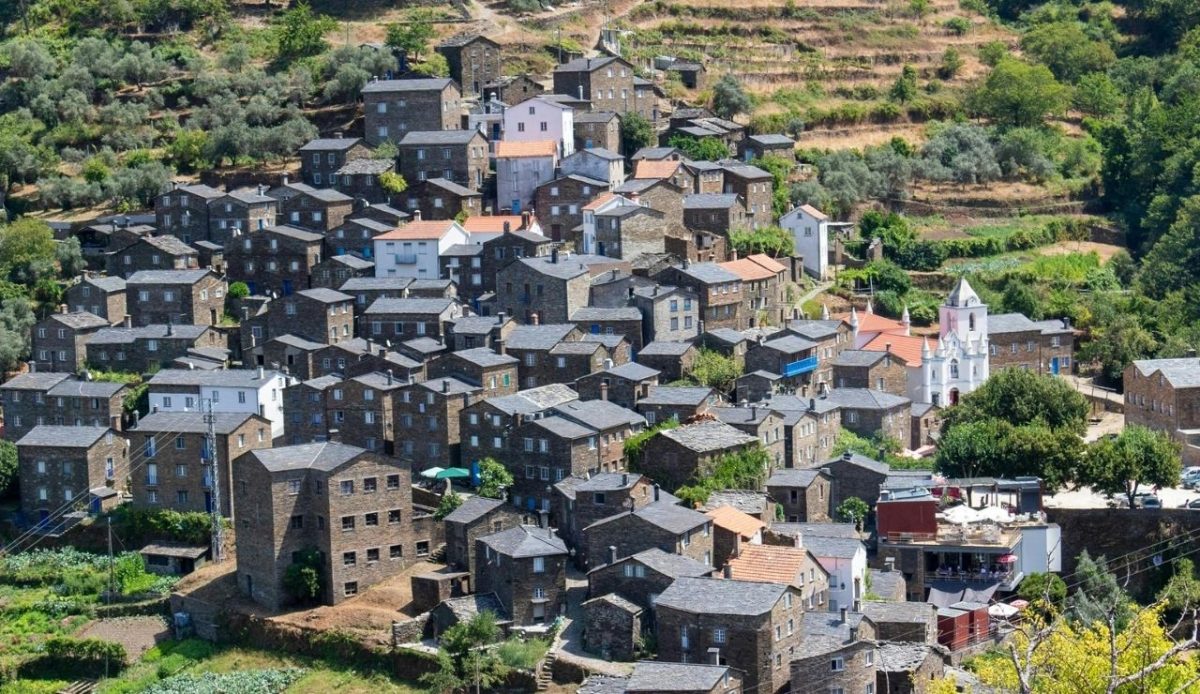
Piódão appears like a stone staircase along the Serra do Açor hills, with slate houses packed tightly and blue window trims giving a simple charm. Streets are narrow and curved, which keeps traffic slow and footpaths peaceful. In the evening, warm lights make the homes glow, creating a calm mood ideal for photography. There are a few cozy restaurants serving goat dishes, chestnut desserts, and trout from local streams. Hikers enjoy quiet trails in the surrounding mountains that pass springs and old terraces. Cell service can be weak in places, adding to the sense of quiet. One small church near the center gives a focal point for village views, and mornings are cool even in late summer.
2. Foz d’Égua
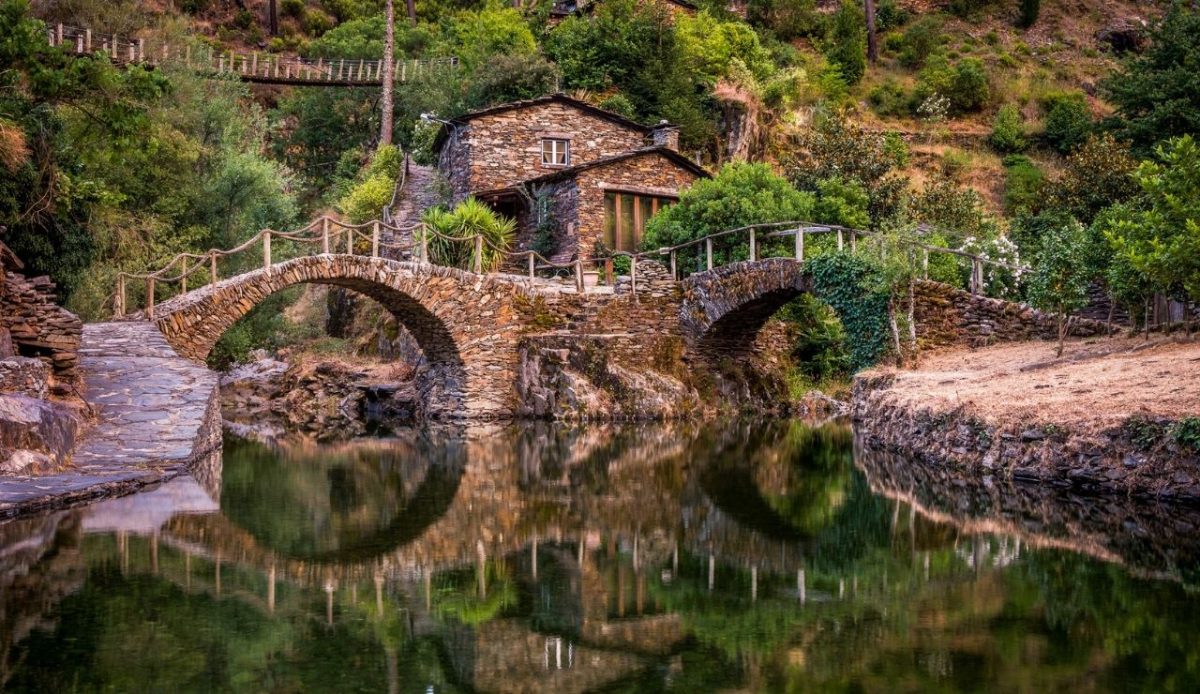
Just outside Piódão, Foz d’Égua features small wooden bridges, clear pools, and stone walkways crossing deep green slopes. Many travelers visit in warmer months to swim in natural pools and rest by shallow riverbanks. Trails link the hamlet to nearby peaks, making it a good base for short hikes without heavy crowds. The village has a rustic look that photographers love, especially near the water. A few benches along the path offer slow breaks and picnic spots. Cars park outside the bridges, so walking is required. Afternoons can bring stronger sun, so arriving early rewards cooler hours and quieter paths. Bring water and small snacks, since only a couple of cafés operate nearby.
3. Talasnal
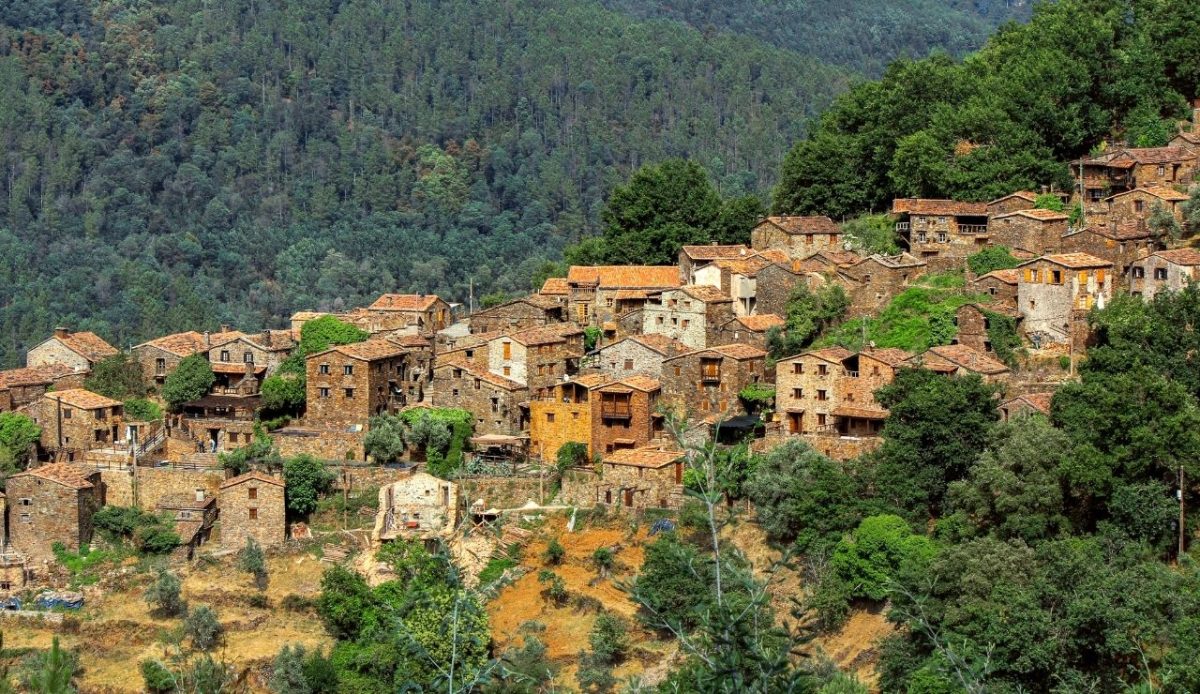
Talasnal lies above Lousã in thick woods, with schist houses restored by locals who care about keeping the original style. Visitors notice deep stone colors, smoke from fireplaces in colder months, and trails that lead toward waterfalls. A tiny tavern serves local sausage, honey treats, and herbal tea. Wildlife sightings are common, including deer and wild goats. Roads to the village curve sharply, so drivers should take it slow. This place draws travelers who like nature more than shops. Even during weekends, peaceful pockets remain on side streets. Comfortable shoes matter here because lanes climb steeply. Many travelers pair Talasnal with nearby viewpoints that show forest ridges stretching for miles.
4. Odeceixe
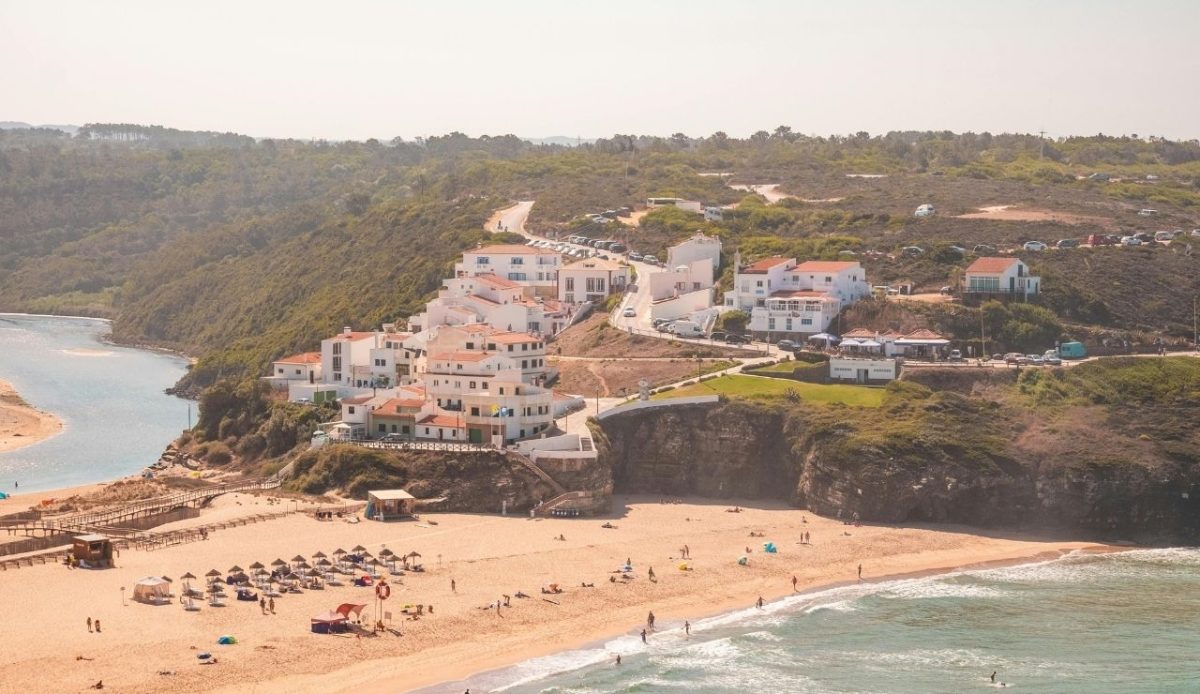
Odeceixe stands near a bend where a river meets the Atlantic, creating a half-moon beach popular with swimmers and gentle board riders. The village sits up the hill with white walls, red roofs, and narrow streets that lead toward a small windmill. Cafés serve simple sandwiches, fresh juice, and cakes from local bakeries. In summer, shuttle vans connect the beach to the center, making visits simple for families. The riverbank area suits calmer swims when waves rise. Early evenings carry soft light across the valley, giving peaceful views. Bikes can be rented nearby for rides through green fields and quiet farm lanes.
5. Sortelha
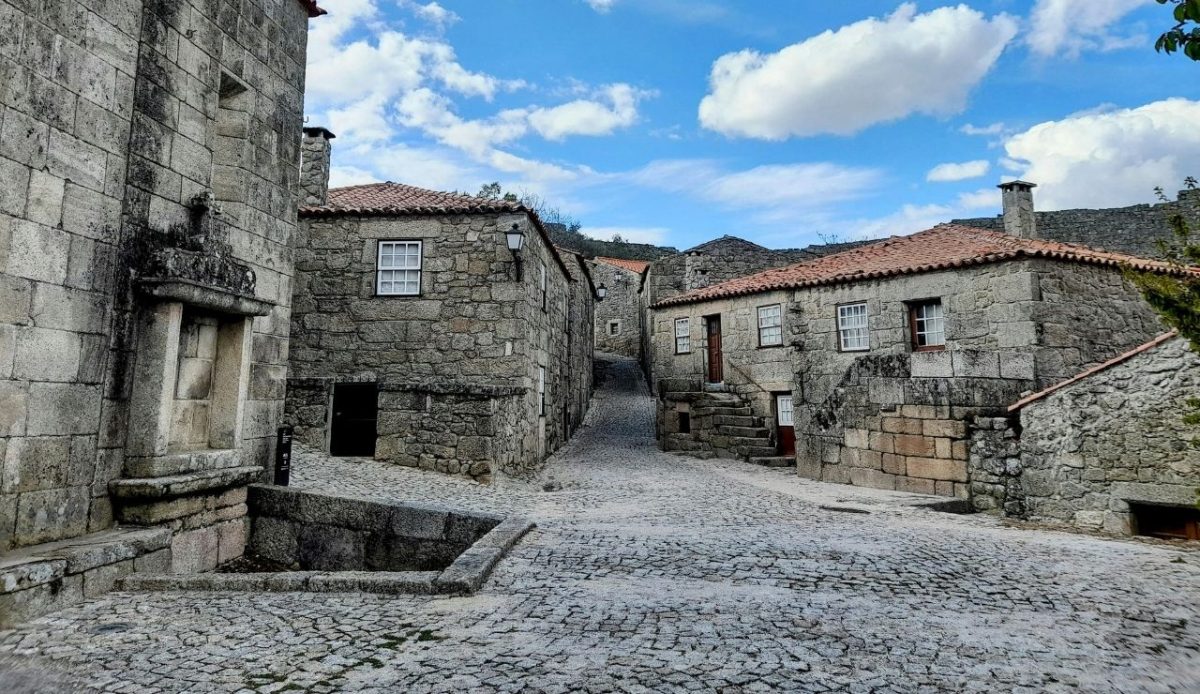
Sortelha stands on a granite ridge surrounded by medieval walls, with a preserved gate and a castle tower overlooking plains and rocky slopes. Cars stay outside most lanes, so footsteps echo across stone alleys. Small homes and tiny squares show how life once centered around farming and simple trade. A café near the entrance serves soups, cheese boards, and fresh bread. Climbing the wall path rewards travelers with broad views and calm breezes. Some days feel almost frozen in time due to minimal modern additions. Visitors should wear sturdy shoes because surfaces can be uneven. Early morning offers soft light and cooler air for pleasant walks.
6. Castelo Rodrigo
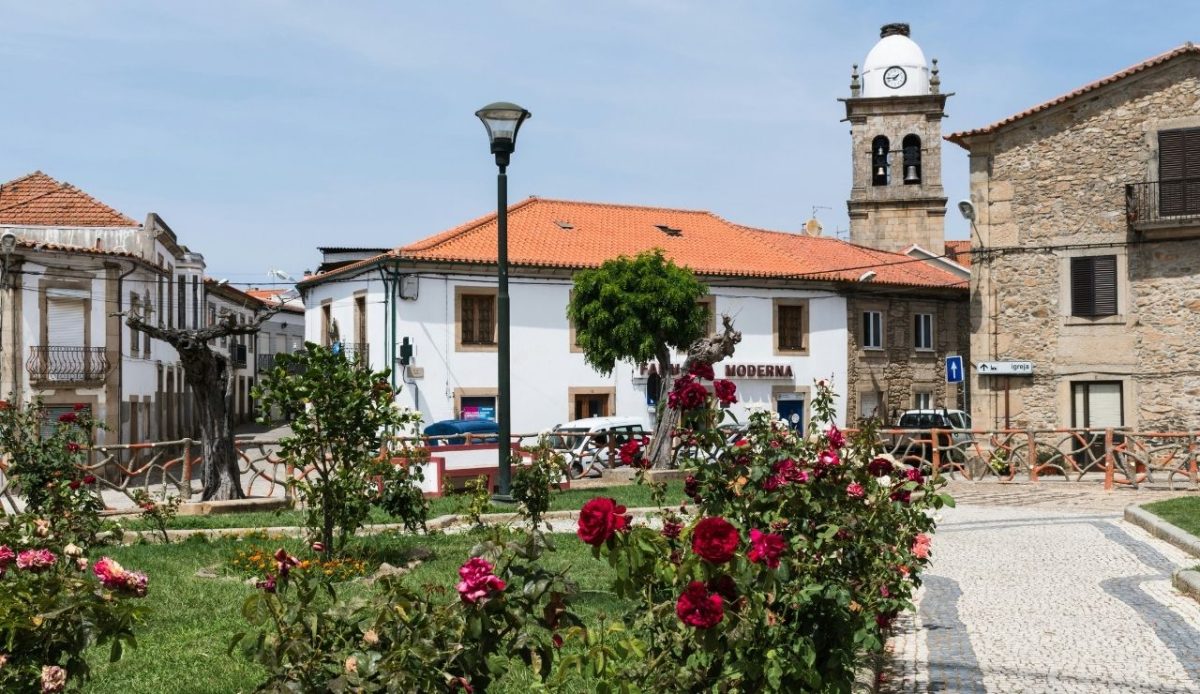
Castelo Rodrigo rises on a high slope near the Spanish border, offering quiet stone streets and views across open farmland. The village carries a proud past tied to ancient trade paths and defensive posts. A restored palace shell sits above the lanes, and ivy climbs parts of the walls. A small café beside the main gate serves almond treats and herbal drinks. Travelers wander through archways, visit a simple church, and pause by weathered doors that show centuries of use. Sunsets turn the stones golden, and evenings stay peaceful because tour groups rarely linger. Bring layers, since the wind can feel sharp even during warmer months.
7. Monsaraz
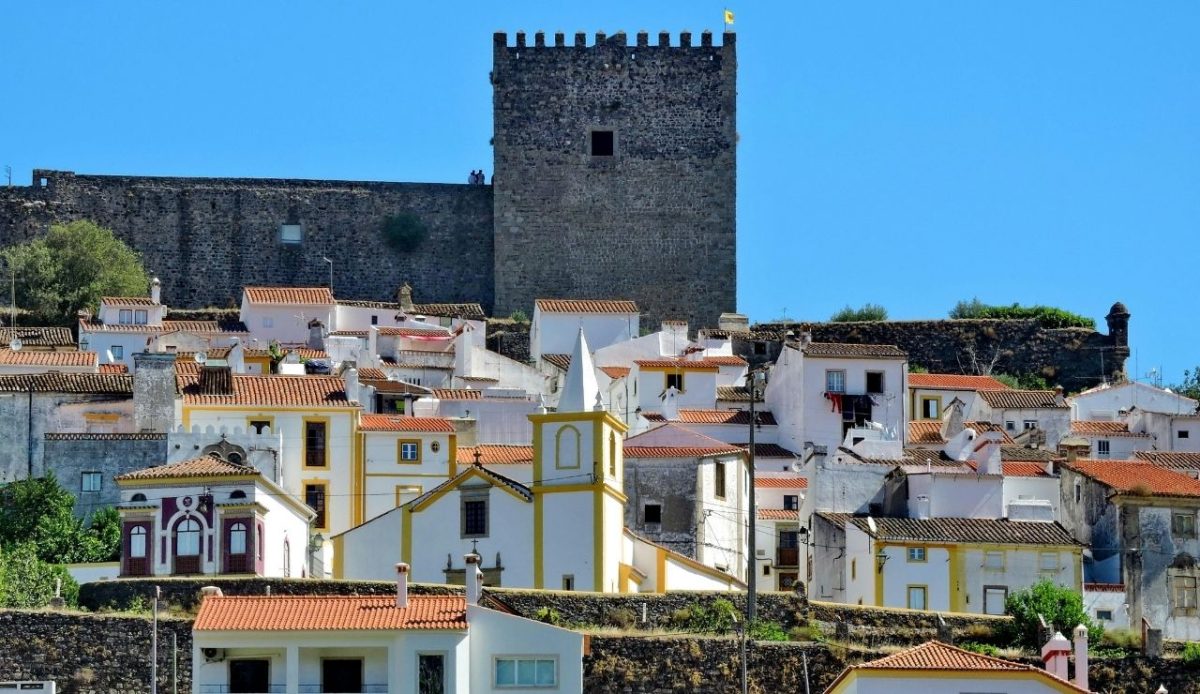
Monsaraz overlooks a large lake region in Alentejo, where wide skies and calm water shape slow days. Whitewashed houses line narrow streets, while a hilltop castle offers wide views and open breezes. Handmade pottery shops add character without feeling crowded. The area is known for hearty meals like black pork and local wines poured in family cafés. Walking paths circle outer walls, giving gentle slopes and shady corners. The lake nearby allows kayaking and short boat trips during the summer. Nights often bring clear stars due to low light, and winter mornings feel crisp. Parking is outside the walls, so plan a short walk when arriving.
8. Porto Covo
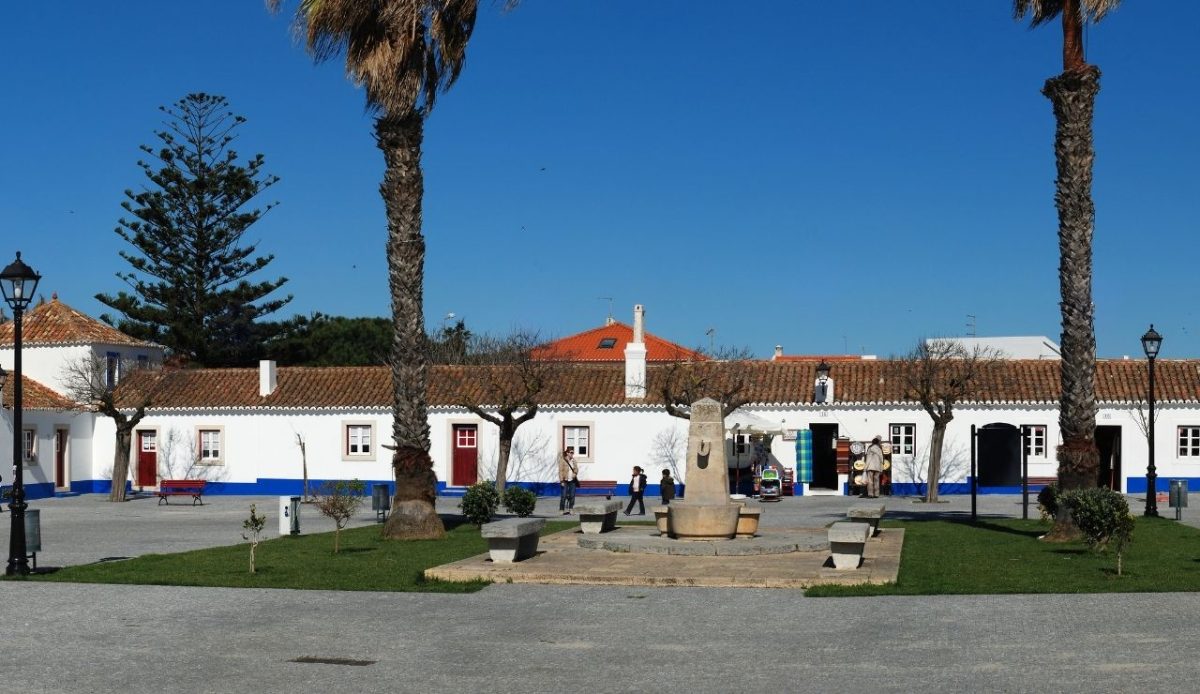
Porto Covo sits along the Alentejo coast with small coves and fishing boats bobbing near the pier. Blue and white houses line a tidy main square where families gather for ice cream or coffee. Many hikers pass through on the coastal trail that stretches toward Vila Nova de Milfontes, giving dramatic sea cliffs and calm beaches. Surfing schools run lessons in summer, while winter brings strong waves against the rocks. Restaurants focus on seafood stews, grilled sardines, and sweet custard pastries. Expect cooler evenings near the water. Bring a light jacket and sturdy shoes for coastal paths because the ground can feel uneven.
9. Castelo Novo
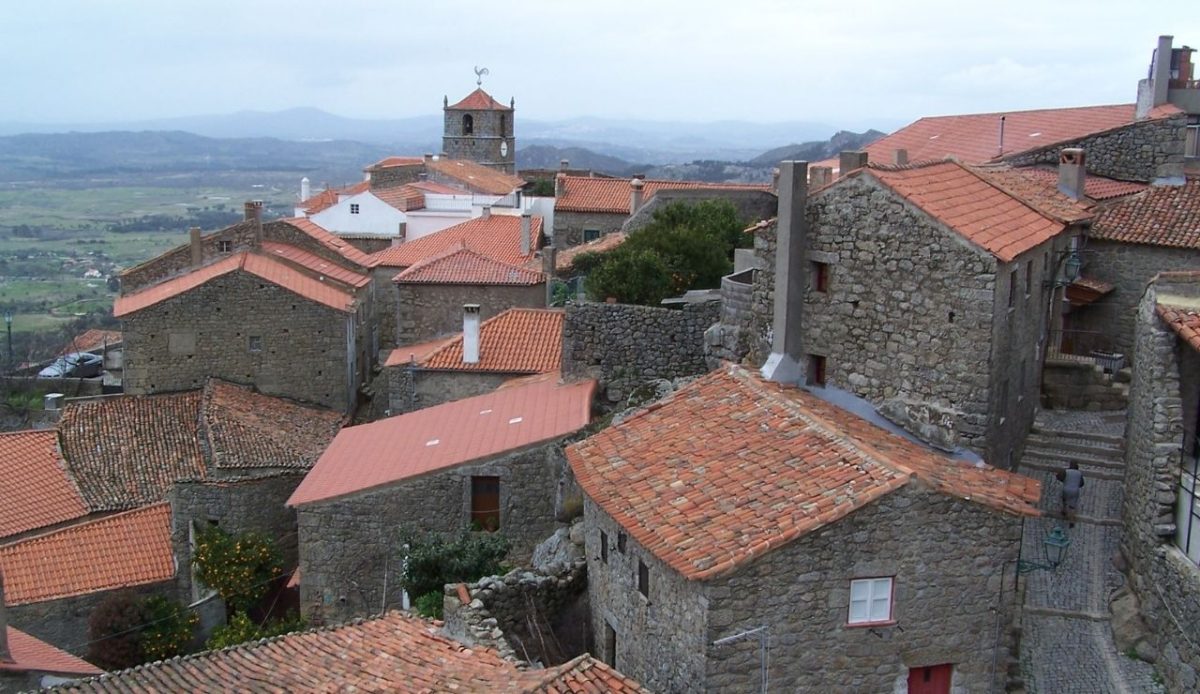
Castelo Novo lies near a spring-fed fountain that flows into old basins, giving cool rest stops for walkers. Granitic houses match the rugged slope, and carved symbols on doorways hint at past guilds and traditions. The central square holds a clock tower and steps where neighbors chat during slow mornings. A few craft shops offer soaps, fruit jams, and pottery. Visitors can follow short trails toward terraces and chestnut trees. Even though it feels well preserved, village life continues quietly without large crowds. Drivers should be patient on narrow roads leading up the hill. Pack comfortable shoes because cobbles become slick after rain.
10. Linhares da Beira
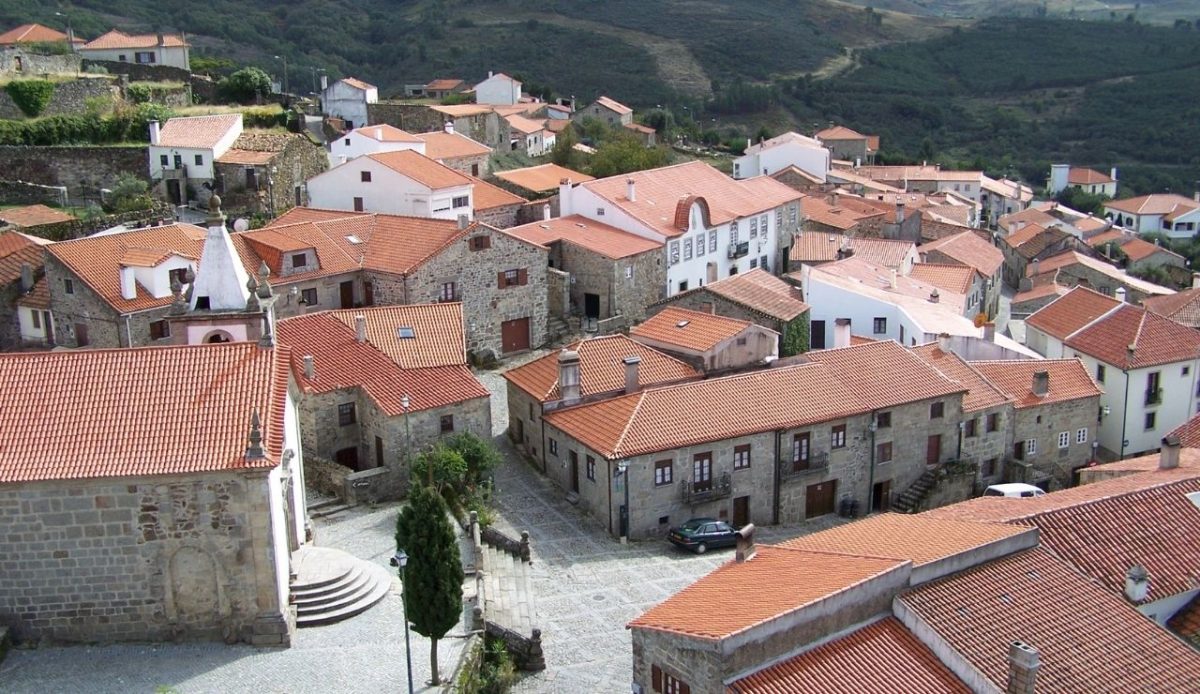
Linhares da Beira draws visitors with its castle perched above rooftops, watching over wide valleys. The village is known for steady breezes that attract paragliders in spring and summer, giving a dramatic sight as colorful wings move overhead. Narrow lanes lead past stone homes and tiny archways that show everyday life at a relaxed pace. One small bakery offers fresh bread and pastries early in the morning. Information boards explain the site’s role in border defense through earlier centuries. Benches near viewpoints make quiet resting spots. Early evenings feel especially calm when sunlight lowers over distant hills, casting gentle shadows across rooftops.
11. Idanha-a-Velha
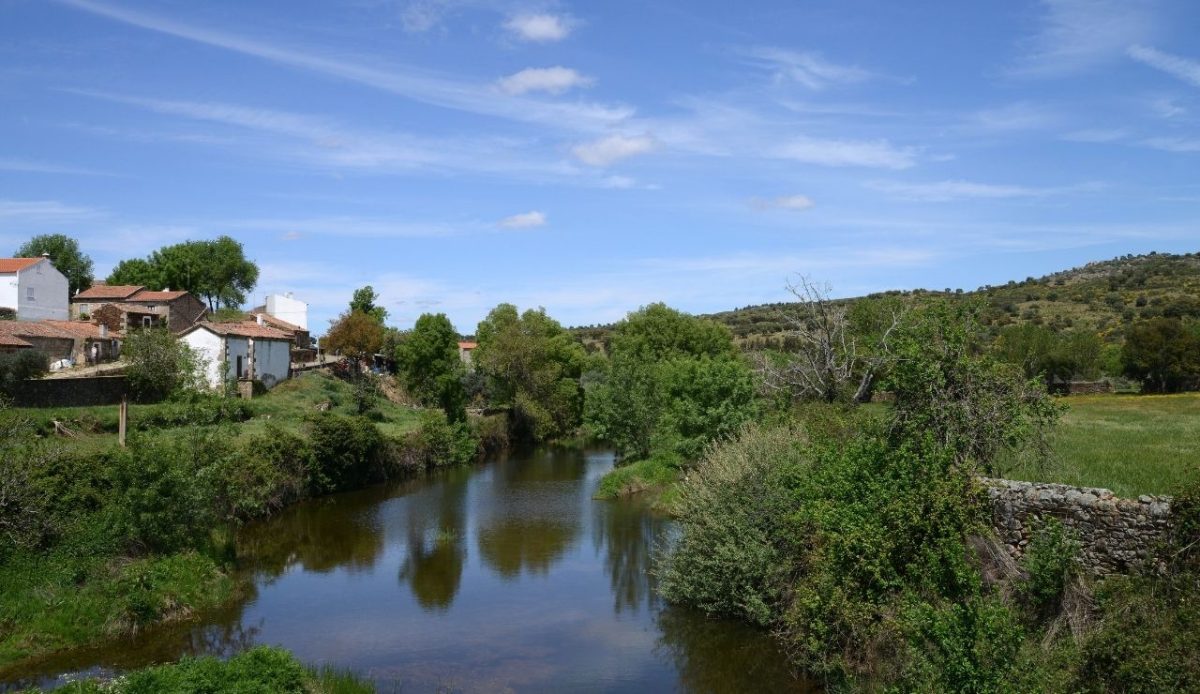
Idanha-a-Velha holds layers of Roman and medieval history, yet daily life stays peaceful with only a small number of residents. Visitors walk past crumbling arches, an old cathedral, and stone walls touched by moss. A tiny museum explains ancient coins and artifacts found in the area. Flocks of sheep sometimes move near the lower road, adding a rural feel. Wooden benches near olive groves give shaded pauses. Bring snacks, since cafés open with limited hours. Warm months can feel dry, so water bottles help. Plan unhurried time, because the quiet streets and open fields invite slow steps instead of rushed touring.
