
Traveling abroad often opens doors to experiences you can’t legally enjoy at home. From adventurous sports to culinary indulgences and cultural rituals, certain countries allow activities restricted or banned in the United States. Travelers curious about these unique opportunities should understand local laws, customs, and safety requirements. Doing so ensures a memorable experience without legal trouble. Exploring these destinations responsibly gives visitors the chance to try something new, witness local traditions, and enjoy experiences that remain off-limits back in the U.S., all while staying safe and compliant with regulations abroad.
1. Recreational Cannabis in Amsterdam, Netherlands
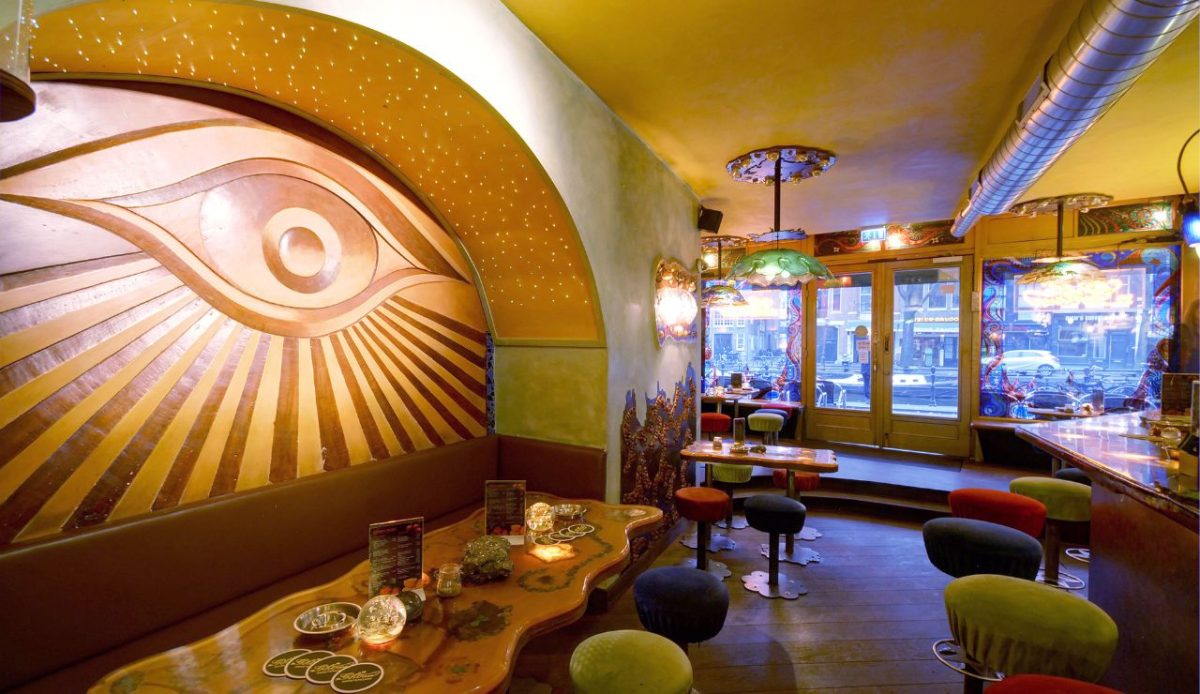
Amsterdam is famous for its liberal cannabis policies, where visitors can legally purchase and consume marijuana in designated coffee shops. Unlike the U.S., where recreational use is still limited to a handful of states, the Netherlands permits regulated consumption and sales to tourists. While the city is renowned for its canals, museums, and historic architecture, many travelers are drawn by the opportunity to legally experience cannabis culture. Understanding local rules, such as age limits, public consumption restrictions, and quantity limits, ensures a safe and enjoyable visit without legal consequences.
2. Bullfighting in Seville, Spain
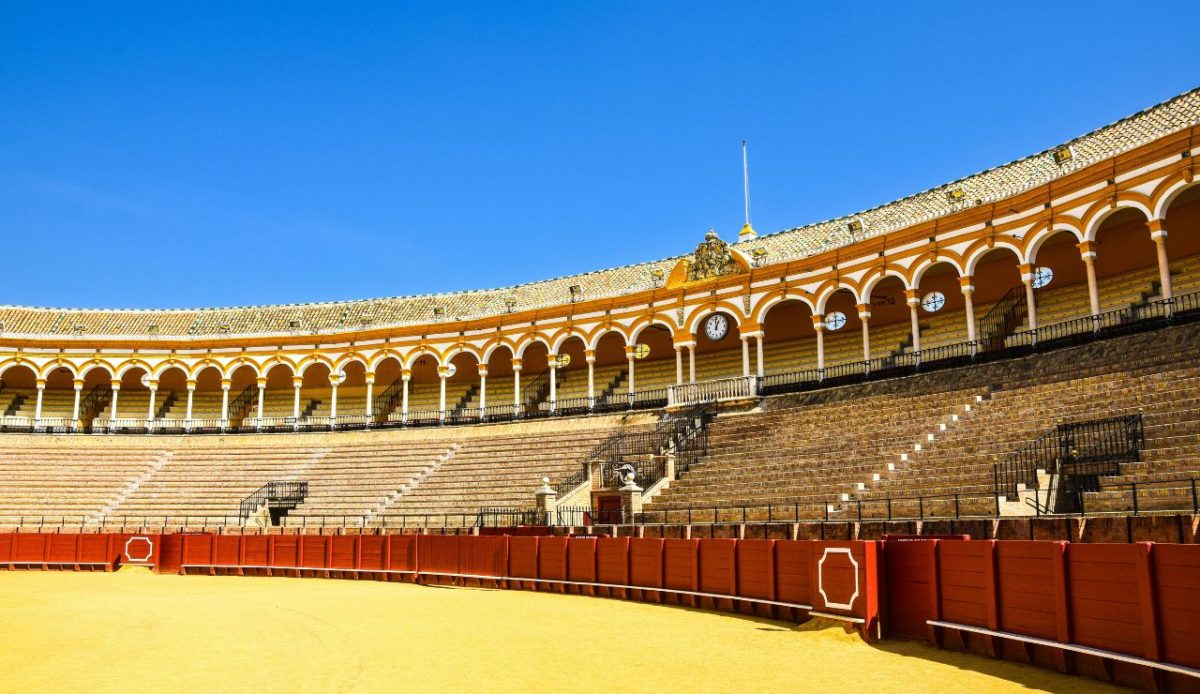
In Seville, bullfighting remains a deeply rooted cultural tradition legally practiced for centuries. While bullfighting is controversial and banned in some parts of the U.S., Spain maintains these events as part of its heritage. Tourists can attend events in historic arenas and witness the ceremonial artistry, athletic skill, and traditional costumes involved. Attending responsibly means respecting animal welfare regulations and local customs. Observing or participating as a spectator offers insight into Spain’s unique cultural landscape, a stark contrast to the restrictions found back in the United States.
3. Drinking in Public in Prague, Czech Republic
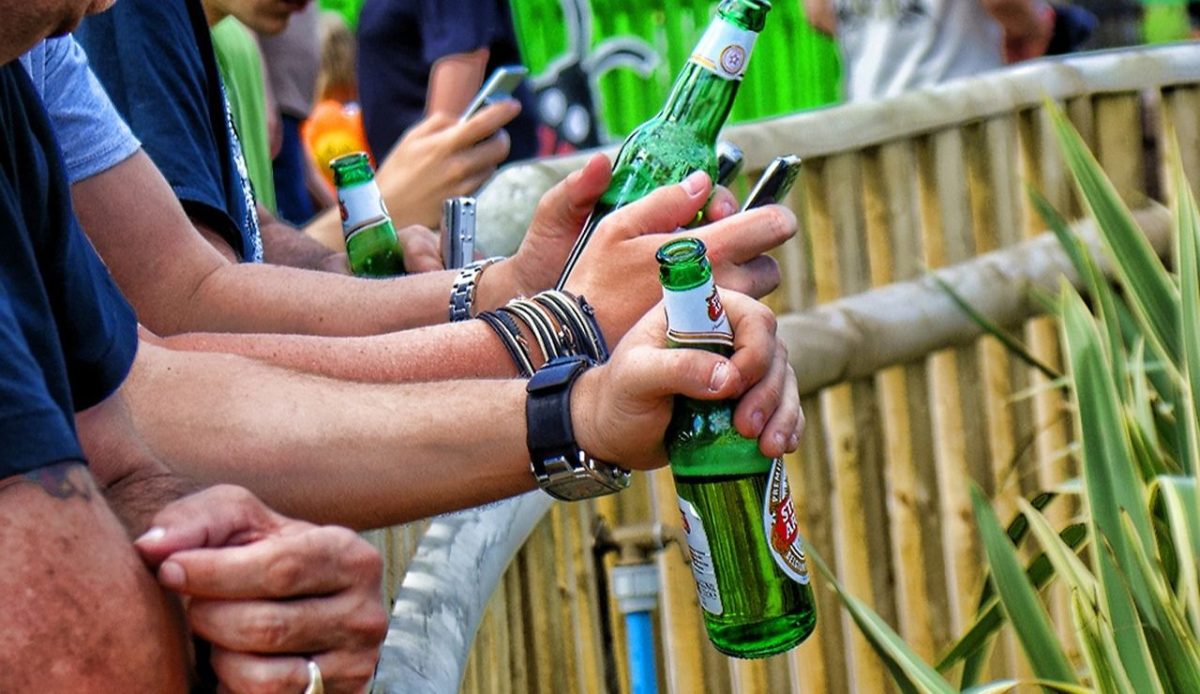
Public drinking is widely accepted in Prague, where adults can legally enjoy alcoholic beverages in parks, streets, and public squares. In many U.S. cities, consuming alcohol outside designated areas is illegal, making this freedom notable for visitors. Tourists can enjoy a beer while strolling along the Vltava River, sitting in a bustling plaza, or joining local festivals without fear of fines. Local customs still encourage responsible behavior, and excessive intoxication is frowned upon. Experiencing this relaxed approach allows travelers to fully embrace the social, cultural, and culinary life of the city.
4. Fireworks in Sydney, Australia
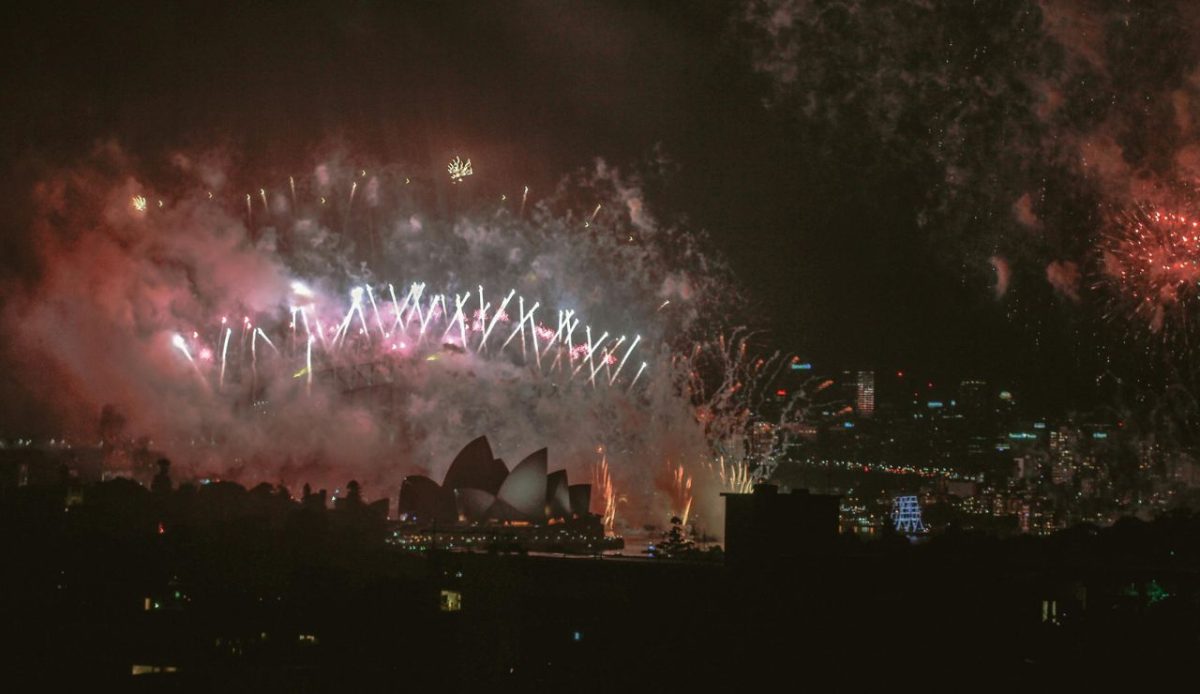
In Sydney, adults can legally purchase and set off certain types of fireworks in designated areas with proper permits. Many U.S. states restrict fireworks sales or usage entirely. Locals and tourists often participate in New Year celebrations or festivals, creating spectacular displays. Visitors must follow safety regulations, including distance from crowds and adherence to local laws, to avoid accidents or fines. Participating in a controlled and legal fireworks display provides a memorable experience that’s both thrilling and visually stunning, a rare legal indulgence unavailable in most parts of the U.S.
5. Raw Milk in France

France allows the sale and consumption of raw, unpasteurized milk under strict regulations, a practice heavily restricted in the U.S. Tourists can enjoy cheese, milk, and other dairy products directly from farms, often sampling unique flavors unavailable elsewhere. Producers follow health and safety standards to ensure the products are safe for consumption. Sampling raw milk gives travelers a taste of authentic French dairy culture while understanding how regulations and traditional practices coexist. It’s a culinary experience that combines taste, tradition, and legal permissibility abroad, making it unforgettable for food enthusiasts.
6. Gambling in Macau, China
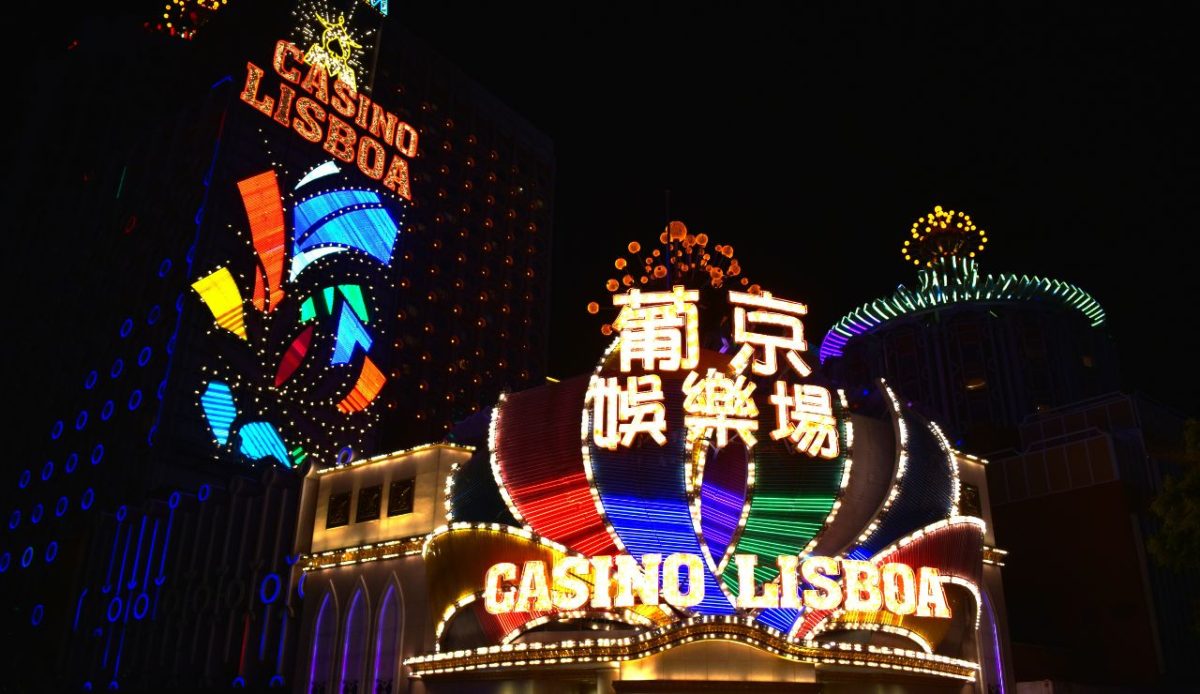
Macau is one of the few places where gambling is fully legal and widely accessible, unlike many U.S. jurisdictions where restrictions still apply. Visitors can experience large-scale casinos, poker rooms, and other betting options. Legalized gambling is strictly regulated, ensuring transparency and consumer protection. Tourists are drawn not only to the gaming opportunities but also to Macau’s rich cultural heritage and luxury entertainment. Responsible play and awareness of local regulations help visitors enjoy gambling legally while fully appreciating this unique aspect of Macau’s tourism scene.
7. Firewalking in Bali, Indonesia
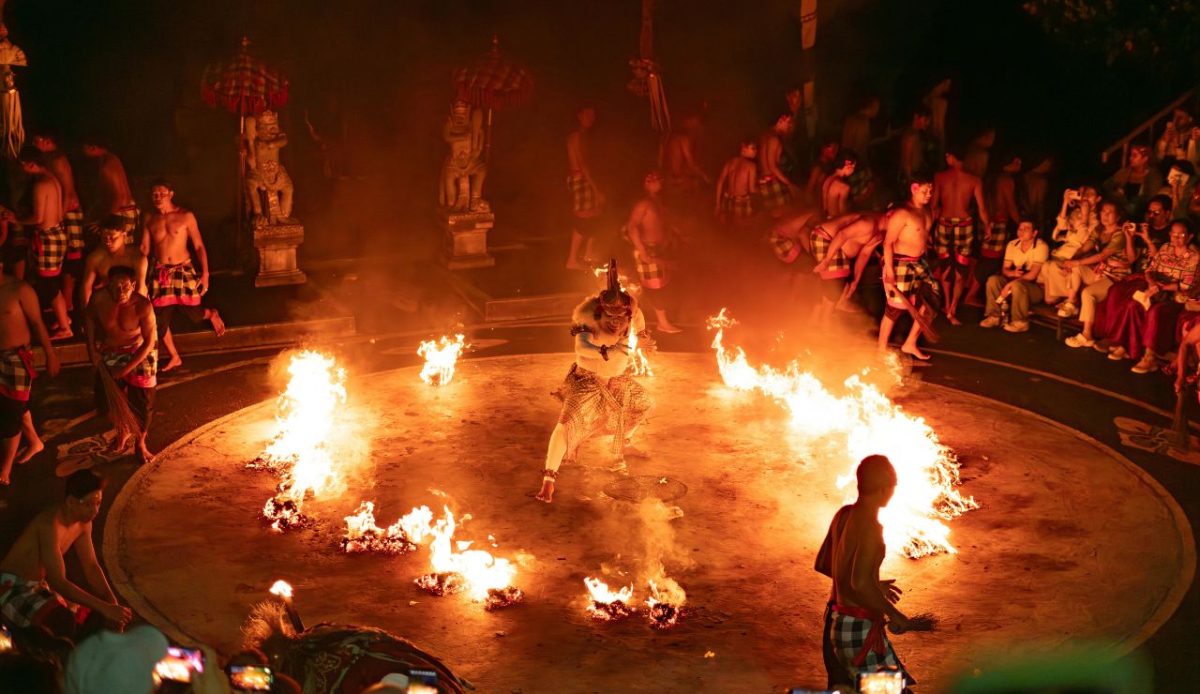
Firewalking ceremonies are a traditional spiritual practice in Bali, permitted and celebrated locally. Tourists can legally witness or sometimes participate in these rituals under the supervision of experienced guides. In the U.S., firewalking is generally prohibited due to safety concerns. Participating abroad provides insight into Balinese culture, religious traditions, and community ceremonies. Proper guidance and respect for local rules are essential to avoid injury. Experiencing firewalking legally abroad is a rare opportunity to connect with cultural heritage while safely engaging in a practice banned at home.
8. Hunting in New Zealand
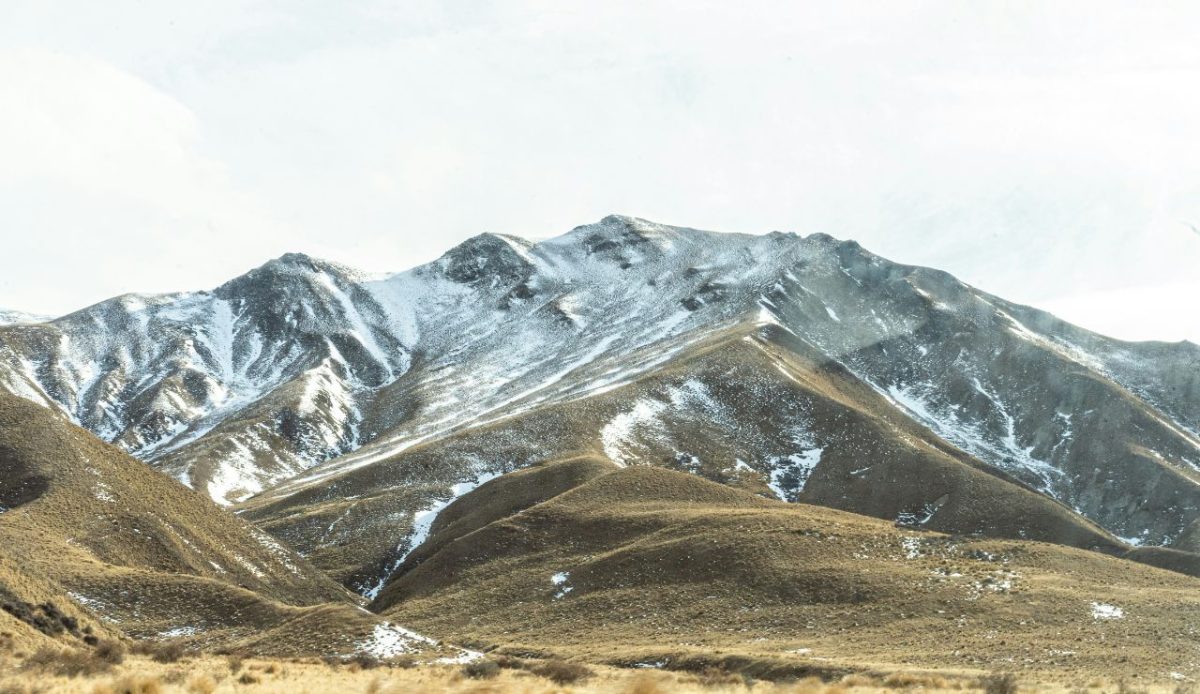
New Zealand allows regulated hunting of certain game animals, a practice heavily restricted or banned in many U.S. regions. Tourists can join guided hunts for deer, pigs, and birds in designated areas with proper licenses. Strict rules ensure environmental conservation and sustainable hunting practices. These experiences provide an outdoor adventure combined with cultural learning about local wildlife and ecosystems. Observing hunting regulations and ethical practices ensures legal participation. For visitors from the U.S., this provides a unique chance to experience legal hunting under carefully monitored and responsible conditions.
9. Kiteboarding in Cape Town, South Africa
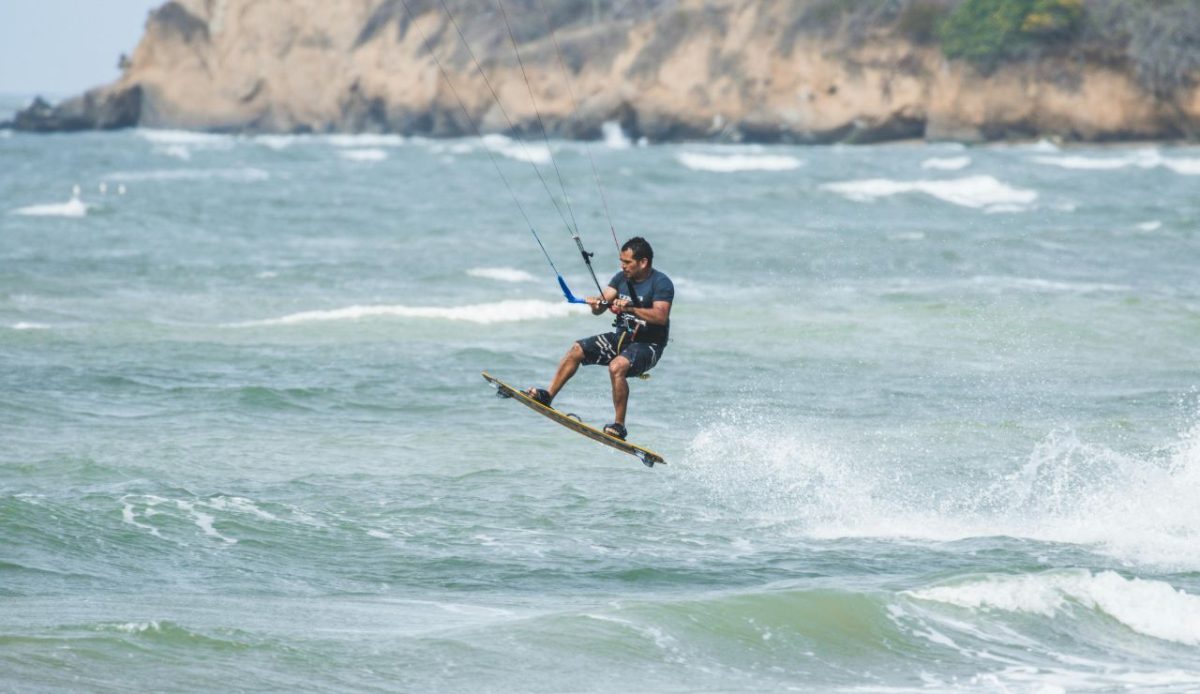
Cape Town’s beaches are legal havens for kiteboarding, a sport restricted in many U.S. coastal areas due to safety rules or zoning regulations. Visitors can take lessons or enjoy advanced water sports in regulated zones without fear of breaking laws. Conditions are ideal for beginners and experts alike, with instructors ensuring safety protocols are followed. Kiteboarding legally abroad allows travelers to enjoy adrenaline-filled experiences not always permitted at home. The combination of legal freedom, natural beauty, and supportive facilities makes Cape Town a top destination for extreme water sports enthusiasts.
10. Tantrism Practices in India

Certain traditional tantric practices, often involving rituals or meditation techniques, are legal in India but restricted in the U.S. These practices are deeply rooted in spiritual culture and often performed in monasteries or with experienced teachers. Visitors can observe or participate in guided sessions to learn about local philosophy and rituals legally. Understanding and respecting local customs is crucial to avoid cultural insensitivity. Experiencing tantra legally abroad offers spiritual insight, personal growth, and a unique opportunity to engage with cultural traditions that remain off-limits back home.
11. Skydiving in Interlaken, Switzerland
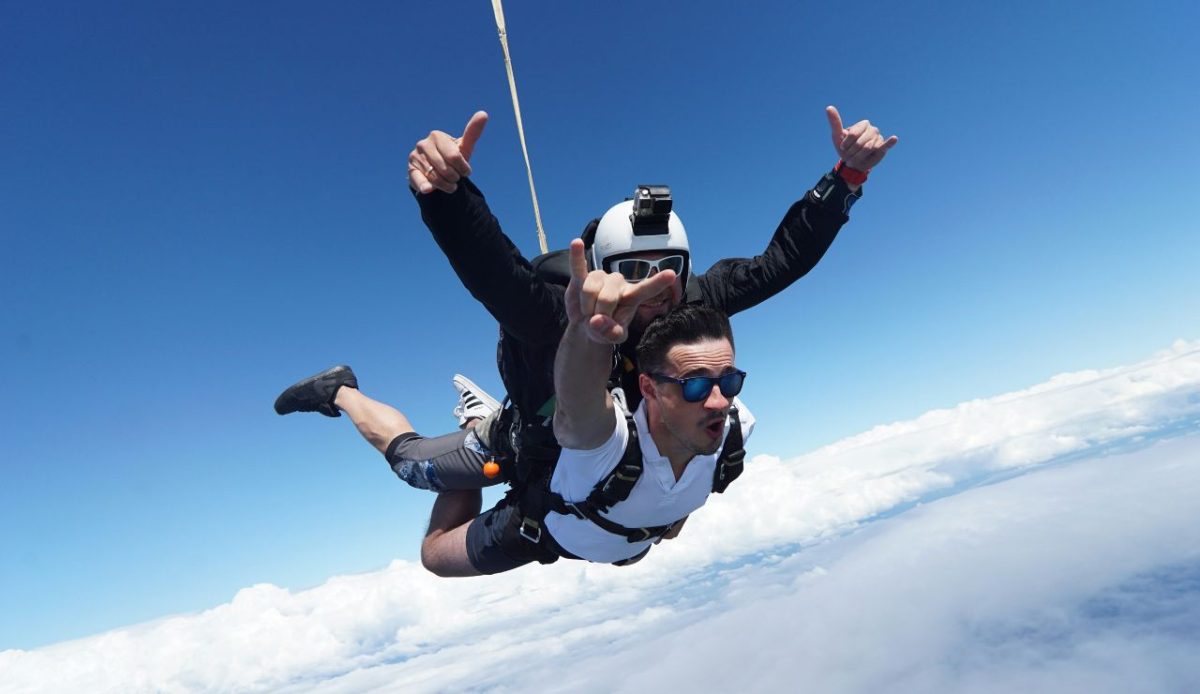
Interlaken is famous for legal skydiving experiences over the Swiss Alps, offering breathtaking views and controlled jumps for tourists. While skydiving exists in the U.S., certain restrictions, insurance requirements, and altitude limits make it less accessible or more regulated. Switzerland’s certified operators provide safe and legal jumps for travelers of all skill levels. Tourists can experience extreme adventure in a controlled environment that respects both safety and local law. Skydiving here allows visitors to legally enjoy a thrilling activity that may be restricted or limited at home.
