
Hanford’s nuclear history sits in plain sight around Washington’s Tri-Cities, even though most of the Hanford Site stays behind a guarded fence. For travelers, the practical way to learn is through official programs and nearby stops that explain what happened here and how cleanup works today.
This guide lists eleven tour-style options you can do now, mixing in-person visits, ranger-led history trips, and self-guided viewpoints along the Columbia River. Rules shift, so book through official operators and carry ID for any behind-the-fence outing.
Expect Manhattan Project landmarks and exhibits that discuss waste handling and tank leaks in plain language. You’ll get context on what is open to the public and what remains restricted.
1. Pre-Manhattan Project Historic Sites Tour
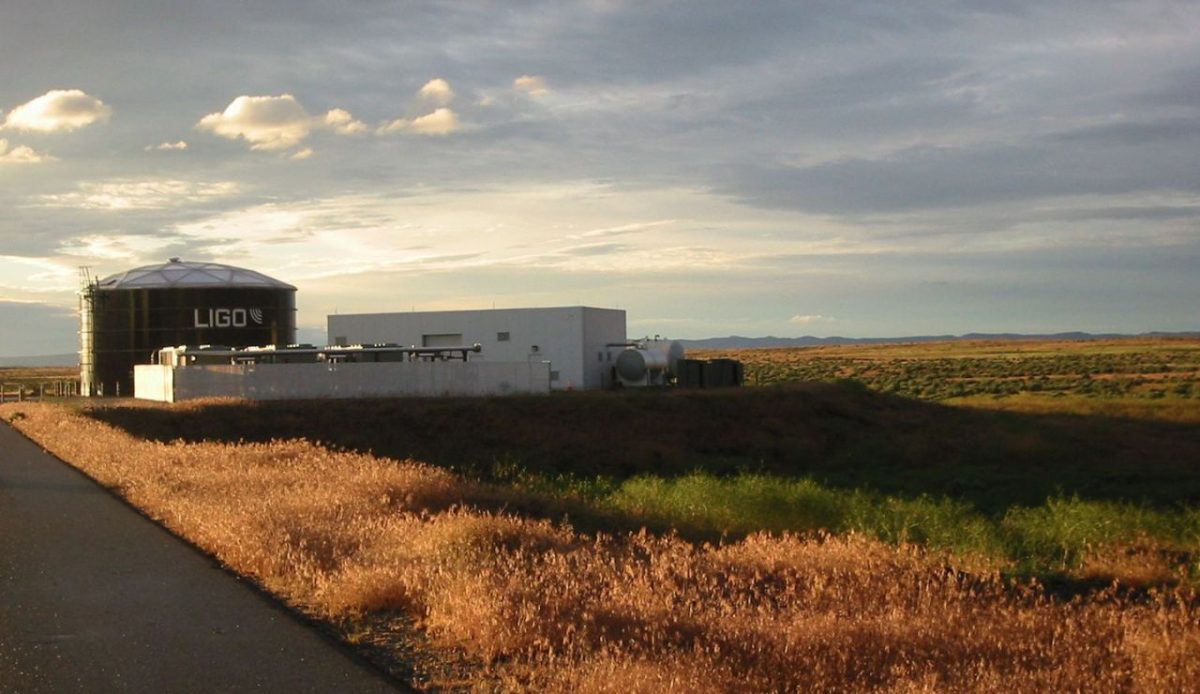
This is the main “behind the fence” option that continues when other Hanford tours pause. Run under the Department of Energy, it focuses on pre-WWII places like the White Bluffs Bank and nearby ranch sites that explain life here before wartime construction.
Expect a bus-style day with controlled stops, safety briefings, and strict ID checks. You’re visiting a secure cleanup reservation, so photography rules and what you can carry can be limited.
It’s a smart choice if your interest is the human story plus the long tail of waste handling and tank-farm legacy, without needing deep technical background. Check the season dates because offerings shift year to year.
2. Hanford Site Virtual Cleanup Tours
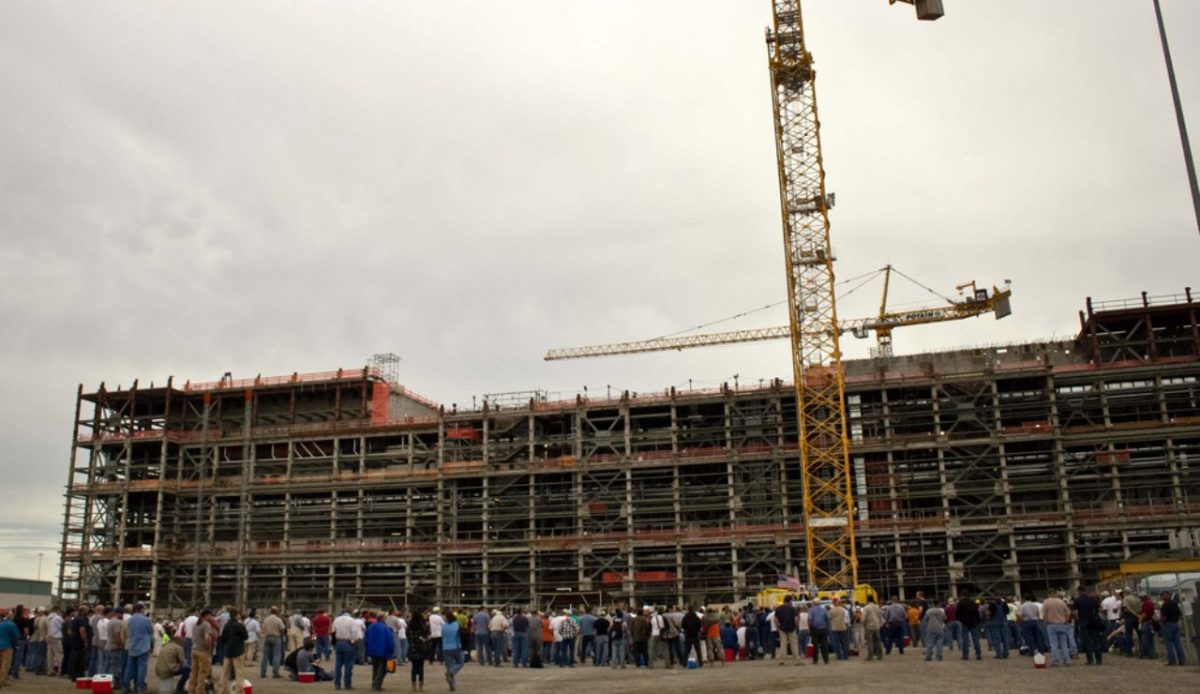
If you want the “leaks and cleanup” side without any security hurdles, start with the Hanford Site’s official virtual tours. They show projects across the reservation, including areas that are normally off-limits to the public because of active work.
The experience is self-guided, so you can move fast or slow, replay explanations, and focus on the parts that match your curiosity, tank waste, groundwater, or river protection. It’s also useful prep before an in-person tour.
Treat it like a museum visit you can do from your hotel at night: you’re getting current context on remediation, not a dramatized “dark tourism” version of the story today.
3. Ranger in Your Pocket: B Reactor Walkthrough
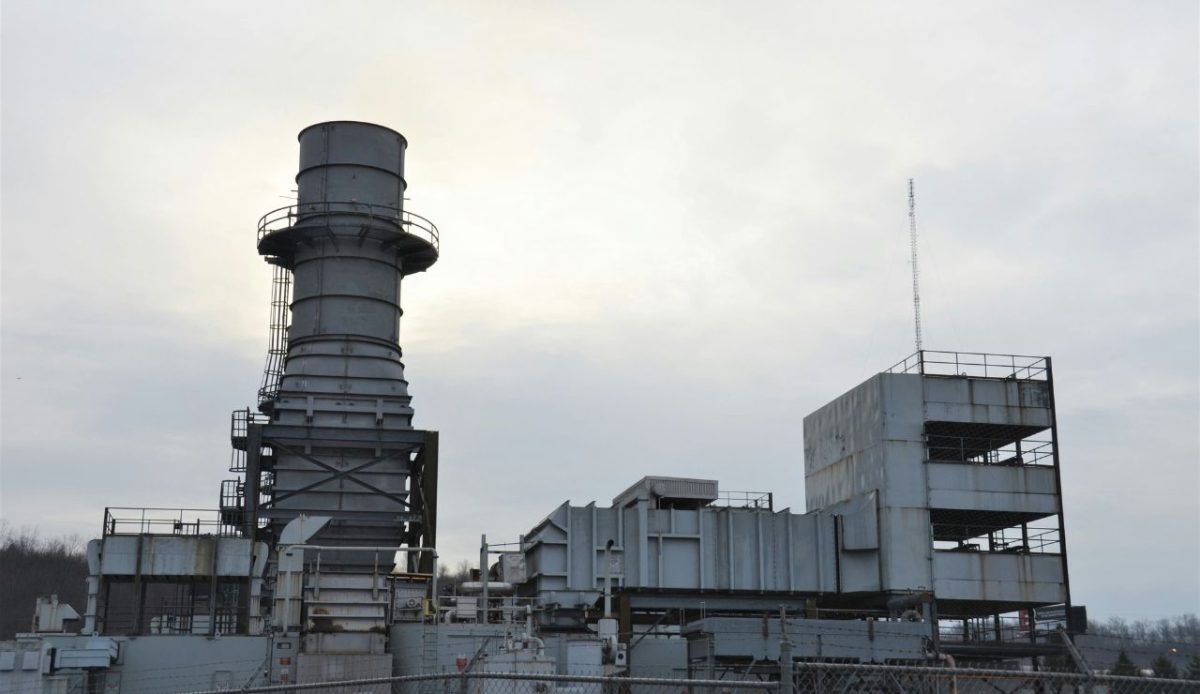
When in-person B Reactor access isn’t running, the National Park–linked “Ranger in Your Pocket” option helps fill the gap. It’s a narrated, room-by-room digital walkthrough that explains how the world’s first full-scale plutonium production reactor operated.
You’ll hear short clips and see visuals tied to major spaces, which makes the technical story easier to follow than a dense documentary. It also connects the reactor’s role to the wider environmental legacy that later required long-term waste management.
Use it as a structured primer before you visit the Tri-Cities museums, or as a substitute if your travel dates don’t line up with any official bus tours.
4. NPS Hanford Guided Tours Planning Stop
Before you commit to any itinerary, use the National Park Service’s Hanford guided-tour info as your reality check. Most historic properties sit on a secure DOE reservation, so you cannot simply drive up, hike in, or improvise a visit.
The NPS pages spell out what tours exist, what is suspended, and why access remains controlled decades after WWII. They also clarify that “behind the fence” stops require being on an authorized tour, not just holding a park map.
This planning step isn’t glamorous, but it prevents wasted travel time and keeps your trip aligned, in writing, with current rules, seasonal windows, and basic site safety requirements.
5. The REACH Museum in Richland
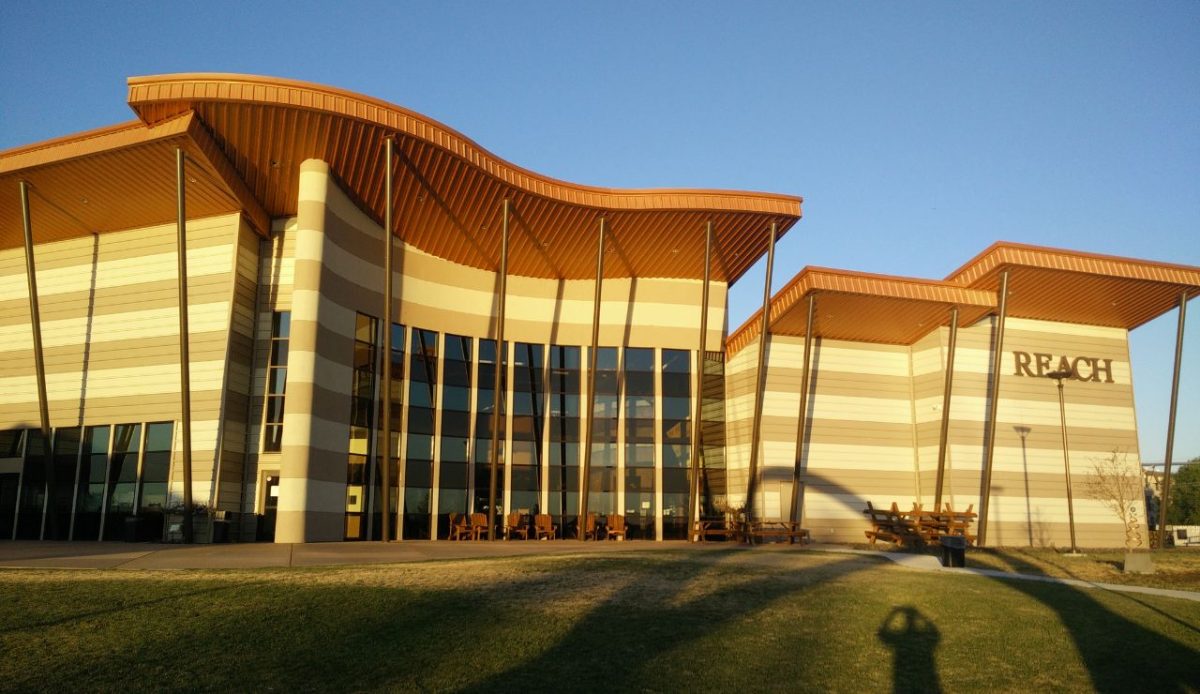
For an on-the-ground stop that still treats the “leak” topic seriously, spend time at The REACH Museum in Richland. It covers regional history, the Hanford Project era, and the Columbia River environment that shaped both industry and cleanup priorities.
Museums are where a lot of the tougher context lands best: timelines, workforce stories, and how waste storage decisions created problems that later generations had to manage. You also get air-conditioned, kid-friendly pacing if you’re traveling with family.
Pair this visit with a riverfront walk afterward. Seeing the landscape right after you’ve absorbed the history makes it easier to understand why groundwater and river protection are constant themes in Hanford discussions.
6. Richland Alphabet Houses and Atomic Frontier Walk
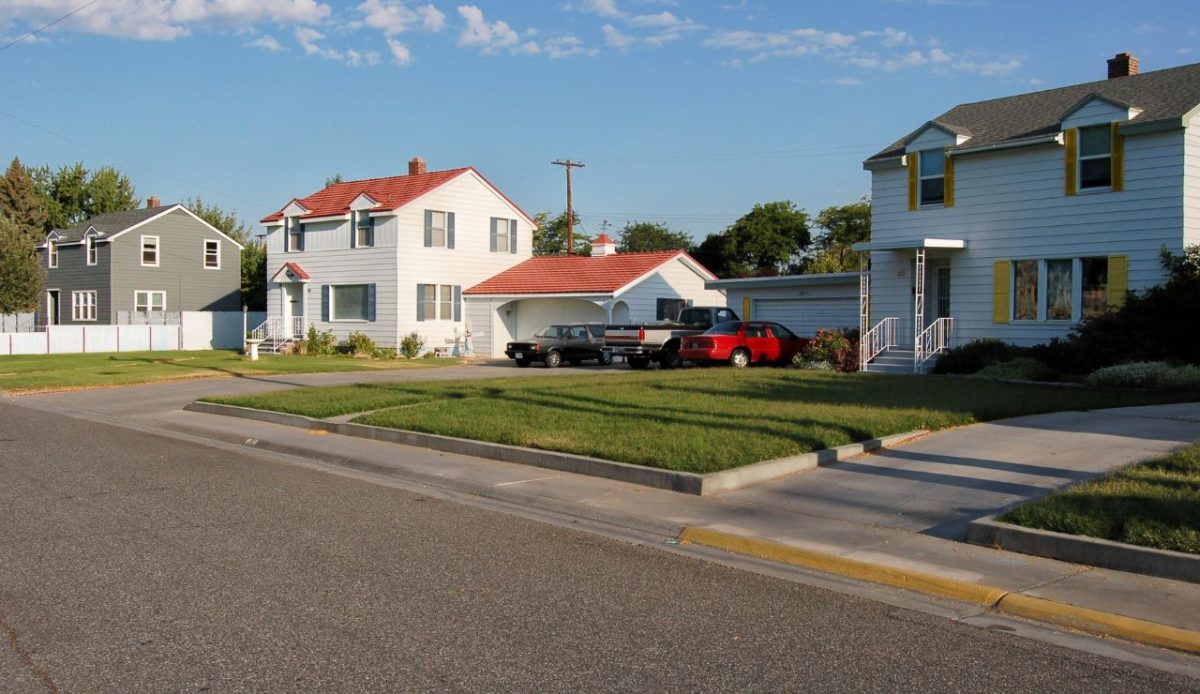
Richland’s “Alphabet Houses” are a low-key but telling tour for understanding how fast Hanford reshaped the region. These standardized neighborhood homes were built for wartime workers, and the street-by-street layout still signals the scale of the federal project.
Walk or drive the historic neighborhoods with a mindset of industrial archaeology: not ruins, but everyday infrastructure created by a secret program. It adds texture to the leak-and-cleanup narrative by showing the community that supported the work.
Follow it with a stop at a local history display or riverfront viewpoint. The contrast, quiet residential blocks beside a massive cleanup site, helps visitors grasp how Hanford’s legacy sits inside normal life here.
7. Hanford Reach National Monument River Overlooks
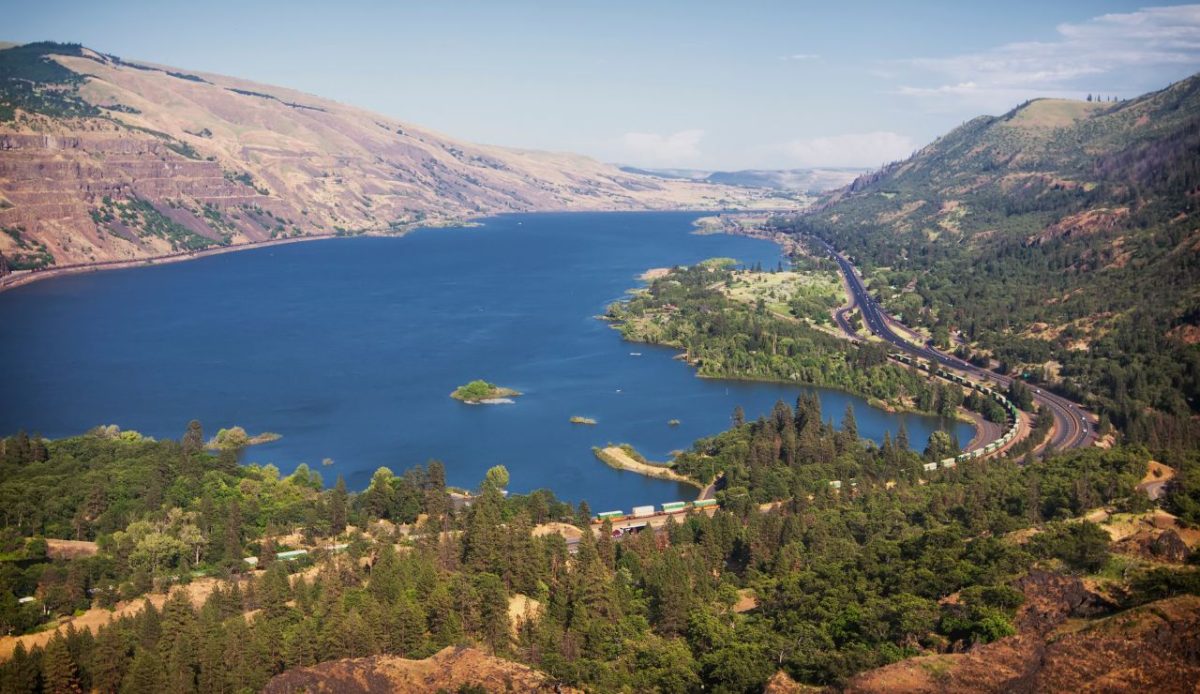
To feel the setting without entering restricted zones, head to public overlooks along the Hanford Reach of the Columbia River. This stretch is one of the river’s last free-flowing sections, and the surrounding shrub-steppe landscape makes the scale of the reservation easier to picture.
From viewpoints near the river corridor, you can talk through “why here” questions: water supply, isolation, and transport routes that influenced WWII siting. It’s also a natural place to discuss long-term contamination concerns without standing on active work areas.
Go at golden hour, bring binoculars, and keep expectations realistic. You’re not touring tank farms from a lookout, but you are seeing the environmental stakes that drive the cleanup story.
8. White Bluffs and Hanford Townsite Stories
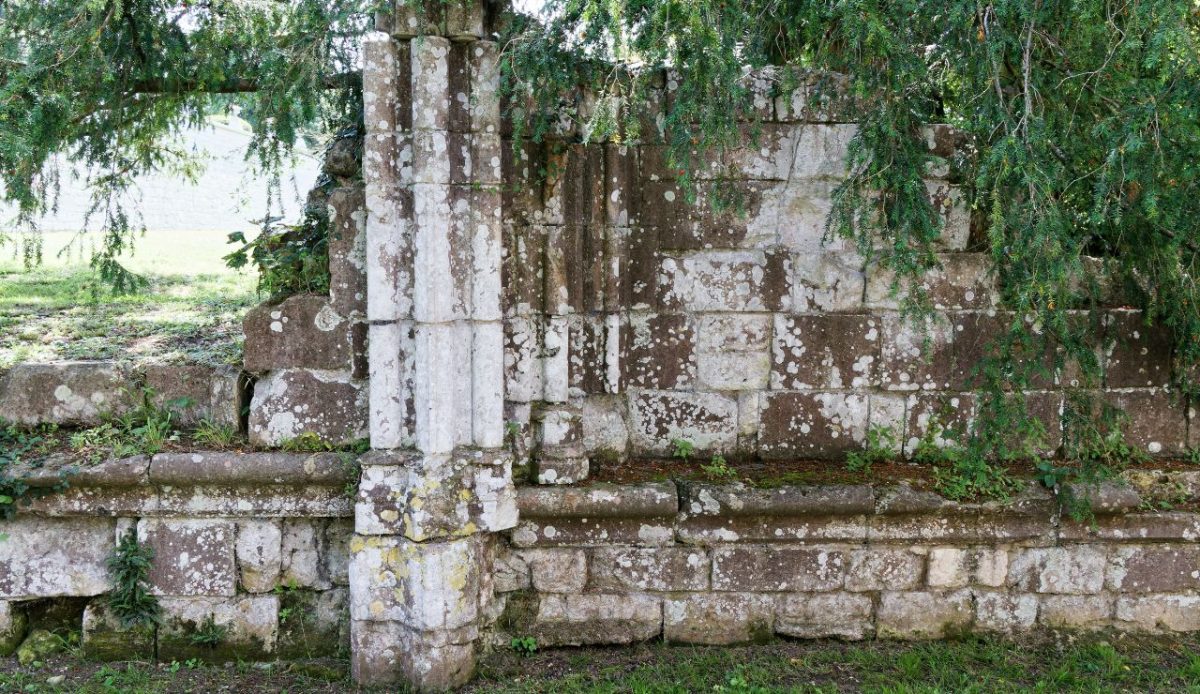
The names “White Bluffs” and “Hanford” belonged to farming towns long before the nuclear reservation. Today, most remaining structures sit behind restricted boundaries, but the story is still tourable through interpretation and carefully controlled access.
On the Pre-Manhattan Project tour, stops like the White Bluffs Bank put you in front of preserved buildings that explain displacement, land acquisition, and what was lost. Off-site exhibits and local archives fill in photos, maps, and personal accounts.
This is where the “haunting” feeling comes from in a factual way: not ghosts, but absence. The relocated communities help explain why Hanford’s environmental legacy is also a social and cultural one.
9. B Reactor Tours and Current Suspension Notes
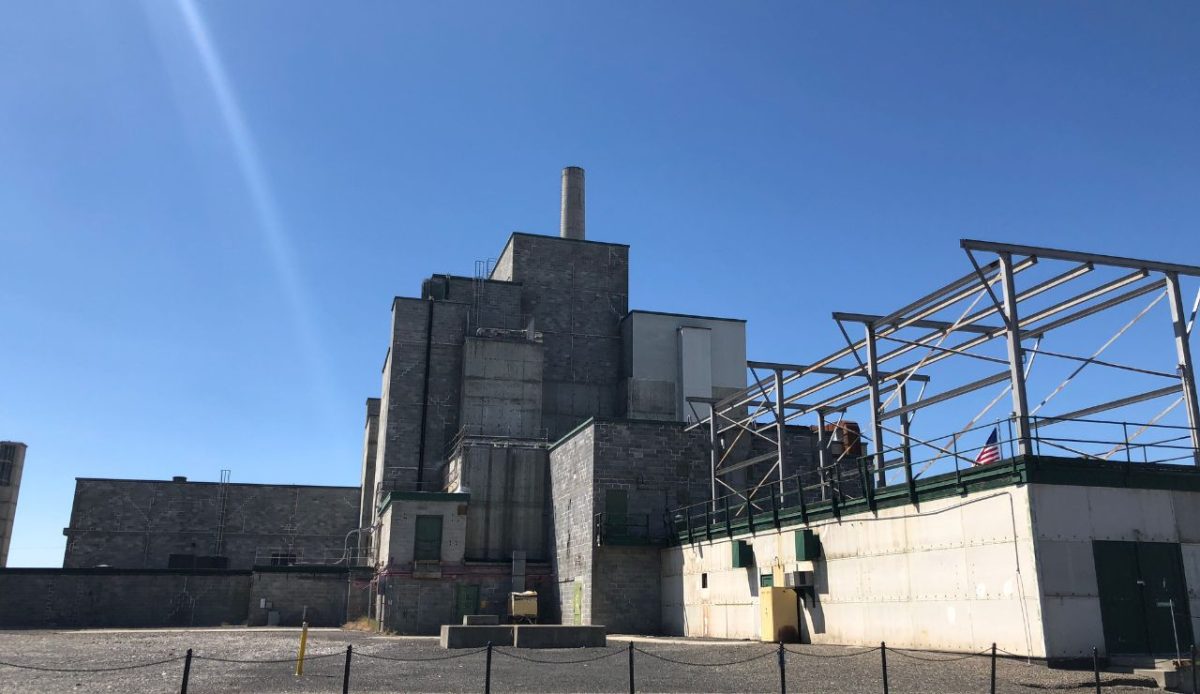
B Reactor is the headline Hanford visit, but it’s also the one most likely to pause. The Department of Energy has suspended B Reactor tours for the 2025 season due to major construction projects, so “now” may mean planning for a later reopening.
If tours resume, expect a free, reservation-based bus trip into the site with tight security screening. If they remain paused during your dates, don’t force it, there is no walk-up access and the fence is not a suggestion.
Build your trip with backups: the Pre-Manhattan Project tour, virtual walkthroughs, and Tri-Cities museums. That way you still get a complete Hanford narrative even if the reactor itself is off the calendar.
10. Tri-Cities Manhattan Project Orientation Stops
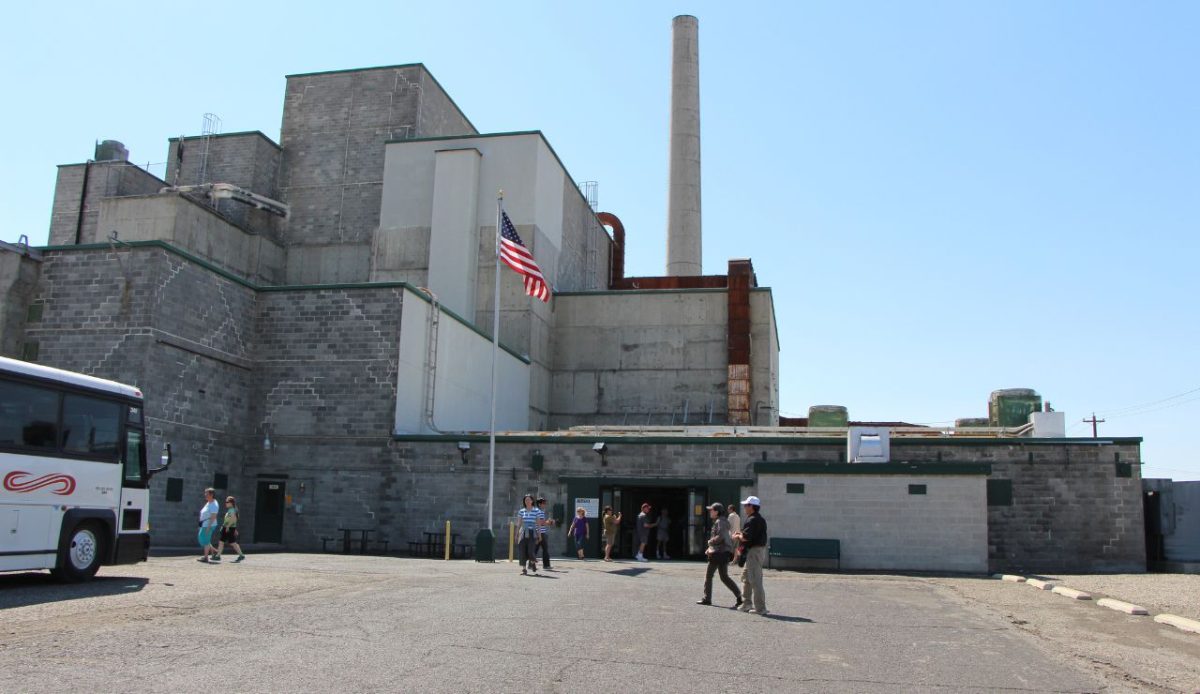
Even without going behind the fence, you can orient yourself to the Manhattan Project National Historical Park story in the Tri-Cities. Visitor information and local displays explain how Hanford fit into a three-site system alongside Los Alamos and Oak Ridge.
Use these stops to learn the vocabulary, reactor, separations plants, waste streams, before you see anything in person. It makes later museum exhibits and virtual tours far easier to follow, especially if you’re not coming in as a nuclear history nerd.
Think of this as the “trailhead” for the trip. You’re building context first, then moving outward to landscapes, neighborhoods, and the curated historic sites that are actually accessible.
11. Columbia River Paddle and Shoreline Ethics
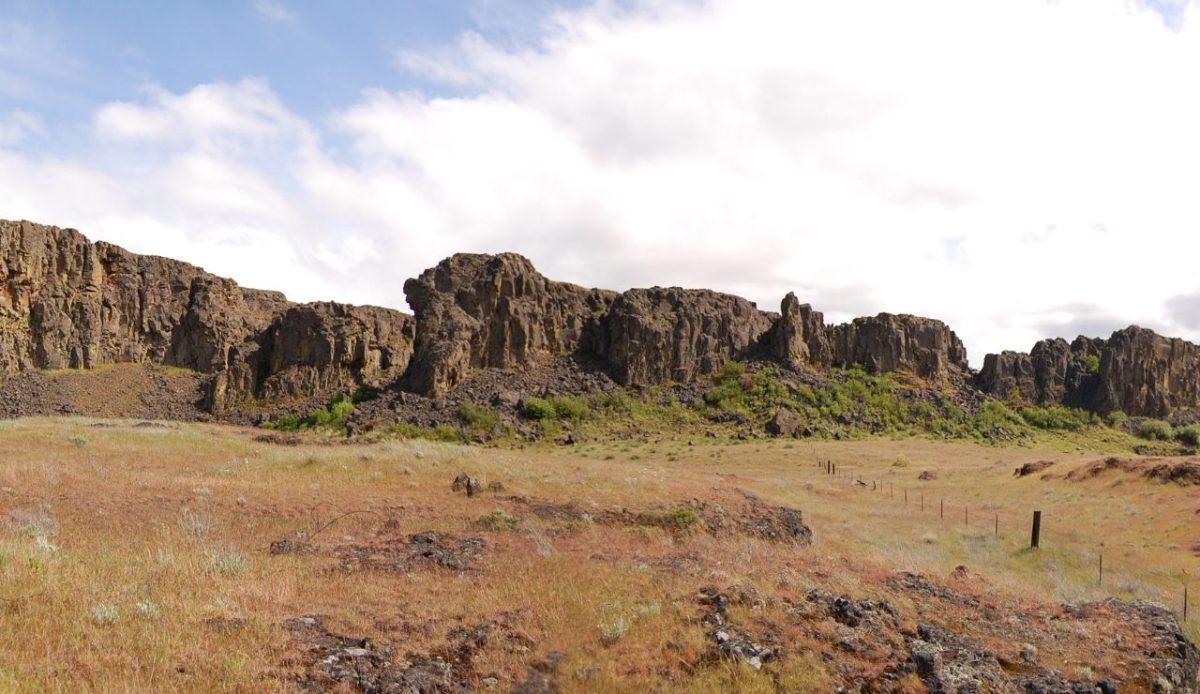
A water-level look at the Columbia can deepen your sense of place, and the Tri-Cities area has public launches for paddling and boating on open stretches. This is not a “sneak closer” activity; stay in legal areas and follow any posted closures tied to wildlife refuges or site security.
From the river, you notice scale: wide desert shorelines, long sightlines, and how isolated the reservation feels even near town. It’s a good moment to connect the history to present-day priorities like groundwater protection and habitat stewardship.
Keep it simple and safe: check conditions, wear a life jacket, and treat the river as a learning backdrop, not a route to restricted landmarks. Responsible Hanford trips respect boundaries.
