
Airlines, insurers, and tour operators report that Americans are weighing more than airfare when choosing overseas trips in 2026. Safety notices, crowd controls, and entry rules now shape where money is spent and how days are planned.
Instead of canceling travel outright, many people are shortening stays, sticking to well-served districts, and adding backup plans for transport disruptions. Package tours and vetted drivers are being chosen more often than spontaneous routing.
The destinations below are not off limits for every traveler. They are places where risk, cost, or friction has grown enough that careful timing, neighborhood choices, and documentation checks are being treated as essential.
1. Mexico
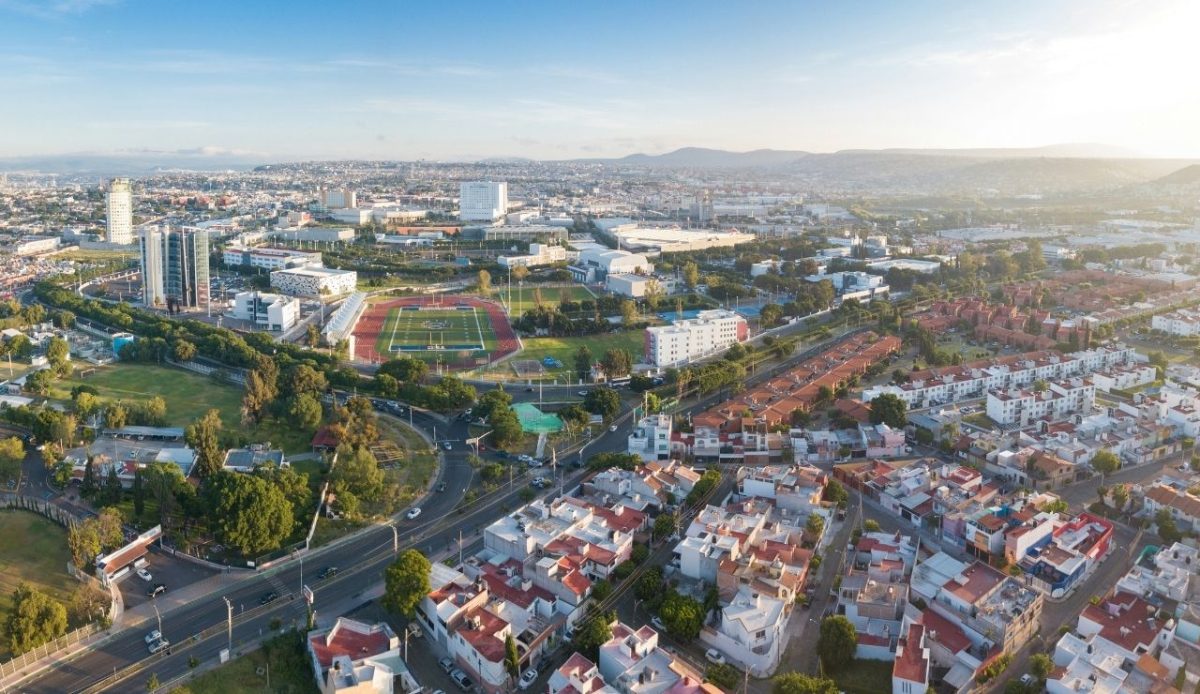
Mexico stays popular for quick flights and strong hotel capacity, yet regional variation matters more in 2026. State-level risk differences mean a safe beach week can sit a few hours from areas where violent crime is a frequent concern.
More Americans are booking direct resort transfers, limiting late-night driving, and choosing lodging with controlled access. Mobile connectivity is kept on, and cash handling is being reduced through card-first spending.
For many itineraries, Baja and parts of the Yucatan are being prioritized over less monitored inland routes. Medical access is being reviewed, too, since private clinics may be needed after an injury.
2. Jamaica
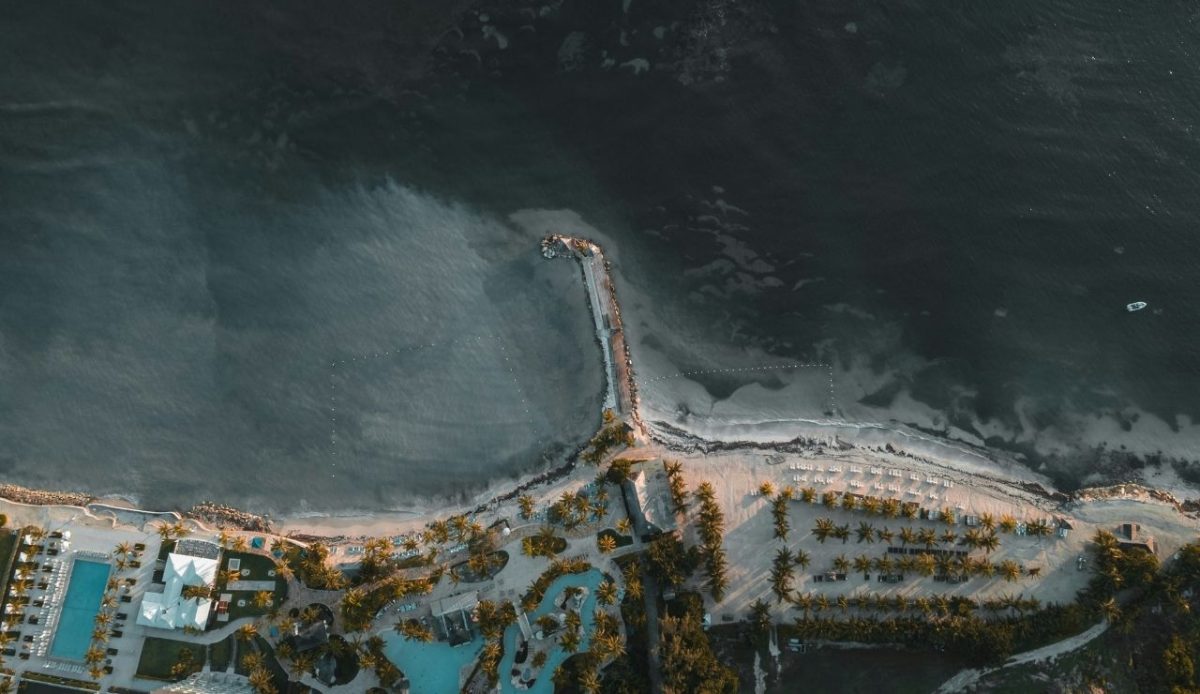
Jamaica continues to sell all-inclusive convenience, but trip planning is more constrained in 2026. Travelers pay close attention to crime reporting and where incidents cluster, especially outside resort corridors and on night outings.
Many visitors keep movement simple by using hotel-arranged taxis, prebooked excursions, and daylight schedules. Groups are preferred for city outings, and a reliable contact number is kept for quick changes.
Beach time in Negril or Montego Bay still delivers value, yet expectations have shifted. A vacation is being treated less like free roaming and more like a stay within a managed footprint. Smart travelers also confirm airport pickup details before landing.
3. The Bahamas
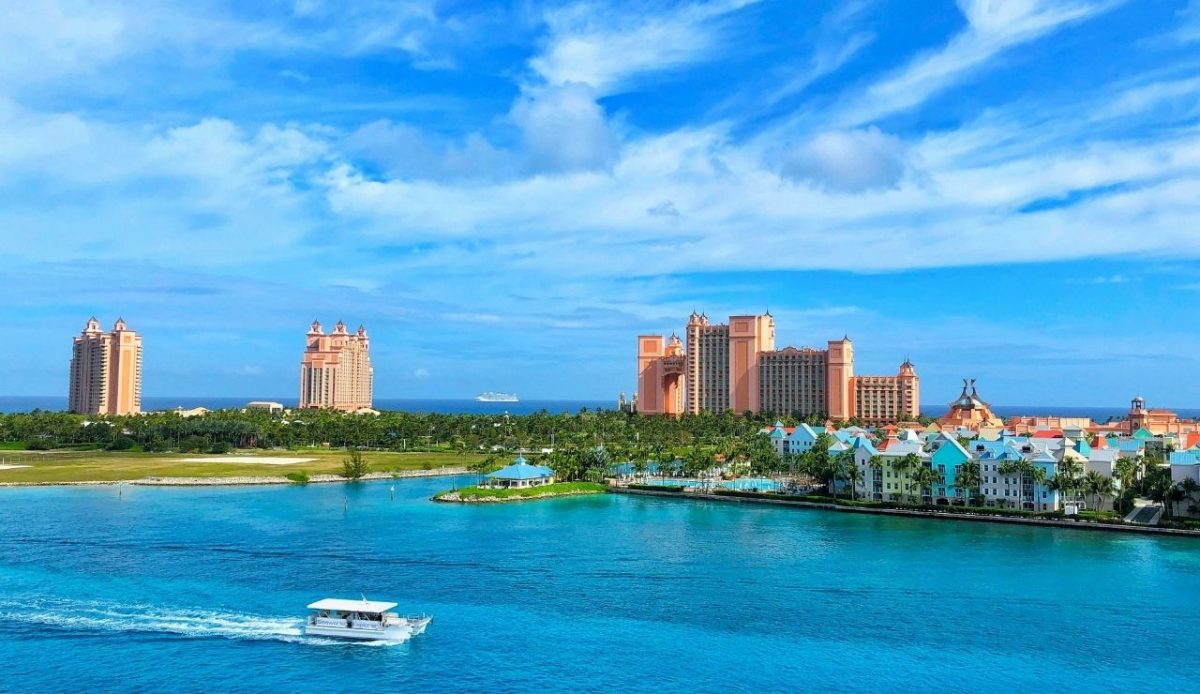
The Bahamas remains an easy hop from the Southeast, yet short distances do not erase safety concerns. Travelers are reviewing local advisories about violent crime and are choosing areas known for a stronger security presence.
Cruise guests often remain near port-controlled zones, while overnight travelers favor large properties that include transport, dining, and on-site activities. Private transfers are common for late arrivals to reduce exposure during transit.
Costs also influence hesitation, since resort fees and food prices can rise quickly during peak weeks. Many Americans now compare total trip pricing against other islands before committing.
4. France
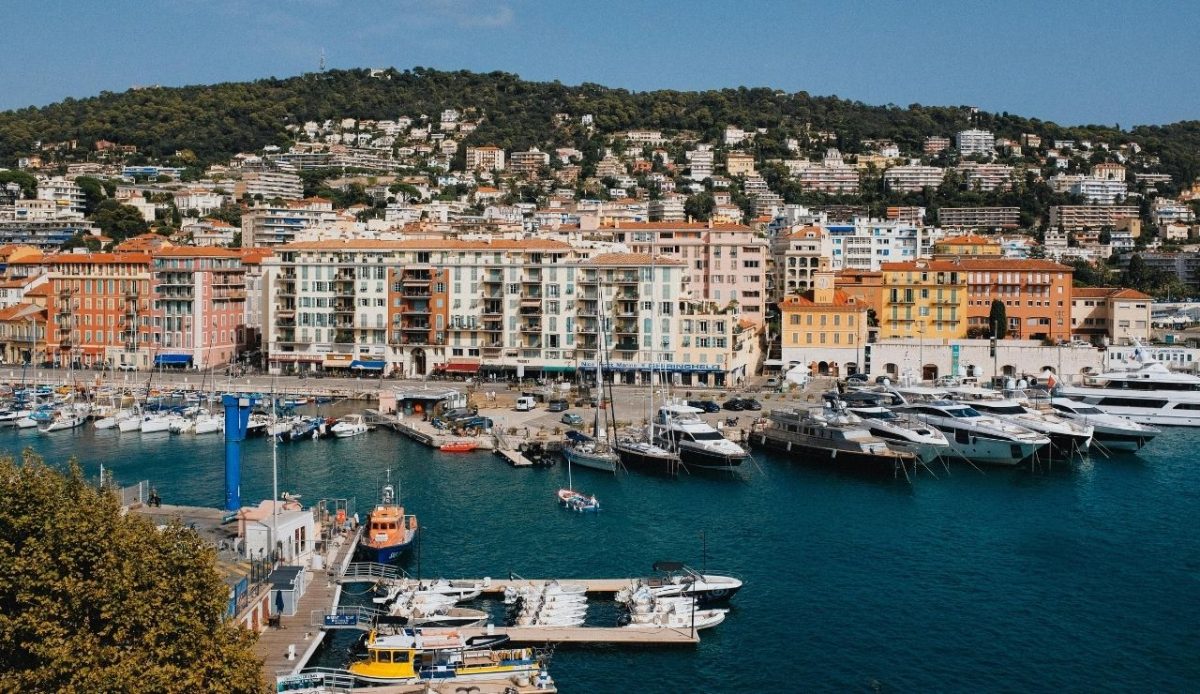
France keeps a strong appeal for culture and rail access, but disruptions have become a planning factor. Demonstrations, strikes, and heightened security periods can affect metro service and access to major sites in Paris and beyond.
Travelers are buying timed tickets, selecting hotels near walkable transit, and building extra buffer days. Smaller cities such as Lyon, Strasbourg, and Bordeaux are being added to reduce time in the most crowded zones.
Pickpocketing and phone theft remain common tourist issues, so document copies and secure bags are emphasized. The trip can still run smoothly when routine precautions are treated as part of the plan.
5. Spain
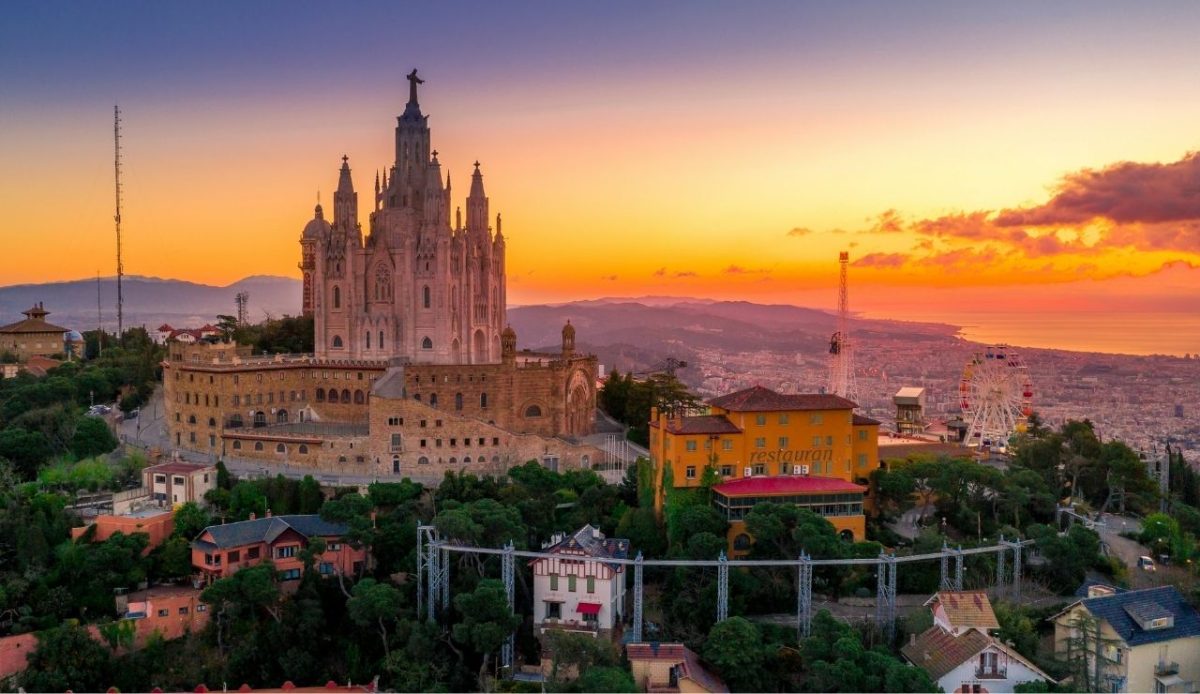
Spain is facing visible pushback against mass tourism, which affects how Americans book in 2026. Short-term rental rules, cruise limits, and city-level caps can change lodging availability and day-trip access with little notice, even after a deposit.
Barcelona and areas of the Canary Islands have seen protests tied to housing pressure. Travelers are responding by choosing hotels over informal rentals and by shifting travel to shoulder seasons.
More interest is flowing to Valencia, Bilbao, and inland regions where crowd density is lower. Spain remains easy to enjoy, yet travelers are learning to treat local policy as a moving constraint on trip design.
6. Italy
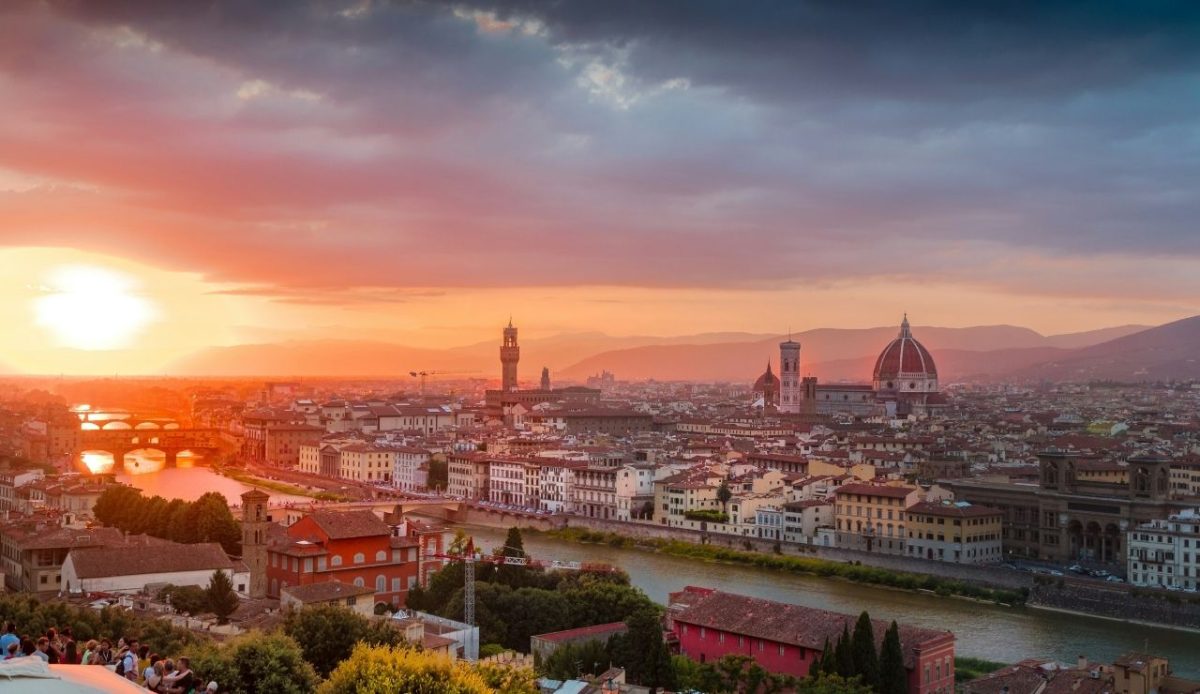
Italy’s headline cities are still in demand, but crowd management is tightening. Reservation requirements, entry systems, and police checks around peak sites can increase waiting time and reduce flexibility for travelers who arrive without a plan.
Americans are booking museums and trains earlier, staying longer in one base, and adding smaller towns to balance the schedule. Venice day access rules and limits on large tour groups have also shifted what a typical itinerary looks like.
Heat waves and transport delays can compound stress in summer, so spring and fall are being favored. The country remains rewarding, yet the cost of poor timing has become more visible.
7. Egypt
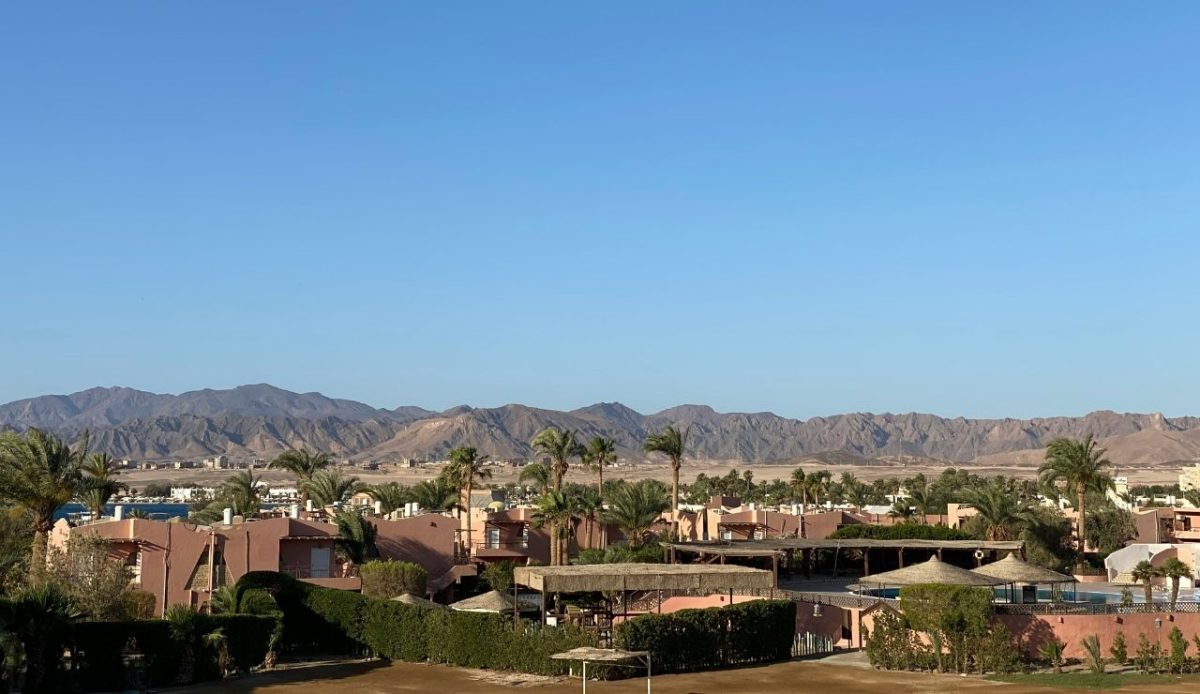
Egypt draws U.S. travelers for ancient monuments, but most 2026 trips are being structured. Regional instability and security posture lead many travelers to rely on licensed guides, controlled transport, and reputable Nile cruise operators.
Insurance terms and medical evacuation coverage are being reviewed before purchase, since care quality can vary by region. Travelers are also checking mobile data access and embassy contact guidance in advance.
Cairo, Luxor, and Aswan can be reached safely with planning, yet the margin for improvisation is smaller. Many Americans are choosing curated packages that keep logistics predictable and reduce exposure to avoidable risks.
8. Israel
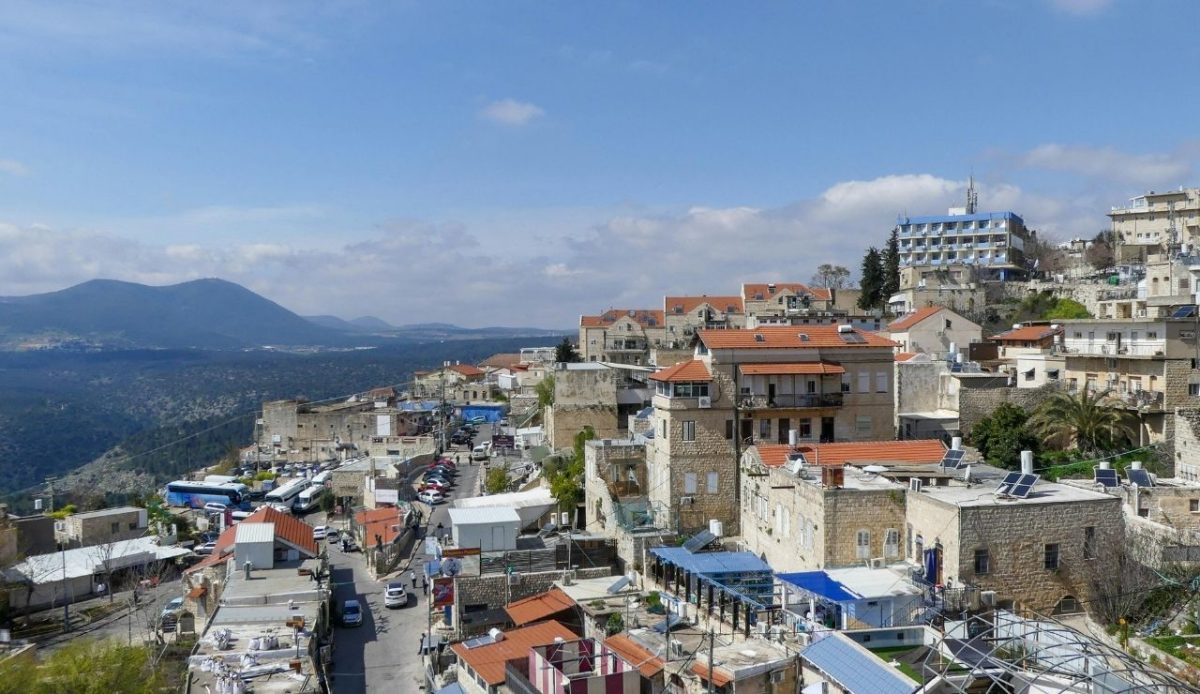
Israel travel decisions in 2026 are heavily influenced by ongoing conflict risk and rapid changes in aviation schedules. Even when flights operate, alerts can alter public transport, gatherings, and access to sensitive areas within days.
Americans who still go often keep itineraries tight, limit time near border regions, and monitor official updates multiple times per day. Flexible lodging terms and refundable flights are treated as essential rather than optional upgrades.
Heritage travel interest remains, yet postponement is common until conditions stabilize. For those who travel, coordination with reputable local operators is being treated as a core safety layer.
9. Turkey

Turkey offers strong value for food, history, and domestic flights, but caution is influencing route choices. Security concerns and legal risk warnings encourage many Americans to avoid certain provinces while keeping focus on established tourist centers.
Istanbul and Cappadocia remain frequent anchors, with coastal stays added where hotel infrastructure is strong. Travelers are relying on reputable tour firms, keeping copies of identification, and avoiding political gatherings.
Currency swings can make budgeting tricky, so expenses are being estimated with wider ranges. Turkey is still being booked, yet the trip is being framed as carefully bounded rather than open-ended wandering.
10. China
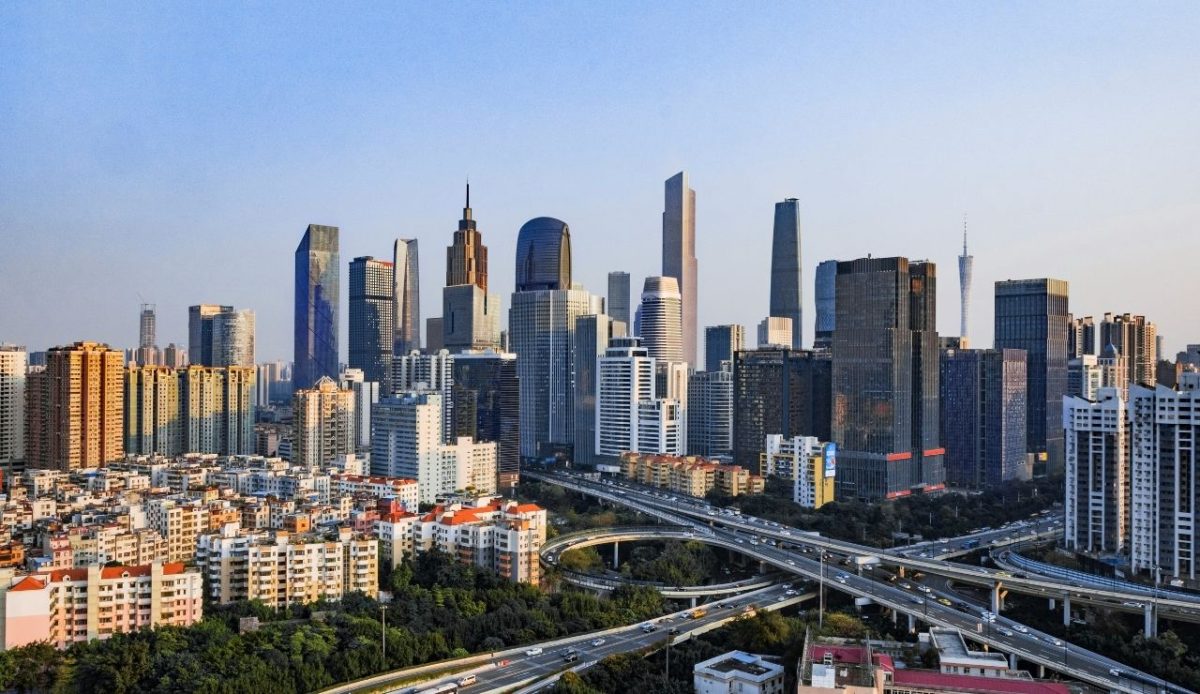
China remains a major draw for landmarks and business, but policy friction affects traveler confidence. Americans are evaluating visa steps, device searches, and enforcement risk, including concerns about exit restrictions that have been noted in official guidance.
Tour groups and business hosts are increasingly handling logistics, while independent travelers are preparing more documentation. VPN dependence, app requirements, and payment setup are being resolved before departure to avoid on-arrival barriers.
Flight capacity and routing have fluctuated in recent years, which can raise fares and limit options. For many Americans, the decision is less about interest and more about tolerable administrative uncertainty.
11. South Africa
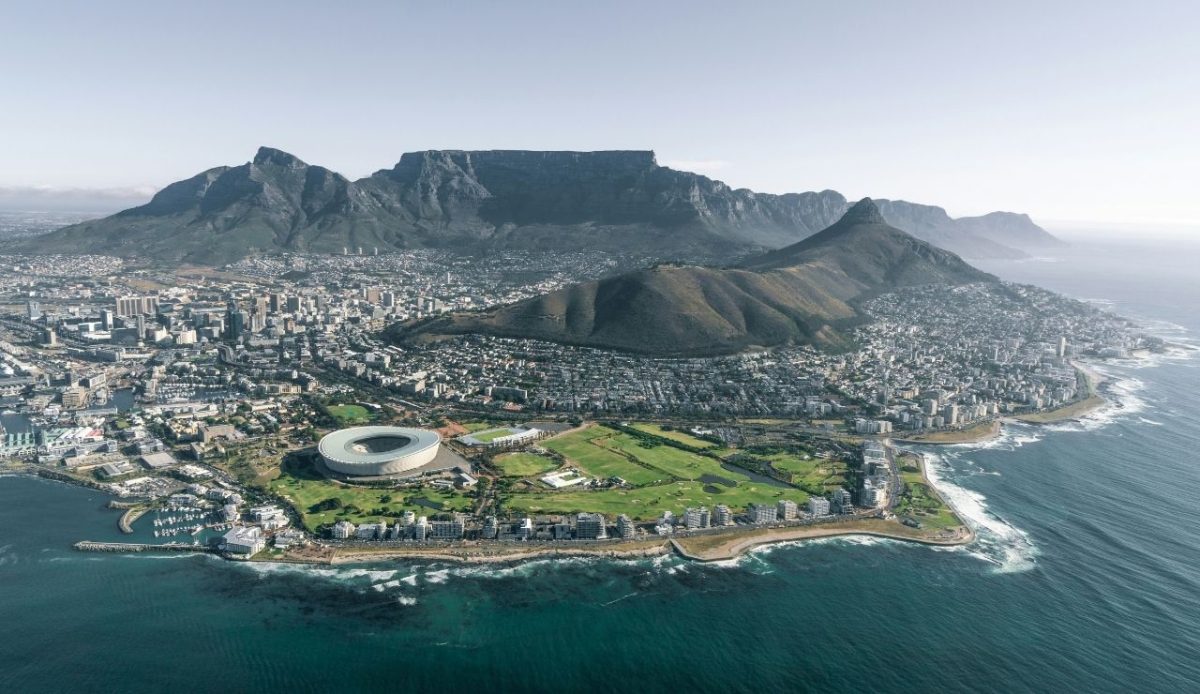
South Africa stays high on wish lists for safaris and scenery, yet crime risk shapes how trips are built. Urban theft, carjacking, and occasional kidnapping reports drive many Americans to use vetted drivers and avoid informal transit.
Cape Town and the Winelands can be done smoothly with daytime planning, secure lodging, and route discipline. Safari segments near Kruger are often paired with lodges that provide transport and guided activities.
Travel insurance, medical access, and power reliability are also being checked ahead of time. The destination remains compelling, but many Americans now treat professional logistics as nonnegotiable.
