
Los Angeles is a playground for visionary architecture, and few names have shaped its skyline like Frank Gehry. Famous for bold forms, unconventional materials, and sculptural style, Gehry transformed the city with buildings that blend art and architecture seamlessly. From cultural landmarks to experimental homes and adaptive reuse projects, his Los Angeles portfolio spans decades of creativity. These 11 Gehry buildings showcase his playful, expressive designs, inviting visitors to explore how innovative architecture can redefine urban space and spark curiosity at every turn, making each visit a visual adventure.
1. Walt Disney Hall
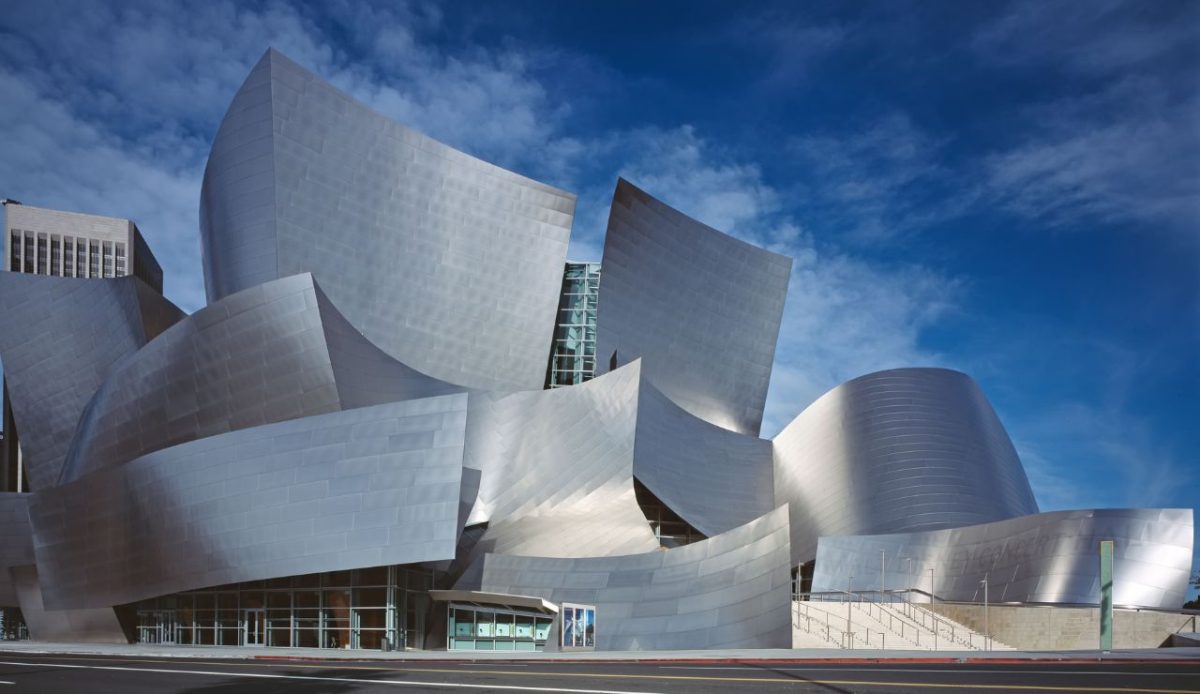
The Walt Disney Concert Hall is Gehry’s most iconic work in Los Angeles, with titanium-clad curves creating a dynamic downtown landmark. Completed in 2003, its sweeping exterior suggests motion and musical fluidity before entering. The hall features world-class acoustics and vineyard-style seating, offering a fully immersive experience for music and architecture fans. Its reflective exterior interacts with sunlight, creating striking visual effects throughout the day. Visitors are drawn to its sculptural forms, making it one of LA’s most photographed and celebrated modern buildings, admired for both beauty and innovation.
2. Gehry House
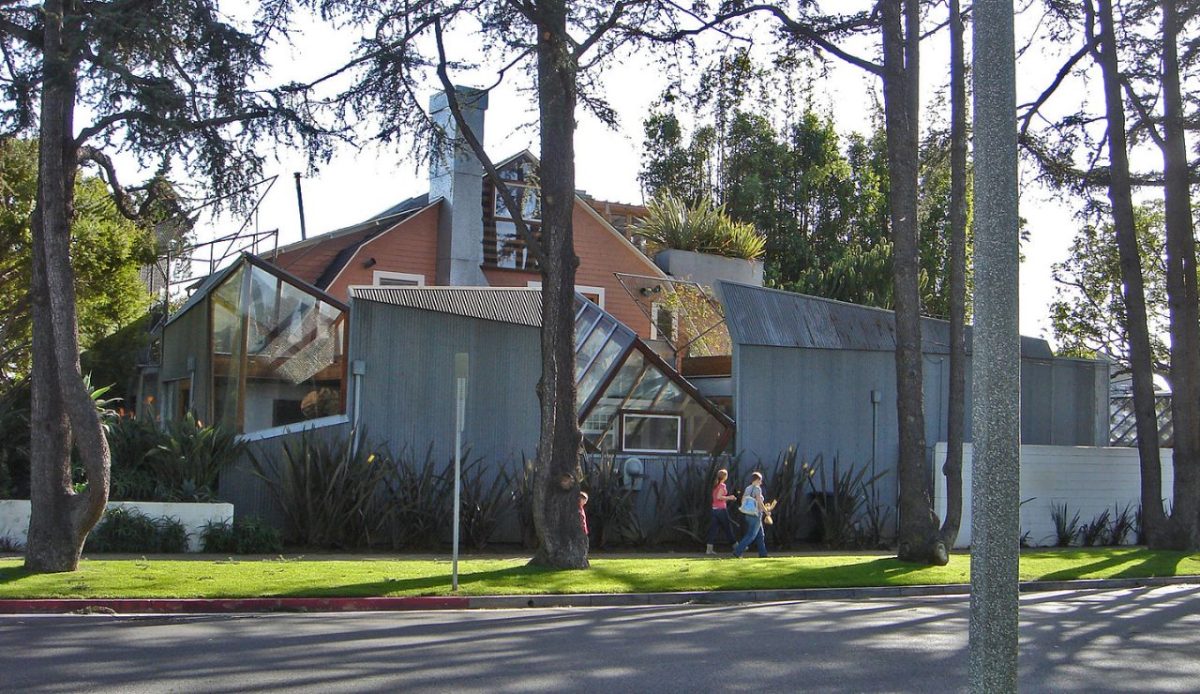
Gehry’s Santa Monica home transformed a simple Dutch Colonial into a work of architectural rebellion. Wrapping the house in corrugated metal, chain-link fencing, and tilted glass panels, he challenged residential design while blurring indoor and outdoor boundaries. This early experiment became a turning point in Gehry’s career, showcasing his creativity and interest in material exploration. The home remains a living example of his ability to combine function with bold artistic expression. Today, it inspires architects and enthusiasts to explore imaginative, unconventional architectural approaches in private homes.
3. Binoculars Building
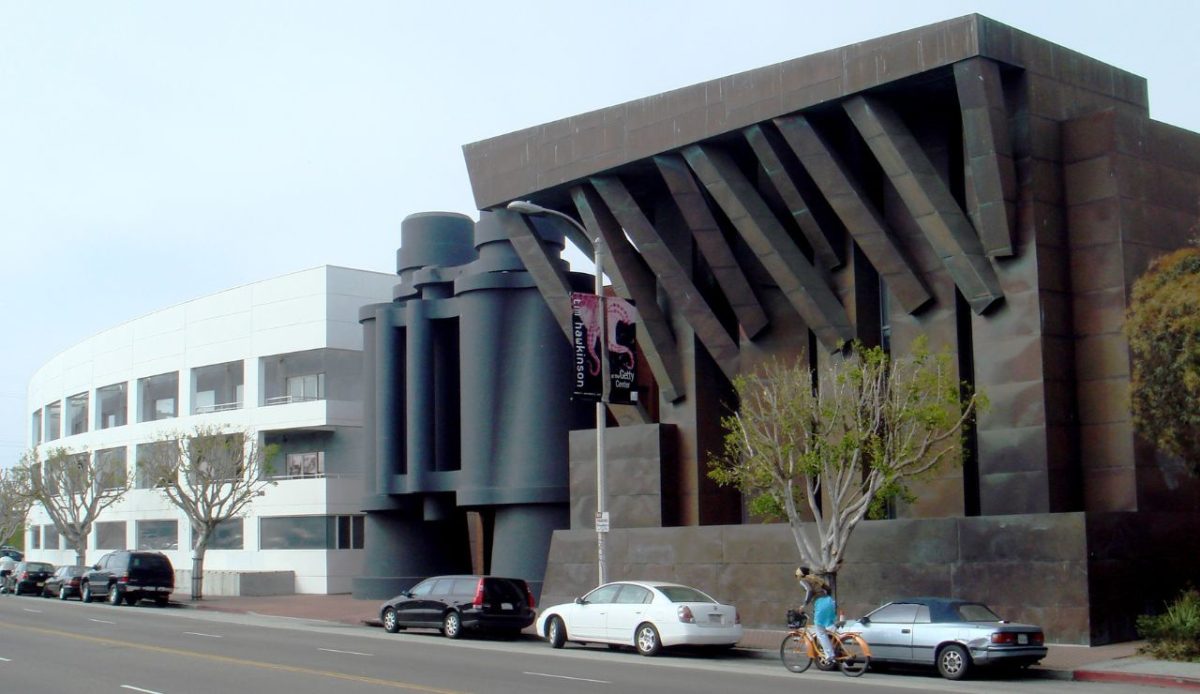
The Chiat/Day Building, famously called the Binoculars Building, features a pair of black binoculars framing the entrance. Designed with artists Claes Oldenburg and Coosje van Bruggen, the sculpture doubles as a functional gateway and memorable landmark. Gehry’s playful postmodern style continues through asymmetrical façades and stepped forms, creating a building that defies conventional office architecture. Now home to Google’s Venice campus, the structure remains a whimsical, visually striking example of Gehry’s ability to merge art, architecture, and urban identity, captivating visitors with its imaginative, sculptural qualities.
4. Geffen Contemporary
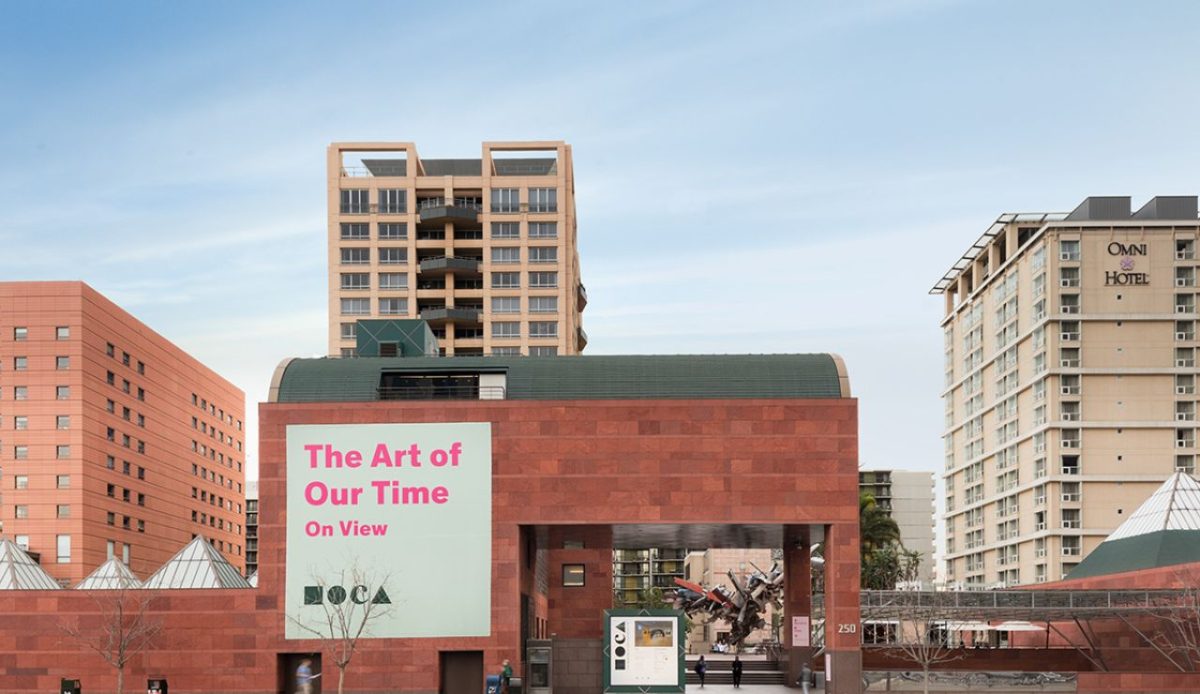
The Temporary Contemporary, now Geffen Contemporary at MOCA, transformed a downtown police warehouse into a major art venue. Gehry retained the industrial character, preserving trusses, concrete floors, and open spaces while adding skylights and ramps for a modern gallery experience. This adaptive reuse project balances history with creativity, making the space ideal for large contemporary art installations. Its monumental yet understated transformation allows architecture to complement exhibits while maintaining flexibility, showing Gehry’s skill in enhancing visitor experience through thoughtful design.
5. Loyola Law School
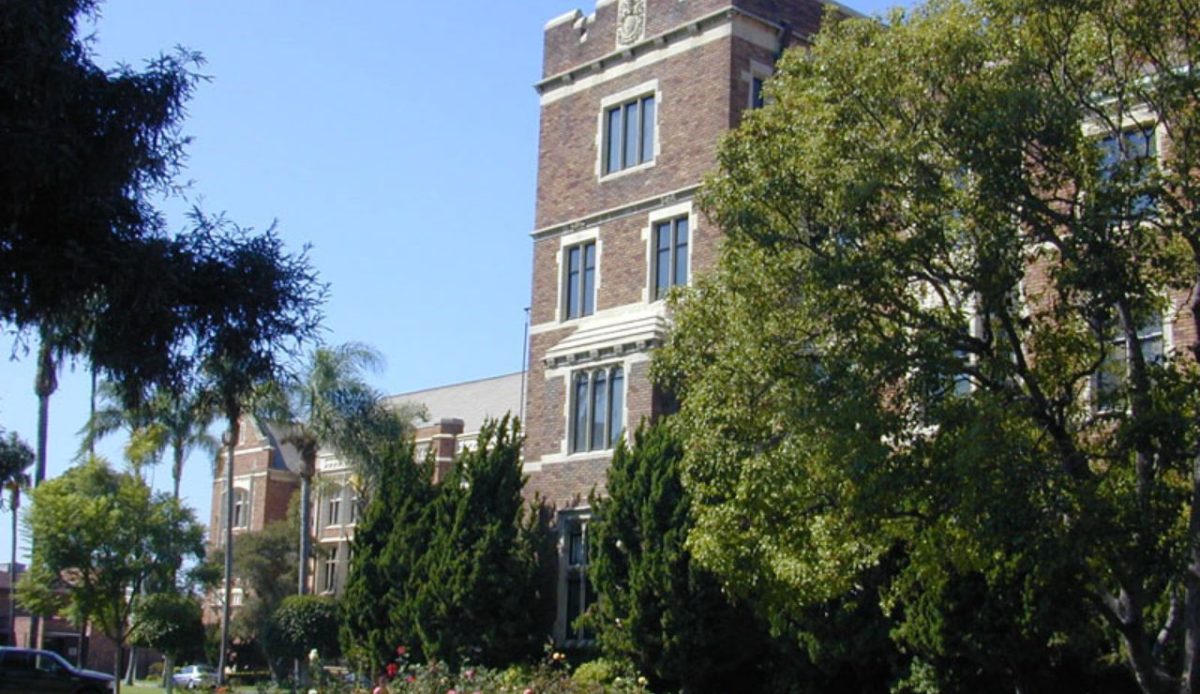
Loyola Law School’s Westlake campus is a sprawling example of Gehry’s evolving style, featuring a cluster of patios, alleys, and landings that feel like a small village more than an institutional complex. Materials like stucco, metal, and glass create fractured forms, challenging conventional academic architecture. Unexpected angles, bold cantilevers, and cylindrical elevators add a whimsical touch while guiding students and visitors through dynamic spaces. Gehry’s design encourages exploration, making the campus visually engaging. Each building interacts to form a cohesive yet surprising spatial experience.
6. Norton House
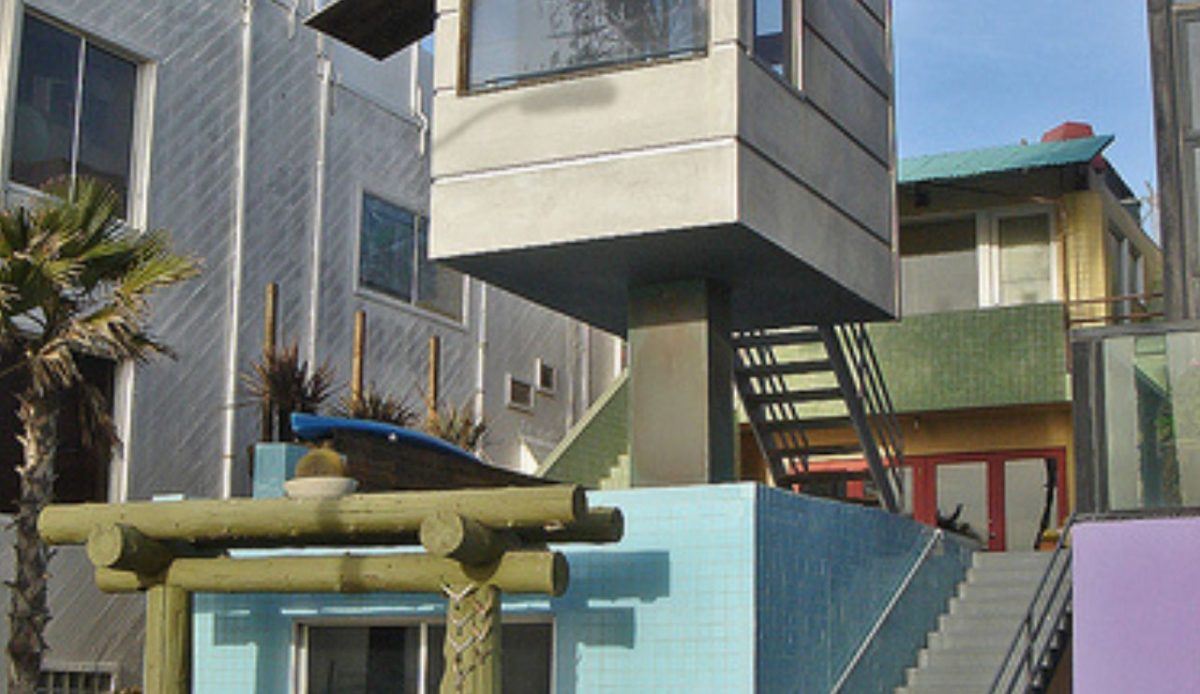
The Norton Residence in Venice reflects the neighborhood’s creative spirit through eclectic forms and materials. Irregular volumes, jagged rooflines, and pastel hues combine to create a visually engaging domestic environment. Interiors unfold through dynamic geometries, offering unexpected spatial relationships. An elevated writer’s studio above the street enhances function and aesthetic appeal. Gehry’s design shows how artistic energy can be integrated into residential architecture while respecting the area’s character. The Norton House exemplifies Gehry’s talent for merging creative expression with livable, functional space.
7. Air & Space Gallery
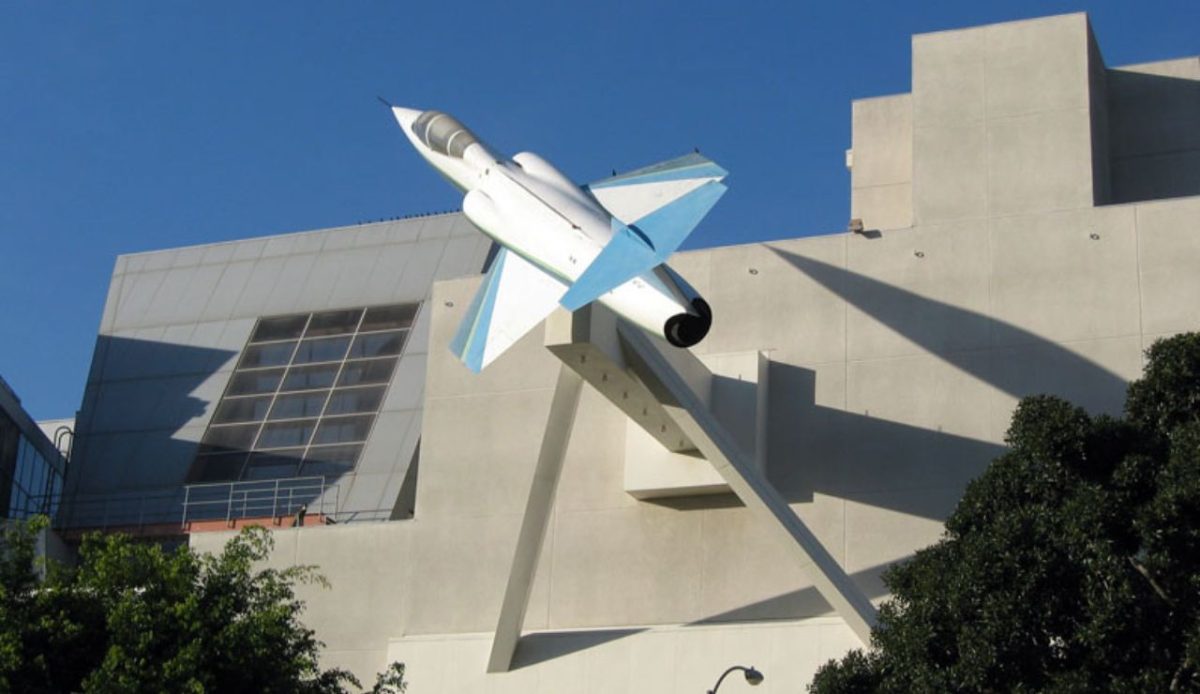
The Air and Space Gallery at Exposition Park was one of Gehry’s first major public works, transforming industrial materials into a sculptural museum space. A suspended Lockheed F‑104 Starfighter gives the building a dramatic focal point, connecting architecture to the theme of flight. Gehry’s use of exposed structures, metal cladding, and stucco creates a striking yet functional gallery. The space emphasizes movement and scale while supporting large exhibits. By balancing sculptural expression with practical use, the gallery shows how architecture can elevate visitor experience, making aviation history engaging and memorable.
8. Gemini Studios

In West Hollywood, Gehry redesigned Gemini G.E.L. Studios, turning industrial sheds into inspiring spaces for artists and printmakers. Skylights, clerestory windows, and exposed structural elements allow light to flood the studios while preserving the building’s industrial character. Gehry transformed utilitarian spaces into creative environments where art and architecture coexist. The building supports productivity and artistic expression while highlighting the sculptural qualities of industrial materials. Gemini Studios stands as a testament to Gehry’s skill in adapting spaces for creative use while maintaining practical functionality.
9. Edgemar Center
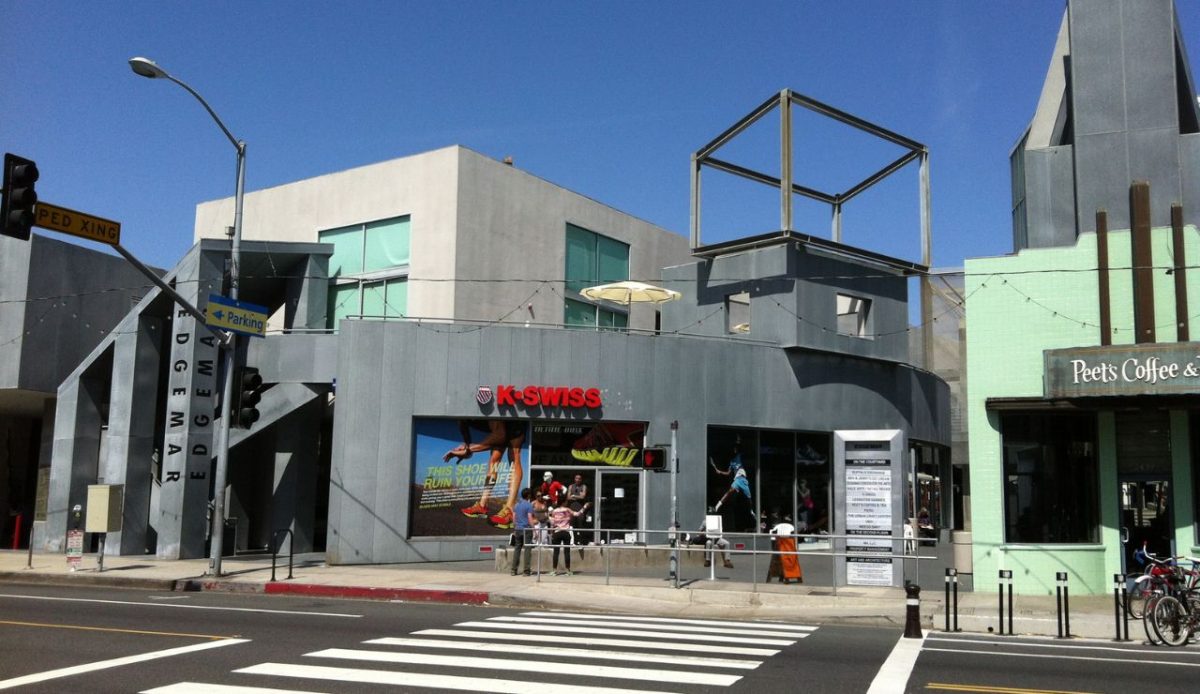
The Edgemar Center in Santa Monica revitalized a 1920s industrial complex into a cultural and retail destination. Gehry preserved the structure’s original elements while introducing angled walls, contrasting materials, and playful accents like lime-green tiles. Human-scaled plazas invite pedestrians to explore and interact. The design balances historical respect with bold, sculptural interventions, creating an engaging public environment. Visitors experience a lively mix of retail, art, and communal spaces that blend with Gehry’s inventive forms. Edgemar shows the power of adaptive reuse in architecture.
10. Hopper Compound
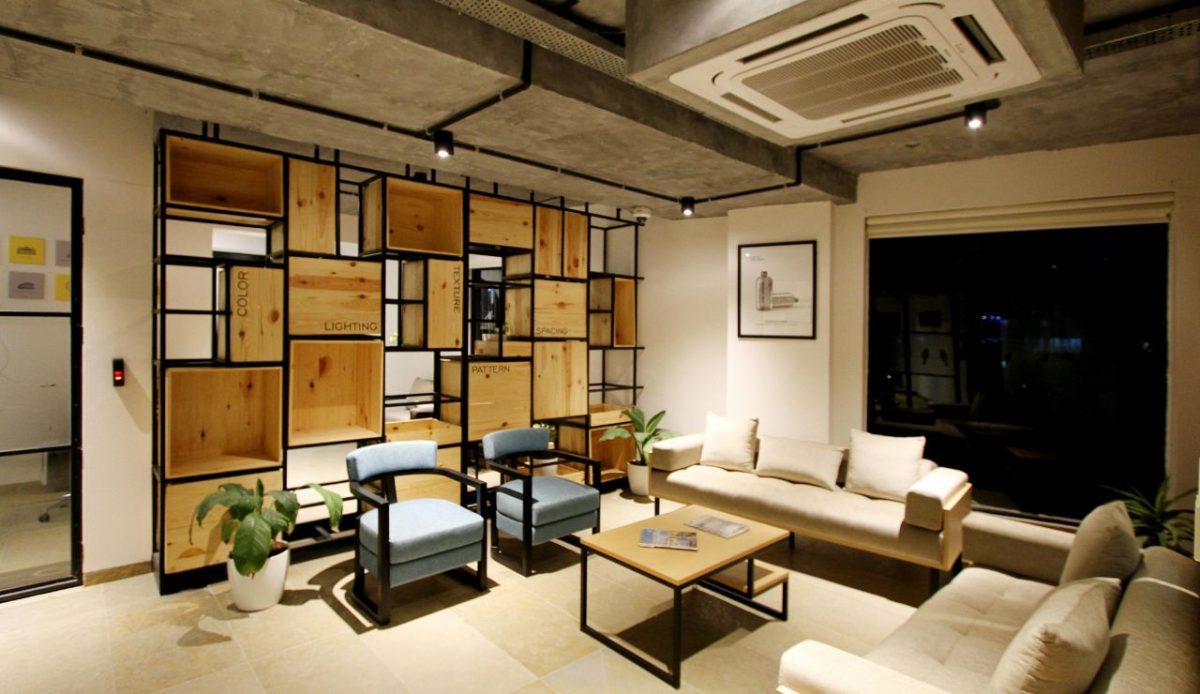
The Hopper Compound in Venice, designed for Dennis Hopper, combines residential and creative studio spaces into one dynamic complex. Gehry added auxiliary buildings using corrugated metal, simple geometric forms, and subtle twists reflecting the area’s industrial past. Arranged around a central courtyard, the design fosters collaboration and artistic exploration. The compound merges practicality with sculptural expression, allowing residents to live and create within inspiring spaces. Gehry’s careful balance of raw materials, function, and creativity captures Venice’s art scene and supports artistic lifestyles.
11. Schnabel House
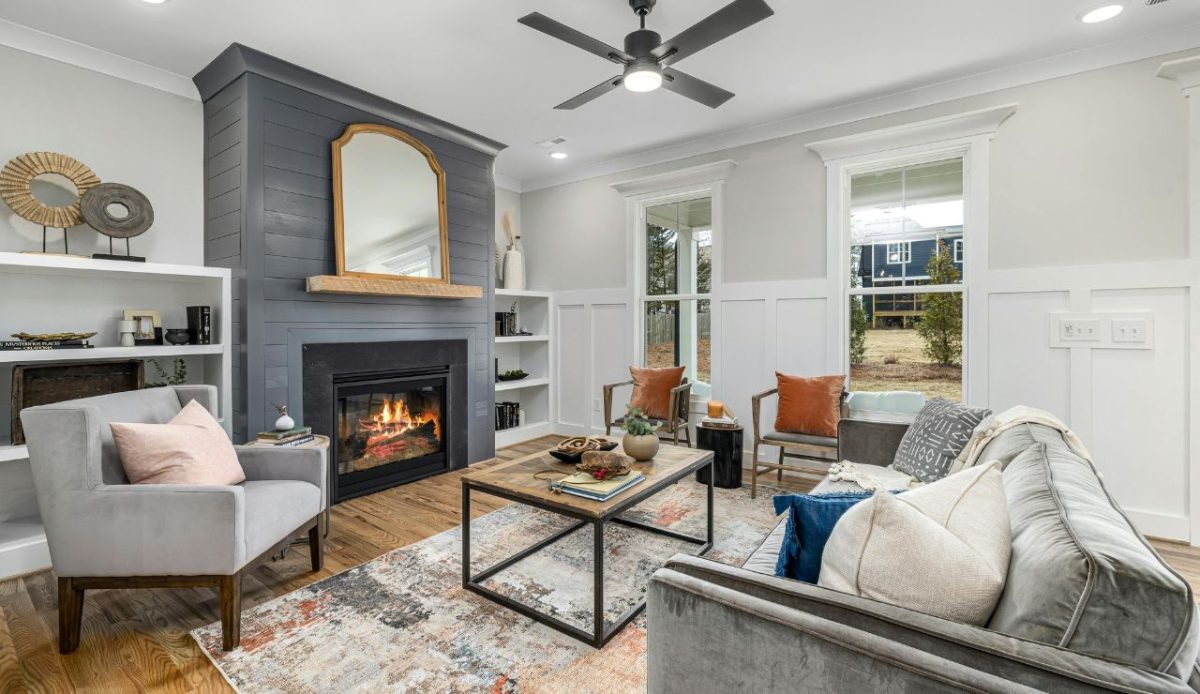
The Schnabel House in Brentwood shows Gehry’s ability to translate experimental forms into refined domestic architecture. Interlocking pavilions around courtyards create serene, expressive spaces, while open volumes and a reflecting pool enhance the connection between interior and landscape. Stucco, metal, and glass blend seamlessly, providing both bold gestures and livable comfort. Initially controversial for its unconventional forms, the house has become celebrated as a sculptural residence. The design shows Gehry’s versatility across scales, combining artistic innovation with functional living spaces for everyday life.
