
The Far East offers stunning landscapes, rich culture, and unforgettable experiences, but some destinations present unique challenges for female travelers. Cultural norms, safety concerns, and local laws can influence how comfortable and secure a trip will be. Preparation is essential to navigate these regions respectfully and confidently. From bustling cities to remote villages, awareness of local customs, transportation options, and accommodations can make a huge difference. Here are eleven Far East destinations where women are urged to research carefully before visiting, ensuring both safety and enjoyment.
1. Tokyo, Japan
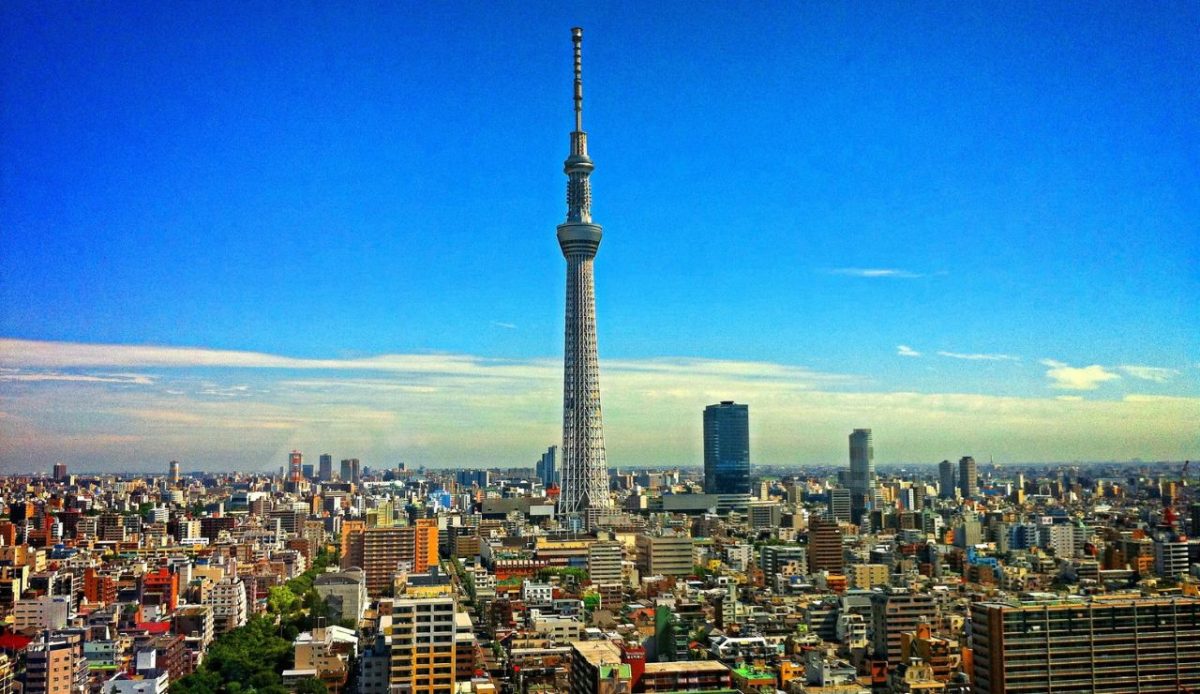
Tokyo is one of the safest major cities globally, yet female travelers should remain vigilant, especially in nightlife districts. While crime rates are low, cultural expectations around personal space and public behavior differ from Western norms. Solo female travelers may face subtle attention in crowded areas or during late-night travel. Understanding local customs, navigating public transportation, and selecting safe accommodations are key. Despite these concerns, Tokyo remains a vibrant destination full of culture, food, and entertainment, but careful research ensures a smooth and secure experience for women visiting for the first time.
2. Bangkok, Thailand
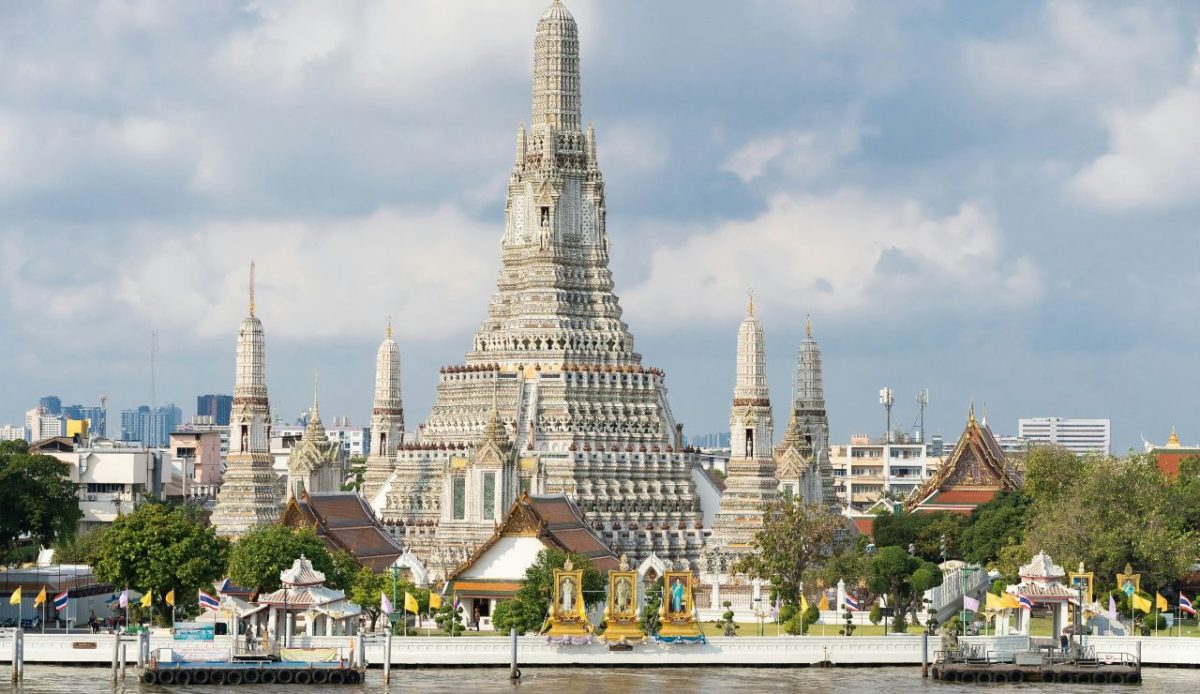
Bangkok is renowned for bustling markets, ornate temples, and nightlife, yet female travelers should exercise caution. Tourist scams, overly aggressive street vendors, and crowded public transport can pose challenges. Solo travelers may encounter unwanted attention in nightlife areas or popular tourist hubs. Dressing modestly at religious sites and understanding local etiquette is essential. While the city is largely safe, knowledge of safe neighborhoods, transport options, and cultural norms is vital. Careful planning allows women to enjoy Bangkok’s energy and rich history while minimizing risks during their stay.
3. Hanoi, Vietnam
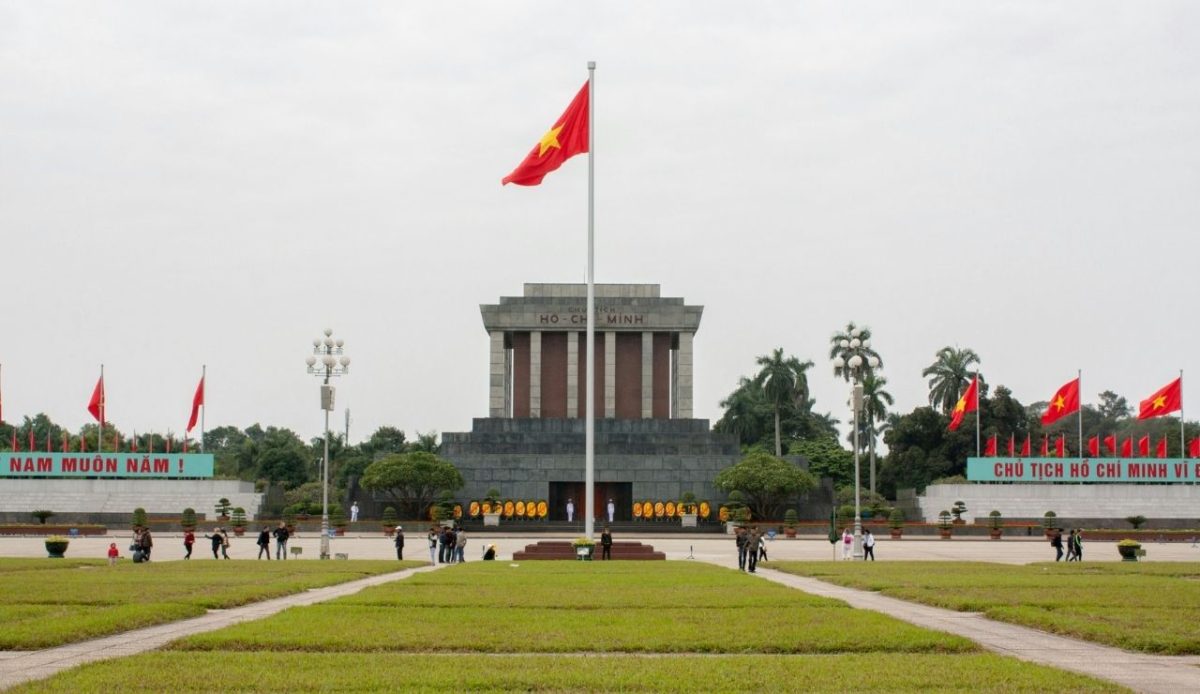
Hanoi offers charming streets, historical landmarks, and unique cuisine, but female travelers may face challenges like heavy traffic and occasional harassment. Motorbike congestion and narrow sidewalks require careful navigation, especially for solo travelers. Cultural norms around personal space and public conduct differ from Western expectations. Choosing reputable accommodations and using reliable transportation reduces stress. While Hanoi is welcoming, preparation and situational awareness are essential. With careful research, female travelers can enjoy markets, riverside charm, and rich history safely.
4. Seoul, South Korea
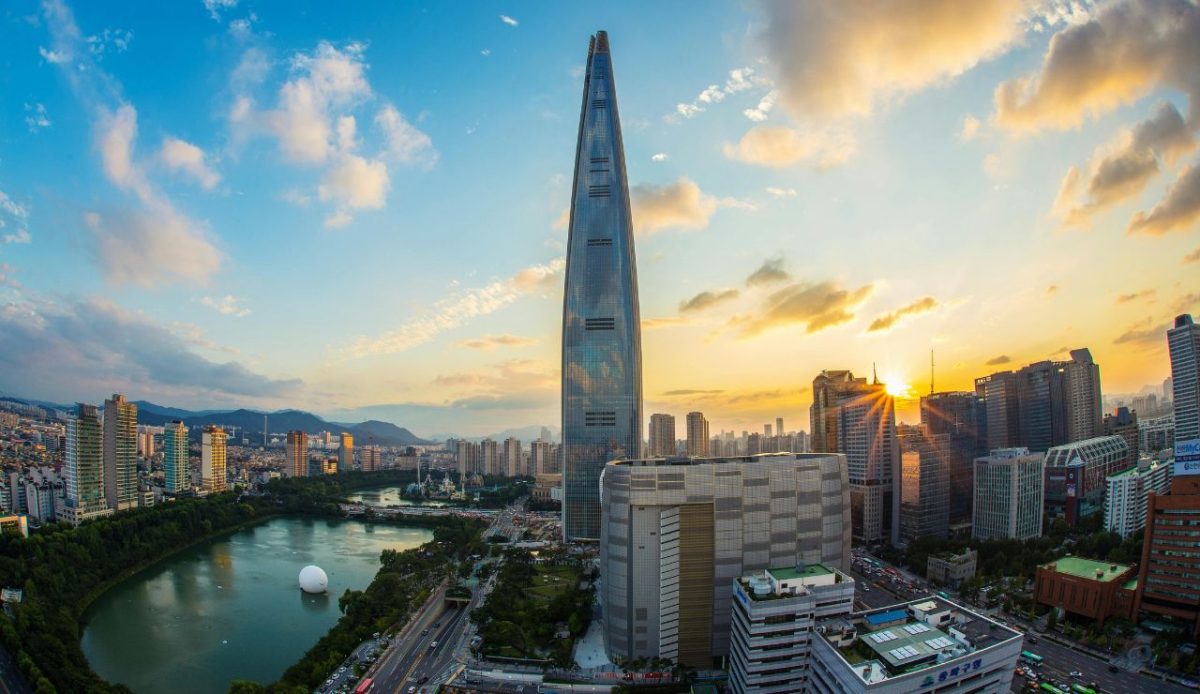
Seoul is a modern, technologically advanced city, yet female travelers should be mindful of cultural and social expectations. Public transport is generally safe, but women traveling alone may experience unwanted attention in nightlife districts. Modesty in public dress and understanding etiquette helps avoid misunderstandings. While crime rates are low, avoiding poorly lit streets at night remains necessary. Knowledgeable research regarding accommodations, transport, and local norms enables female visitors to explore Seoul’s museums, shopping districts, and historic neighborhoods confidently and safely.
5. Beijing, China
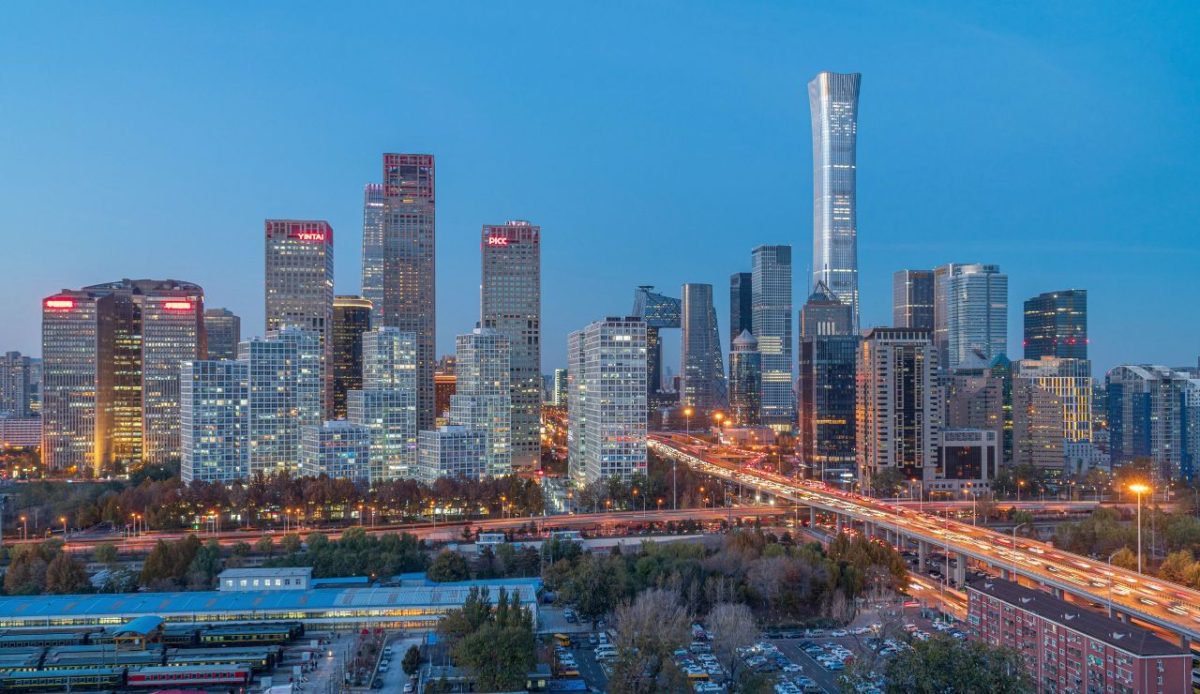
Beijing, with its imperial history and modern skyline, is a fascinating destination, yet female travelers should remain aware of safety and cultural customs. Harassment is uncommon but can occur, especially in crowded areas and on public transport. Language barriers may complicate communication in emergencies or when navigating streets. Understanding local laws, transportation options, and social etiquette is essential for a comfortable visit. Researching safe neighborhoods and accommodations helps reduce risk. With preparation, female travelers can experience Beijing’s historical sites, markets, and cultural richness safely.
6. Mumbai, India
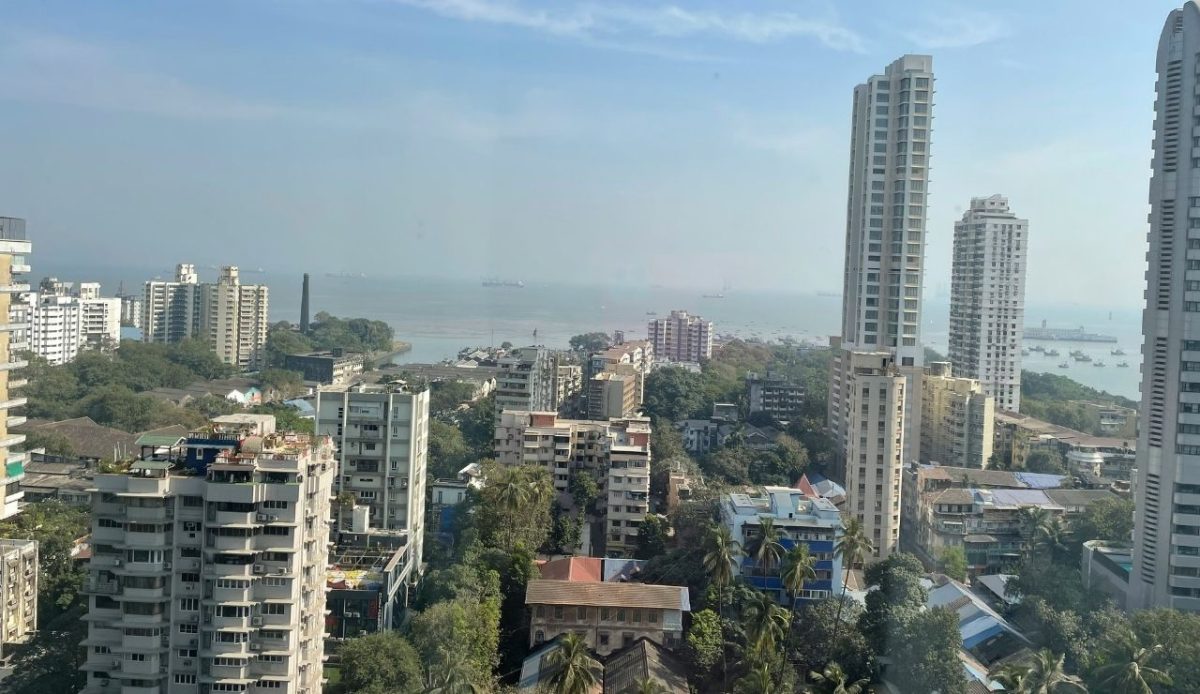
Mumbai is a vibrant metropolis with culture, cuisine, and Bollywood glamour, but female travelers must take safety seriously. Street harassment and crowded transport pose challenges, particularly for solo women. Choosing safe accommodations, avoiding unlit areas at night, and dressing in culturally appropriate attire are essential. Locals are often friendly, but awareness of scams or aggressive touts is crucial. Researching travel routes and guided options enhances security. By planning carefully, women can explore Mumbai’s colonial architecture, markets, and food scene while minimizing risks.
7. Manila, Philippines
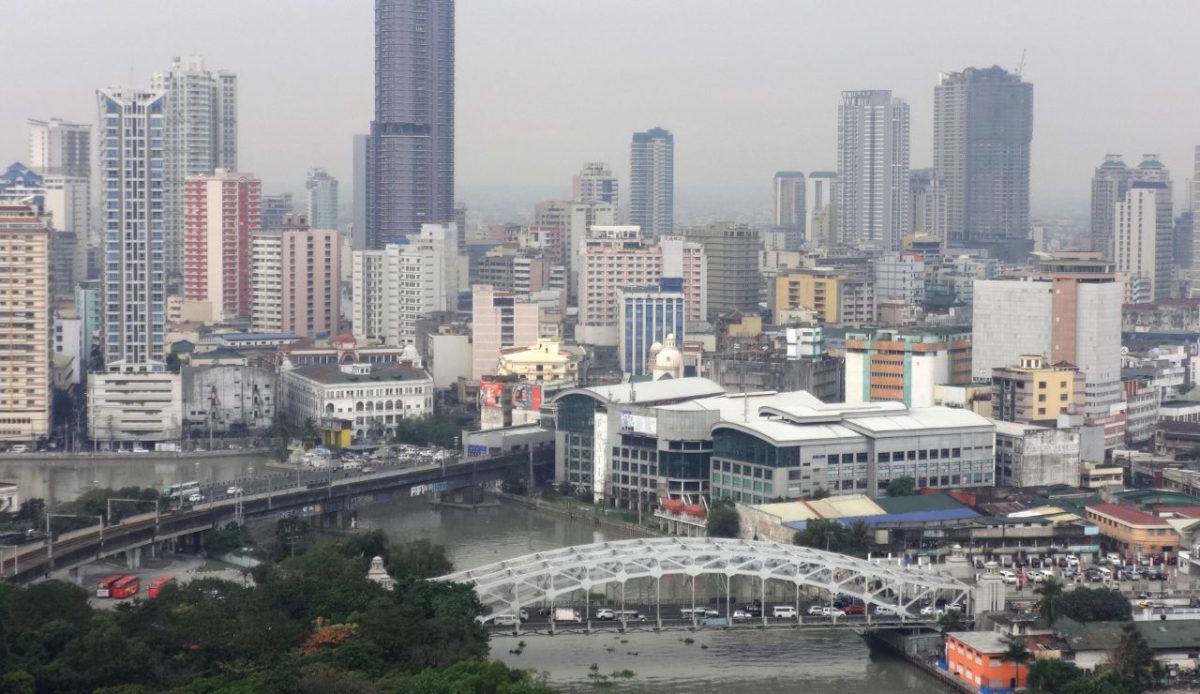
Manila offers colorful markets, lively festivals, and historical landmarks, but female travelers should remain cautious. Petty theft, traffic congestion, and crowded areas create challenges, especially for solo visitors. Cultural norms and expectations regarding personal behavior differ from Western countries. Using reputable taxis, staying in secure neighborhoods, and remaining alert in crowded locations is advised. While the city is welcoming, careful planning improves safety and comfort. With awareness of potential risks, female travelers can enjoy Manila’s unique blend of tradition, history, and modern life safely.
8. Kuala Lumpur, Malaysia
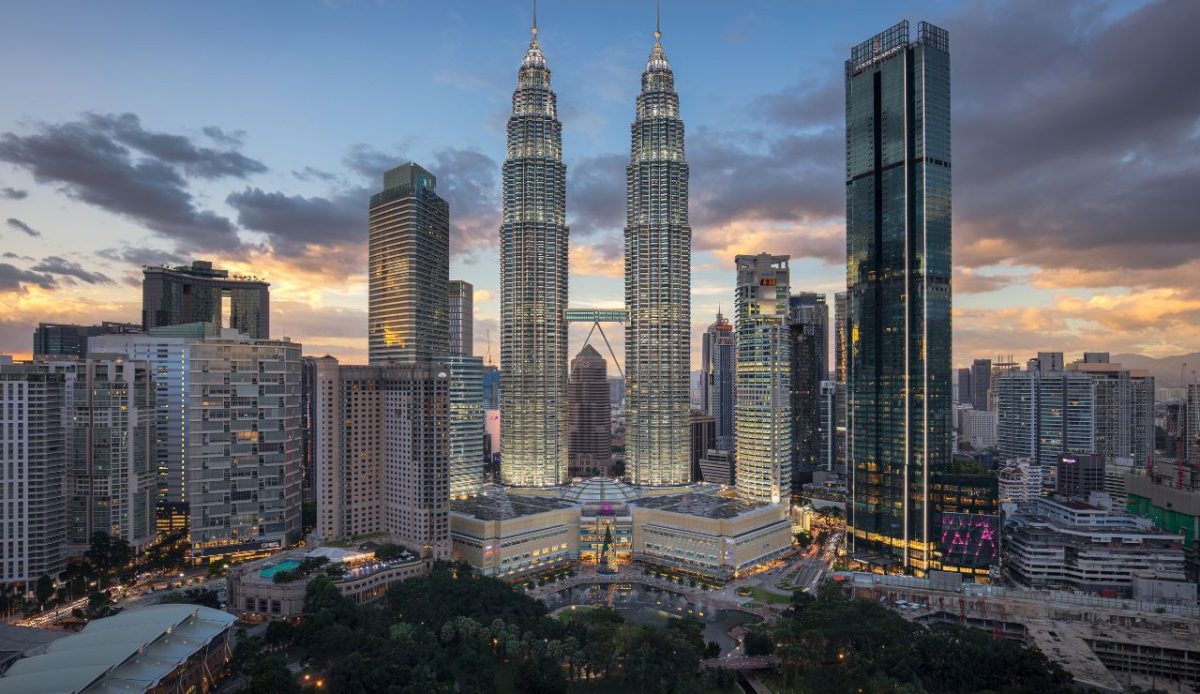
Kuala Lumpur is a modern hub with multicultural experiences, yet female travelers should pay attention to cultural sensitivities. While crime rates are relatively low, harassment can occur in crowded markets. Respectful attire, awareness of local customs, and cautious nighttime travel are recommended. Choosing reputable accommodations and using ride-sharing apps can improve safety. By understanding social norms and potential risks, female visitors can enjoy the city’s iconic skyscrapers, bustling markets, and cultural attractions confidently. Proper research allows for an enjoyable and secure visit to Malaysia’s capital.
9. Taipei, Taiwan
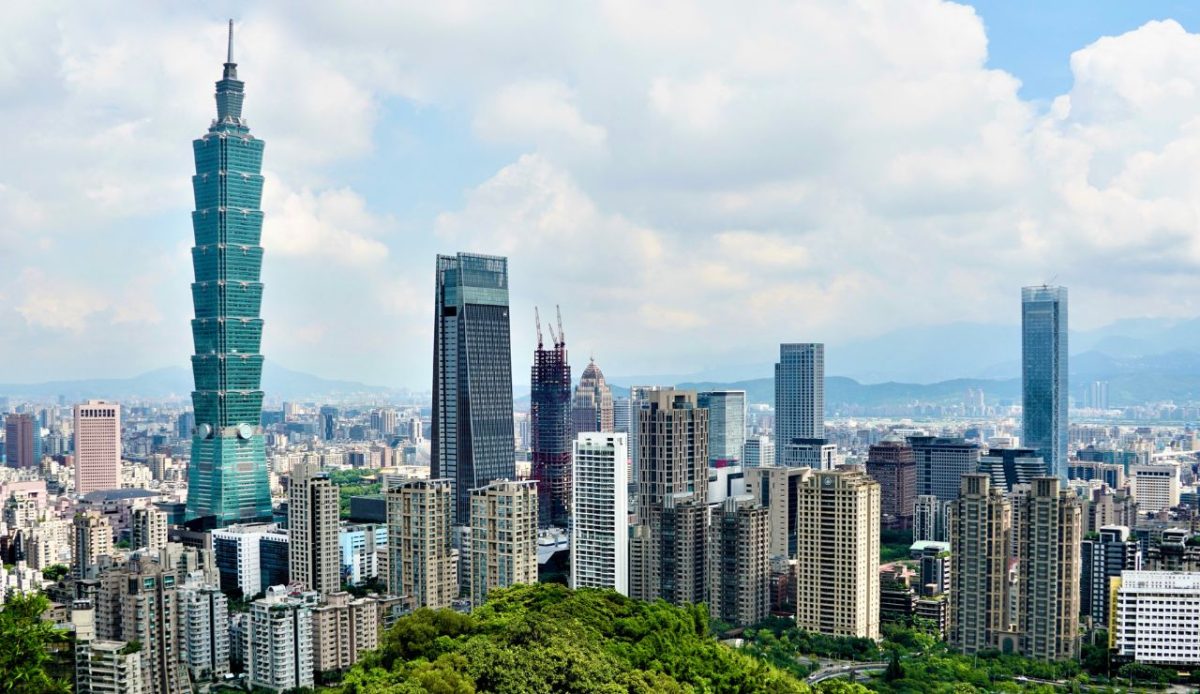
Taipei is widely regarded as safe, but female travelers should still research local customs, especially in night markets and crowded metro stations. Street harassment is rare but can happen, particularly in tourist-heavy areas. Understanding Taiwanese etiquette, dressing appropriately, and choosing secure accommodations improve safety. The city offers a blend of modern architecture, historic temples, and vibrant food culture, but situational awareness remains important. With careful planning, female travelers can enjoy Taipei’s cultural richness, nightlife, and scenic districts comfortably and securely.
10. Ho Chi Minh City, Vietnam
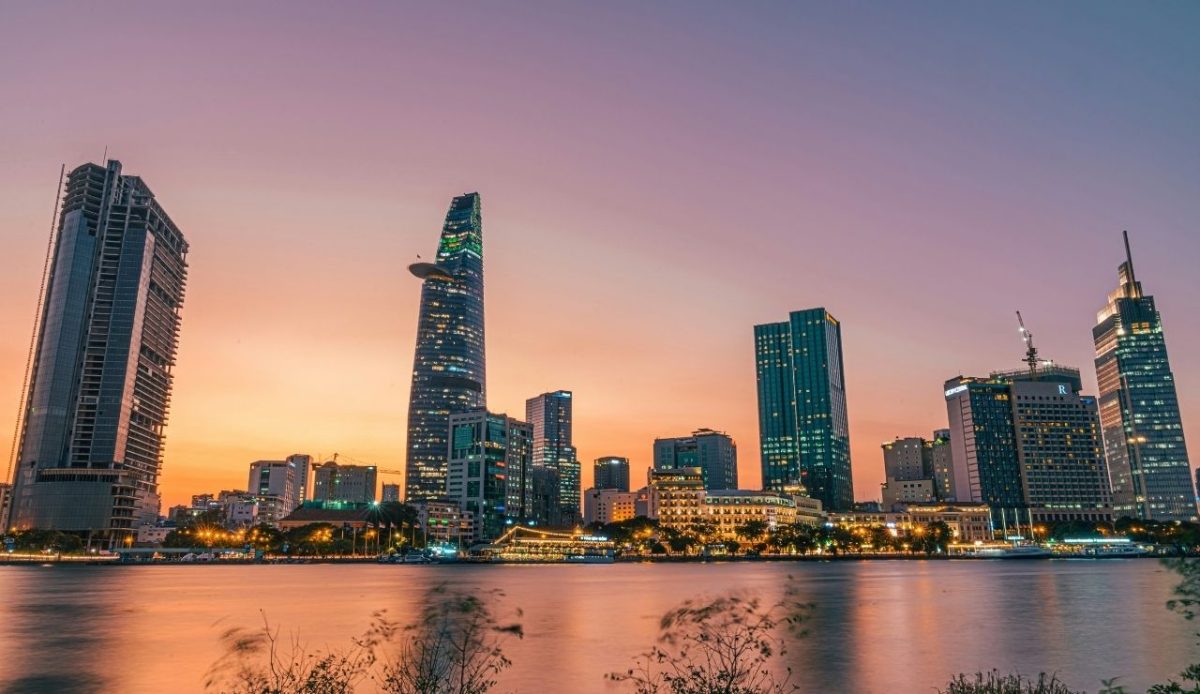
Ho Chi Minh City is a bustling metropolis with vibrant street life and rich history, but female travelers should navigate crowded streets carefully. Motorbikes, narrow sidewalks, and busy markets can feel overwhelming. Petty theft and unsolicited attention are potential concerns. Awareness of local norms, safe transport options, and reputable accommodations is essential. Despite the challenges, the city rewards prepared visitors with a dynamic food culture, historical sites, and cultural experiences. Researching risks and planning routes allows female travelers to explore Ho Chi Minh City safely and confidently.
11. Kathmandu, Nepal
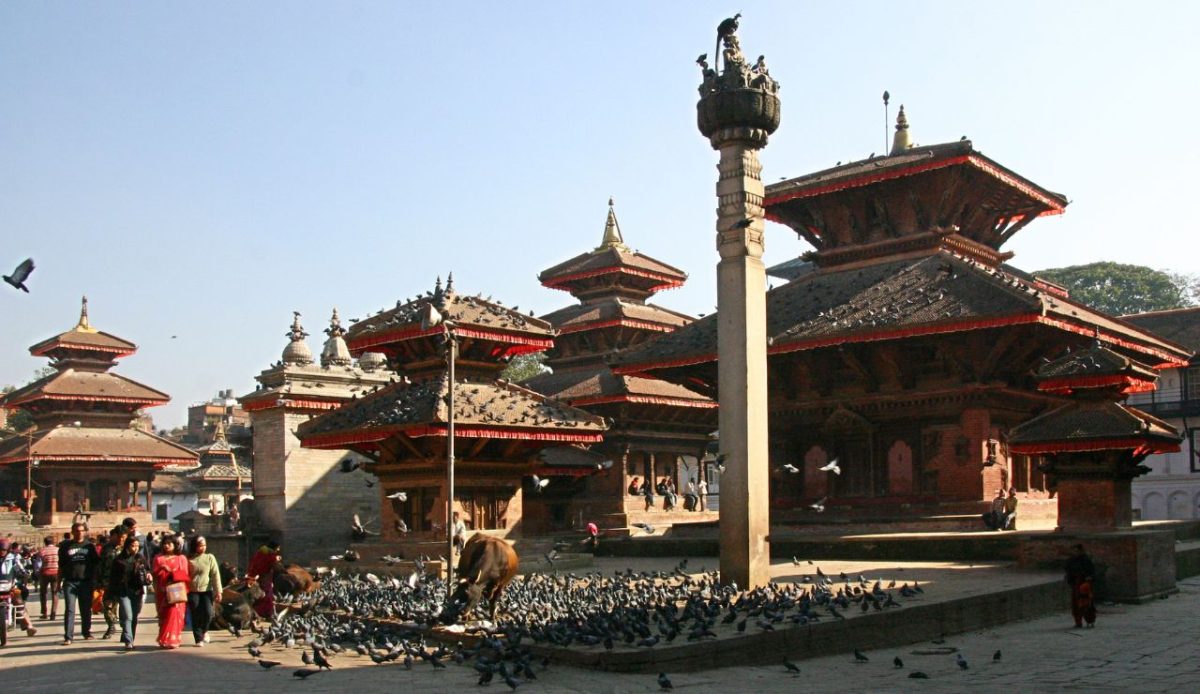
Kathmandu is known for its temples, markets, and Himalayan access, but female travelers should research safety precautions before visiting. Crowded streets, traffic, and occasional harassment can pose challenges. Understanding local dress codes, cultural customs, and safe travel routes is essential. Choosing trusted accommodations and guided tours reduces risk. While generally welcoming, the city’s chaos and urban density can overwhelm first-time visitors. Careful planning allows female travelers to experience Kathmandu’s rich cultural heritage, stunning architecture, and trekking opportunities while maintaining safety and confidence.
