
A first passport is a powerful travel tool, yet it works only when small details line up with airline and border rules. Names, dates, page space, and document condition get checked before boarding and again at immigration. Many problems show up at the counter when fixes cost time and money. New travelers also run into country-specific validity windows, visa page requirements, and fraud risks from lookalike sites. Use this guide to confirm the basics, store backups, and plan for emergencies so your first international trip starts smoothly and stays on track. These steps are simple, but they prevent common failures.
1. Your Signature and Booking Name Must Match the Passport
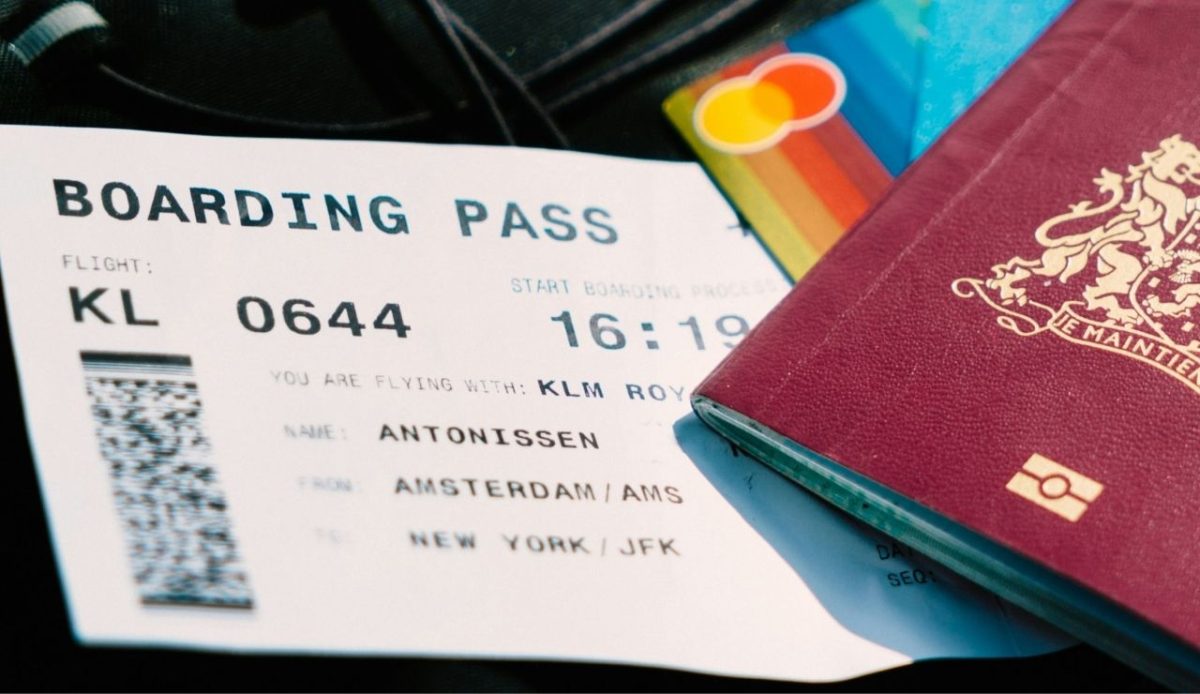
Sign your passport in blue or black ink as soon as it arrives, because an unsigned book can be treated as incomplete. Book flights using the exact name printed on the data page, including middle names and spacing, since airline systems match characters, not intent. If a name change is in progress, travel should be booked under the current passport name, and supporting documents should be carried if needed. For children under 16, the signing method differs and must follow the issuer’s instructions. Also, review your frequent flyer profile and any saved traveler data so it mirrors the passport exactly before you check in.
2. Expiration Dates Are Not the Only Validity Requirement
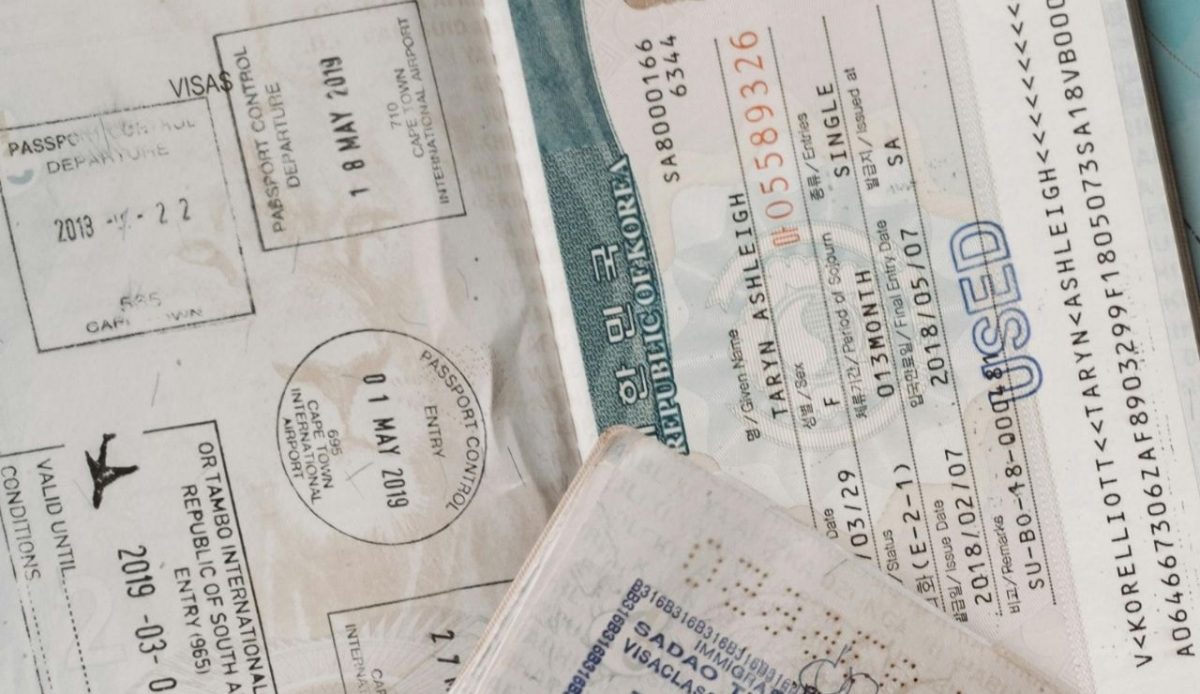
Do not assume the printed expiration date is enough. Many destinations require a passport to remain valid for months beyond the return date, and airlines enforce that rule at check-in. This means boarding can be denied even when the passport is technically unexpired. Before buying tickets, read the entry rules for each country on your route, including connections, because transit airports can apply their own checks. Renew early if your remaining validity is close to the required window. Processing times vary, so build renewal lead time into planning and consider expedited service when travel dates are near.
3. Blank Pages Can Be Required for Stamps and Visas
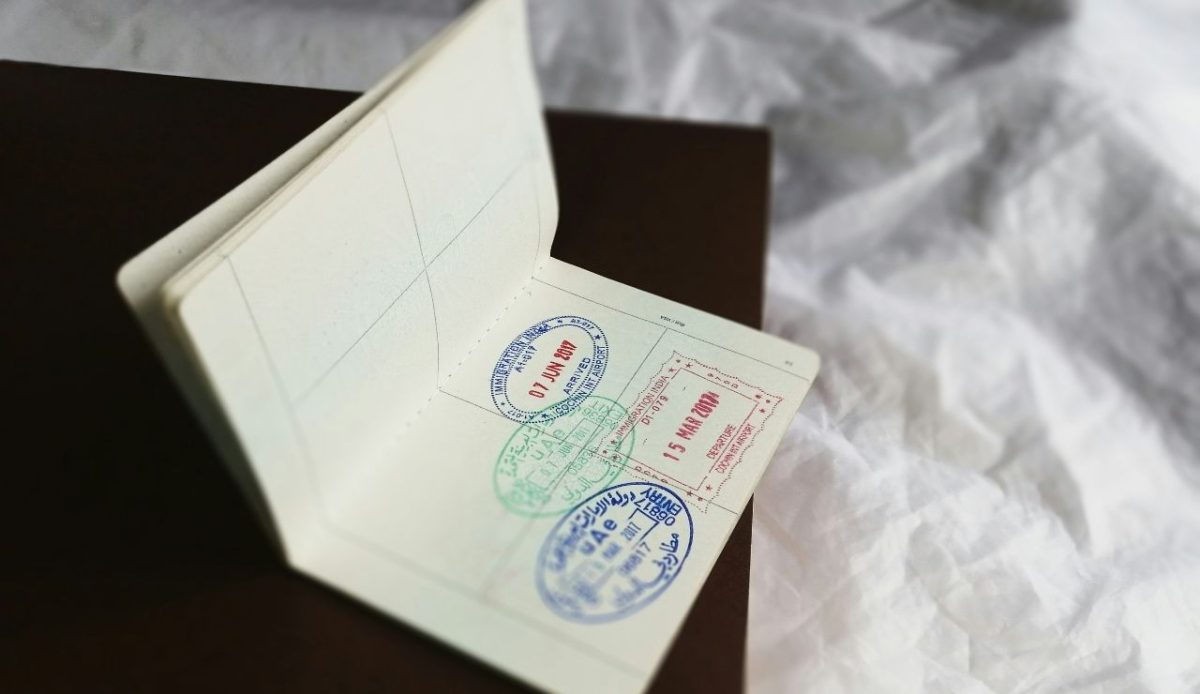
Check your blank visa pages before long trips. Some countries want two blank pages for visas or entry stamps, and amendment pages may not count. If your book is nearly full, border officers may refuse entry, or airlines may block boarding to avoid a forced return. Plan for multi-country itineraries where stamps add up quickly, especially when visas are issued on full-page stickers. Since extra pages cannot be added, a new passport must be obtained when space runs low. When applying or renewing, choose a larger book if offered, and keep one or two pages unused as a buffer for surprises that arise during reroutes or unexpected border checks.
4. Damage Can Lead to Refusal at Check-In
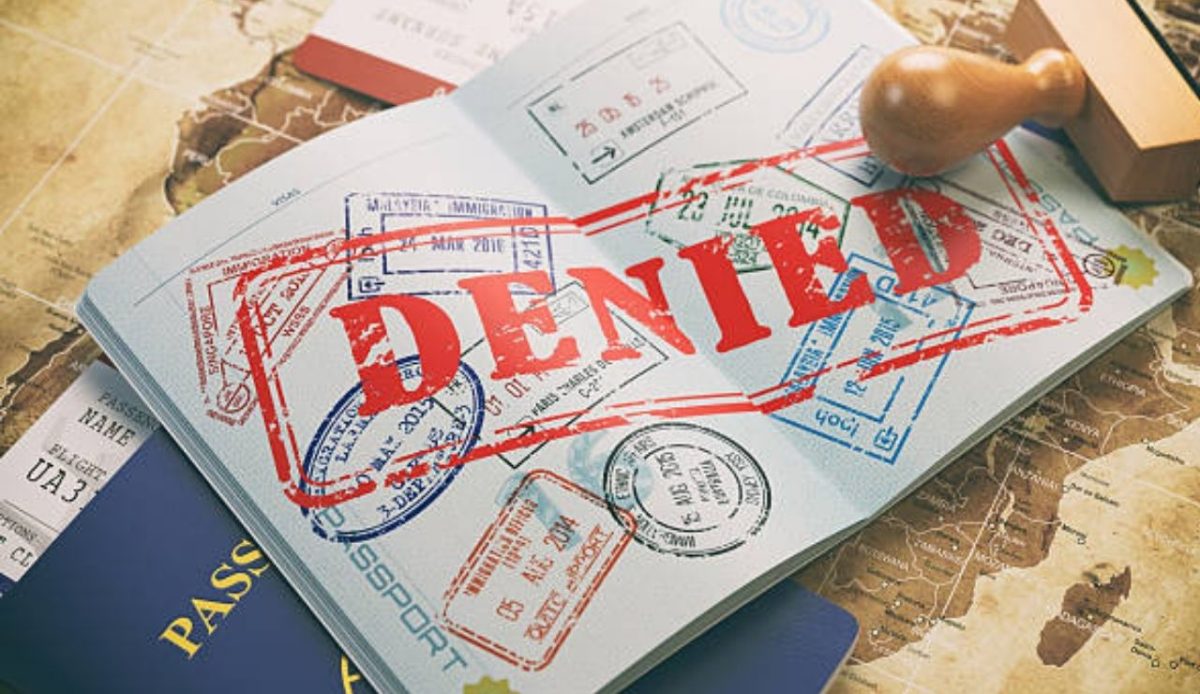
Treat passport condition as a travel requirement, not a cosmetic issue. Water stains, ripped pages, loose binding, or a peeling photo laminate can cause a passport to be rejected by an airline or an immigration officer. Even pen marks near the data page can raise concerns about tampering. Inspect the book weeks before departure so there is time for replacement if problems are found. Store it in a protective sleeve, keep it dry, and avoid folding it into tight pockets that stress the spine. Never accept hole punches or souvenir stamps in the book, since altered pages can make the document invalid for travel.
5. Know When a Passport Card Is Not Enough
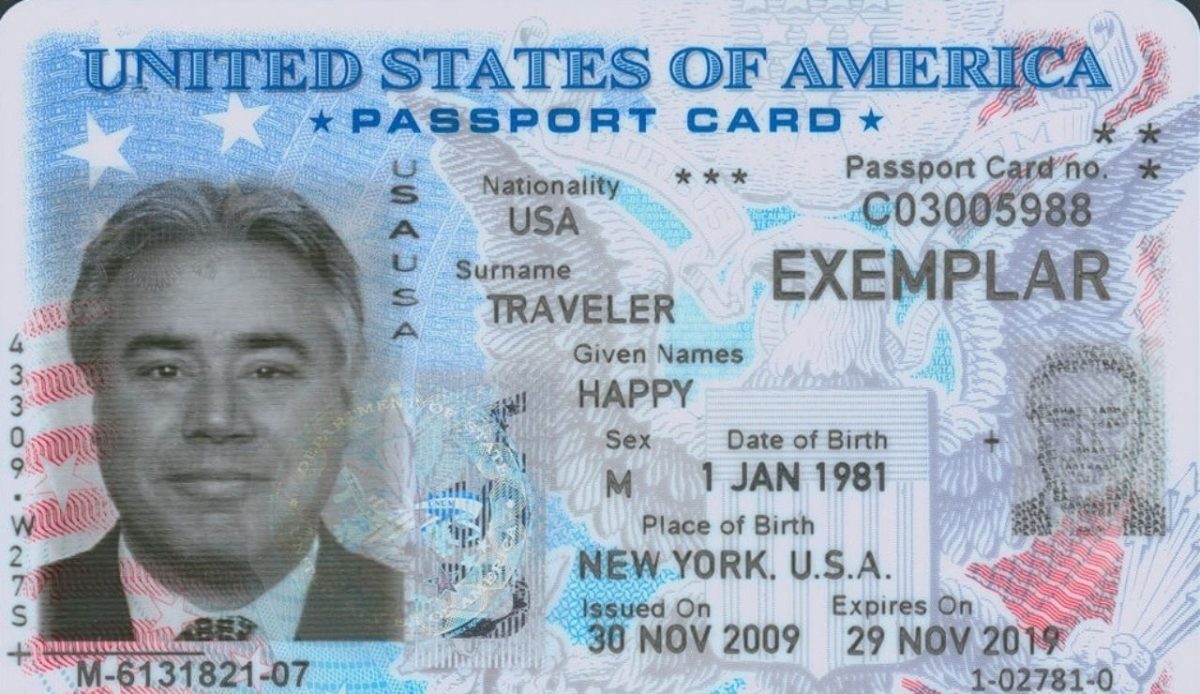
Know which passport document you hold and where it works. Some countries issue both a passport book and a card format. For example, a U.S. passport card is designed for land and sea crossings from nearby regions and cannot be used for international air travel. First-time holders sometimes arrive at the airport with the wrong document because the card looks convenient. Confirm the document type required for your route, and carry the book when any flight or overseas entry is involved. Cruise rules can also differ by itinerary, so confirm requirements with the cruise line and with the countries on the schedule.
6. Entry Rules Often Include More Than the Passport

A passport alone does not guarantee entry. Many destinations require an eVisa, a visa on arrival fee, a return ticket, proof of funds, or a hotel address, and these checks are often performed by the airline before boarding. Some countries also require onward travel documents during transit. Read the official entry requirements for every stop and connection, then print or save confirmations in an offline folder. If a visa is required, apply through the official government portal, rather than a paid middleman site that may delay approval. Health rules like vaccine proof or insurance may be requested, too, so add them to the same checklist.
7. Make Copies and Store Them Separately
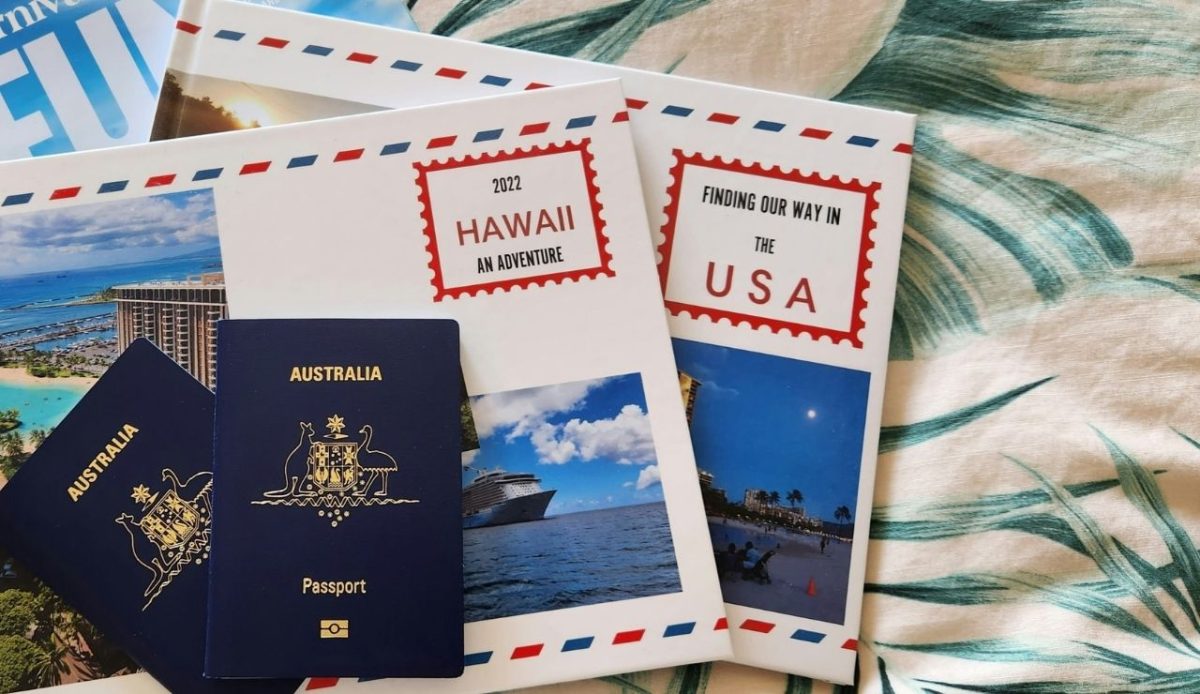
Make two backups of your passport data page before you travel. Keep one paper copy in a separate bag and store a second copy as a secure digital file that can be accessed without your phone. If the passport is lost, copies help embassy staff confirm identity and speed replacement steps. Also, record the issuance date and the passport number in a password manager. Do not carry the original and copies together, and avoid sharing images over unsecured messaging apps where they can be captured and reused. Leaving a copy with a trusted contact at home can also help if you need details while abroad and cannot reach your files.
8. Plan Daily Carry and Hotel Storage
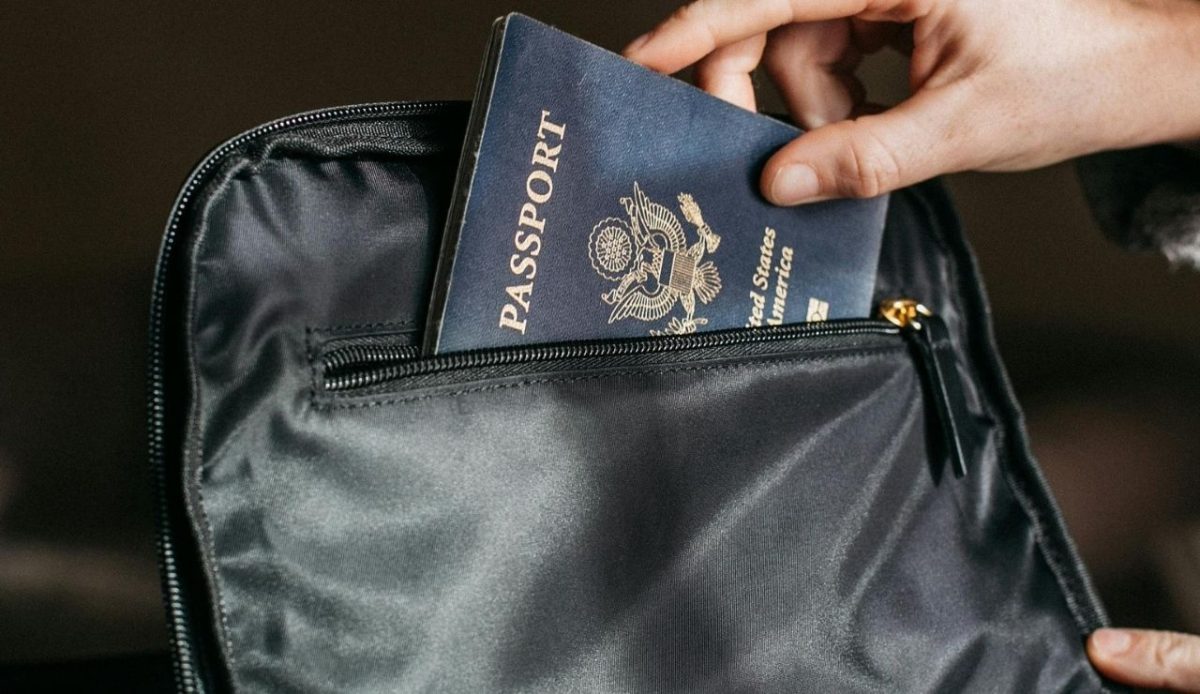
Decide how you will carry and store your passport each day. In many cities it is safer to leave it locked in the hotel safe and carry a copy plus a local ID when allowed, while keeping the original on travel days. Some countries require foreigners to carry the original, so confirm the rule before leaving the hotel. Use an inside pocket or money belt on transit days, and keep the passport away from liquids and snacks that can spill. A dedicated pouch reduces the risk of it being dropped during security screening. Keep it separate from your phone so one theft does not remove both your identity document and your access to tickets.
9. Learn Lost and Stolen Steps Before You Need Them

Learn the lost or stolen procedure before you need it. Once a passport is reported lost or stolen, it is canceled and cannot be used again, even if it is later found in a suitcase or returned by a taxi driver. Report the loss promptly through the official reporting channel and follow the steps for a replacement passport. When abroad, the nearest embassy or consulate can issue a limited validity emergency passport in many cases, and your travel plans may be adjusted while a full passport is produced. Keeping copies and photos helps these steps move faster. Police paperwork may be requested by insurers or airlines, so ask locally.
10. Avoid Lookalike Sites and Paid Middle Services
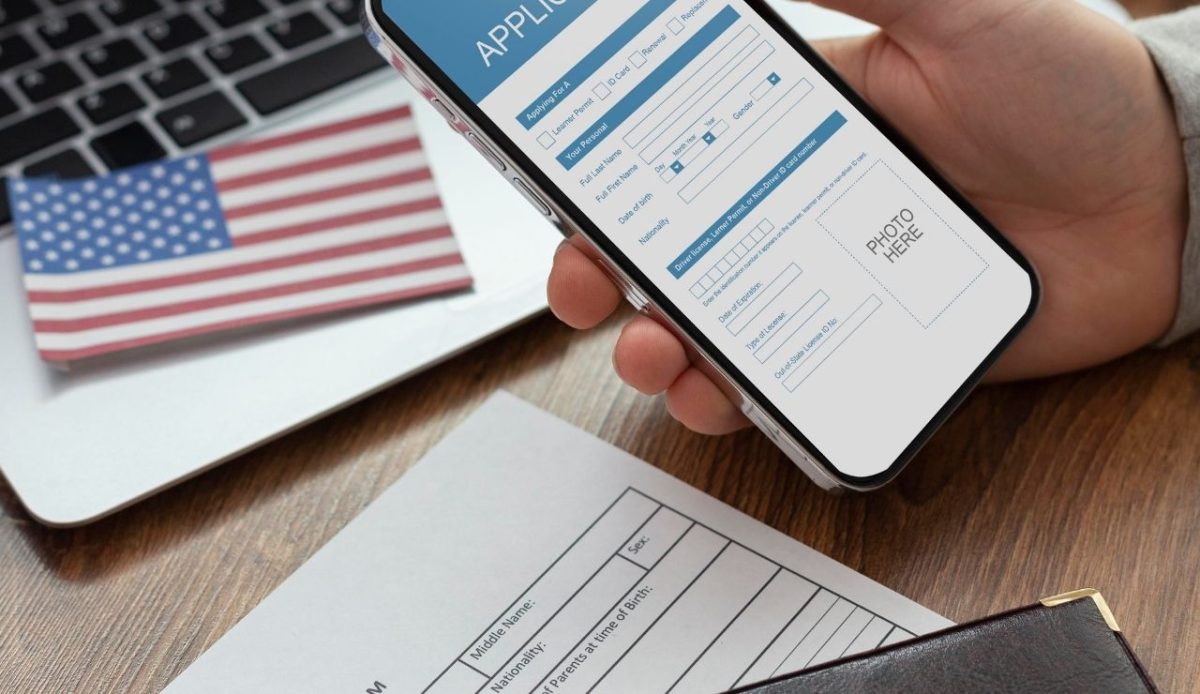
Use official government sites for applications, renewals, and appointment booking. Lookalike services often buy ads and charge extra fees for forms that are free, or they promise unrealistic processing times. Verify the domain, read the refund terms, and avoid giving passport details to third parties unless you are using a licensed courier recommended by the issuer. Payment pages should show secure connections and clear agency identification. If you are unsure, start from your government’s main portal and navigate to the passport page instead of clicking a search result. Report scam sites to consumer agencies.
11. Register Travel and Set Emergency Contacts

Register your trip with your government when a travel enrollment program exists. U.S. travelers can use STEP, while other countries offer similar services through their foreign ministries. These systems can send security alerts, share local guidance, and help officials reach you or your emergency contact during disasters or unrest. Add key phone numbers for your embassy, airline, and insurer to a printed card, since phone batteries fail at the worst moments. Also, verify that your passport will be carried in a place where it can be grabbed quickly during an evacuation. Share your itinerary with one trusted person.
