
Many older travelers choose destinations that present history in a clear, practical way. Cities with organized museums, reliable transport, and well-kept heritage areas help visitors follow long timelines without confusion. These places make it easier to understand how past events connect to daily life through guided walks, preserved neighborhoods, and cultural centers. The focus stays on access, clarity, and steady support for visitors who want to learn without dealing with complicated routes or hard-to-follow information.
1. Kyoto, Japan

Kyoto attracts older travelers who want access to traditional areas that are easy to navigate. Visitors can move through temple grounds, old streets, and cultural districts without complicated routes. Tea practices, craft demonstrations, and seasonal events help travelers see how long-held customs continue today. Transit lines connect major sites in a simple way, reducing long transfers. Museums explain cultural themes with clear displays, which helps visitors understand local history without requiring prior knowledge. The city supports a direct, organized travel experience.
2. Florence, Italy
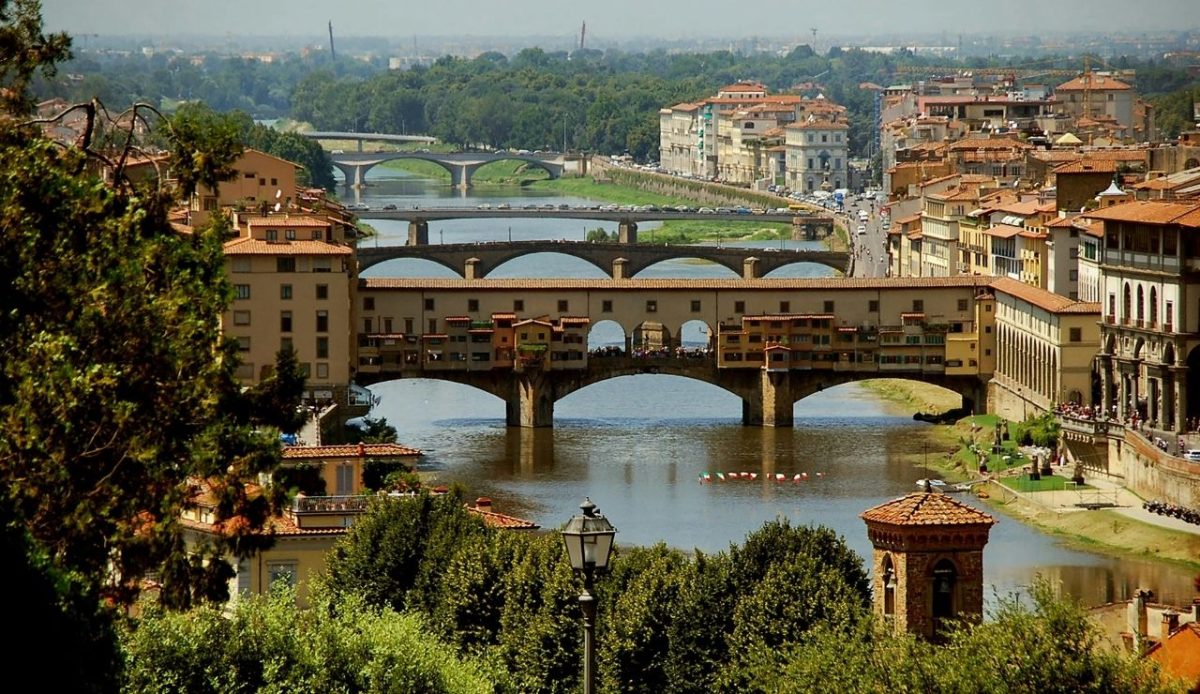
Florence gives travelers a straightforward look at Renaissance art and architecture. Important museums sit near each other, and most landmarks stay within short walking distance. Audio guides and timed entries help visitors avoid confusion during busy periods. Many older travelers choose small group tours that present historical facts in plain language. The compact center keeps travel time low, making it easier to follow a full day of cultural visits. Cafés and rest spots near major sights provide convenient breaks when needed.
3. Athens, Greece

Athens presents its ancient history through well-marked sites, clear signage, and organized museum layouts. Visitors can reach major attractions through short trips, which supports travelers who prefer simple schedules. The Acropolis Museum explains long historical periods with direct displays and helpful diagrams. Public areas near key sites offer shaded seating, making it easier to rest between visits. Many older travelers choose guided routes that focus on major points rather than long walks. The city’s structure supports clear, practical cultural travel.
4. Istanbul, Türkiye
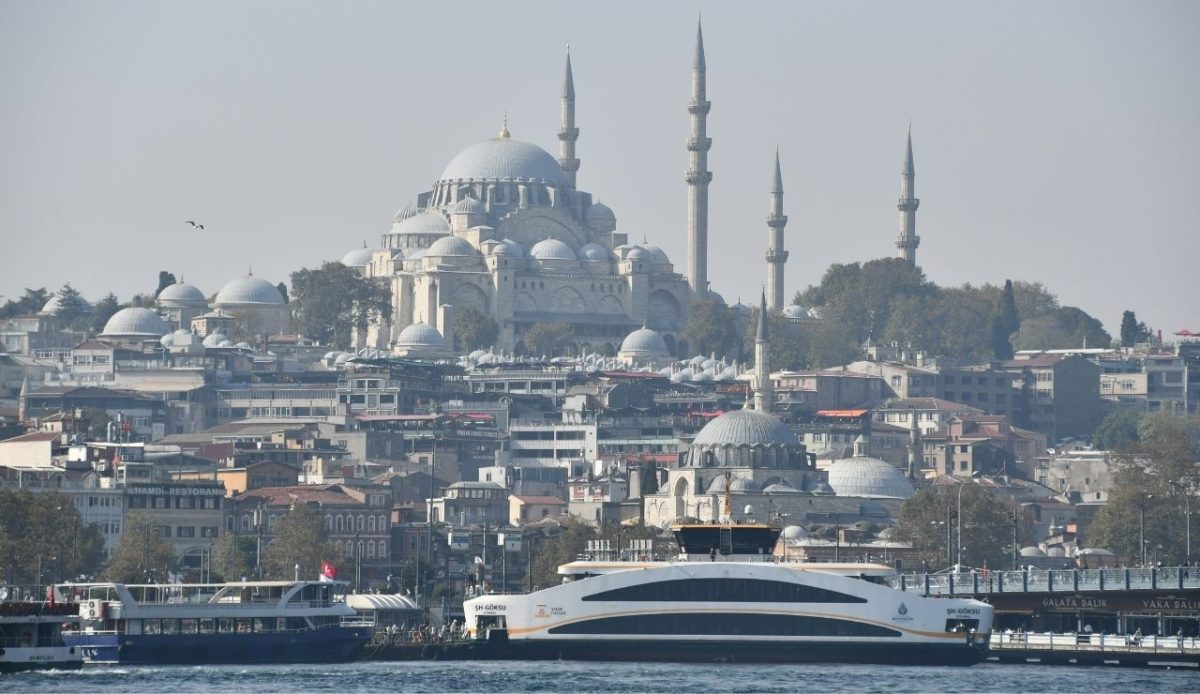
Istanbul offers a direct look at Roman, Byzantine, and Ottoman heritage. Major historical sites are located close to each other, which reduces long travel times. Museums and palaces use organized routes that help visitors understand each period without complicated details. Ferry services between districts provide an easy transport option for older travelers who want simple connections. Local markets, traditional craft areas, and long-used food practices show how historic culture carries into daily life. The city layout supports structured cultural visits.
5. Cusco, Peru
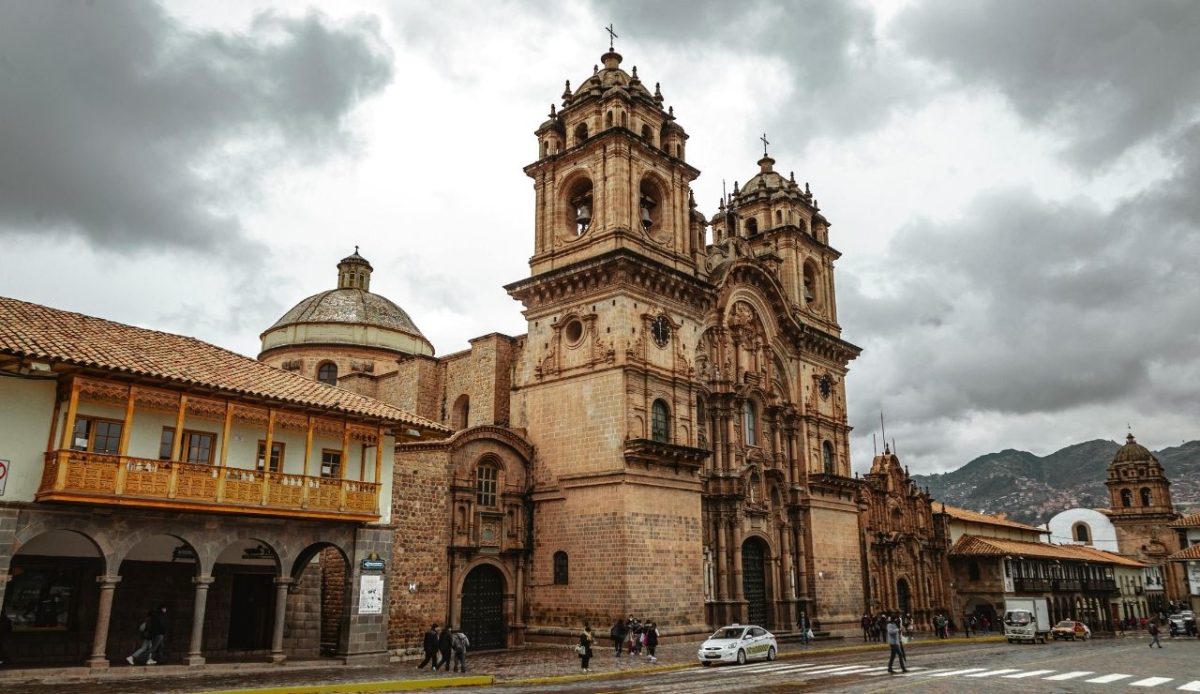
Cusco gives travelers clear access to Inca history through museums, plazas, and nearby archaeological zones. Many key attractions are located near the center, which keeps walking distances manageable. Guided excursions to surrounding sites use organized schedules, helping visitors plan their day without confusion. Museum displays directly explain cultural traditions, making complex topics approachable. Local events, crafts, and long-established practices provide added context for visitors who want to understand how Inca heritage remains visible today.
6. Jerusalem, Israel
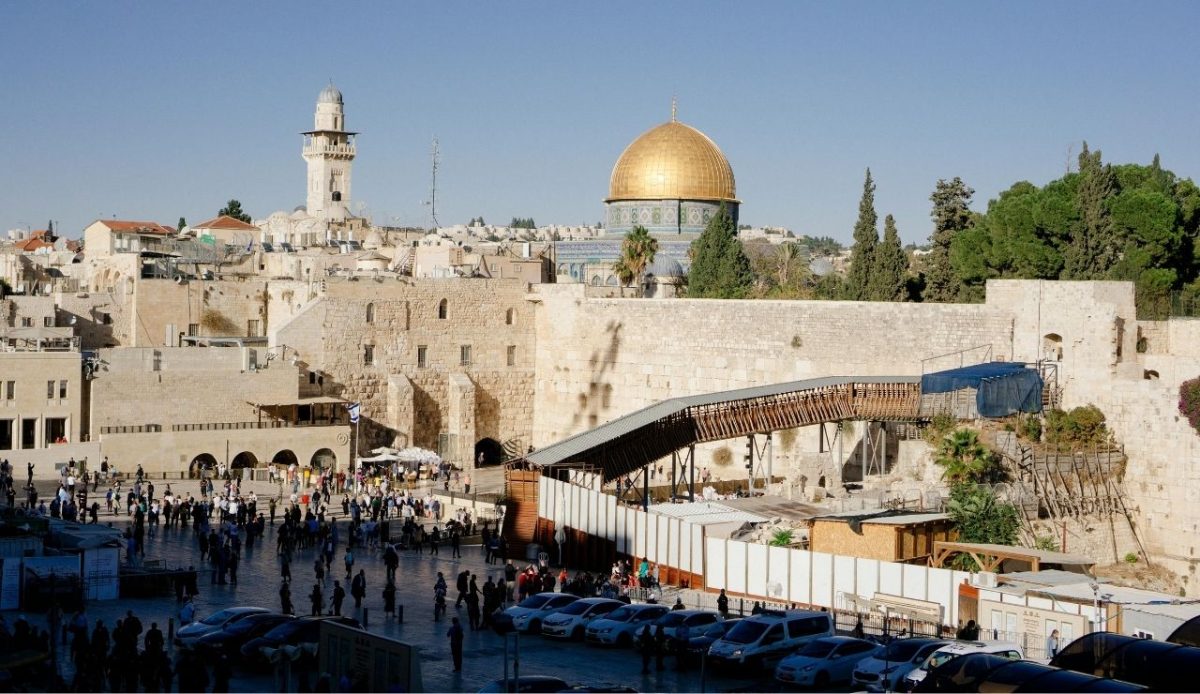
Jerusalem gives older travelers direct access to sites that hold long historical and religious importance. The Old City presents clear routes to major points such as the Western Wall and the Church of the Holy Sepulchre. Visitors often join guided walks that explain key events without complicated terms. Museums organize their exhibits in ways that help travelers understand different periods of the city’s past. Public transport and designated visitor areas make movement manageable. The structure of the city supports planned cultural visits without unnecessary detours.
7. Vienna, Austria

Vienna offers a clear introduction to imperial history, classical music traditions, and long-standing cultural institutions. Museums near the city center present information in well-organized layouts that older travelers find easy to follow. Public transport lines help visitors reach palaces, concert halls, and historic districts with simple connections. Many travelers choose scheduled tours that explain cultural themes in practical terms. Cafés and public seating areas near key landmarks allow convenient breaks during full sightseeing days. The city supports organized cultural travel.
8. Marrakech, Morocco

Marrakech provides older travelers with direct access to cultural practices that remain active in daily life. The historic medina holds traditional workshops, long-used architectural styles, and markets that highlight regional crafts. Guided routes help visitors move through the busy streets without confusion. Museums give clear explanations of local culture, including art, textiles, and community traditions. Courtyards and public squares offer places to pause between visits. The city’s layout and organized tours help travelers understand its long history without feeling overwhelmed.
9. Mexico City, Mexico
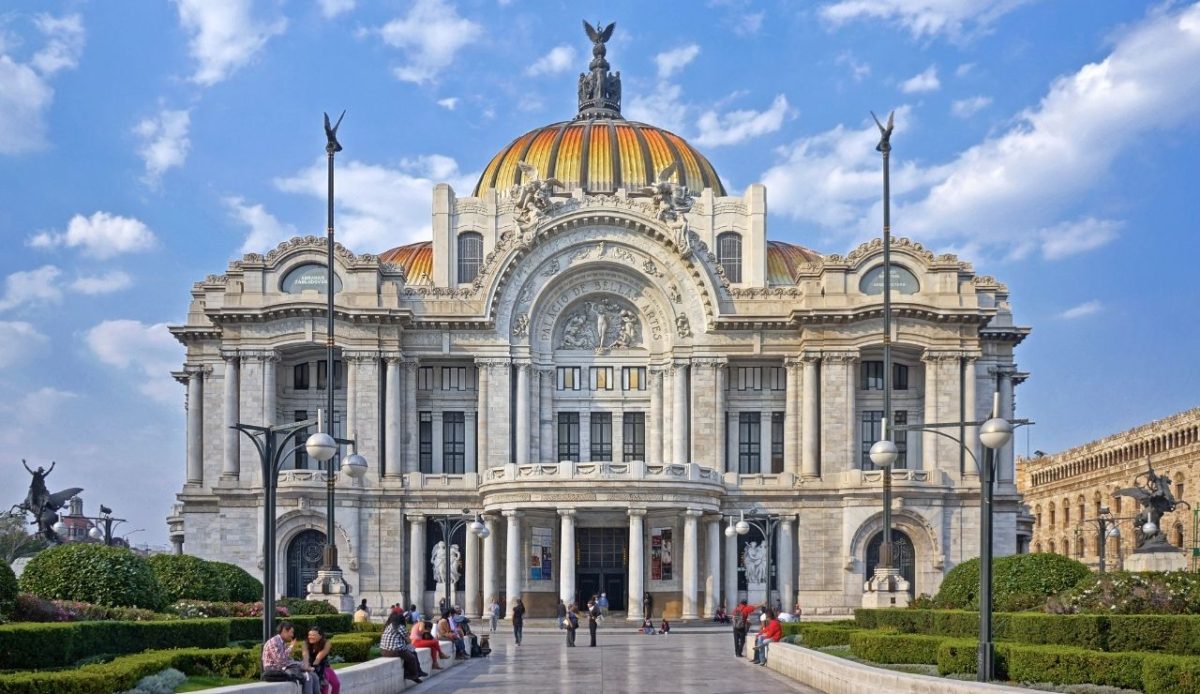
Mexico City presents a wide range of cultural and historical sites within organized districts that are easy for older travelers to navigate. Major museums, such as the National Museum of Anthropology, use clear displays to explain long timelines. Historic neighborhoods maintain visible architectural details that help visitors understand different periods. Public transport and designated tourist routes support simple planning. Day trips to Teotihuacan follow scheduled departures that reduce planning stress. The city offers many opportunities to learn about culture in a structured environment.
10. Prague, Czech Republic
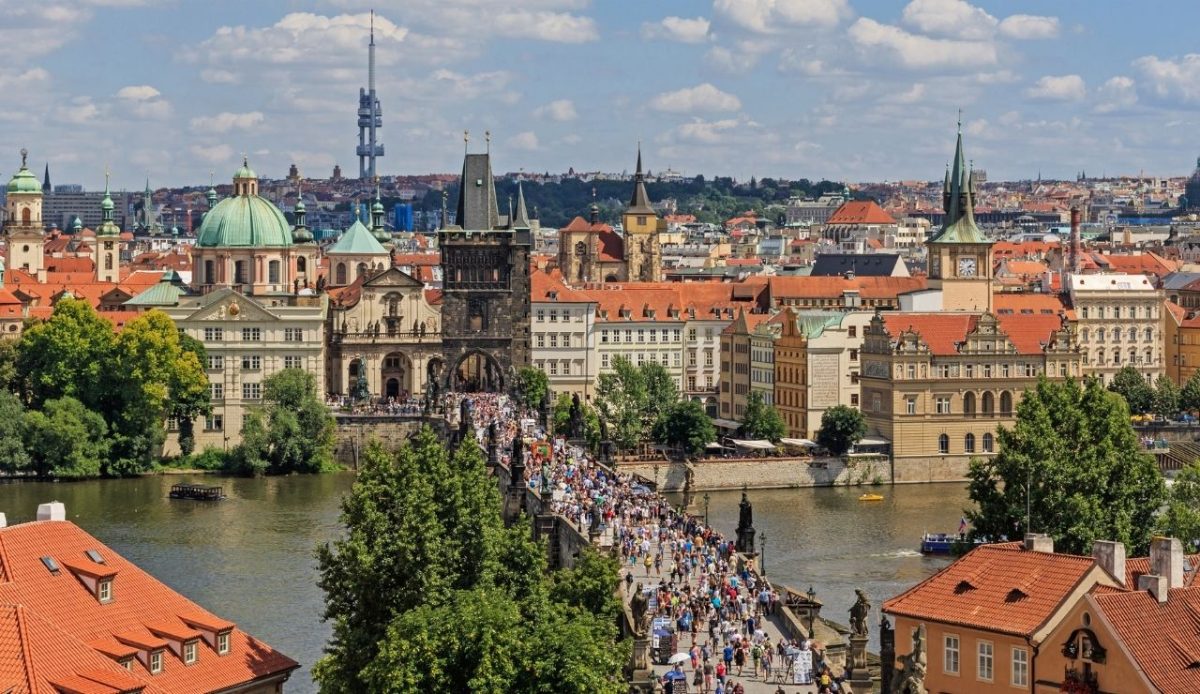
Prague attracts older travelers who want organized access to architecture and history across several eras. The city center keeps major landmarks close together, reducing long travel distances. Museums and historic buildings use clear signage and audio support to explain background information. Riverfront areas, public squares, and nearby cafés provide places to rest during long outings. Many visitors choose guided routes that highlight important cultural points without lengthy walks. Prague’s compact layout makes cultural travel direct and manageable.
11. Québec City, Canada
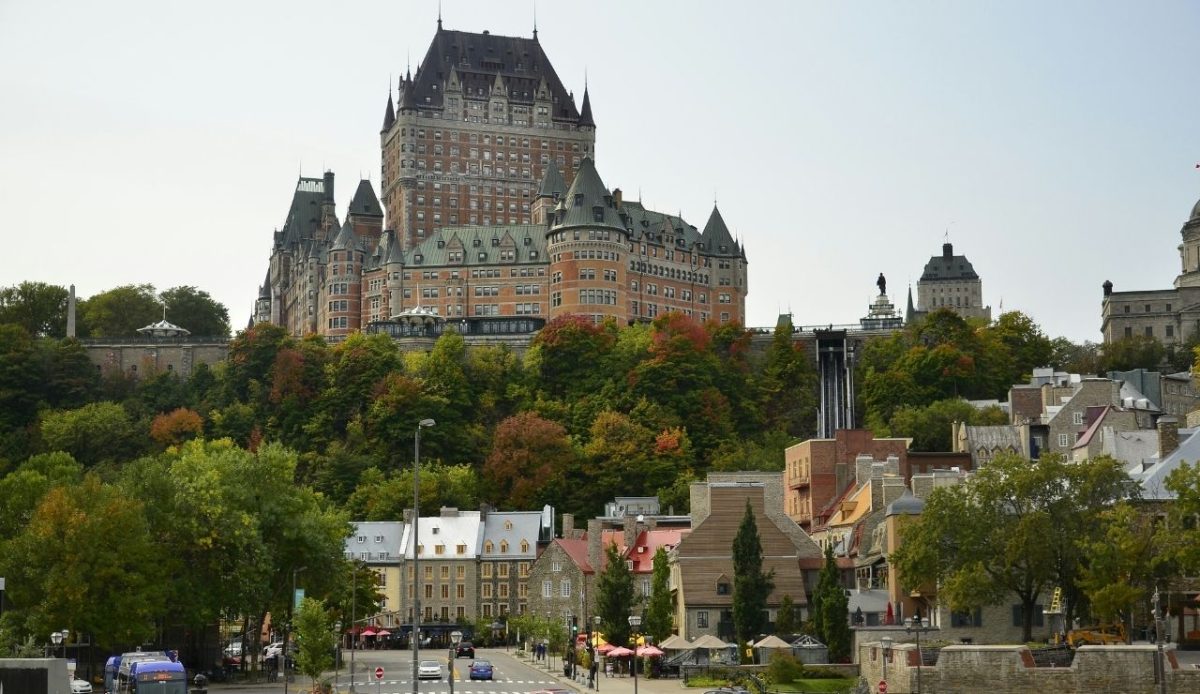
Québec City offers travelers a clear look at French-Canadian history through its preserved old town, stone streets, and long-standing traditions. Key landmarks remain within a walkable area, supported by visitor maps and guided tours that explain historical events in simple terms. Museums present cultural themes through straightforward exhibits. Seasonal events and local food practices show how heritage stays active today. Public areas near major sights provide convenient seating, helping older travelers maintain a comfortable pace while learning about the city’s past.
