
Deserts offer beauty, solitude, and unique landscapes, but their trails can also be some of the most dangerous on Earth. Extreme temperatures, shifting sands, scarce water, and treacherous terrain challenge even experienced hikers. Survival requires preparation, endurance, and careful planning, along with mental resilience to face isolation and uncertainty. These deserts test both physical and mental strength, offering breathtaking vistas alongside real danger. In this article, we highlight 11 desert trails so extreme that even seasoned hikers think twice before tackling them, combining adventure, risk, and awe-inspiring scenery.
1. The Skeleton Coast, Namibia

The Skeleton Coast is infamous for its harsh climate, unpredictable fog, and shipwreck-strewn shoreline. Hikers face scorching sun, shifting dunes, and scarce freshwater. Remote terrain means rescue is difficult, and wildlife like lions and hyenas adds another element of danger. Trails are unmarked, requiring navigation skills and survival knowledge. Despite risks, the landscape is hauntingly beautiful, with desolate beaches and rugged cliffs. Only highly prepared and experienced hikers attempt this trail, combining extreme adventure with the eerie, raw allure of one of Africa’s most unforgiving deserts.
2. The Rub al Khali, Saudi Arabia

Also known as the Empty Quarter, the Rub’ al Khali is the world’s largest sand desert, with vast, ever-shifting dunes and extreme daytime heat. Temperatures can exceed 50°C, and water sources are nonexistent. Hikers risk dehydration, disorientation, and sandstorms that can erase trails in minutes. Navigation is challenging, requiring GPS, survival experience, and contingency planning. Despite the dangers, the Empty Quarter offers vast, otherworldly landscapes and the thrill of isolation. Only seasoned hikers and desert experts dare to explore this massive, shifting expanse, where preparation is critical for survival.
3. The Atacama Desert, Chile
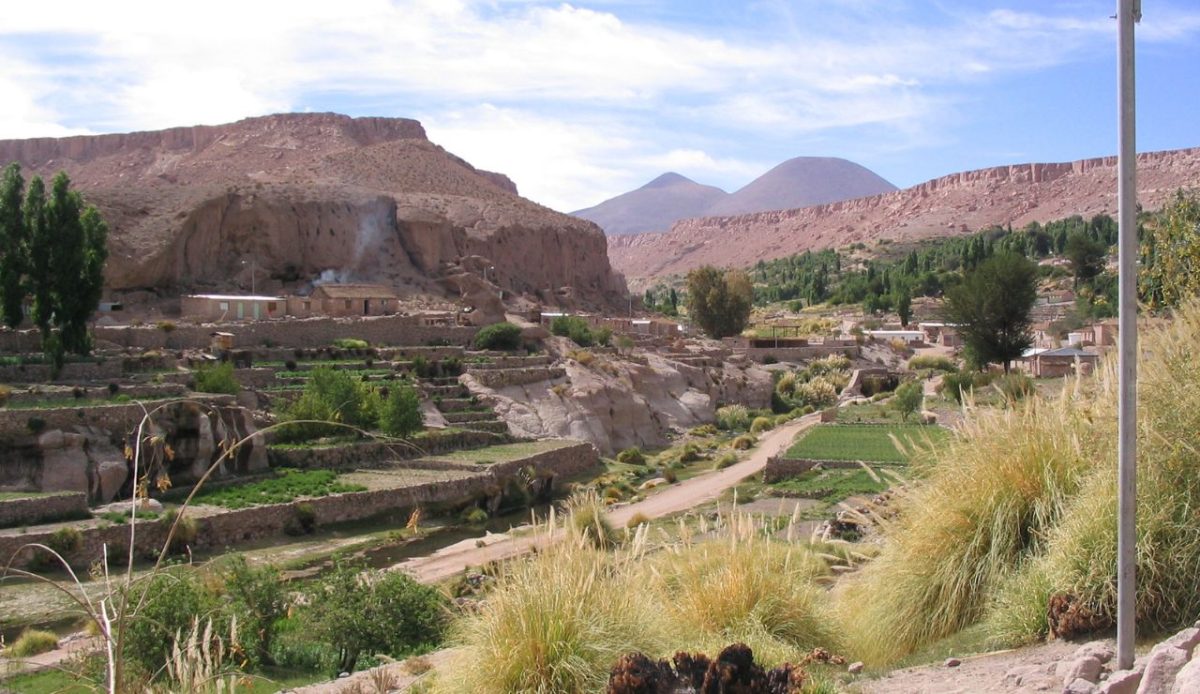
The Atacama Desert, one of the driest places on Earth, presents extreme aridity, high-altitude trails, and intense sun exposure. Hikers face dehydration, altitude sickness, and rapidly changing weather. Sparse vegetation and remote terrain add to the sense of isolation, while salt flats, volcanoes, and canyons create visually stunning but demanding trails. Travelers must carry ample water, protective gear, and navigational tools. Only experienced hikers attempt long treks, balancing risk with the opportunity to witness otherworldly landscapes that make the Atacama a challenging yet unforgettable desert adventure.
4. Wadi Rum, Jordan
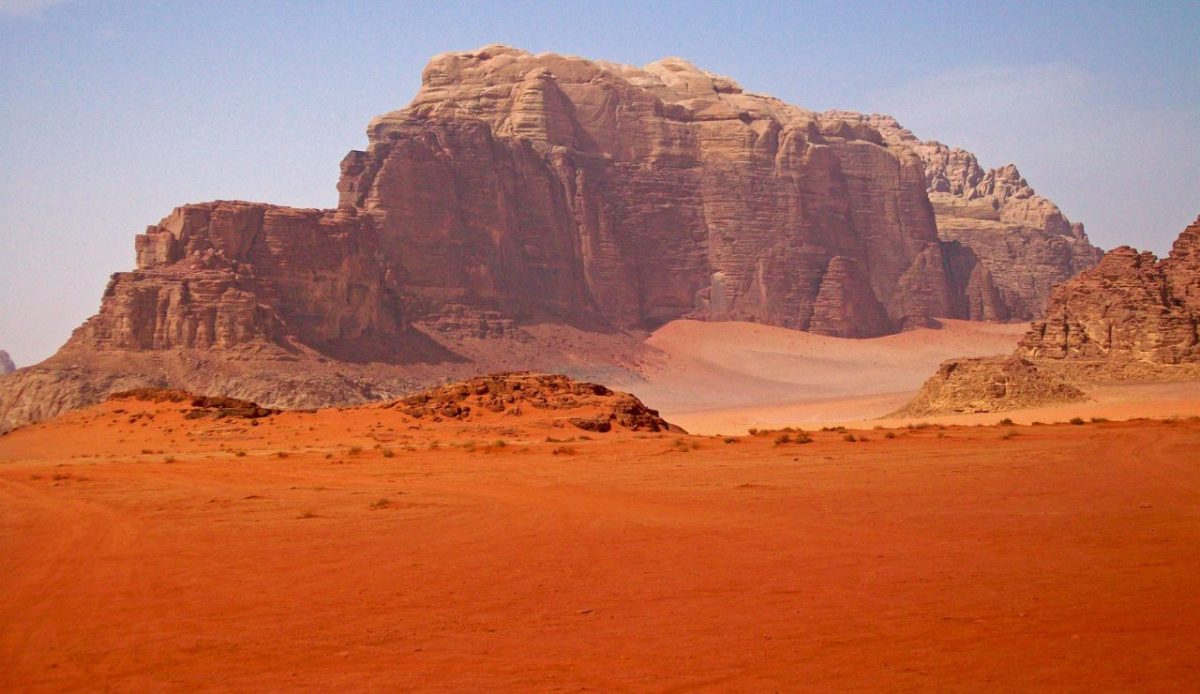
Wadi Rum, also called the Valley of the Moon, combines jagged sandstone cliffs, narrow canyons, and shifting sand dunes. Trails can be treacherous, with steep ascents, loose rocks, and high temperatures exceeding 40°C. Water is scarce, and storms can turn dry valleys into dangerous flood zones. Navigation requires knowledge of the terrain or local guidance. Experienced hikers are drawn to its unique scenery, ancient rock carvings, and dramatic desert vistas. Wadi Rum demands preparation, stamina, and respect, making it a desert trail that challenges even those familiar with extreme hiking conditions.
5. Sahara Desert, Algeria/Libya
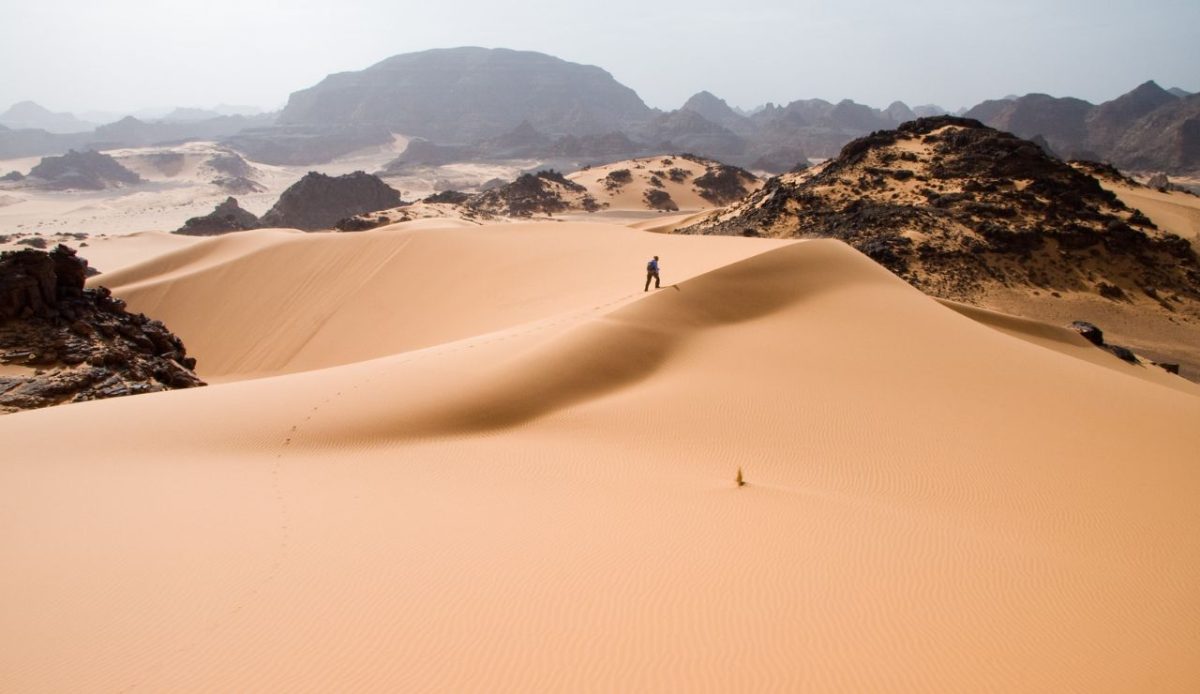
The Sahara Desert stretches endlessly, with vast dunes, rocky plateaus, and extreme heat that can overwhelm even seasoned hikers. Trails are unmarked, and sudden sandstorms can erase paths and reduce visibility to zero. Water scarcity makes long treks perilous, while daytime temperatures reach scorching highs and nights can be freezing. Hikers must carry sufficient supplies, navigate expertly, and understand survival techniques. Despite danger, the Sahara offers unparalleled beauty, from golden dunes to star-filled skies, making it a desert trail where preparation, skill, and respect for the environment are essential.
6. Simpson Desert, Australia
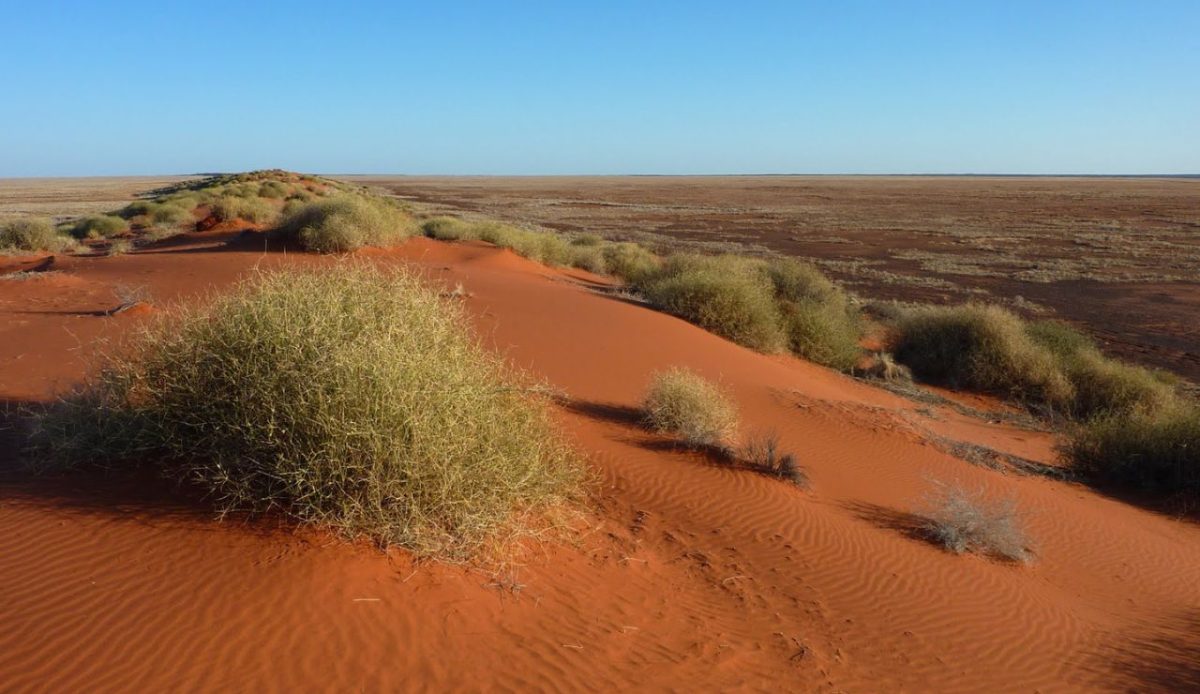
The Simpson Desert is characterized by long parallel sand dunes, extreme heat, and limited water, creating challenging conditions for hikers. Trails are mostly unmarked, with distances between reliable resources spanning tens of kilometers. Temperatures can soar during the day and drop drastically at night, testing endurance and planning. Sandstorms, wildlife, and physical exhaustion are serious hazards. Despite the risks, the desert captivates with vast red sands, isolation, and raw beauty. Only experienced hikers with proper preparation, survival skills, and high resilience attempt these trails.
7. Mojave Desert, USA
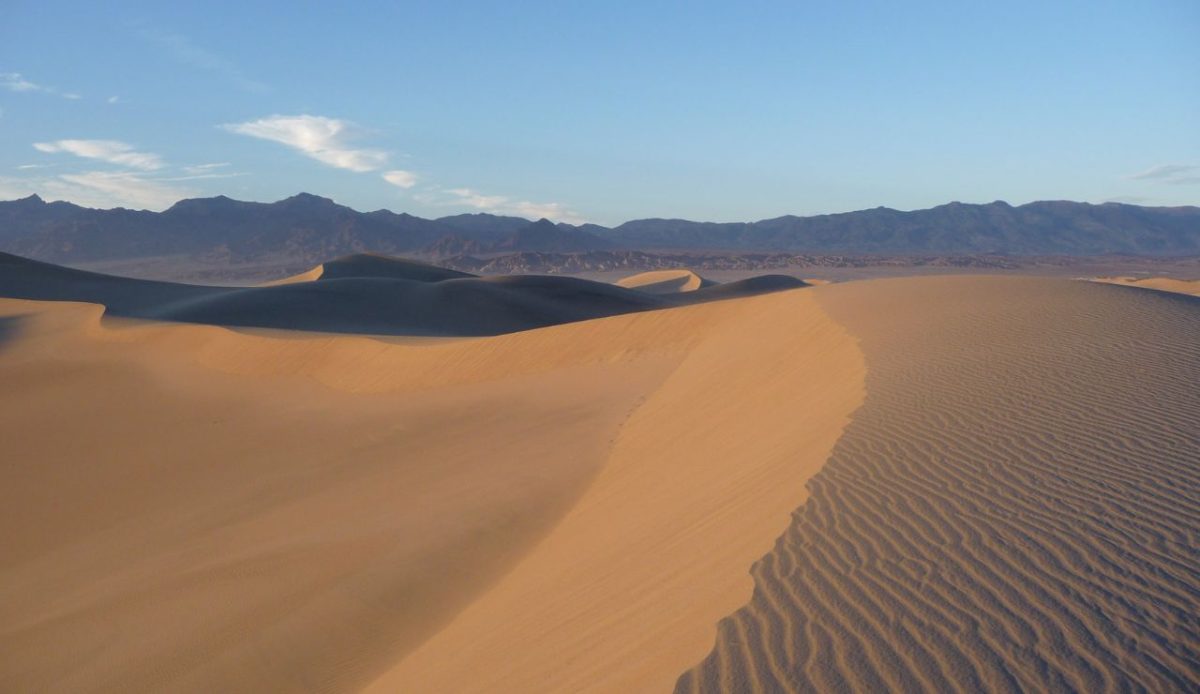
The Mojave Desert presents extreme heat, rugged terrain, and scarce water, challenging even experienced hikers. Trails can include rocky outcrops, dry washes, and stretches of sand under intense sun. Temperatures may exceed 45°C, while nights bring significant drops. Hikers face dehydration, disorientation, and encounters with venomous snakes or scorpions. Proper planning, sufficient hydration, and navigation skills are essential. Despite dangers, the Mojave offers unique landscapes, from Joshua Tree forests to volcanic formations. It’s a desert that rewards preparation and endurance with unforgettable vistas and extreme solitude.
8. Gobi Desert, Mongolia/China
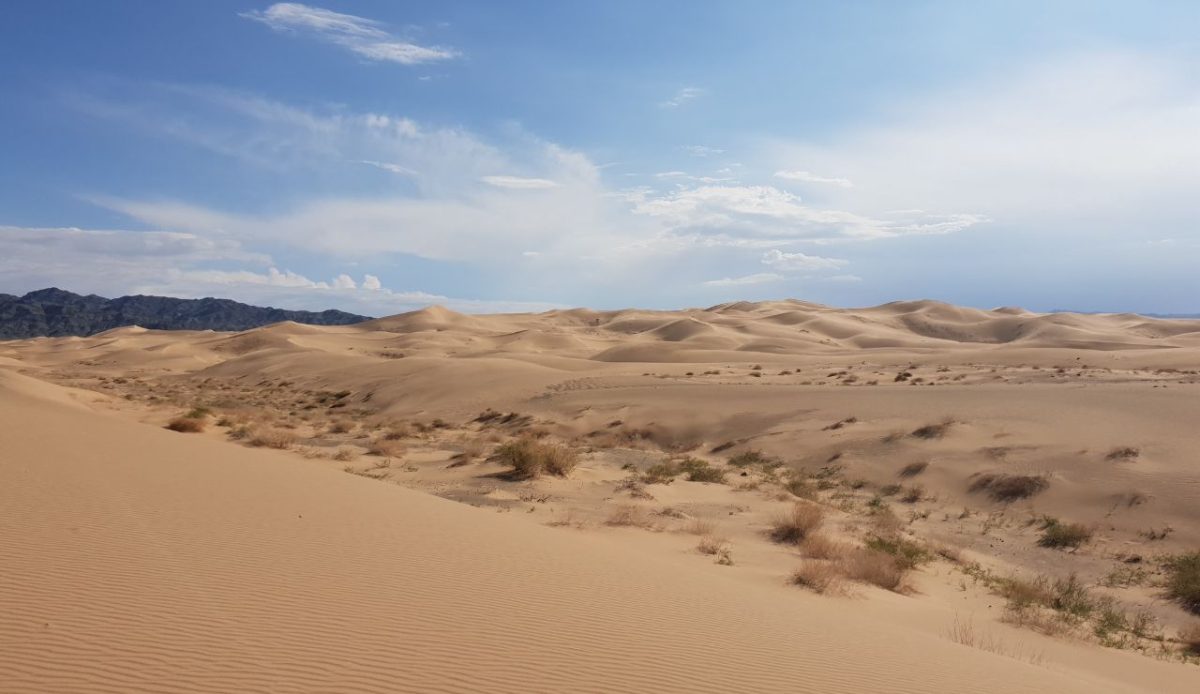
The Gobi Desert combines arid plains, rocky mountains, and shifting dunes, with extreme temperature swings from scorching days to freezing nights. Trails are remote, with little vegetation or water, requiring survival skills and careful planning. Sandstorms and sudden weather changes increase hazards for hikers. Wildlife is sparse but includes camels and elusive predators. Only seasoned hikers navigate these challenging routes, often relying on local guides. The Gobi rewards adventurers with expansive vistas, untouched landscapes, and the experience of true isolation in one of the world’s most formidable desert regions.
9. Dasht-e Kavir, Iran
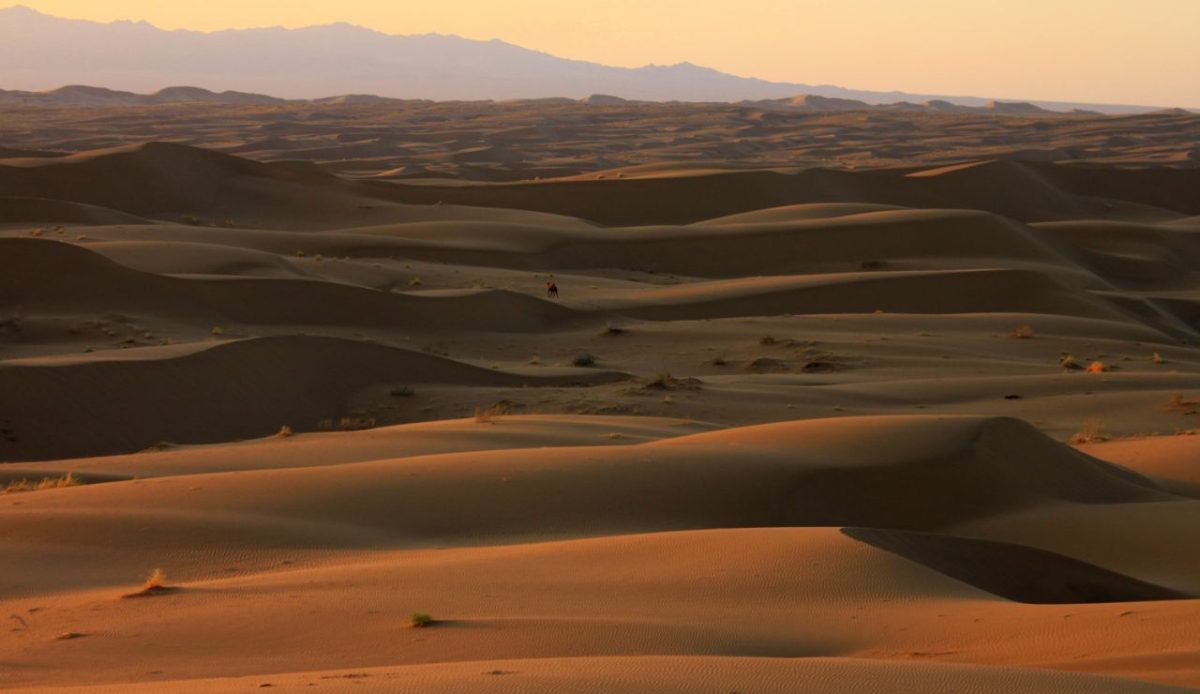
Dasht-e Kavir, Iran’s Great Salt Desert, is a harsh, arid landscape of salt flats, dunes, and desert basins. Trails are treacherous, with mirages, shifting terrain, and minimal water. Temperatures soar during the day and plummet at night, challenging endurance and survival skills. Navigation is difficult without GPS or expert guidance, and the landscape can be disorienting. Despite these dangers, hikers encounter surreal salt plains, unique wildlife, and extreme solitude. Dasht-e Kavir remains a destination for those prepared for intense desert conditions, combining breathtaking scenery with serious physical and mental challenges.
10. Namib Desert, Namibia
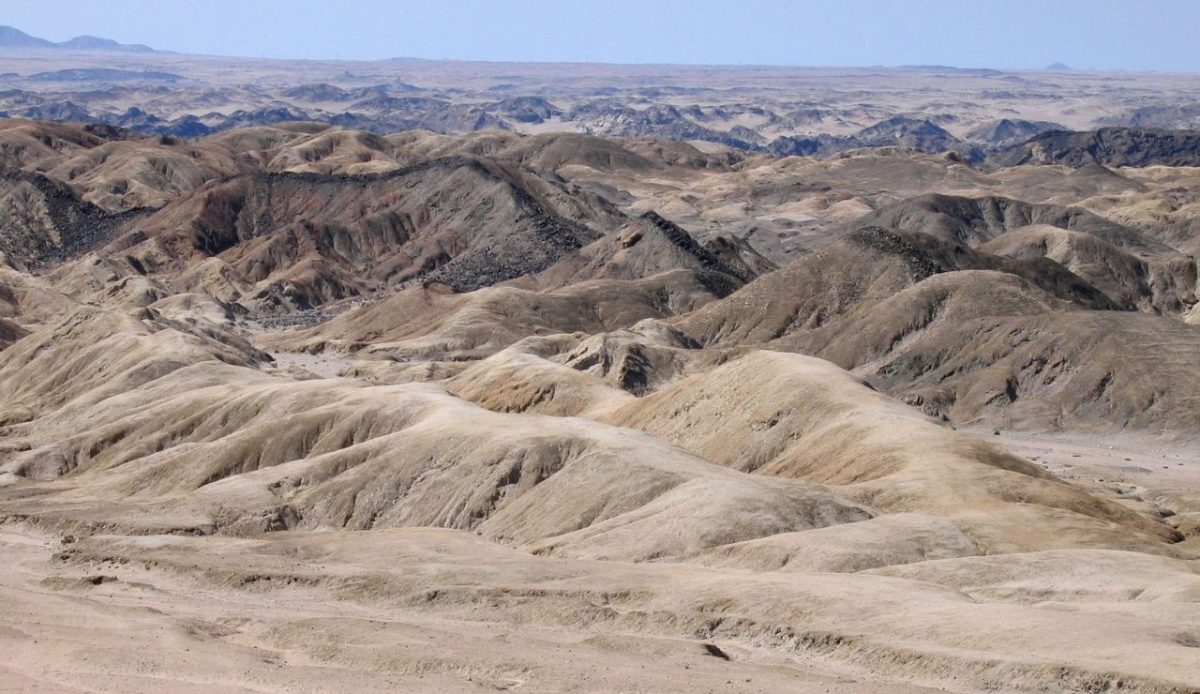
The Namib Desert features towering dunes, rocky plateaus, and remote trails that test even experienced hikers. Temperatures can reach extreme highs, while water sources are scarce and wildlife unpredictable. Navigation through shifting sands requires expertise and preparation. Trails may involve steep dune climbs and unmarked routes across arid plains. Despite the hazards, hikers are rewarded with otherworldly landscapes, unique flora and fauna, and isolation rarely experienced elsewhere. The Namib Desert challenges skill, stamina, and planning, making it one of the most extreme desert hiking destinations on Earth.
11. Kyzylkum Desert, Uzbekistan/Kazakhstan
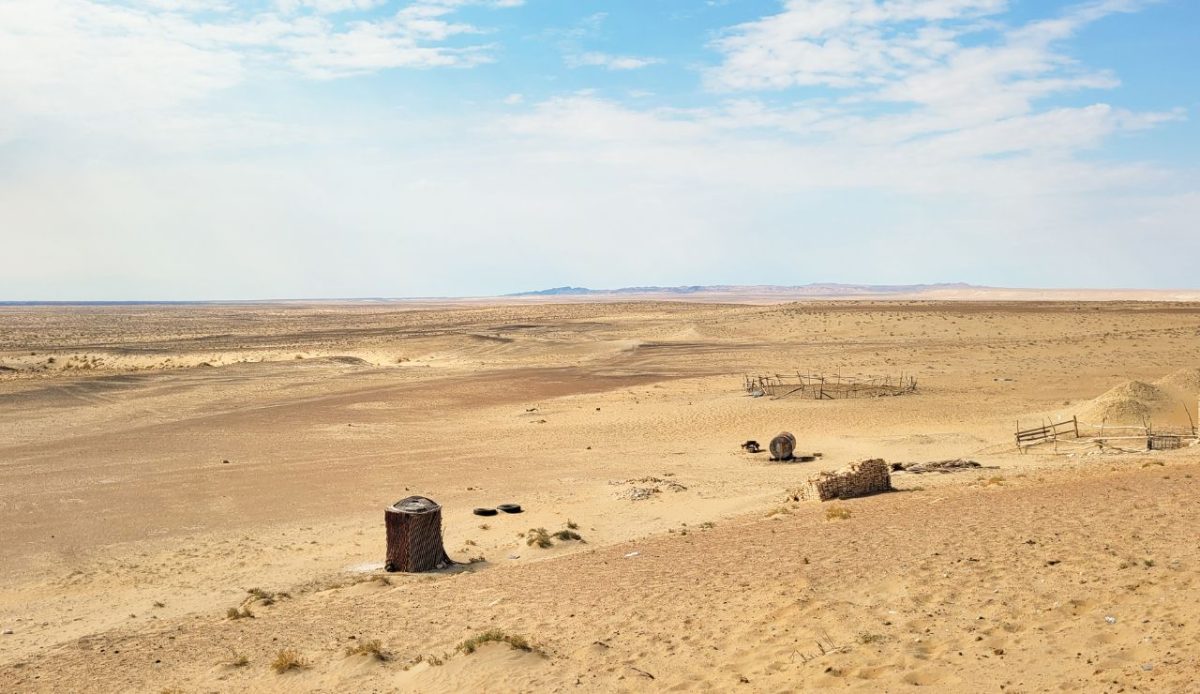
The Kyzylkum Desert spans vast sand and steppe regions with intense heat, limited water, and remote terrain. Trails are unmarked, and sudden weather shifts increase the risk for hikers. Survival depends on careful planning, navigation skills, and the ability to endure physical extremes. The desert is sparsely populated, offering little support or emergency services. Despite dangers, adventurers encounter colorful dunes, unique wildlife, and a sense of isolation and serenity unmatched in more accessible landscapes. The Kyzylkum Desert is a test of endurance and skill, attracting only experienced hikers seeking extreme adventure.
