
Travelers often expect Croatia to feel similar to other coastal regions, yet many discover that movement between cities, islands, and parks stays simple throughout most months. Ferries follow steady schedules, highways remain clear enough for relaxed driving, and historic areas stay organized even when crowds increase. National parks support visitors with marked trails and helpful signs that reduce confusion, allowing people to enjoy the scenery without rushing. Coastal towns keep their routines, giving travelers predictable days and quieter evenings. These conditions help trips feel steady, manageable, and easy to plan.
1. Plitvice Lakes National Park
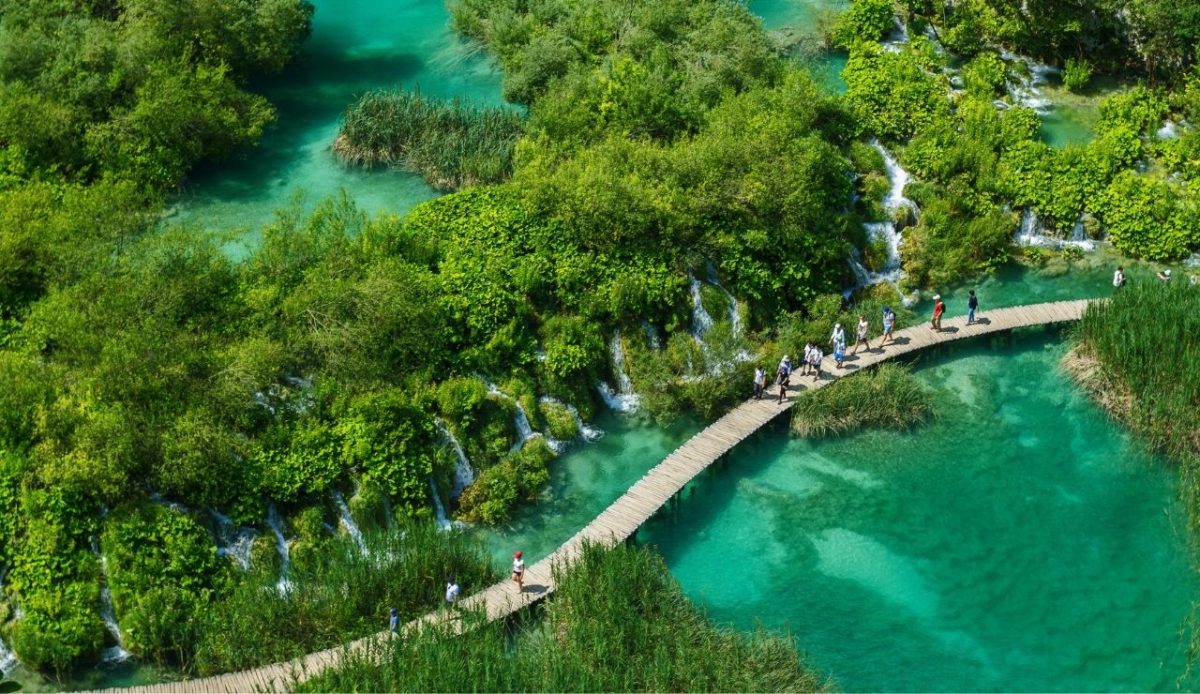
Plitvice Lakes National Park draws travelers who want clear paths and vivid scenery from the start of the visit. The boardwalks guide people across calm pools, narrow channels, and wide cascades with little guesswork required. Early mornings usually bring open space, allowing visitors to move at a steady pace without pressure from groups. Rangers monitor the terrain carefully, keeping water routes and footpaths in consistent condition. Many travelers recall how each lake carries water into the next, forming a natural chain that helps them understand the layout even without a map.
2. Dubrovnik’s Old Town
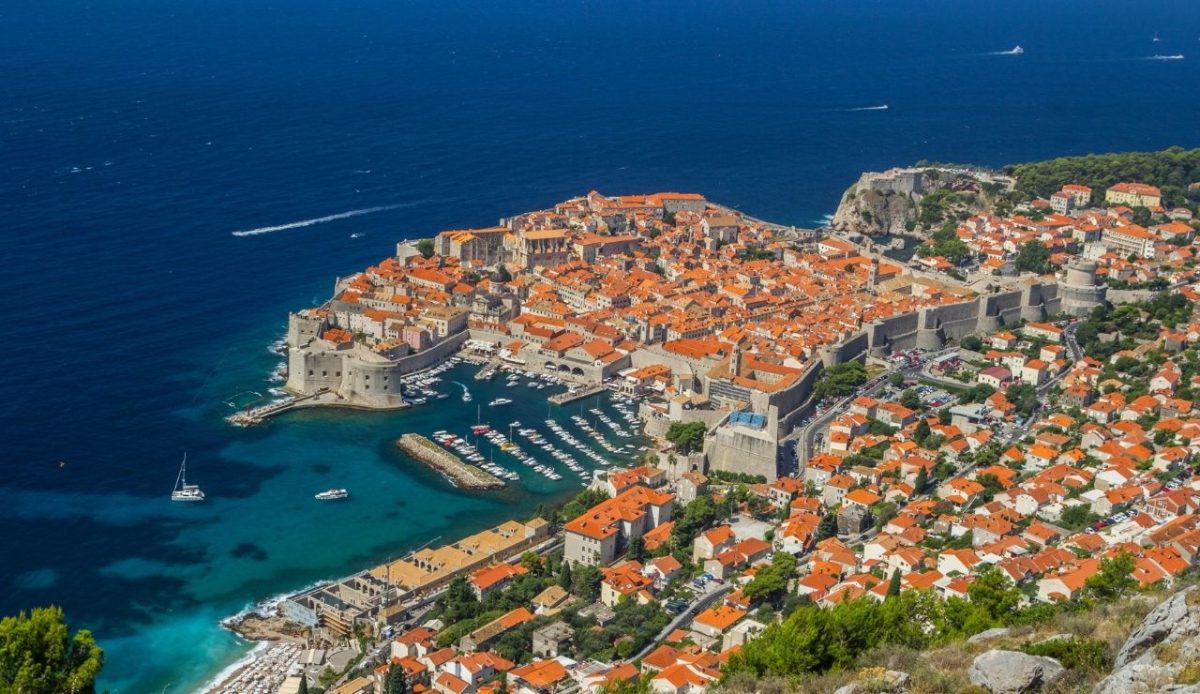
Some visitors expect constant congestion, yet Dubrovnik reveals calmer areas once they explore beyond the main walkway. Side streets lead to shaded corners, stone steps, and quiet squares where movement feels slower. Walking the walls gives a clear sense of the shoreline, rooftops, and fortifications that frame the city. The cable car to Mount Srd provides a wider view that helps travelers see how the harbor, cliffs, and neighborhoods align. People often say the old center feels active but manageable, with enough space to find a steady footing even during the busiest part of the day.
3. Krka National Park
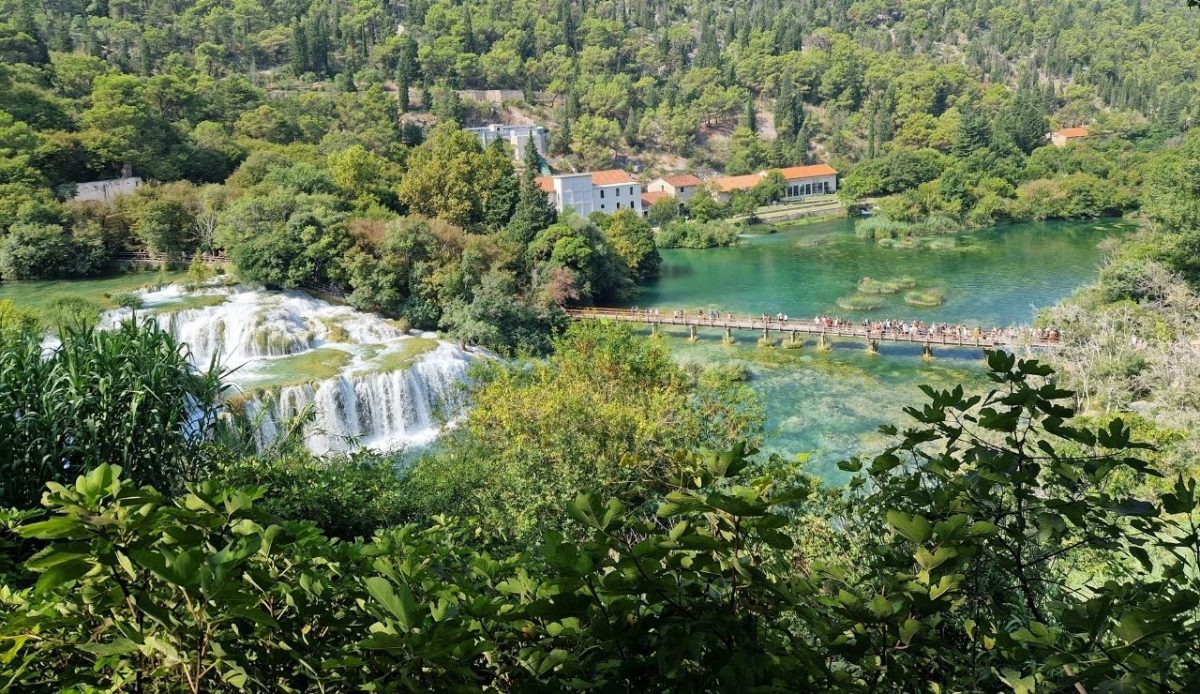
Many travelers appreciate Krka for its straightforward trail system and steady river scenery. Wooden paths run across streams and quiet pools that flow toward larger cascades, guiding visitors without confusion. Seasonal limits keep swimming controlled, which helps protect water clarity. Several entrances let travelers choose a less active starting point, easing pressure during busy times. Boat routes reach river islands and a small monastery, offering a calm shift from walking to gentle travel on the water. Visitors often say the area feels peaceful and predictable, even during high season.
4. Split and Diocletian’s Palace
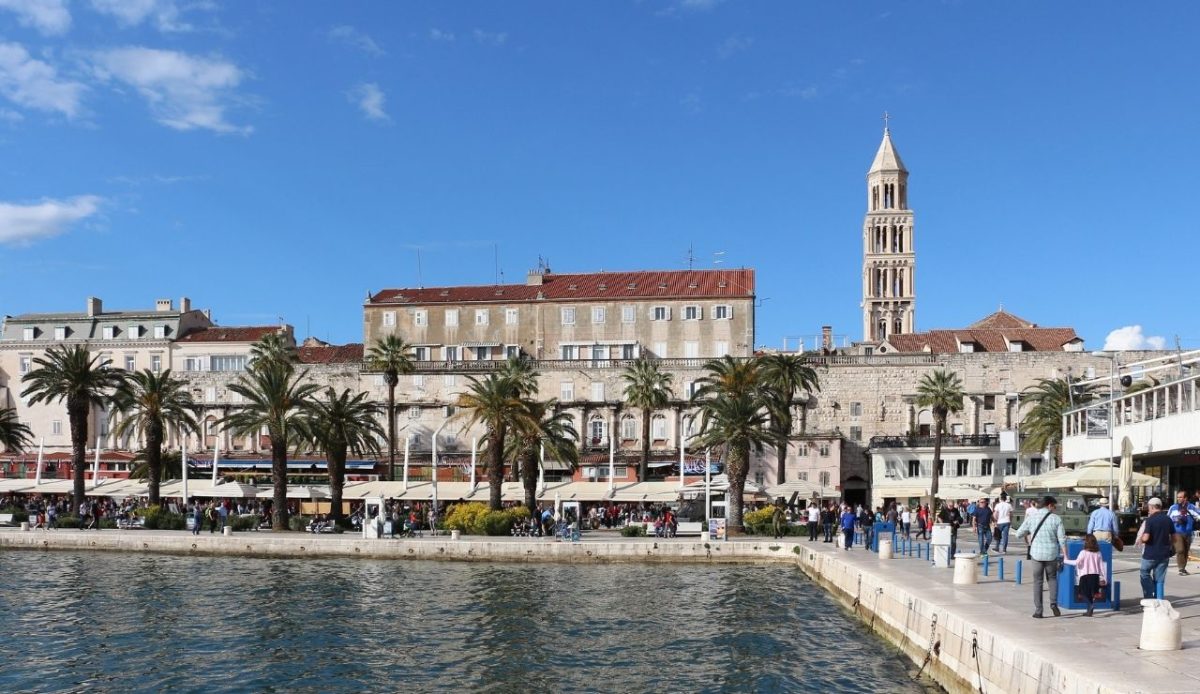
Split gives travelers an unusual setting where modern life operates inside ancient walls. Cafés, apartments, and small shops open onto courtyards framed by Roman columns, and the narrow passages encourage slow movement as people discover new corners. The waterfront promenade remains lively through most of the day, offering wide seating areas and easy strolls without complicated planning. Ferries depart from nearby docks, allowing simple day trips to surrounding islands. Many visitors comment that Split feels comfortable for longer stays because daily needs remain close and the old palace district stays active.
5. Rovinj
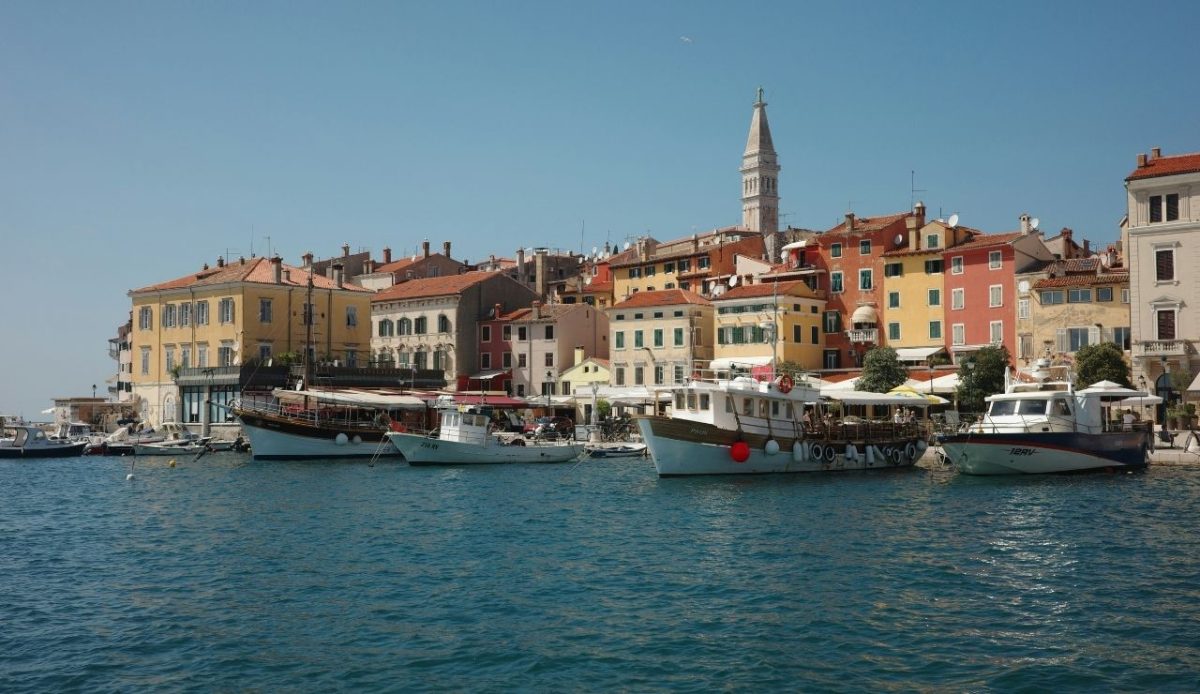
Rovinj attracts travelers who appreciate compact towns with clear routes and quiet streets. The climb toward the hilltop church provides steady views of the harbor, and the narrow lanes reveal cafés, art studios, and small shops open through the day. Boats leave from the waterfront for short rides around nearby islets, giving travelers simple options without heavy planning. Even brief visits feel productive because each turn presents a new angle of the shoreline. Visitors often describe Rovinj as reliable for relaxed walking, easy navigation, and calm evenings near the water.
6. Hvar Island
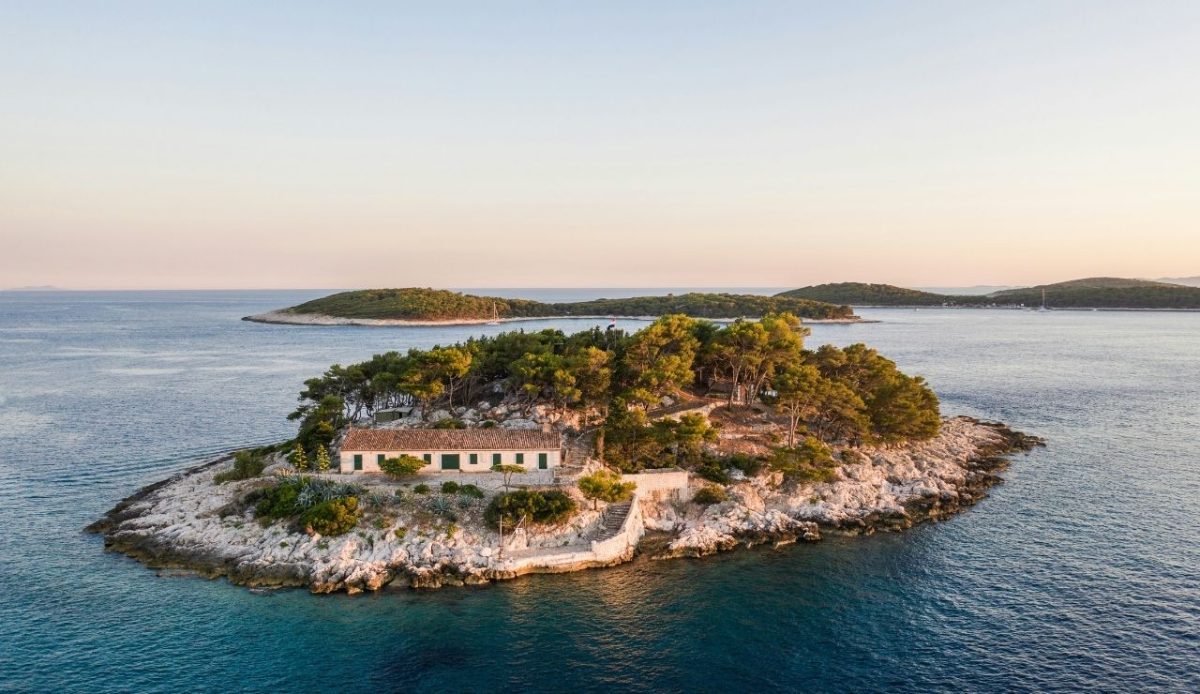
Hvar Island appeals to travelers who want steady sunshine, busy harbors, and easy coastal paths without complicated planning. The main town stays active from morning through late evening, and visitors often enjoy walking the waterfront before heading toward the hilltop fortress for a wide view of the bay. Away from the town center, quieter villages offer quieter streets and small restaurants that stay open through long seasons. Lavender fields draw interest during summer, though many travelers say the real charm comes from the island’s rhythm of slow mornings, warm afternoons, and late dinners by the water.
7. Korčula Island
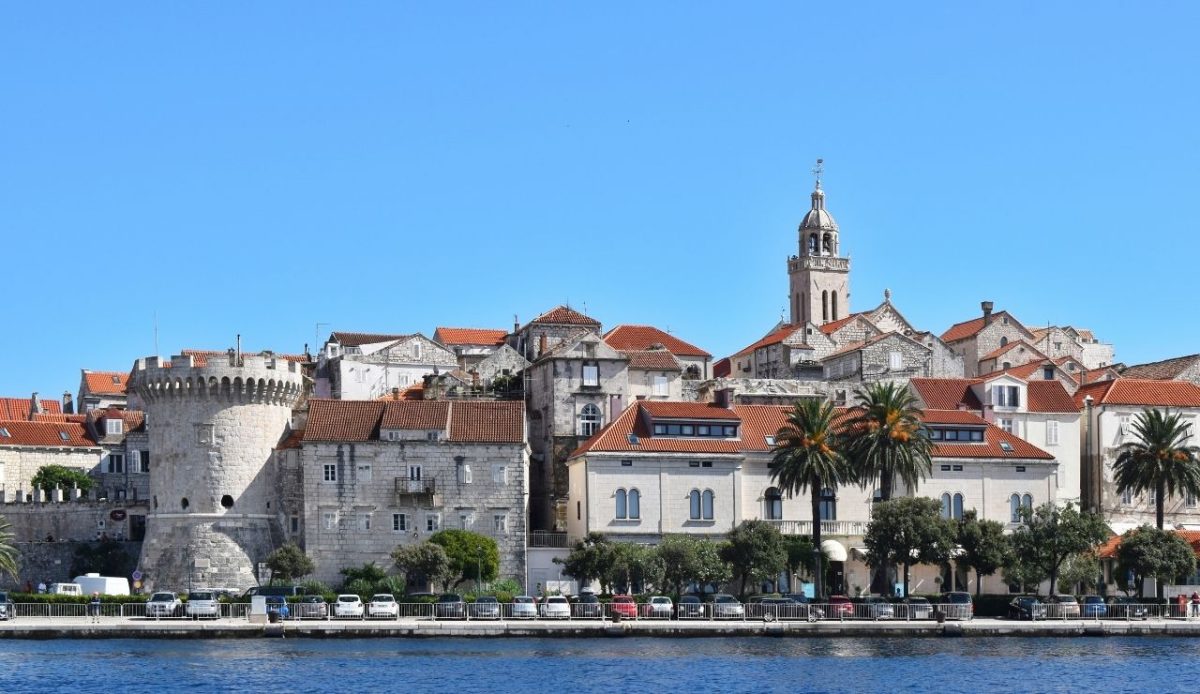
Many travelers appreciate Korčula for its layout of narrow lanes that guide them toward small squares, stone towers, and the edge of the waterfront. The old town’s grid helps visitors navigate without confusion, and shaded alleys stay pleasant even during warmer hours. Outside the walls, people find bike routes, calm coves, and vineyards that support steady day trips. Ferry routes maintain dependable schedules, so reaching nearby islands stays simple. Guests often say Korčula feels balanced, offering active streets in the center and quieter spots just a short walk or ride away.
8. Zlatni Rat Beach (Brač Island)
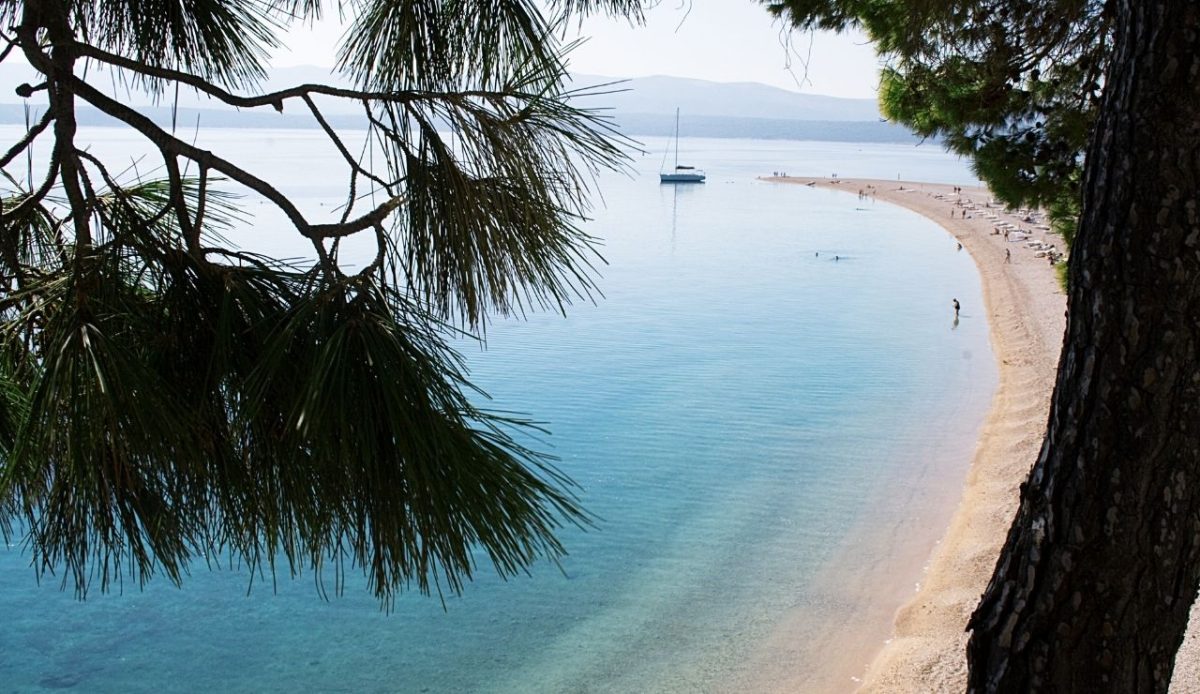
Zlatni Rat gains attention for its long, pebbly point that changes direction slightly based on wind and waves, giving travelers a clear landmark they can recognize instantly. People come for calm water, steady sunshine, and an open shoreline that supports long beach days without complicated planning. Shade from nearby pine areas offers relief during hotter hours, and walking paths connect to town sections where cafés and small shops operate through the day. Water activities appeal to visitors who want movement, while others stay near the shore for quiet rest. Many describe the area as easy to navigate and comfortable for families.
9. Mljet National Park
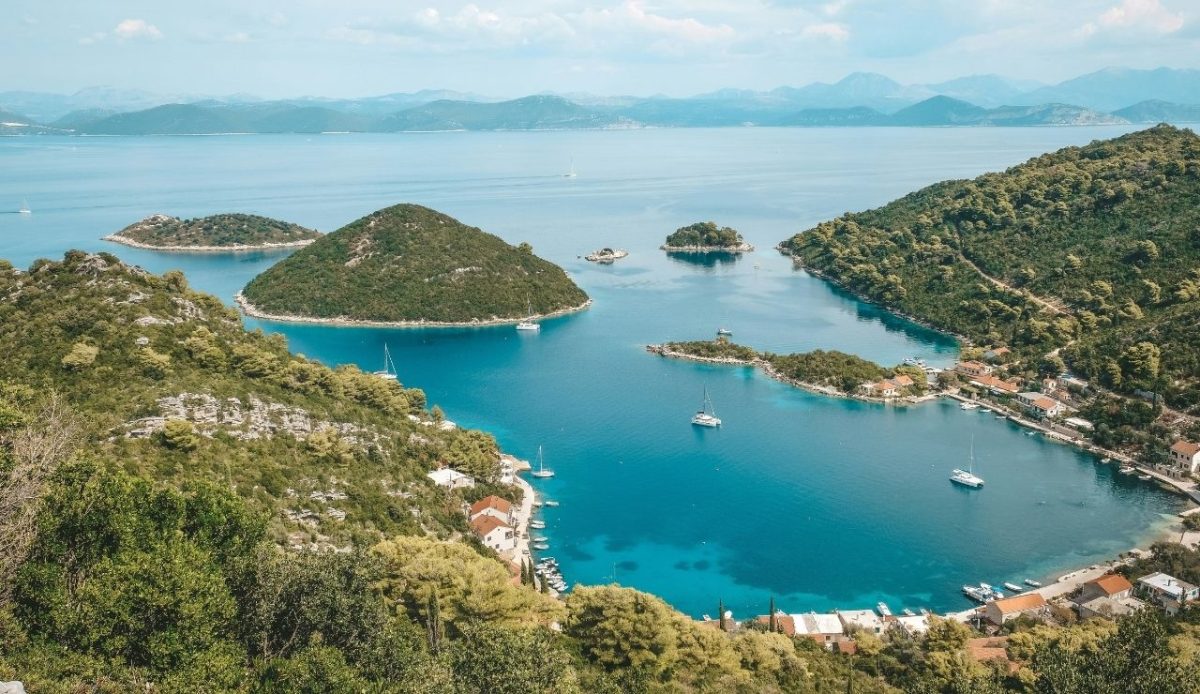
Mljet National Park attracts travelers who prefer slow days around saltwater lakes, shaded trails, and short boat rides to a small island monastery. The paths stay clear and well-marked, helping visitors move at an easy pace without worrying about direction. Cyclists often follow looping routes around the lakes, and benches appear at intervals for people who want steady breaks. The calm water appeals to swimmers during warmer months, and rental boats allow quiet exploration. Travelers often say Mljet offers a restful contrast to busier islands because most areas remain quiet even when visitor numbers rise.
10. Trogir
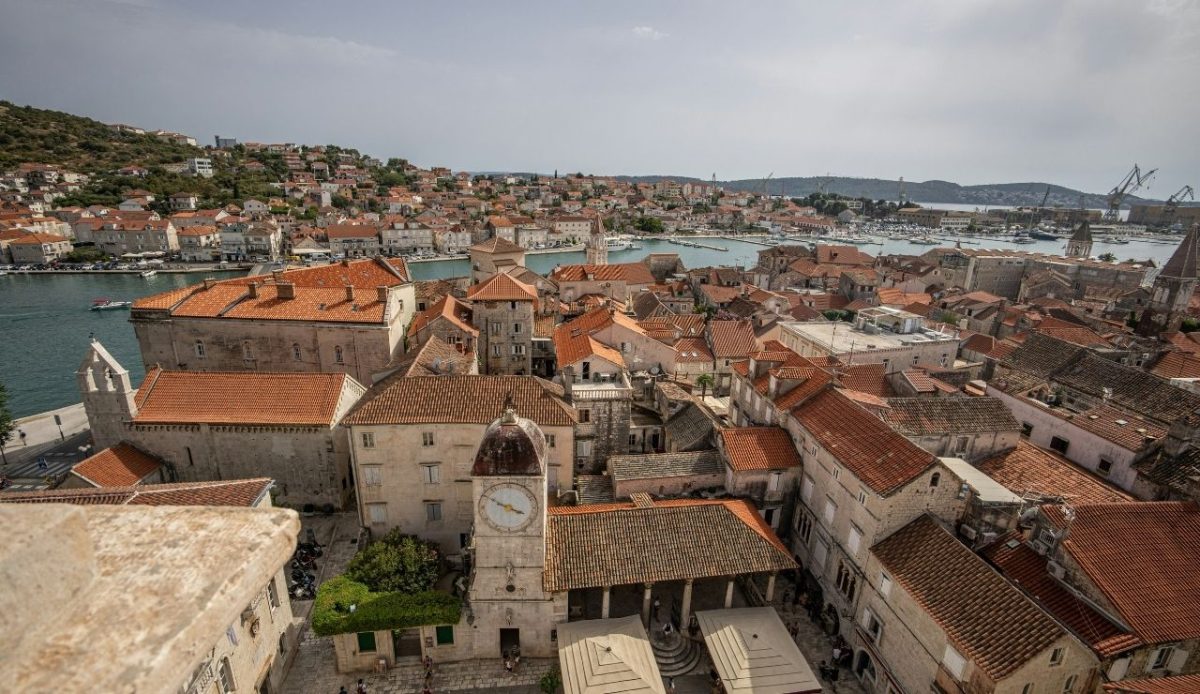
Trogir gives travelers a compact historic center connected to the mainland by short bridges, making entry and exit simple. The narrow streets reveal Romanesque and Renaissance features that appear as visitors turn corners or step into open squares. The waterfront promenade stays active during much of the day, offering seating near the marina and easy routes toward nearby restaurants. People appreciate how quickly they can walk from one end of the old town to the other without feeling rushed. Many say Trogir remains a convenient base because bus and boat connections stay steady.
11. Lokrum Island
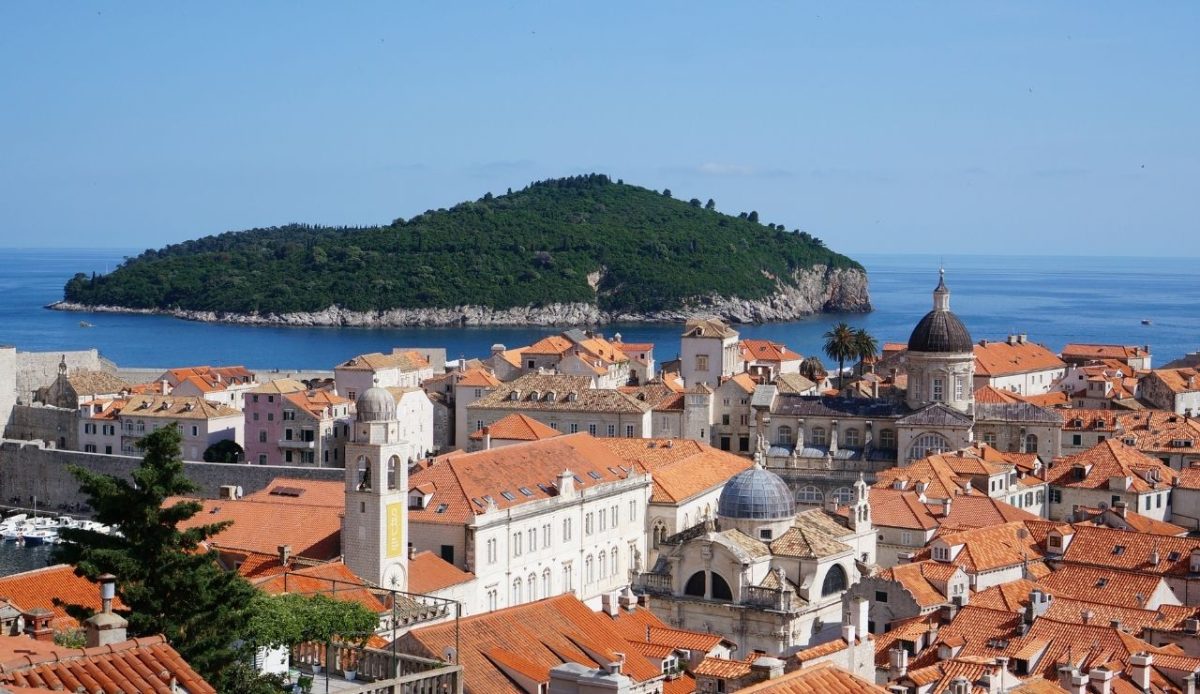
Lokrum Island sits only a short boat ride from Dubrovnik, giving travelers a quiet escape when the old town becomes busy. Walking paths lead to shaded gardens, rocky swimming spots, and a small saltwater lake that stays calm even on windy days. Visitors explore ruins, a botanical area, and open lawns where they can rest without pressure to follow set routes. The island maintains clear signs, helping people circle the main points in a few hours. Many travelers say Lokrum provides welcome relief from crowded streets and offers a peaceful break during longer stays in Dubrovnik.
