
In many U.S. vacation spots, visitors stay close to one famous commercial corridor because hotels, tours, and nightlife are clustered there. That convenience can be helpful, yet it also narrows what travelers notice about daily life nearby. The destinations below are places where a single strip, boardwalk, or downtown spine absorbs most foot traffic, while surrounding districts are visited far less. Each entry points to the corridor tourists tend to stick with, and why it keeps attention anchored. Transit, parking, and tight schedules reinforce that habit, so a quick getaway can feel complete without leaving the core.
1. Las Vegas, Nevada
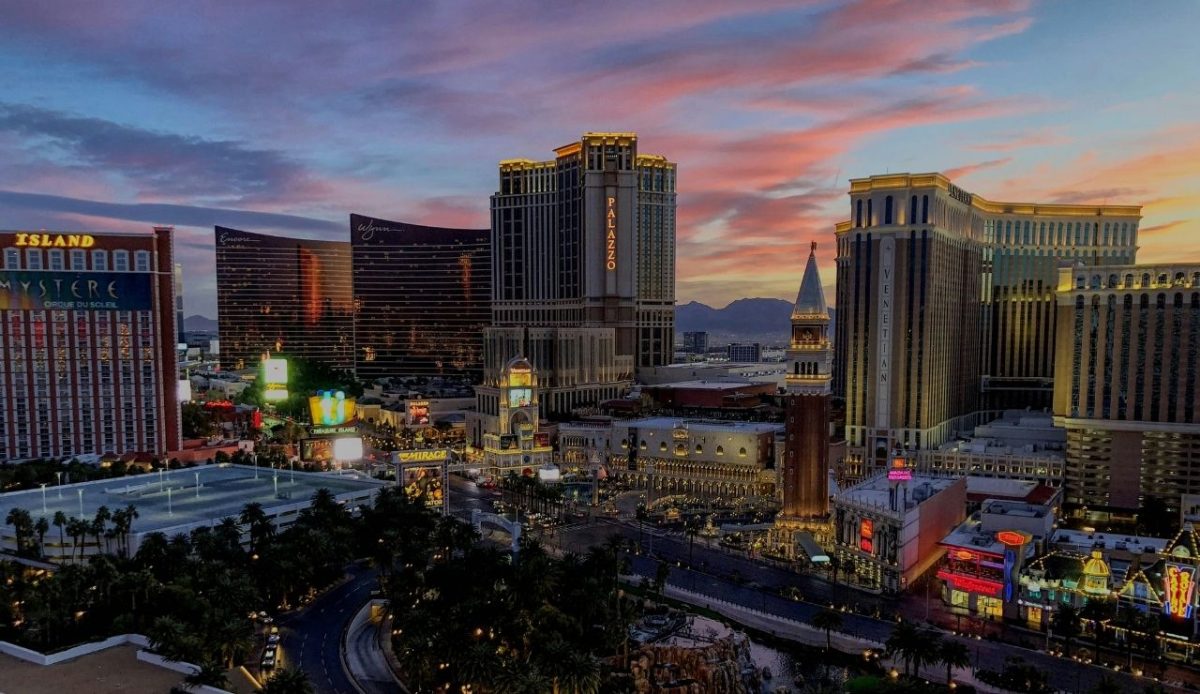
Las Vegas pulls newcomers into the Strip, an officially defined resort corridor where casinos, arenas, malls, and convention halls line up for miles. With most rooms and shows on that boulevard, rideshare routes and pedestrian bridges keep people circulating between properties instead of branching out. Downtown, local parks, and neighborhood restaurants are close in distance, yet they are skipped when a full schedule can be met within the corridor itself. Free trams, the monorail, and indoor walkways were built to serve the same stretch, so even first-time visitors can spend days there without noticing the wider city.
2. Honolulu, Hawaii
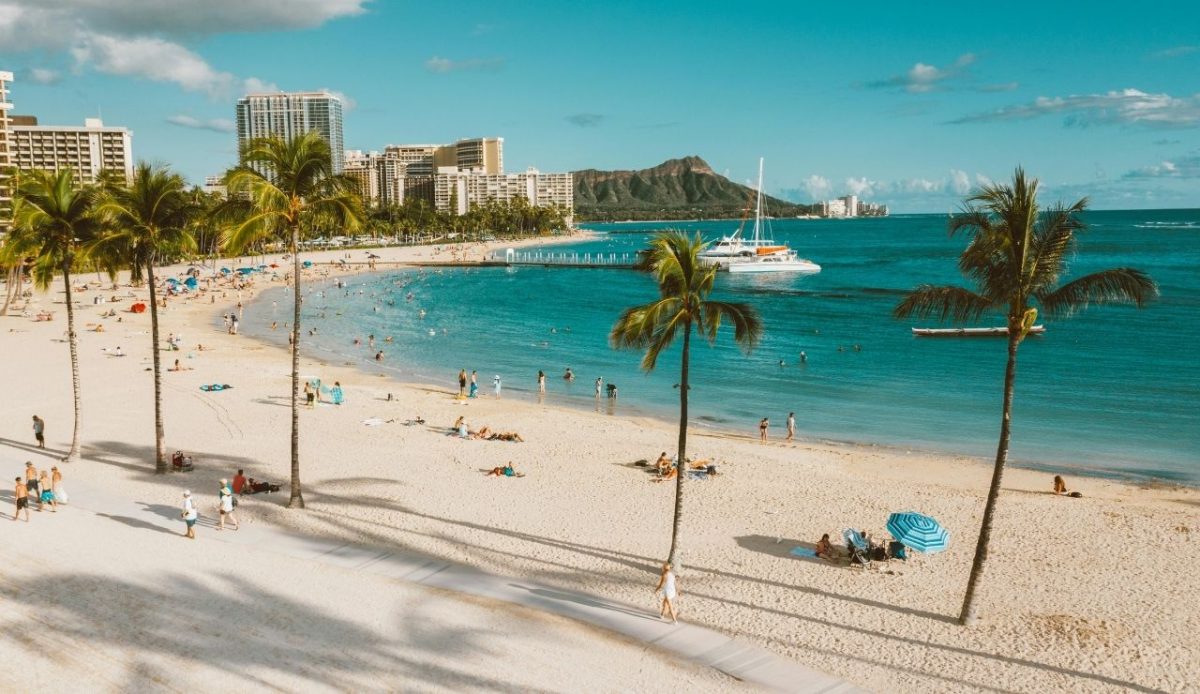
Honolulu visitors often base themselves in Waikiki, where Kalakaua Avenue acts as the main shopping and hotel strip beside the beach. Resorts, surf rentals, and chain stores sit within a few blocks, and many tours begin with pickups along the same road. Because meals, nightlife, and sunset walks are easy to reach on foot, trips can pass without time in Chinatown, Kakaako, or inland valleys that show a different side of Oahu. Visitor trolleys and hotel shuttles loop through Waikiki repeatedly, which keeps spending and attention on the strip and limits spontaneous rides into residential areas after dark.
3. New Orleans, Louisiana
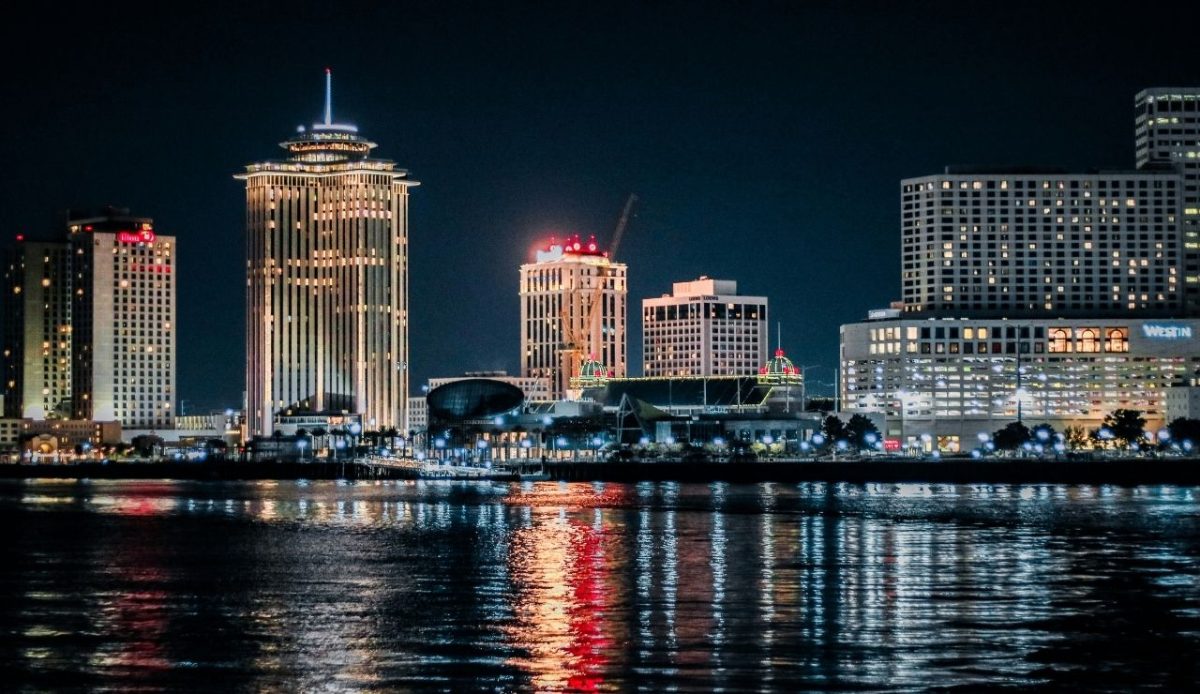
In New Orleans, the French Quarter is a dense cluster of bars, music venues, and small hotels, and Bourbon Street becomes the default corridor for many first-time visitors. Streetcar lines and walking maps keep the focus on a compact set of blocks near Jackson Square and the river. When nights run late, mornings are spent nearby on coffee and beignets, so districts like Tremé, Bywater, and Mid City are missed even though they are central to local culture. For weekend trips, the Quarter is often treated as self-sufficient, and concerns about navigation or parking can deter travelers from exploring neighborhood streets.
4. Nashville, Tennessee
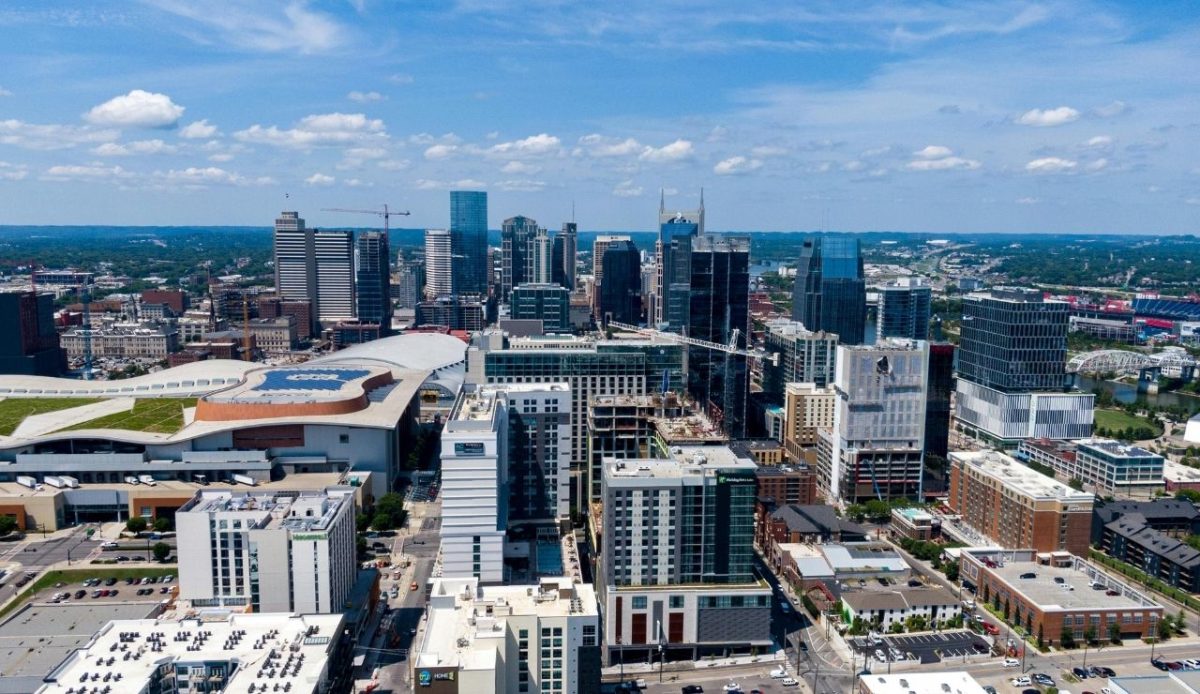
Nashville funnels visitors to Lower Broadway, marketed as the Honky Tonk Highway, where neon signs and open door stages run late into the night. Hotels nearby make it easy to walk between bars, souvenir shops, and ticketed attractions without needing a car. Because live music is constant on that corridor, many travelers skip areas such as East Nashville, Germantown, and Jefferson Street that carry deeper local history and a different dining scene. Pedal taverns and guided bar crawls are routed around the same blocks, so a short stay can feel fully booked while the rest of the city stays out of view.
5. Gatlinburg, Tennessee
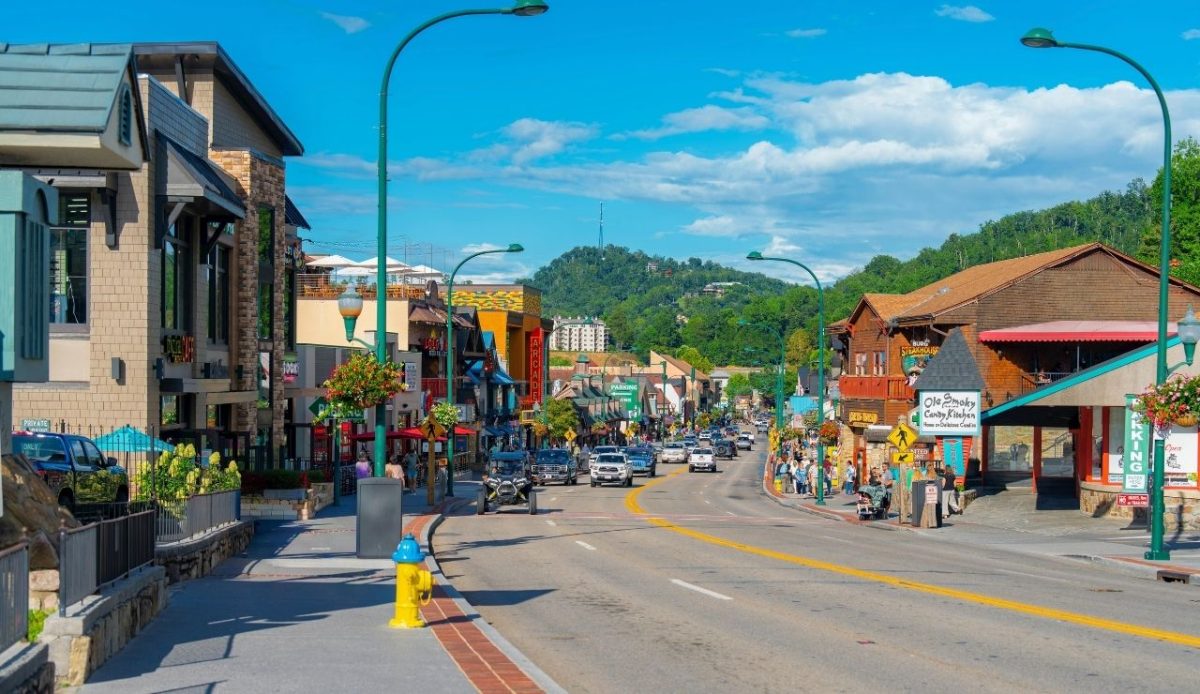
Gatlinburg’s Parkway works like a single themed spine, lined with arcades, chairlift rides, mini golf, and casual restaurants aimed at quick family stops. Many cabins and hotels are arranged to feed into that street, and free or low-cost trolleys drop riders along the same stretch. Outside the Parkway, the town turns quieter fast, so visitors either stay on the strip or drive straight into Great Smoky Mountains National Park without lingering elsewhere. Parking garages and crosswalks were set up to support the corridor, making it the easiest place to spend an entire afternoon without planning.
6. San Antonio, Texas
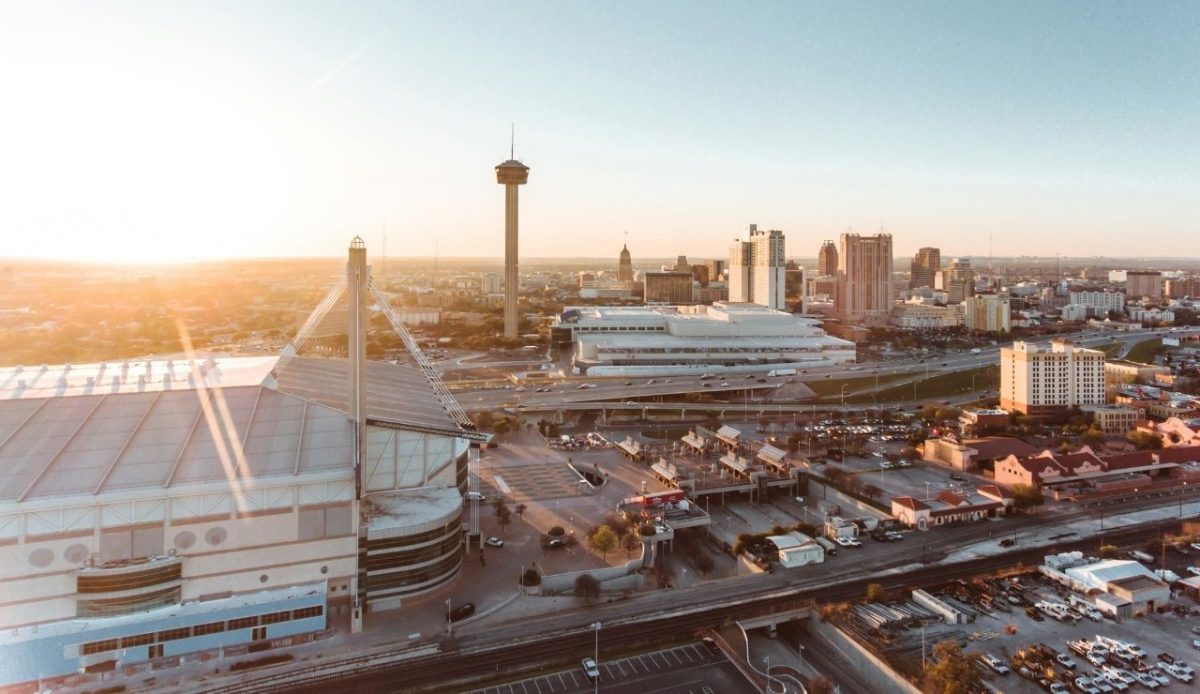
San Antonio visitors gravitate to the River Walk, a downtown corridor of paths and bridges where restaurants and hotels line the water near the Alamo. Boat rides, patios, and evening lights keep people circulating on the same loop, and major events are staged along the channel. Since the route connects dining, shopping, and museums in one walkable area, many travelers do not venture to neighborhoods like Southtown or the Mission Trail unless a special tour is booked. In summer, heat and unfamiliar streets can push visitors back toward the shaded river level, where signs and security are more visible.
7. Orlando, Florida
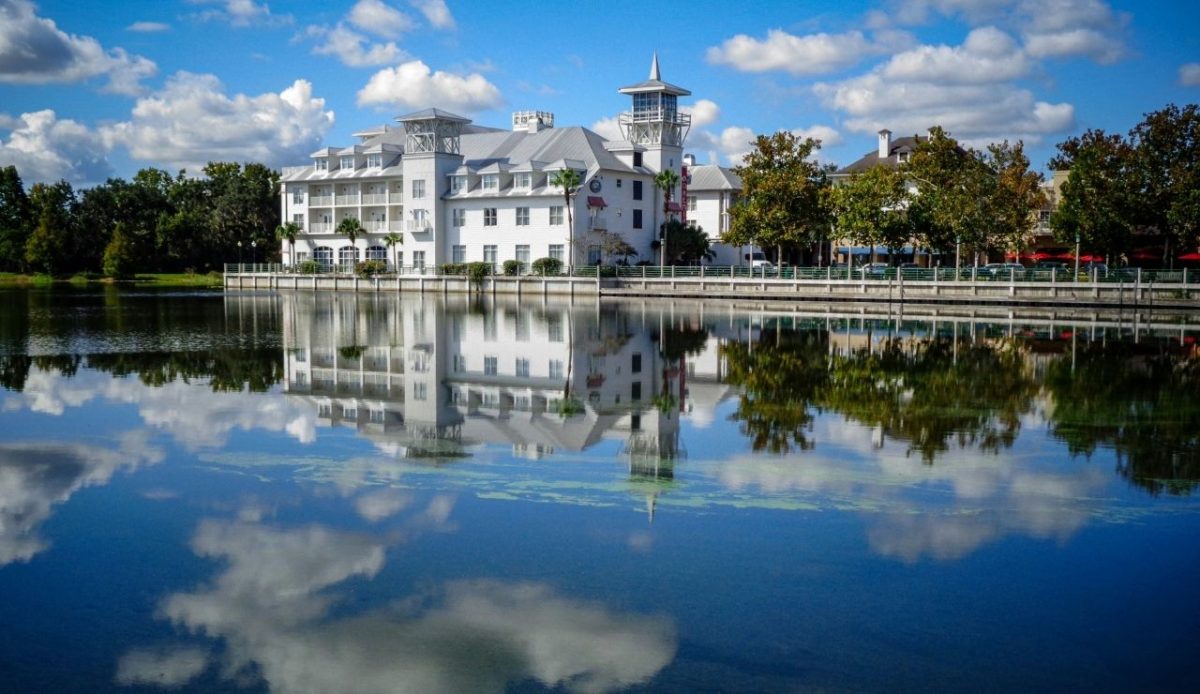
Orlando has several theme park zones, yet International Drive is known as a long tourist strip packed with hotels, chain restaurants, outlet-style shopping, and ticket counters. Many travelers book rooms there for quick access to shuttles headed to parks and for late-night food within walking distance. Because the corridor provides attractions like ICON Park and dinner shows, visitors can fill up park hours without heading into older neighborhoods, lakeside districts, or downtown venues. Heavy traffic and long parking lots make side trips feel costly in time, so the I Ride trolley becomes the default way to move up and down the strip.
8. Branson, Missouri
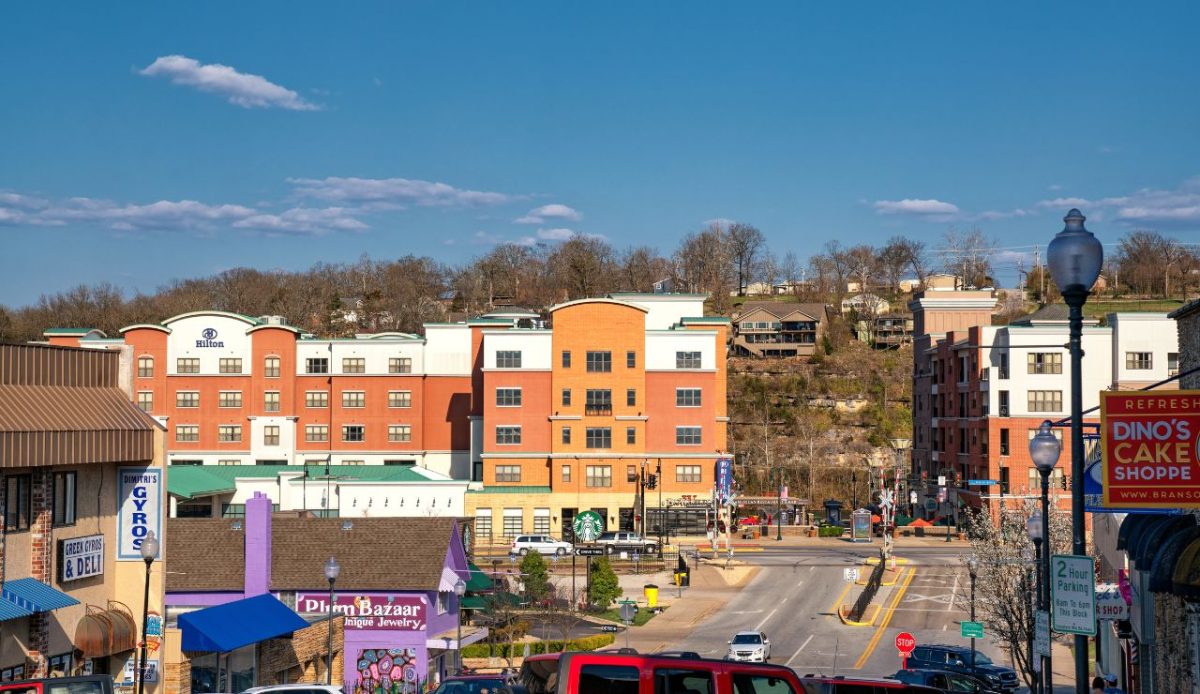
Branson tourism is centered on West 76 Country Boulevard, often called Highway 76, where theaters, family attractions, and large parking lots cluster in a continuous line. Show schedules are arranged so visitors can hop from one venue to the next with minimal driving. Since many hotels are positioned right off the boulevard, meals and entertainment are handled on the strip, while quieter lakeside areas and the historic downtown are treated as optional add-ons rather than essentials. Bright signage and discount ticket booths reinforce the corridor, and first-time guests often stay there because it is easy to navigate after dark.
9. Atlantic City, New Jersey
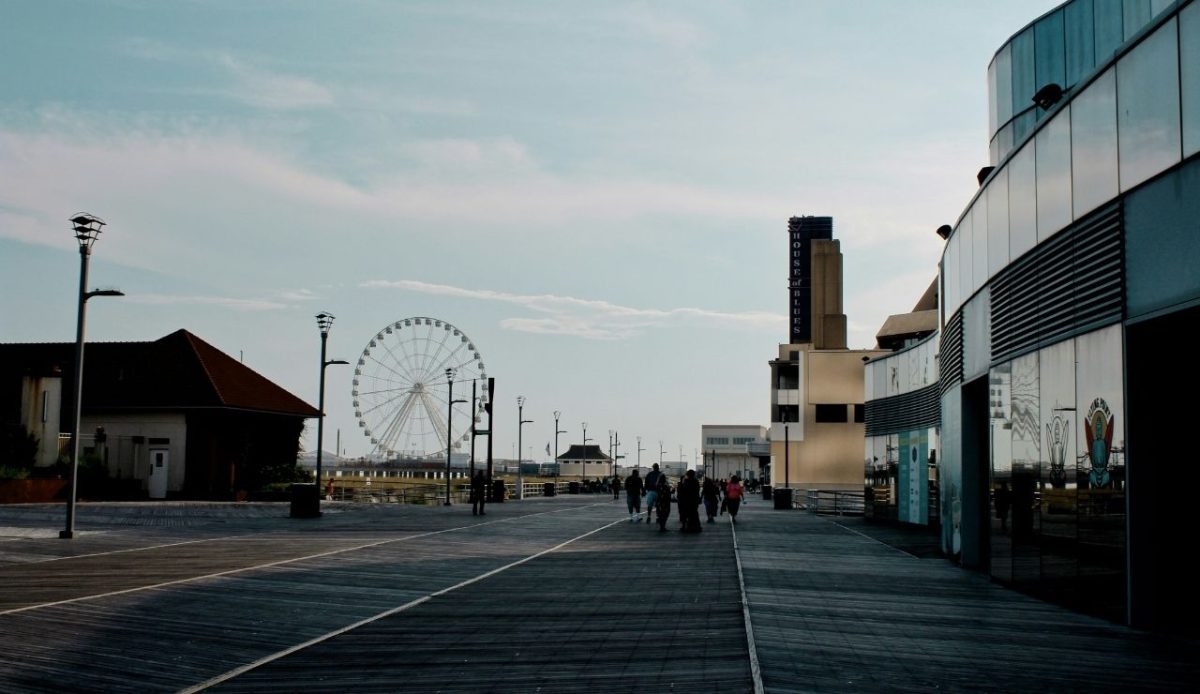
Atlantic City draws most visitors to its Boardwalk, a narrow waterfront route where casino entrances, bars, and beach access sit within a short walk. Because major resorts front the same promenade, guests can move between gaming floors, dining rooms, and ocean views without extra driving. When time is limited, inland neighborhoods and outlets off the shore are overlooked, and the city is experienced mainly as a single beachfront corridor framed by resort towers and seasonal crowds. The rolling chair service and boardwalk tram rides keep traffic on the planks, and wayfinding signs point visitors back to the same few entry ramps.
10. Myrtle Beach, South Carolina
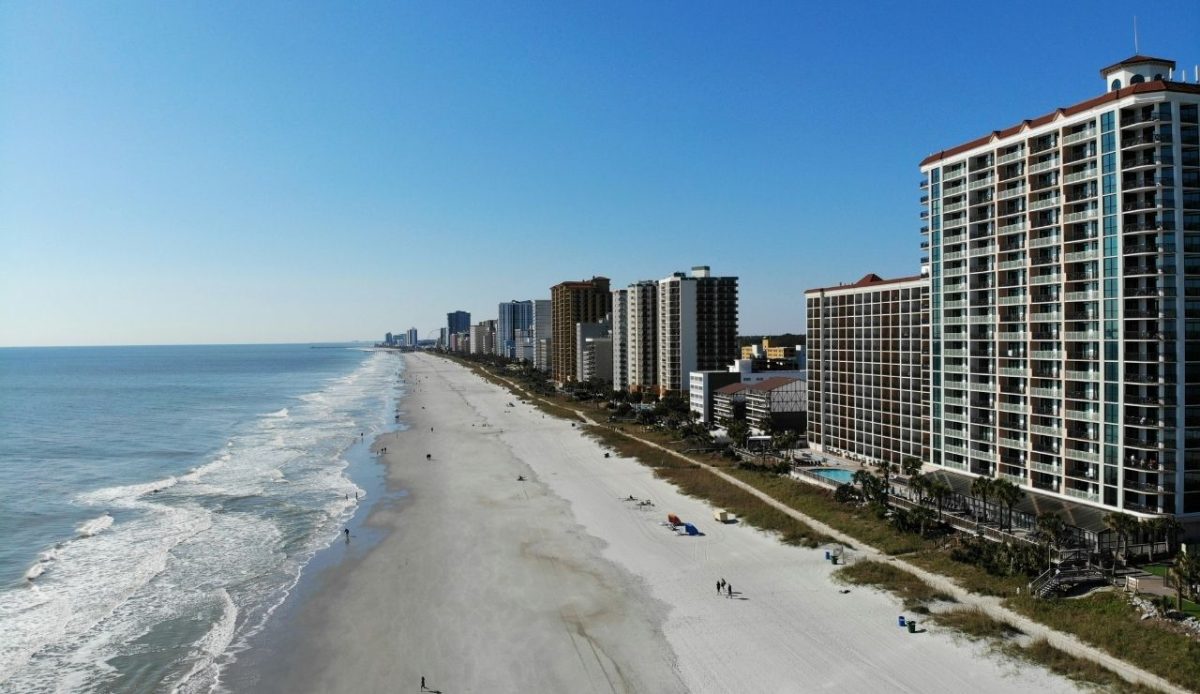
Myrtle Beach concentrates foot traffic along the oceanfront Boardwalk and Promenade, where arcades, food kiosks, and beachfront hotels create an easy walking circuit. Many rentals and tour kiosks are set up along this stretch, so visitors plan days around the pier, rides, and nearby restaurants. Even though the Grand Strand extends far beyond the core, short stays often remain near the boardwalk because parking, nightlife, and beach access are handled in one compact zone close to lodging. For families, the corridor feels predictable and well lit, so side trips to quieter marshes or inland towns are postponed or skipped.
11. Key West, Florida
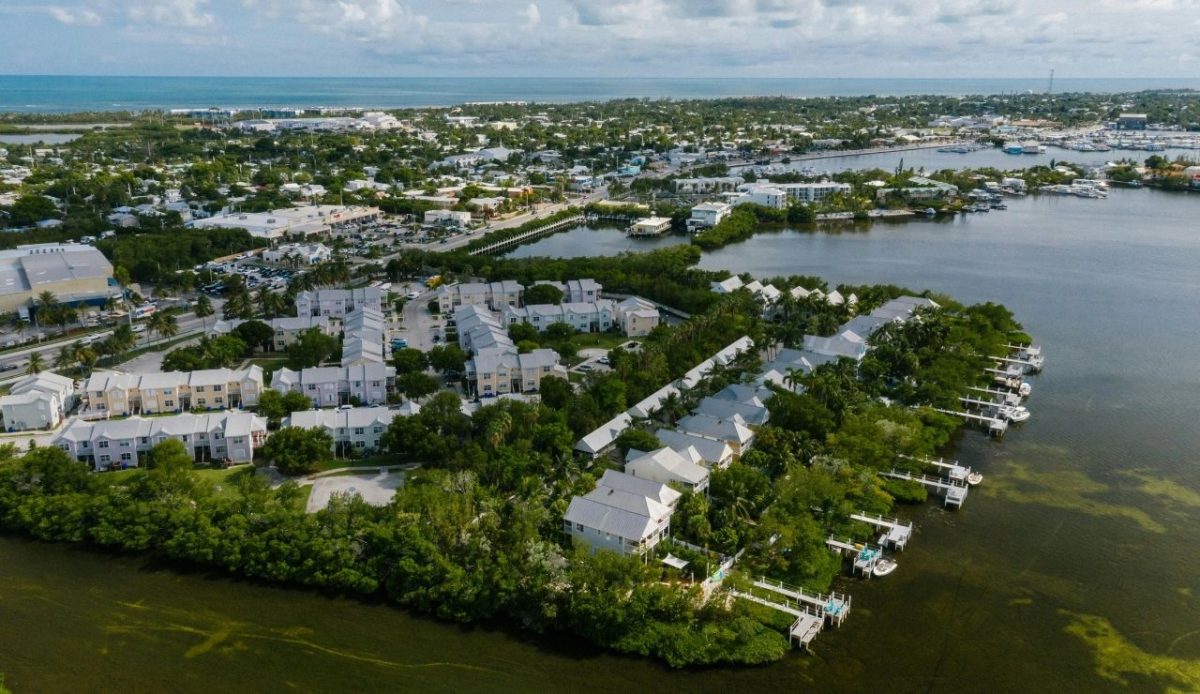
Key West trips often center on Duval Street, a compact downtown strip of bars, shops, and historic stops that can be covered on foot in a single day. With hotels, trolley routes, and bike rentals tied to that corridor, nightlife and dining keep attention there from afternoon into late night. Many travelers never reach quieter corners of the island, such as residential lanes or nature areas, because Duval provides a ready-made itinerary with music, cocktails, and storefront browsing in one place. Cruise daytrippers add pressure to stay near the harbor end, and ferry schedules encourage a quick loop that returns to the same blocks.
