
Tourism brings spending, yet high visitor volume can push sound levels past what neighborhoods can bear. When the issue persists, civil courts often become the venue for conflict. Most suits seek limits, not shutdowns.
Across several U.S. destinations, homeowners and community groups have sued over amplified concerts, short-term rental parties, and sightseeing aircraft. Claims usually cite nuisance law, zoning rules, or local decibel caps.
Plaintiffs tend to submit complaint logs, sound readings, and permit files to show repeated impacts. Defendants point to approvals and mitigation plans, while judges weigh quiet enjoyment against commercial activity.
1. Carpinteria, California
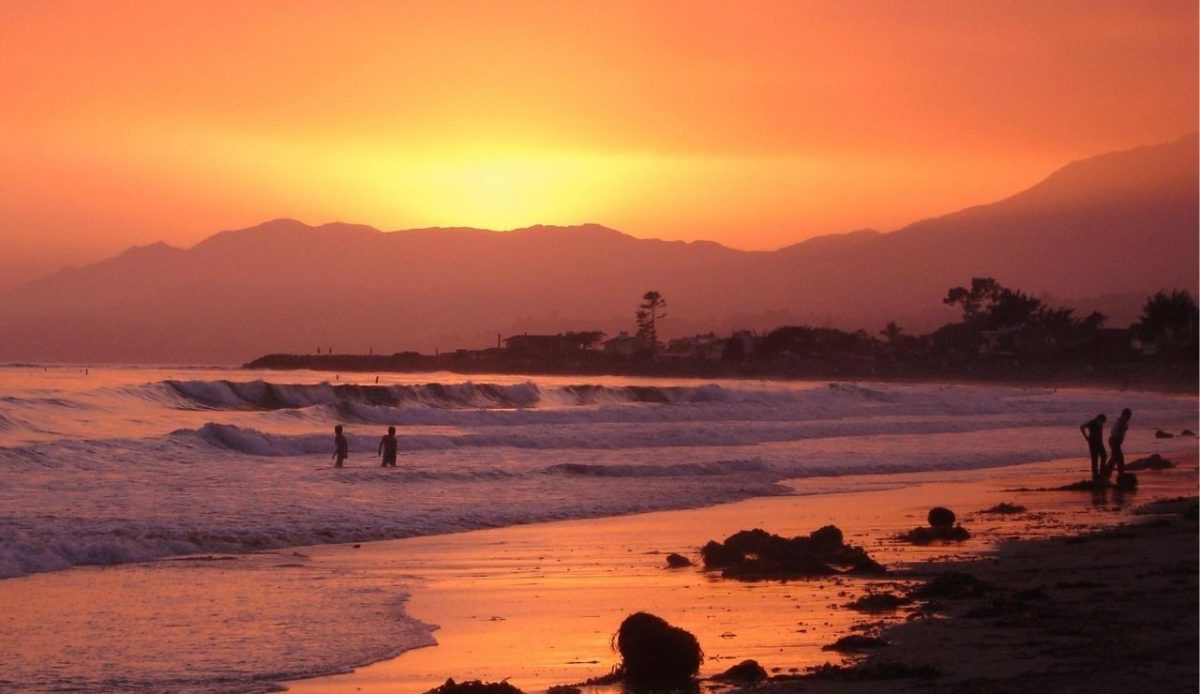
Carpinteria residents sued the city, along with Island Brewing Cover outdoor music that they say spilled into nearby homes. The complaint tied the noise to events that draw weekend crowds from the South Coast.
Key arguments focused on special event permits, hours of operation, and whether conditions were strict enough to keep readings within code limits. Neighbors pointed to recurring late evening peaks documented through complaint logs.
The dispute is framed as a predictable pattern tied to visitor nights rather than a one-off disturbance. Sought remedies include tighter permit terms, on-site monitoring, and court-ordered compliance when limits are exceeded.
2. Colorado Springs, Colorado
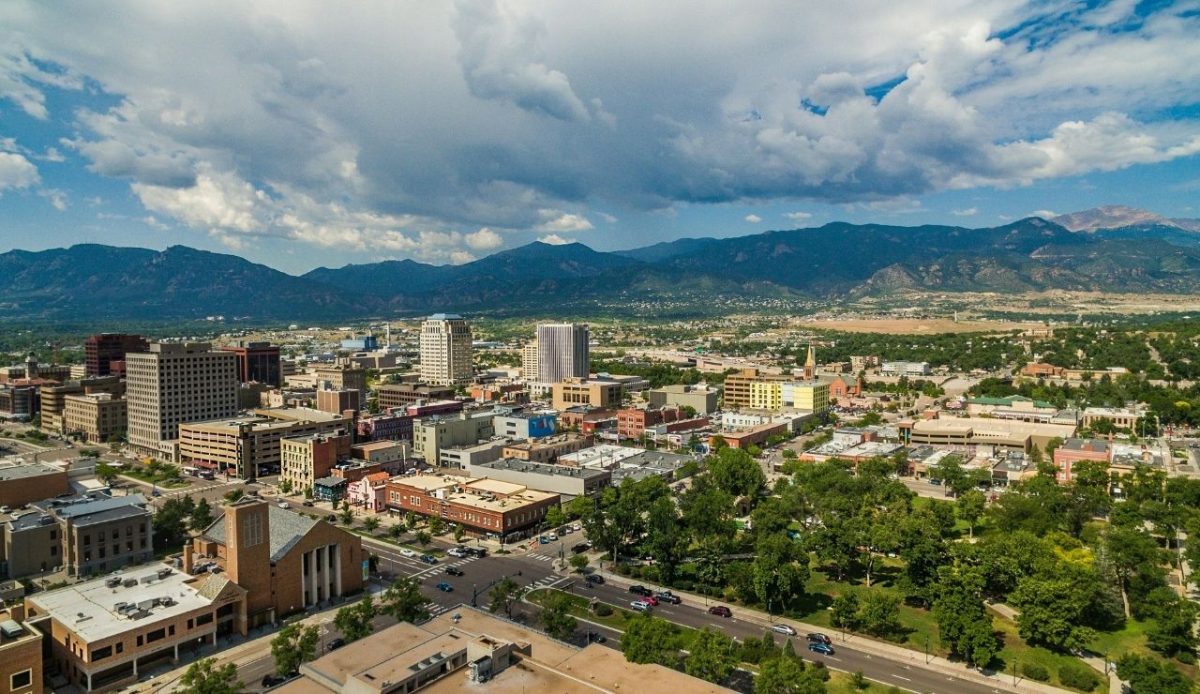
In Colorado Springs, homeowners near the Ford Amphitheater filed suit alleging that concert sound traveled well beyond the site. Large touring acts attract regional attendees, increasing the number of high-volume nights each month.
Plaintiffs referenced state noise provisions and claimed the mitigation plan did not prevent exceedances at their property lines. Decibel data and event frequency were emphasized to show continuing harm.
The litigation asks for operational controls such as revised speaker orientation, earlier curfews, and stronger monitoring. It also tests whether approvals were issued without adequate analysis of cumulative seasonal impacts.
3. Houston, Texas

Houston neighbors brought a civil case against White Oak Music Hall over outdoor lawn shows along Buffalo Bayou. They argued that amplified bass and crowd noise reached nearby blocks during ticketed events.
The dispute examined city ordinance thresholds, permit language, and whether sound barriers and audio control practices reduced off-site impact. Complaint histories were used to show that the issue repeated across many concert dates.
Relief sought in similar suits often includes decibel caps at the boundary, third-party testing, and limits on show schedules. Settlement talks have been used to set workable rules while keeping the venue operating.
4. Forest Hills, New York City
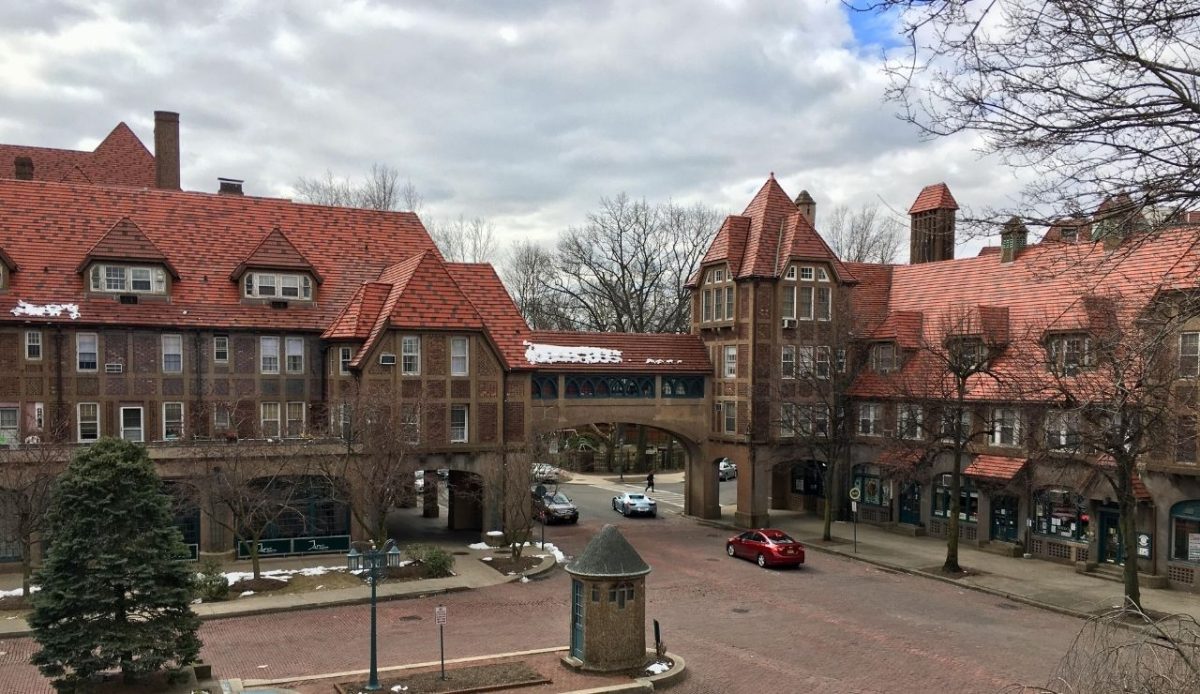
In Forest Hills, Queens, residents and local groups sued over concert activity at Forest Hills Stadium. They said loud performances and visitor surges altered a residential area during the seasonal event run.
Claims have addressed nuisance impacts and the legality of access arrangements tied to private streets near the venue. Noise violations and permit conditions became key records in the continuing court dispute.
The case shows how a historic facility can trigger modern friction when programming expands. Sought outcomes involve stricter event limits, clearer enforcement pathways, and post-show management that keeps crowds and sound from lingering.
5. Palm Springs, California
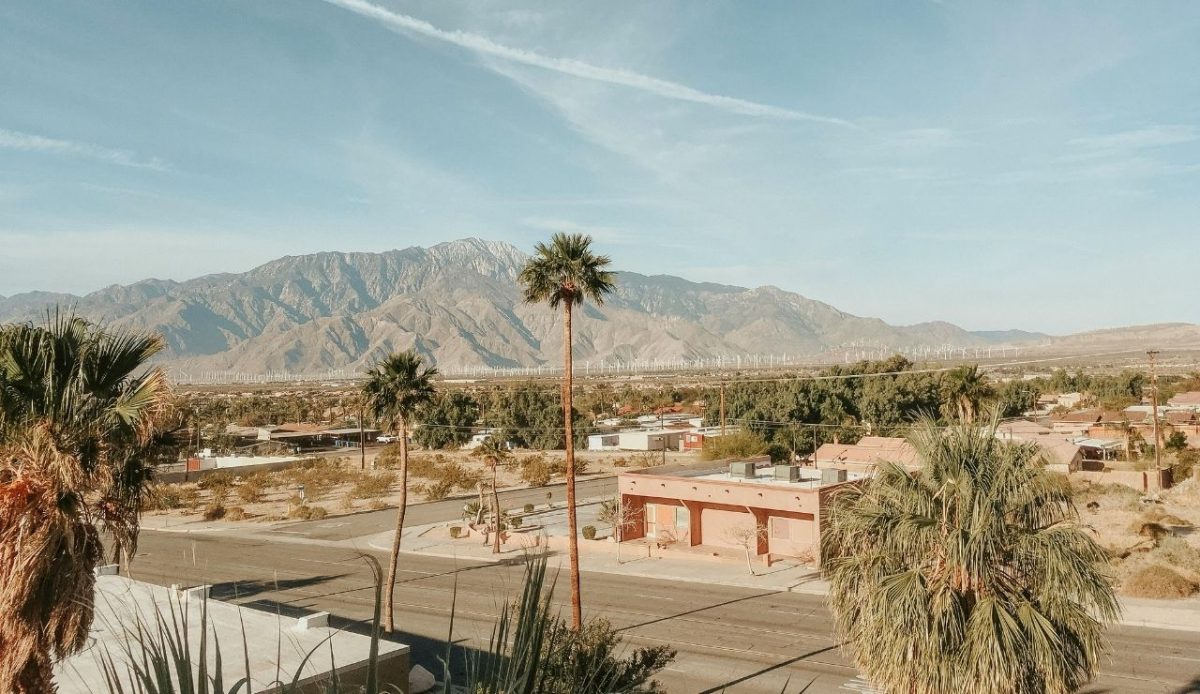
Palm Springs has seen lawsuits tied to the regulation of vacation rentals in residential neighborhoods. Residents argued that visitor party houses produced late-night music and shouting, which routine code calls did not stop.
Court filings in these disputes often focus on whether city rules authorize the rental use and whether enforcement is consistent across neighborhoods. Documentation can include permit rosters, complaint timelines, and police responses.
The legal theory is usually public or private nuisance paired with claims about a flawed administrative process. Outcomes sought include tighter occupancy limits, meaningful fines, and faster suspension of permits when repeated noise violations are recorded.
6. New Orleans, Louisiana
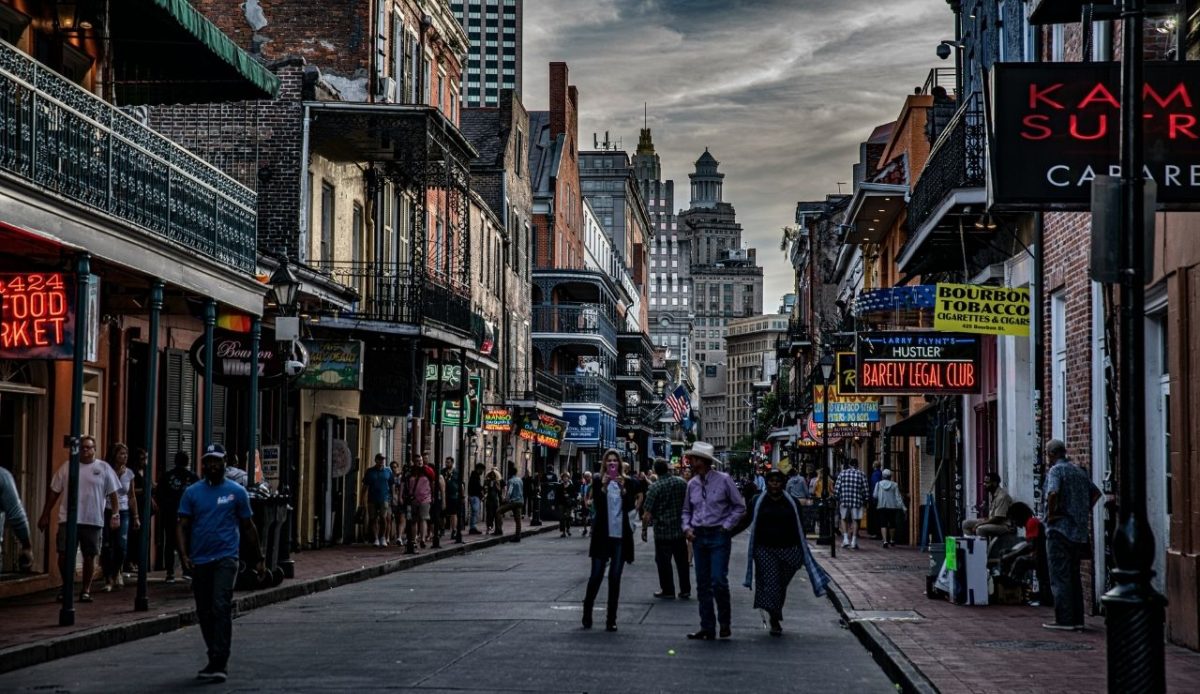
In the French Quarter of New Orleans, residents have filed civil actions aimed at curbing persistent nightlife noise. The sound is tied to tourist-focused bars, live music stages, and crowded streets after midnight.
Plaintiffs typically argue that existing ordinances are not being enforced and that measured levels exceed what the code allows near homes. They rely on citations, inspector reports, and long complaint trails.
These suits seek practical fixes such as calibrated sound systems, door and window controls, and earlier music cutoffs. The court record also probes how permitting decisions were made and whether enforcement resources were applied evenly.
7. Costa Mesa, California
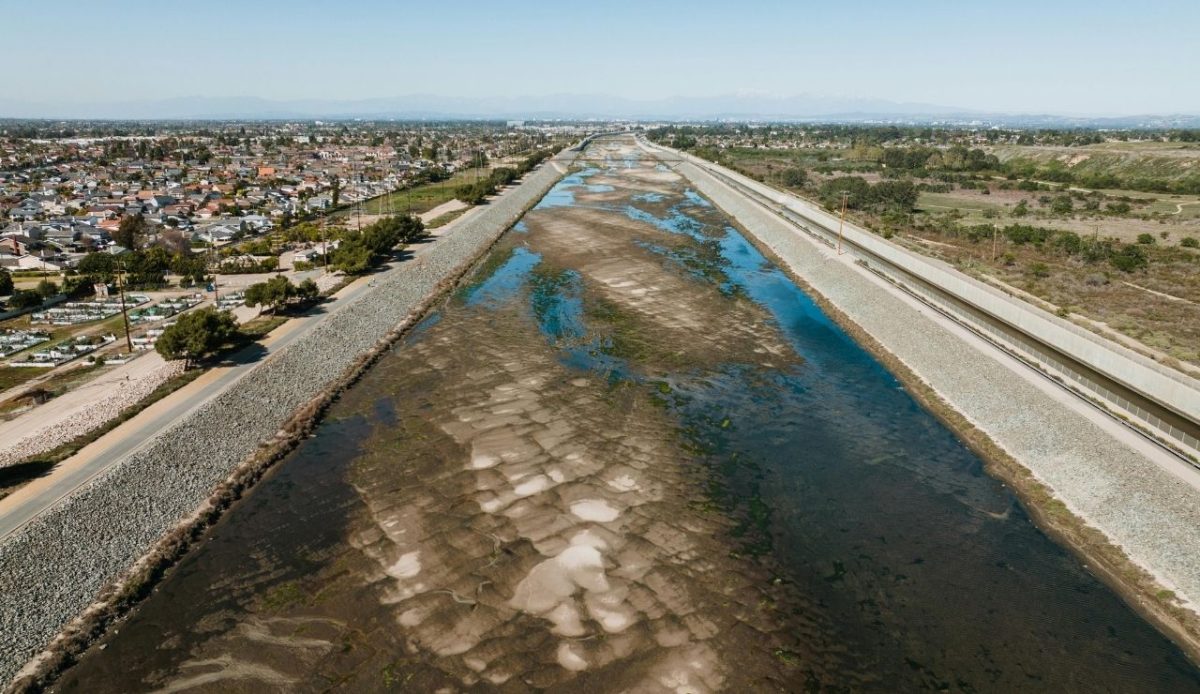
Costa Mesa homeowners sued over concert noise from the Pacific Amphitheatre at the Orange County Fairgrounds. Seasonal shows attract large audiences, and plaintiffs said the sound carried into nearby tracts.
The legal dispute examined operating conditions, sound checks, and whether environmental review adequately addressed acoustic impacts over repeated event nights. Residents pointed to predictable spikes during peak fair season.
Relief sought in such cases often includes stricter caps, independent monitoring, and limits on the number of loud events per week. The argument is that visitor entertainment should not override residential standards set by local code.
8. Tampa, Florida
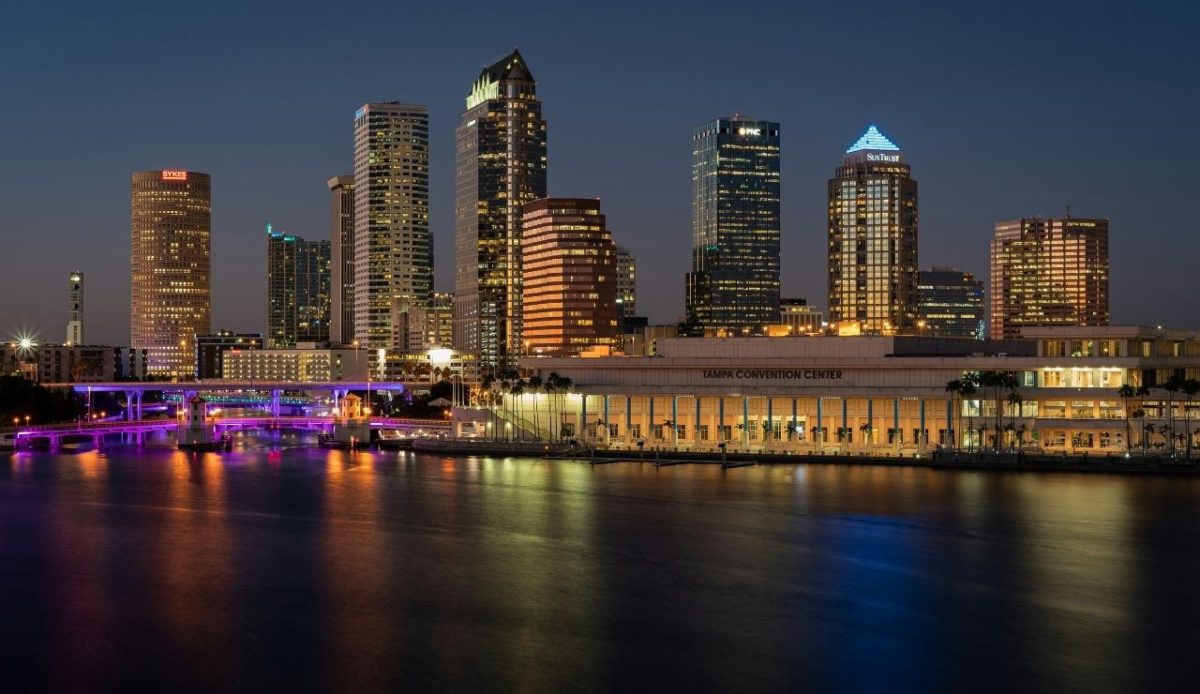
In the Tampa Bay area, residents pursued legal action over outdoor amphitheater concerts that projected sound into nearby neighborhoods. The events were promoted to draw regional visitors, extending high noise evenings through the season.
Plaintiffs argued that permit conditions and community noise rules were not being met at the edges of the property. They cited the distance the music traveled and the frequency of events as proof of ongoing harm.
Sought orders generally focus on enforceable limits, improved speaker placement, and real-time measurement during shows. The cases also highlight how venue programming decisions can affect households that were not part of the commercial plan.
9. Mount Helix, California
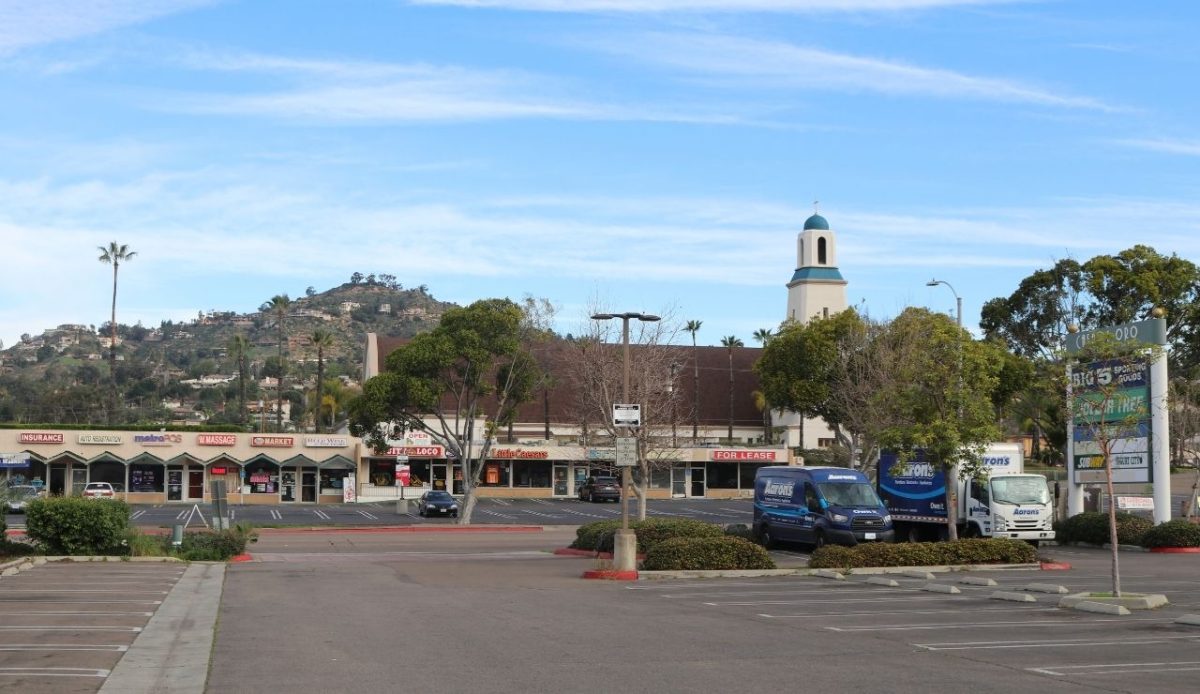
In Mount Helix in San Diego County, neighbors sued over a luxury rental that was marketed for large gatherings. They alleged that rotating visitor groups held loud parties with amplified music and yelling late into the night.
The complaint relied on nuisance principles and argued that standard enforcement steps did not stop repeat behavior. Residents documented dates, police calls, and the pattern of new guests arriving each weekend.
Such litigation often seeks injunction style relief that restricts events, limits occupancy, and imposes penalties for violations. The broader issue is how short-stay demand can turn a single home into a quasi venue inside a quiet hillside area.
10. Nashville, Tennessee

Downtown Nashville has generated lawsuits tied to tourist-driven noise near residential buildings. Residents have challenged party rentals and rooftop venues, arguing that late-night sound persists even on weekdays.
Claims typically reference zoning classifications, permit approvals, and enforcement gaps when repeated violations occur. Evidence can include inspector citations, measured levels, and building management logs.
Plaintiffs often ask for tighter operating hours, occupancy controls, and clearer accountability for hosts and operators. The disputes reflect a city where visitor nightlife and growing housing stock occupy the same blocks, increasing friction.
11. Hawaiʻi Island and Maui, Hawaii

On Hawaiʻi Island and Maui, residents and conservation groups sued federal agencies over commercial air tours. Sightseeing flights carrying visitors were said to cause repeated aircraft noise over communities and park areas.
The core claim is that required management plans were not implemented or were delayed, allowing frequent flights without firm limits. Plaintiffs point to flight counts, noise studies, and statutory duties tied to park soundscapes.
Relief sought includes enforceable route controls, caps on daily operations, and monitoring that can be audited. Unlike ground-based cases, the source is airborne, but the harm is still framed through measurable exposure and regulatory action.
