
Travel through Europe becomes far easier with a Schengen Visa, which allows visitors to cross borders between many nations without repeated checks. For Americans, this document opens a door to a wide collection of cultures, histories, and daily traditions. You can step from Roman ruins to Gothic cathedrals within hours, or enjoy a quiet lakeside morning followed by an evening in a lively market square. Each destination reveals its own story of endurance, creativity, and change. The experience is not limited to sightseeing. It creates a chance to see how ideas, art, and struggles shaped a continent that still influences life in the United States today.
1. Paris, France

Paris attracts travelers with its famous landmarks, yet the deeper stories make visits meaningful. The Place de la Concorde recalls the French Revolution and the struggle that shaped modern Europe. The Marais district still shows lanes where families hid during World War II, reminders of courage under fear. Bridges across the Seine carry memories of triumph and tragedy. Cafés hum with energy once shared by artists and writers who shaped American views of Europe. Walking these streets ties travelers to history, art, and culture that remain alive. For Americans, Paris feels both familiar and revealing, offering layers of memory in each corner.
2. Rome, Italy

Rome presents stories that reveal the foundations of law, art, and power. The Colosseum speaks of empire and the crowds who once filled it. The Forum shows political roots that shaped systems studied in American schools today. In Vatican City, Michelangelo’s work fills chapels with an unmatched vision of the Renaissance. Trastevere’s lanes lead to lively piazzas where Romans gather for food and music. Each square, arch, and street corner adds to a record of centuries that remain visible. Rome does not stand as a frozen museum. It continues to thrive, with modern life set against a backdrop of empire.
3. Barcelona, Spain

Barcelona welcomes travelers with color, energy, and a strong identity. Gaudí’s Sagrada Família rises in bold forms that remain unlike any other church in Europe. Park Güell offers mosaic paths and sweeping views that feel alive with imagination. The Gothic Quarter shows narrow alleys and hidden squares where Catalan pride has endured. Along the harbor, ships connect the city to trade routes that stretch across seas. Markets display food traditions that remain central to local culture. For Americans, Barcelona offers depth beyond beauty. It tells a story of art, history, and resilience, showing how people defend identity while embracing change.
4. Amsterdam, Netherlands
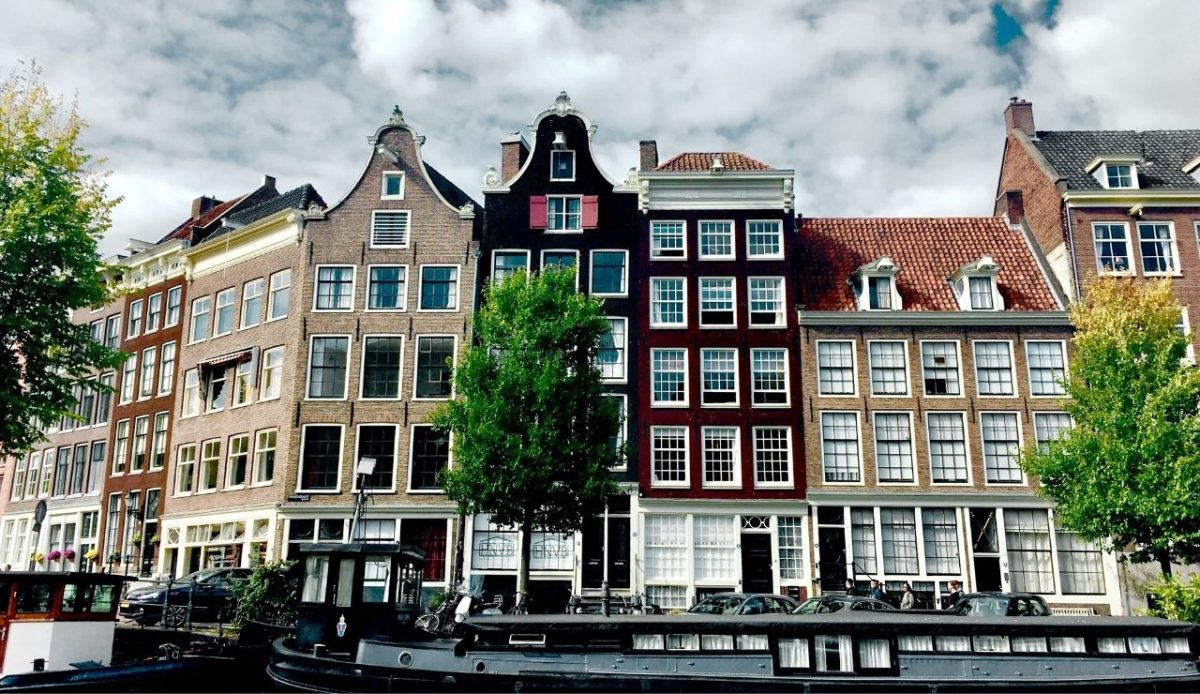
Amsterdam greets travelers with canals that weave across the city, lined with narrow houses built during the Dutch Golden Age. Museums such as the Van Gogh and Rijksmuseum display art that shaped how people see color and form. The Anne Frank House reminds visitors of the courage shown during World War II, when families risked everything to survive oppression. Cycling paths carry locals and travelers past flower markets and open squares, showing how the city values both tradition and modern life. For Americans, Amsterdam connects daily charm with lessons in freedom, memory, and creativity.
5. Berlin, Germany
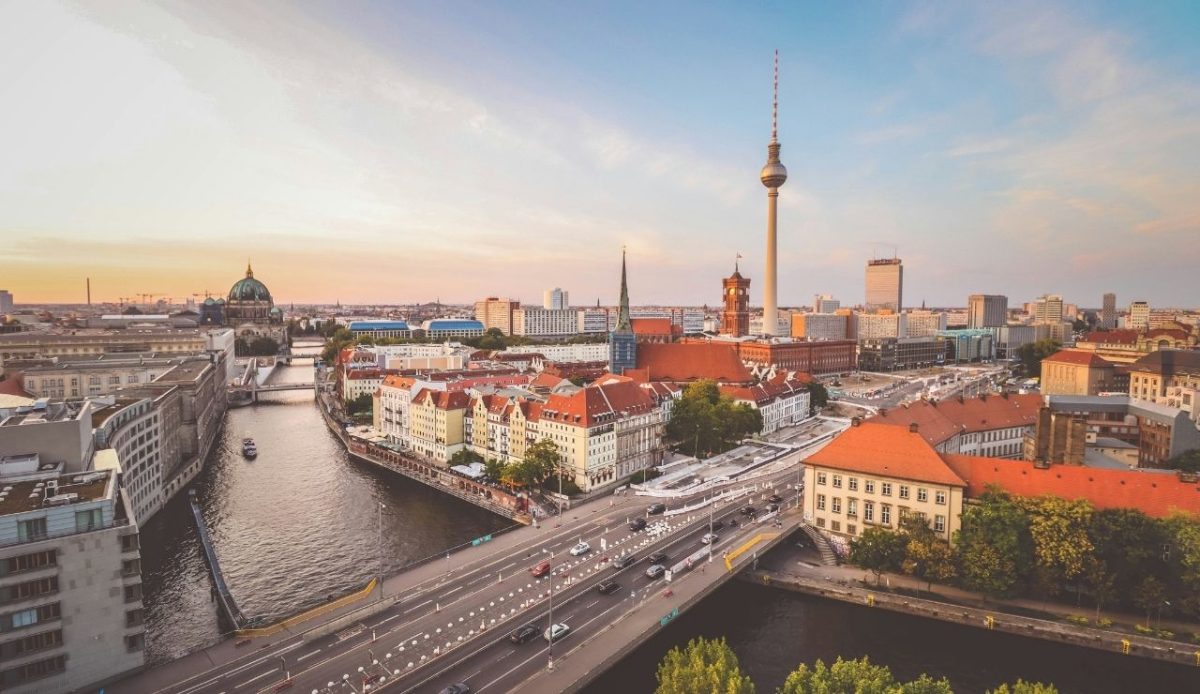
Berlin holds layers of history that remain visible with each step. The Brandenburg Gate recalls Prussian power, while stretches of the Berlin Wall remind visitors of the Cold War struggle that once divided families and nations. The city also honors the airlift that kept West Berlin alive, an event that many Americans still recognize with pride. Today, Berlin thrives as a hub of music, design, and open thought, yet its streets still carry scars of conflict. Travelers sense the weight of past choices while walking through a city that rebuilt itself without losing its spirit.
6. Vienna, Austria
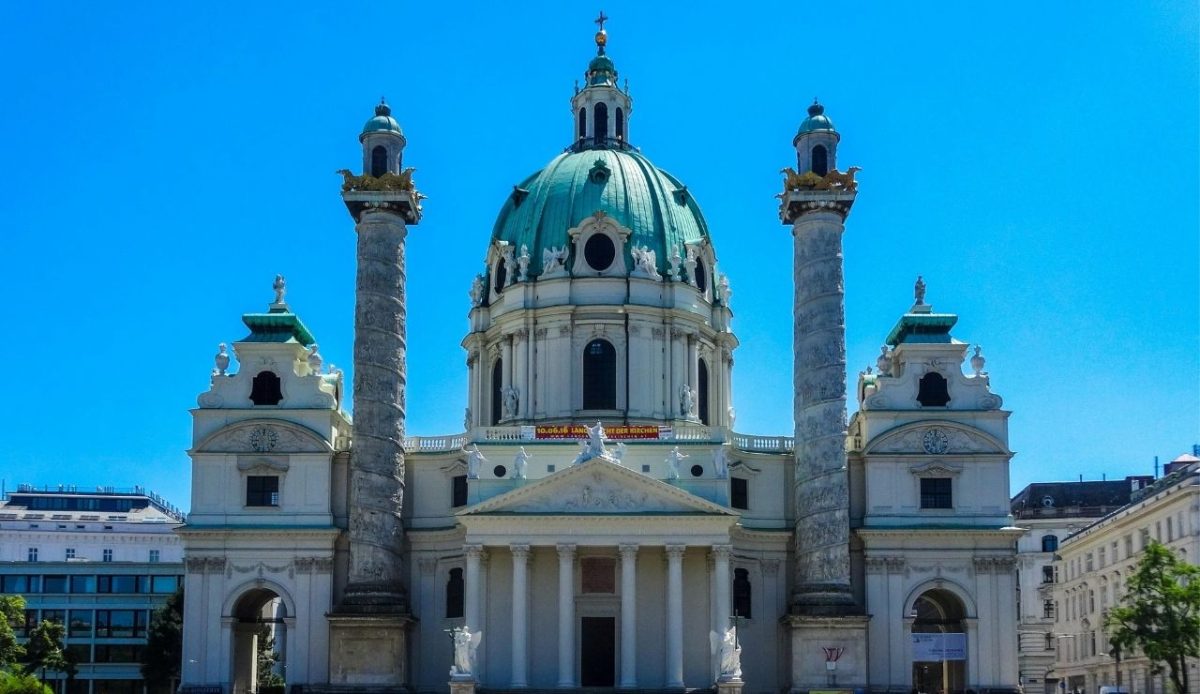
Vienna stands as a capital shaped by music, power, and refined taste. The city gave the world Mozart, Beethoven, and Strauss, whose works still fill concert halls today. Walking through Schönbrunn Palace reveals how the Habsburgs ruled across Europe with style and influence. Cafés remain central to local culture, offering quiet spaces where writers and thinkers have gathered for generations. The Vienna State Opera continues to draw audiences who value tradition and excellence. For Americans, Vienna feels like an open doorway to art and politics that guided European life for centuries and still inspires visitors today.
7. Prague, Czech Republic

Prague feels like stepping into a storybook where medieval life still lingers. The Charles Bridge carries statues that seem to whisper across centuries, while the Astronomical Clock marks time with a mix of art and science rarely seen elsewhere. Prague Castle towers above the city, reminding visitors of kings, battles, and faith that shaped Central Europe. In the Old Town Square, buildings glow with colors that survived wars and revolutions. Streets twist into alleys lined with shops and cafés that keep the city lively. For Americans, Prague offers not just charm but also a rare chance to see history intact rather than rebuilt.
8. Santorini, Greece

Santorini rises from the sea in bright white walls and blue domes that shine under the sun. Beyond its beauty lies a history shaped by volcanic eruptions that may have inspired stories of Atlantis. Villages like Oia and Fira climb the cliffs, offering views that feel timeless. Pebbled beaches formed by ancient lava remind travelers of nature’s power. Local tavernas serve food rooted in centuries of tradition, connecting visitors to Greek life beyond postcards. For Americans, Santorini gives more than a sunset. It offers a sense of myth and endurance, showing how people adapted to live on the edge of fire and sea.
9. Zurich, Switzerland
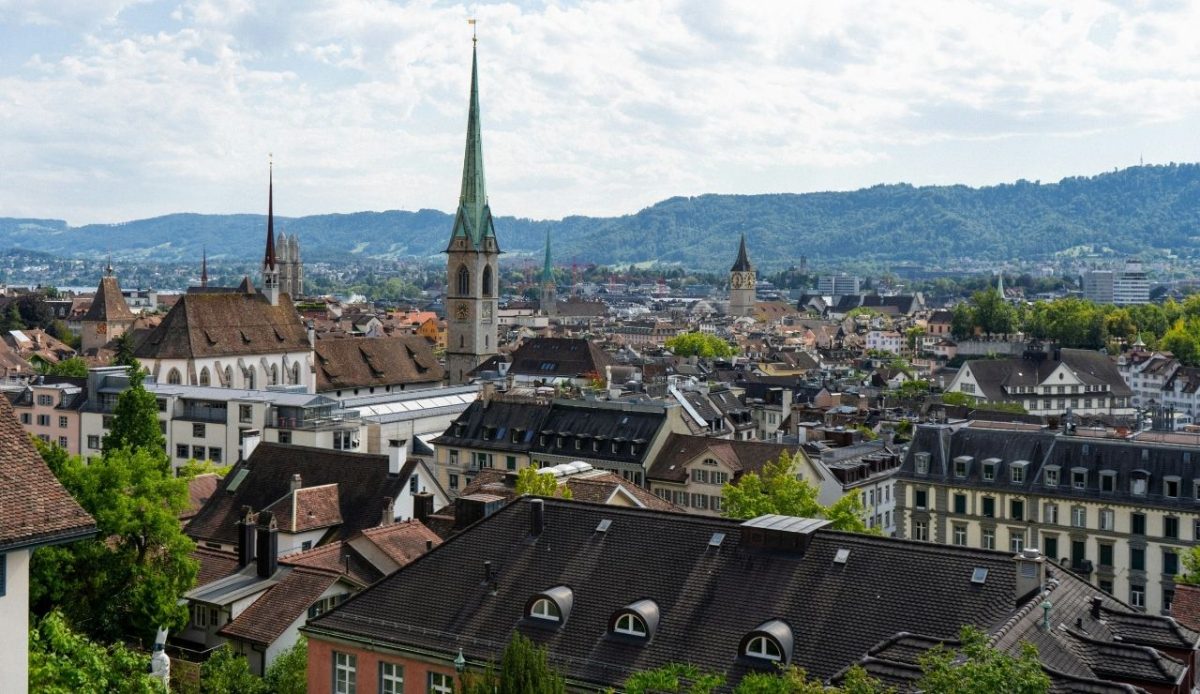
Zurich blends modern strength with natural beauty. Its old town reveals guild houses, churches, and narrow lanes that carry echoes of trade across centuries. The city’s role as a center of banking and diplomacy links it to major decisions that shaped Europe and touched America. Lake Zurich offers peaceful cruises framed by the Alps, while trains take travelers quickly into the mountains that define Swiss identity. Museums display art and science that reflect a nation built on neutrality and precision. For Americans, Zurich stands out as a city where calm order meets striking nature, offering a balance between human skill and natural wonder.
10. Budapest, Hungary
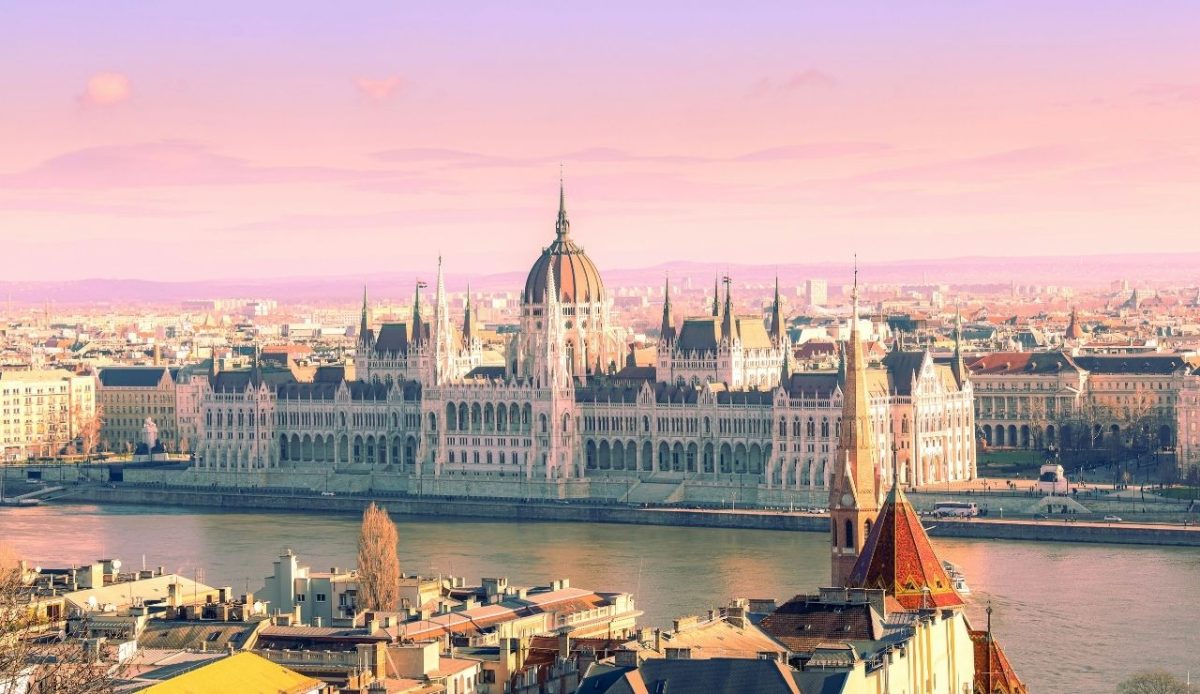
Budapest stretches across the Danube with bridges that link not only two halves of a city but also two sides of Europe. The Hungarian Parliament building rises in Gothic detail, standing as a symbol of national pride. Thermal baths welcome travelers into traditions that date back to Roman times, offering rest in pools fed by natural springs. Buda Castle crowns the hillside, while Pest bustles with markets, cafés, and music halls. For Americans, Budapest shows how Eastern and Western Europe meet in daily life. It carries scars of war and occupation, yet today it thrives as a city of culture and strength.
11. Lisbon, Portugal
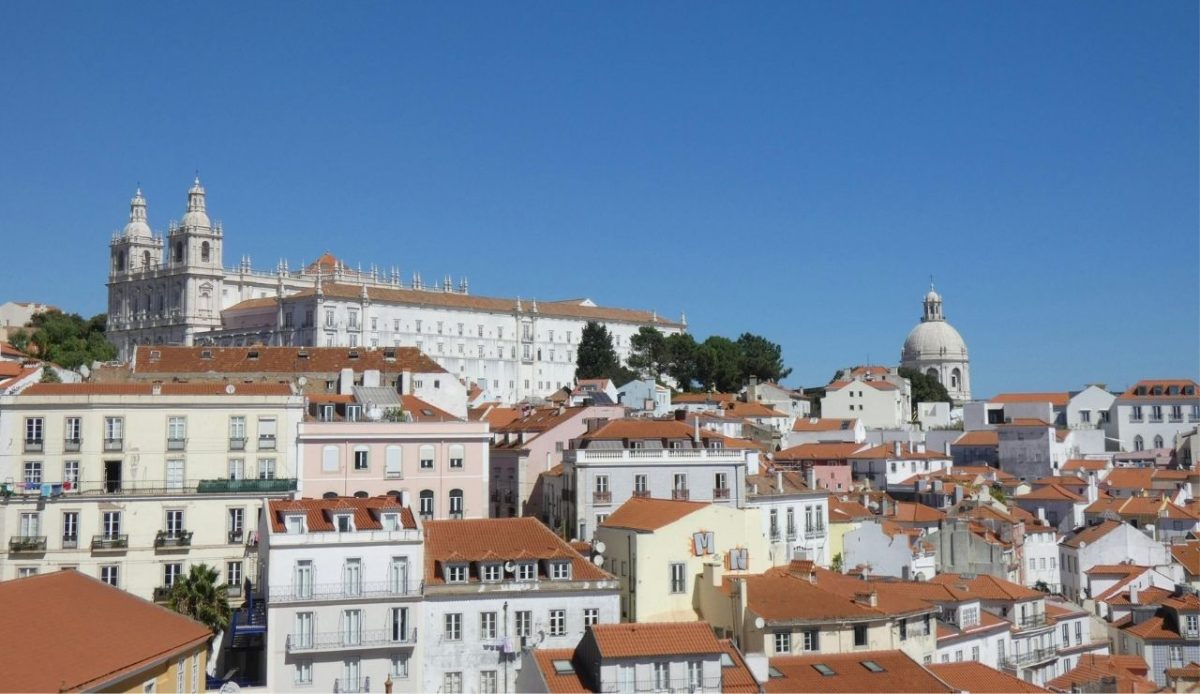
Lisbon overlooks the Atlantic from steep hills lined with pastel buildings and yellow trams that climb with ease. The Belém Tower stands as a reminder of Portugal’s role in the voyages that reshaped maps studied in American classrooms. Monasteries and plazas echo with the spirit of sailors who once set out to reach unknown lands. Markets near the waterfront offer seafood caught that very day, blending old and new ways of life. For Americans, Lisbon is a chance to see the roots of exploration. It shows how a small capital influenced trade, culture, and movement across oceans, and still feels today.
