
Adventure travel in the Middle East goes beyond its famous landmarks. Across the region, travelers find vast deserts, mountain ridges, coral reefs, and valleys carved by time. Each destination offers a chance to test endurance while learning about cultures that have thrived here for centuries. You might trek old caravan routes, dive in crystal waters, or ride camels through sandstone valleys. Nights often end around a campfire with locals sharing stories under clear skies. These journeys reveal a side of the Middle East built on discovery, challenge, and connection with the land itself.
1. Wadi Rum, Jordan
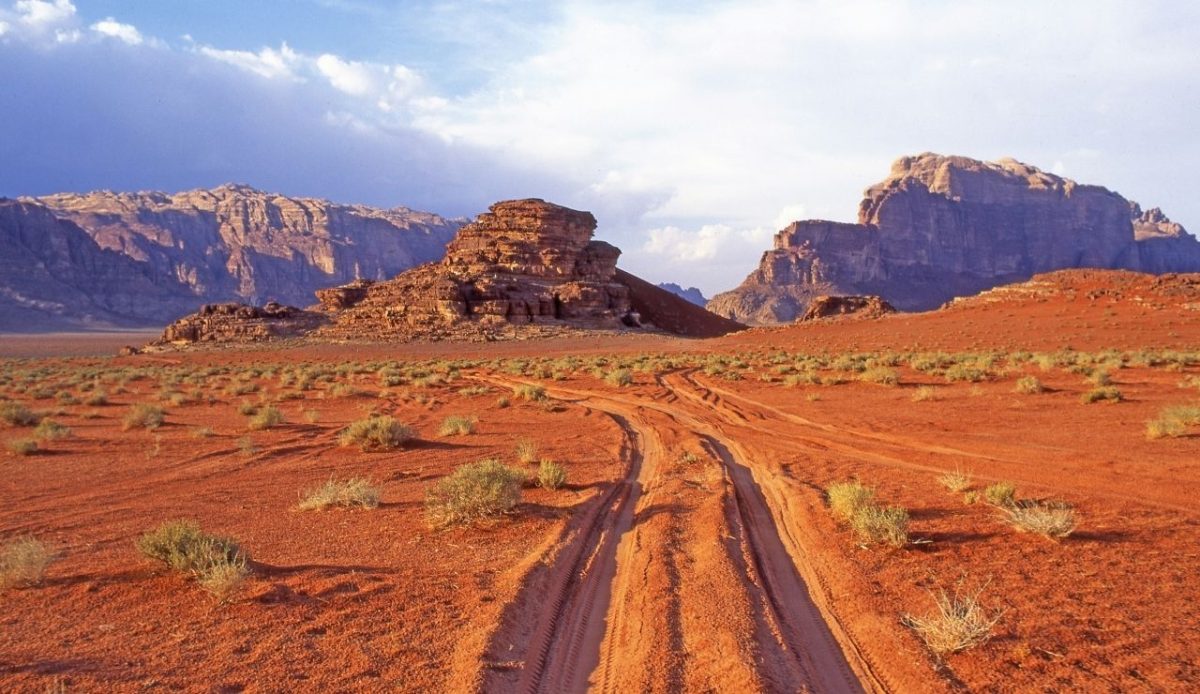
Wadi Rum’s dramatic cliffs and open valleys make it one of the most iconic adventure landscapes in the Middle East. Travelers can climb granite peaks, ride camels through narrow gorges, or camp under starlit skies. Local Bedouin guides share stories of survival in this harsh terrain, turning each excursion into a cultural encounter. Jeep tours reach ancient petroglyphs, while overnight desert stays introduce visitors to traditional music and food. The mix of challenging landscapes and local hospitality creates an unforgettable balance between adventure and authenticity.
2. Salalah, Oman
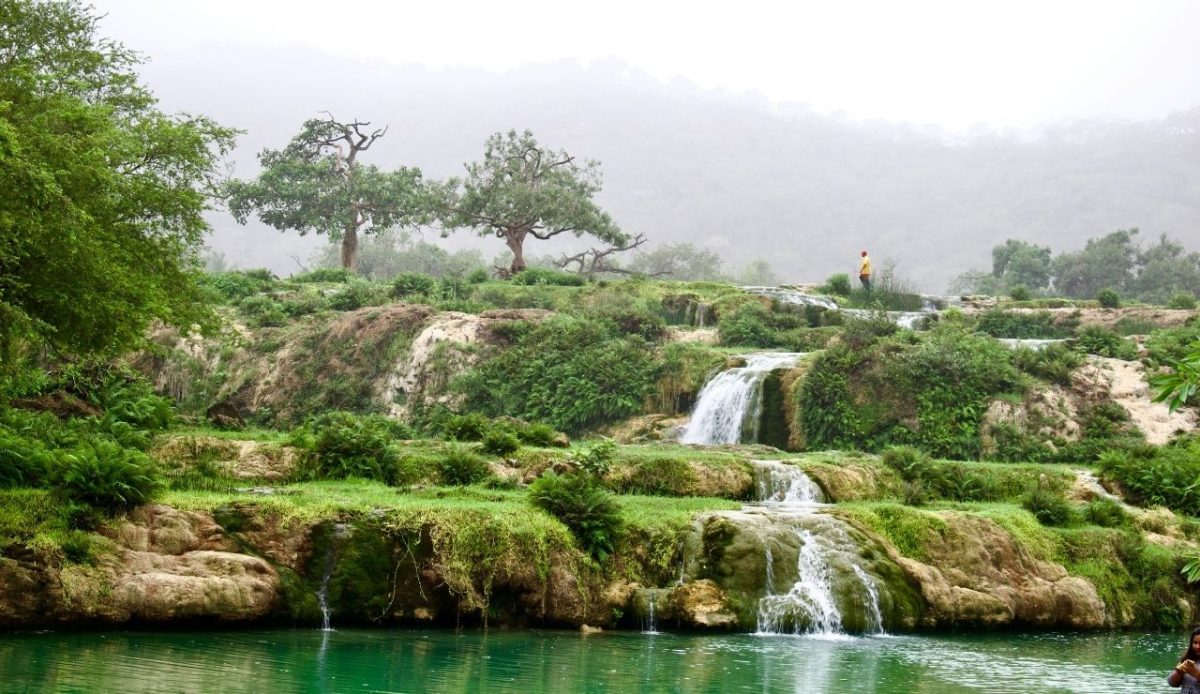
Salalah surprises many travelers with its seasonal greenery during the khareef monsoon, when waterfalls and mist transform the desert coast. Adventurers can hike through Wadi Darbat, chase mountain viewpoints, or camp along remote beaches. The surrounding Dhofar region adds cultural richness with its frankincense trees, local souqs, and archaeological sites. Salalah’s appeal lies in its variety, where desert, sea, and forest coexist in one area. Visitors come for the scenery but stay for the warmth of Omani hospitality that makes every journey feel personal.
3. Wahiba Sands, Oman
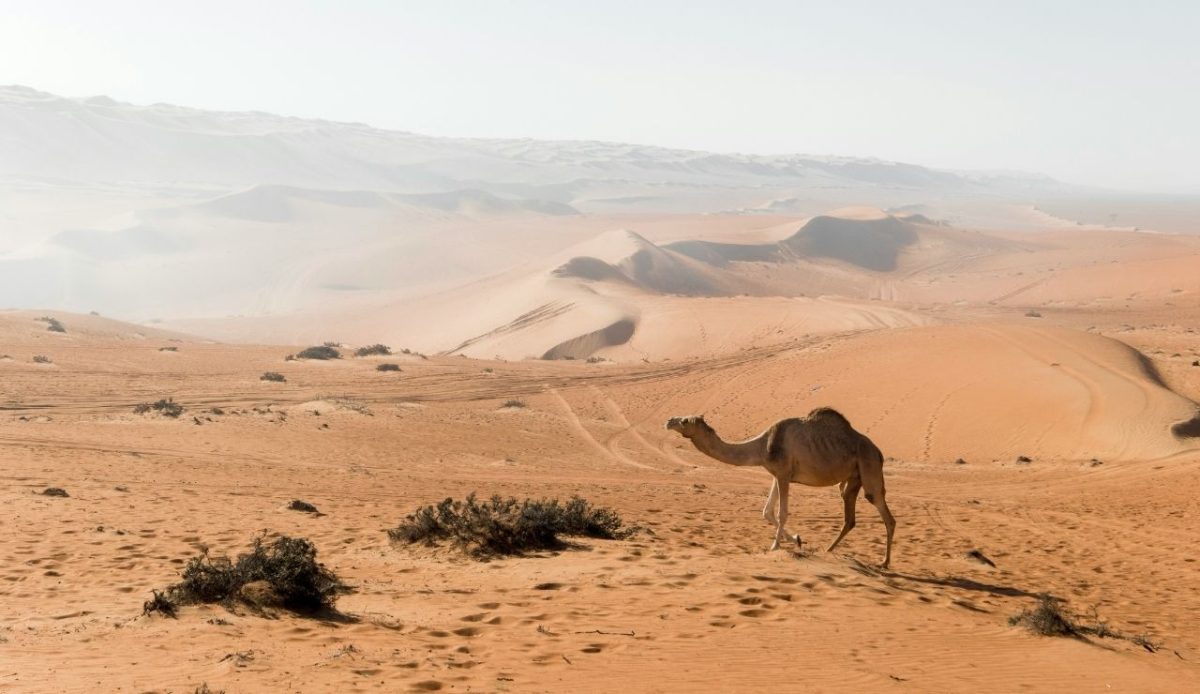
In Oman’s Wahiba Sands, sweeping dunes stretch endlessly toward the horizon. Travelers explore the desert by 4×4, sandboard down soft slopes, or sleep in Bedouin tents far from city noise. The adventure lies not just in the activity but in the quiet rhythm of desert life. Visitors can join camel caravans or share coffee with local families who still live among the dunes. Nights here bring cool air and a sky full of stars, creating a connection to a lifestyle that has changed little for centuries.
4. Jebel Shams, Oman
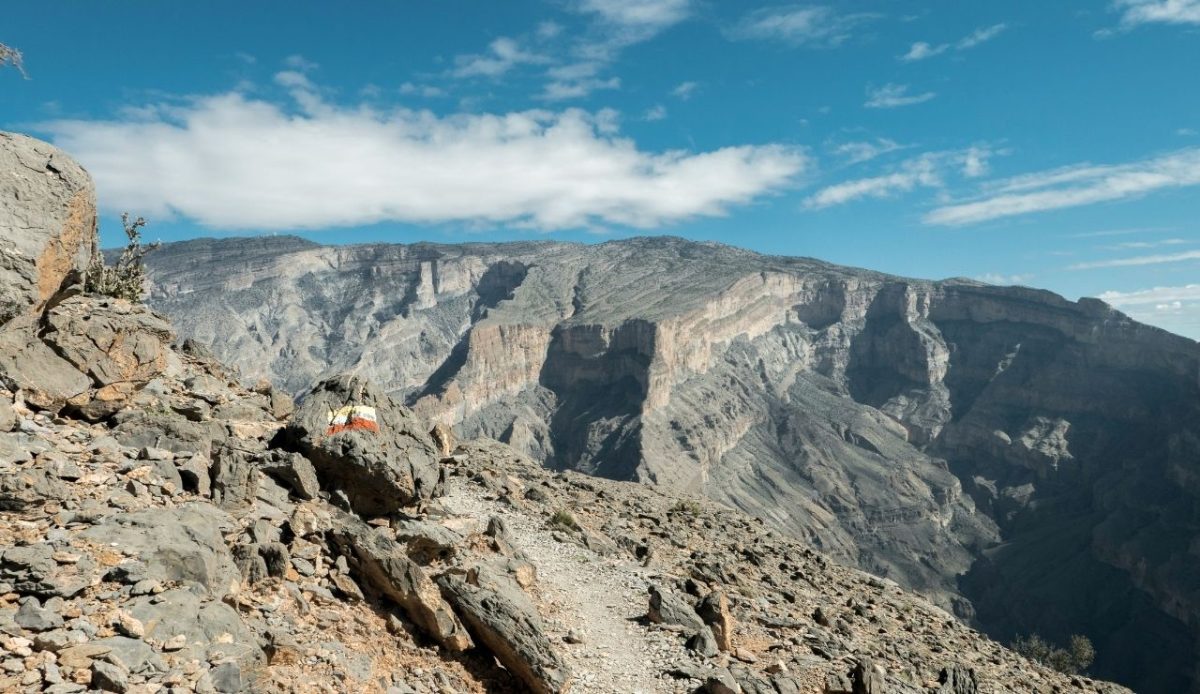
Jebel Shams, Oman’s highest peak, challenges hikers with its rugged terrain and soaring cliffs. The famous Balcony Walk leads along the canyon’s edge, offering heart-stopping views of Wadi Ghul below. Yet the adventure goes beyond hiking; small mountain villages still practice traditional crafts and hospitality. Travelers can rest in local guesthouses, taste homemade bread, and learn about life in the highlands. The experience merges outdoor endurance with cultural immersion, rewarding visitors who seek both natural beauty and human connection in one setting.
5. Al-Ula, Saudi Arabia
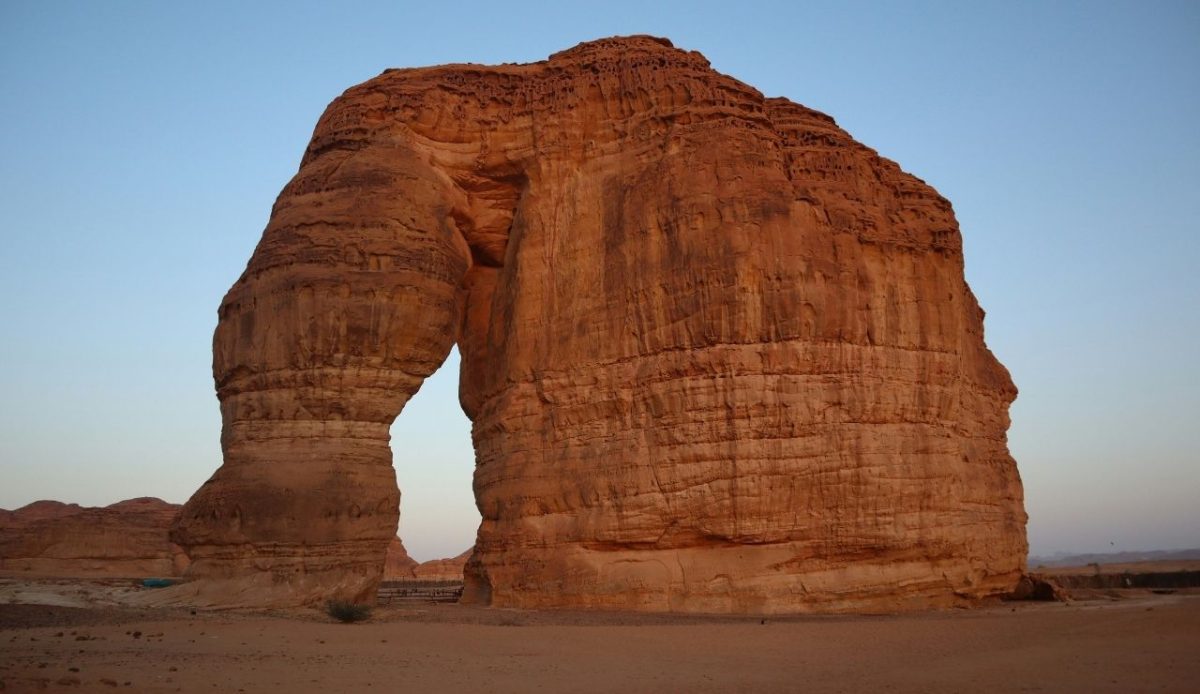
Al-Ula combines outdoor exploration with archaeological wonder. Visitors can hike among red rock canyons, explore the ancient tombs of Hegra, or soar over sandstone valleys in a hot air balloon. Each activity reveals layers of Saudi history and evolving tourism. Bedouin-inspired camps now offer comfort amid untouched landscapes, while local guides highlight stories from centuries of trade and travel. With climbing routes, zip-lines, and scenic trails, Al-Ula invites adventurers to discover a place where the region’s past and present meet under vast desert skies.
6. Jabal Soudah, Saudi Arabia
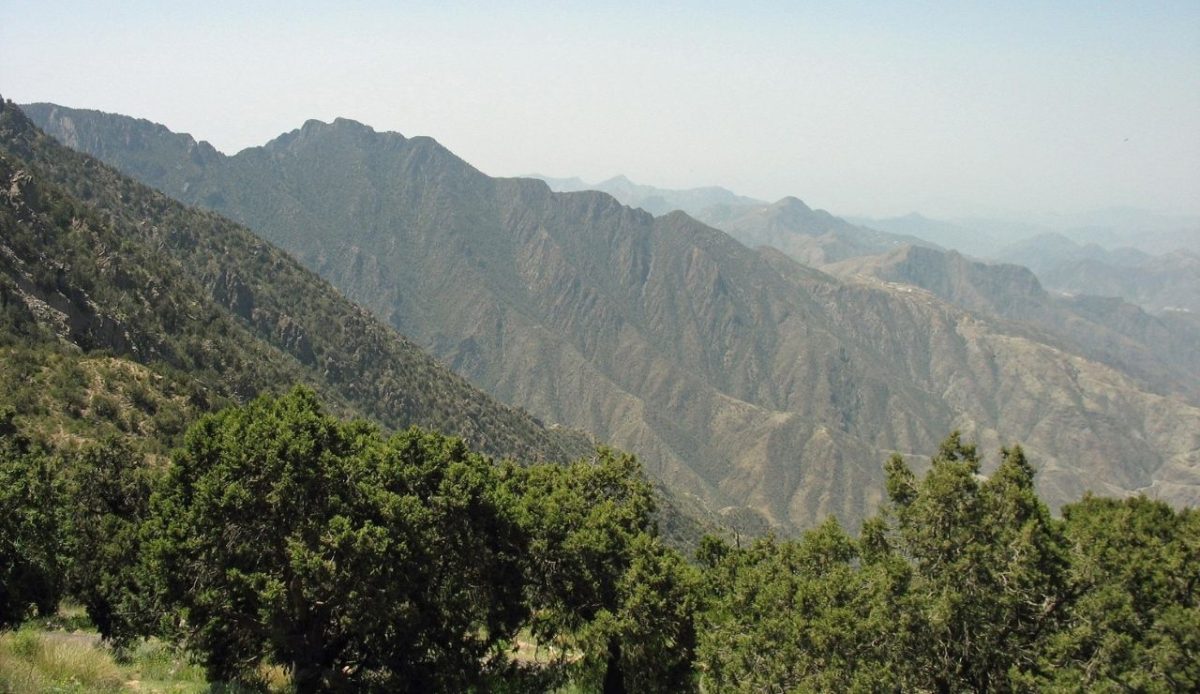
High in the Asir Mountains, Jabal Soudah offers a refreshing change from the desert heat. Covered with juniper forests and cool mist, it is ideal for hiking, paragliding, and camping. The steep trails challenge experienced trekkers, while the viewpoints deliver sweeping scenes of the Arabian highlands. Beyond adventure, visitors can discover Asiri culture in nearby Abha, known for its colorful homes and mountain markets. Traditional dishes, handicrafts, and local music add cultural depth, making Jabal Soudah an adventure that combines physical challenge with regional identity.
7. Rub’ al Khali (Empty Quarter), Saudi Arabia/Oman
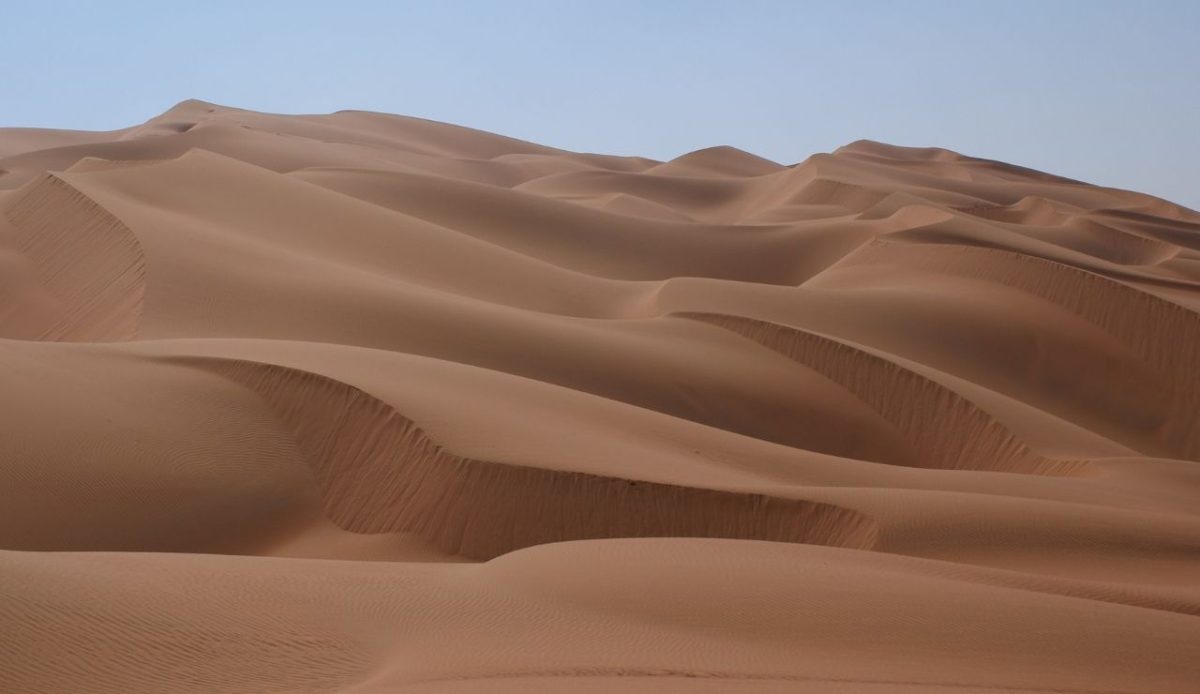
The Rub’ al Khali, or Empty Quarter, stretches across several countries, forming one of the largest sand deserts on Earth. Expeditions here involve off-road driving, camel trekking, and nights spent under unpolluted desert skies. It is a test of endurance and preparation, attracting those who seek solitude and open horizons. Yet, even in this isolation, travelers encounter Bedouin heritage through ancient routes and oral traditions. The journey becomes both a physical and cultural exploration, one that reveals how people have long adapted to life in this immense wilderness.
8. Dana Biosphere Reserve, Jordan
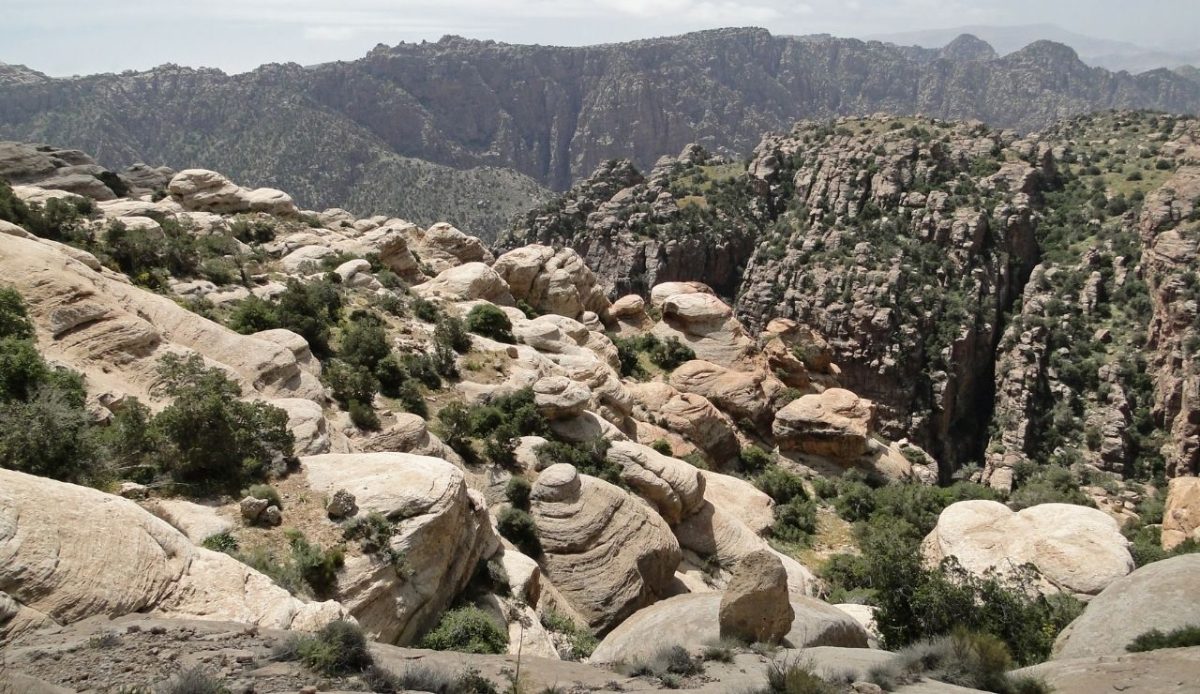
The Dana Biosphere Reserve is Jordan’s largest nature reserve and one of its most rewarding hiking areas. Trails wind through sandstone cliffs, ancient copper mines, and Bedouin villages perched above valleys. Travelers can trek from Dana to Petra, spotting mountain goats and rare birds along the way. Eco-lodges and local guesthouses support conservation and provide a glimpse of sustainable living in the desert. It is a destination where adventure and preservation go hand in hand, offering both challenge and awareness of nature’s delicate balance.
9. Musandam Fjords, Oman
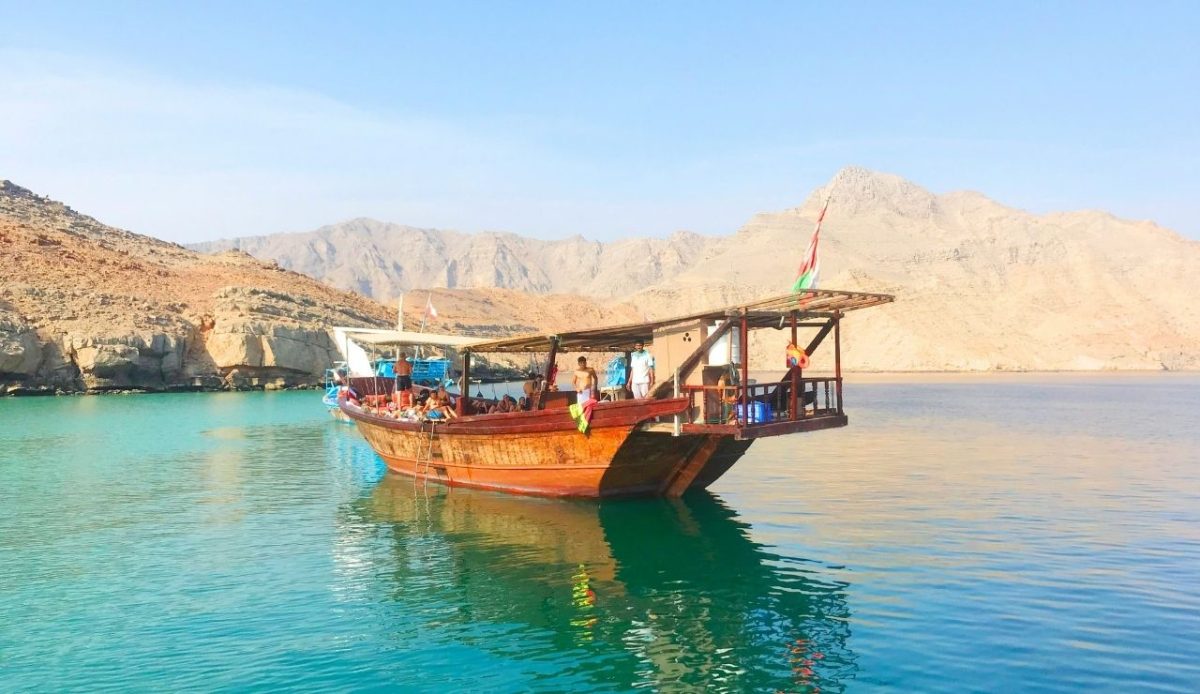
Nicknamed the “Norway of Arabia,” the Musandam Peninsula is known for its steep limestone cliffs and calm turquoise waters. Travelers can explore the fjords by kayak, dhow cruise, or diving excursions that reveal vibrant coral reefs. Dolphins often swim alongside boats, adding to the region’s natural charm. Small fishing villages tucked into the inlets offer insight into traditional Omani coastal life. The experience combines water-based adventure with a cultural glimpse of the peninsula’s remote communities, making it perfect for those who seek both activity and quiet reflection.
10. Dead Sea, Jordan
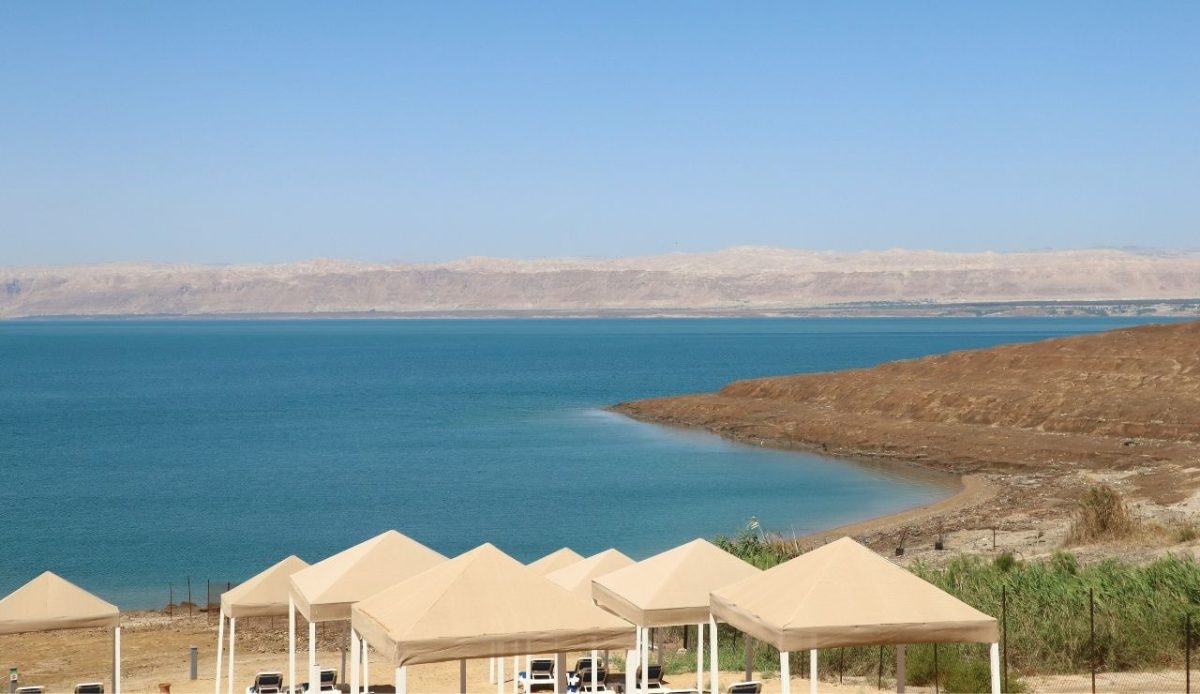
The Dead Sea is more than a place to float effortlessly on salt-rich water. The surrounding landscape provides opportunities for hiking, mountain biking, and photography along rugged cliffs. Sunrise and sunset walks offer spectacular views of the desert meeting the shimmering shoreline. Local spas use mineral-rich mud for skin treatments, adding a restorative touch after adventure-filled days. The area’s balance of recreation and relaxation makes it one of Jordan’s most unique outdoor destinations, appealing to both thrill seekers and travelers seeking calm.
11. Edge of the World, Saudi Arabia
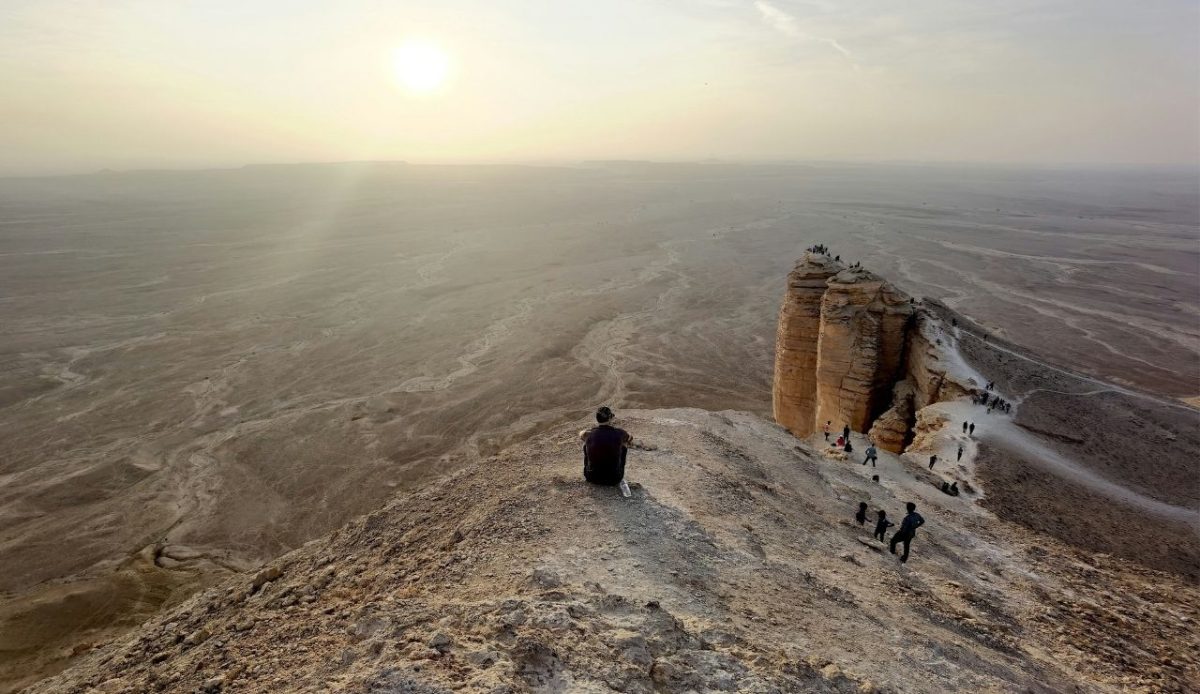
Located near Riyadh, the Edge of the World offers one of Saudi Arabia’s most breathtaking panoramas. Sheer cliffs drop dramatically into an endless plain that seems to stretch forever. Adventurers can hike along the ridges, explore nearby caves, or join off-road drives through rocky terrain. Local guides often share stories about the region’s geological history and its growing popularity among domestic travelers. Watching the sunset from the cliff top remains the highlight, bringing together the region’s natural grandeur and peaceful desert solitude.
