
International trips can fall apart fast when visa details are checked a few days before departure. For U.S. travelers, the biggest surprises usually come from passport limits, application timing, and rules tied to routing rather than the final city. Carriers verify compliance at check-in using official databases, then border officers apply the same standards on arrival. Because exceptions are rare, a quick preflight review of requirements, documents, and authorization receipts can prevent denied boarding, extra fees, and last-minute rebooking. This checklist targets the items most often missed when travel is already booked.
1. Confirm Passport Validity Beyond Your Travel Dates
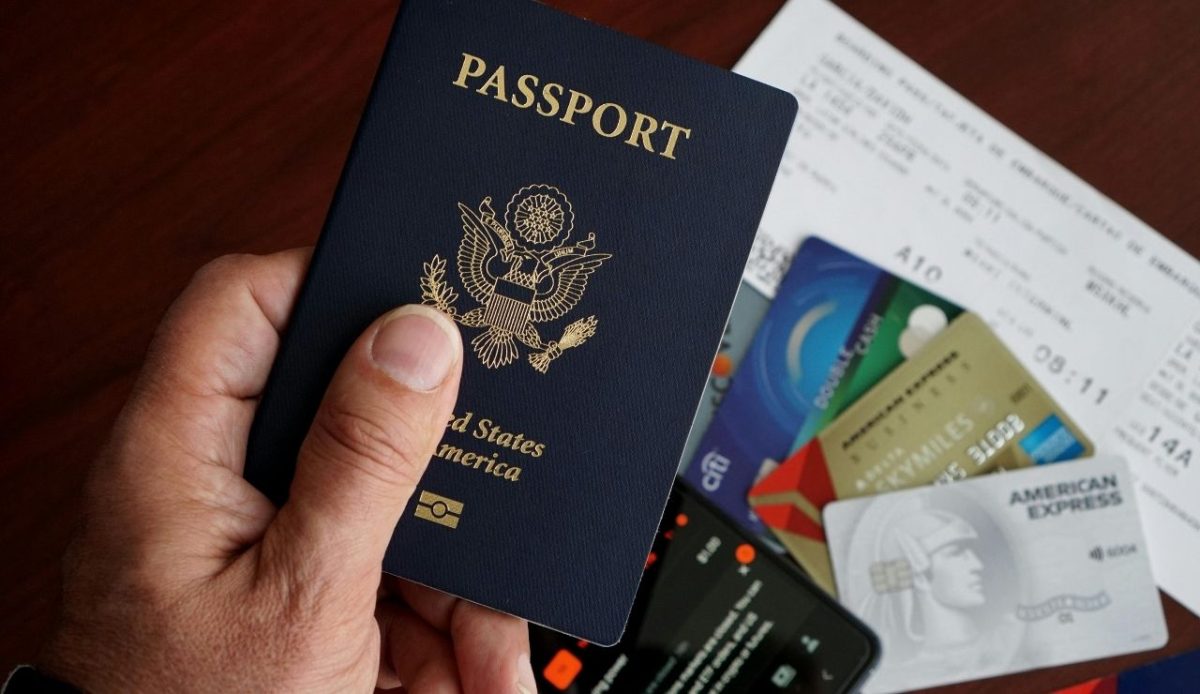
Many countries require a U.S. passport to remain valid beyond the return date, often by three or six months. Airlines check that window before issuing a boarding pass, so a visa cannot rescue an expiring booklet. Look up the destination rule on an official government site, then compare it to the passport expiration and the exact departure date from the foreign country. If the margin is tight, renew early to avoid airport denial. Also, confirm that any child passports in the group meet the same standard, since family itineraries are checked per traveler. When a trip includes side visits, use the strictest validity rule among those stops.
2. Check Blank Pages and Physical Passport Condition
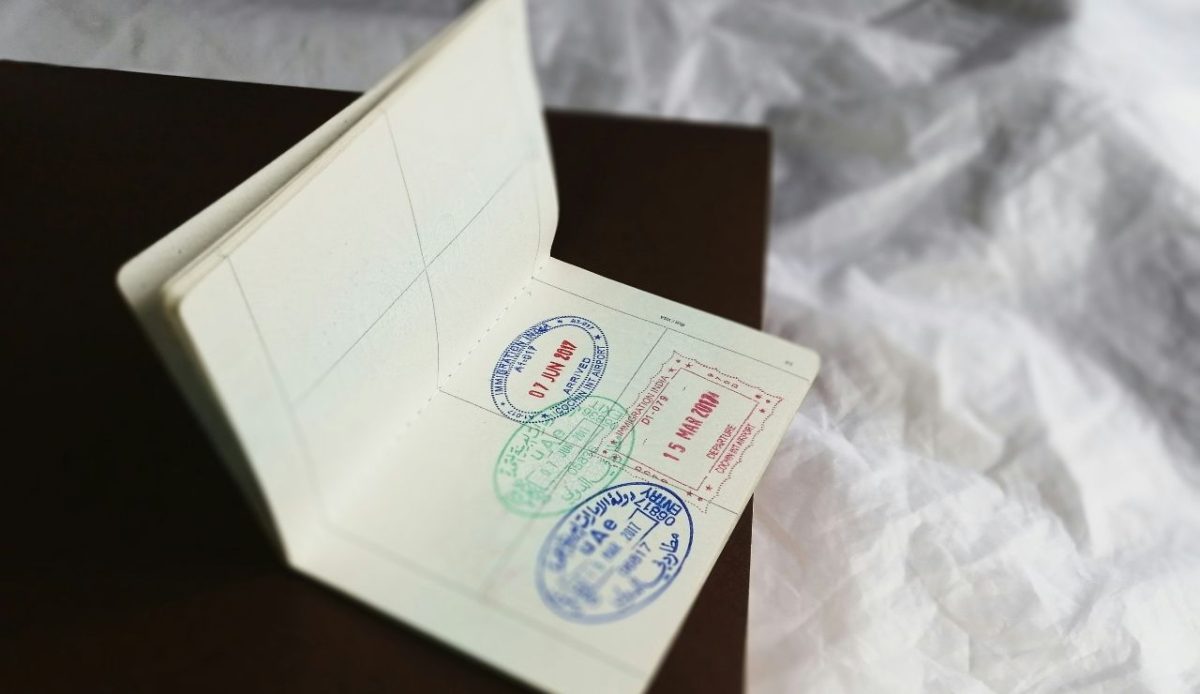
Blank pages still matter because many borders stamp on entry and exit, even when an eVisa is used. Some countries and airlines expect two blank pages, and the shortage is noticed at check-in, not after landing. Flip through the passport for space, then inspect the cover, photo page, and chip page for water damage or tears, since damaged passports can be rejected. If pages are low or wear is obvious, replace the passport before applying for visas. A full page can be taken by a consular visa label, and some officers refuse passports with loose pages or heavy ink marks. Do not assume a crowded passport will be waved through.
3. Match the Visa Type to the Real Trip Purpose
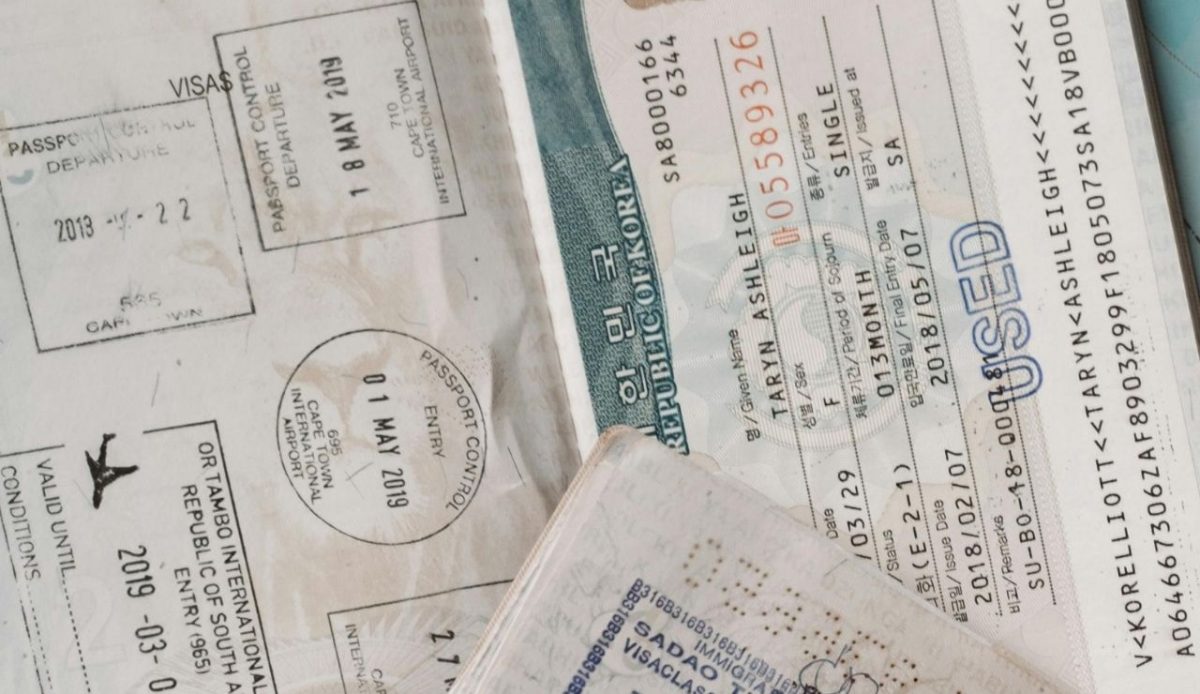
Visa-free entry and visas are tied to purpose, not just destination. A meeting, paid gig, study program, media work, or long volunteer stay may require a different category than tourism, even for the same country. Read the destination government guidance for permitted activities, then align your plan with the correct visa class. If you apply under the wrong type, entry can be refused, or future applications can be questioned. Keep an itinerary that matches the declared purpose. When a host letter or employer details are required, gather them early so the application does not stall in review. Small wording differences matter.
4. Verify Where You Must Apply and Appointment Needs

Many visas must be requested from a specific consulate based on residence, not the city you prefer. Others require an in-person interview, biometric capture, or mailing the passport, which creates a hard timeline. Before buying nonrefundable tickets, confirm the correct application portal and the consular jurisdiction for your address. Check appointment availability and document drop rules, since slots can be scarce. If travel is near, consider adjusting the route to countries with eVisas or on-arrival options. Also factor in local holidays and service center closures, plus courier return time if passports are shipped back.
5. Follow eVisa Photo and Upload Specifications Exactly
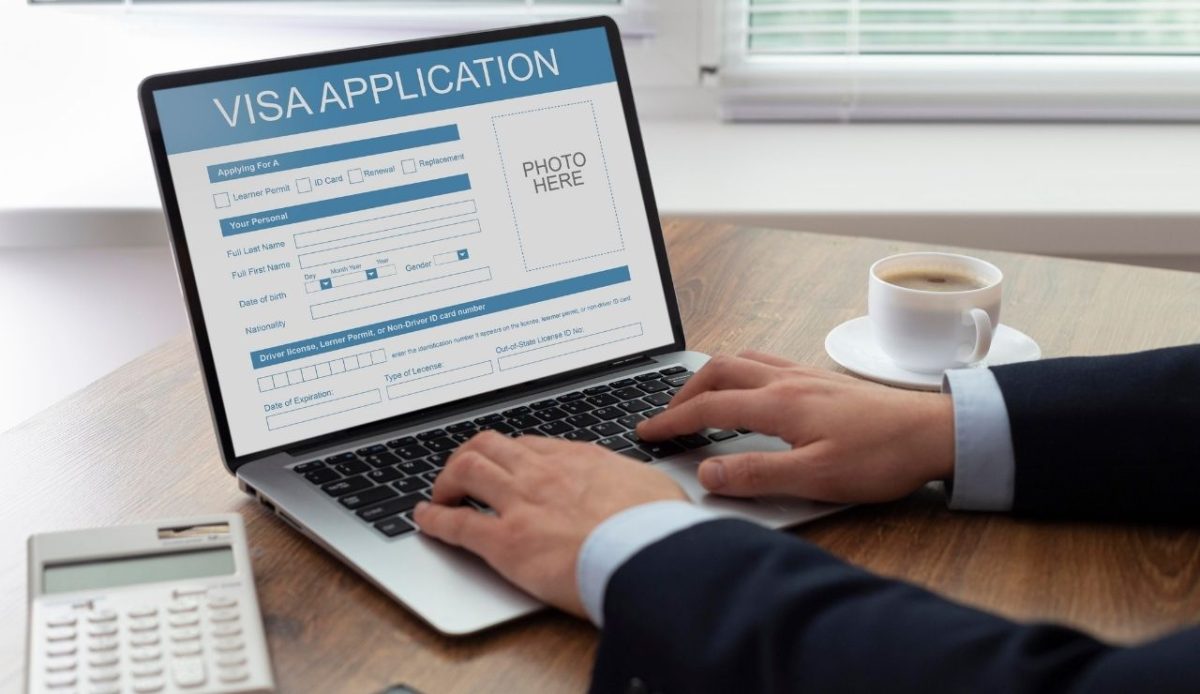
Online visas fail for simple technical reasons. Photo size, background color, head position, file format, and glare rules vary by country, and portals may reject uploads without a clear error message. Read the official specification page, then take a fresh photo that meets it rather than reusing an old passport image. Scan supporting documents at the required resolution and keep file names simple. Submitting correct files on the first try saves days when approval is needed quickly. Use the same spelling and date order across forms and uploads, and test the portal on a desktop browser if a phone upload keeps failing.
6. Add Buffer for Processing, Weekends, and Shipping
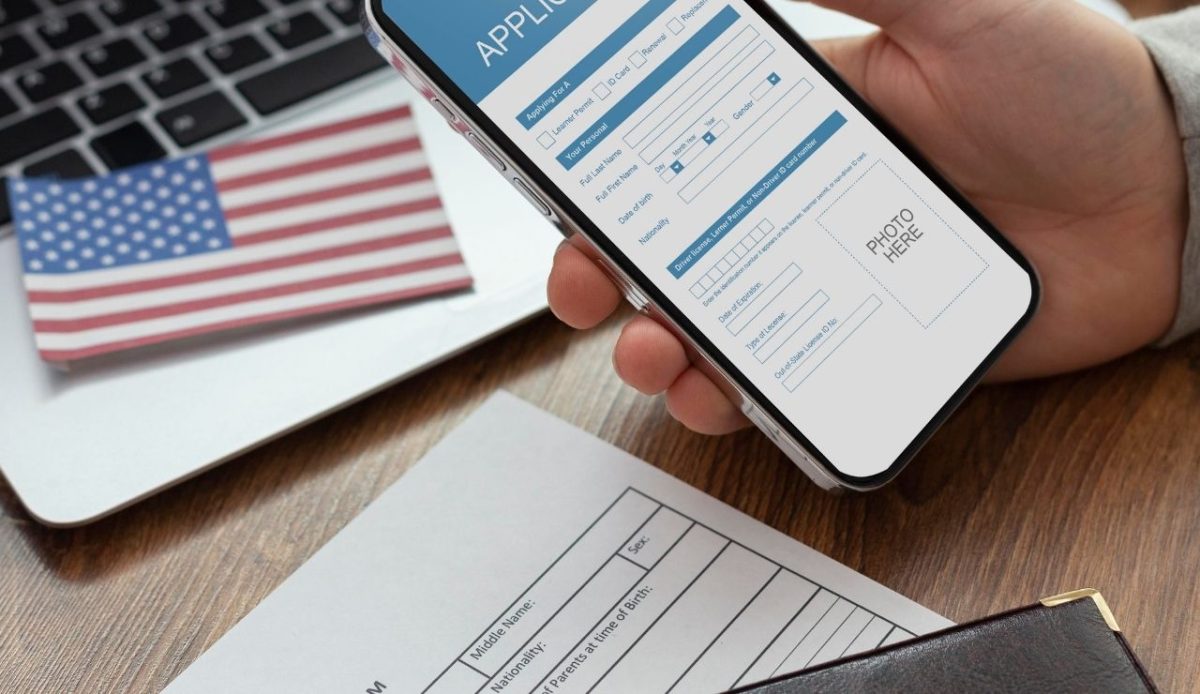
Processing time estimates are averages, not promises. A case can be slowed by security screening, missing documents, payment glitches, or a request for additional proof. Add buffer days for weekends, time zone differences, and consulate closures. If a passport must be mailed, include shipping both ways and the risk of a delayed delivery. Track the application status and keep receipts. Applying early also leaves room to correct mistakes without paying for premium handling that may not be offered. For frequent travelers, avoid overlapping trips that need the passport while it is held by a consulate. Build slack into every date.
7. Review Transit and Layover Visa Requirements
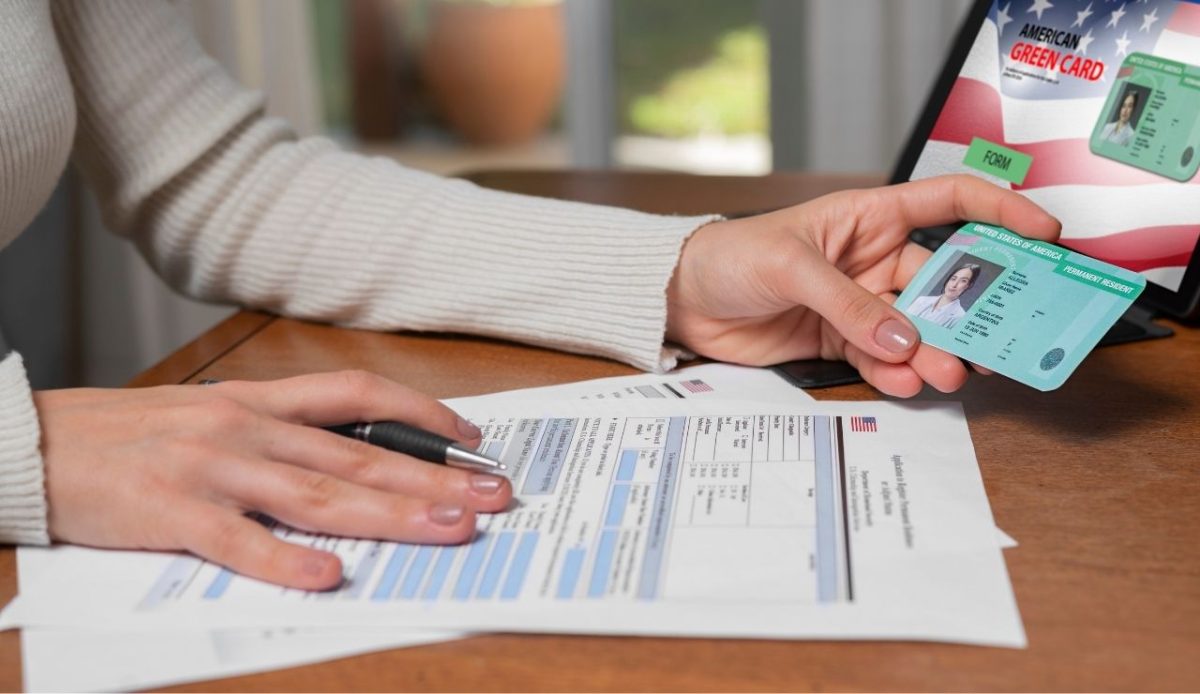
A connection can trigger its own entry rules. Some airports require a transit visa based on route, terminal change, overnight layover, or whether baggage must be rechecked landside. Travelers often learn this after the ticket is issued, when the airline blocks check-in. Review every stop on the itinerary, including fuel stops, and confirm whether you will remain airside. If a transit visa is needed, budget time for that application or reroute through a country with simpler transit terms. Self-transfers on separate tickets raise the risk because you may be forced to clear immigration to collect bags. Verify rules for each leg.
8. Track New Travel Authorizations Such as ETIAS

More places now use online travel authorizations that are not called visas but are still required to board. These systems connect to the passport number and can be denied for errors or unresolved questions. For Europe, ETIAS has been announced as a future requirement for visa-exempt visitors, and timing should be monitored if you book far ahead. Check whether your destination uses an ETA style approval and apply with the same passport you will carry. If you renew the passport, a new authorization may be needed. Save the confirmation email and reference number, and check entry validity dates so a return trip is still covered.
9. Prepare Insurance and Health Documents When Required

Some visas require proof that basic conditions are met, such as medical travel insurance, a clinic letter, or vaccination documentation. Schengen short-stay visas, for example, commonly require insurance that meets a minimum coverage level and is valid for the full trip period. Requirements can include exact wording, provider details, and territorial scope. Buy the policy after reading the official checklist, then print the certificate. If health records are digital, download them for offline access in case a border officer asks for proof. Ensure the name and dates match the passport and trip, since mismatches can void the document.
10. Carry Offline Proof and Supporting Entry Documents
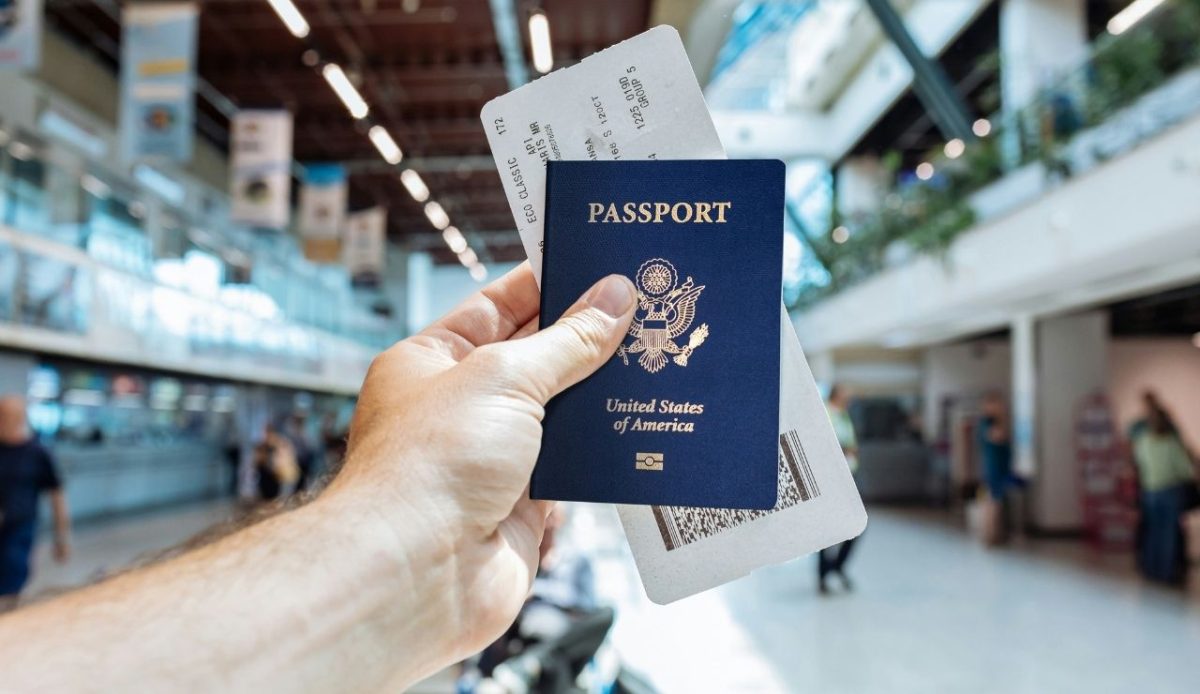
Even with an approved visa or authorization, carriers and border staff may ask for supporting proof. Common requests include an onward ticket, hotel address, invitation letter, proof of funds, and a return or exit plan. If the approval lives only in email or an app, a poor connection can slow you down at the desk. Store PDFs and screenshots offline, and keep the application receipt and payment record. Use one folder for each traveler so documents can be shown quickly without sharing private data from unrelated trips. A printed copy can help if a phone battery fails, and it reduces mistakes when an officer copies a reference number.
