
Viral clips can turn a lookout, beach, or museum room into a must-visit stop before most travelers learn what a peak day actually feels like there. The most shared angles rarely show the waiting, noise, or blocked views.
Many of these places remain impressive, but the visit can change once crowds trigger timed entry, higher prices, restricted movement, and strict photo lines. Some sites also limit swimming, cap daily visitors, or reroute foot traffic.
The ten examples below were chosen because hype was fueled online, and the day-to-day experience is often shaped by crowd control, conservation limits, or heavy commercialization. Each section notes what people expect and what commonly happens instead.
1. Gates Of Heaven At Lempuyang Temple, Bali
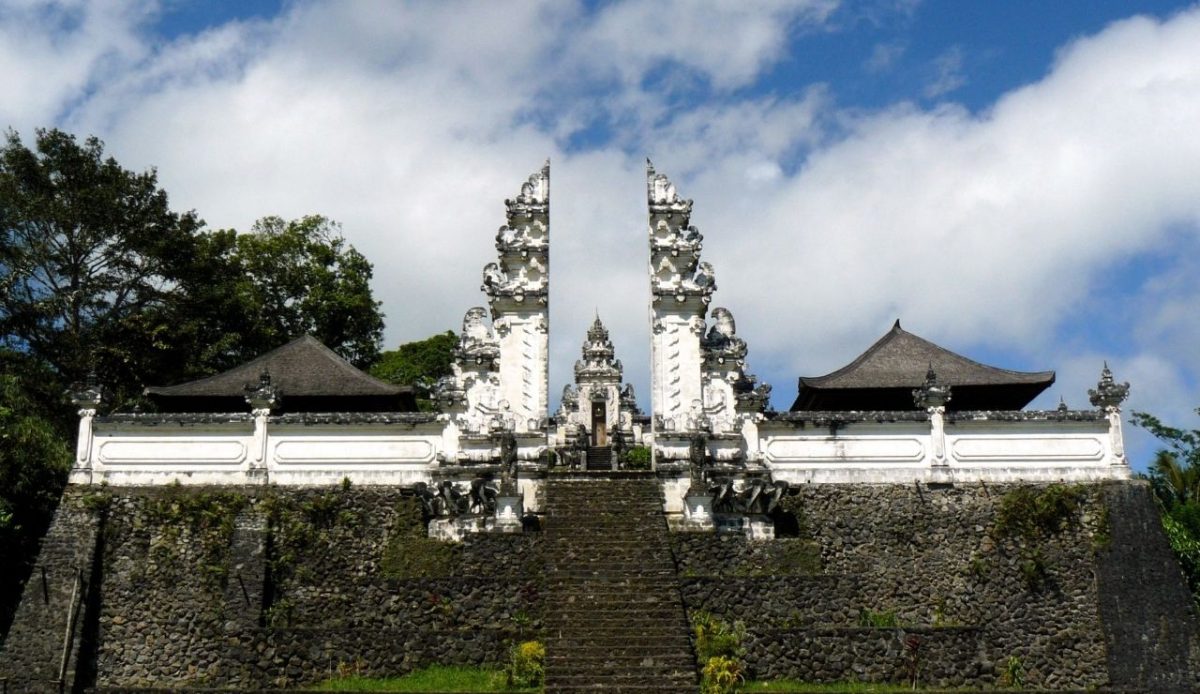
The Lempuyang gate image spread worldwide because the split stone frame seems to hover over a glossy reflection with Mount Agung in the distance. Posts often imply a natural pool and an empty courtyard.
At the entrance, the reflection is usually created with a small mirror held under the phone, not standing water. A shared tripod spot is used, and the line can last several hours since each group gets seconds.
People who expect a calm temple visit may instead meet a tightly managed photo queue, loud crowd chatter, and vendors selling packages for the shot. Modest dress and respectful behavior still matter, even during the rush. The weather can also block the volcano view.
2. Maya Bay, Thailand
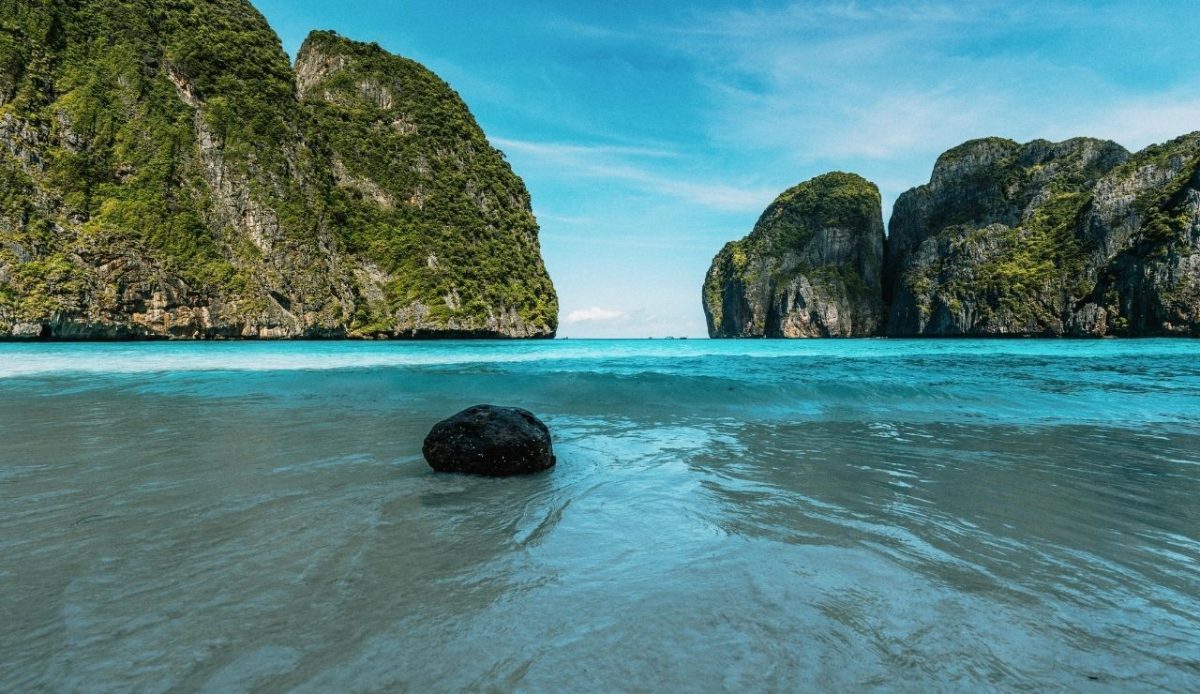
Maya Bay became a global beach symbol after film fame and nonstop short videos of clear water framed by steep limestone walls. Many clips are shot at off-hours that most day trippers never see.
Reef damage and boat pressure led Thai authorities to close the bay for ecological recovery. Since reopening, entry has been controlled through daily caps, designated routes, and changing rules that have included no swimming in the main cove.
Travelers who picture a long, laid-back beach day often get a shorter supervised visit with packed longtail boats nearby and fixed time slots onshore. The view remains striking, yet the experience feels managed. Shoulder season and early boats help, but limits still apply.
3. Oia Sunset In Santorini, Greece
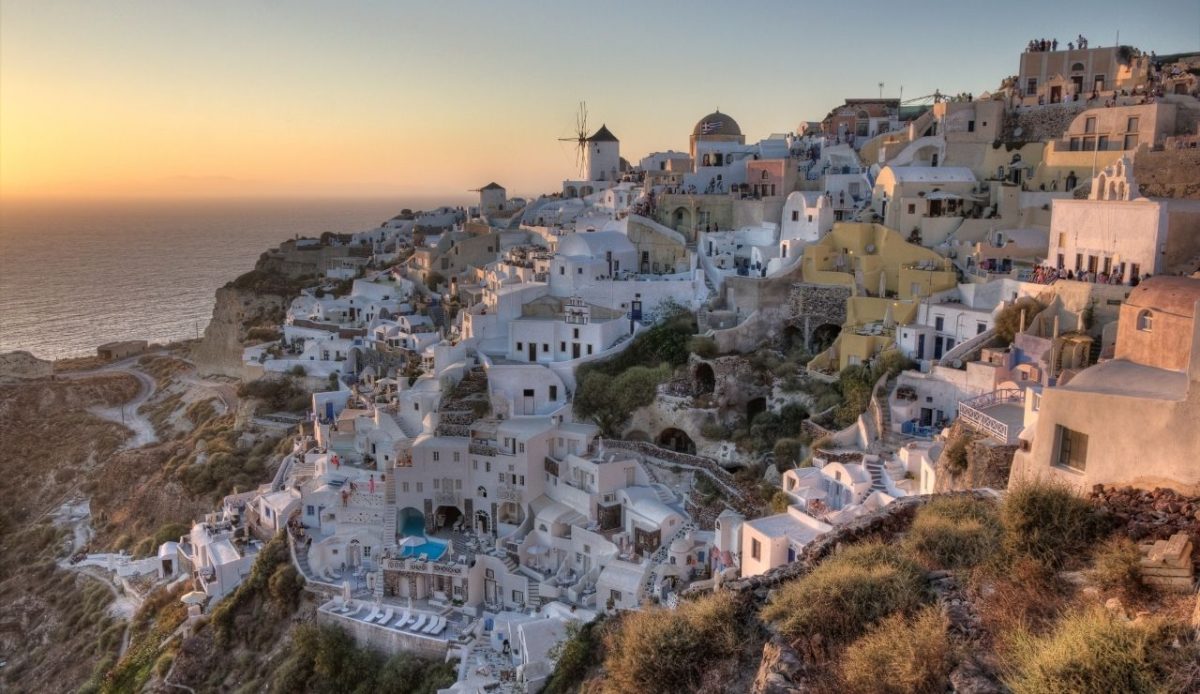
Oia sunsets in Santorini went viral through rooftop reels where white buildings glow, and the caldera looks quiet and spacious. Edits often remove the crowds that shape the real evening.
In peak months, cruise arrivals and day trip traffic compress into narrow lanes and small terraces. Viewpoints fill long before dusk, and movement can slow to a shuffle as people hold phones above their heads. Police and staff may direct flows on the busiest nights.
Visitors expecting a serene moment often face noise, jostling, and blocked sight lines. Some hotels and restaurants reserve prime spots, leaving late arrivals with limited choices. Watching from Imerovigli or Pyrgos can feel calmer while keeping a wide horizon view.
4. Mona Lisa Viewing At The Louvre, Paris
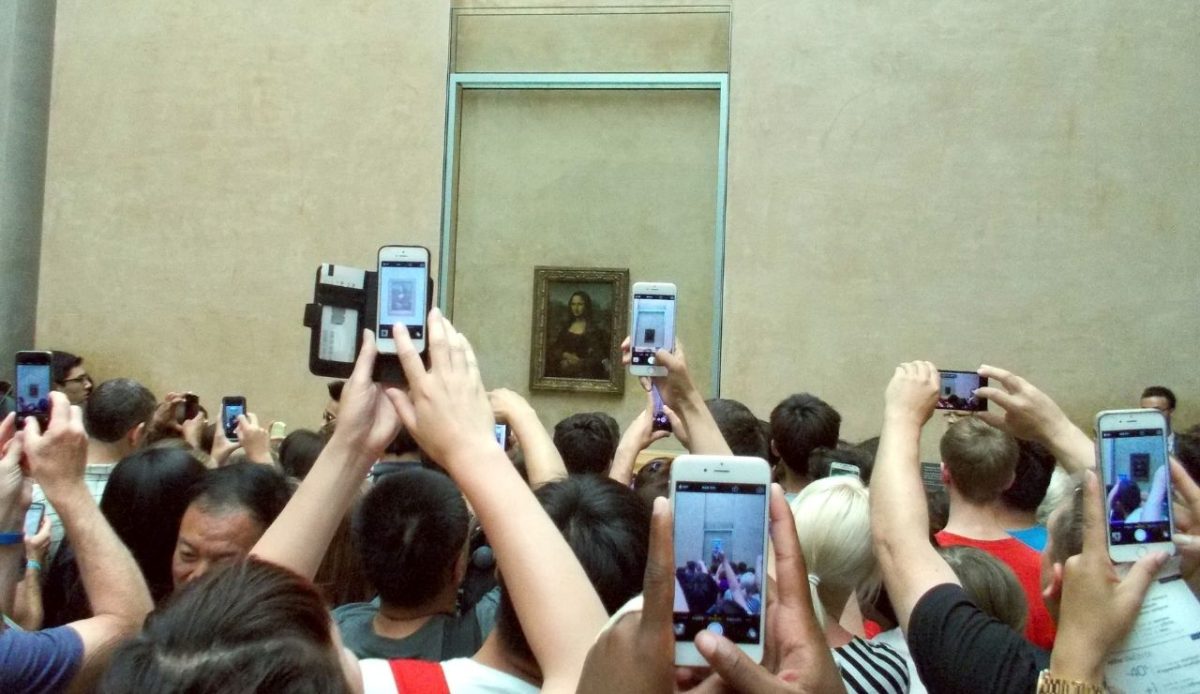
The Mona Lisa is promoted as a once-in-a-lifetime museum stop, and countless clips suggest a close, quiet look in a grand gallery. The framing usually hides the crowd behind the camera.
In practice, the Salle des États is often one of the Louvre’s most congested rooms. Barriers keep viewers back, staff guide traffic, and the time spent near the painting can drop to seconds on peak afternoons. Entry tickets are timed, yet bottlenecks still form.
People who expect stillness may instead get a quick photo attempt surrounded by raised phones and repeated flash warnings. Arriving at opening or late evening hours can help. Spending time with works by Veronese or David nearby often feels more rewarding than a glance.
5. Trevi Fountain In Rome, Italy
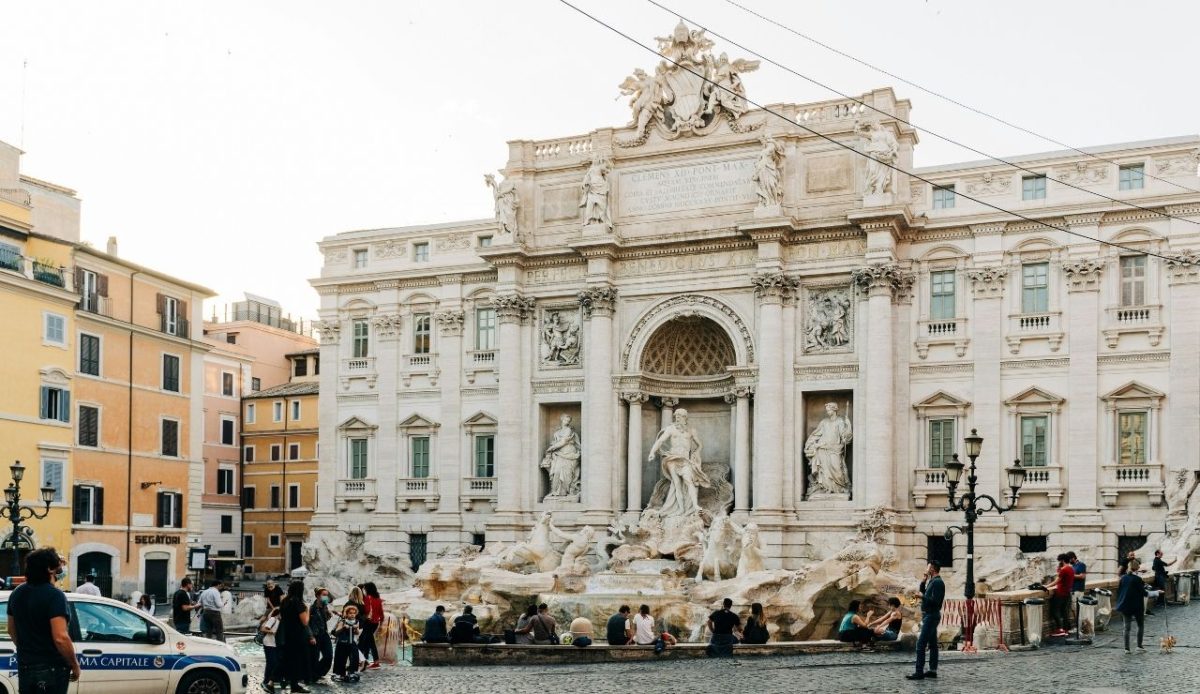
Trevi Fountain became a social media ritual, with coin toss videos promising a magical moment and clear views of the baroque sculptures. The scene is often filmed when the plaza is nearly empty.
Rome’s busiest weeks bring dense shoulder-to-shoulder crowds around the basin, especially after dinner. Police monitor the area, pickpocket warnings are common, and temporary barriers appear during maintenance. City leaders have discussed stricter access to reduce unsafe crowding.
Visitors who expect a relaxed pause may find it hard to reach the edge without being pushed along. Many end up tossing a coin from far back. Going at dawn, or visiting the Fontana dell’Acqua Paola for big views, can deliver a calmer stop with less stress.
6. Dubrovnik Old Town, Croatia
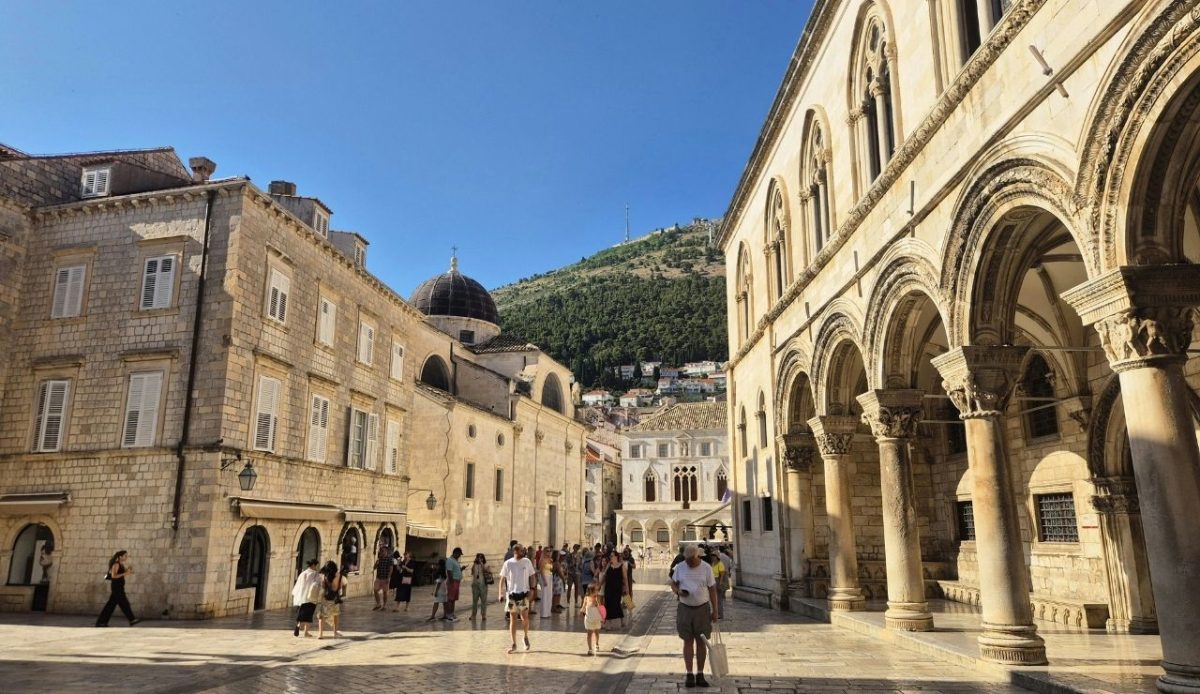
Dubrovnik’s Old Town surged online after major television exposure and drone shots that made the walls look empty and cinematic. Viral posts rarely show midday congestion.
Cruise schedules and tour groups can concentrate thousands of people inside the gates at once. The city has used visitor management steps, including limiting coach traffic and tracking how many enter the historic core during peak hours.
Travelers expecting quiet stone lanes may instead face slow-moving crowds, high menu prices, and packed photo points on Stradun. Staying overnight helps because day trippers leave by evening. A wall walk at opening time can still feel spacious and worth the ticket.
7. Blue Lagoon On Comino, Malta
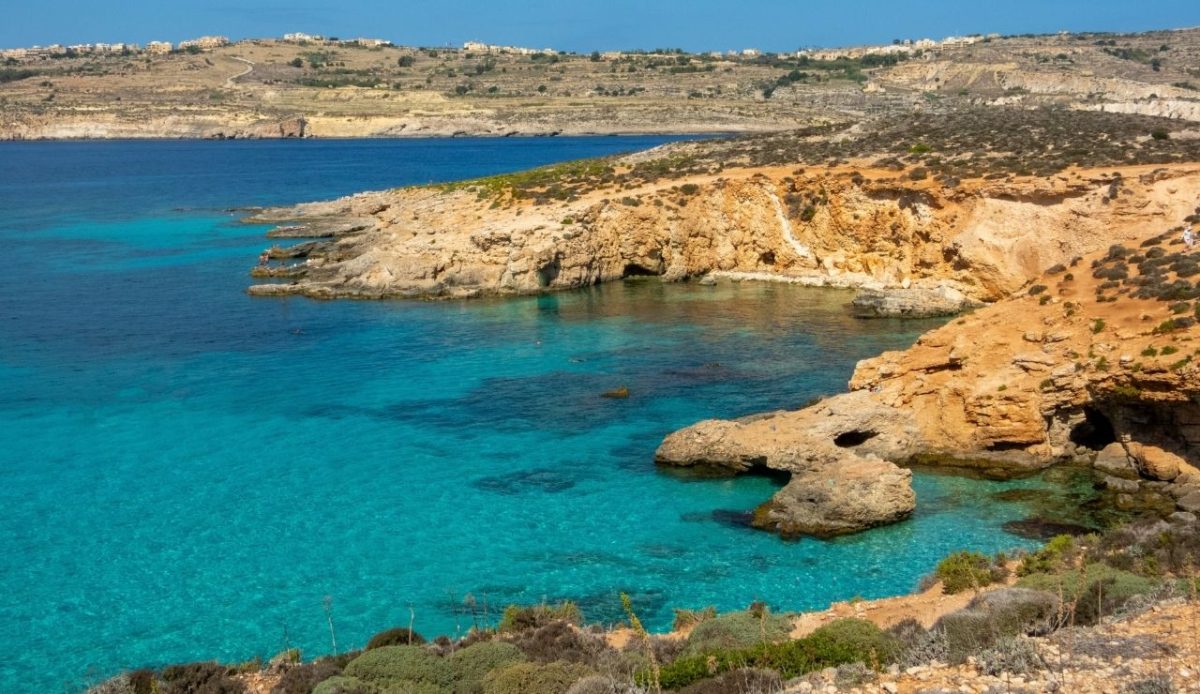
Malta’s Blue Lagoon on Comino went viral for its bright water color, with clips implying a secluded swim spot and easy space to spread out. Many posts are shot from boats that avoid the crowded shore.
In summer, day cruise boats arrive in waves, and the small beach area fills quickly. Management has shifted toward structured controls, including advanced booking systems and visitor limits aimed at reducing pressure and improving safety.
Visitors often find there is little shade, limited room for towels, and constant engine noise near the swim zone. Food lines and litter can also appear by midday. The water can still look stunning, yet the mood is busy. A sunrise visit, or a swim at quieter bays on Gozo, may fit expectations better.
8. Horseshoe Bend, Arizona
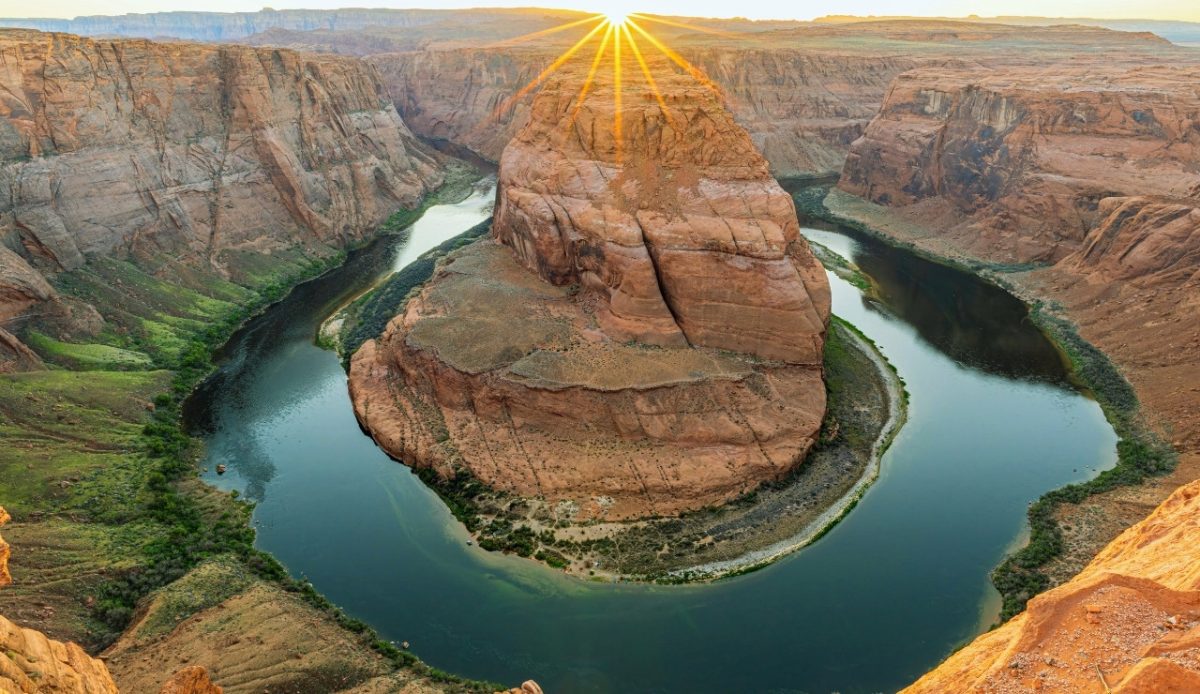
Horseshoe Bend near Page became a signature U.S. overlook on Instagram, with wide-angle shots that suggest open space and a simple, private walk. The photos rarely show the busy parking approach.
As visits surged, the site added paid parking, defined trails, and safety railings after close calls near the cliff edge. These upgrades improved safety, but they also changed the feel of a remote stop.
Many travelers now arrive at full lots, photo lines at the rim, and a louder scene than the posts imply. Heat and wind can make the short hike feel tougher than its distance suggests. Sunrise visits help, and nearby viewpoints around Page can offer quieter river bends on similar terrain.
9. Antelope Canyon, Arizona
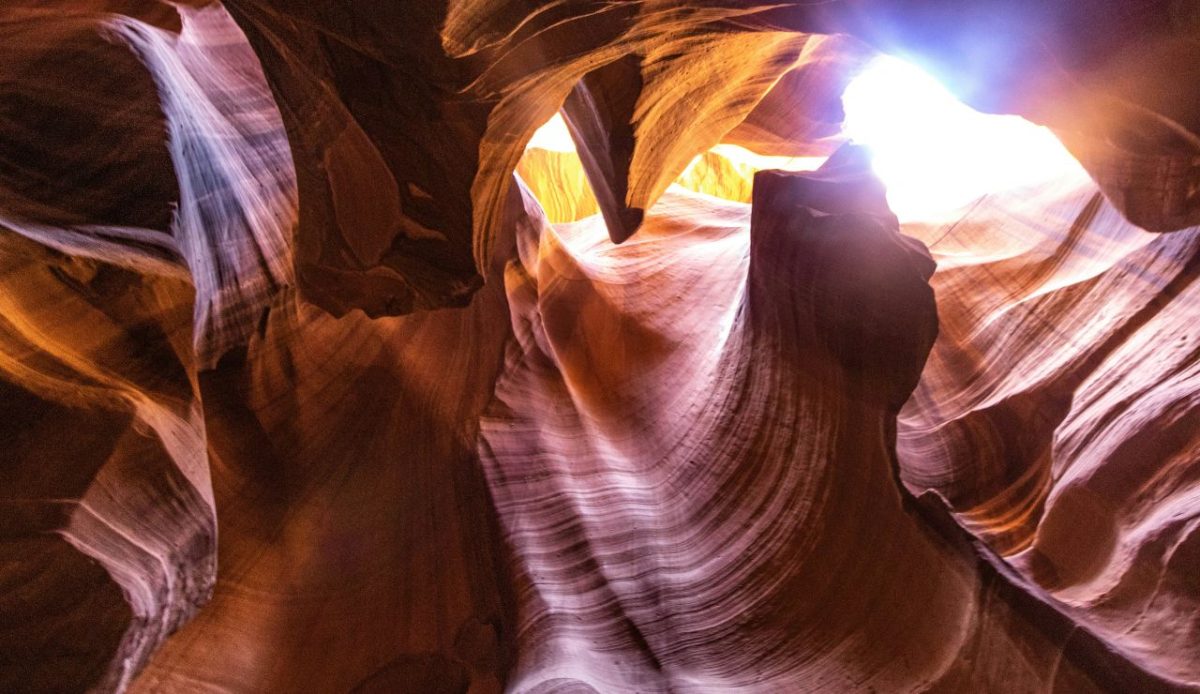
Antelope Canyon went viral through beam of light photos that make the slot walls look empty, silent, and perfectly lit for long stretches.
Access is controlled by Navajo Nation permit rules and guided tours, with fixed time slots and group movement through narrow corridors. Light beams appear only at certain times of year and time of day, so many visitors will not see the exact scene from the most shared images.
Travelers often experience a quick, guided pass with frequent stops for crowd spacing rather than a slow photo session. Costs can be higher than expected once fees and tips are added. For fewer crowds, Canyon X or other guided routes in the area can feel less compressed.
10. Checkpoint Charlie, Berlin
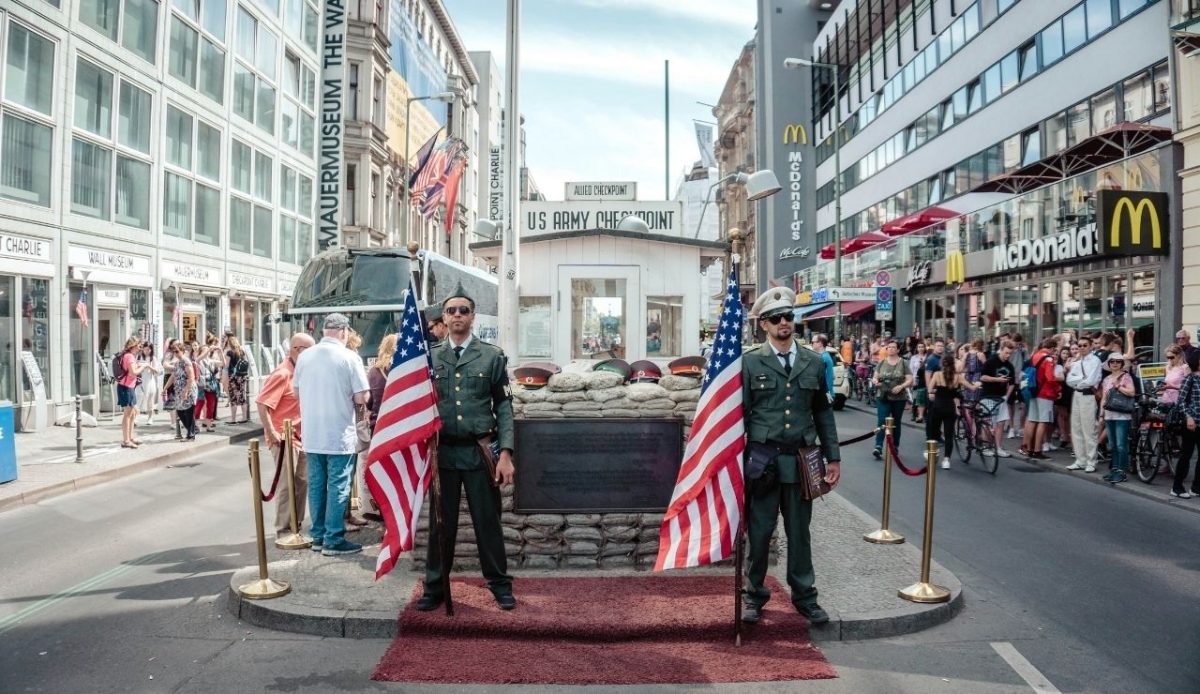
Checkpoint Charlie became a popular stop because Cold War photos and modern reels frame it as a preserved border crossing with deep historical weight.
On site, the scene is dominated by souvenir stands, staged photo props, and heavy traffic on Friedrichstraße. The original checkpoint structures are not largely intact, and the experience can feel more like a theme stop than a historic place.
Visitors expecting a museum-level lesson may leave disappointed after a quick picture and a few plaques. Nearby sites such as the Berlin Wall Memorial on Bernauer Straße offer more context with preserved sections and detailed exhibits, often with more space to read and reflect.
