
Many travelers notice how certain capital cities receive steady praise online without attracting the high traffic of more famous destinations. Social posts often highlight that these places remain manageable even during busy seasons, offer dependable transportation, and feature neighborhoods where daily routines continue at a leisurely pace. People say these capitals feel welcoming because they support simple movement between parks, markets, and cultural sites without overwhelming visitors. As more travelers look for calmer urban experiences in 2025, these cities draw attention for their affordability, straightforward layouts, and the comfort they provide during short and long stays.
1. Vilnius, Lithuania
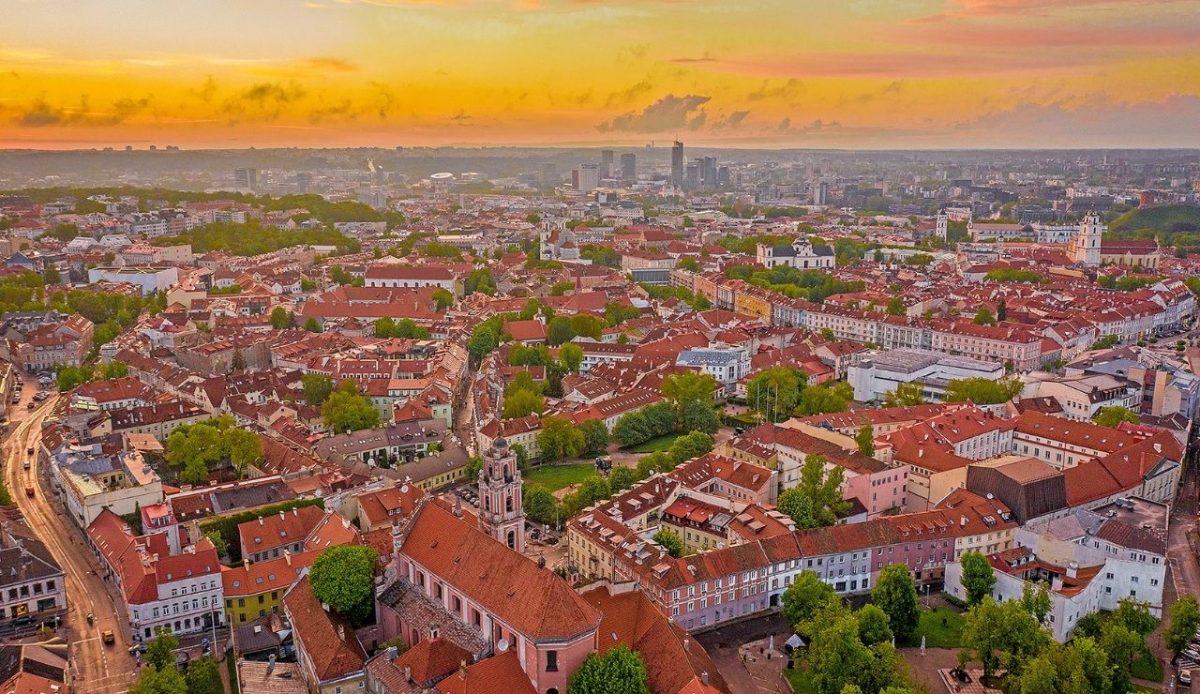
Vilnius often appears in traveler reviews where people say they expected a quiet city but found lively cafés, wide squares, and streets that remain easy to follow. The Old Town holds a large area of walkable lanes, and visitors mention that the pace stays steady throughout the day. Creative districts lend the city a youthful vibe, while parks and riverside paths provide serene moments close to the center. Public transport works on clear schedules, allowing simple movement across neighborhoods. Many note that Vilnius feels approachable from the moment they arrive, helping newcomers settle in quickly.
2. Ljubljana, Slovenia
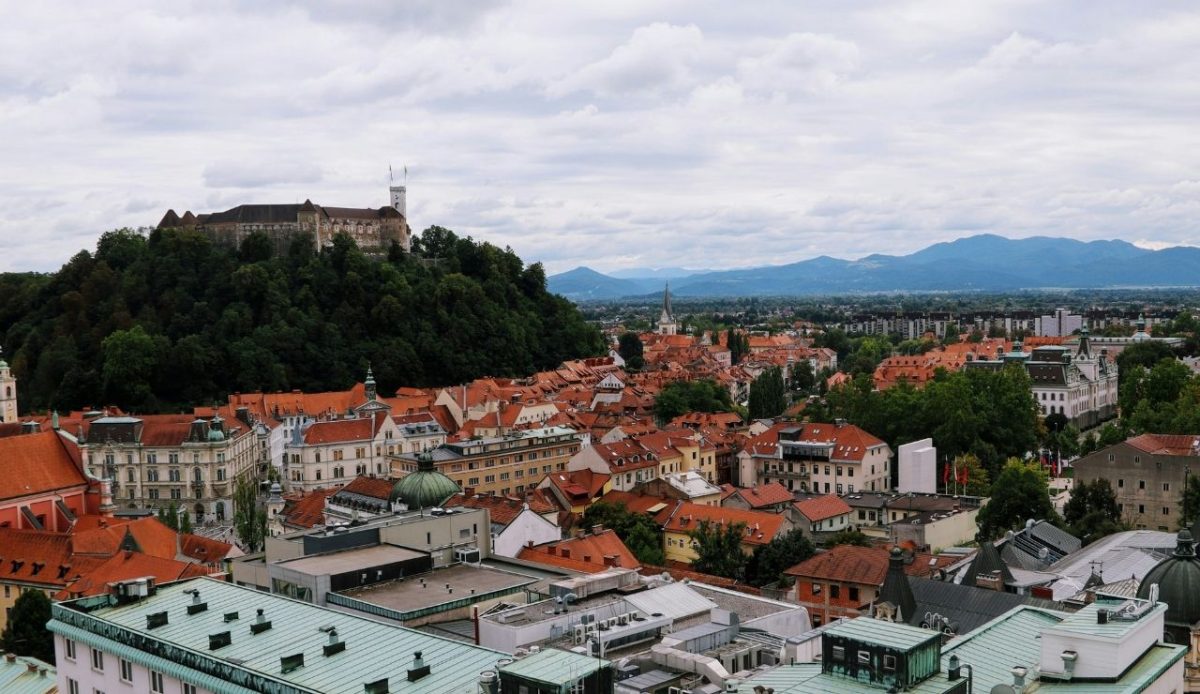
Travelers often mention how clean and organized Ljubljana feels, with a riverfront walkway that guides them through the main part of the city without confusion. Pedestrian areas create a calm center where people enjoy outdoor seating, shaded corners, and small galleries. A short walk leads to the funicular that reaches the hilltop castle, giving visitors a wide overview of rooftops and parks. Reviews frequently highlight how the city avoids the pressure found in larger capitals, offering steady activity instead of constant rush. Many appreciate Ljubljana for its balanced rhythm and easy movement.
3. Tbilisi, Georgia
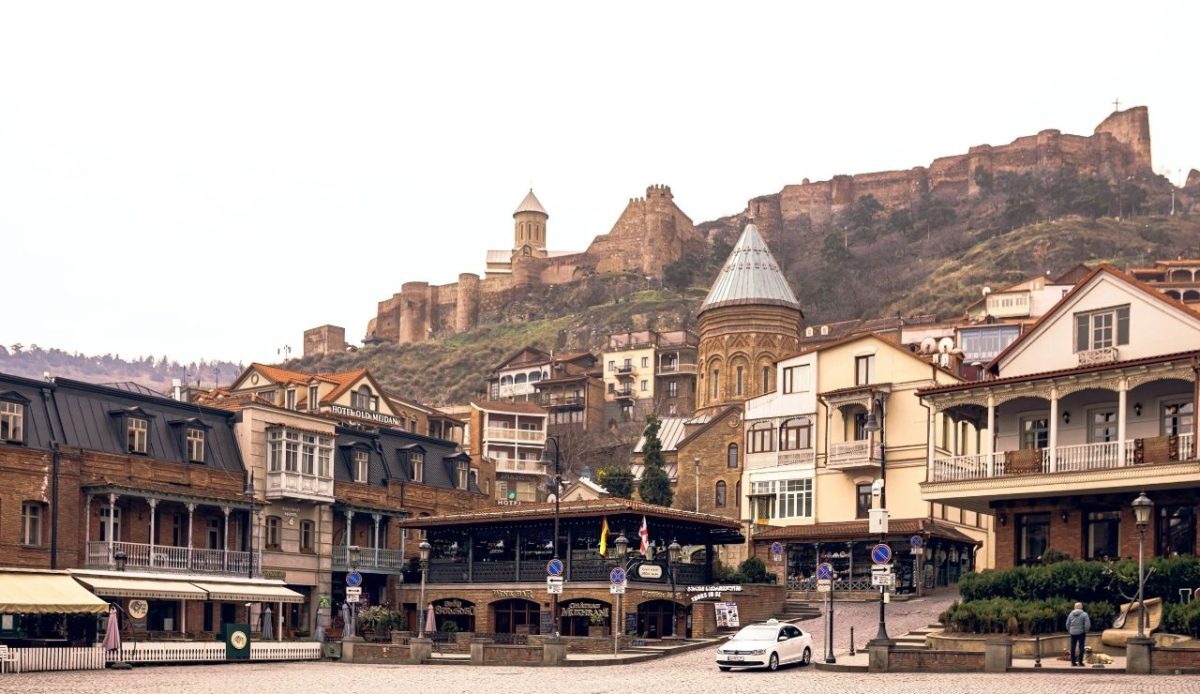
Tbilisi attracts visitors with hillside districts, bathhouses, and streets that shift between historic and modern areas with surprising ease. Travelers often talk about how the city feels energetic yet approachable, with cafés and markets operating from early morning through late evening. The cable car and metro help people reach higher neighborhoods without trouble, and walking routes through older quarters reveal courtyards and stone passages. Many reviews praise the food scene and note that prices remain reasonable compared with other European capitals. Tbilisi leaves a strong impression because each area offers something distinct while remaining easy to navigate.
4. Riga, Latvia
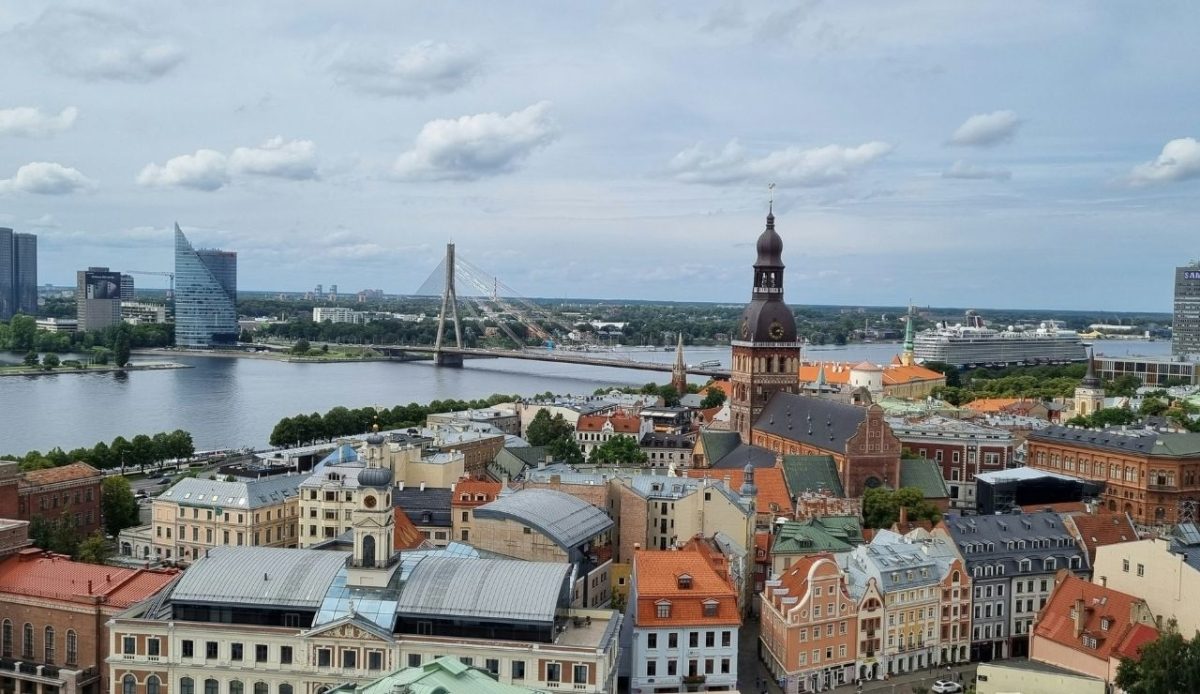
Riga receives steady praise from travelers who enjoy spacious parks, wide boulevards, and a center that feels active without overwhelming visitors. The Art Nouveau district draws interest for its unusual facades, and the Old Town remains simple to explore on foot. People mention that cafés, markets, and galleries stay open through much of the day, creating a dependable rhythm for sightseeing. Public transport allows efficient movement across the city, and the riverfront provides long paths for walking. Reviews often call Riga a pleasant surprise, especially for those who want a quieter alternative to larger capitals.
5. Bucharest, Romania
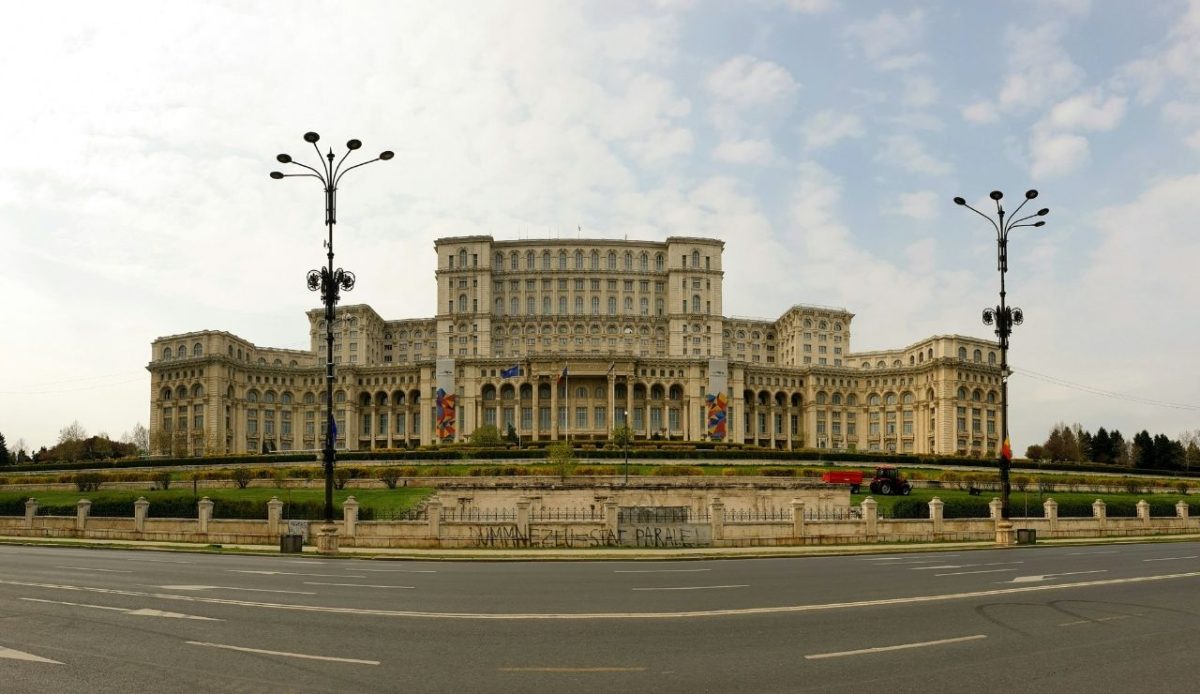
Bucharest gives travelers an eclectic setting where older districts sit near modern avenues, creating a variety of routes for short walks. Visitors often find parks spread across the city, offering open space that helps balance the density of central areas. Historic passages, bookstores, and cafés encourage slow exploration, while the metro connects major points with predictable travel times. Reviews highlight how affordable the city remains and how its nightlife stays concentrated in walkable zones. People frequently comment that Bucharest feels far more approachable than expected, especially for first-time visitors seeking a steady urban pace.
6. Sarajevo, Bosnia and Herzegovina
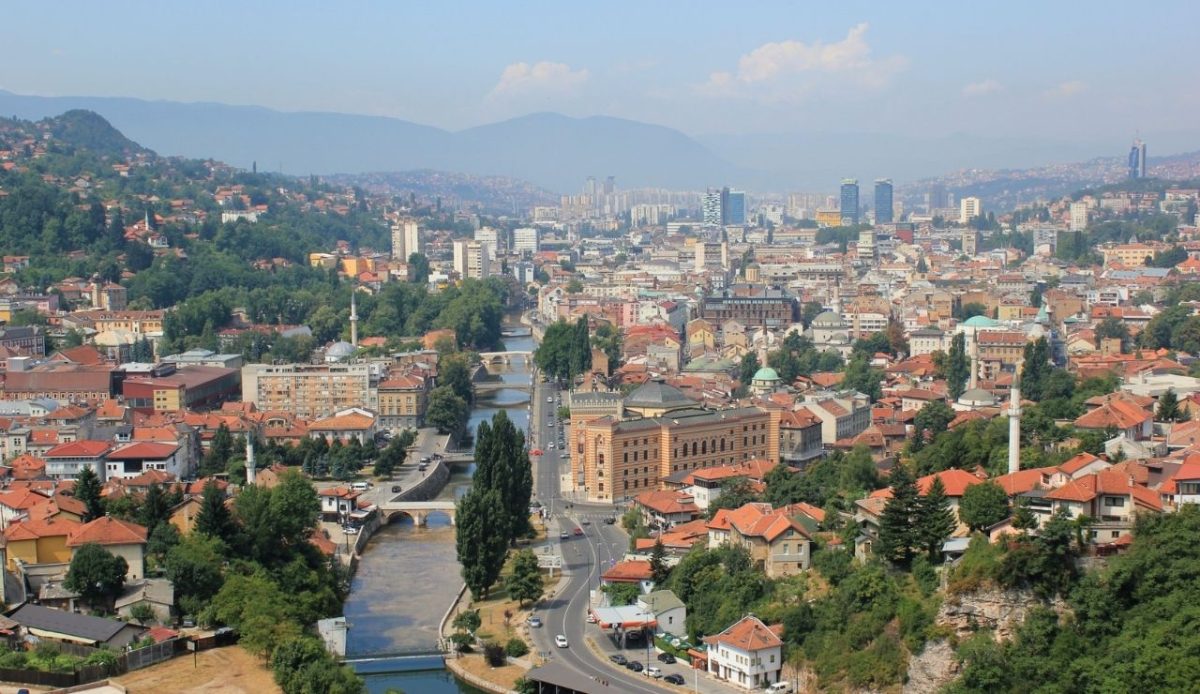
Sarajevo appeals to travelers who look for cities with layered history and warm local interaction. Reviews often mention how the old bazaar area feels energetic but manageable, with narrow lanes leading to coffee houses, craft stores, and open courtyards. A short walk shifts the scene into Austro-Hungarian streets, giving visitors varied architecture within minutes. The cable car to Trebević Mountain provides a clear view of the city’s valley setting, while museums help explain events that shaped recent decades. Many travelers note how welcoming residents are and say the city encourages longer stays through its steady rhythm.
7. Valletta, Malta
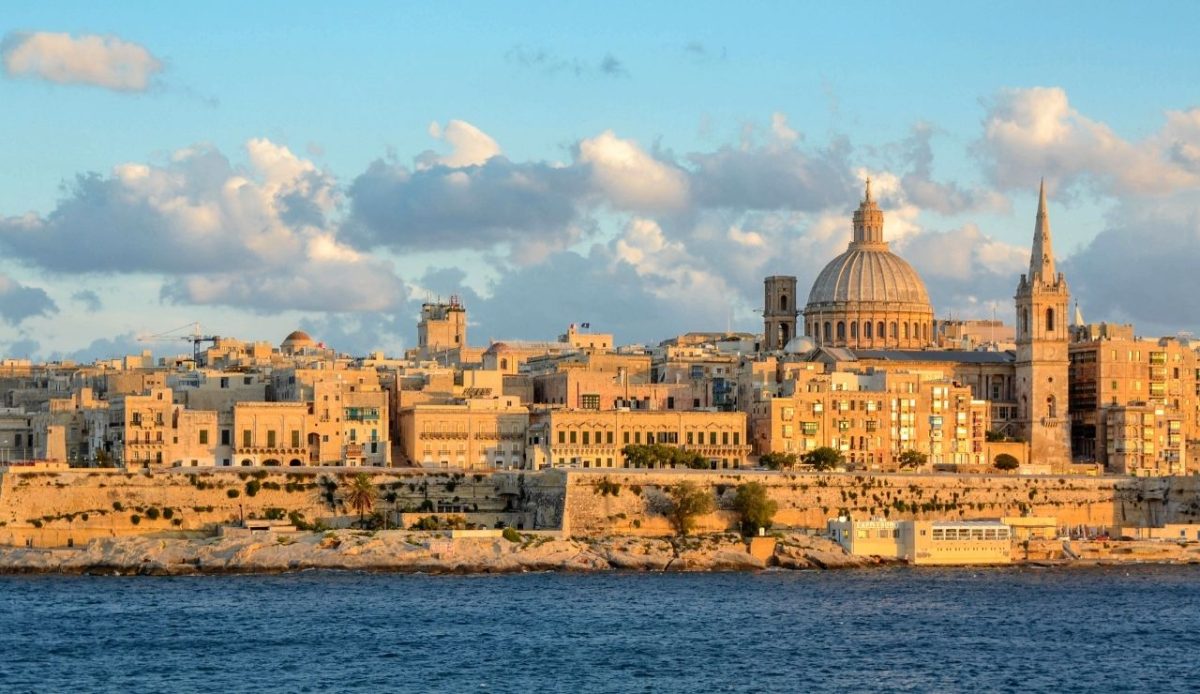
Valletta draws attention for its compact layout, sandstone streets, and harbor views that appear throughout short walks. Travelers praise how simple it is to move from museums to gardens and waterfront paths without relying heavily on transport. Ferries link nearby districts, giving visitors access to wider parts of Malta in minutes. The city’s steps and narrow lanes create natural routes that guide people toward scenic overlooks and peaceful courtyards. Many reviews point out that Valletta feels safe, organized, and easy to manage during both day and evening hours, making it a strong choice for 2025 itineraries.
8. Tallinn, Estonia
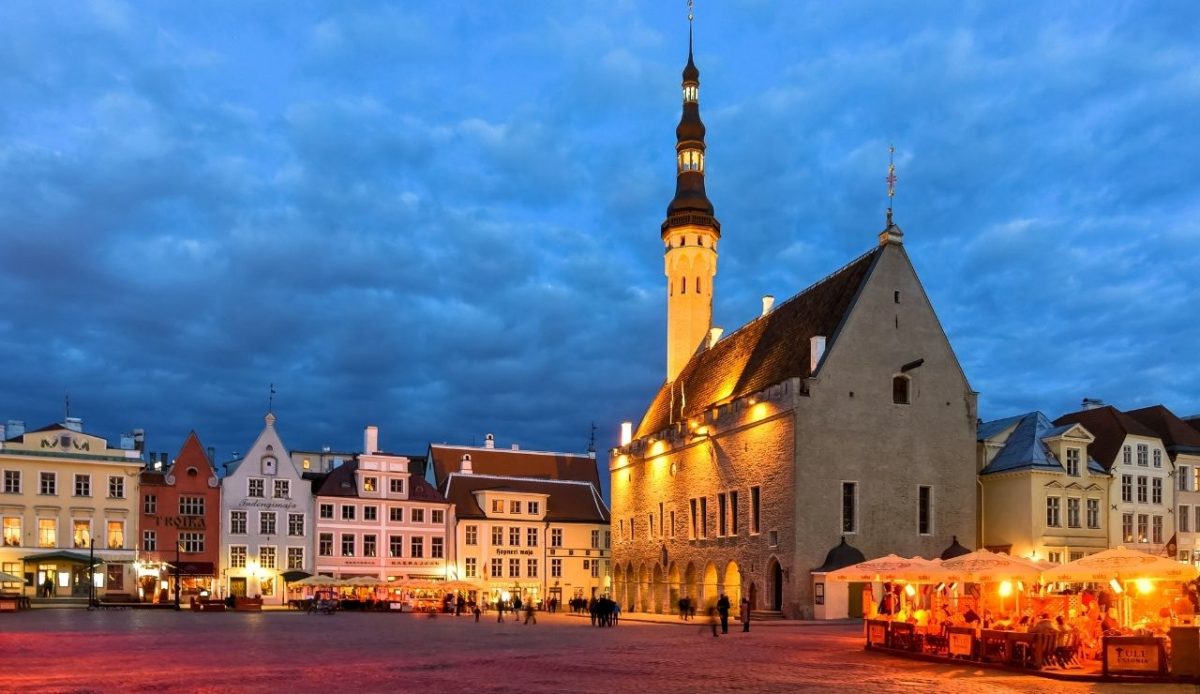
Tallinn often surprises travelers who expected only a medieval center, yet discover a modern coastal district and tech-influenced neighborhoods within close reach. The Old Town provides clear walking routes past towers, squares, and cafés, while nearby areas offer open spaces for cycling and waterfront strolls. Public transport runs reliably, allowing easy travel to markets and creative districts. Reviews frequently highlight how clean the city feels and how straightforward navigation becomes once visitors understand its compact structure. Many say Tallinn offers the right balance of historic character and contemporary energy without feeling chaotic.
9. Warsaw, Poland
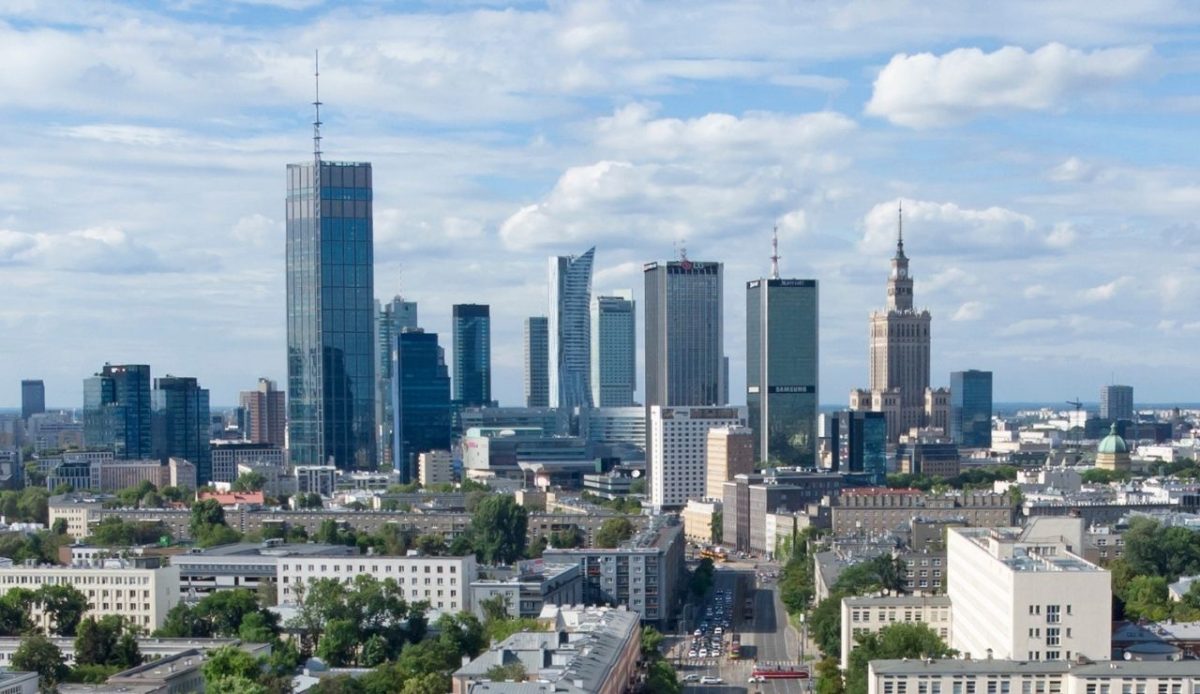
Travelers note that Warsaw delivers a broader variety of districts than they anticipated, ranging from reconstructed Old Town streets to modern business areas that stay active into the evening. Parks spread across the city give visitors frequent chances to pause between neighborhoods, and museums provide a strong context for the city’s reshaping over the past century. Reviews often mention that transport remains predictable and inexpensive, making it easy to cover long distances without stress. Visitors appreciate Warsaw for its steady pace, affordability, and wide selection of cultural sites that support longer stays.
10. Kuala Lumpur, Malaysia
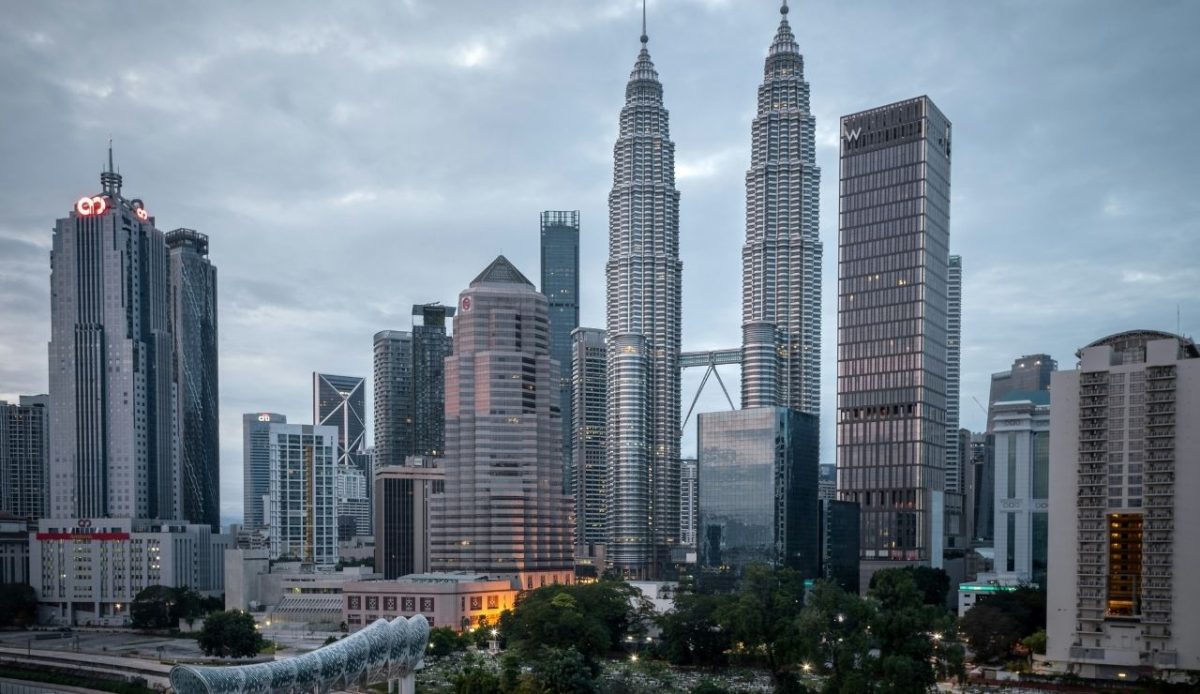
Kuala Lumpur attracts digital nomads, long-stay travelers, and short-term visitors who value comfort, dependable transit, and varied neighborhoods. Reviews highlight the city’s elevated rail lines, which help people move across districts without difficulty. Food courts, cafés, and night markets support activity at nearly all hours, while malls offer air-conditioned routes during hotter parts of the day. Travelers mention that green spaces and temples provide quiet breaks close to busy streets. Many say Kuala Lumpur feels approachable for first-timers because of its clear signage, walkable zones, and steady transportation network.
