
Lake shorelines don’t just erode on ocean coasts. Around big and small U.S. lakes, waves, storms, water-level swings, and boat wakes can chew through beaches, dunes, bluffs, and wetlands.
In some towns, the “usable” edge of the lake is shrinking faster than residents planned for, pushing walkways, ramps, and parks into repeat repair mode and raising questions about how to protect habitat and public access.
Great Lakes level variability, reservoir drawdowns, and stronger storm impacts all show up differently by region. These 10 towns highlight what that looks like on the ground, from moved docks to stabilized shorelines and closed trails each season.
1. Duluth, Minnesota
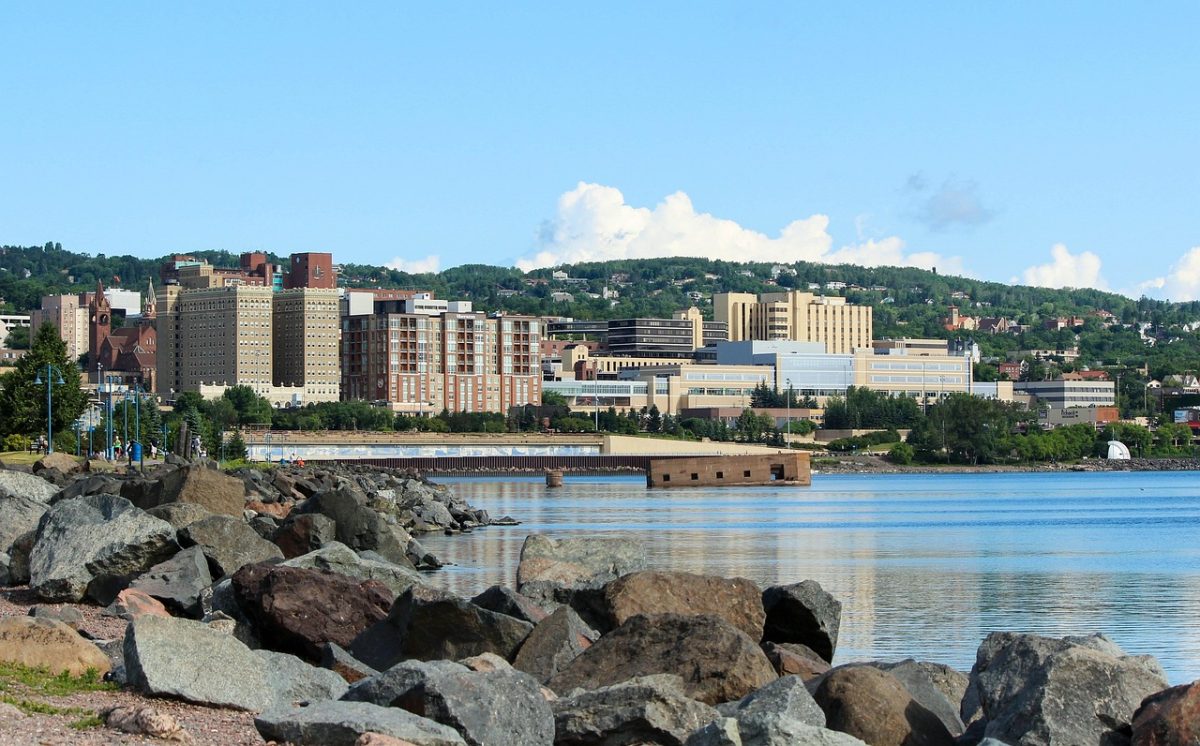
Duluth’s Park Point sits on a long sand spit that separates Lake Superior from Superior Bay, so it takes the full force of big-lake storms.
A 2024 shoreline mitigation feasibility study for the Park Point Recreation Area describes erosion, subsidence, and flooding that have damaged infrastructure such as harbor edges and parking areas. Research on Minnesota Point has also documented measurable foredune retreat over recent decades.
Local coverage has tied recent events to extreme storms and rapid water-level surges (seiches), prompting community and agency planning. For travelers, that can mean shifting beach access, signed detours, and ongoing stabilization work near popular viewpoints.
2. Traverse City, Michigan
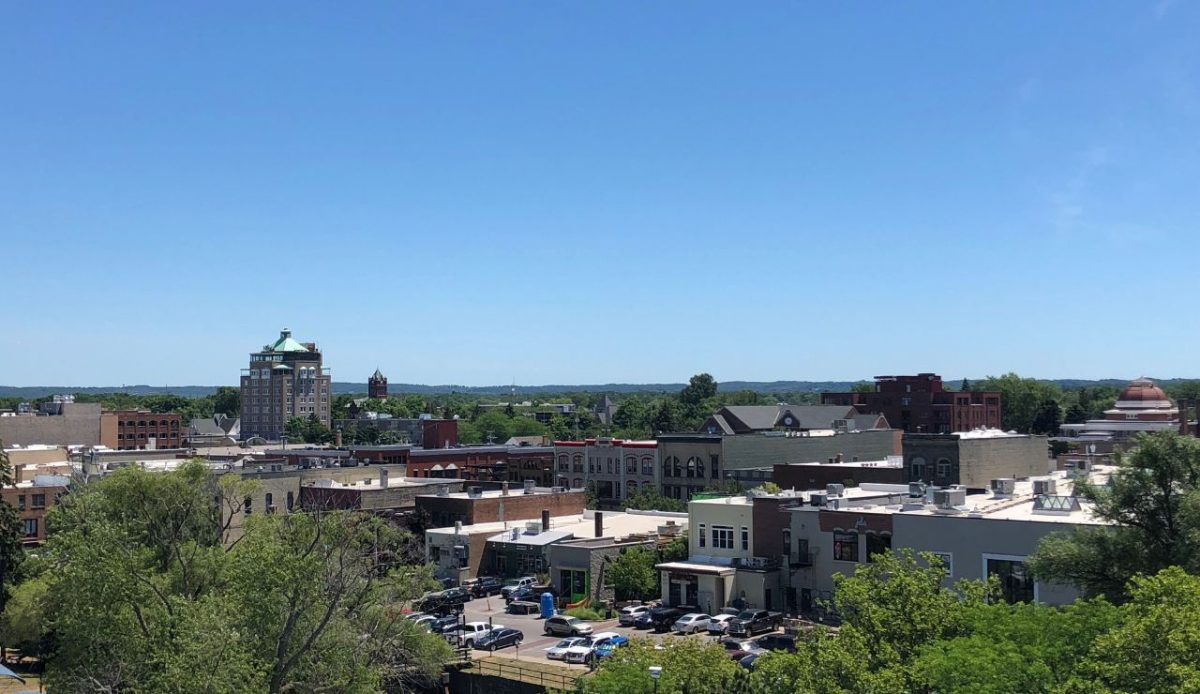
Traverse City’s waterfront is tied to Lake Michigan, where water levels and storm patterns can swing hard from year to year.
A USGS fact sheet notes that Lake Michigan’s coastline has a long history of erosion and flooding impacts. Regional reporting describes costly damage during recent high-water stretches, and Great Lakes researchers also point to increasingly volatile level swings that can speed up bluff and beach loss.
Visitors may notice repaired boardwalks, regraded beaches, and protected dune edges. It’s also why some shoreline trails or access stairs can be closed, fenced, or moved after a rough season on the lake without much warning.
3. Boyne City, Michigan
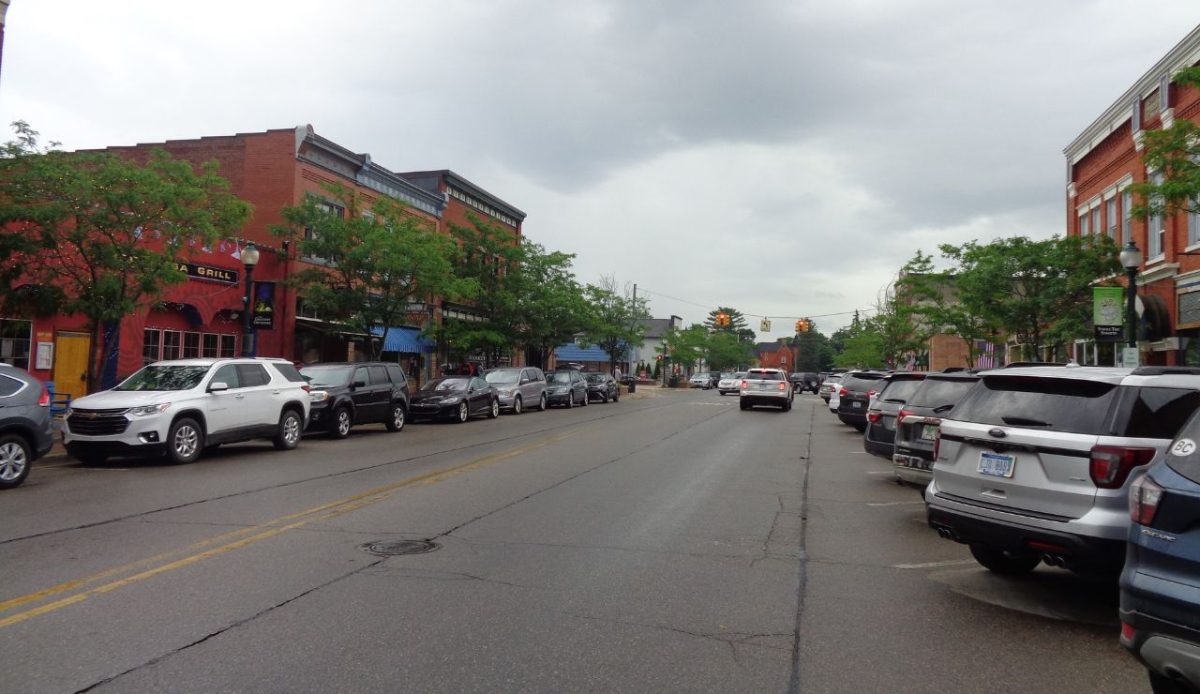
Boyne City sits on Lake Charlevoix, where wind-driven waves and high-water periods can eat into beaches and park edges.
A shoreline survey by the Tip of the Mitt Watershed Council documented clusters of moderate to severe erosion around the lake, including areas near Boyne City and the Boyne River outlet. Local reporting has also described erosion damage at nearby Whiting Park, affecting a beach area and access features.
For travelers, this can show up as shoreline restoration work in public parks, adjusted routes around soft edges, and occasional limits on where you can launch or linger near undermined banks after storms in peak season, too.
4. Burlington, Vermont
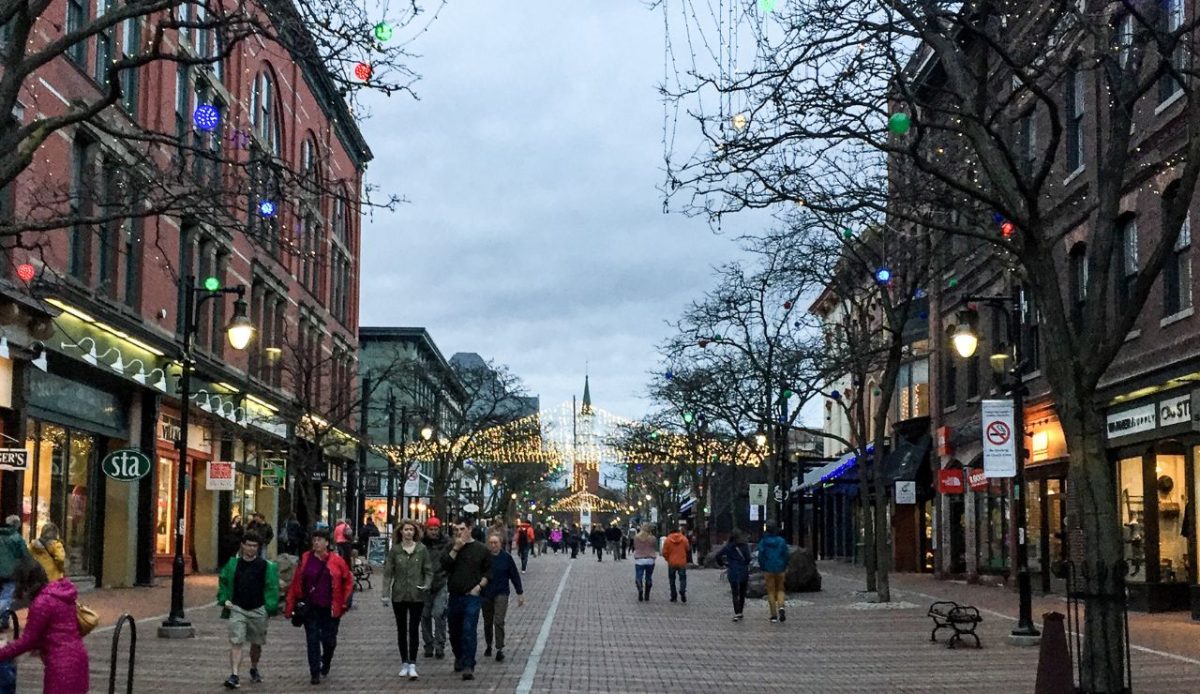
Burlington’s lakefront faces Lake Champlain’s open-water fetch, where wind can build waves that pound sandy soils.
The Lake Champlain Committee points to Appletree Bay in Burlington’s New North End as a place where wave energy and erodible soils make shoreline stabilization a recurring challenge. NOAA’s Burlington gauge guidance notes that when levels are high, flooding becomes serious and wave erosion can intensify, and basin groups warn that intense rain events add more stress to shorelines.
Visitors may see rock revetments, living shoreline plantings, and temporary closures during high-water events, especially when storms line up with elevated lake levels and saturated ground.
5. Sandusky, Ohio
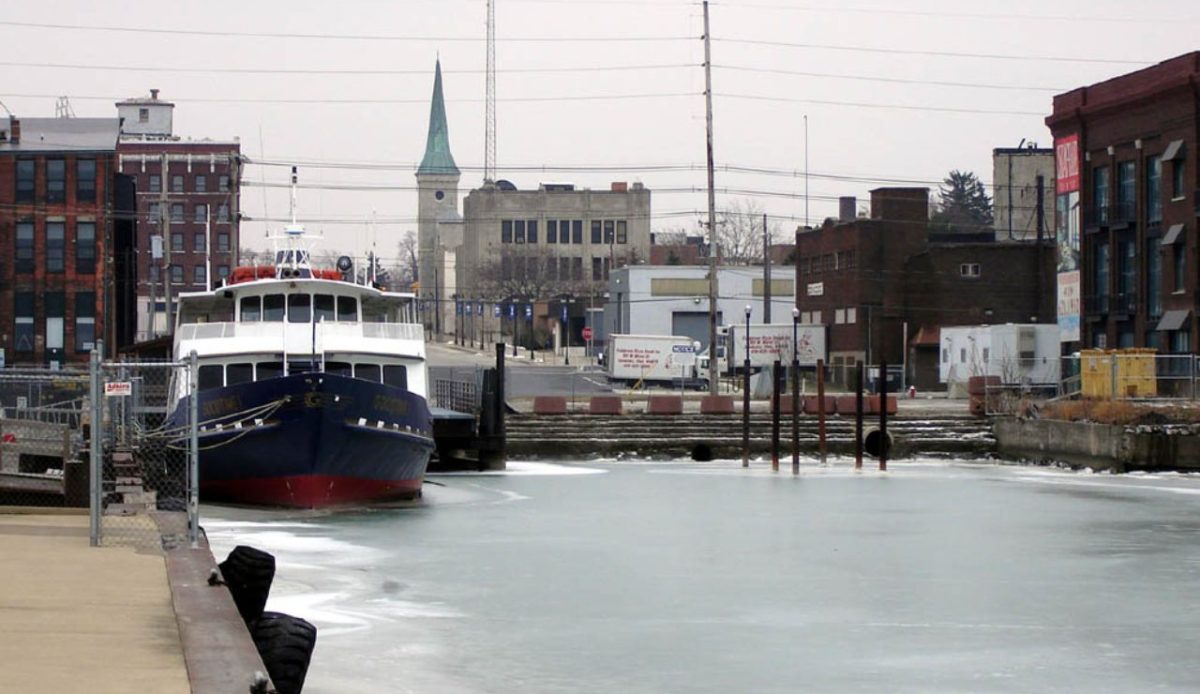
Sandusky sits on the edge of Sandusky Bay, connected to Lake Erie’s wind and wave climate.
An Ohio State University study on shore erosion in Sandusky Bay described severe wave-driven erosion along parts of the bay’s south shore. USGS work has also highlighted relatively high erosion rates along Ohio’s Lake Erie bluffs, and local reporting notes that storms and high-water events can strip sand from exposed stretches.
For travelers, the changes can be subtle, such as narrower beaches, undercut banks, and more rock armor along parks and private lots. After rough seasons, expect more repair work, fenced edges, and fewer easy shoreline shortcuts in town.
6. South Lake Tahoe, California
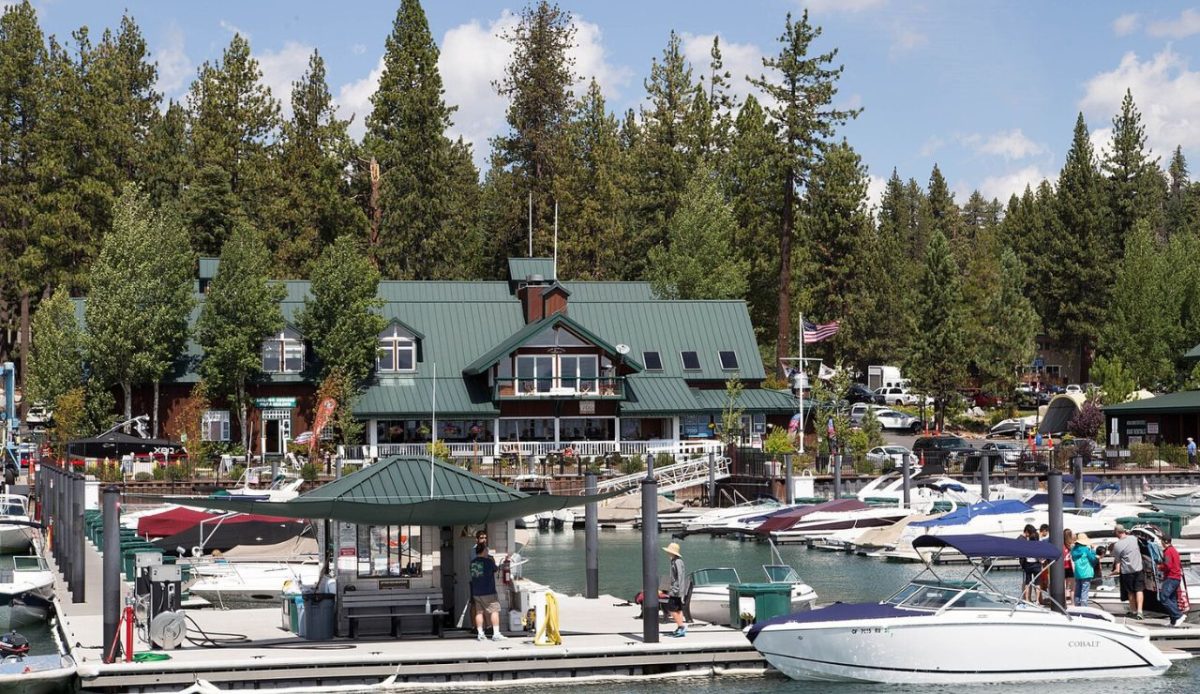
South Lake Tahoe’s beaches sit in a highly managed nearshore zone, where sediment movement and shoreline disturbance affect both recreation and water clarity.
Peer-reviewed and agency reports on Lake Tahoe’s “shorezone erosion” describe how waves, changing lake levels, and human shoreline modifications can mobilize sediments along the lake edge. Tahoe-focused guidance also notes boat use and other disturbances as factors that can contribute to erosion and nearshore impacts.
For visitors, the practical signal is maintenance: periodic beach replenishment, protected dune areas, and rules like no-wake zones in sensitive areas. Expect occasional roped-off sections during restoration work.
7. Page, Arizona
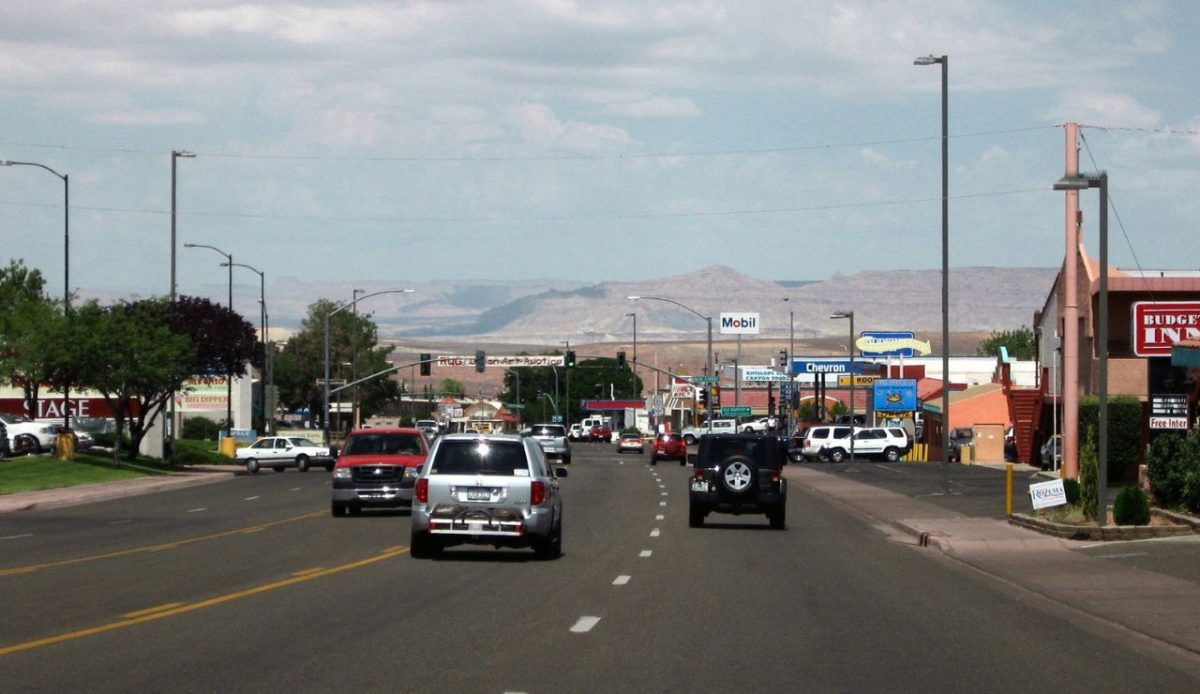
Page is the main gateway town for Lake Powell, where “shoreline loss” often means the waterline pulling back and leaving docks and ramps stranded.
Glen Canyon National Recreation Area updates have repeatedly warned that low water forces operational changes, including moving docks and closing or limiting launch ramps when depths drop. Reporting on the Colorado River Basin drought has also documented marinas left far from the receding reservoir edge.
Travelers should plan for longer walks to the water, shuttle changes, and fewer launch options. The lake can still be stunning, but access logistics can change quickly as levels rise or fall seasonally.
8. Boulder City, Nevada
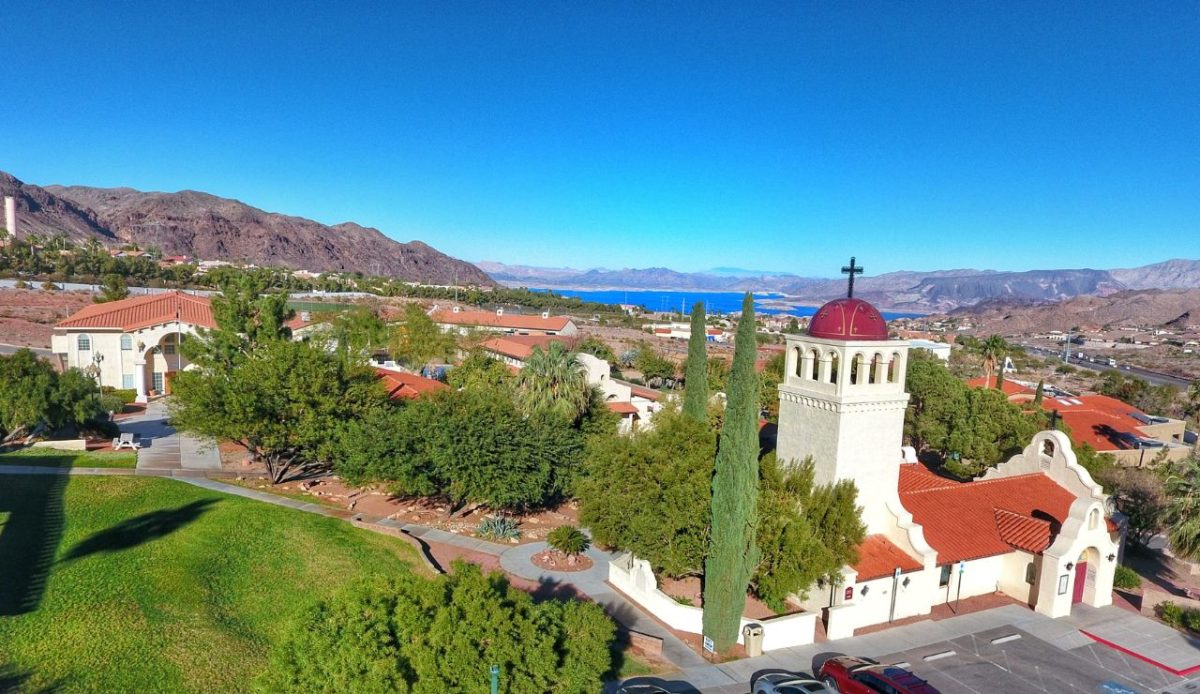
Boulder City is the closest town to several Lake Mead access points, and the reservoir’s long-term decline has reshaped how visitors reach the water.
National and local reporting has described abandoned launch areas and fewer workable ramps as the shoreline recedes. The National Park Service and local outlets have also warned that newly exposed shorelines create hazards and logistical issues as the lake edge moves away from built infrastructure.
For travelers, it can mean longer drives within the recreation area, steeper walks down to the water, and more frequent notices about ramp status. Check conditions before you assume last year’s route still works.
9. Osage Beach, Missouri
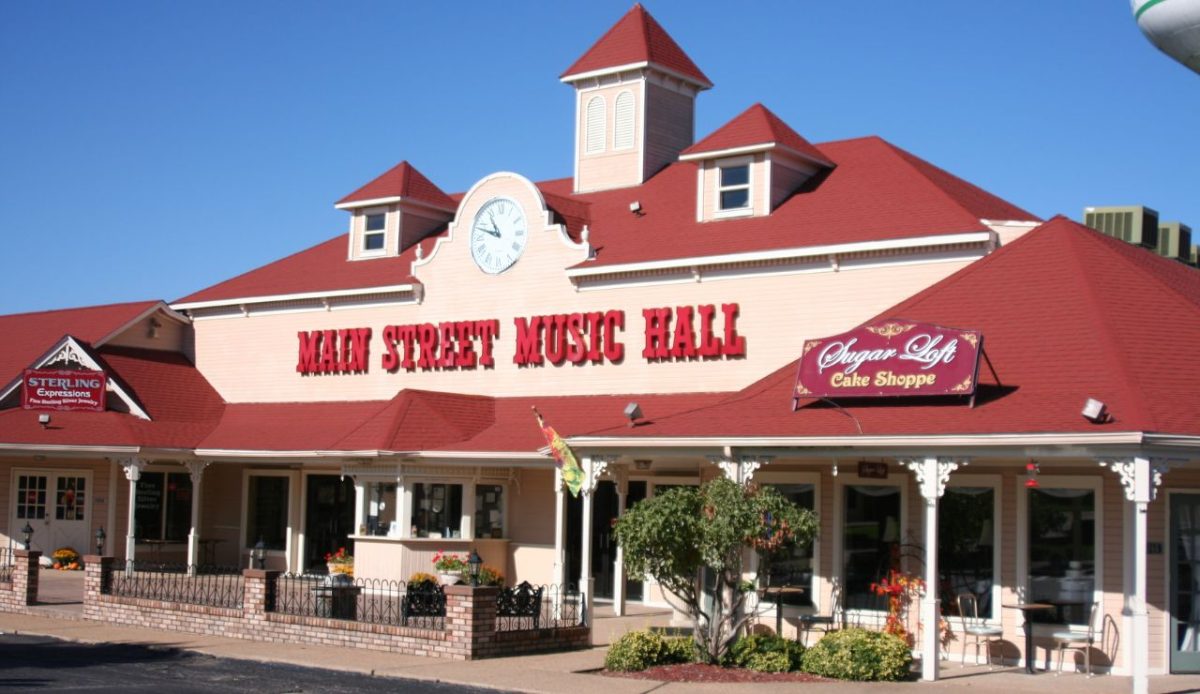
Osage Beach sits along Missouri’s Lake of the Ozarks, a reservoir with heavy boating and a highly developed shoreline.
Ameren’s shoreline management planning references Missouri DNR work that found increased boat activity can affect shoreline erosion in coves, even when broader water-quality impairment isn’t the primary issue. Separate lake-ecosystem reviews also summarize how large recreational wakes can accelerate erosion on inland lake shorelines.
For visitors, the “faster than expected” feel often shows up in cove-to-cove differences: one spot has stable docks, the next has fresh riprap and cut banks. Expect posted speed zones and more shoreline protection structures.
10. Oshkosh, Wisconsin
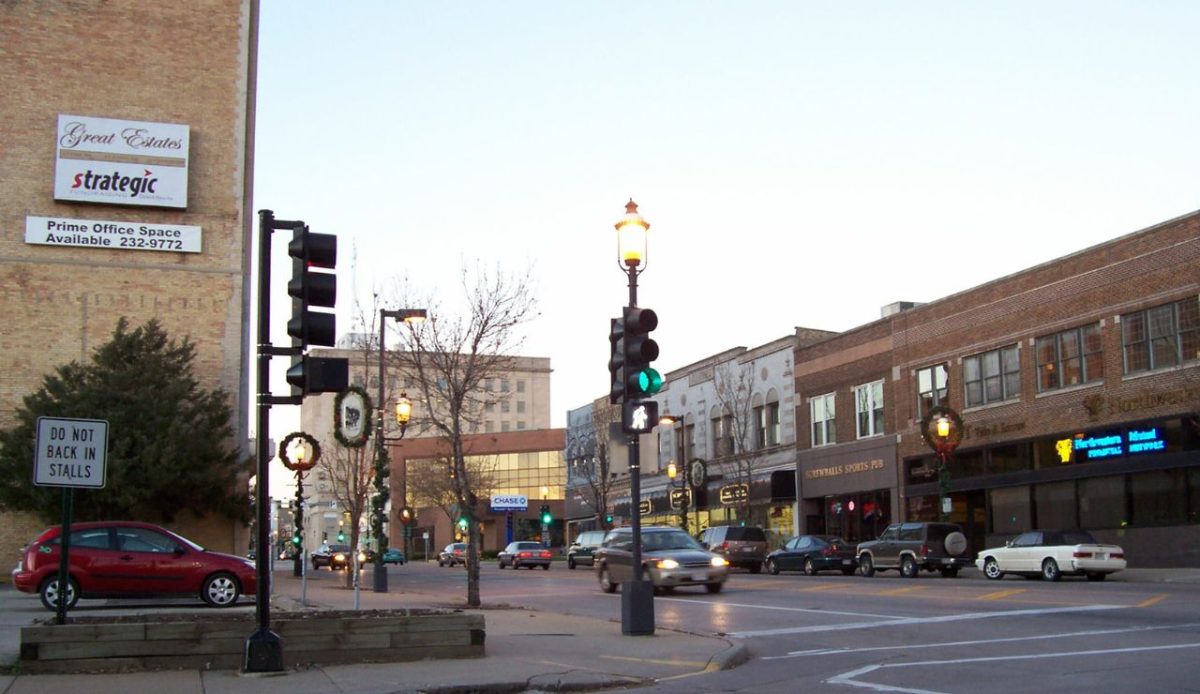
Oshkosh sits on Wisconsin’s Lake Winnebago system, where wind, waves, and ice can be rough on low-lying shorelines and wetlands.
Winnebago County notes that decades of high water levels combined with wind, wave, and ice erosion have destroyed tens of thousands of acres of shoreline wetlands. More recently, local reporting has highlighted large rock breakwall projects in the region aimed at protecting wetlands from being eaten away.
For travelers, that can mean boardwalk-style routes in sensitive areas, active construction near wetland edges, and more “stay on the trail” messaging. The upside is that restoration sites can be great for birding and calmer shoreline walks.
