
Impact fees are showing up in the fine print of U.S. trips, from beach reservations to short-term rental taxes. They’re usually small, but they’re designed to pay for the stuff tourism wears down: roads, parks, restrooms, trash pickup, and even housing programs.
This list highlights ten places where travelers may see a newer visitor-focused surcharge, assessment, or entry fee. Some apply at checkout on lodging, others when you reserve a time slot, park a car, or enter a protected area.
Before you book, scan the total price screen and local fee notes. Knowing what’s being charged, and why, helps you budget and avoid surprise add-ons at arrival.
1. Hawai‘i
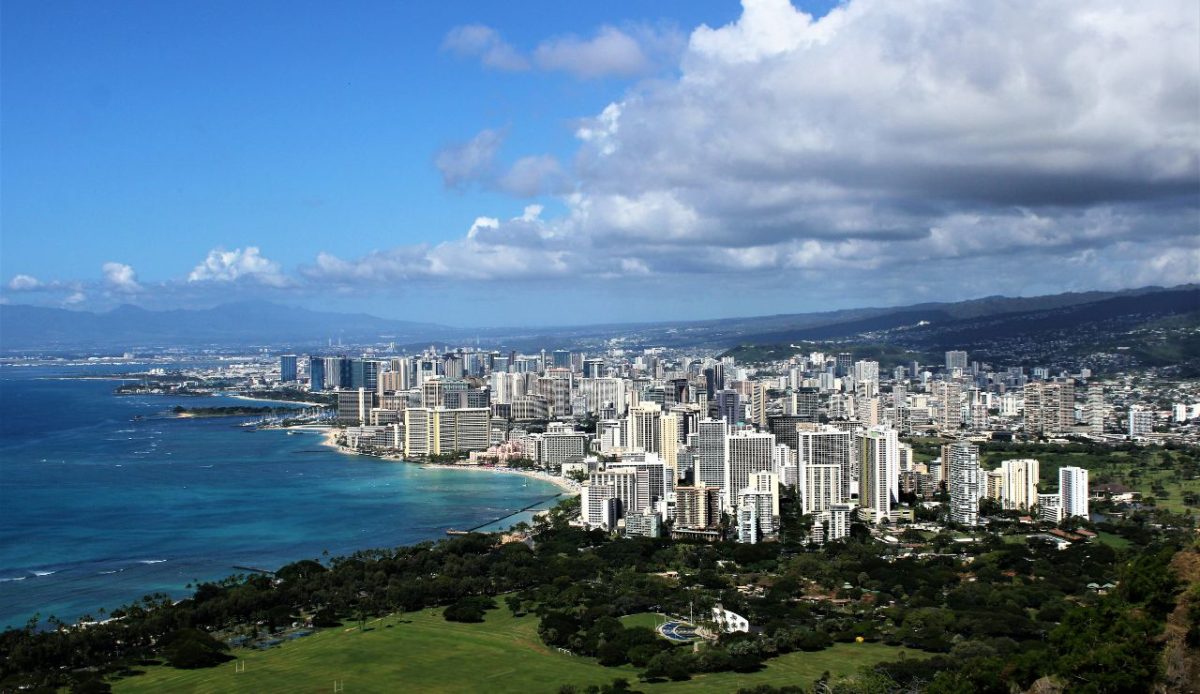
Hawai‘i has approved a statewide “Green Fee” that raises the tax on short-term accommodations to fund climate resilience and environmental work. The change adds a 0.75% increase on lodging such as hotels and vacation rentals, and it also applies the accommodations tax to cruise ship bills prorated by days in port.
For travelers, it shows up as a higher total lodging tax at checkout rather than a separate ticket. State leaders have framed the revenue for projects like shoreline repair, wildfire risk reduction, and other hardening efforts.
If you’re comparing islands or dates, look at the final “taxes and fees” line item, not just the nightly rate. On longer stays, even small percentage bumps become noticeable.
2. O‘ahu
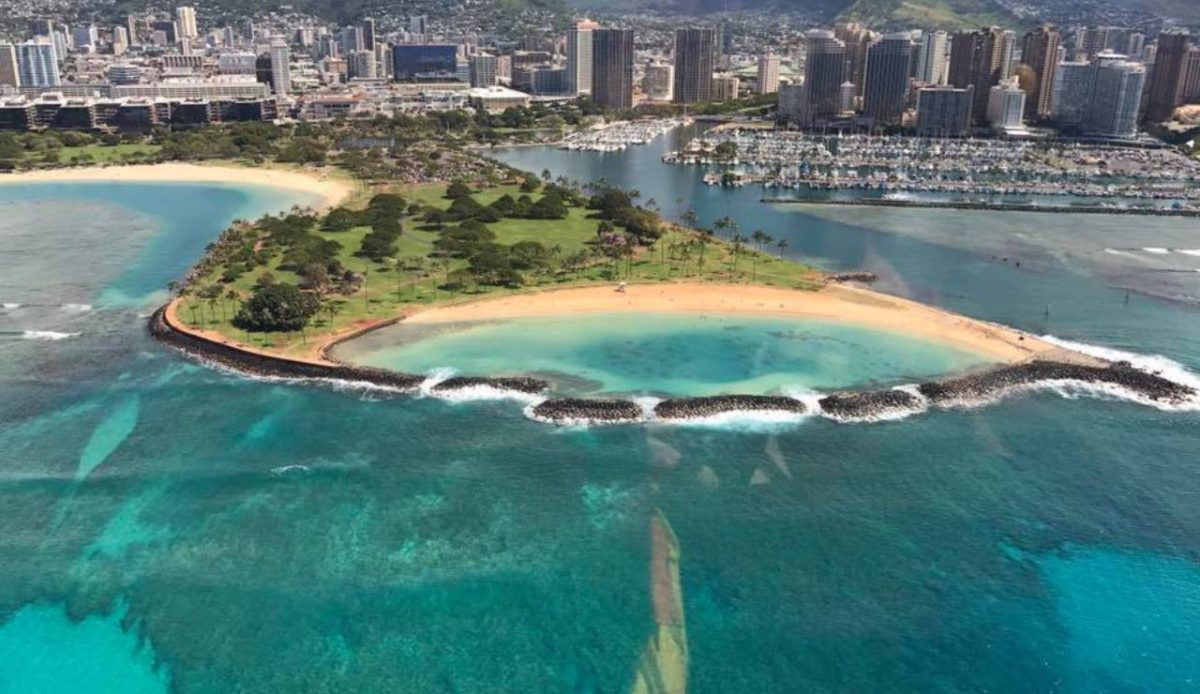
On O‘ahu, Honolulu’s city government has pointed to a new “O‘ahu Tourism Impact Fee” as a visitor-generated revenue source. Local leaders have discussed using that money to help pay for big infrastructure needs like wastewater system upgrades, easing pressure on resident ratepayers.
For visitors, this type of fee typically appears through hotel-related charges or other tourism channels rather than as a ticket booth payment. It’s the kind of line item many travelers miss because it blends into the total tax-and-fee bundle.
If you’re budgeting for Waikīkī or a resort stay, treat the published nightly rate as step one. The real number is the all-in total after taxes, assessments, and mandatory add-ons are applied.
3. Hanauma Bay Nature Preserve
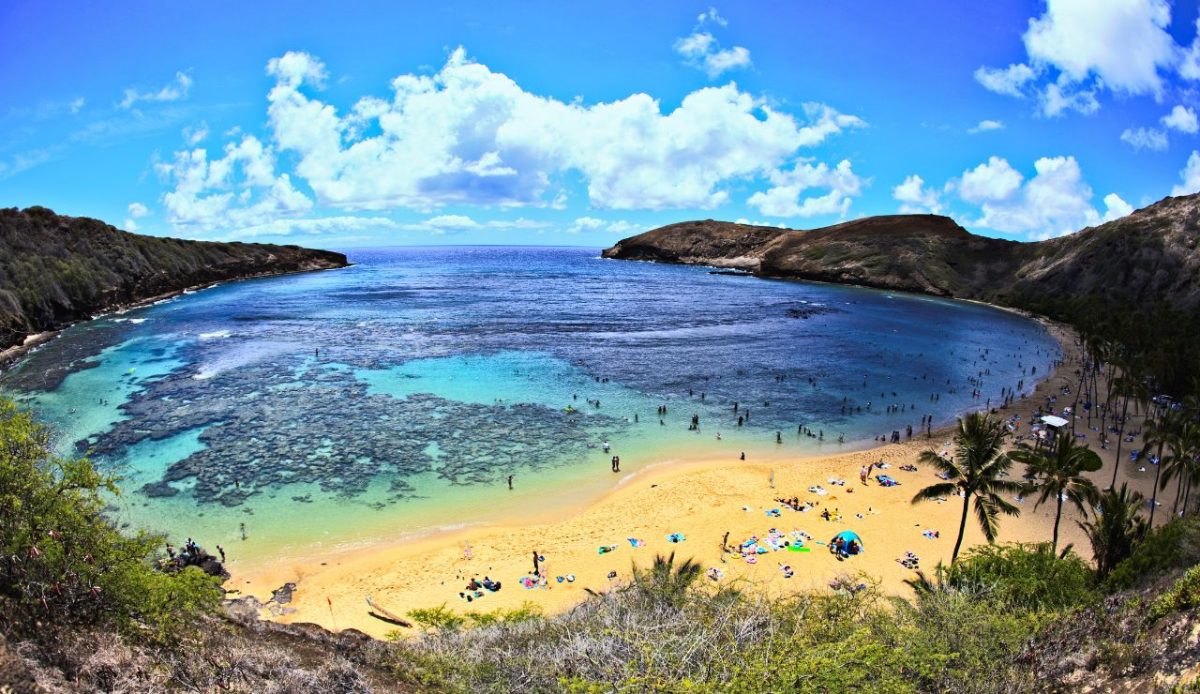
Hanauma Bay Nature Preserve on O‘ahu is a clear example of a visitor-specific impact charge tied to a fragile site. Non-Hawai‘i residents pay a $25 entry fee (plus an online fee), while Hawai‘i residents and children 12 and under are free under the city’s published rules.
Because the preserve uses reservations and capacity controls, the fee functions like both conservation funding and demand management. You’ll also see separate parking charges, which differ for residents and non-residents.
If Hanauma Bay is a must-do, book with the fee in mind and keep your confirmation handy. This is one of those destinations where the “site cost” matters almost as much as the snorkel gear.
4. Chicago, Illinois

Chicago’s visitor impact pricing shows up most clearly on short-term stays booked as vacation rentals or shared housing. The city’s finance department lists a separate surcharge for those stays: a 4% add-on on top of the base hotel accommodations tax rate.
That means the “city tax” portion on a vacation rental can be higher than what you’d see on a standard hotel room, even before county and state layers. Platforms often roll it into the taxes-and-fees section rather than calling it out loudly.
If you’re price-shopping neighborhoods, compare the full checkout totals across listings. Two places with the same nightly rate can land very differently once the surcharge and other taxes stack up.
5. Boston, Massachusetts

Boston has worked with Massachusetts’ short-term rental “community impact fee” option, which can add up to 3% on stays classified as professionally managed. City documents tied to the state STR tax framework describe this as an added local charge layered onto existing occupancy taxes.
Travelers are most likely to see it on multi-unit, investor-style rentals rather than an owner-occupied home share. Because the fee is collected through the broader lodging tax system, it often appears inside the general “taxes and fees” line.
If you’re visiting for conferences or peak weekends, assume the checkout total will run higher than the nightly rate suggests. A quick scan of the tax breakdown can reveal whether an impact fee is in the mix.
6. Provincetown, Massachusetts
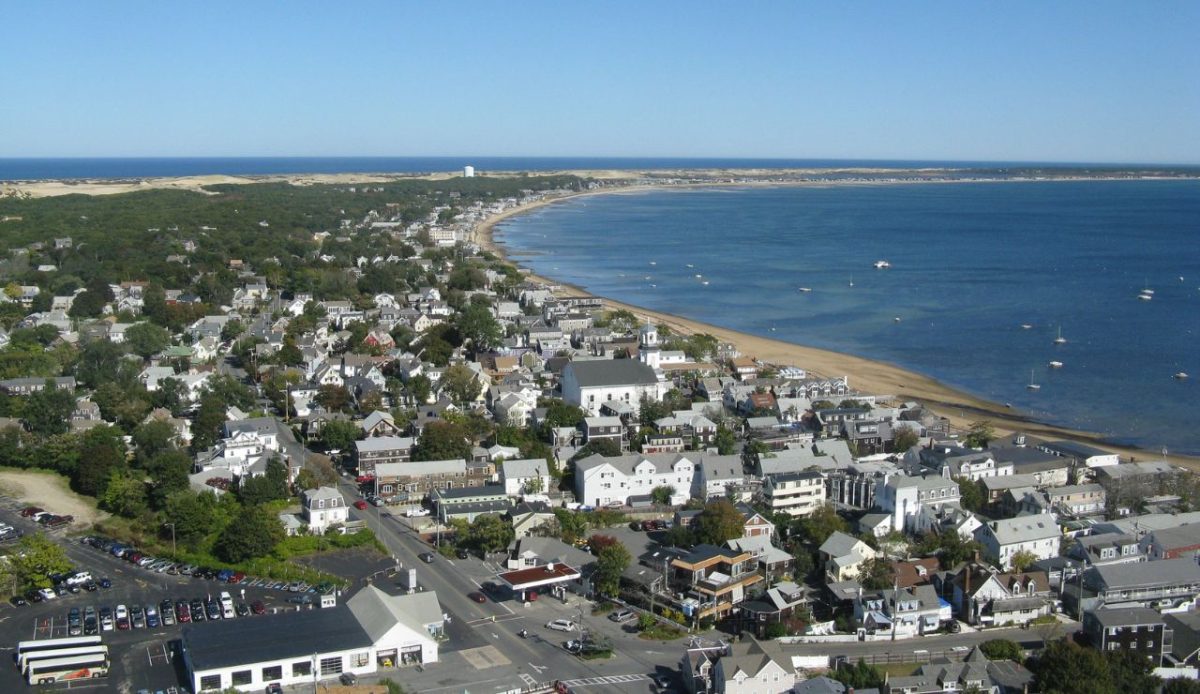
Provincetown, at the tip of Cape Cod, applies a community impact fee to certain short-term rentals on top of other occupancy taxes. The town states that, starting January 1, 2023, an additional 3% fee applies to rentals that meet Massachusetts’ definition of a “professionally-managed” unit.
That category generally captures operators with multiple units in town that aren’t owner-occupied, which is why some listings carry a higher tax load than others. It’s meant to help manage housing and service impacts tied to high-volume STR activity.
For travelers, compare listings by the final price, not the base rate. In a tight market, a few percentage points can be the difference between “within budget” and “nope.”
7. Nantucket, Massachusetts
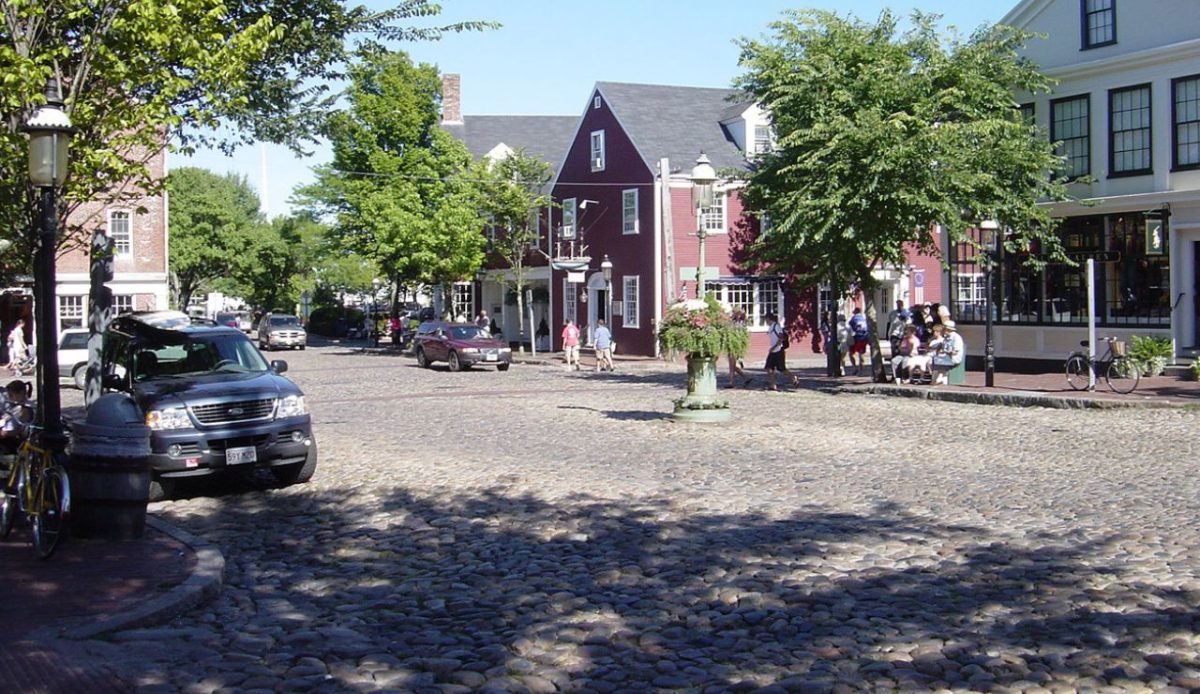
Nantucket’s short-term rental rules spell out a community impact fee that can change the final cost of a stay. The town explains the fee is up to 3% on certain short-term rentals, and it applies to operators with multiple units that are not in owner-occupied homes.
Nantucket notes its impact-fee changes were adopted by town vote and that qualifying rentals after October 1, 2024 must be collected through the state system. Its published fee schedule lists the 3% impact fee alongside state and local occupancy excise.
If you’re booking shoulder season, don’t assume taxes are “lighter.” These fees follow the unit and operator rules, not the month you travel, so two similar homes can total out differently.
8. Plymouth, Massachusetts
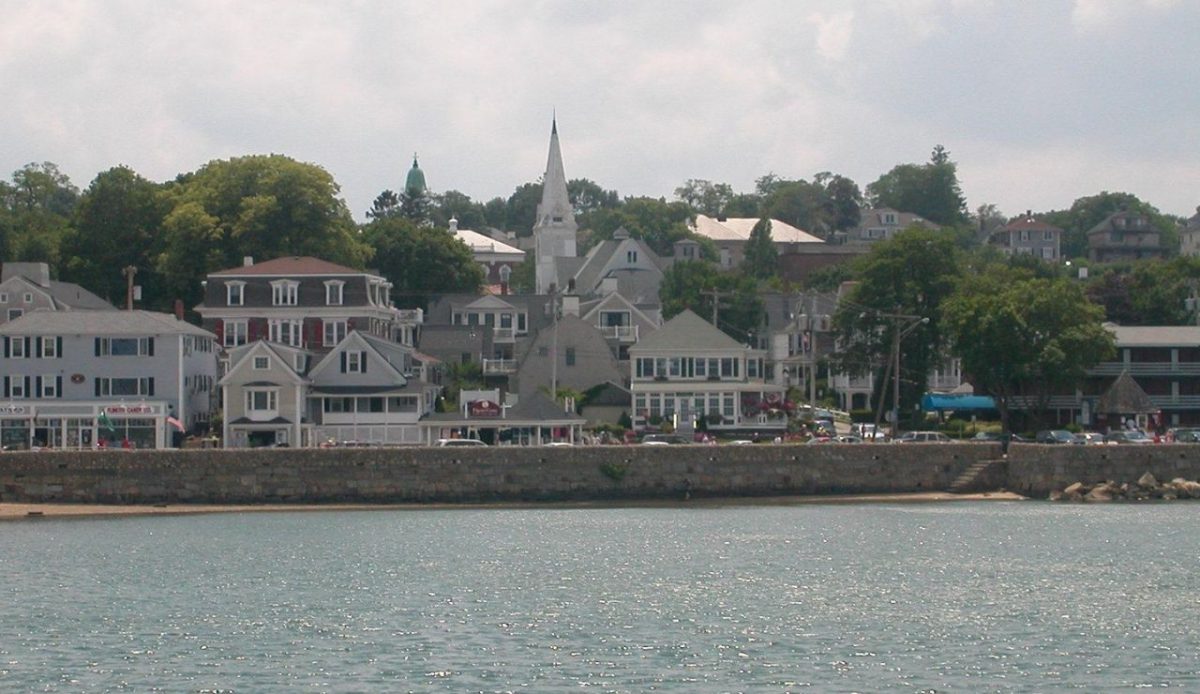
Plymouth, Massachusetts, flags the state’s community impact fee as something short-term rental guests may see on their bill. The town explains that, starting July 1, 2019, Massachusetts allowed cities and towns to charge an additional fee of up to 3% on certain short-term rentals.
The policy targets situations such as operators running more than one rental in the same locality, which is why one listing might carry the add-on while another doesn’t. It’s collected through the lodging tax process, so it often appears inside the total tax line.
If you’re booking a weekend around the waterfront or historic sites, check the tax details before you hit pay. Extra fees add up fast when cleaning and parking are also in play.
9. Truckee, California

Truckee, California, uses a Tourism Business Improvement District (TTBID), an assessment program created by local lodging businesses and governed by a district plan. District reports explain the assessment revenue is restricted to activities that provide a special benefit to assessed properties, and the charge is commonly passed through to visitors.
For travelers, it may appear as a separate destination assessment on top of standard lodging taxes. Because it isn’t labeled like a normal tax, it’s easy to miss until you reach the final payment screen.
If you’re planning a ski weekend or summer getaway, treat the checkout total as the real price. The nightly rate is just the opener; the district assessment is part of staying in town.
10. North Lake Tahoe, California
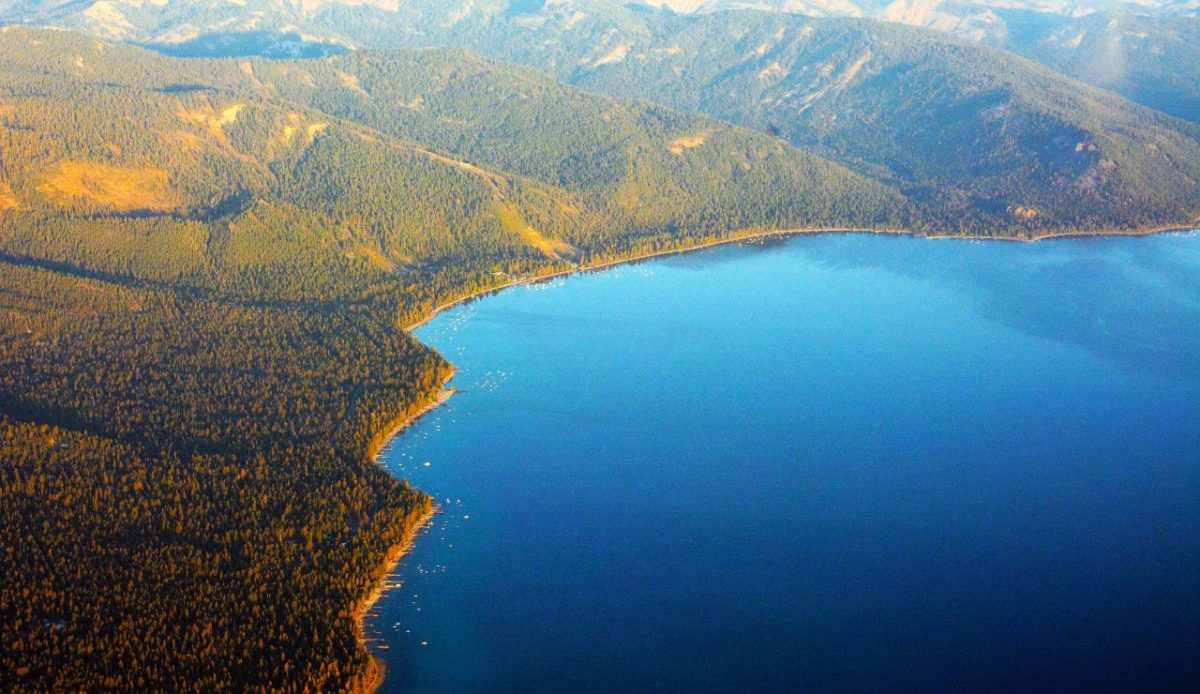
In North Lake Tahoe, tourism funding can show up as a TBID assessment that’s often passed on to customers at the point of sale. The North Tahoe Community Alliance explains that the TBID is an assessment on tourism-related businesses, and that lodging carries a 2% assessment in many areas.
Unlike a blanket tax, TBID assessments are designed to provide a defined benefit to assessed businesses, and spending is typically restricted to allowed purposes. For visitors, the practical effect is simple: the nightly total goes up.
If you’re splitting time between different Tahoe bases, compare the all-in lodging totals across towns and resorts. Different assessment setups can mean the same room rate lands with a different bottom line.
