
Some cities feel different when people return after years away. Streets that once invited wandering can start to feel scripted, with familiar chains and paid experiences replacing small surprises. The complaint is about the atmosphere, not the skyline.
Visitor districts are often rebuilt for high turnover. Short-term rentals can reduce year-round neighbors, and packed event calendars can crowd out everyday routines. When long-running spots close, repeat guests notice because their map no longer matches.
This article covers ten places named in traveler discussions for that kind of change. Each section ties the feeling to a driver, such as tourism concentration, pricing systems, and neighborhood churn. The aim is clarity, not ranking.
1. San Francisco, California
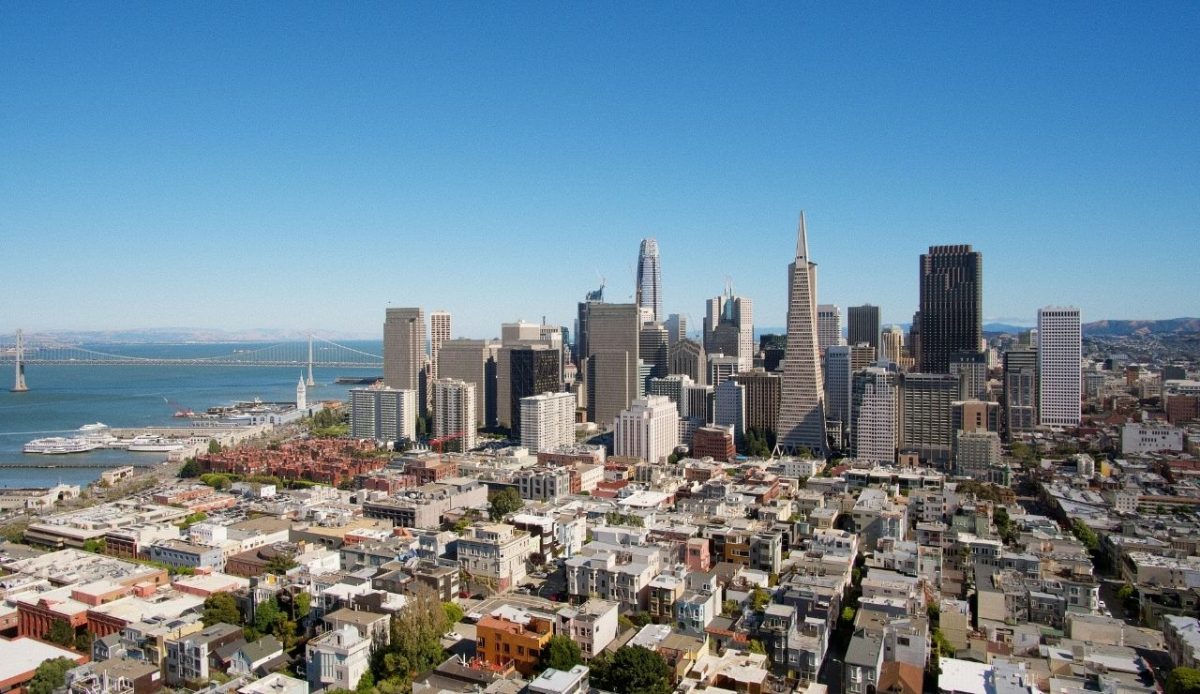
Repeat visitors often point to the post-boom cost spiral. As housing and commercial rents rose, many small venues and late-night cafés were priced out, which narrowed the kinds of casual encounters that once defined a visit beyond tourist stops.
Tourism has also been funneled into a few safe-feeling corridors. When a trip is routed through the same waterfront, market, and curated blocks, it can seem less textured. A more standardized retail mix is noticed quickly by returning travelers.
The result is described as emotional flattening. Museums, views, and food remain, yet a sense of local friction is missed. In many accounts, the change is often tied to displacement and to fewer independent anchors near transit.
2. New Orleans, Louisiana
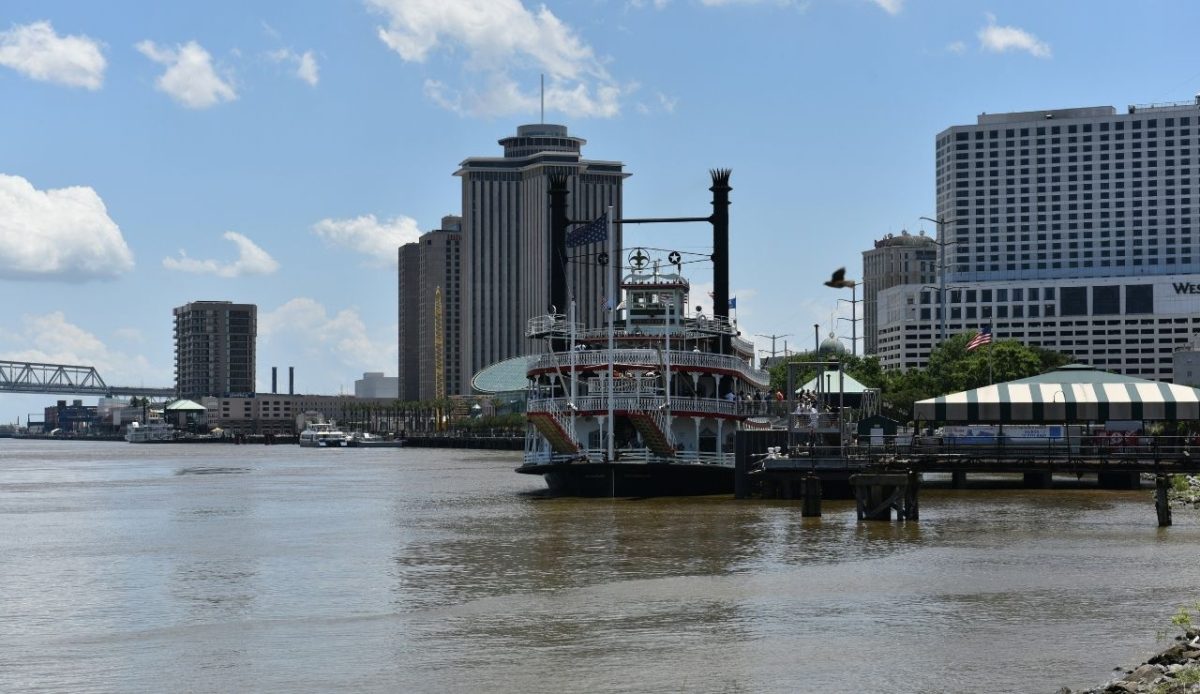
Travelers who return regularly often describe a tighter visitor script. Bourbon Street and nearby blocks absorb a larger share of attention, while everyday cultural scenes can be harder to reach without local ties or careful planning.
Short-term rentals have been tied to neighborhood turnover in many U.S. cities, and New Orleans is frequently cited in that debate. When homes shift to weekend occupancy, the street-level pattern changes, and the visitor experience can feel staged.
Commercial pressures also affect music and food. Cover charges, ticketed shows, and branded tours can replace open-ended discovery. In traveler discussions, the city is still loved, but a thicker layer of transaction is said to sit on top.
3. Austin, Texas
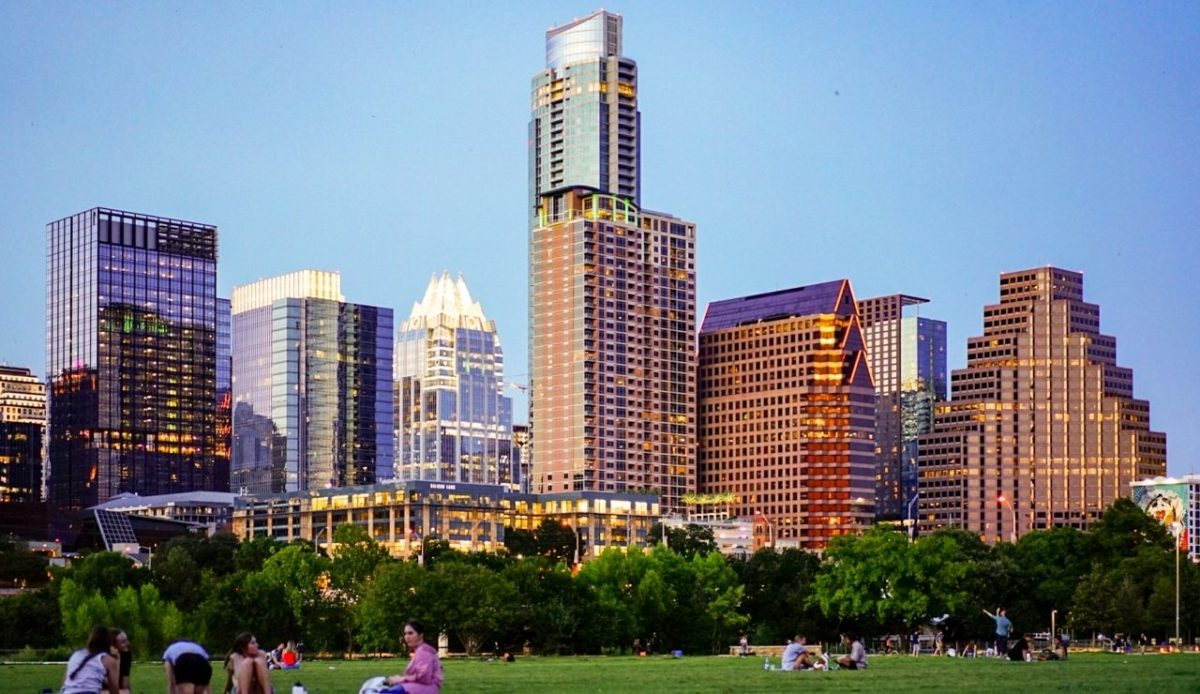
Many repeat guests describe Austin as more corporate than quirky. Rapid job growth brought new towers, higher rents, and a shift in which venues can survive, so long-running music rooms and low-cost hangouts have been squeezed.
Big festivals remain a draw, yet they can concentrate crowds into predictable zones and time windows. When restaurants and bars are built for that surge, the off-night feel can be diluted, and visitors can sense a city tuned for throughput.
Traveler talk often centers on sameness. Breweries and polished patios still deliver fun, but the old draw of stumbling into something odd is said to be rarer. The shift is often tied to land prices and to turnover in staff and owners.
4. Las Vegas, Nevada
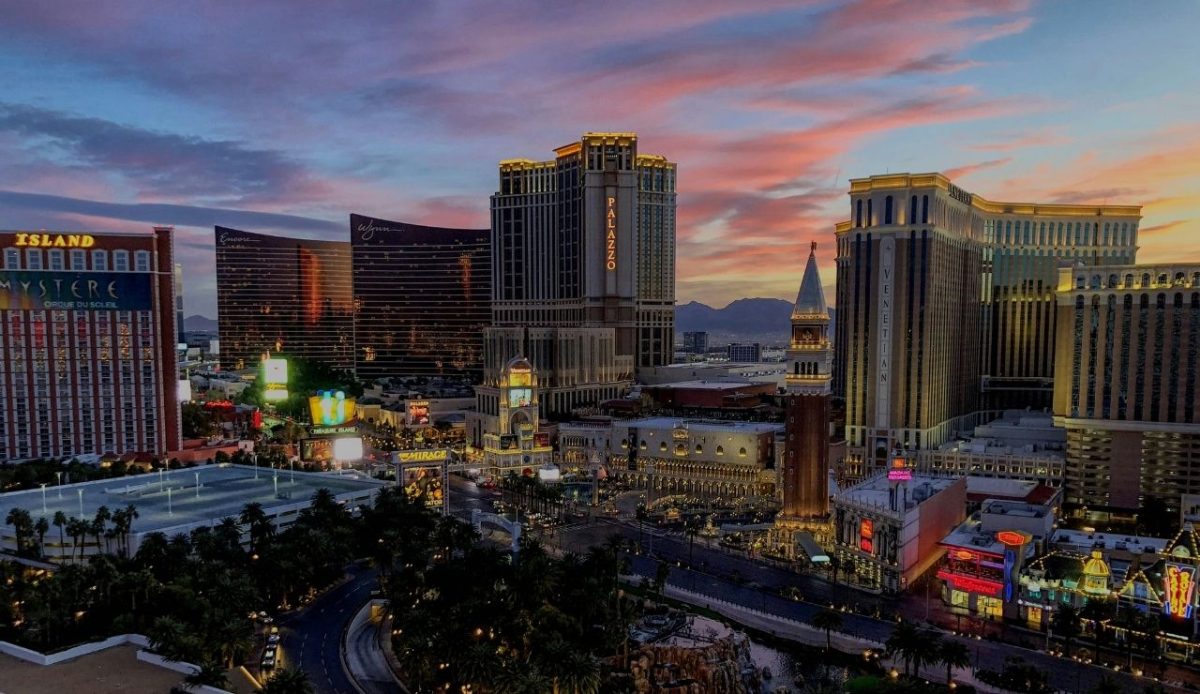
Returning visitors often cite how pricing systems now frame the trip. Resort fees, paid parking, and app-based upsells can make a stay feel less like a bargain playground and more like a managed product with many small charges.
Ownership consolidation along the Strip has also been noticed. When similar brands control large stretches of casinos, themes can blur, and entertainment can follow repeatable formulas. Many guests report that properties feel more alike from trip to trip.
Tourism is still the engine, yet the mood shifts. Free spectacles and informal wandering have been reduced in some areas, while premium experiences have expanded. In traveler accounts, that rebalancing helps the city feel less unique.
5. Nashville, Tennessee
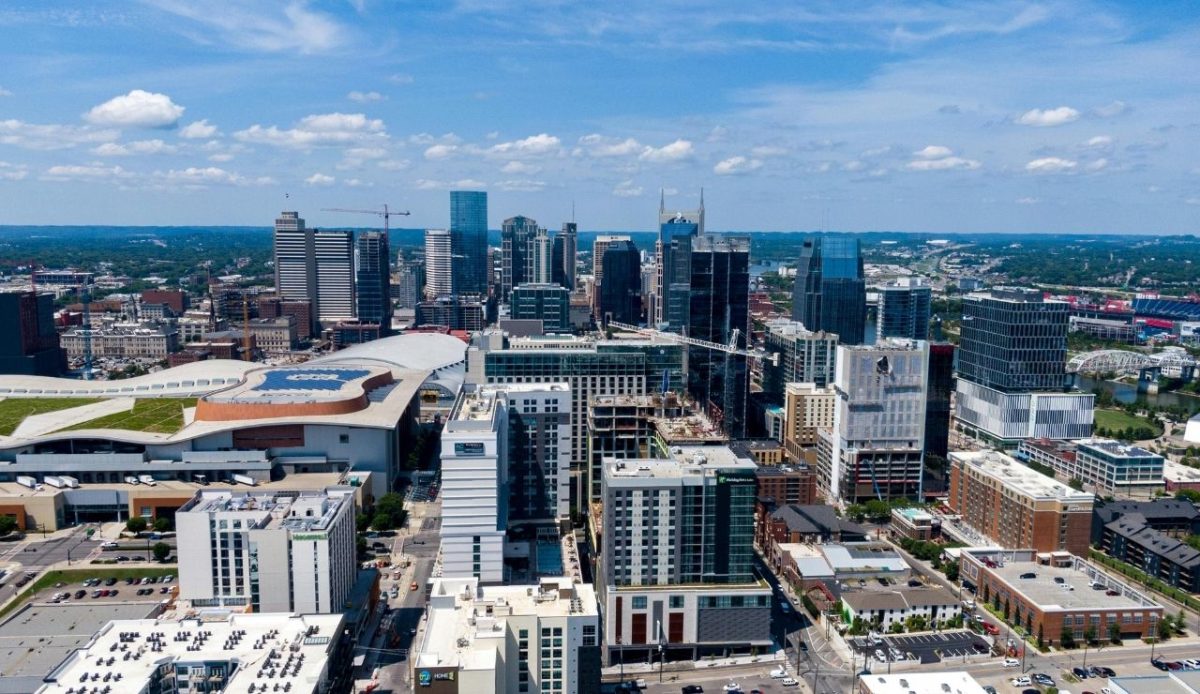
Many travelers contrast earlier trips with today’s party-centered core. Broadway bars, pedal taverns, and group weekends dominate the soundscape, so it can seem like a single themed district instead of a set of neighborhoods with variety.
Tourism demand supports high revenue concepts, which can push out smaller music rooms and locally run diners near downtown. When the business mix changes, the visitor is steered toward the same stops, and the sense of discovery can drop.
Repeat guests often say the issue is volume and targeting. The city still has studios, venues, and history, but the public face is marketed for quick celebration. In discussions, the marketing focus is blamed for a thinner local feel.
6. Portland, Oregon
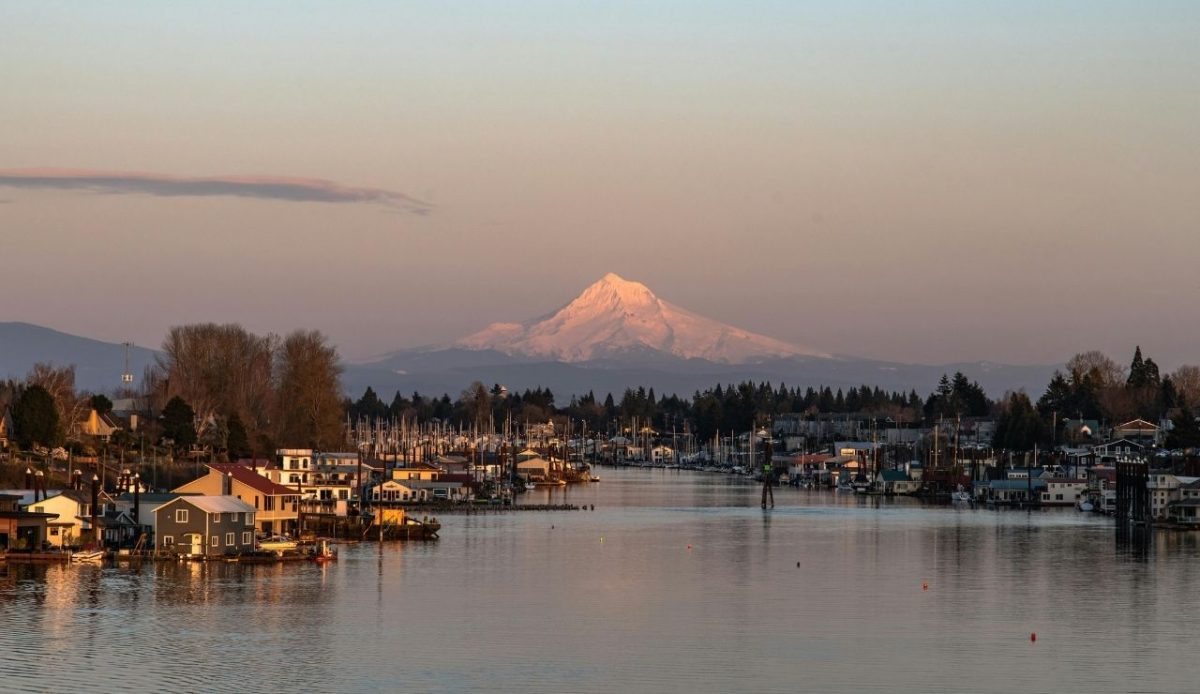
Portland is often remembered for walkable streets, indie shops, and a calm, creative edge. Visitors returning after several years sometimes describe a less cohesive street scene, with more closures and a reduced sense of easy wandering.
Public safety perception plays a role in travel choices, and it can redirect foot traffic into fewer corridors. When visitors cluster in a small set of blocks, it can appear smaller and more repetitive, even if many districts remain active.
Traveler commentary also notes shifts in retail and dining. Pop-ups and short leases can raise turnover, so favorite spots disappear between visits. Parks and food culture remain, yet the day-to-day texture is said to feel thinner.
7. New York City, New York
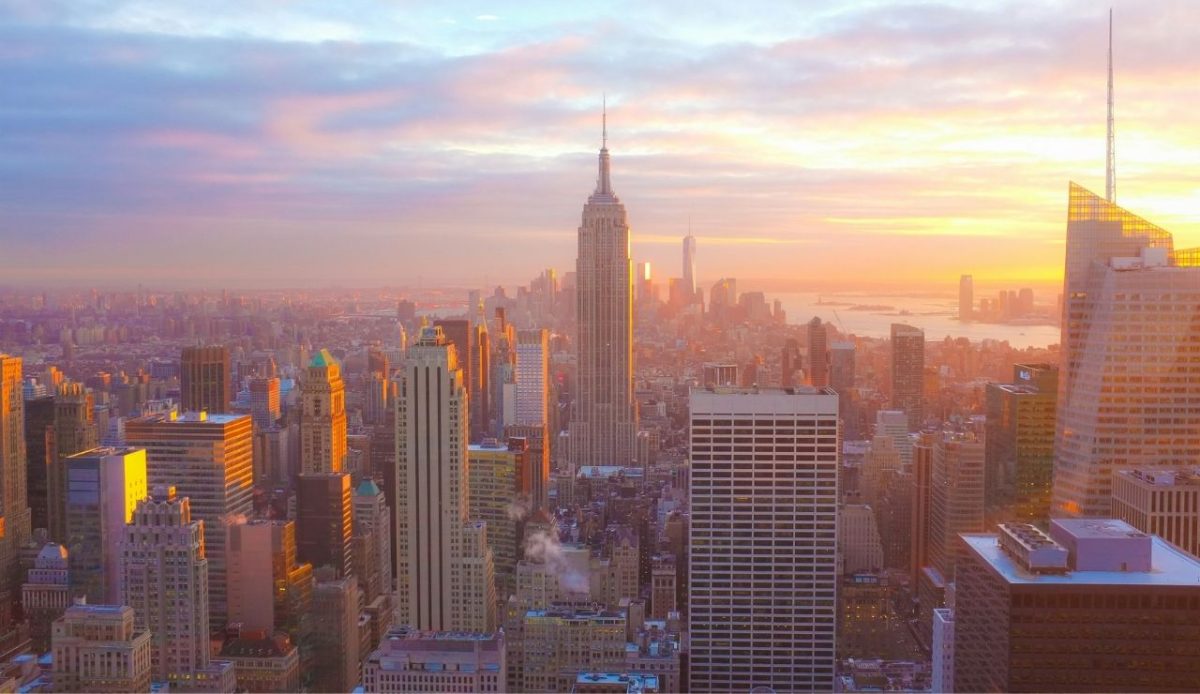
Repeat visitors often say New York feels more expensive and more branded. High commercial rents can favor national chains, so blocks that once had niche storefronts may present a familiar lineup that looks like other big cities.
Crowd management also changes the experience. Timed entry, reservation culture, and social media-driven queues can turn casual plans into logistics. When movement is planned around access windows, it can feel less spontaneous on a short trip.
Many travelers still find neighborhood personality, but it can require more effort. The claim of lost souls usually points to the Midtown and Lower Manhattan visitor belt, where standard retail and packed sidewalks dominate. Outside that belt, variety remains.
8. Honolulu, Hawaii
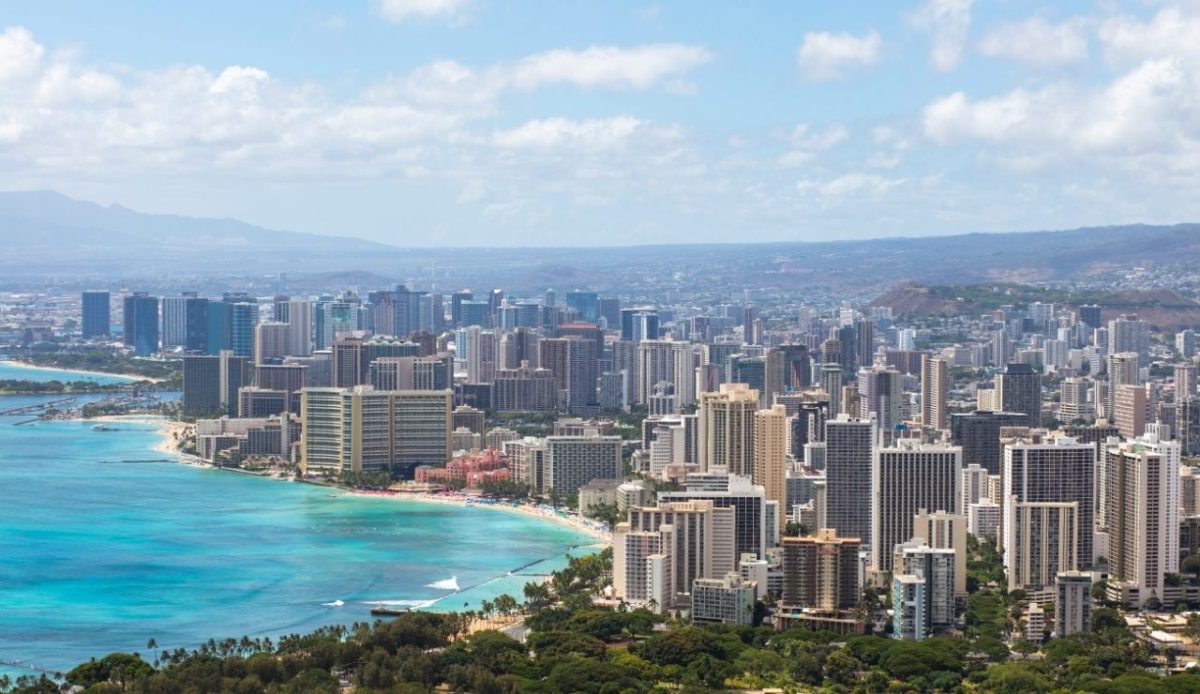
Travelers who revisit Honolulu often focus on Waikiki, where the visitor economy is concentrated. Large hotels, branded retail, and tour desks can create a bubble that feels similar across trips, even when the wider island remains diverse.
Crowding alters basic routines. Beach access points, sidewalks, and restaurants near the core can be saturated during peak seasons, which limits the relaxed pace many expect. When the same congestion is met each time, the city is judged as less personal.
Some visitors say local culture is still present but less visible in the main corridor. Hula shows, luaus, and shopping plazas can be packaged for quick consumption. In traveler discussions, that packaging can make the experience feel less rooted.
9. Key West, Florida
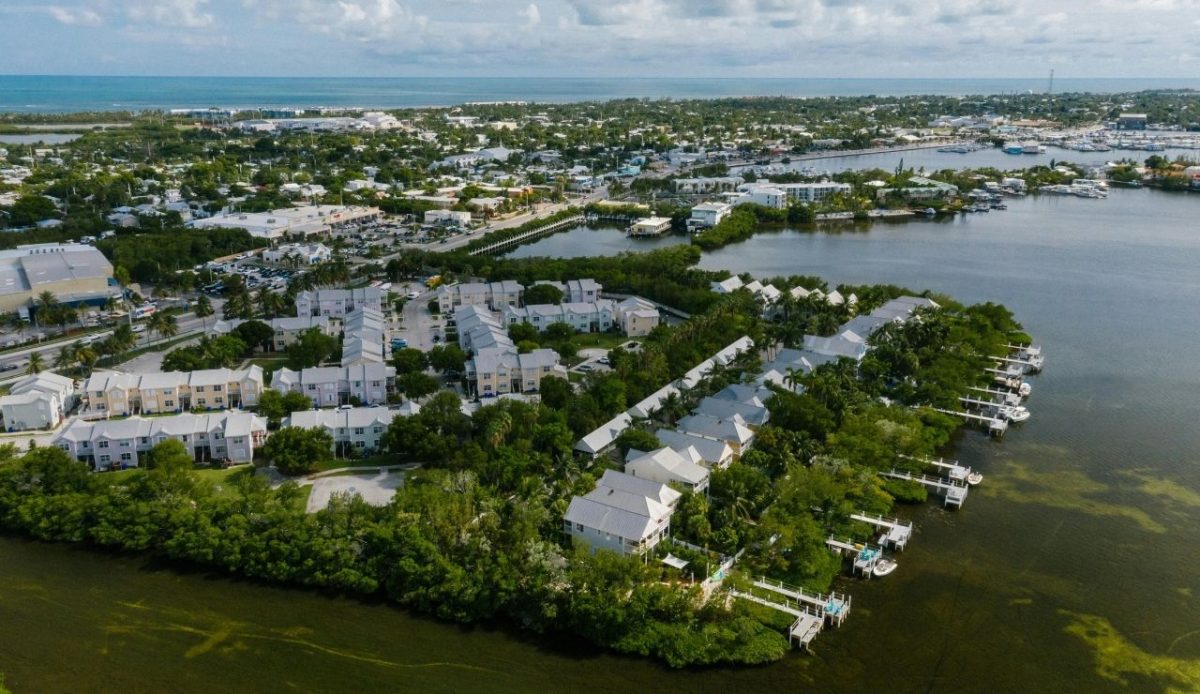
Repeat visitors often remember Key West as slower and more local. Recent trips are described as busier, with day trip peaks that pack Duval Street and compress the feeling of space, especially when cruise schedules bring large surges at once.
Retail has shifted toward souvenirs and quick service concepts in the most traveled blocks. When the same T-shirts and generic bars dominate the walk, a visit can feel less distinctive, and returning guests report fewer quiet corners to linger.
The island still has history and neighborhood streets, but the visitor flow tends to concentrate near the port and the main strip. In many traveler notes, the concentration shifts the mood from laid back to transactional.
10. Bozeman, Montana
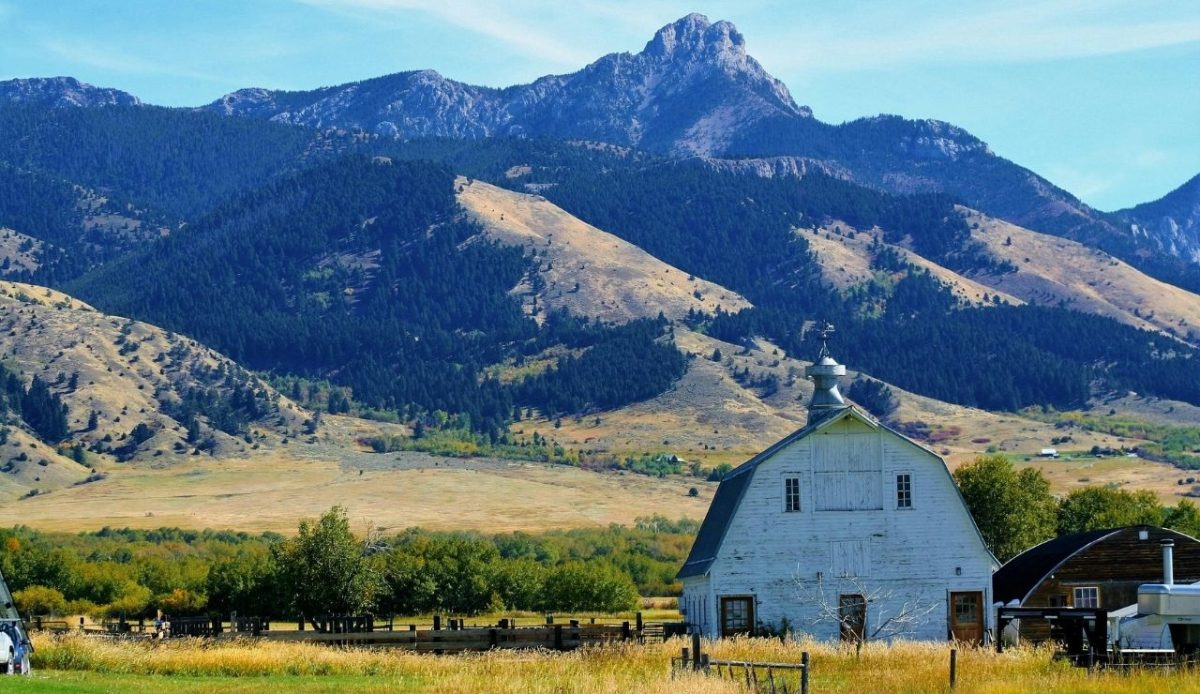
Bozeman is often visited as a gateway to outdoor trips, and repeat guests sometimes describe a sharper upscale tilt than before. Higher lodging rates and boutique development can alter what downtown looks like and which businesses can survive.
Destination marketing for skiing, fishing, and national park access has boosted visitor demand. When second homes and short-term rentals rise, seasonal swings become stronger, and the town center can feel oriented toward visitors rather than residents.
Travelers still praise access to trails and scenery, yet some say the core feels more curated. The complaint is not aimed at growth itself. It is about losing the small-town looseness that once made a stopover feel intimate.
