
Airport terminals in the United States are often planned as retail spaces that also move people to gates. After screening, routes, sightlines, and pauses are shaped so travelers spend more time near places that sell food, drinks, and goods.
This topic covers design cues that nudge purchases without direct selling. Examples include forced paths through concession halls, scarce free seating, and layouts that delay clear gate direction until shoppers have passed.
The airports below are selected for strong evidence of these mechanisms in their post security areas. Each section explains how circulation and amenity placement can make spending feel like part of the trip.
1. Los Angeles International Airport Tom Bradley Terminal
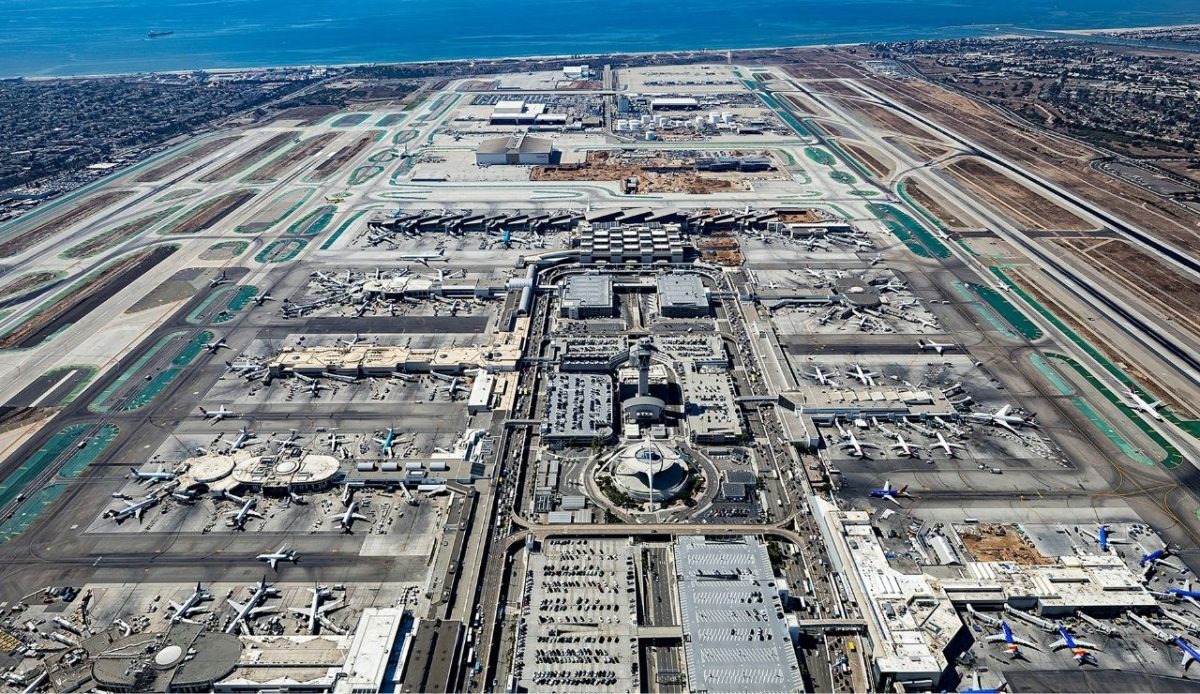
At Tom Bradley International Terminal, most passengers exit screening into a wide interior hall that anchors the airside plan. Shops and restaurants line the first steps of the walk, while clear gate cues come later along branching corridors.
The hall invites lingering because seating is clustered near dining fronts and bar counters. When flights stack up, waiting often happens in paid spaces since standalone benches are limited and tend to fill quickly.
Curved circulation and repeated storefront views keep attention on purchases during the longest part of the dwell period. Travelers commonly report that even a short transfer feels routed through a mall before boarding.
2. Newark Liberty International Airport Terminal A
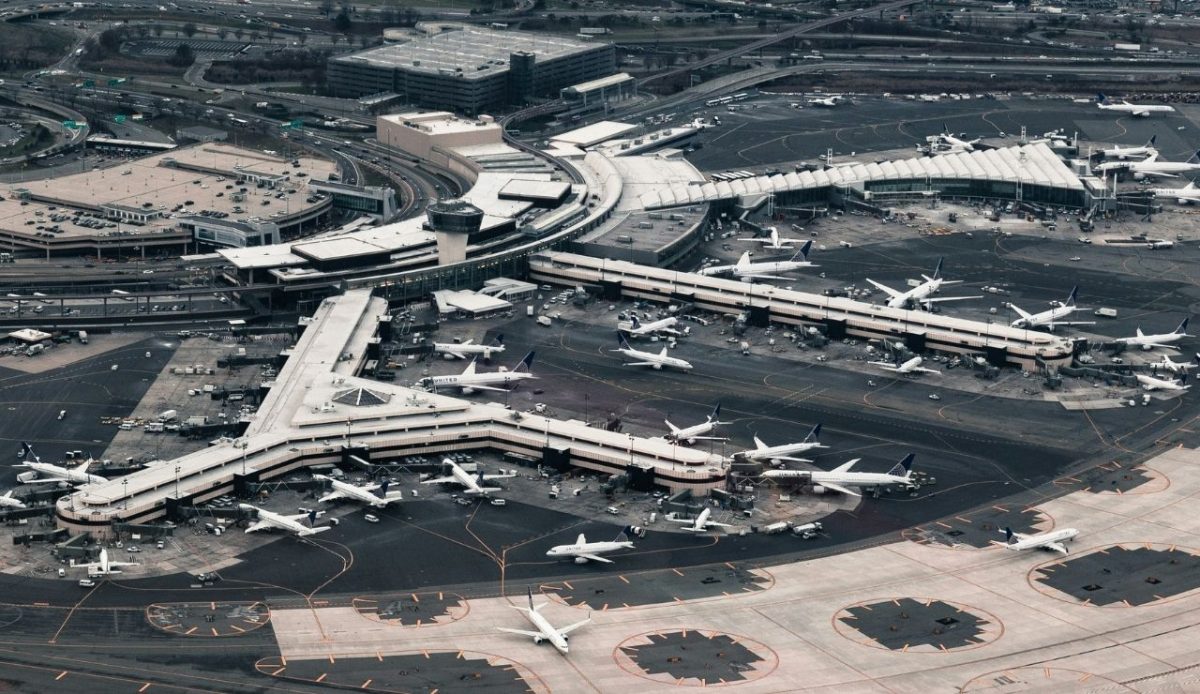
Newark Terminal A uses a central post-security marketplace where several concourses connect. Regardless of gate, the first airside space is a dense cluster of dining and retail that sits between screening exits and the main walkways.
Because routes converge there, foot traffic slows near entrances and menus, extending exposure time. Signage for gates competes with concession branding, so the quickest path is not always the most obvious one.
Comfort is also tied to purchases since many seats are attached to eateries rather than open waiting zones. Many travelers report that purchases become the default pastime while they hunt for their gate.
3. LaGuardia Airport Terminal B
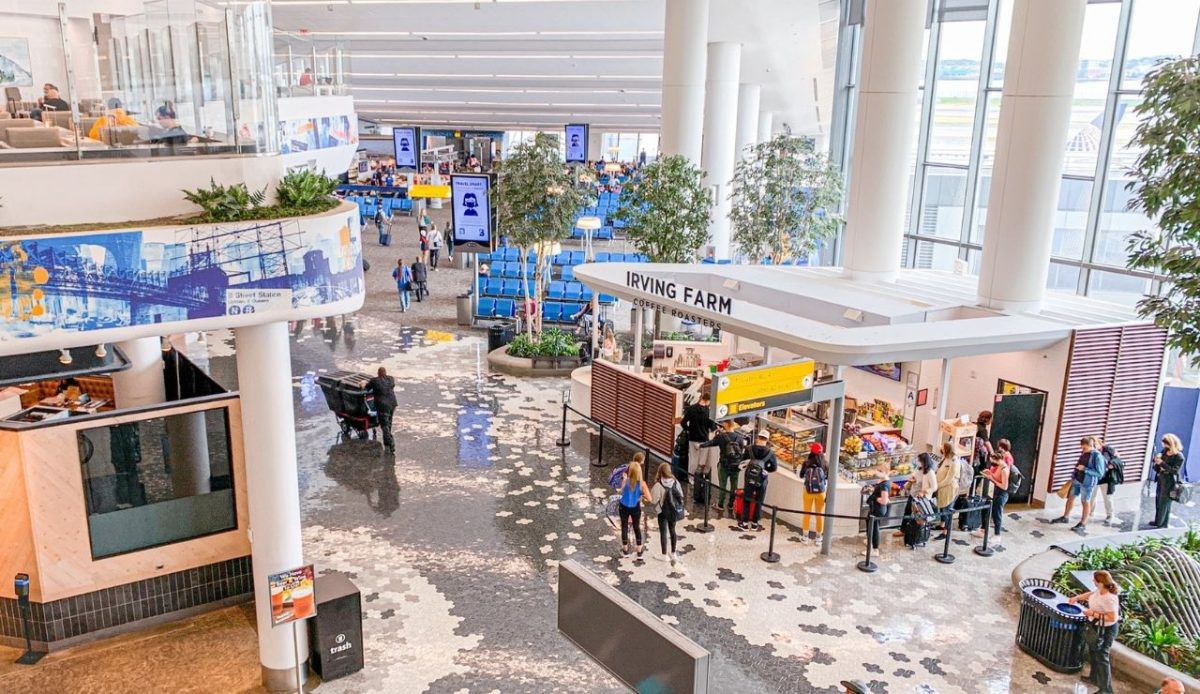
LaGuardia Terminal B guides passengers from screening into a central departures hall framed by concessions. Gate corridors branch from this hub, so most people pass storefronts before they reach quieter boarding areas, even on short walks.
Walking lines bend around retail islands instead of running straight to piers. That adds small delays that become meaningful during peak hours, especially when crowds gather at popular food counters near the center.
Free seating exists but is scattered and often surrounded by paid options. Power outlets and tables are concentrated inside restaurants, so waiting can shift toward buying a drink or snack for basic comfort.
4. Denver International Airport Great Hall
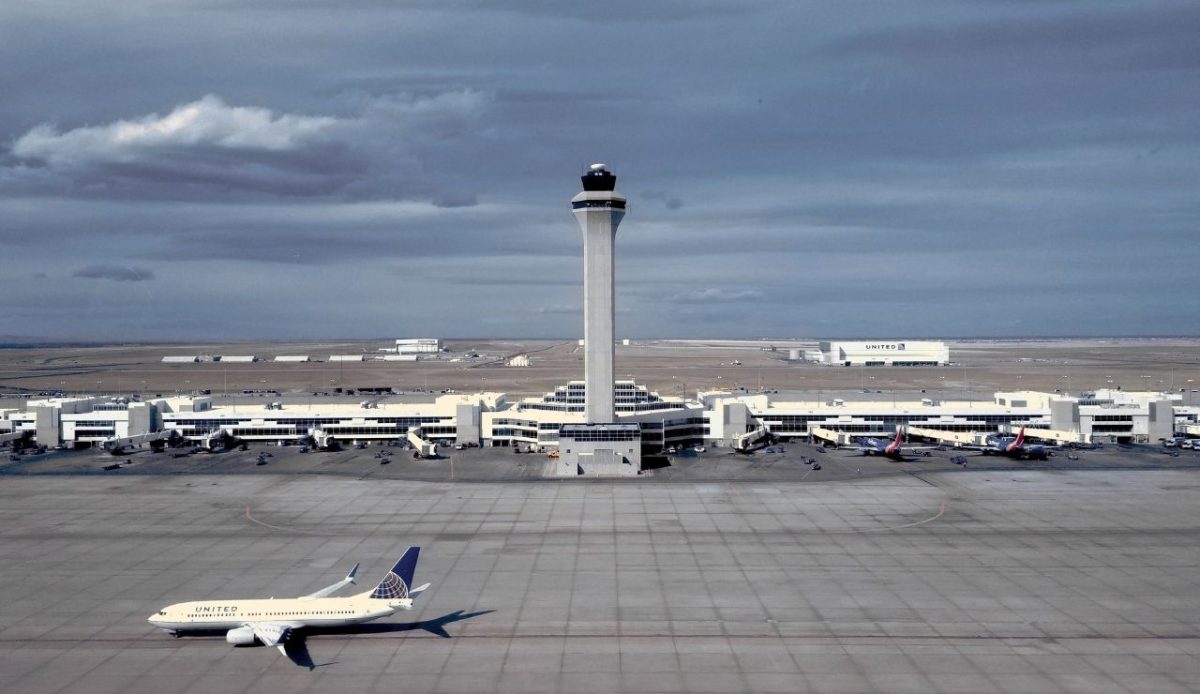
Denver International Airport’s Great Hall places concessions along the main line between screening and the train platforms. After bags and belts are collected, travelers walk directly into food counters and retail displays before reaching the escalators.
Since the hall is also a transfer choke point, even people rushing to connect are slowed by queues and cross traffic. The resulting dwell time happens in front of menus, bars, and impulse items near the center.
Neutral seating is limited in the immediate flow zone, so many wait beside paid venues while monitoring train timing. Travelers say the redesign turns a necessary circulation space into a spending corridor.
5. Harry Reid International Airport, Las Vegas
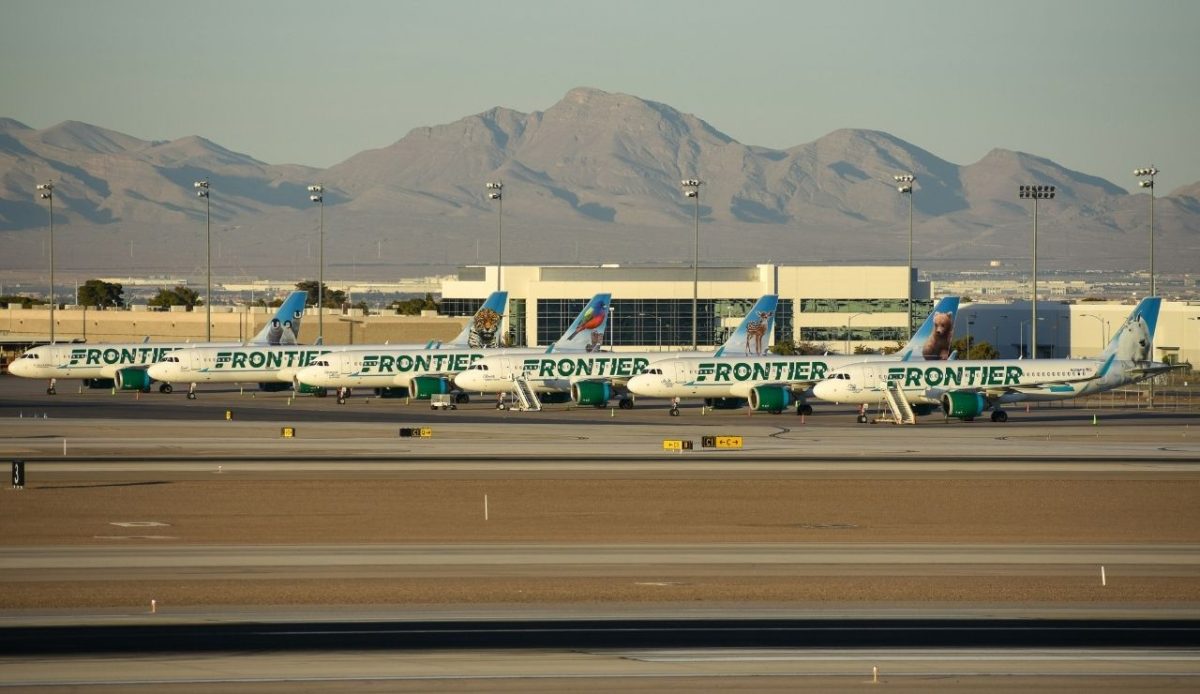
Harry Reid International Airport blends gaming into the terminal environment by placing slot machines in corridors and near gate seating. The machines are positioned where people naturally pause, not in a separate room that can be bypassed.
During delays, the nearest activity is often a paid one, and the visual noise draws attention. Because machines sit beside chairs and along walkways, exposure is continuous even for travelers who never intend to play.
This setup monetizes idle minutes in a way that feels built into the architecture. Travelers frequently say the airport turns waiting into an invitation to spend, long before they see their boarding area.
6. Orlando International Airport
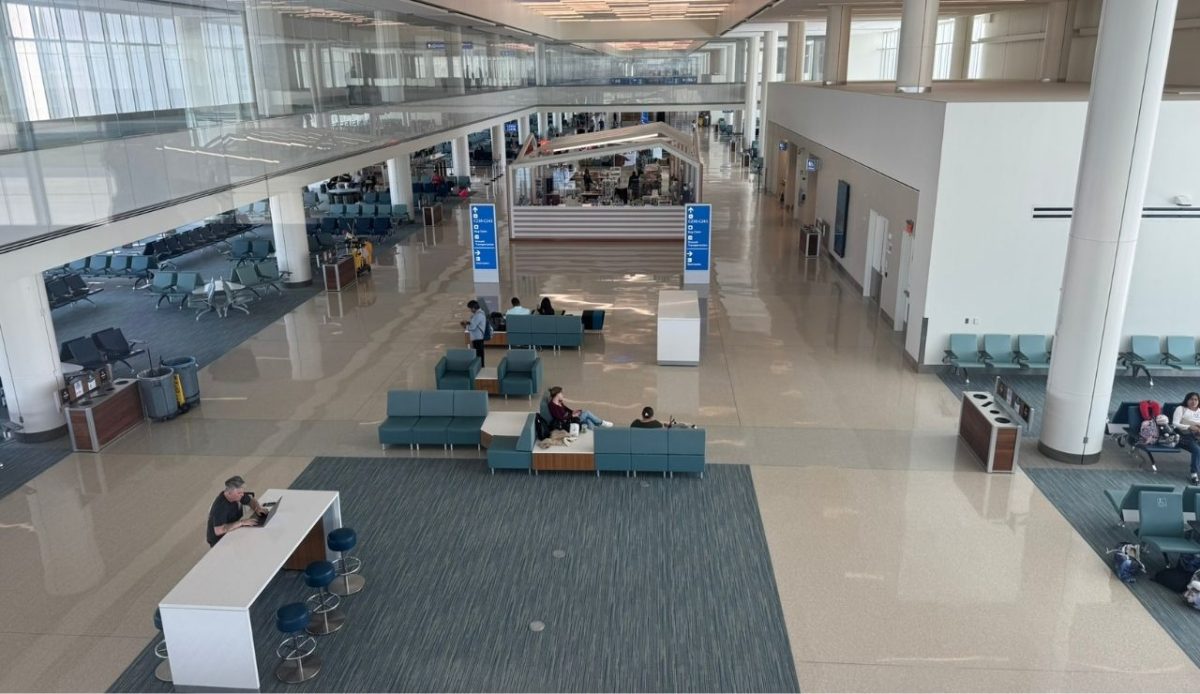
Orlando International Airport relies on large concession zones from screening to the airside train system. Many travelers exit security into areas where dining and shopping dominate the sightline before they reach the people mover.
Crowds gather around centralized food options, which slows circulation and increases time spent near storefronts. Families waiting for trains often stay in these zones because tables, restrooms, and charging points are nearby.
Open seating away from concessions is thinner, so waiting tends to happen inside restaurants. Travelers say the layout makes buying something feel like the easiest way to claim a place to sit.
7. Dallas Fort Worth International Airport
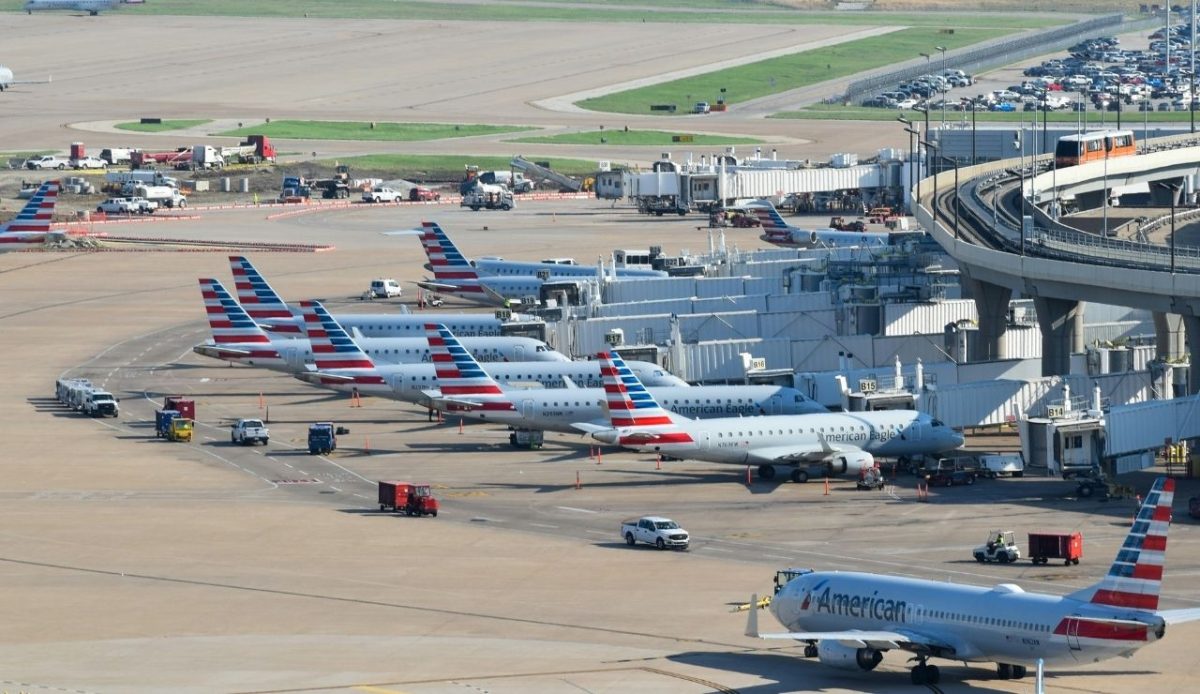
Dallas Fort Worth International Airport has long concourses where retail and dining form a continuous edge along the main walking path. For many gates, the only practical route is a straight corridor lined with spending options on both sides.
Terminal D, in particular, emphasizes premium food and shopping close to the busiest flows. Travelers moving between international gates pass repeated storefront entrances, which keep browsing in view for much of the walk.
Because bypass routes are limited, even quick connections include long exposure to concessions. Travelers say the terminal feels planned to keep wallets open during every transfer segment.
8. Chicago O’Hare International Airport Terminal 5
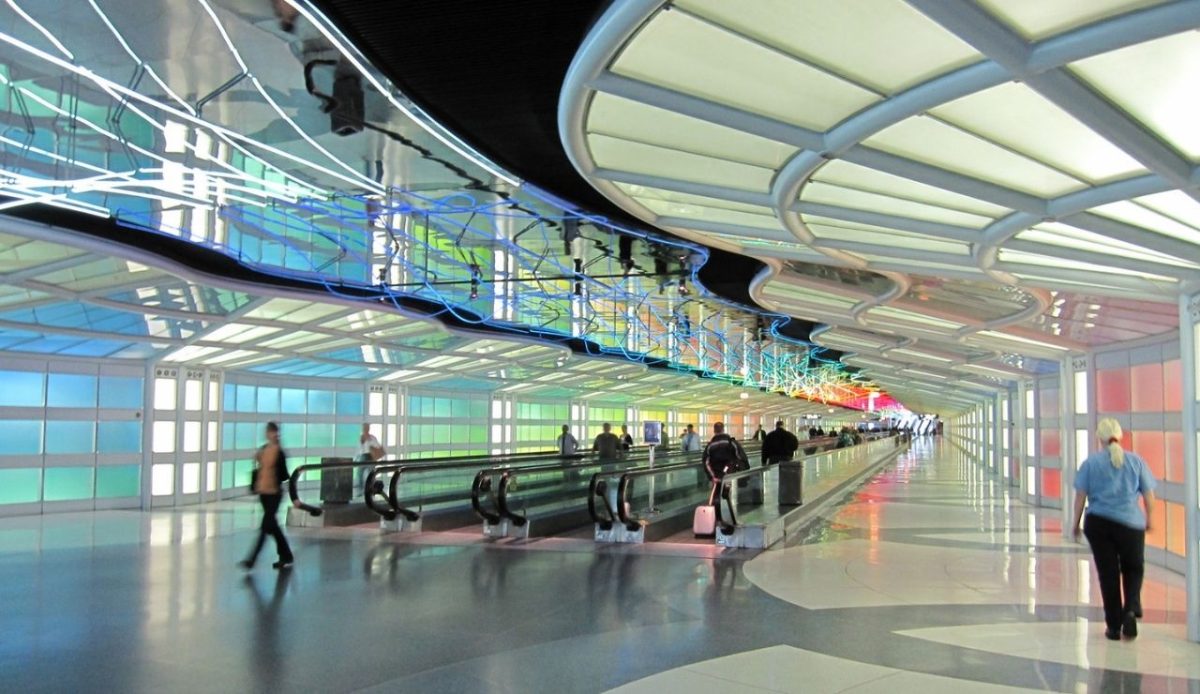
Chicago O’Hare Terminal 5 places duty-free and retail immediately beyond security, before most passengers reach their gate area. The first open space after screening is framed by shops, with gate corridors set farther down the concourse.
That sequence puts purchasing in front of travelers while attention is still close and time is being assessed. Even when someone intends to walk straight to the gate, the path runs through storefront sightlines and promotional displays.
Seating is more plentiful after the retail cluster, which can make shoppers feel like the earliest waiting options are tied to buying. Travelers often say the terminal prioritizes sales before comfort.
9. John F. Kennedy International Airport Terminal 4
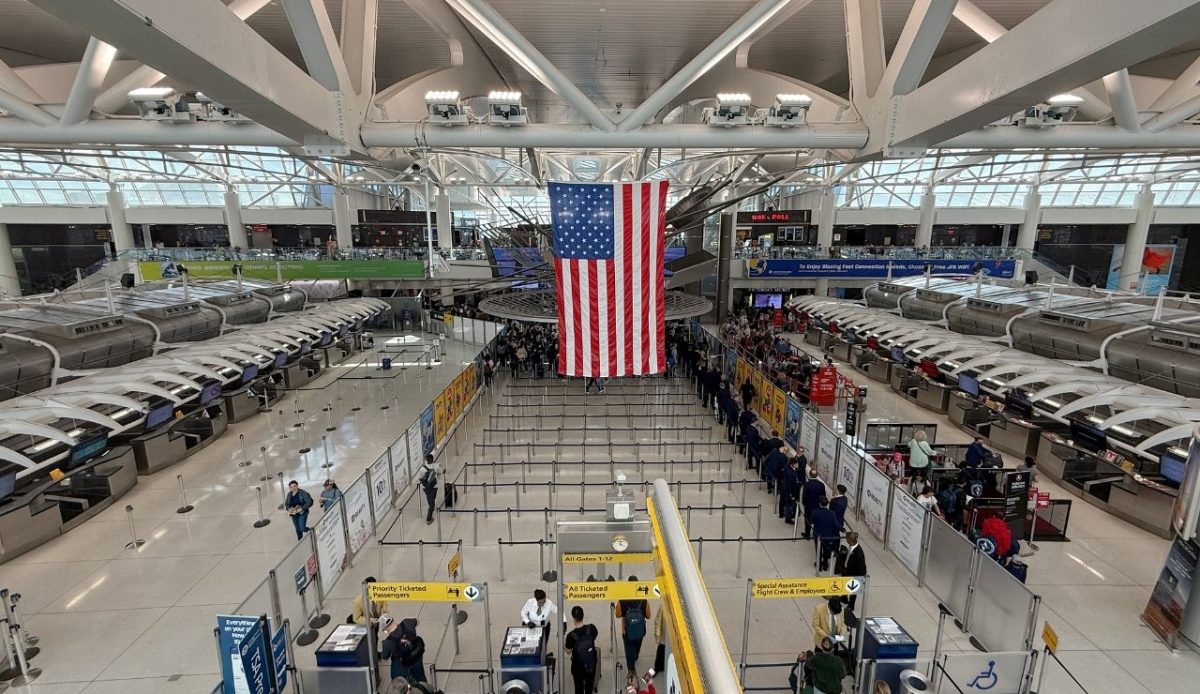
JFK Terminal 4 routes many passengers through a central airside hall built around dining and shopping. After security, movement is organized so that gate directions branch from a commercial core rather than from a neutral corridor.
Wayfinding shares space with concession branding, and the widest walking lines pass storefront entrances. That design can delay a direct gate approach, especially for travelers who stop to confirm their location or boarding time.
Tables, charging points, and lounge-style seating are concentrated near paid venues, while quiet benches are less prominent. Passengers often note that a purchase can become part of settling in before boarding.
10. Hartsfield-Jackson Atlanta International Airport
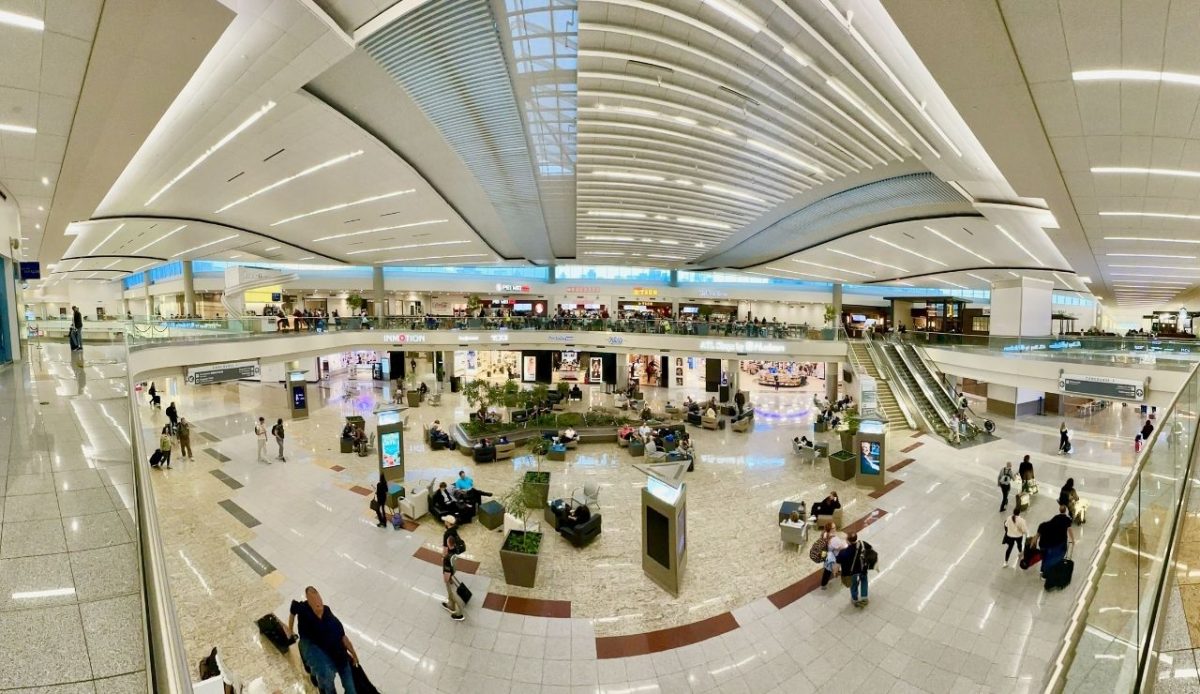
Hartsfield-Jackson Atlanta International Airport uses long concourses where concessions repeat in regular intervals along the main pedestrian spine. Many connections require extended walks, so passengers spend large portions of their transfer time inside retail-lined corridors.
Because the train system drops travelers into concourse centers, the first steps toward gates often pass dense food clusters. That concentrates crowds near storefronts and increases impulse exposure during tight connection windows.
Alternative paths that avoid concessions are rare because the concourse is the path. Travelers say the design turns routine movement into a sequence of spending prompts spread across the airport.
