
Tourism keeps plenty of places afloat, but when crowds outgrow water, roads, and housing, locals start reaching for the voting booth.
Across cruise ports, heritage towns, and national-park gateways, residents and councils are approving caps, time slots, and ship limits to keep daily life workable.
This isn’t about “no visitors”, it’s about predictable numbers, fewer choke points, and making sure the place still functions for the people who live there. Here are ten tourist hotspots where local votes or council decisions are aimed at putting a hard ceiling on how many people can show up at once. For travelers, that usually means booking earlier, arriving off-peak, and respecting new rules that locals pushed for.
1. Key West, Florida
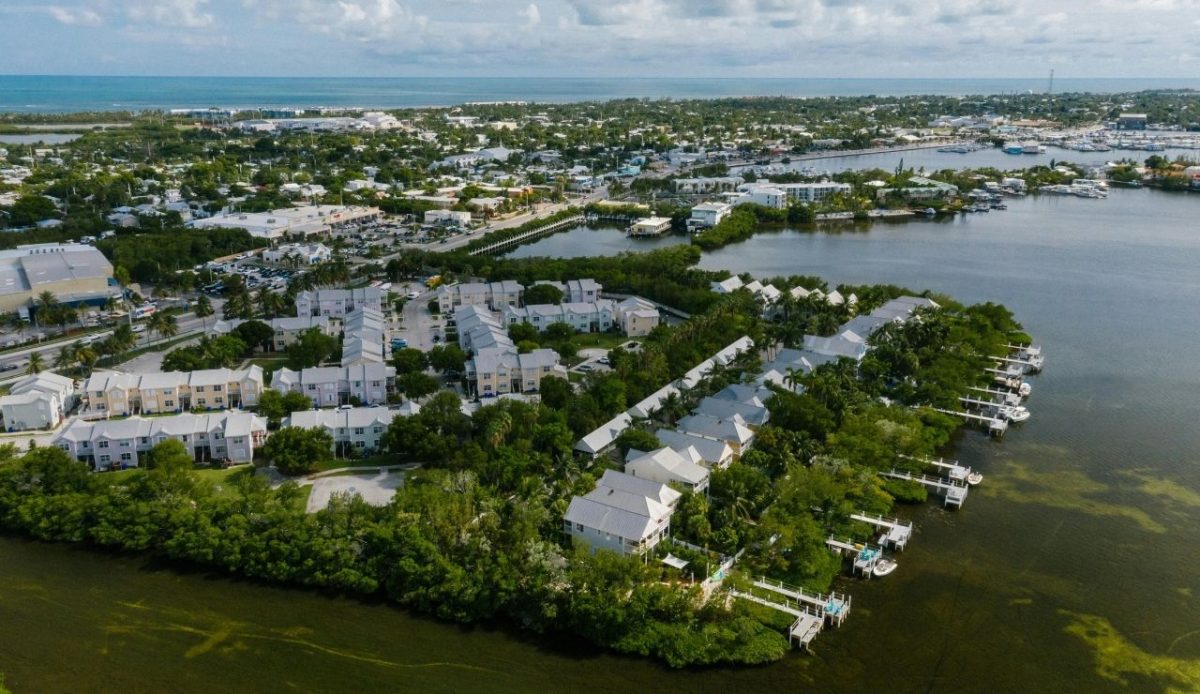
Key West’s cruise debate turned into a straight-up ballot fight. On Election Day 2020, residents passed three referendums meant to shrink the daily crush from mega-ships and reward operators with stronger health and environmental records.
The best-known piece was a cap on how many cruise passengers can disembark in a day, plus a limit that effectively blocks the largest ships by passenger capacity.
Implementation has been contested, but the point stands: locals used a vote to say “our streets and reefs have limits,” and to push visitor numbers back toward something the island can actually handle. On peak ship days, a few blocks can feel like a theme-park queue, which is exactly what voters were trying to avoid.
2. Bar Harbor, Maine
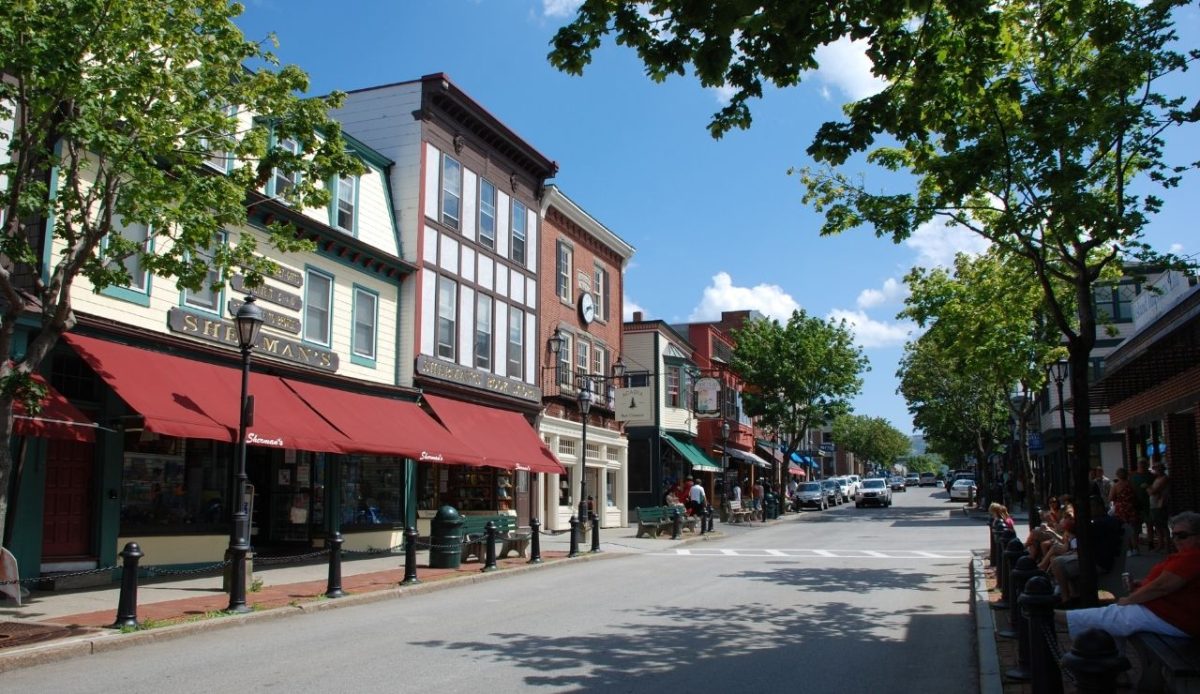
Bar Harbor, Maine, sits next to Acadia National Park, so cruise traffic hits like a wave: thousands of people at once, then… another ship. Locals responded with a referendum that set a daily cap on cruise passengers allowed to disembark, set at 1,000 per day, far below what peak days had been.
The cap is designed to reduce congestion downtown and ease pressure on tendering, buses, and small-town services that were never built for a floating city.
Residents later voted again on whether to reaffirm or repeal the limit, turning visitor numbers into an ongoing civic choice rather than a behind-the-scenes port policy fight. Lawsuits and campaigns followed, but the message stayed: residents want a hard ceiling, not “as many as show up.”
3. Juneau, Alaska
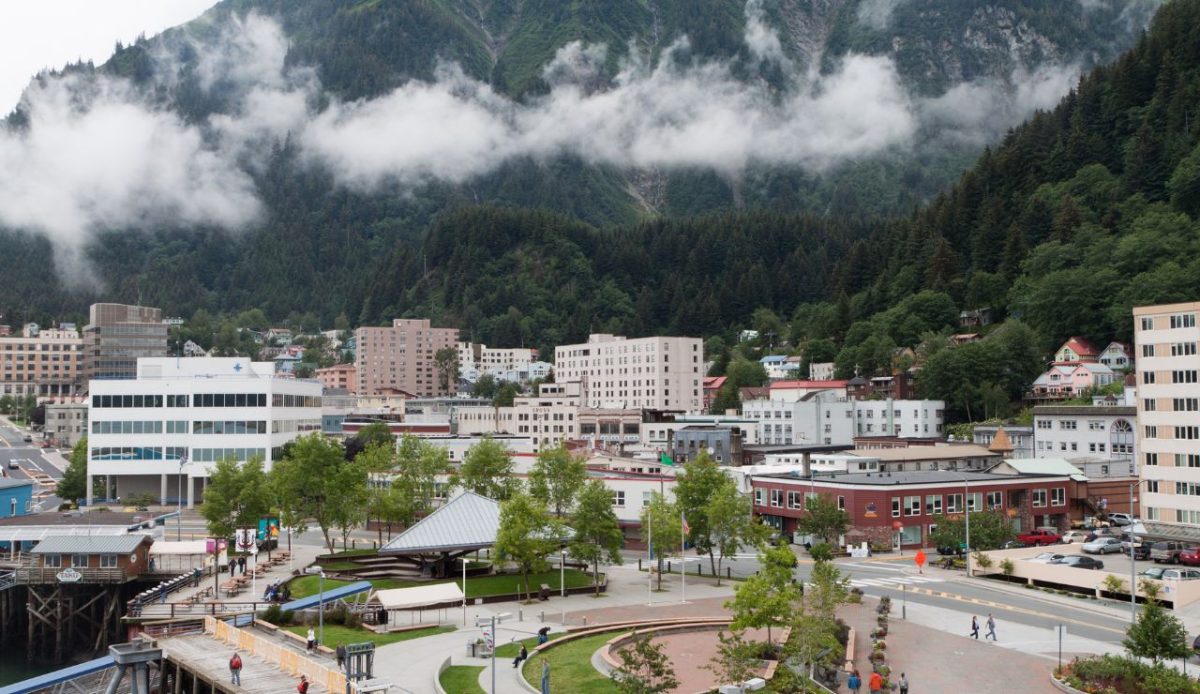
Juneau’s cruise season can drop tens of thousands of visitors into a city of about 32,000 residents. That pressure sparked both a negotiated passenger cap with the cruise industry and a separate ballot push for “ship-free Saturdays” (and July 4) to create a guaranteed breather.
In the October 2024 local election, voters rejected the Saturday ban proposal, but the campaign itself made crowding, tour traffic, and downtown livability a front-and-center issue.
The bigger takeaway for travelers is that Juneau is actively testing limits, daily passenger ceilings and scheduling changes now, plus future initiatives locals can keep reintroducing when the season feels too intense.
4. Sitka, Alaska
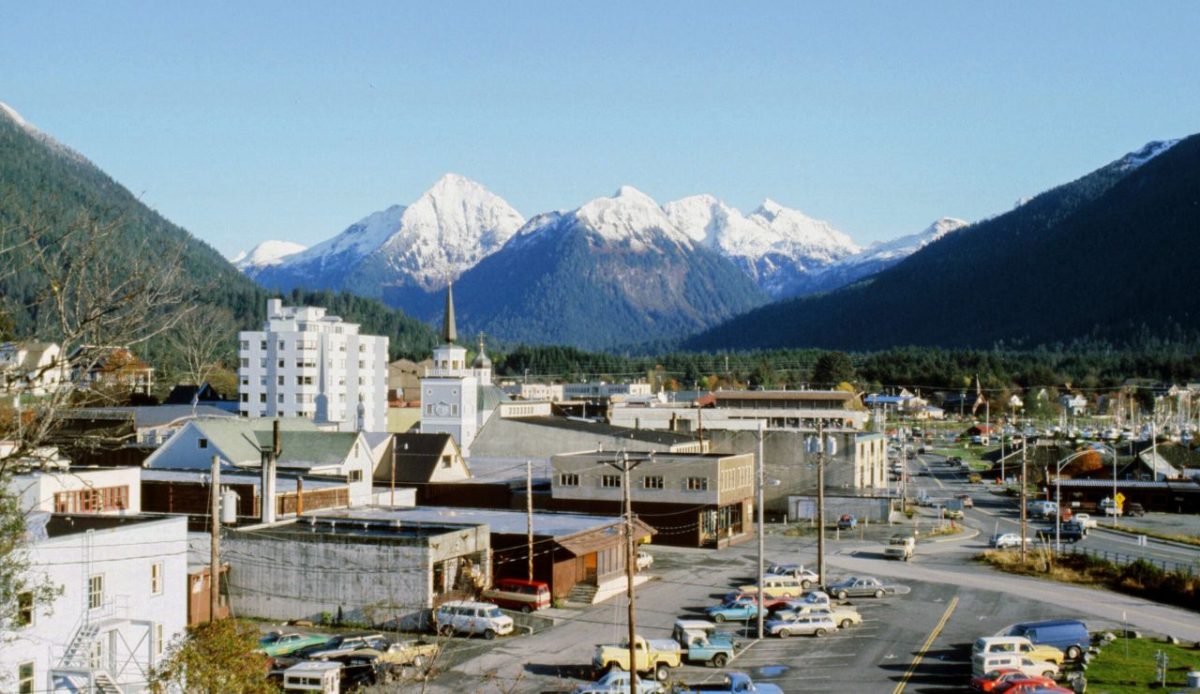
Sitka, Alaska put cruise crowding to a direct vote in a special election. The proposal would have capped ship visits and set daily and seasonal limits, including passenger ceilings, aimed at keeping summer from turning the town into a constant parade of tour groups on the same waterfront blocks.
Voters ultimately rejected the cap, but the fact it reached the ballot says a lot: locals were organized enough to demand a formal decision on how many visitors is too many.
For travelers, it’s a reminder that access can change fast. Even when a cap fails, the debate often leads to new agreements, stricter scheduling, or a return to the ballot in a later season. In places like this, the “cap conversation” rarely disappears, it just reloads.
5. Binibeca Vell, Menorca (Spain)
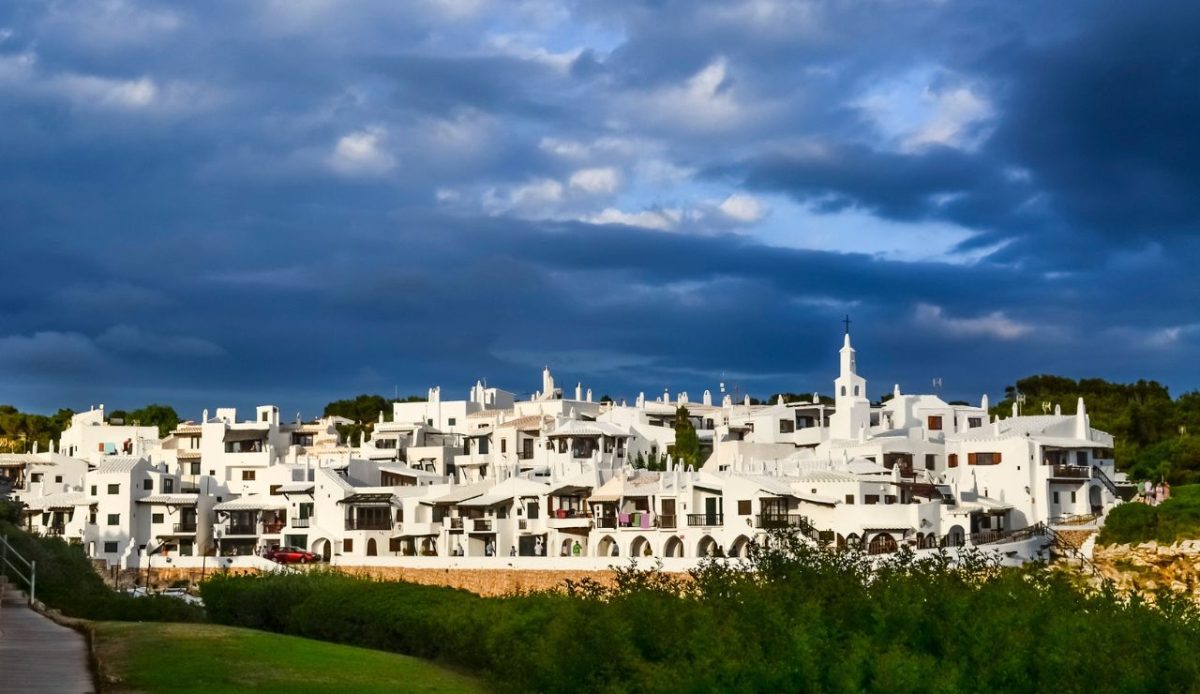
Binibeca Vell on Menorca became a flashpoint for overtourism in miniature: a photogenic, narrow-lane village where visitor crowds can overwhelm the space in minutes, especially during peak summer day-trip hours. Locals and homeowners moved toward a referendum-style vote on whether to sharply restrict, or even bar, tourist access.
The push wasn’t about hating travelers, it was about noise, property damage, blocked doorways, and the fact that daily life in a tiny settlement doesn’t scale.
If you go, expect rules that look more like a museum than a neighborhood: set visiting hours, limited group movement, and enforcement driven by residents who demanded a say.
6. Grand Cayman, Cayman Islands
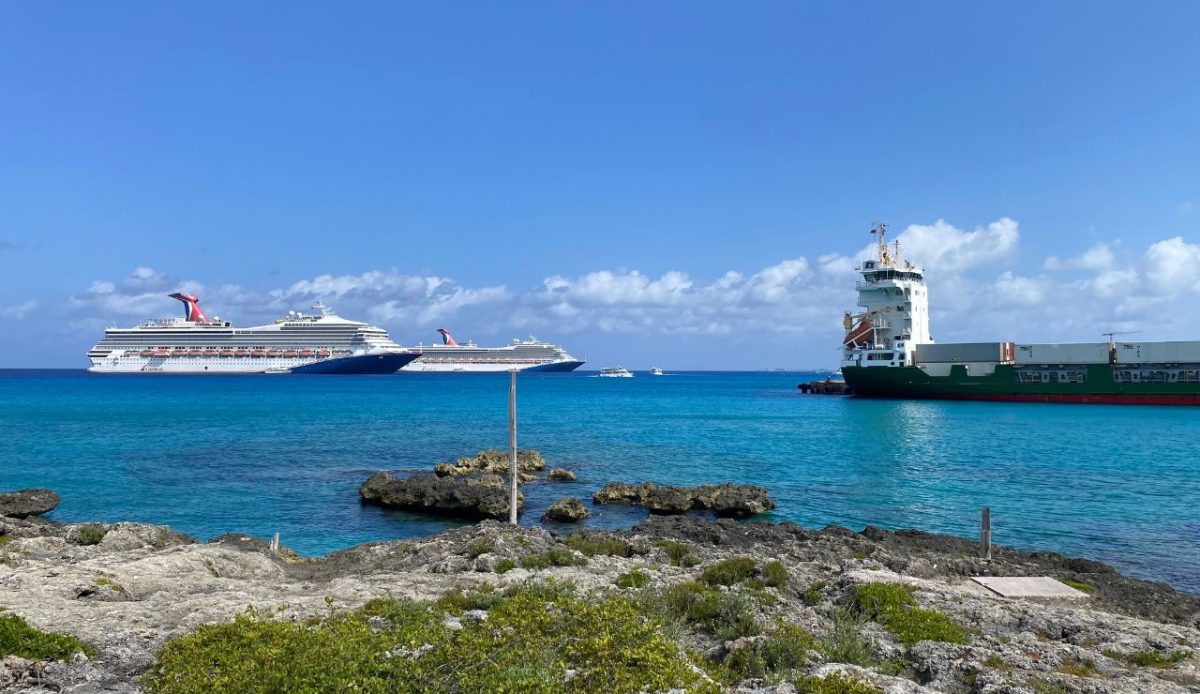
Grand Cayman’s cruise question has repeatedly collided with local democracy. When plans for a new cruise berthing facility gained steam, residents pushed the issue into referendum territory, arguing that bigger ships and easier docking would lock the island into ever-higher daily visitor numbers.
A “no” result effectively keeps capacity constrained by tendering, which naturally limits how many passengers can come ashore at once compared with a purpose-built mega-terminal.
For travelers, this kind of vote shapes the experience indirectly: fewer simultaneous arrivals, less pressure on beaches and roads, and a stronger expectation that growth has to be earned, not assumed.
7. Barcelona, Spain
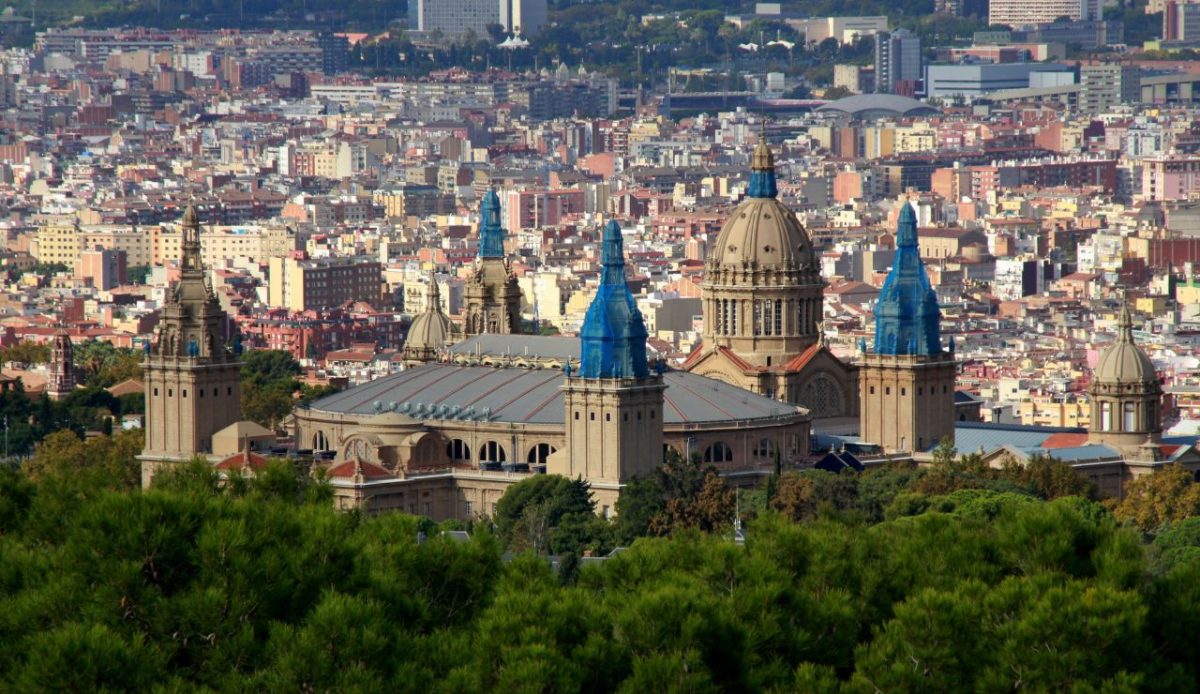
Barcelona’s Park Güell is one of those places where “just swing by” stopped being realistic years ago. City council members voted to tighten the annual cap on visitors, leaning into timed entry and stricter quotas to protect the site and reduce neighborhood spillover.
Because the park sits inside a residential area, crowd control isn’t only about the monument, it’s about sidewalks, buses, and noise for the people living around the gates.
Practical traveler takeaway: treat it like a high-demand museum. Book ahead, show up on time, and don’t assume you can improvise your way in during peak season. The policy is basically a vote for fewer peak-hour surges and more predictable flow.
8. Dubrovnik, Croatia
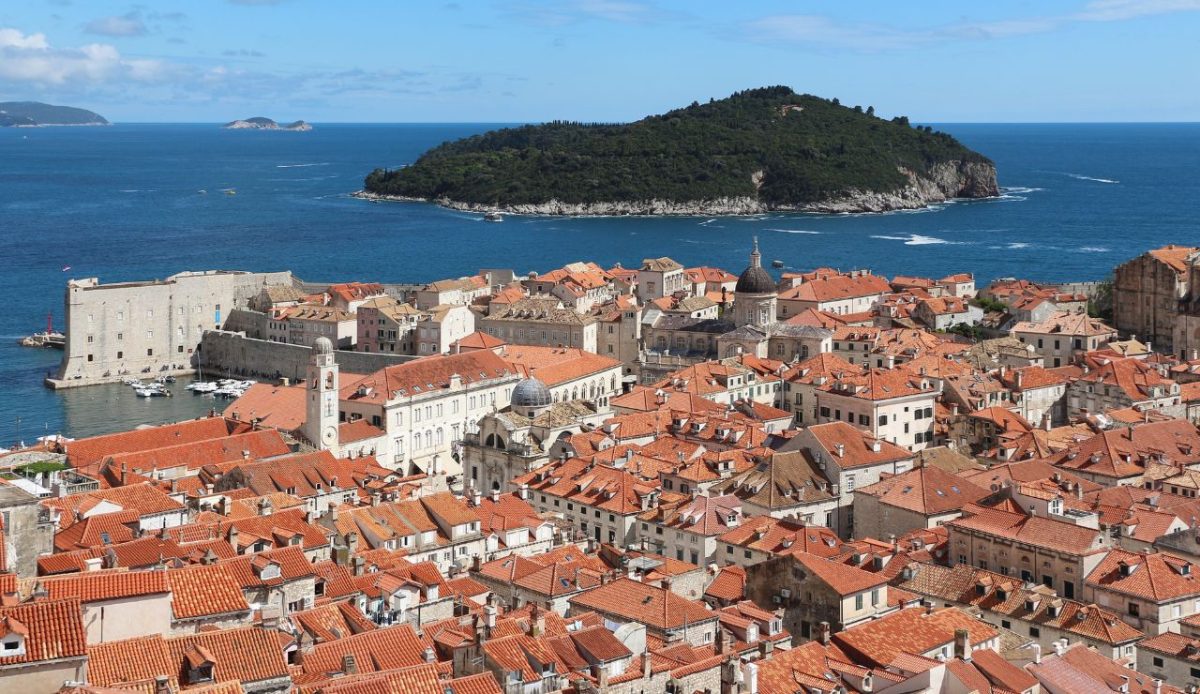
Dubrovnik’s medieval Old Town can’t stretch, so the city leaned on governance instead of wishful thinking. The city administration moved to cap cruise arrivals, limiting how many ships can call in a day and, by extension, how many day visitors flood the gates at once.
The goal is to stop the “two-hour stampede” effect where streets jam, residents can’t move, and the heritage experience turns into slow-motion traffic.
Even if you’re not arriving by ship, you’ll feel the policy. Fewer overlapping arrivals usually means less crushing midday congestion and a better chance to enjoy the city beyond a single packed photo stop. It’s a reminder that sometimes the most effective tourism “attraction” is a spreadsheet and a hard limit.
9. Banff, Alberta (Canada)
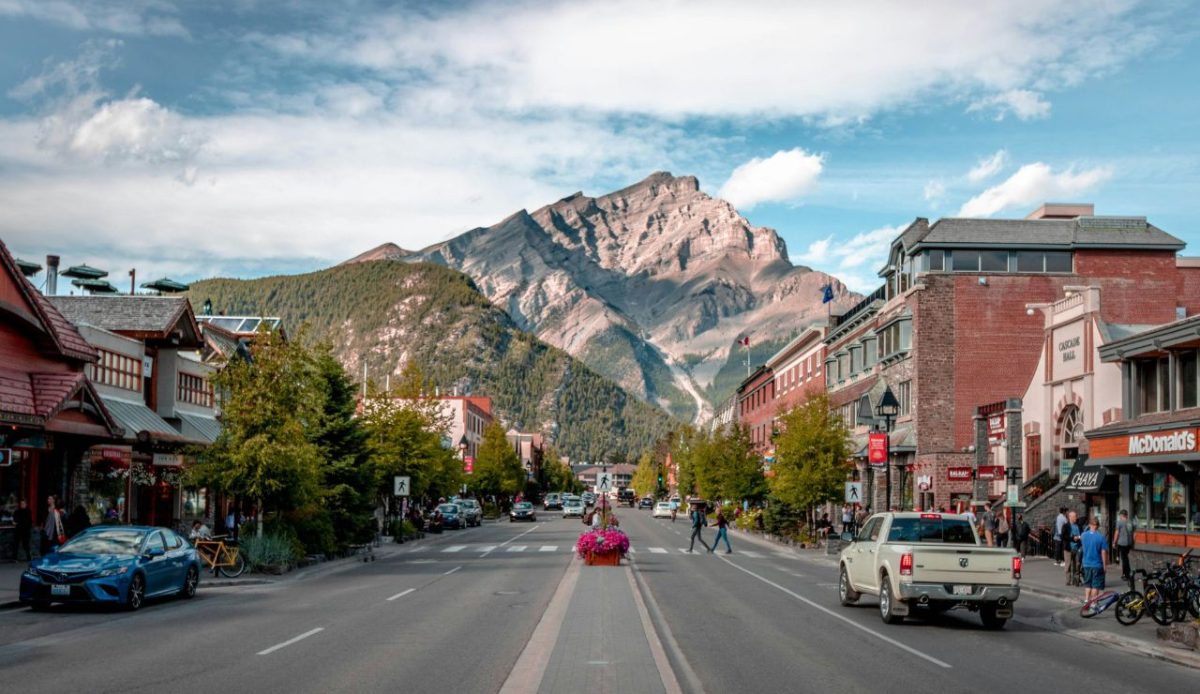
Banff’s choke point isn’t just people, it’s vehicles. With popular trailheads and viewpoints getting swamped in summer, local council has voted to explore a parking reservation system that would effectively cap how many private cars can pile into the busiest areas at once.
A vehicle cap is a visitor cap in disguise: when parking is controlled, arrivals spread out, transit becomes more attractive, and emergency access is less of a gamble.
For travelers, that means the “show up at noon” strategy may stop working. Expect more advance planning, earlier starts, and a stronger push toward shuttles and off-peak visits if reservations become the norm.
10. Capri, Italy
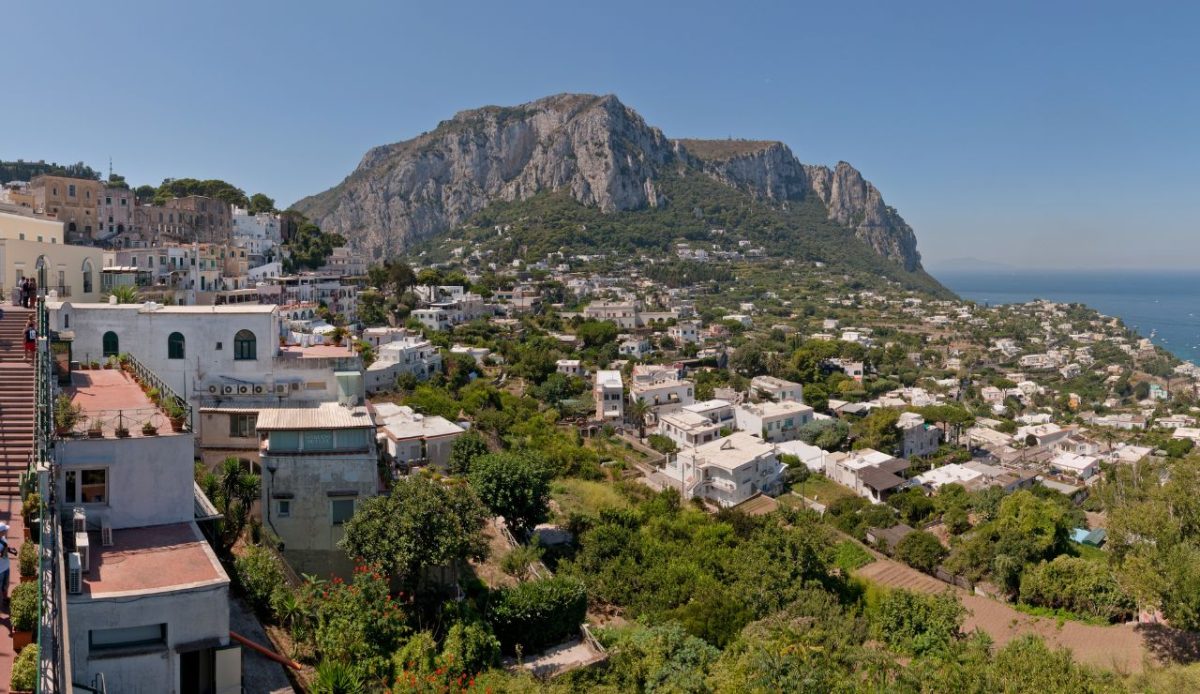
Capri is going after overtourism with rules aimed at the tour-group machine. Municipal leaders approved limits that cap organized group size and crack down on behaviors, like loudspeakers and oversized signs, that clog narrow lanes and turn the Piazzetta into a human knot.
While it’s framed as group management, the effect is the same as a soft cap: fewer mega-groups moving as one, smoother pedestrian flow, and less pressure on transport during peak day-tripper hours.
If you’re visiting, expect tighter enforcement and a more “managed” feel. Smaller groups, quieter guiding, and fewer bottlenecks are the trade-off for keeping the island livable for residents.
