
America’s best-known road trips often run on highways built for speed and volume, not comfort. Tourist traffic surges on weekends and holidays, then overlaps with freight and commuter flows. That blend raises exposure even when a route feels routine.
Rankings draw on NHTSA fatality files, state crash summaries, and insurance studies that compare deaths by mileage or traffic. High totals can come from long corridors, while high rates can reflect short but crowded segments.
The routes below are vacation favorites, yet they show danger signals such as dense merging, fatigue-prone distance, severe weather, or pedestrian conflict zones. Each section explains why the road is flagged and which conditions drive its crash burden.
1. Interstate 95 East Coast Corridor
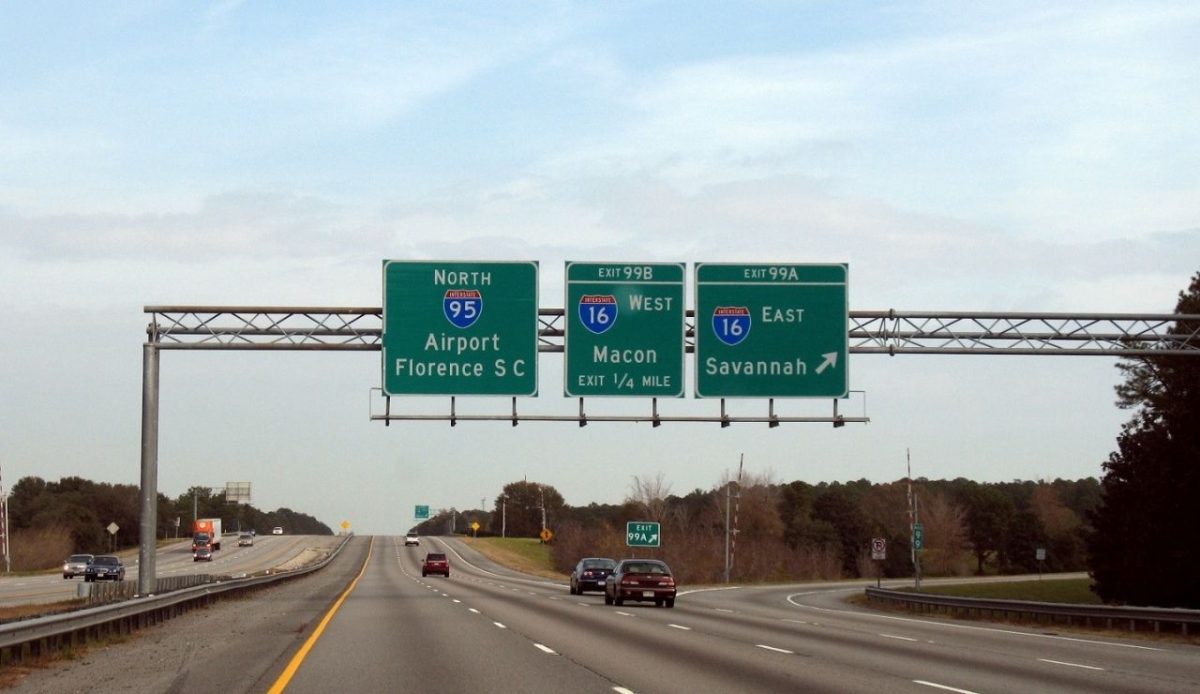
I-95 is the backbone of East Coast tourism, linking Florida beaches with historic cities and dense metro regions. Its length means exposure accumulates across many jurisdictions, and fatal counts rise simply because so many miles are driven.
Risk clusters around interchanges where lanes weave fast, especially near large metros. Stop-and-go traffic triggers rear impact crashes, while higher speed stretches between cities raise injury severity when control is lost.
Weather swings add another layer, from coastal storm rain to winter icing farther north. Because of congestion, complexity, and distance, I-95 is repeatedly placed in national lists of high-fatality highways.
2. Interstate 4 Central Florida
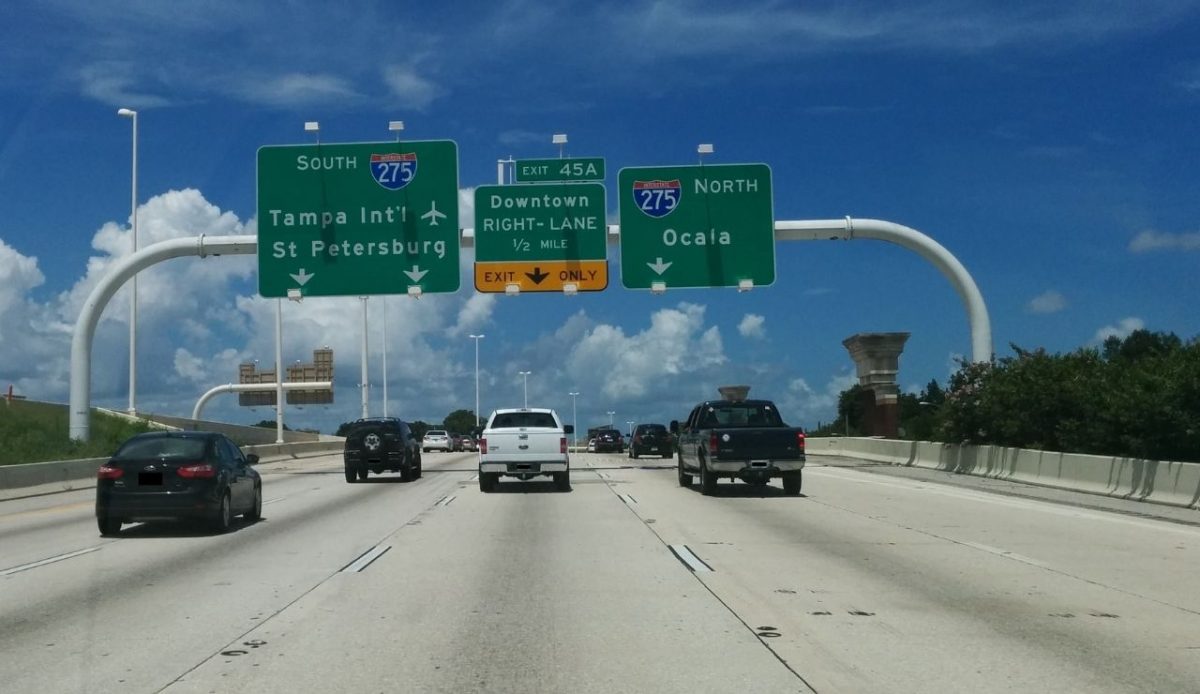
Florida’s I-4 funnels visitors between Tampa’s bayfront and Orlando’s theme parks, so traffic density stays high most days. Short length can still yield a high death rate per mile when volume, speed, and frequent exits crowd the roadway. Even small slowdowns can ripple for miles.
Crash pressure grows at merge zones where drivers cut across lanes to reach last-minute ramps. Work zones also compress lanes, leaving less recovery space during small errors.
Heavy rain can drop visibility in seconds, and standing water increases the risk of loss of traction. Late-night return trips add fatigue and impaired driving exposure, which amplifies severity when collisions happen.
3. Interstate 5 California Spine
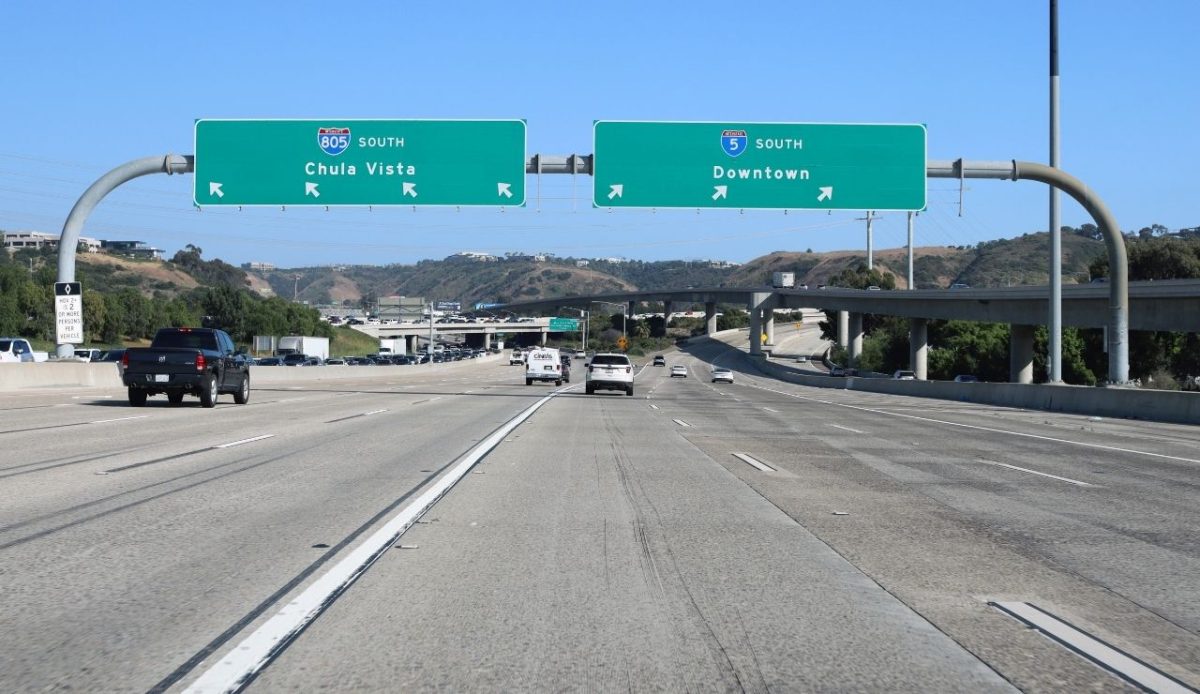
California’s I-5 carries beach-bound visitors, airport traffic, and massive freight movement along the state’s main spine. High fatal totals are driven by sheer vehicle miles traveled, plus long straight segments that encourage sustained speed.
In the Central Valley, trucks run alongside faster passenger cars, creating speed differentials that raise crash energy. In metro areas, dense lane changes and complex interchanges produce sideswipes and rear impacts during congestion.
Wind, smoke, and seasonal fog can reduce sight distance, especially on open rural stretches. Because it pairs high-speed exposure with heavy volume, I-5 is frequently listed among the country’s most dangerous routes.
4. U.S. Route 1, Florida

U S 1 is a signature vacation drive through South Florida and the Keys, where limited roadway width constrains traffic flow. Tourist surges pack the corridor, and one disruption can trap vehicles with few alternate paths.
In the Keys, two-lane segments and restricted passing increase platooning, so risky overtakes become tempting. In urban sections farther north, signalized intersections and driveway access add conflict points and turning crashes.
Pedestrian and bicycle exposure is higher in beach districts, raising the chance of severe outcomes at moderate speeds. These recurring mechanisms help keep U S 1 on dangerous road lists despite its strong tourist appeal.
5. U.S. Route 101, California

Route 101 is a coastal gateway to beaches, wine towns, and Bay Area landmarks, so it stays busy beyond summer. Fatal risk is concentrated where local commuting merges with visitor traffic, creating constant speed changes.
Near major job centers, heavy merging and short ramp spacing produce weaving that can trigger chain collisions. Farther along the coast, curves and wet pavement raise run-off, road, and head-on crash potential.
Construction and incident response often narrow lanes, leaving little margin for correction. With high annual traffic added, these patterns explain why Route 101 regularly appears in studies of hazardous U S highways.
6. Interstate 75 Midwest To Florida
I-75 is the classic snowbird and summer vacation corridor, carrying Midwestern drivers toward Florida coasts and attractions. Because it crosses many states, fatal totals add up across rural stretches and crowded metro belts.
Freight traffic is constant, and heavy trucks share lanes with families towing trailers or driving unfamiliar rentals. Speed variation and lane changes around interchanges raise the likelihood of high-severity impacts.
Peak travel dates bring stop-and-go backups that can spark rear-end crashes, especially at night. Volume, long-distance fatigue, and vehicle variety keep I-75 high in national danger rankings yearly still.
7. Interstate 15 Southern California To Las Vegas
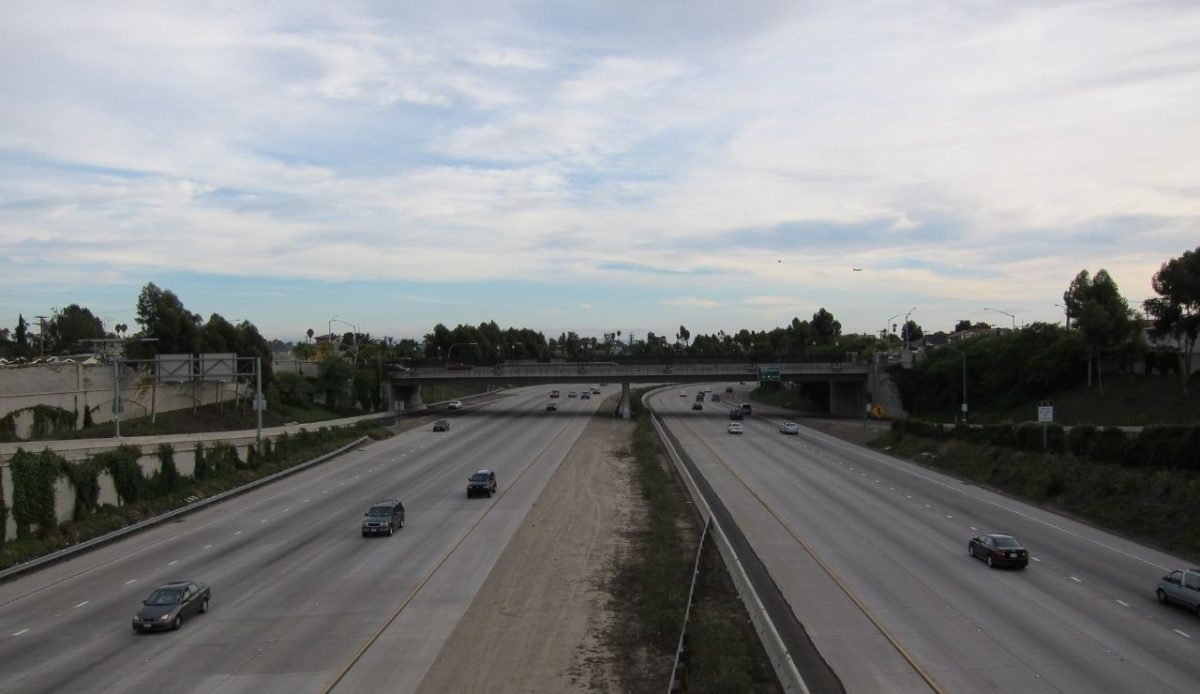
I-15 between Southern California and Las Vegas is built for leisure surges tied to weekends, concerts, and holiday returns. Traffic can swing from free-flow speed to nearly stopped lanes within minutes, a pattern linked to severe multi-vehicle crashes.
Long desert segments promote monotony, which can reduce attention and delay braking response. Congestion near urban edges forces abrupt merges and hard stops that magnify rear impact risk.
Heat stress can contribute to tire failures, and late-night driving increases impairment exposure. With heavy freight present, these conditions explain why I-15 is often flagged in dangerous interstate comparisons.
8. Interstate 40 Southwest Corridor
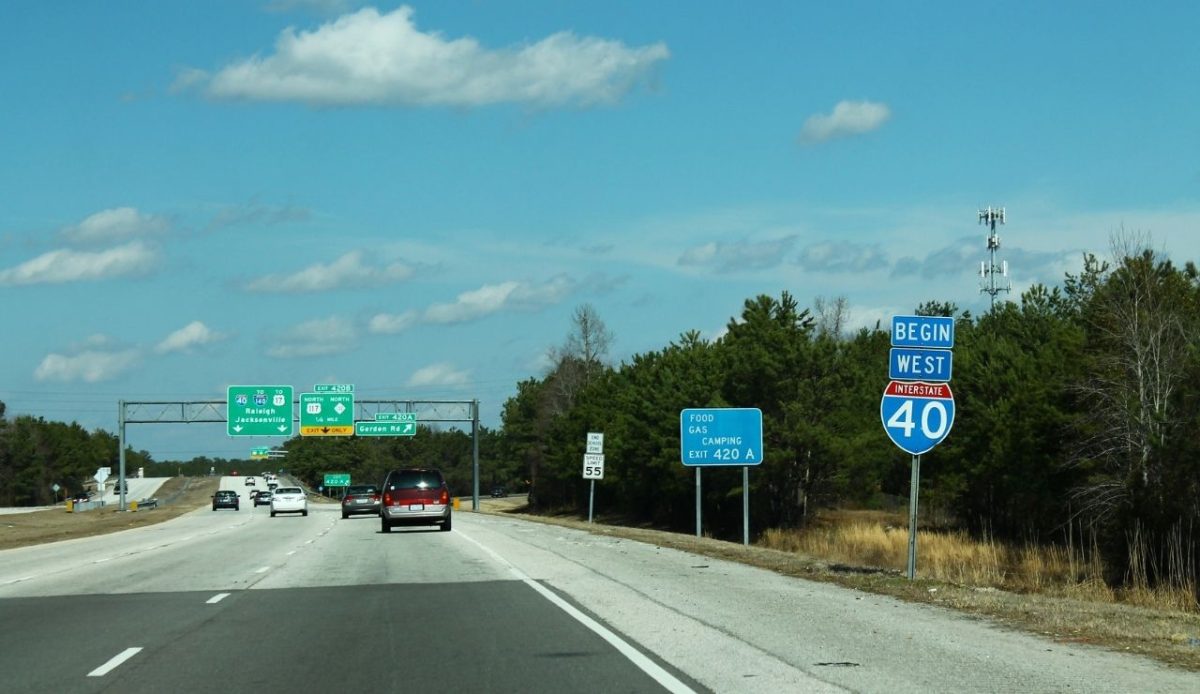
I-40 is a major route for Southwestern tourism, linking desert parks, mountain towns, and long-haul travel across multiple regions. It also serves as a freight backbone, so trucks and passenger cars share space for hours at a time. That constant overlap raises conflict potential.
Fatigue risk grows on extended rural segments with few service breaks. Wind, dust, and sudden weather shifts can cut visibility, while high speeds increase crash energy after a driver loses control.
Urban interchanges add merging complexity, and work zones narrow lanes during peak building seasons. Because hazards vary but exposure stays constant, I 40 frequently lands near the top of multi-year fatality summaries.
9. Interstate 35 Central States
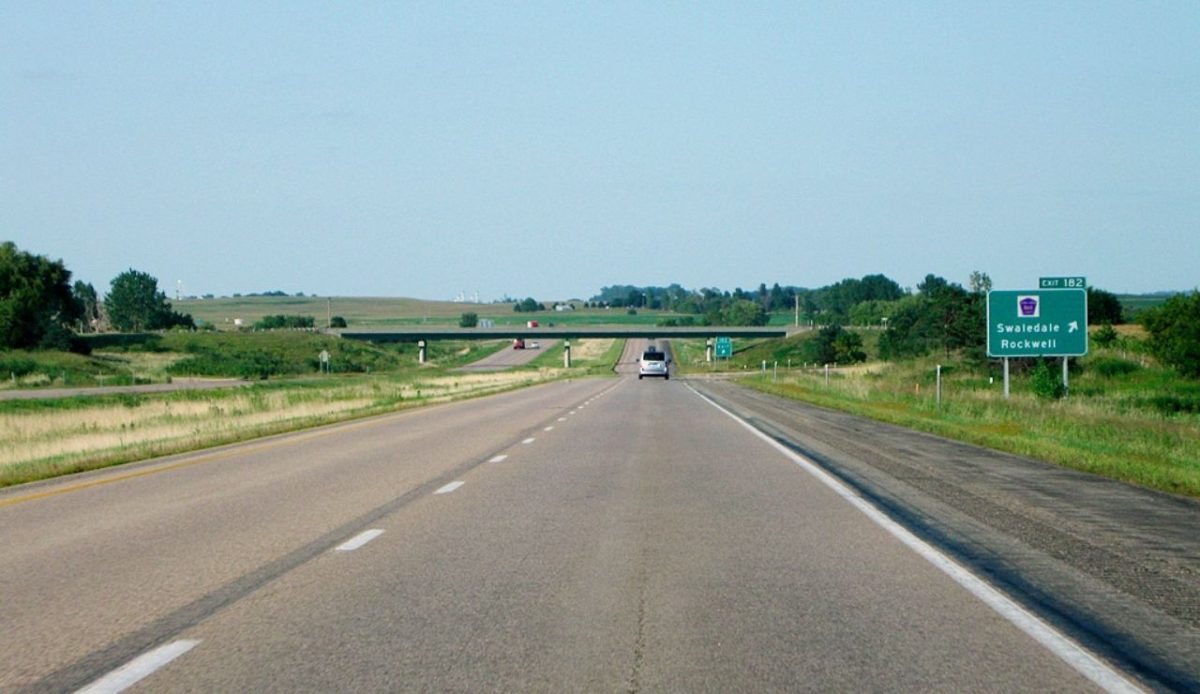
I-35 connects fast-growing Texas metros with central states, carrying business trips, sports travel, and regional vacations. Rapid development has increased daily traffic, and crash totals rise where older designs meet modern demand.
Frequent entrance ramps and frontage road patterns create many merge decisions over short distances. When congestion clears, speed rebounds quickly, producing sharp differences that increase impact severity.
Severe weather ranges from heavy rain to winter ice farther north, changing traction conditions across the same trip. With long mileage and intense urban segments, I-35 is often cited in studies of high-risk interstates.
10. Interstate 20 Southern Corridor
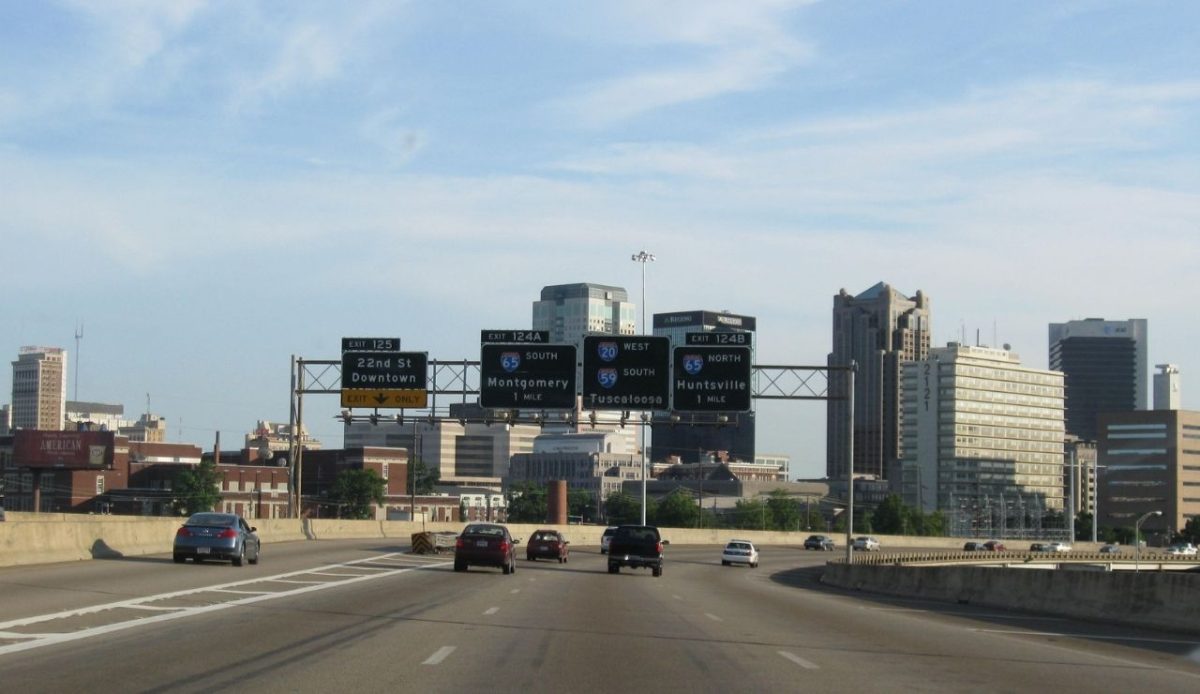
I-20 links Texas with the Southeast and carries many road trippers headed to major cities and historic sites. It is less famous than some corridors, yet multi-year fatal totals stay high because freight and regional travel overlap.
Metro areas create recurring bottlenecks where lane drops and short ramps increase weaving. Outside cities, long straight segments support higher speeds that make crashes more lethal when a driver drifts or overcorrects.
Thunderstorms can produce sudden hydroplaning, and nighttime runs add fatigue exposure for long-distance drivers. These mechanisms help explain why I-20 increasingly appears in nationwide risk rankings.
