
European river cruises offer a unique way to explore historic cities, charming villages, and scenic landscapes, but they come with their own etiquette and practical challenges. Avoiding common mistakes ensures a smooth, enjoyable experience and helps travelers get the most from their journey. From packing choices and excursion planning to onboard behavior and dining habits, understanding what not to do can prevent stress, wasted time, or awkward situations. This guide highlights ten things to avoid, helping first-time and seasoned cruisers alike navigate European rivers with confidence, comfort, and style.
1. Overpacking for the Cruise
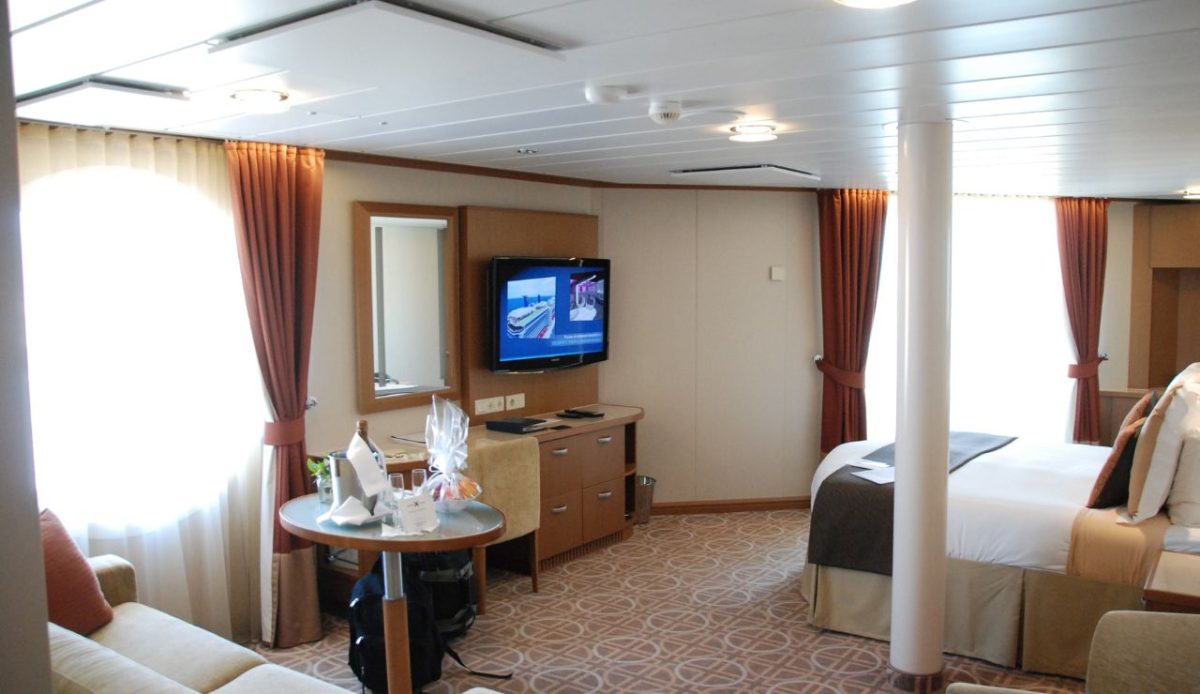
One of the biggest mistakes travelers make on European river cruises is overpacking. Cabins are typically compact, and storage space is limited, so bringing too many large bags can clutter your room and make daily living cumbersome. Opt for versatile, lightweight clothing suitable for varying climates and layer appropriately. Consider practical shoes for walking excursions and slippery decks. Overpacking not only makes mobility difficult but can also slow boarding and disembarking. By packing smartly, travelers avoid stress, stay organized, and have more room to enjoy souvenirs, ensuring a more comfortable and relaxed journey.
2. Ignoring Onboard Etiquette

Onboard behavior matters, even in the relaxed environment of a river cruise. Being loud in corridors, leaving personal items unattended, or monopolizing shared spaces can create tension among passengers. Familiarize yourself with rules regarding dining, pool areas, and quiet hours. Respect crew instructions and be courteous during group activities. Observing etiquette improves everyone’s experience, maintains a peaceful atmosphere, and prevents conflicts. Remember, river cruises often attract a mix of ages and cultures, so thoughtful behavior and consideration for fellow passengers are crucial for a harmonious voyage.
3. Missing Excursion Reservations

European river cruises often include optional shore excursions that require advance booking. Failing to reserve popular tours early can result in missing out on iconic experiences like guided city walks, wine tastings, or historic site visits. Spontaneous planning may not work during peak travel seasons. Planning ahead ensures travelers secure their preferred excursions, align timing with the ship’s schedule, and avoid rushing or disappointment. Checking details for availability, meeting points, and duration helps prevent conflicts with meals or onboard programs. Being proactive guarantees a richer, stress-free cruise experience onshore.
4. Disregarding Local Customs

Each European port has its own culture, etiquette, and laws, and failing to respect these can create awkward or uncomfortable situations. Dress modestly when visiting religious sites, observe local greetings, and follow rules for photography or public behavior. Ignoring customs may result in denied entry or offended locals. Learning a few basic phrases in the local language enhances communication and shows respect. By understanding cultural norms, travelers enjoy more authentic experiences, build positive interactions, and avoid unnecessary embarrassment, creating smoother and more rewarding stops at each destination along the river.
5. Overestimating Your Energy Levels

River cruises may appear relaxing, but daily excursions, walking tours, and early mornings can be physically demanding. Trying to fit too many activities in one day can lead to exhaustion and reduce enjoyment. Pace yourself, schedule rest periods, and plan excursions based on your energy. Stay hydrated and dress appropriately for walking or weather conditions. Recognizing limits allows travelers to enjoy each experience fully without fatigue. Striking a balance between sightseeing and downtime ensures a pleasant cruise pace, leaving room to appreciate both onboard amenities and destination highlights.
6. Forgetting Travel Documents
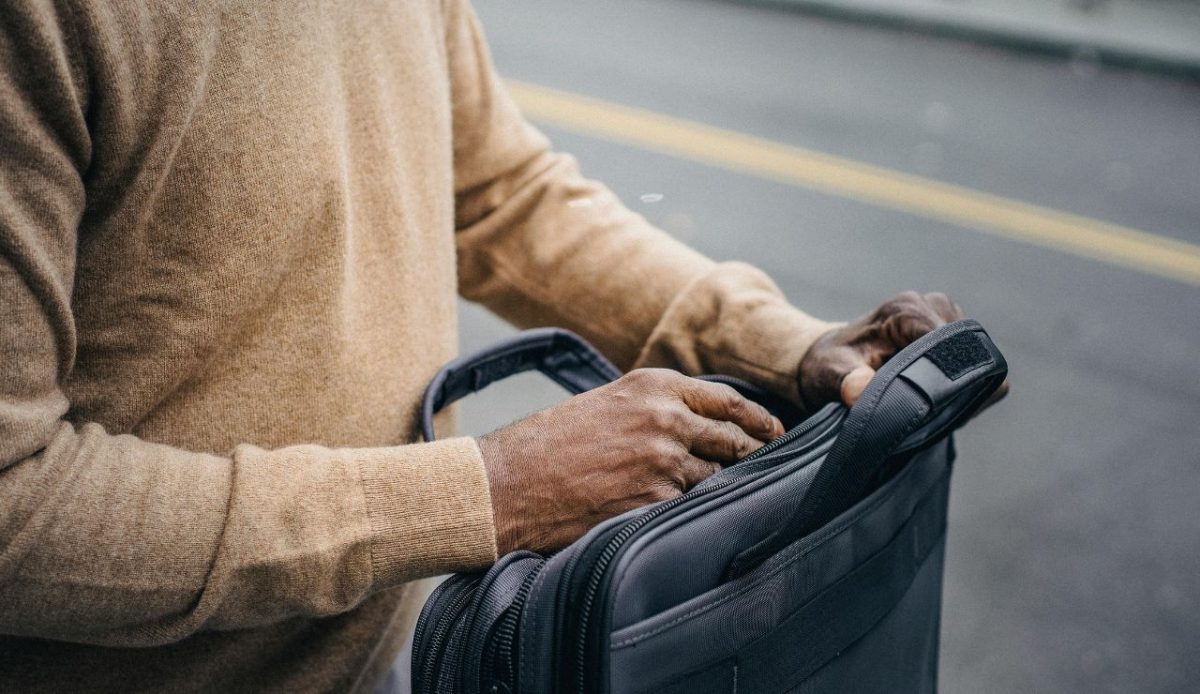
A common mistake is neglecting to have passports, visas, and other essential travel documents ready for port entries or excursions. European border checks and local authorities require proper documentation, and missing or expired documents can delay boarding or prevent shore excursions. Keep passports, boarding passes, and confirmations easily accessible but secure. Double-check requirements for each country on the itinerary, including visa or vaccination needs. Staying organized about documentation reduces stress and prevents disruptions, ensuring passengers can enjoy each stop without unnecessary interruptions.
7. Neglecting to Budget for Extras

While river cruises often include meals and entertainment, additional costs like shore excursions, specialty dining, gratuities, and onboard purchases can add up quickly. Assuming everything is included may lead to overspending or frustration. Planning a realistic budget for extras allows travelers to participate in optional experiences, enjoy premium services, and avoid financial surprises. Tracking expenses daily ensures spending stays manageable. Awareness of additional costs ensures passengers can maximize enjoyment without worrying about money, making the cruise experience smoother, more predictable, and far less stressful.
8. Being Unprepared for Weather Changes
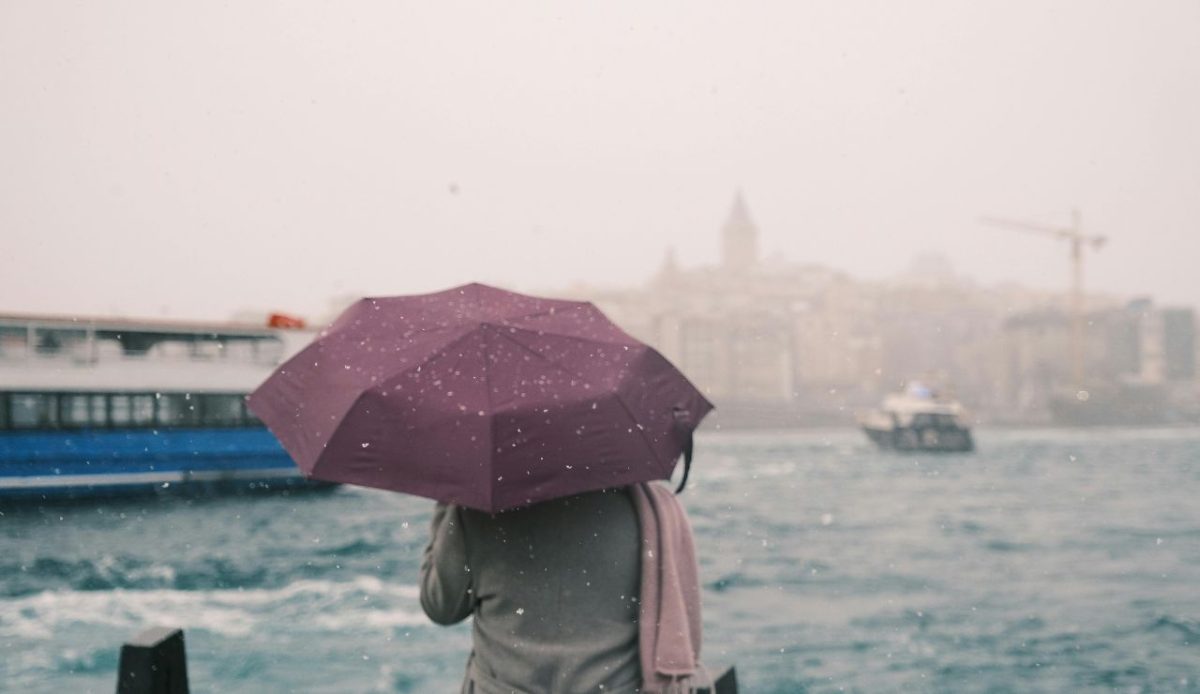
Weather along European rivers can be unpredictable, especially in fall, winter, and spring. Travelers who don’t check forecasts or pack accordingly may find themselves uncomfortable during excursions or on deck. Bring waterproof jackets, layered clothing, and appropriate footwear. Sun protection, hats, and sunglasses are also essential in the summer months. Being prepared for changing conditions ensures safety and continued enjoyment. Ignoring weather considerations can make walking tours slippery or cold, while proper preparation allows passengers to fully embrace each destination and outdoor activity, regardless of rain, sun, or chill.
9. Using Phones or Cameras Inappropriately
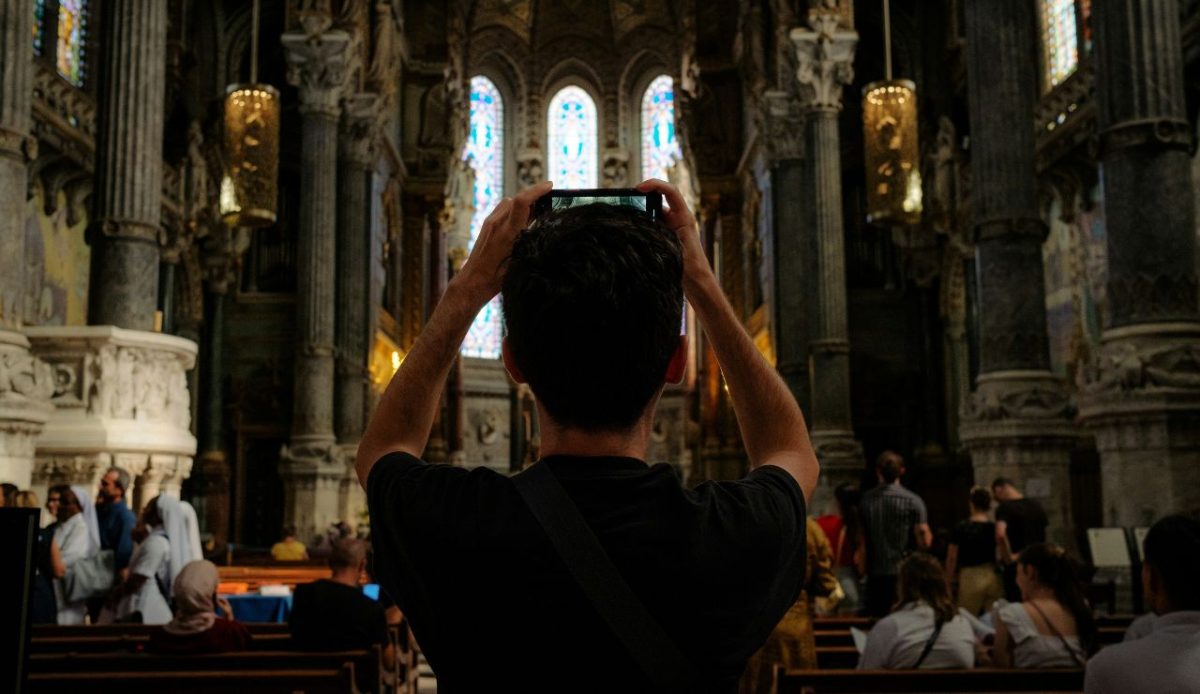
Taking photos and staying connected are tempting, but excessive phone use can disrupt the experience and annoy fellow passengers. Using devices during tours or performances may be distracting. Always respect signs prohibiting photography or filming in historic or sacred locations. Turn off loud notifications and avoid blocking pathways for pictures. Proper phone etiquette ensures travelers capture memories without interrupting others or missing authentic experiences. By balancing device use with being present, passengers enjoy richer interactions and create memorable snapshots while showing respect for the ship, guides, and local culture.
10. Skipping Onboard Safety Briefings

River cruises are generally safe, but ignoring safety instructions is a major oversight. Briefings cover life jacket use, emergency procedures, and evacuation routes. Attending these sessions ensures passengers know what to do in unforeseen situations. Even experienced travelers benefit from a quick review of emergency exits, muster stations, and safety equipment locations. Taking safety seriously protects not just yourself but also others on board. Awareness and preparation allow passengers to enjoy their journey confidently, ensuring peace of mind and a smooth, worry-free adventure along Europe’s rivers.
