
Smart travelers protect certain items during trips because these items affect safety, access, and daily movement. They pay attention to how and where they store documents, payment tools, and personal belongings. Hiding specific things reduces exposure in crowded places and inside hotels where different people enter for cleaning or maintenance. The approach also helps keep travel plans steady even when unexpected moments occur. By placing sensitive items in secure and controlled spots, travelers maintain better oversight throughout the trip.
1. Passport
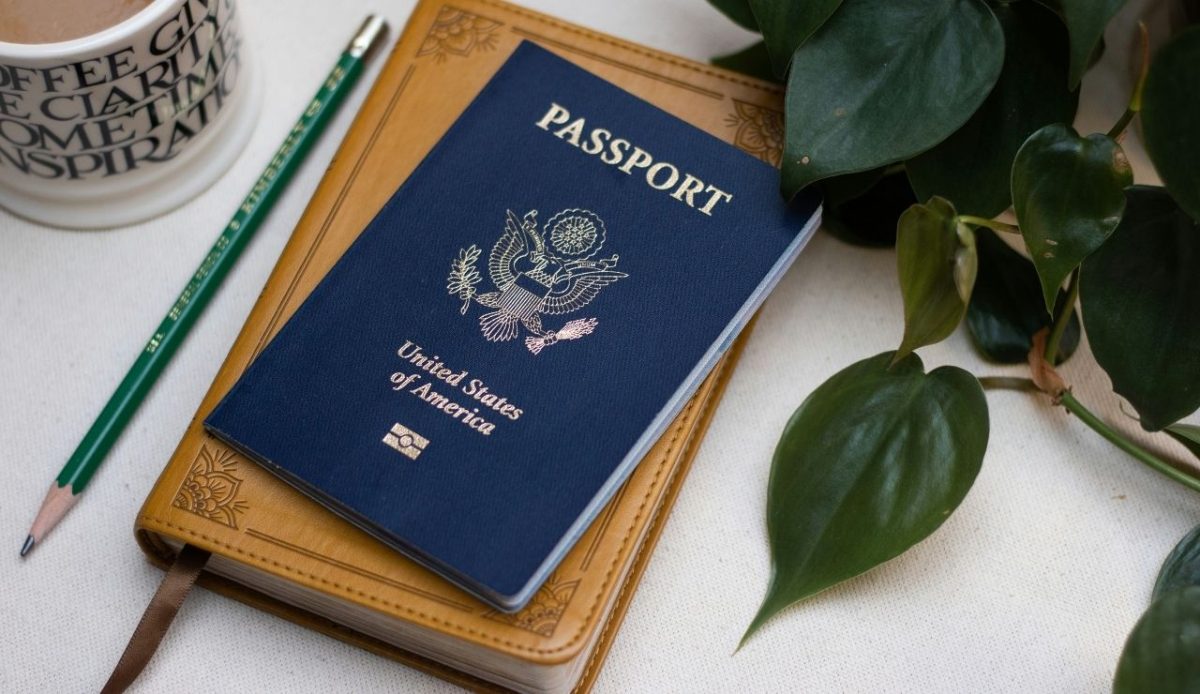
Smart travelers treat the passport as the strongest form of identification during a trip, so they store it in secure places that prevent unwanted access. They keep it inside a hotel safe or use a body pouch that stays hidden under clothing while moving through crowded areas. Leaving it on a desk or open shelf creates risk because hotel staff or other visitors could enter the room when they are not around. They avoid handing it to anyone except authorized officers to prevent misuse. When walking through airports or busy streets, they place it in zipped pockets that close tightly.
2. Extra Cash
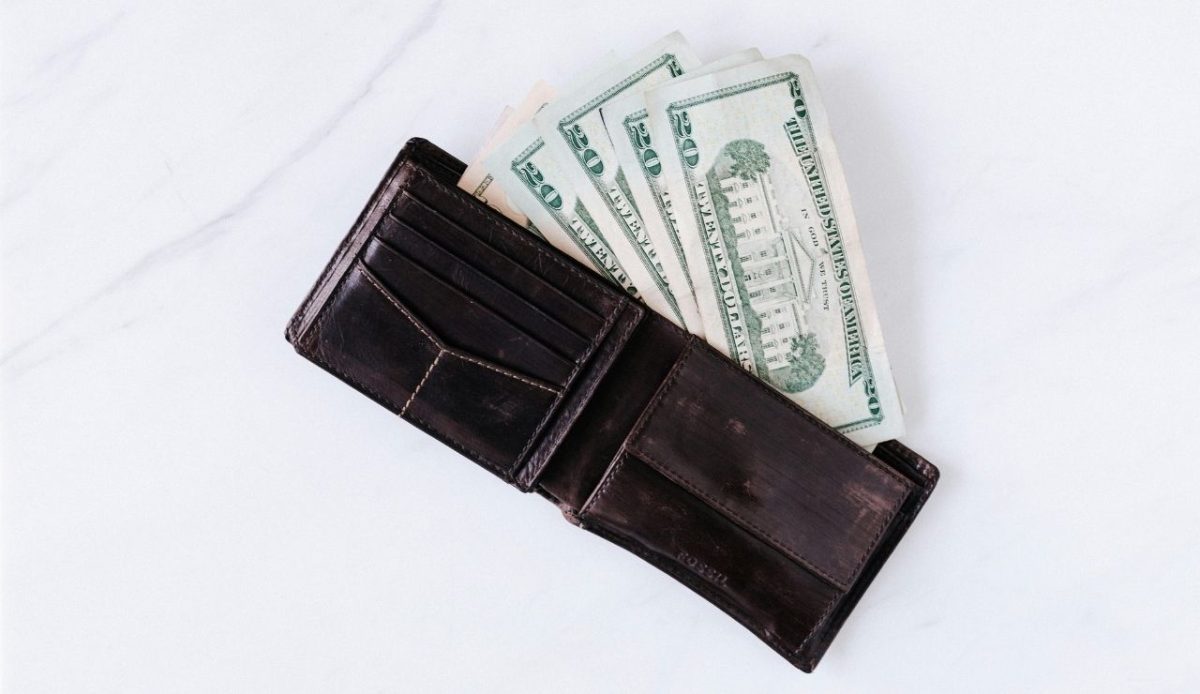
Travelers separate their cash to prevent a complete loss if a wallet goes missing. They carry only the amount needed for daily use and hide the rest deep inside a zipped pouch or an internal suitcase pocket. This approach protects them in busy markets or train stations where distractions are common. They avoid counting money in public because it draws attention and may signal that they carry large amounts. In hotels, they secure the main reserve inside the room safe instead of leaving it in bags that remain open. When handled this way, cash remains available even after an unexpected incident. It gives travelers steady financial access throughout the entire trip.
3. Backup Card
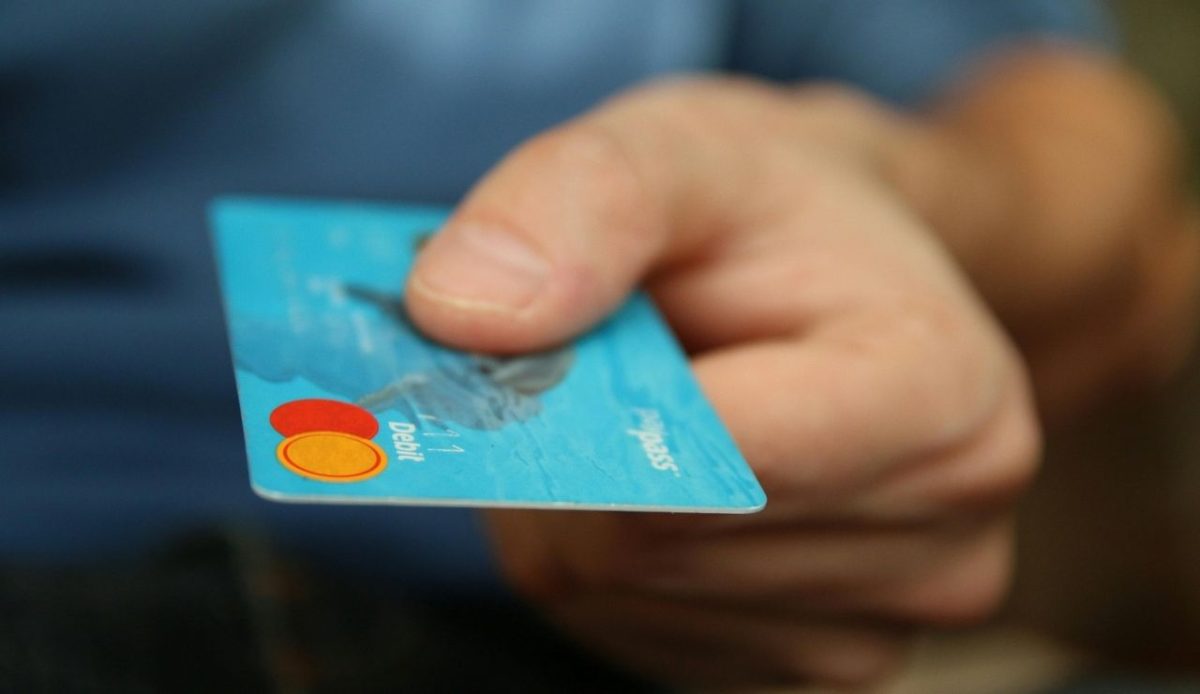
A second bank card stays hidden because it prevents major problems when the main card stops working. Travelers avoid storing both cards in the same wallet since a lost or stolen wallet removes every payment option at once. Instead, they place the spare card inside a locked pouch or keep it in the hotel safe until needed. They also avoid pulling out multiple cards at counters because this exposes card numbers to people nearby. When the main card gets blocked due to security alerts or system issues, the backup allows them to continue bookings and transactions without delays. This simple step keeps transportation, meals, and hotel payments running smoothly.
4. Hotel Key Information
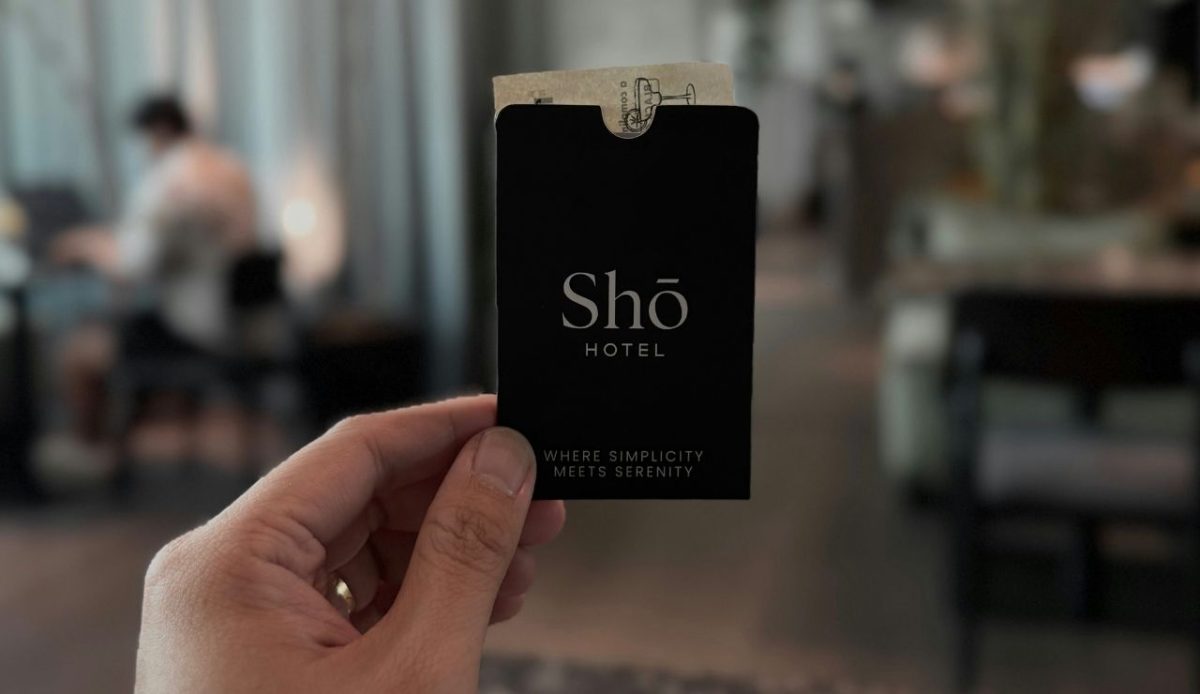
Travelers protect the key card and room details because these items provide direct access to their belongings. Many hotels print the room number on a small envelope, and carrying that envelope around town increases security risks if someone finds it. To avoid this, travelers memorize the number and discard the envelope immediately. They keep the key card inside a pocket that closes fully rather than placing it on bar counters or restaurant tables. When returning to the room, they avoid showing the card openly in hallways. This routine lowers the chance of someone following them or attempting to enter the room. It helps maintain privacy and control inside the hotel.
5. Travel Plans
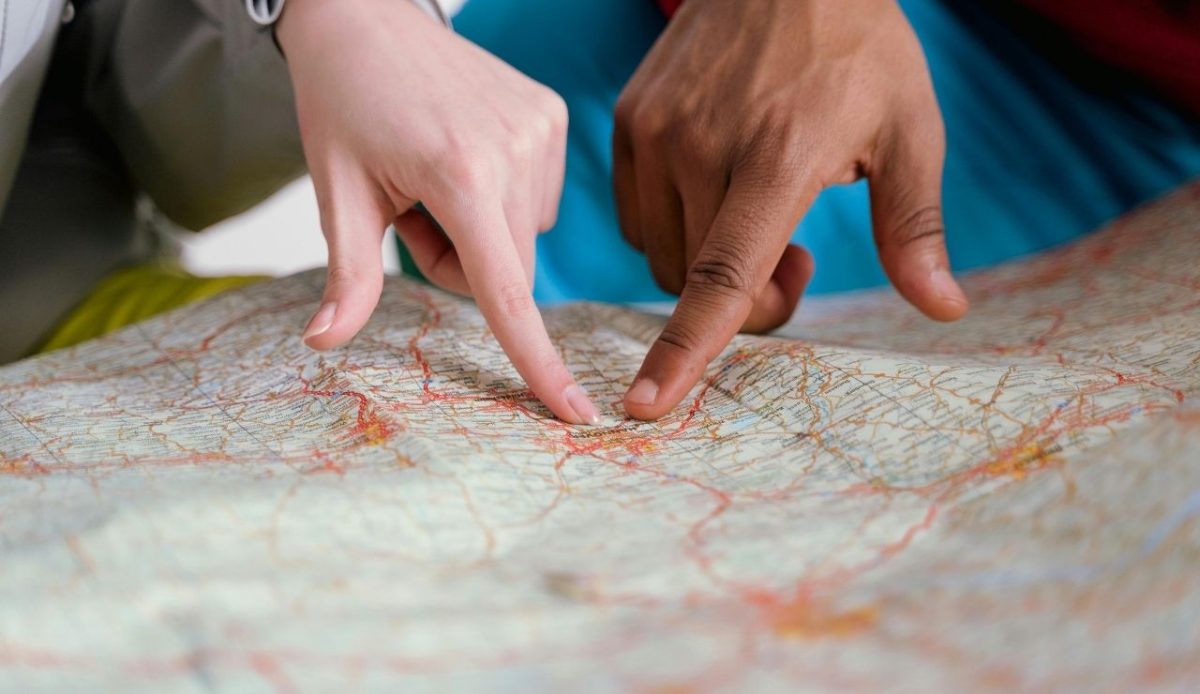
Printed itineraries, booking codes, and flight details stay hidden because they reveal when travelers are away from their rooms. Smart travelers store these papers in zipped folders or digital apps with lock features. They avoid leaving documents on open desks where hotel staff or other guests might see them. In public spaces, they limit exposure by checking details quickly instead of unfolding full schedules in crowded lines. Keeping these items secured prevents outsiders from learning patterns or timings. It also helps travelers stay organized and reduces confusion when switching between hotels, transfers, and sightseeing locations.
6. Daily Medication

Travelers guard their medication because losing it can create serious problems during a trip. They store pills in sealed containers and place them inside a secure pocket or the room safe when they step out. They avoid leaving medication on open tables where someone could move it or tamper with it. When going out for the day, they carry only what they need and keep the rest protected inside their luggage. This prevents damage from heat or moisture and keeps doses available at the right time. They also keep prescriptions tucked away to avoid exposing personal health details in public places.
7. Small Tracking Devices
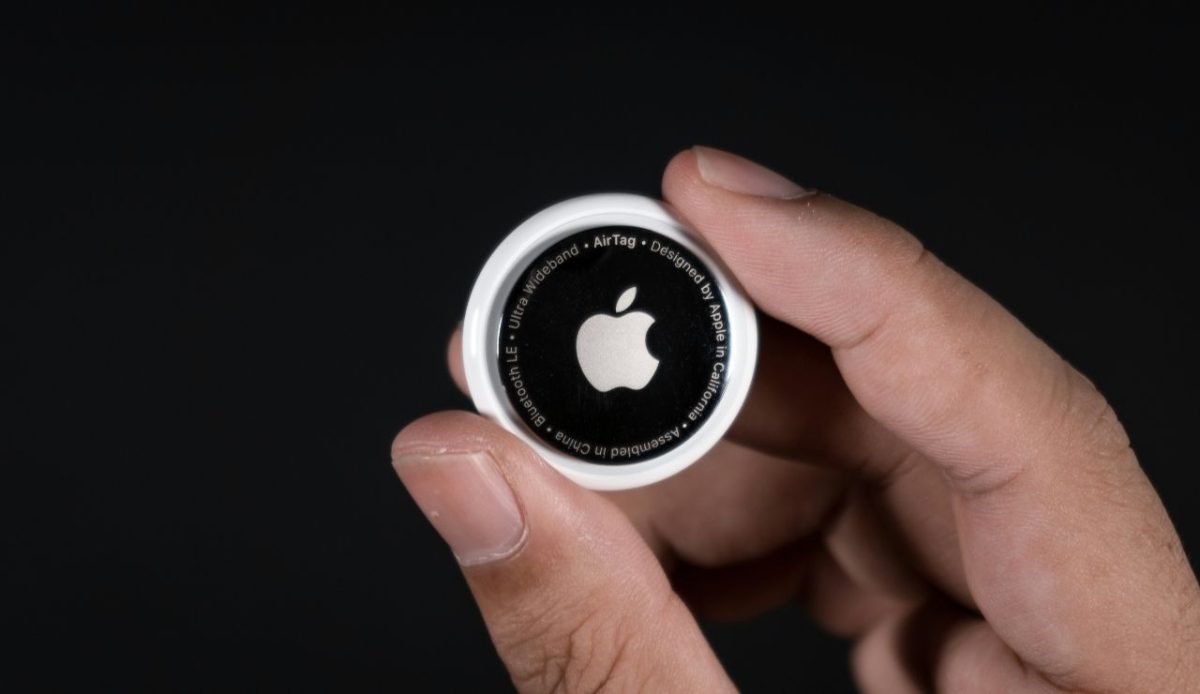
Smart travelers hide tracking devices such as AirTags or Tiles inside luggage so they can locate bags quietly without drawing attention. They place the device deep in a pocket where it cannot be seen or removed easily. Travelers avoid talking about the tracker in public settings because it alerts others that valuable items may be inside the bag. They check the location through their phone rather than opening the suitcase in crowded areas. This setup helps them track lost luggage at airports and hotels. It also supports quick recovery if the bag moves unexpectedly from storage areas or shuttle vans.
8. Laptops and Tablets
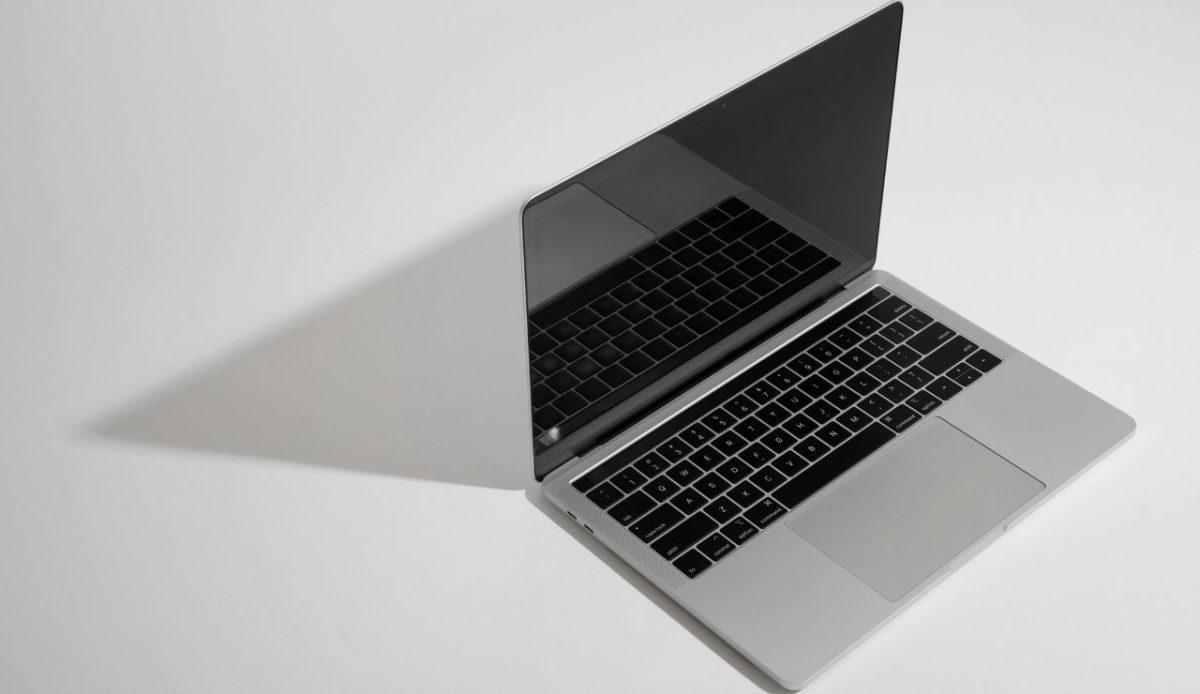
Electronics stay hidden to reduce the risk of theft and protect sensitive information. Travelers avoid leaving laptops on hotel desks where they are visible through windows or door openings. They place devices inside padded cases and store them in the safe when leaving the room. When they work in cafés or lounges, they avoid stepping away without taking the device with them. They also keep screens locked to prevent unauthorized access. This habit reduces the chances of equipment loss and helps protect accounts, saved files, and online banking details. Keeping electronics secured gives travelers steady control over personal data.
9. Jewelry
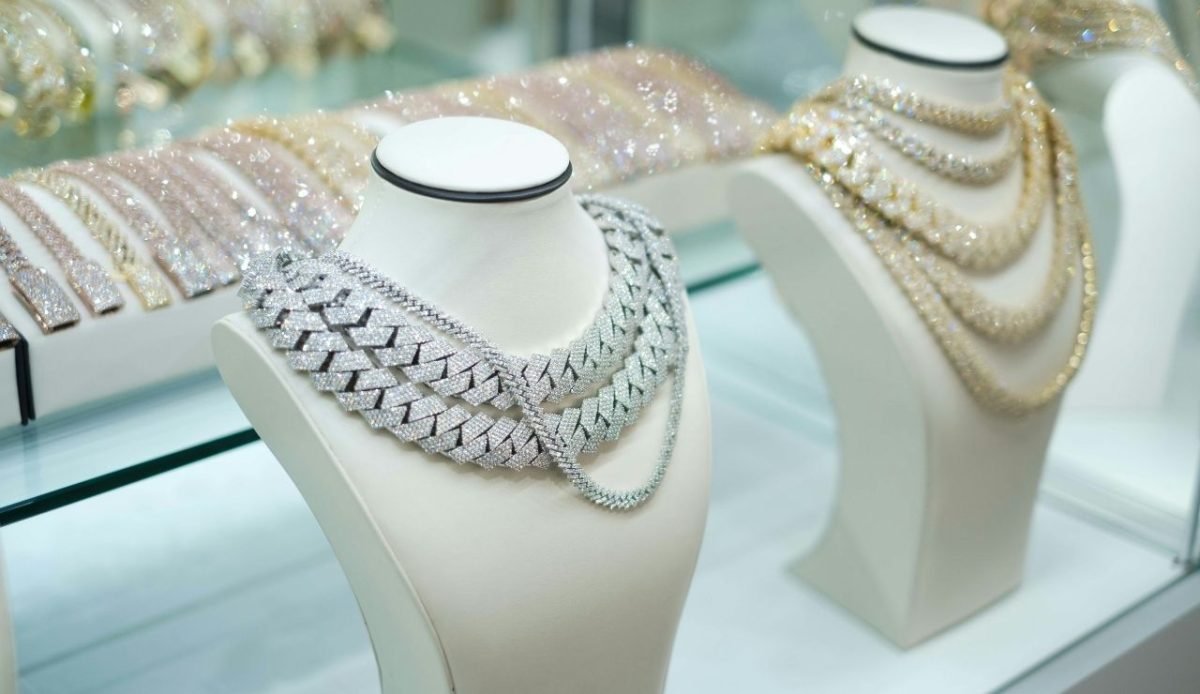
Travelers hide jewelry to avoid unnecessary attention and reduce the chance of loss. Expensive rings, watches, or chains stay in small protective cases instead of being worn in crowded markets or unfamiliar neighborhoods. They store these items inside hidden compartments in their luggage or place them in the room safe. Removing jewelry before sightseeing also prevents accidental loss during activities. Travelers avoid displaying these items during hotel check-in because it signals that they carry valuables. Keeping jewelry out of sight helps maintain safety and reduces the stress of monitoring expensive pieces throughout the day.
10. Emergency Numbers
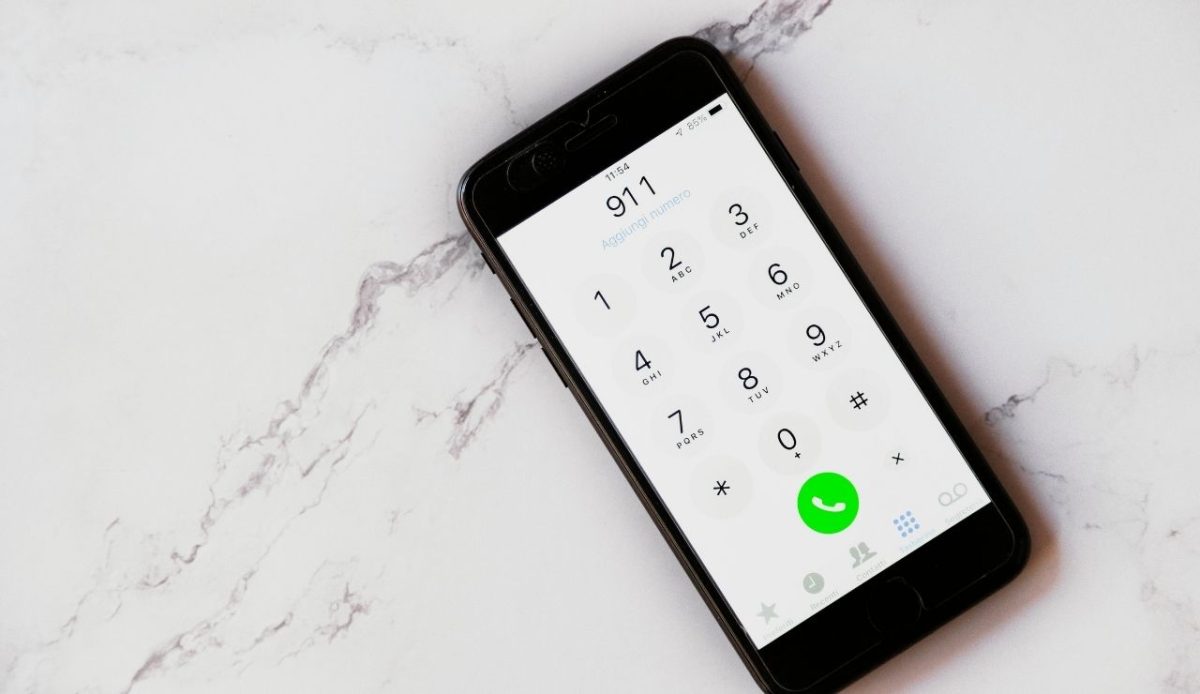
Travelers keep emergency contact numbers secured but easy to reach during stressful moments. They store the list on a locked phone note and carry a small printed copy hidden in a sealed pocket inside the bag. They avoid leaving this card loose in a wallet because losing the wallet exposes personal contacts. The list includes family, local medical services, and embassy contacts. Travelers avoid sharing these details aloud in crowded spaces. Keeping emergency numbers protected helps them respond quickly when issues arise and prevents misuse of personal information.
