
Seaside hikes look easy on a map, but the coast changes fast. A calm shoreline can turn risky when tide height rises, wind pushes spray onto rock, or fog drops visibility to a few yards. Many incidents start with small choices, like leaving late, trusting a phone signal, or stepping onto slick stone for a photo. Rangers and rescue crews report the same patterns again and again. The sections below focus on specific mistakes and the simple habits that prevent them, so hikers keep control of timing, footing, and safe exits. Check tides and marine weather, set a turn-back time, and plan how you will leave the shore.
1. Ignoring Tide Timings

Beach routes, rock shelves, and narrow coves can vanish as water rises. Smart travelers read a tide table for the exact coast they will walk, not a nearby city. They note the time of the highest tide, then build a buffer for slower walking, photo stops, and rough footing. Wind and low pressure can push water higher than predicted. They also look for posted tide warnings at trailheads and mark safe exits before starting. If water reaches the base of a bluff or covers the last dry strip, they turn back at once. Starting near low tide and leaving early keeps the return path open. Avoid last-minute climbs on loose slopes.
2. Entering Sea Caves Blindly
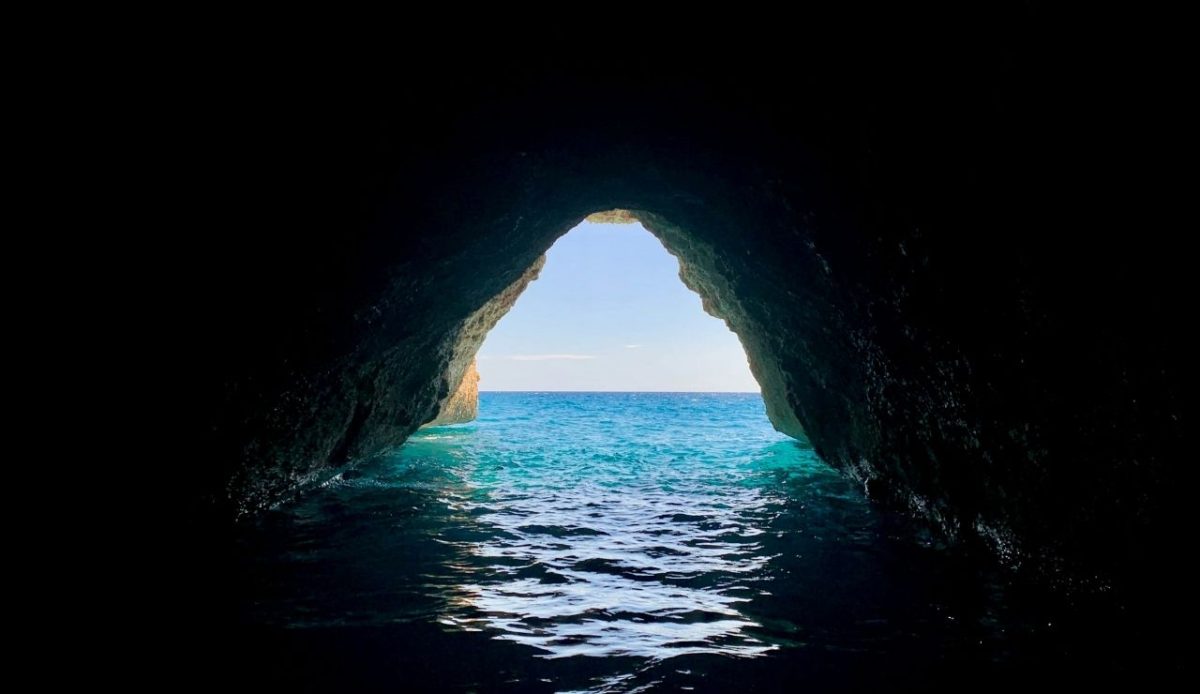
Sea caves can flood in seconds when a larger set rolls in. Smart travelers watch the wave rhythm for several minutes before entering and check both tide timing and swell height. Long-period swells can send water far inside, even on sunny days. They avoid caves with narrow mouths, sloping floors, or low ceilings that trap spray. Waves can rebound off walls and raise water higher than expected. They never enter during a rising tide, and they do not go deep enough to lose sight of daylight. If they go in at all, they stay near the exit and leave the moment water starts pushing past their ankles. Travel in pairs helps too.
3. Walking Under Unstable Cliffs
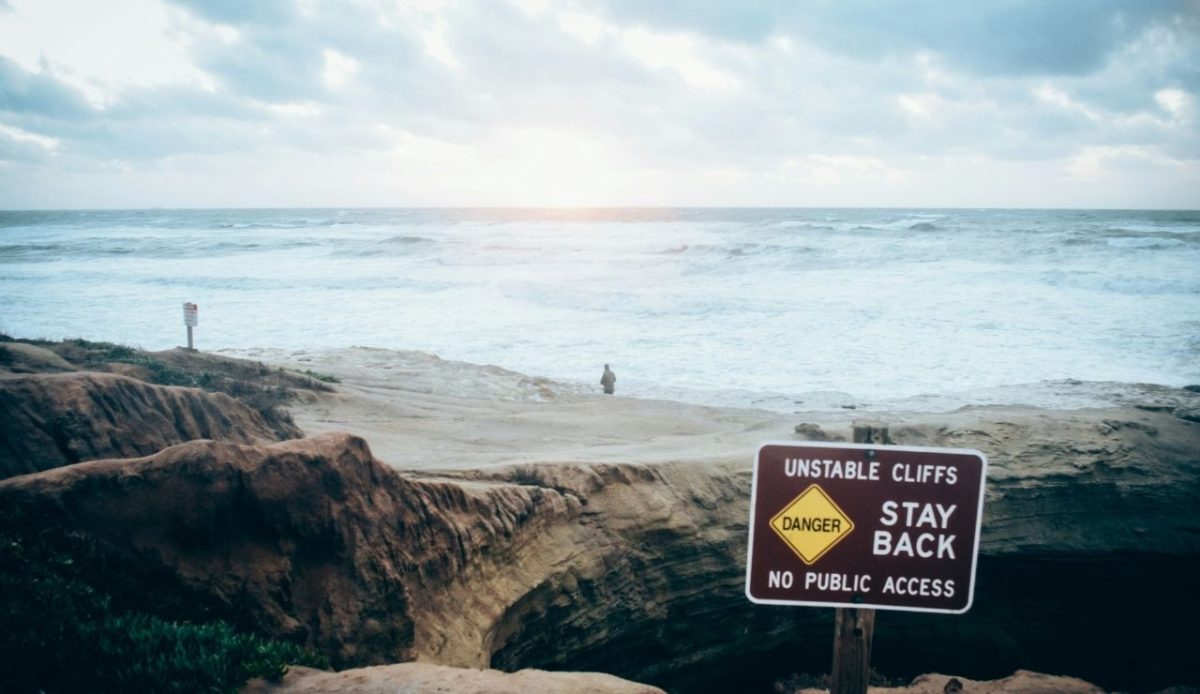
Coastal bluffs shed rock and sand without warning, and rain increases failure risk for days. Smart travelers avoid walking directly under cliffs, even on wide beaches. They move through exposed stretches without stopping for snacks or photos, and they keep kids and pets away from crumbly slopes. Fresh cracks, fallen debris, and wet seep lines signal recent movement. They also avoid climbing loose dunes or shortcutting up soft faces, since a slip can start a slide. If signs warn of rockfall, they follow them, because erosion can extend beyond the marked area. Choosing a safer line costs little time compared with an injury.
4. Trusting Cell Signal Coverage

Cliffs, headlands, and deep coves can block service, even near busy coastal towns. Smart travelers download offline maps and keep a paper backup of key turns and exit points. They share their plan and return time with someone who is not on the hike. Phones also drain faster in wind and cool air, and they lose power while searching for a signal. A small battery pack helps, but it does not solve dead zones. Some hikers carry a whistle for short-range alerts. If fog rolls in, a familiar path can feel new. By planning for no coverage, hikers avoid unsafe spurs and keep timing for tides and weather. Stay on track.
5. Standing Too Close to Edges
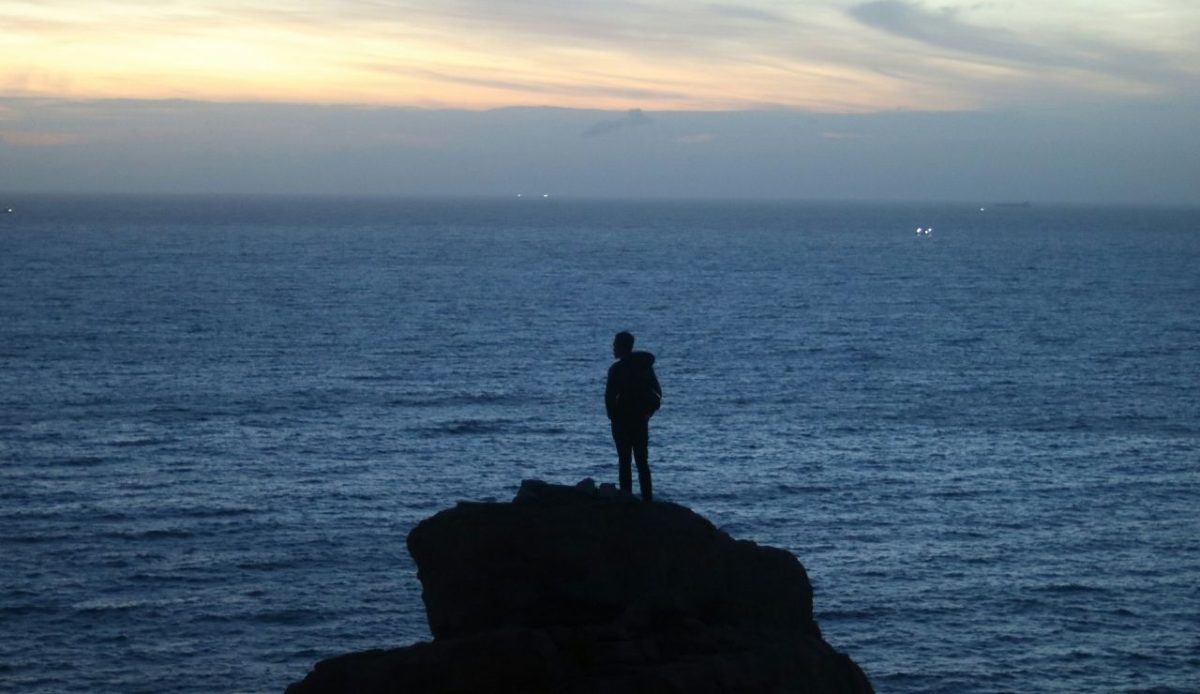
Coastal cliffs erode from below, so the ground near an edge may be undercut and fragile. Smart travelers keep a wide buffer from drop-offs, even when the surface looks flat. They avoid stepping past fences, standing on overhanging turf, or backing up for a photo without checking footing. Strong gusts can shift balance in an instant. Cracks, slumping soil, and sparse grass can signal weak ground. When passing other hikers, they wait for space instead of squeezing along the rim. Tripods and selfie sticks get set up well back from the edge. Staying back also prevents knocking rocks onto people below.
6. Overlooking Sneaker Wave Signs
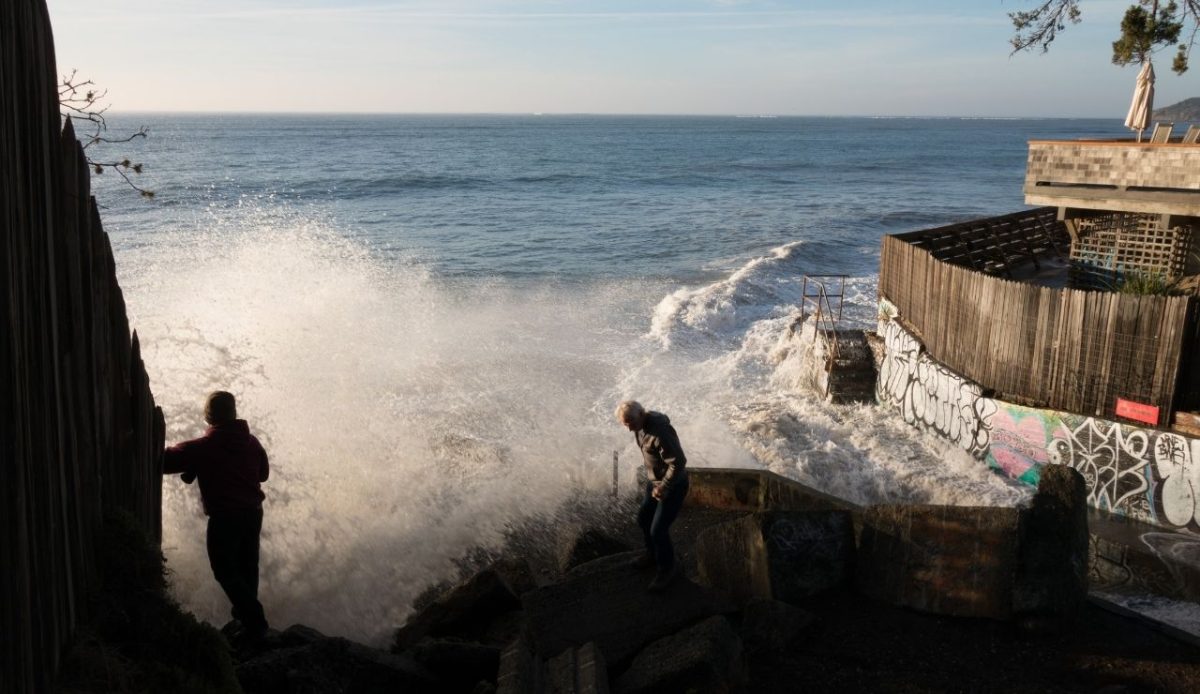
Sneaker waves arrive higher and faster than the regular set, sometimes after a long, calm gap. Smart travelers read posted warnings and treat wet rock and the dark tide line as a boundary. They keep their eyes on the ocean, since turning away is when many people get hit. Kids and dogs stay well back, since they get pulled off balance more easily. They avoid standing on driftwood logs that can roll or lift with water. They also skip tide pools during rough surf. If a big wave soaks the area, they move higher at once and keep moving. A sudden pull can knock a person down before they can react. Stay alert.
7. Wearing Poor-Grip Footwear
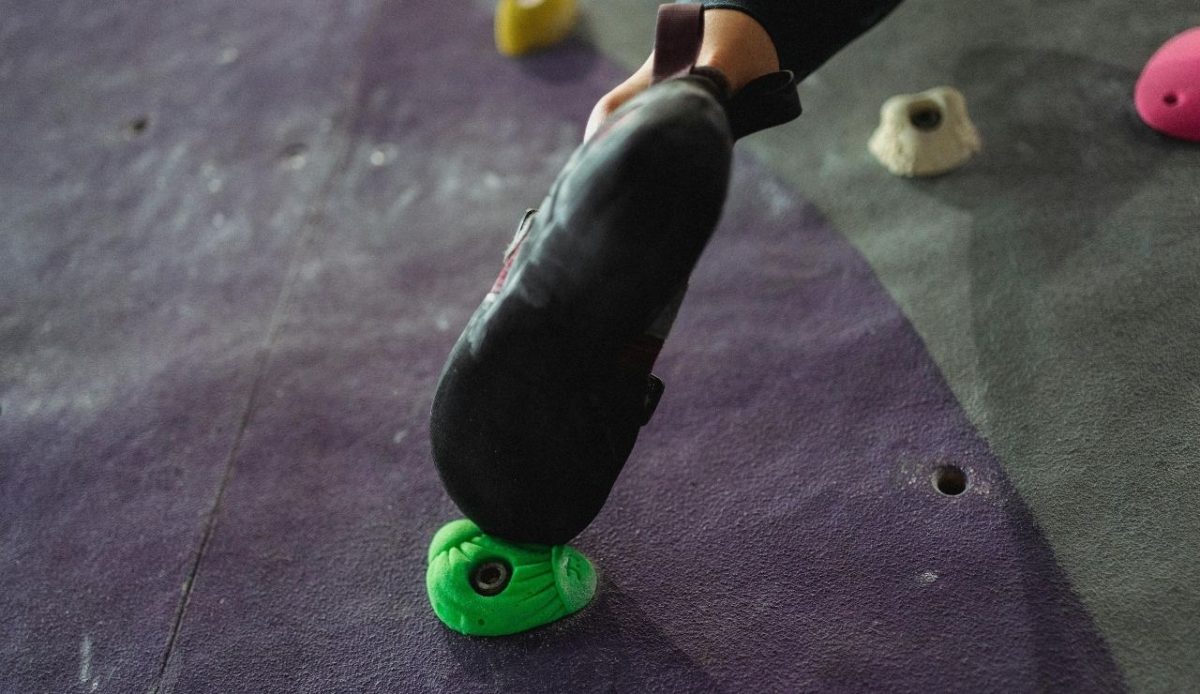
Coastal trails often switch between sand, wet stone, and slick algae patches. Smart travelers pick shoes with a strong grip and a stable sole, not smooth running shoes meant for pavement. They avoid sandals and flip-flops on any route with rocks, roots, or steep grades. They expect slips on short crossings near tide pools, stream mouths, and rock steps where spray keeps surfaces damp. A spare pair of socks helps after wet sand, since grit can cause blisters quickly. If the route includes boulder hopping, they slow down and test each step. Better traction lowers the chance of a fall onto sharp rock.
8. Parking in Flood-Risk Areas
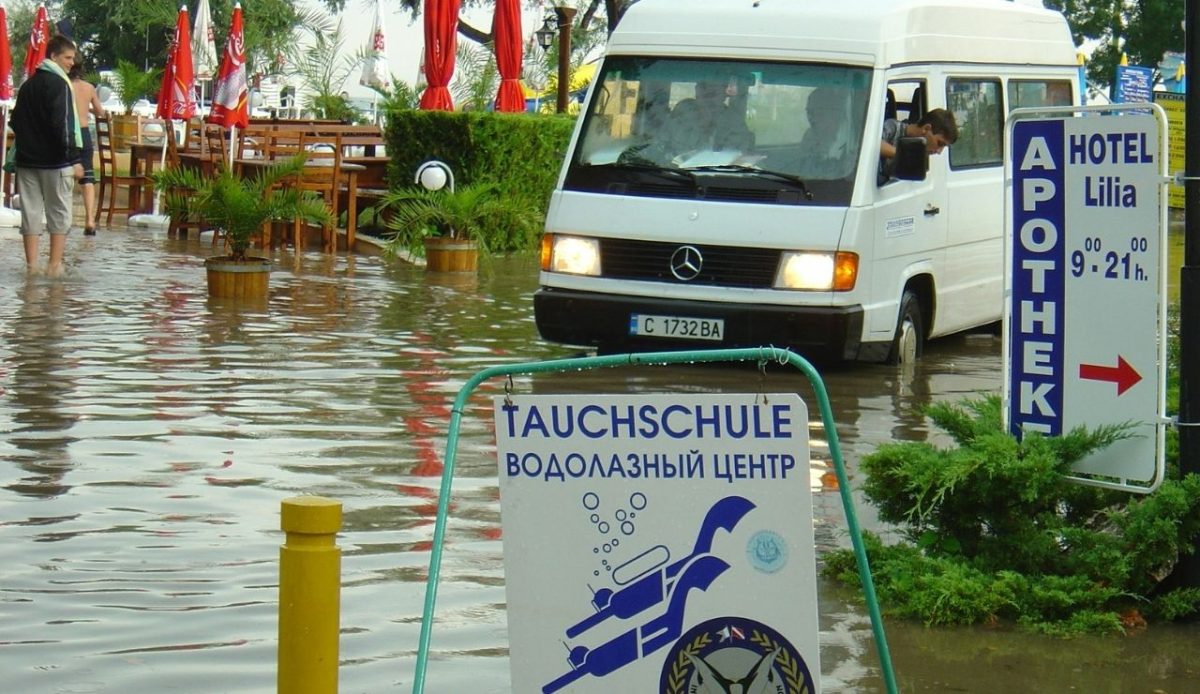
Beach lots and roadside pullouts near estuaries can flood during high tide or storm surge. Smart travelers read posted tide notices and look for water lines on pavement, sand, and grass. They avoid parking on firm-looking sand that can soften as water rises, trapping tires. Saltwater damage can disable a car fast, and a stuck vehicle can block emergency access. They also check for temporary closures after storms, since dunes and access roads shift. If the only spaces are low, they park farther away on higher ground and walk in. Protecting the return ride is part of the safety plan. They plan daylight for the walk back.
9. Underestimating Coastal Winds
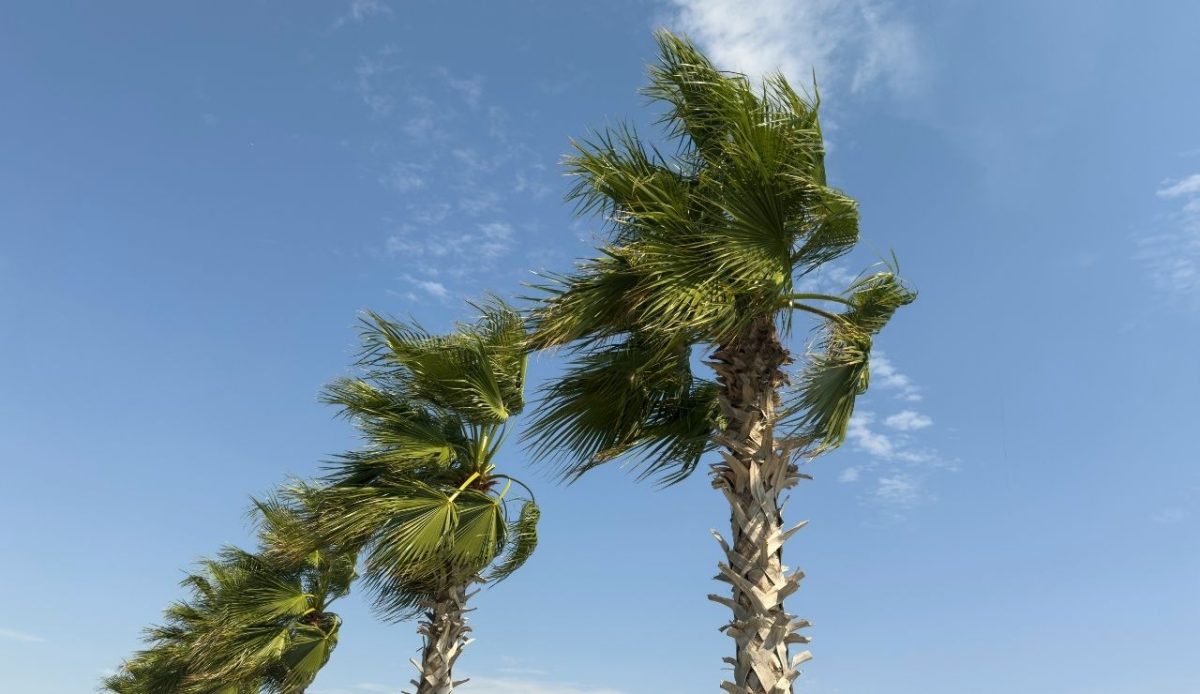
Coastal wind can feel mild at the car and brutal on an open headland. Smart travelers check wind speed and gusts, then pack layers that block chill without overheating. Wind increases fatigue, pushes hikers toward edges, and can make poles unsafe on narrow paths. It also dries sweat fast, which can hide dehydration. They carry more water than an inland hike of the same distance and eat small snacks to keep energy steady. Hats and loose gear get secured, since chasing them can lead to bad footing. If gusts make walking unstable, they choose a lower route or turn back. Wind shifts can also raise spray onto rocks.
10. Skipping Marine Weather Checks
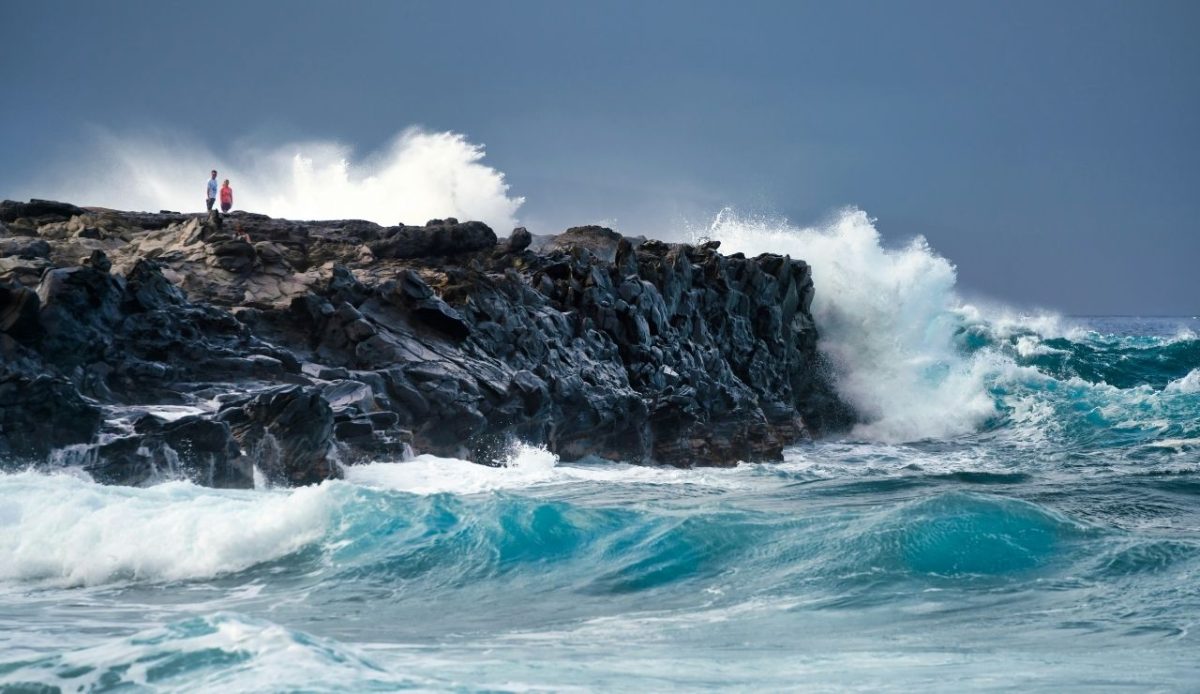
Land forecasts can miss coastal fog, swell, and surf warnings. Smart travelers check a marine forecast for the shoreline they will hike, then recheck it before leaving. Fog can drop fast and hide trail signs, cliffs, and distant landmarks. Wind shifts can push waves farther up rock shelves and make spray freeze-cold on skin. They also watch for thunderstorm risk, since exposed ridges and open beaches leave little shelter. When visibility shrinks, they slow down, use map cues, and avoid stepping near edges for a better view. Knowing marine conditions helps them choose a safer route and exit time.
