
San Francisco has long been one of the most recognizable travel destinations in the United States, known for its waterfront views, historic neighborhoods, and cultural landmarks. In recent years, however, visitor numbers and travel sentiment have shown noticeable changes that concern the local tourism industry.
Many travelers now report practical challenges that affect how they experience the city. These issues are not always tied to attractions themselves but to broader urban conditions that influence comfort, cost, and convenience.
As a result, some tourists choose shorter visits or avoid the city entirely. Understanding the factors behind this shift helps explain why San Francisco’s tourism image is evolving.
1. Rising Hotel Costs

Hotel prices in San Francisco remain among the highest in the country, even during non-peak travel seasons. Limited inventory, higher labor costs, and post-pandemic pricing strategies have made accommodations less accessible for many travelers.
Visitors comparing West Coast destinations often find similar amenities available elsewhere at significantly lower rates. This price difference becomes more noticeable for families, international visitors, and travelers planning multi-night stays.
As lodging consumes a larger share of travel budgets, some tourists reassess whether the city offers enough overall value to justify the expense.
2. Visible Street Conditions
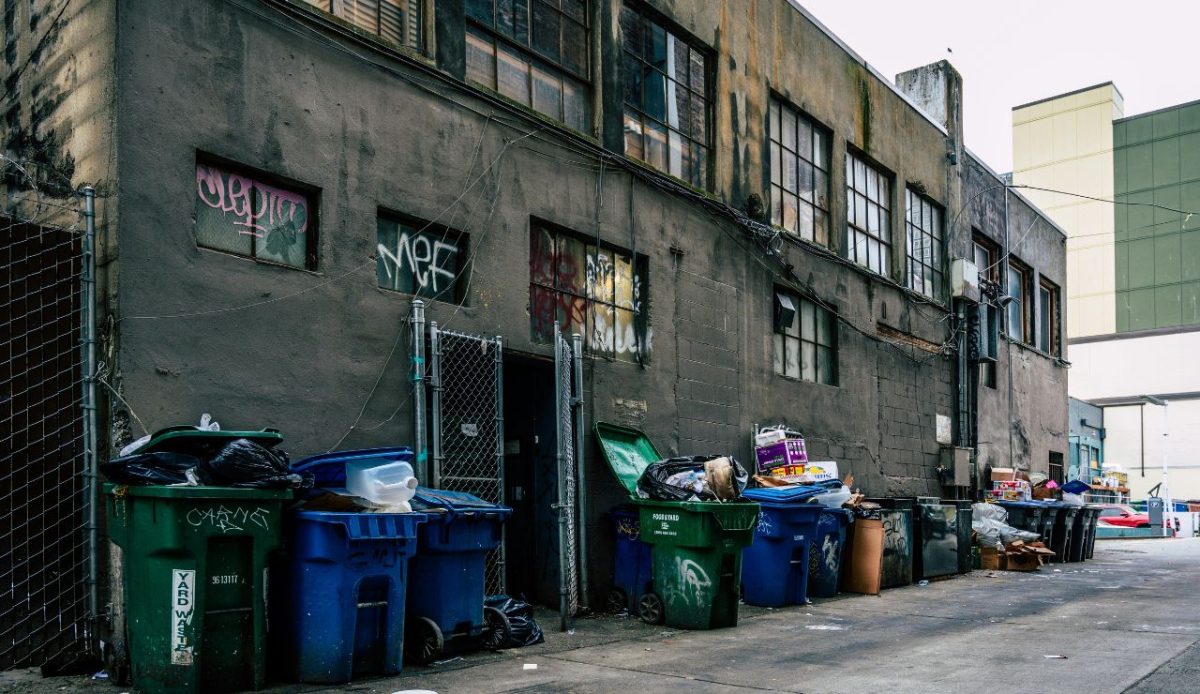
Street cleanliness and public conditions play a major role in visitor perception. In certain neighborhoods, tourists encounter overflowing trash, damaged sidewalks, and poorly maintained public spaces that contrast sharply with expectations of a major global city.
These conditions are often concentrated but highly visible in popular areas. First-time visitors may encounter them early in their trip, shaping overall impressions before they reach major attractions or cultural sites.
Even when landmarks remain enjoyable, visible neglect can reduce comfort and discourage repeat visits, particularly for travelers comparing San Francisco to cleaner urban destinations.
3. Safety Concerns
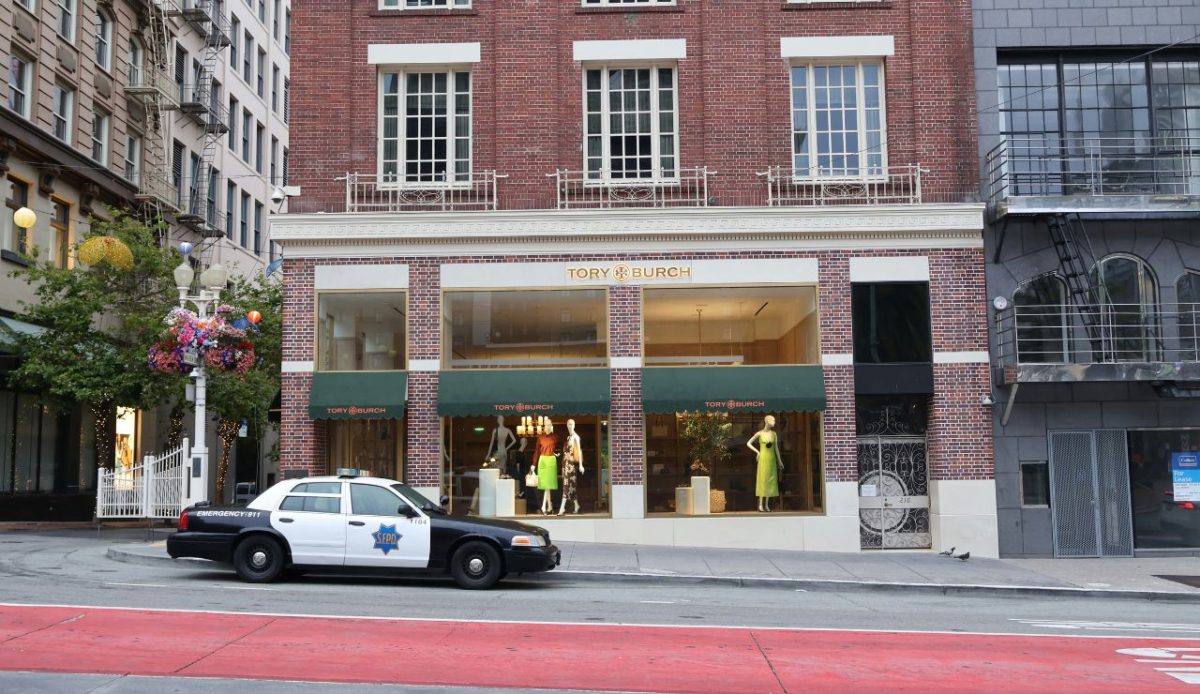
Perceived safety remains a significant concern for visitors navigating unfamiliar neighborhoods. Reports of theft and vehicle break-ins, particularly involving rental cars, are frequently mentioned in travel advisories and visitor forums.
Tourists often rely on public transit or walking, increasing anxiety in areas where street activity feels unpredictable. Warnings shared by hotels, tour operators, and car rental agencies reinforce cautious behavior.
Even when incidents are avoidable, heightened awareness changes how travelers move through the city, limiting exploration and reducing the sense of ease many expect on vacation.
4. High Cost of Dining

Dining in San Francisco has become increasingly expensive, especially in tourist-friendly areas. Menu prices, mandatory service charges, and local taxes add up quickly, even for casual meals that visitors might expect to be affordable.
Travelers accustomed to exploring food scenes through frequent dining may limit restaurant visits or search for options outside the city. This adjustment changes how visitors experience local culture and reduces spontaneous food exploration.
When everyday meals feel disproportionately costly, overall satisfaction with the trip can decline, particularly for travelers managing strict budgets or longer stays.
5. Transportation Challenges
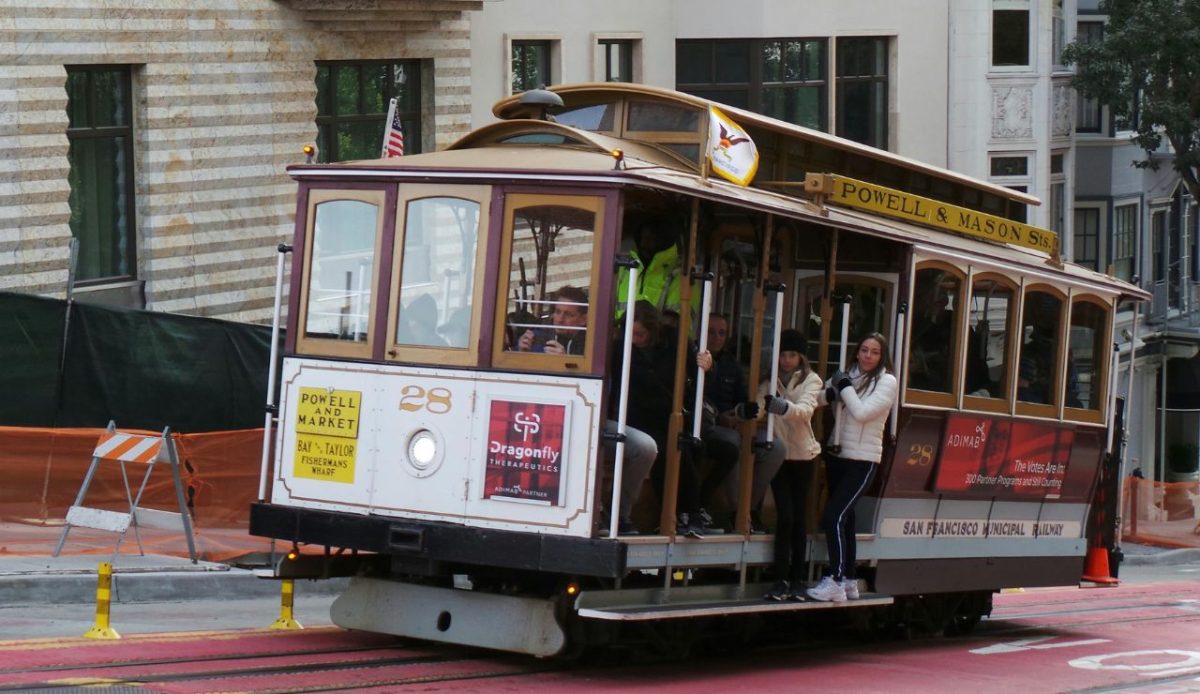
Public transportation coverage varies widely across neighborhoods. Tourists unfamiliar with the system may find routes confusing, inconsistent, or limited late at night, particularly outside central areas. Wayfinding and service changes can be difficult to follow for short-term visitors.
Rideshare and taxi costs have also increased, adding to daily expenses for travelers relying on on-demand transport. Traffic congestion further complicates travel plans, especially during peak hours and major events.
Together, these factors make moving around the city less seamless than expected, requiring more planning and flexibility from first-time visitors.
6. Reduced Downtown Activity
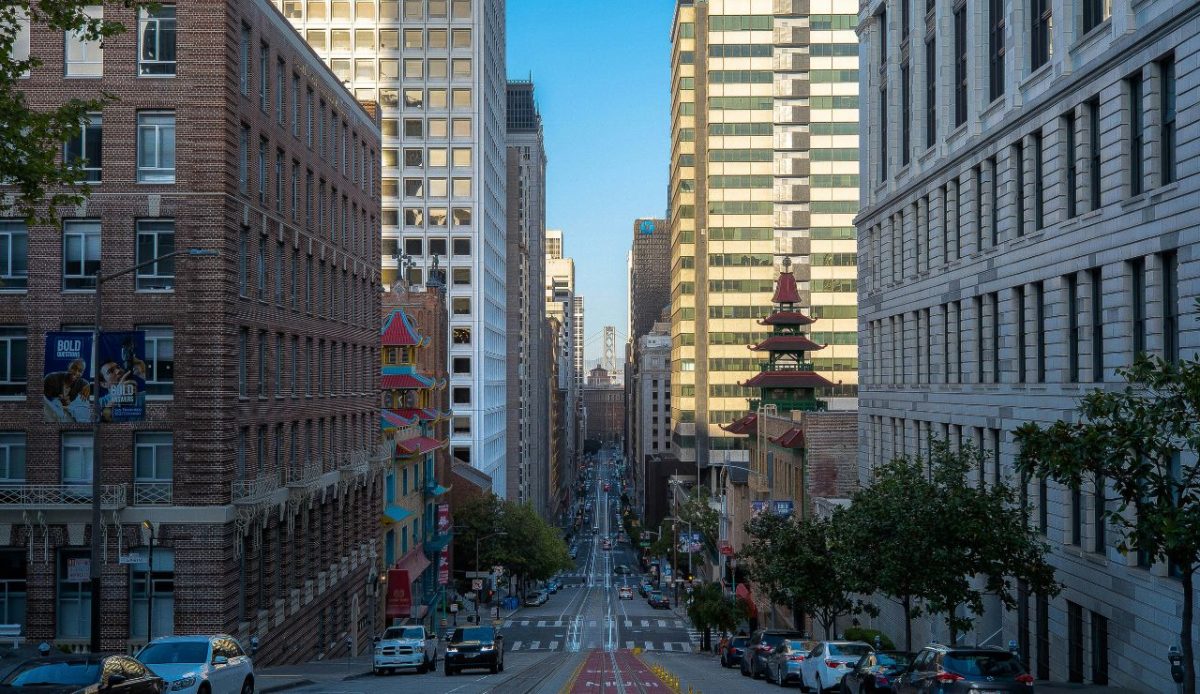
San Francisco’s downtown core has changed significantly in recent years. Office vacancies and reduced foot traffic have altered the atmosphere in once-busy areas that previously served as social and commercial hubs.
Tourists expecting lively shopping corridors and crowded plazas may instead encounter quieter streets, shortened business hours, and more vacant storefronts. This contrast can feel unexpected, particularly for first-time visitors familiar with the city’s historic reputation.
The shift affects how visitors perceive energy and vibrancy during their stay. Reduced activity also influences dining, nightlife, and evening safety perceptions, reshaping how downtown fits into travel itineraries.
7. Parking Difficulties
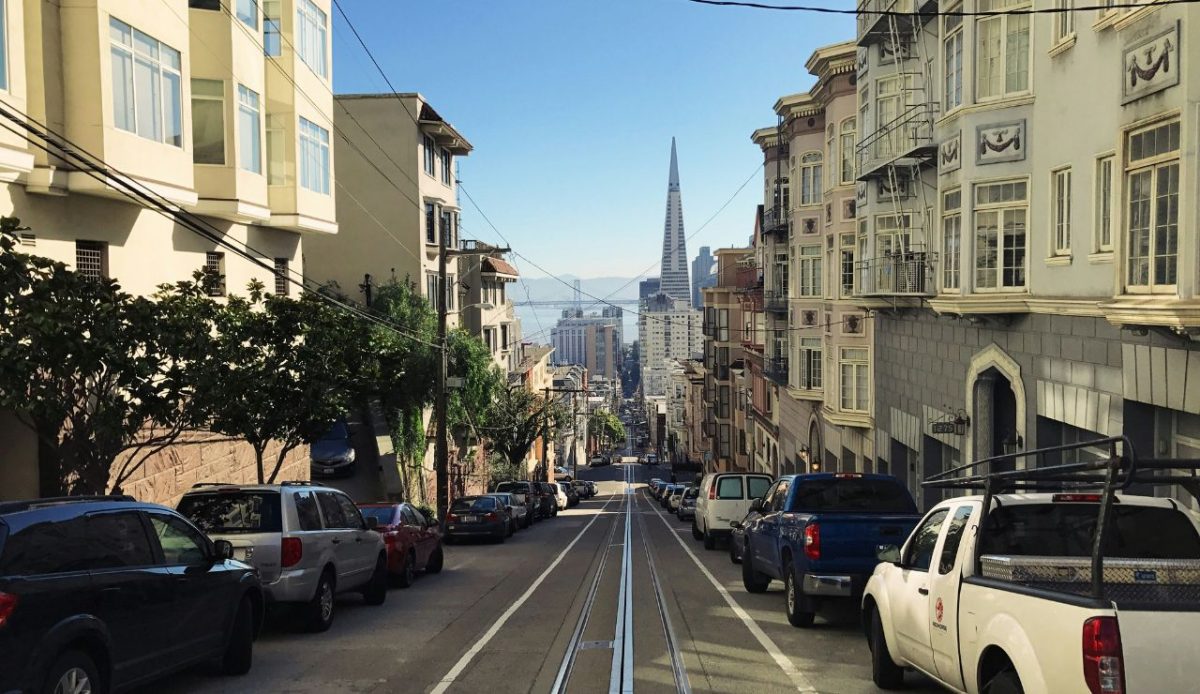
Parking remains a persistent challenge for tourists, particularly those using rental cars to explore neighborhoods outside central areas. Limited availability and strict enforcement rules often create confusion and added stress.
Meter restrictions, residential permits, and frequent street-cleaning schedules increase the risk of tickets or towing. Visitors unfamiliar with these systems may spend extra time searching for legal parking.
These issues make driving within the city less appealing for short-term travelers. Parking concerns can discourage exploration and push visitors toward alternative destinations with simpler access.
8. Weather Expectations
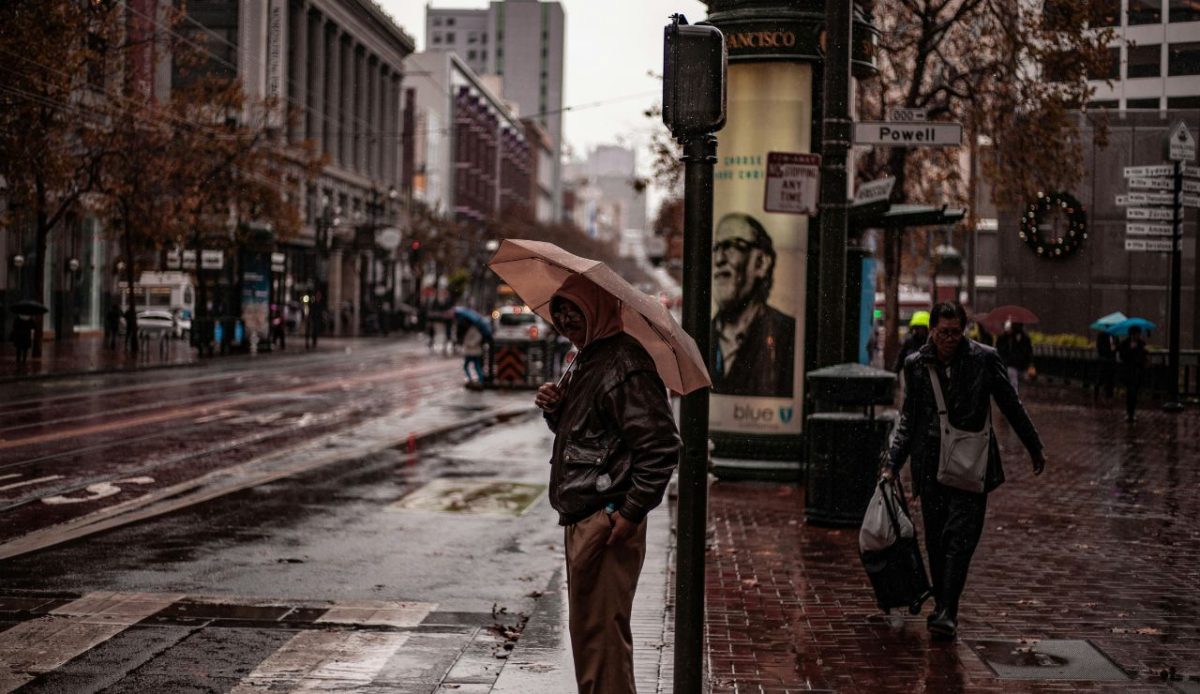
San Francisco’s weather often surprises first-time visitors. Cool temperatures, frequent fog, and steady coastal winds contrast sharply with common expectations of warm, sunny California conditions throughout the year.
Tourists unprepared for these conditions may feel disappointed or physically uncomfortable, especially during sightseeing-heavy days. Packing mistakes are common, with many visitors lacking layers needed for sudden temperature shifts.
While locals appreciate the mild and consistent climate, mismatched expectations can affect overall visitor satisfaction and shape how travelers evaluate their experience.
9. Event-Driven Crowding
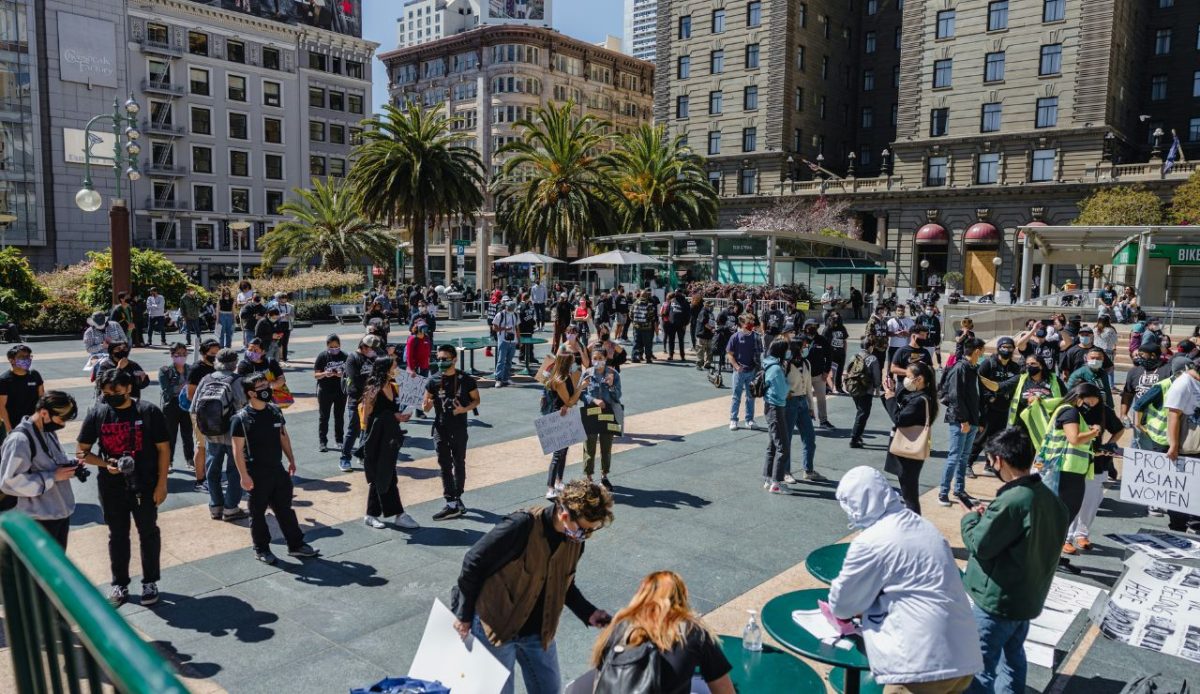
Large conventions and major events regularly place heavy pressure on San Francisco’s infrastructure. During these periods, hotel prices rise sharply, sidewalks become congested, and popular neighborhoods experience noticeable crowding.
Tourists arriving at the same time may find key attractions harder to access than expected. Transportation systems operate at capacity, reservations become limited, and dining services often face longer waits or reduced availability.
This environment limits flexibility for travelers with tight schedules. For casual leisure visitors, the added congestion can reduce comfort and make the overall experience feel rushed and less relaxed.
10. Shorter Trip Planning Trends
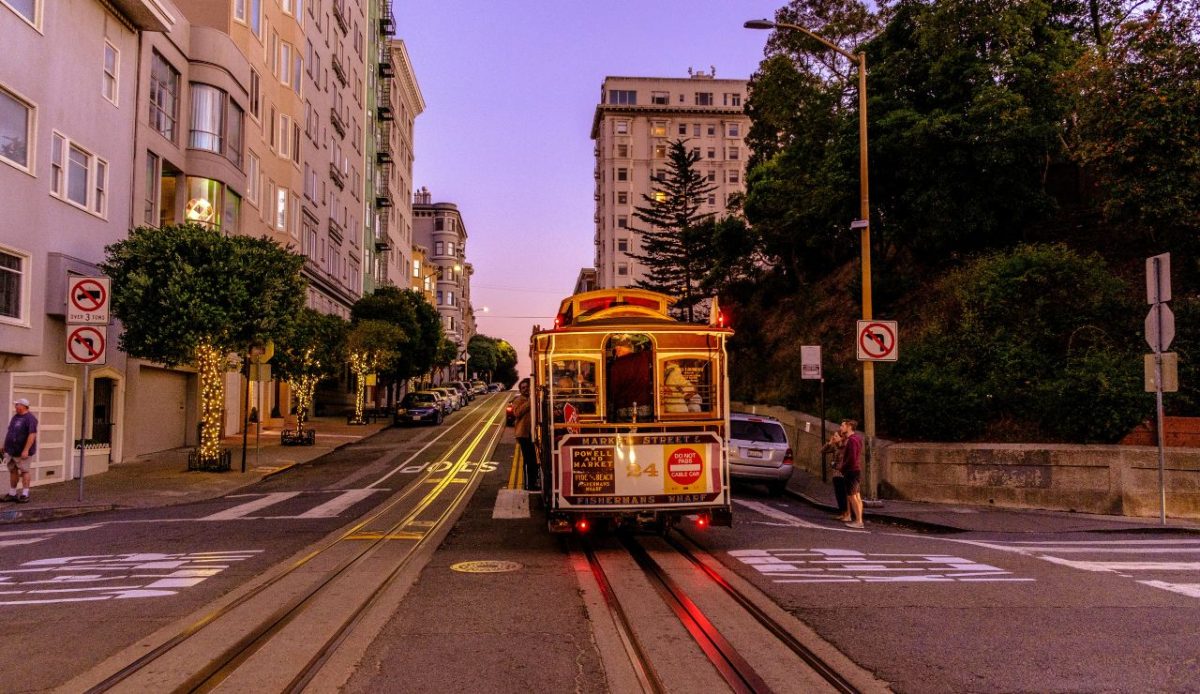
Travel habits have shifted toward shorter, more flexible trips, which affects destinations like San Francisco. Many tourists now prefer places where major attractions are closer together and easier to experience in limited timeframes.
San Francisco’s layout, combined with transportation challenges and higher daily costs, can make brief visits feel rushed. Travelers with limited vacation days may prioritize destinations that require less planning and movement.
As trip lengths shrink, cities that demand more time and expense face increased competition. This trend influences why some tourists choose alternatives better suited to quick getaways.
