
Happiness is not always easy to measure, but researchers now use health, safety, economy, culture, and daily life factors to create reliable city rankings. The 2025 Happy City Index reviewed more than 200 cities worldwide across six themes: governance, health, economy, environment, mobility, and citizens. Each city earned a score based on 82 indicators. The results highlight places where public services are strong, opportunities are wide, and people feel safe and connected. Here are the top ten, presented in descending order, supported by data from the index.
10. Rotterdam, Netherlands
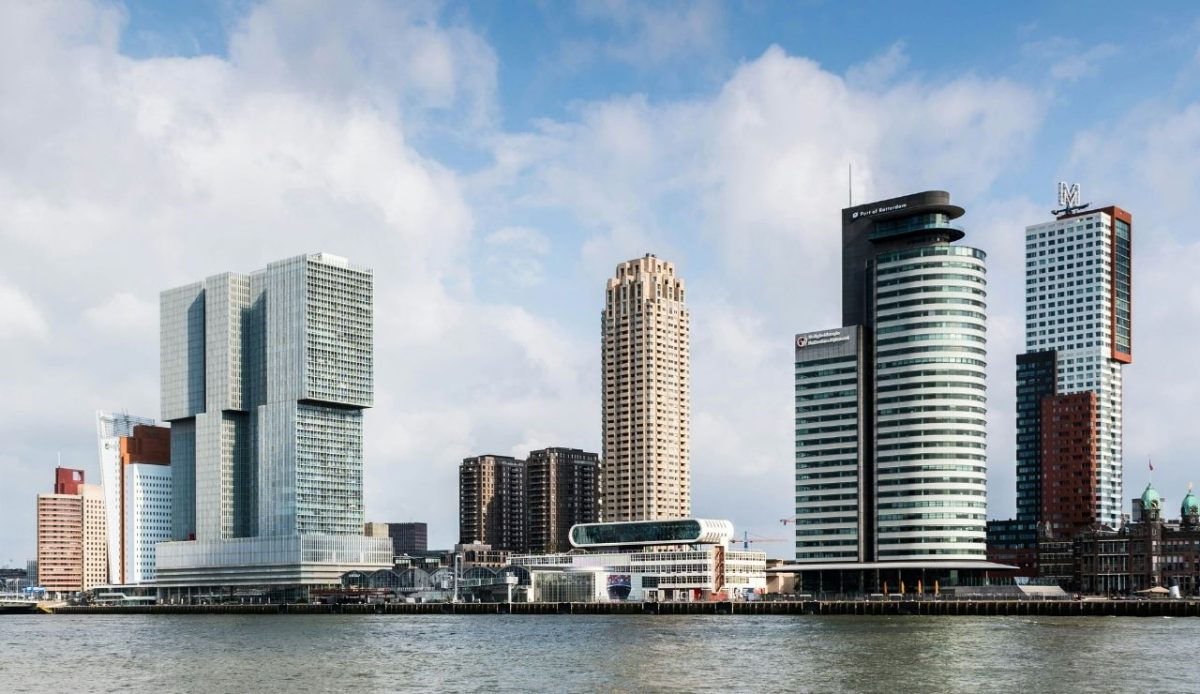
Rotterdam ranks tenth worldwide in the 2025 Happy City Index. According to the report, it performed especially well in the health theme, finishing in the top five globally due to high life expectancy and accessible healthcare. The city has invested in urban renewal and sustainable design with an emphasis on public housing and green transport. Its port remains one of the busiest in the world, and local policies focus on reducing congestion and improving air quality. Education and jobs contribute to stability. Programs for social inclusion show how a modern city can remain people-centered.
9. Munich, Germany
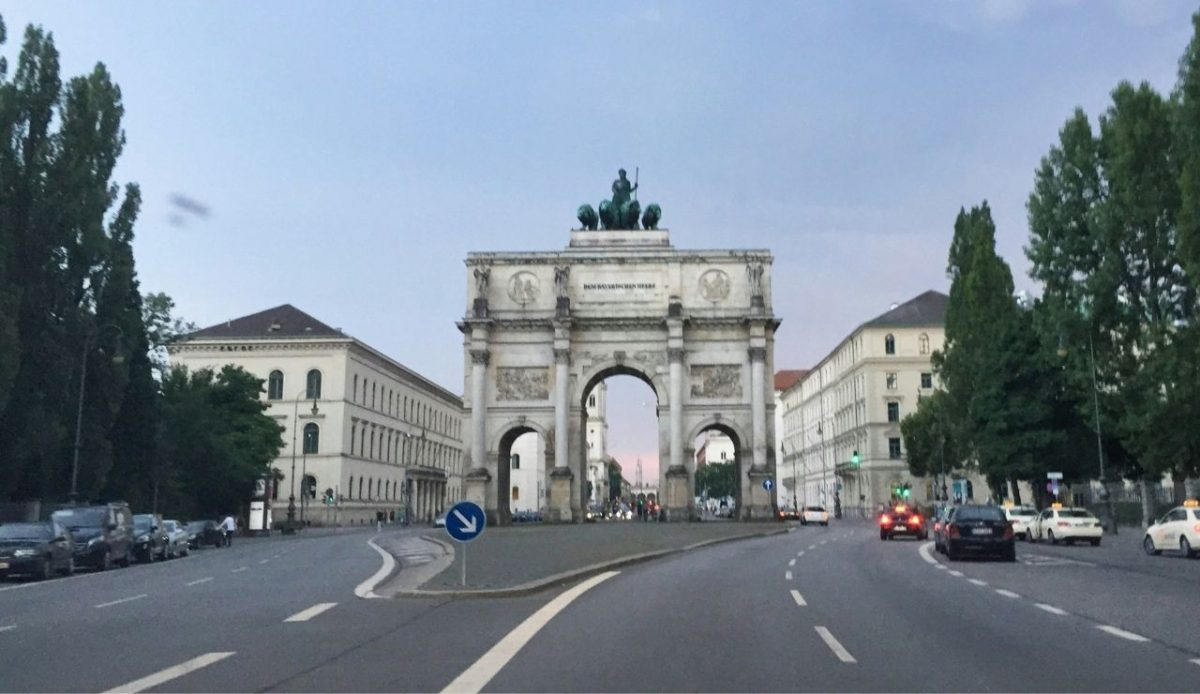
Munich is placed ninth in the index, backed by its strong economy, safety, and cultural life. Data shows it ranks among the top cities worldwide for education and cultural opportunities, ensuring residents feel connected to both tradition and progress. Large green spaces, such as the English Garden, make recreation easy within city limits. Public healthcare and schools add long-term security. Housing costs remain high, but wages and employment rates balance those pressures. The index highlights Munich as a city that combines economic power with strong community values and a high quality of life.
8. Taipei, Taiwan
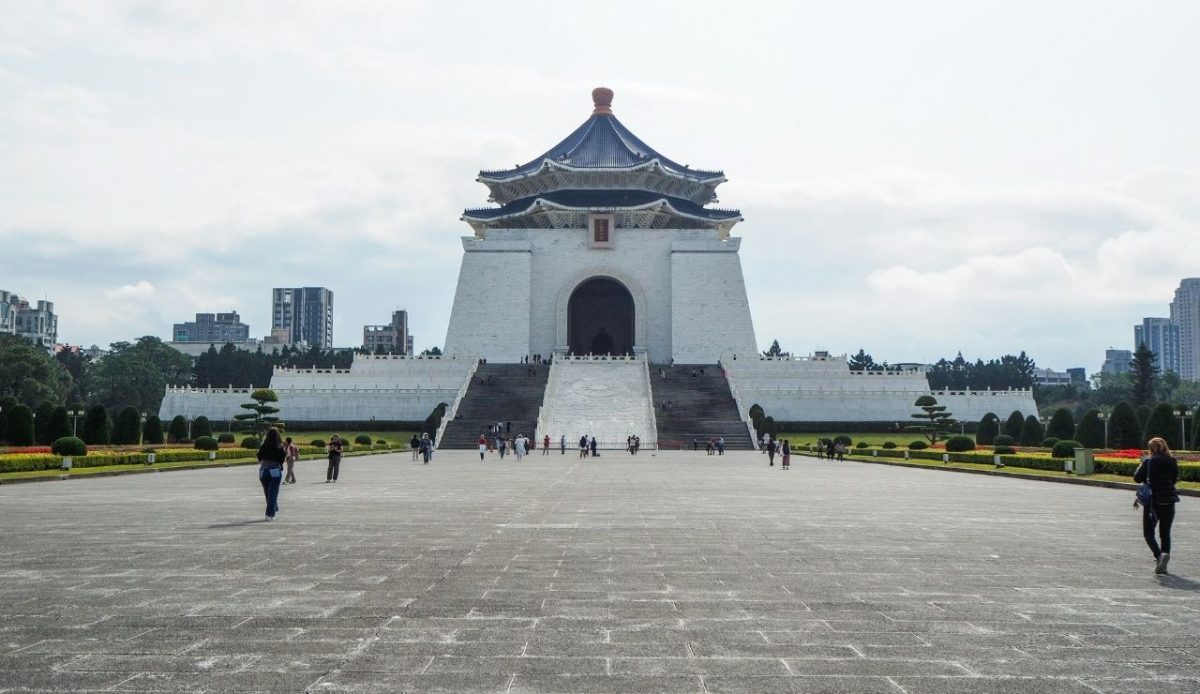
Taipei earns the eighth position according to the Happy City Index. It is recognized for its healthcare system, which remains one of the most affordable and accessible worldwide. The report also notes that Taipei performs strongly in governance, reflecting trust in local institutions and effective city planning. Efficient public transit reduces stress for commuters. Street markets, festivals, and temples keep a sense of community alive. By investing in both high-tech industries and cultural traditions, Taipei demonstrates how an urban center can grow rapidly while still maintaining life satisfaction for its residents.
7. Stockholm, Sweden
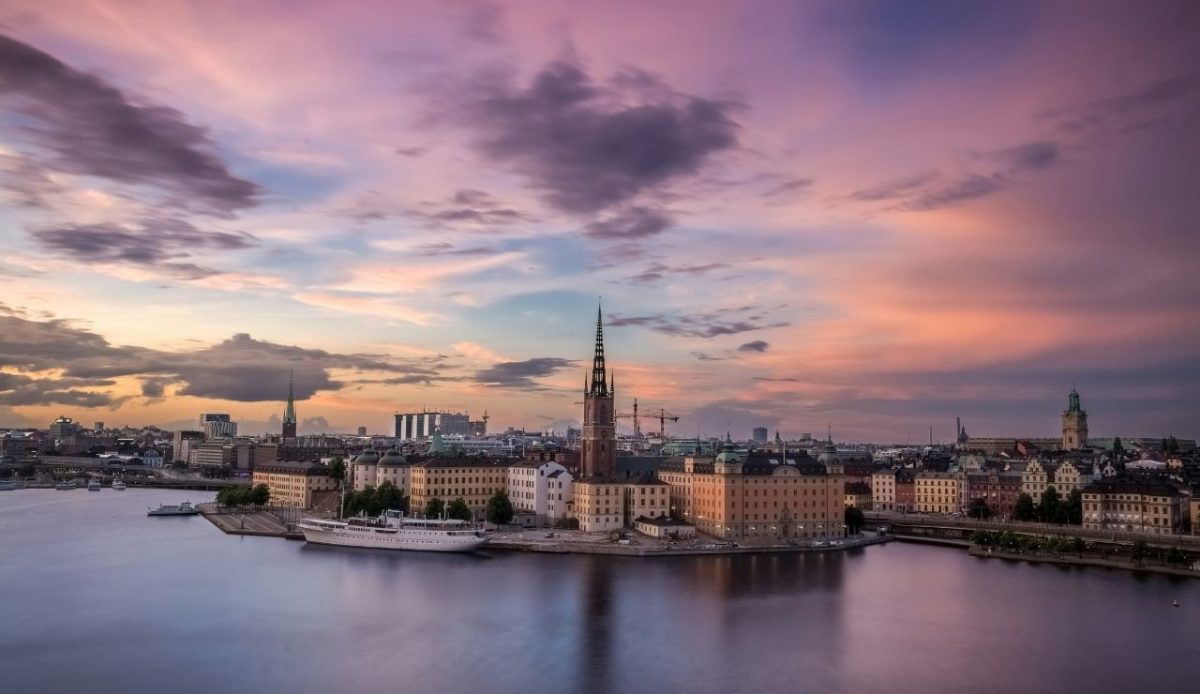
Stockholm ranks seventh and scores highly in environmental and social well-being. The index shows the city performs above global averages in healthcare access, safety, and equality. Public policies support family life with childcare, education, and parental leave that reduce inequality. Stockholm’s environmental record is also strong, with clean waterways, parks, and effective waste management. Cultural life is another point of strength, ranging from museums to design and music. Living costs are high, but strong wages and social systems balance daily life. Stockholm reflects the benefits of long-term public trust and sustainability.
6. Seoul, South Korea
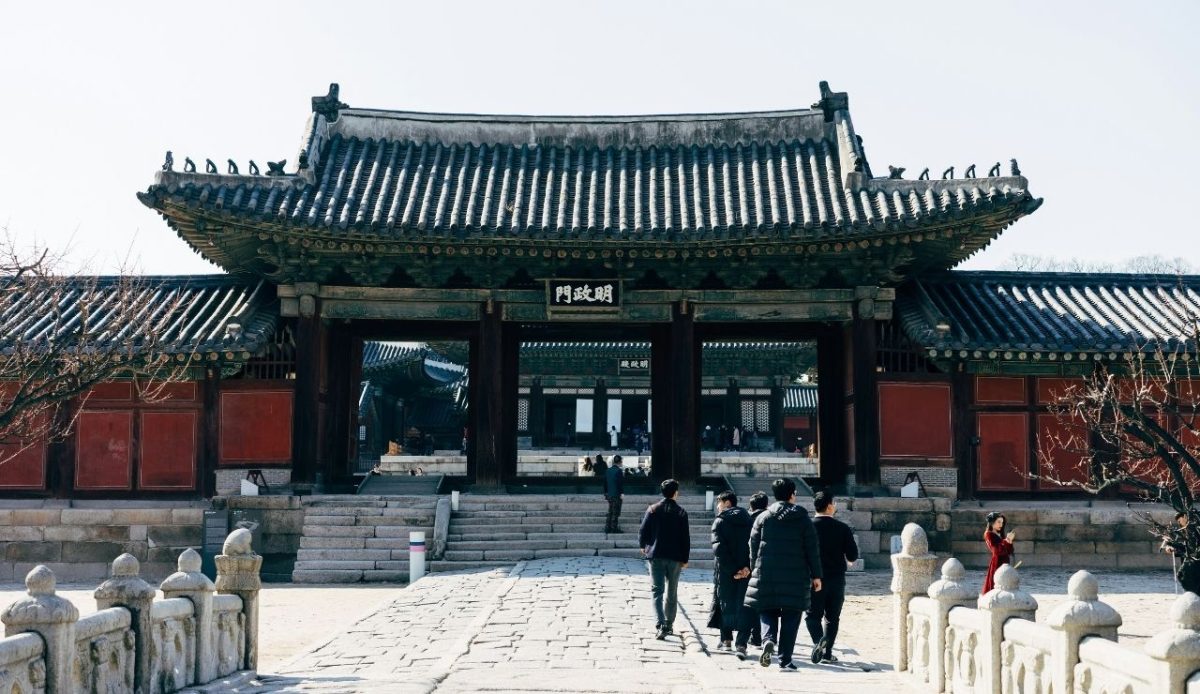
Seoul takes sixth place, and the index highlights its efficiency in mobility and technology. Its subway and bus system is regarded as one of the most advanced globally, easing travel for millions. Healthcare and safety also score highly, making residents feel secure in daily life. The government has invested in mental health and work-life balance policies to address the pressures of fast-paced urban living. Parks, cultural landmarks, and historical sites balance the dense city environment. According to the index, Seoul’s combination of tradition, modernization, and public services creates a strong foundation for happiness.
5. Antwerp, Belgium
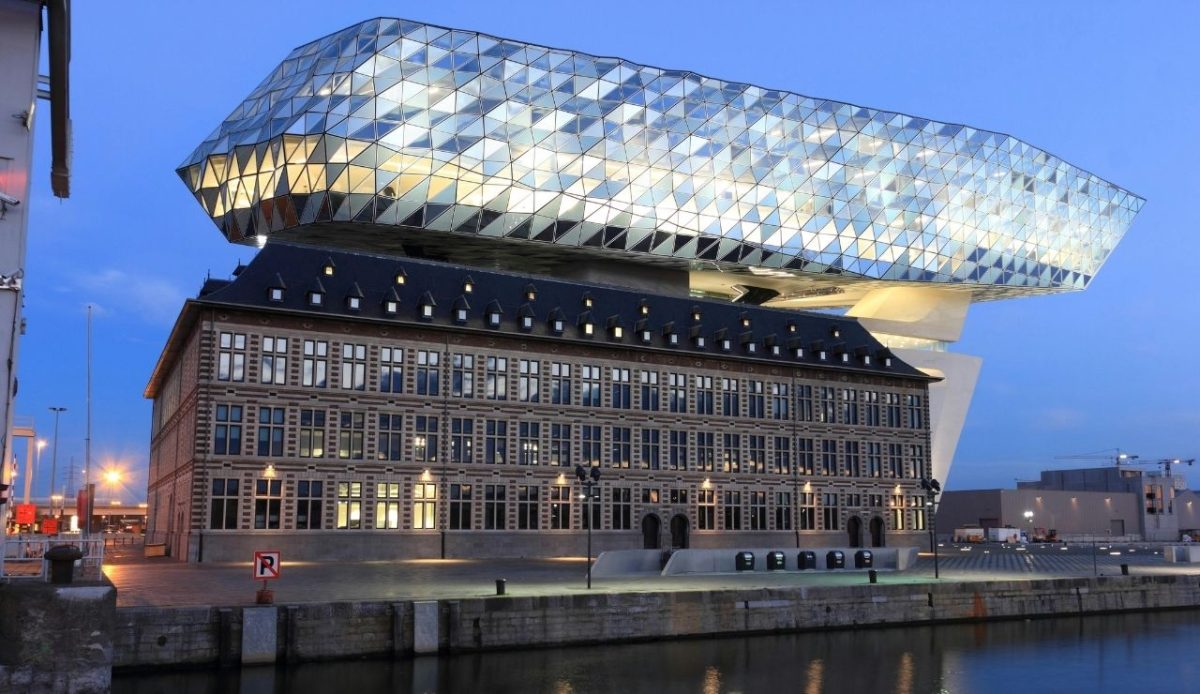
Antwerp comes in fifth, noted in the index for strong cultural engagement and environmental initiatives. The city is known for its diamond trade, but it scores highly for community life, healthcare, and education access. Public services and housing programs keep inequality low. Cultural institutions such as museums, theaters, and music venues enrich daily life. Antwerp also invests in sustainable development, contributing to clean air and green spaces. According to the Happy City Index, Antwerp’s balance of economic strength, environmental planning, and civic culture places it among the world’s happiest mid-sized cities.
4. Aarhus, Denmark
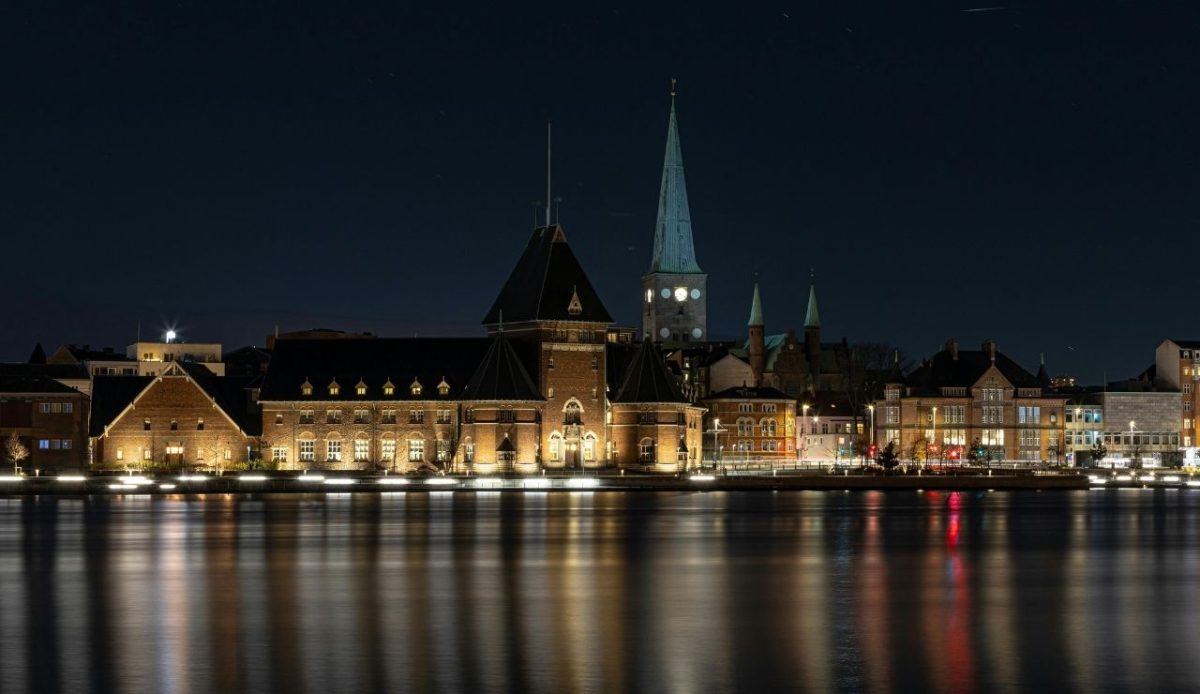
Aarhus ranks fourth, reflecting Denmark’s broader reputation for high living standards. The index shows that governance, education, and healthcare systems score particularly well, supported by strong public trust. Aarhus is a university city that draws young professionals and students, which helps maintain a lively and innovative environment. Urban planning emphasizes sustainable housing and connected green spaces, reducing stress in daily routines. Festivals, local markets, and creative industries contribute to social life. According to the Happy City Index, Aarhus demonstrates how smaller cities with strong institutions and active communities can outperform larger global capitals.
3. Singapore, Singapore
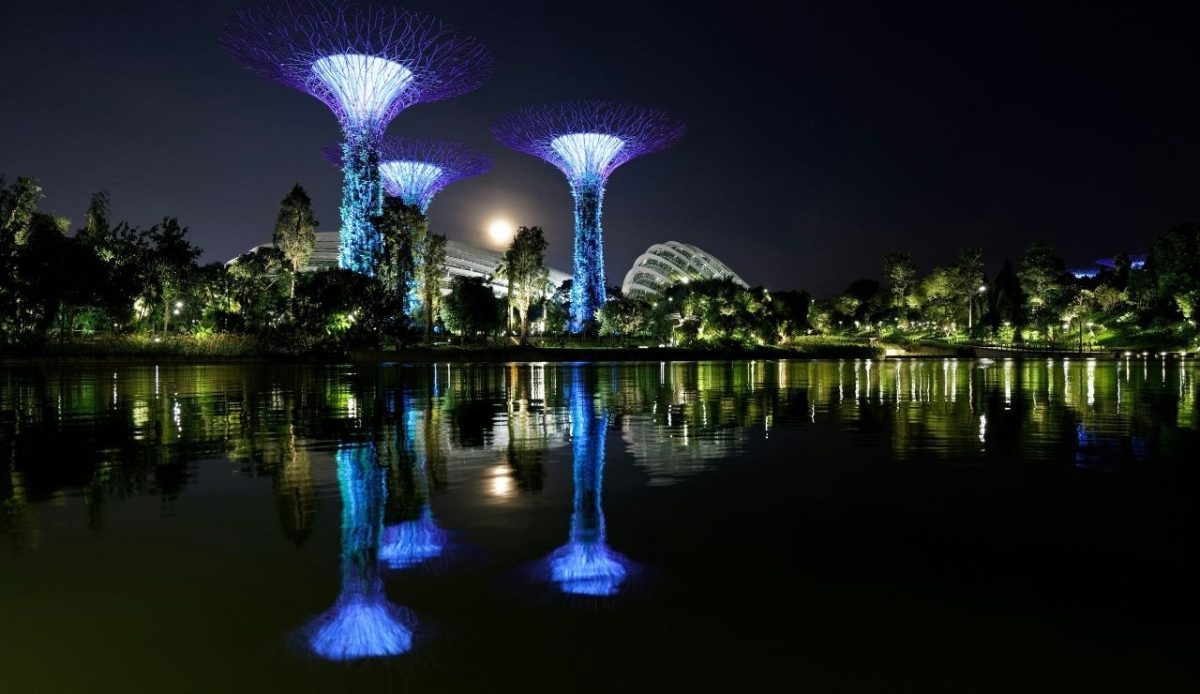
Singapore is placed third in the 2025 rankings, recognized for safety, governance, and mobility. The index reports that it ranks among the top cities globally for public trust and infrastructure. Residents benefit from reliable healthcare and one of the world’s most efficient transport networks. Singapore is diverse, with multiple cultures shaping its food, traditions, and neighborhoods. Green initiatives such as vertical gardens and sustainable building practices reinforce its sustainability goals. Living costs are high, but strong wages and economic stability provide balance. Singapore remains a model for how careful planning and public services foster urban happiness.
2. Zurich, Switzerland
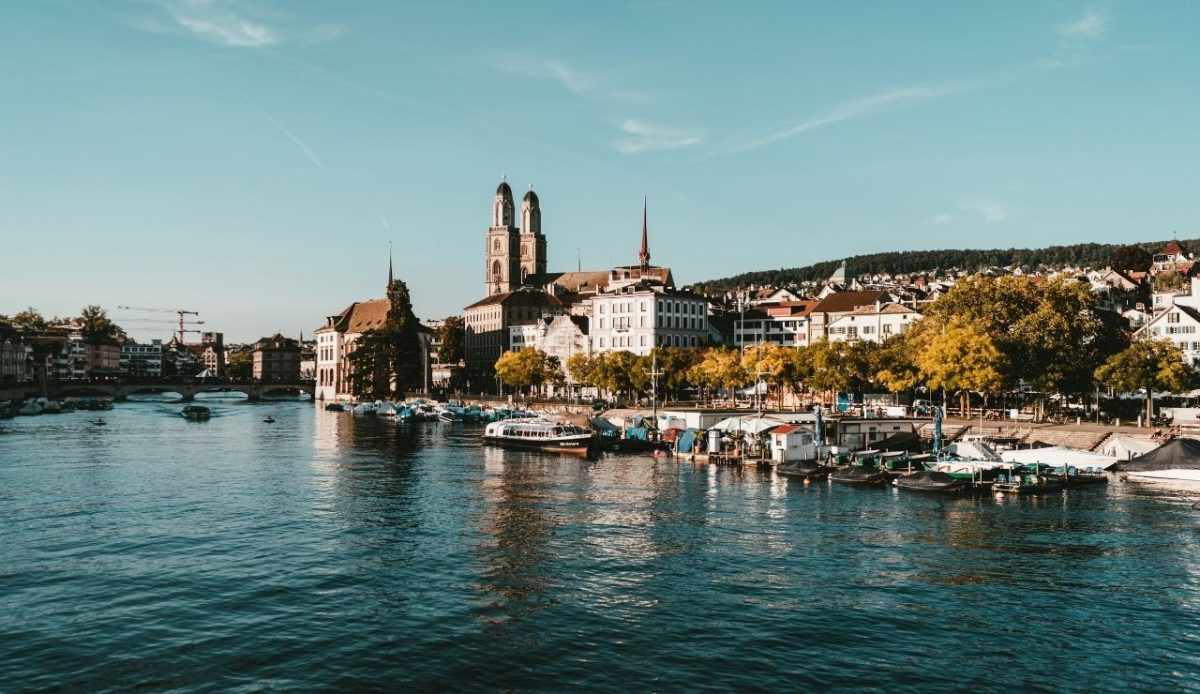
Zurich holds the second spot worldwide, with the index highlighting its financial stability, healthcare access, and safety. Public transport is reliable and widely used, reducing stress in daily travel. The city offers residents clean parks, lakes, and mountains that support both leisure and health. Zurich’s cultural scene is also an important factor, with museums, opera, and international festivals adding to civic pride. The cost of living is high, but strong wages and extensive social support offset those challenges. According to the Happy City Index, Zurich shows how well-governed and resourceful cities can sustain long-term happiness.
1. Copenhagen, Denmark
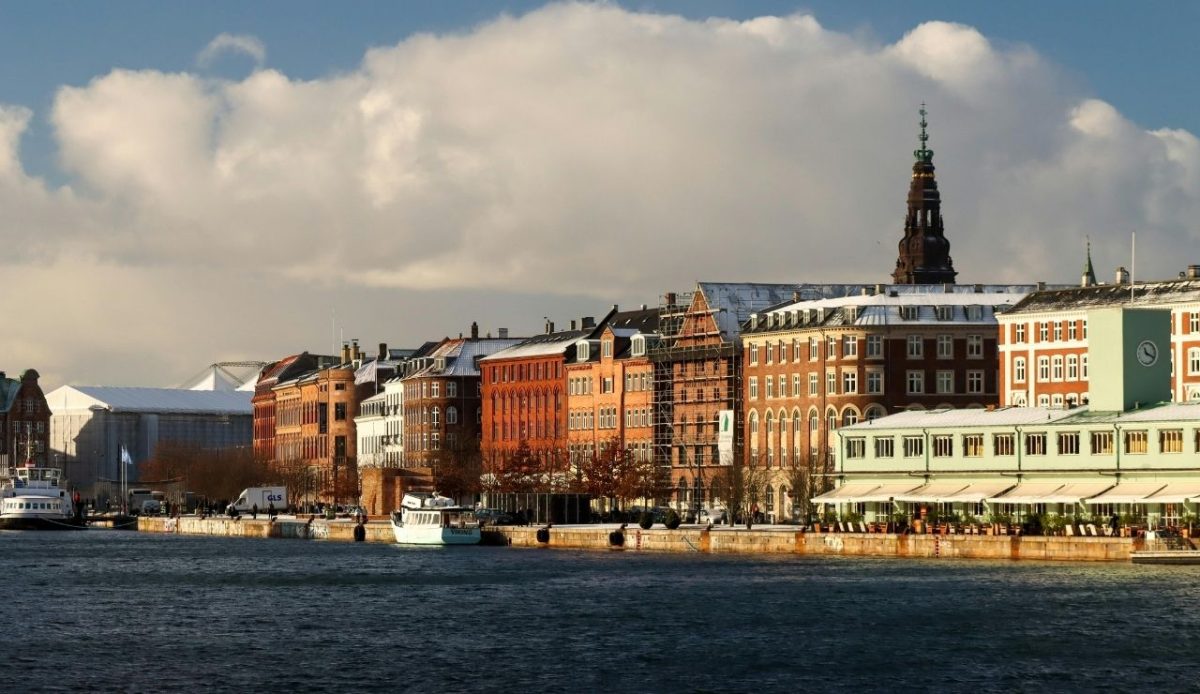
Copenhagen is ranked the world’s happiest city in the 2025 Happy City Index. The city leads in economy and performs strongly in governance, health, and environment. Universal healthcare, affordable education, and robust social programs reduce inequality and stress. Copenhagen also invests in renewable energy, making it one of Europe’s greenest capitals. Its public spaces encourage walking, cycling, and community activity. Cultural life thrives with design, art, and music. The index confirms that high levels of social trust and sustainable policies are central to why Copenhagen consistently ranks first among the world’s happiest cities.
