
Nuclear sites can stay “open” in two ways: some welcome controlled visitors, and others remain active facilities with public viewpoints or museums nearby. Either way, they deserve respect, because radiation risk is usually low only when rules are followed.
This list focuses on places that still operate, are monitored, or have approved visitor programs in 2026. It is not a dare or an urban-exploration guide.
Before you go, check current access rules, book officially, and treat barriers as hard stops. Bring a government ID when required, and expect security screening and strict photography limits. If you have special health considerations, get medical guidance before visiting.
1. Fukushima Exclusion Zone, Japan
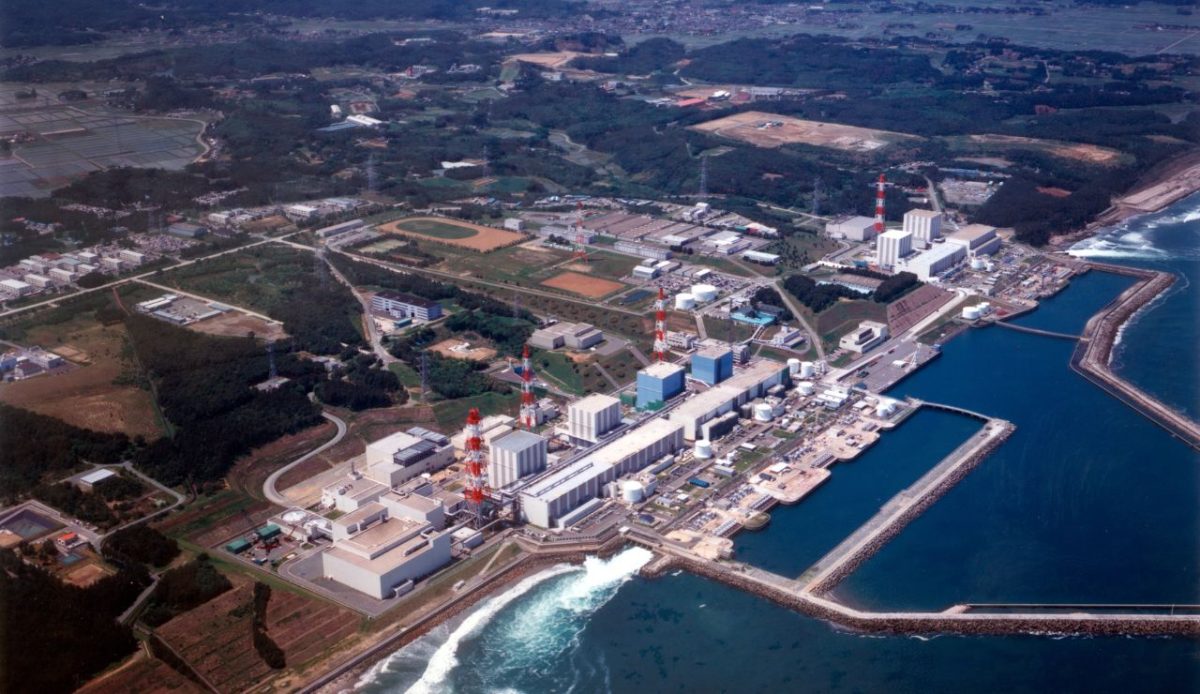
Japan’s Fukushima region still has controlled-access areas shaped by the 2011 disaster. Some towns have reopened, while parts of the former evacuation zone remain restricted and monitored.
Licensed operators run educational drives that trace decontaminated routes and explain how radiation mapping, cleanup, and resettlement work today. Visits stay outside the plant itself and follow set corridors.
The risk comes from ignoring boundaries: dose rates can vary by location, and trespassing can mean unnecessary exposure and legal trouble. Go only with approved guides and follow instructions without improvising. Some tours provide or recommend a dosimeter so you can see readings in real time.
2. Semipalatinsk Test Site (“The Polygon”), Kazakhstan
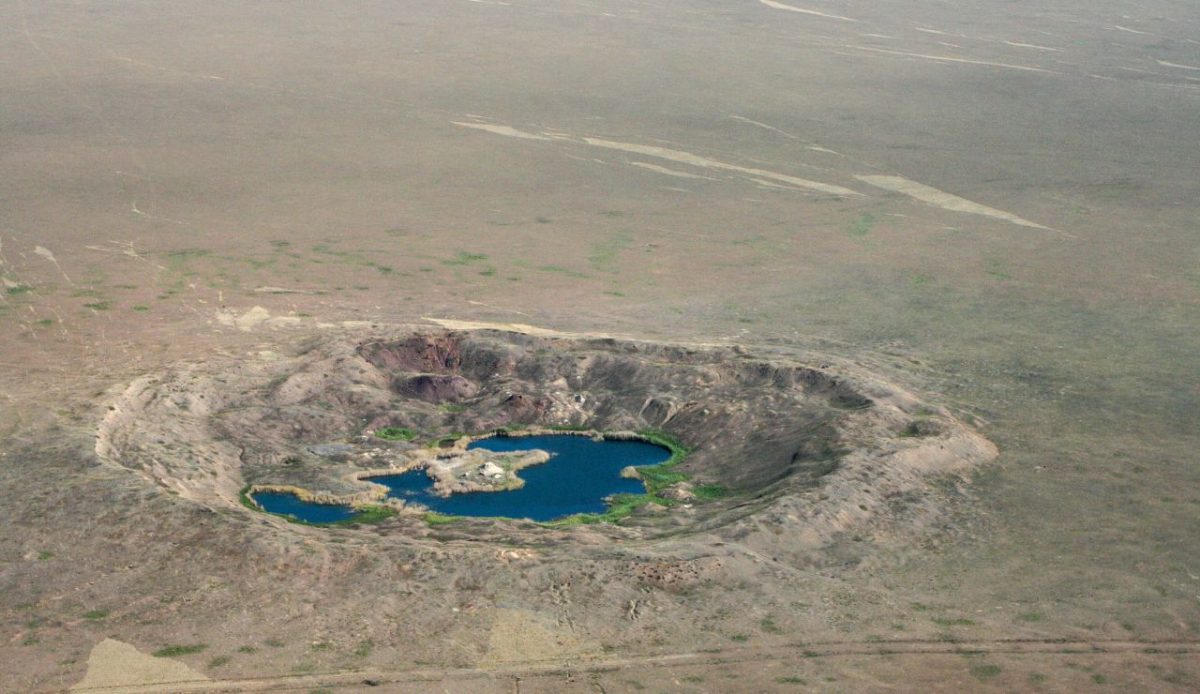
Kazakhstan’s Semipalatinsk Test Site, often called “the Polygon,” hosted hundreds of Soviet nuclear tests, including ground bursts and underground shots. Today, specialized tour operators take visitors to selected landmarks like the Atomic Lake (Lake Chagan).
These trips are part history lesson, part geology field trip, with permits, long drives, and local briefings. Access is controlled, and routes avoid known hotspots and sensitive areas.
The danger is very practical: contamination is uneven, and “just walking off-road” can raise exposure or spread dust on shoes and gear. Stay on the agreed path, avoid collecting souvenirs, and treat the site like a lab, not a playground.
3. Trinity Site, New Mexico, USA
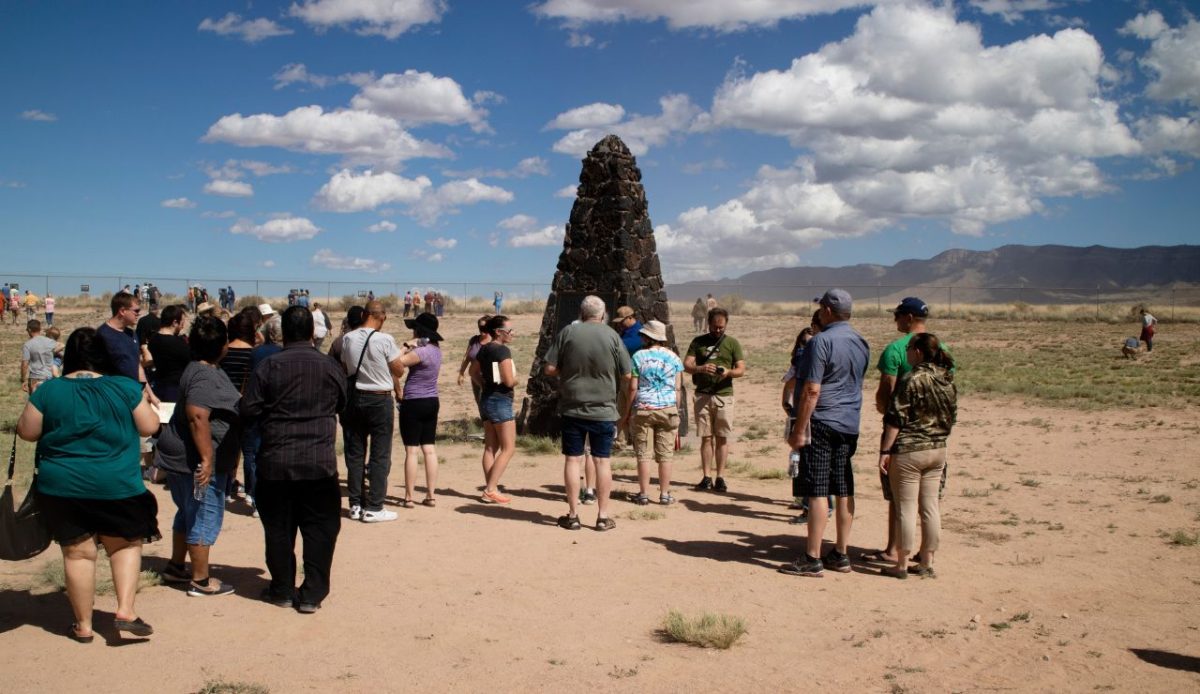
Trinity Site in New Mexico is where the first atomic device was detonated in 1945. It is usually closed because it sits inside White Sands Missile Range, but it opens to the public during limited “open house” dates.
Visitors typically see Ground Zero markers and nearby historical points under military rules, with entry checks and a fixed schedule. The experience is more about context than access.
The “deadly” part isn’t a constant cloud of radiation; it’s the temptation to treat warning signs as decoration. Stay on paved or designated areas, don’t handle soil or debris, and follow posted safety guidance the whole time. Open houses are generally scheduled in October, so plan travel around that window.
4. Nevada National Security Site, Nevada, USA
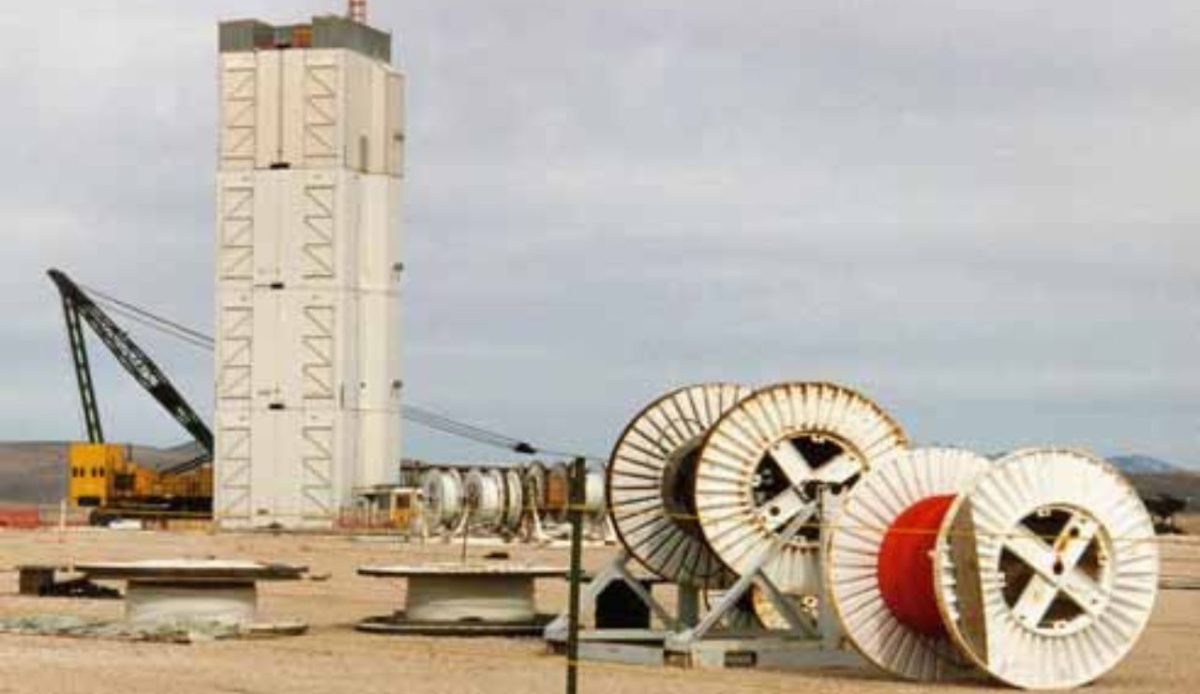
The Nevada National Security Site (NNSS) is the former Nevada Test Site, where the U.S. conducted many Cold War nuclear tests. Public access is tightly controlled through registration-based tours when they are offered.
NNSS has indicated that scheduled public tours were canceled through February 2026 due to funding uncertainty, with future dates dependent on budget decisions. That makes “open” a moving target.
Even on a legal tour, this is an active, secured federal area with contamination zones, restricted artifacts, and strict rules. Don’t attempt self-directed entry, and don’t rely on outdated blog posts—verify tour status right before booking travel.
5. Hanford Site, Washington, USA
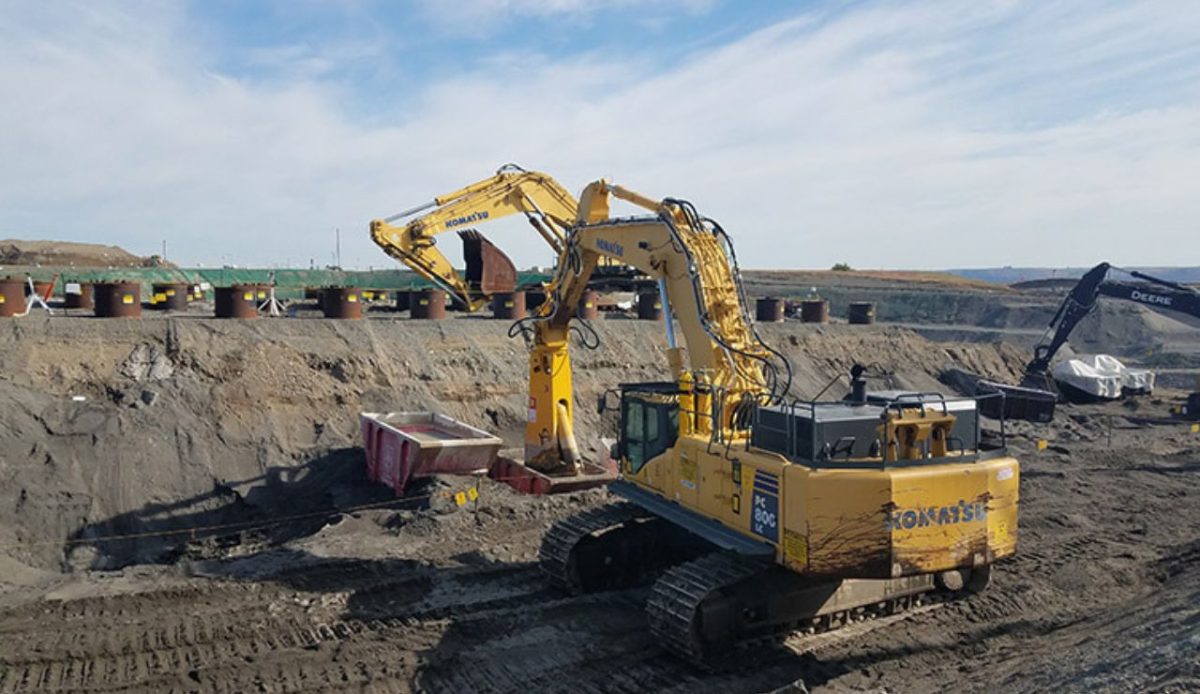
Washington State’s Hanford Site produced plutonium for the Manhattan Project and the Cold War, and it remains one of the most complex nuclear cleanup areas in the U.S. Some historic areas are reachable only on Department of Energy–facilitated tours.
Access changes by season and construction. For example, the Manhattan Project B Reactor tour program has faced suspensions while other “pre-war” historic site tours continue on certain dates.
The hazard here is the combination of security and legacy contamination: straying from the group is not just rude, it can be unsafe. Treat the tour route as the only safe route, and assume anything “behind the fence” is restricted for a reason.
6. Savannah River Site, South Carolina, USA
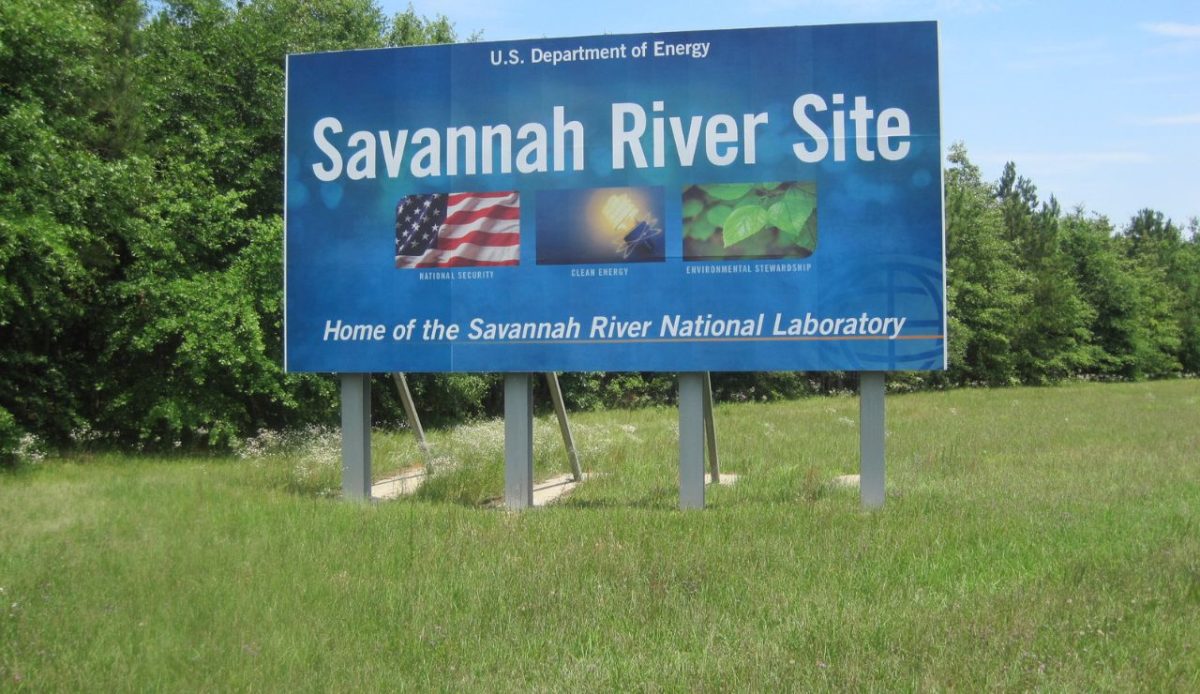
South Carolina’s Savannah River Site (SRS) is a major U.S. nuclear reservation with an ongoing mission and a long history in materials production. It also runs a public tour program with eligibility rules.
SRS states that public tours are free, require advance registration, and typically limit participants to adults who are U.S. citizens with proper identification. Expect briefings, controlled driving routes, and security procedures.
The danger is mostly about boundaries and operations: this is not a theme park, and it’s not built for wandering. Follow escort instructions, don’t bring restricted items, and remember that some areas are off-limits because they’re active, not because they’re mysterious.
7. Oak Ridge Reservation Bus Tours, Tennessee, USA
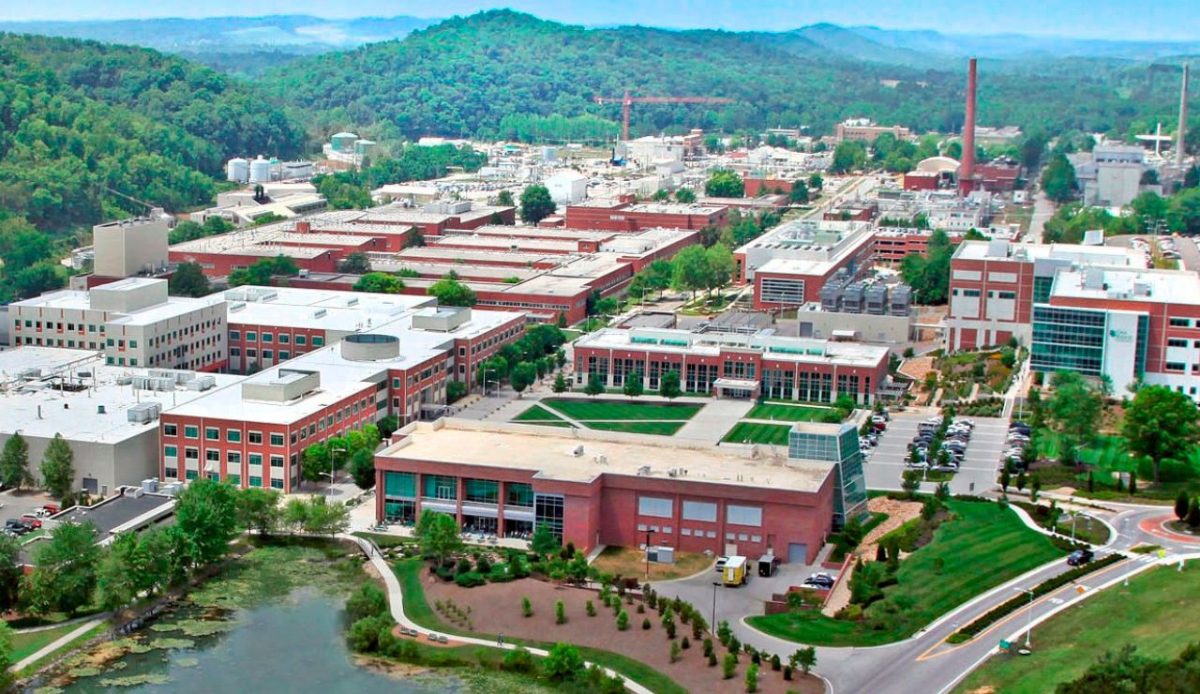
Oak Ridge, Tennessee, was one of the Manhattan Project’s “secret cities,” and parts of the reservation still sit behind federal security. Today, the American Museum of Science and Energy runs guided bus tours in partnership with the Department of Energy.
Tour itineraries can change year to year. For the 2026 season, AMSE notes that tours will not visit the X-10 Graphite Reactor due to ongoing site work, but they still cover key history centers and viewpoints.
The safety issue is access control: the interesting buildings are on an active reservation, with rules on ID, timing, and photography. Stay with the group, follow staff direction, and don’t treat closed stops as an invitation to “find another way in.”
8. Los Alamos “Behind-the-Fence” Tours, New Mexico, USA
Los Alamos, New Mexico, remains tied to nuclear science through Los Alamos National Laboratory, and many Manhattan Project landmarks sit inside secure areas. So most meaningful visits happen only through guided, pre-approved tours.
The National Park Service notes that behind-the-fence tours are offered only a few times each year by the lab, with reservations required. These visits can include historic spots like Pond Cabin and parts of the Pajarito Site.
This is “deadly” in the sense that safety and security are not optional: straying, photographing restricted infrastructure, or entering unapproved spaces can have consequences. Treat the itinerary as fixed, listen to briefings, and plan for strict check-in rules.
9. Bataan Nuclear Power Plant, Philippines
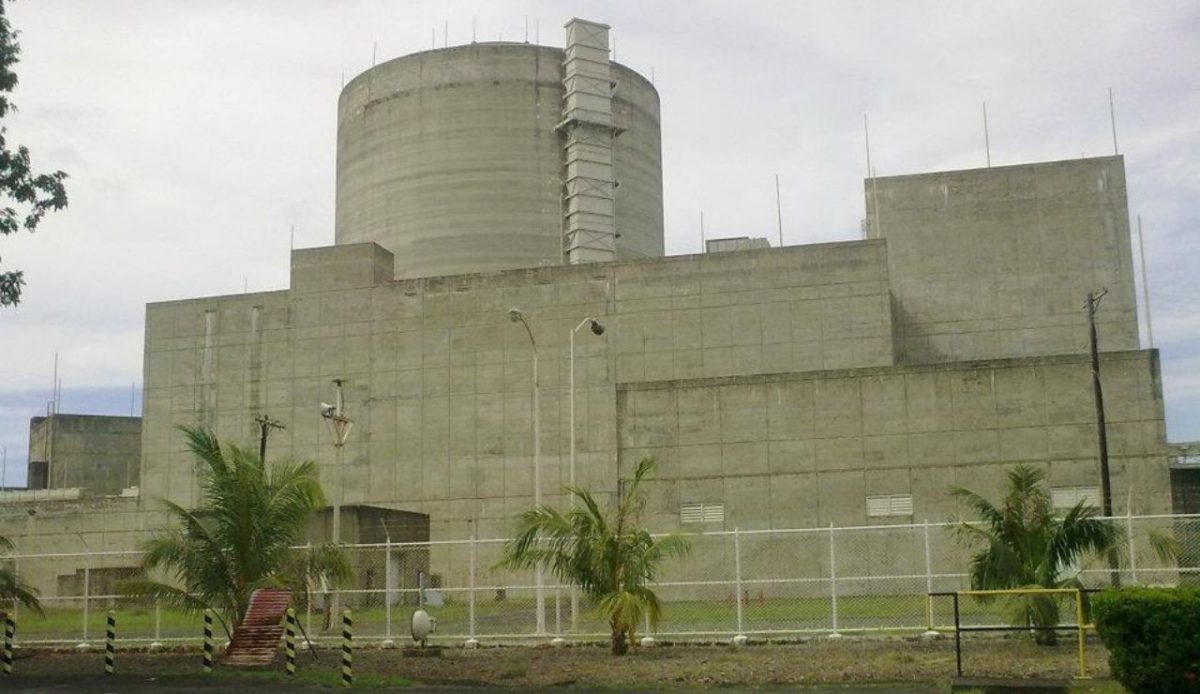
The Bataan Nuclear Power Plant in Morong, Philippines, was completed but never commissioned, and it has become a controlled tourist stop rather than an operating plant. Visits are typically arranged in advance, not as walk-ins.
Travel reviews and local guidance emphasize pre-booking and arriving with the right paperwork, since access is managed by site staff. The draw is seeing a full-scale facility and learning why it never produced power.
While it’s not a high-radiation exclusion zone, it can still be “deadly” through ordinary industrial risk: confined spaces, heavy equipment, and restricted areas. Follow the guide’s route, wear sensible shoes, and don’t touch machinery or enter rooms that are clearly marked off.
10. WIPP Visitor Experience, Carlsbad, New Mexico, USA
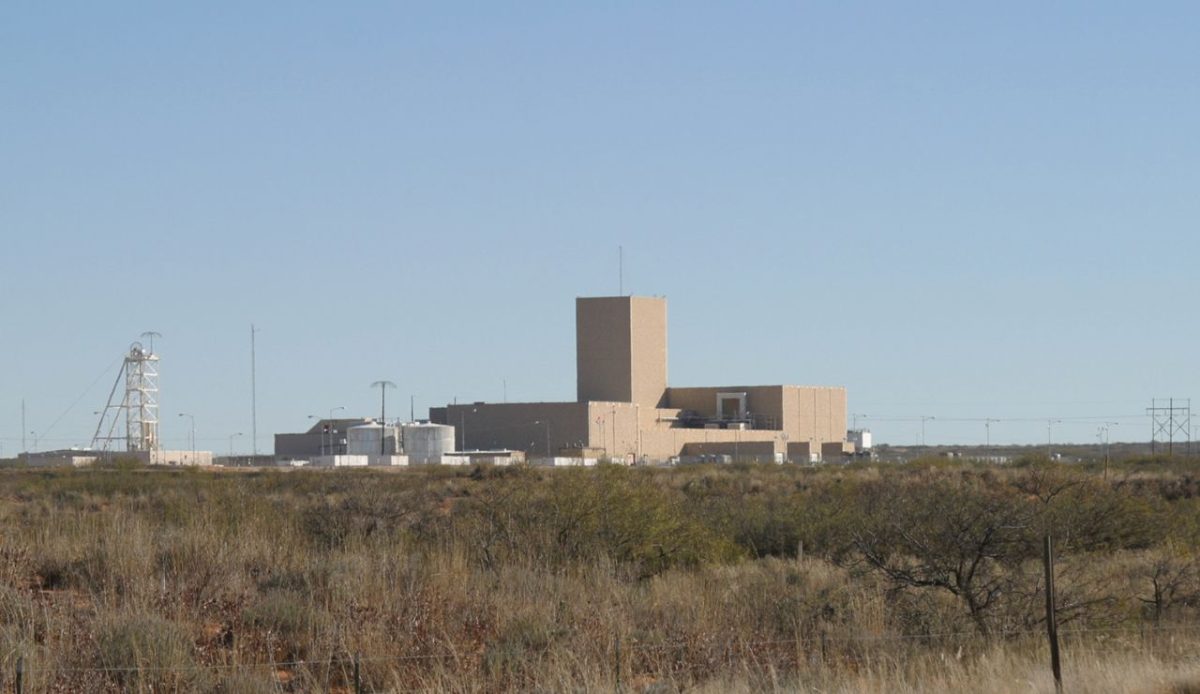
The Waste Isolation Pilot Plant (WIPP) near Carlsbad, New Mexico, is the U.S. deep geologic repository for defense-related transuranic waste, and it continues operating. But the site itself is not set up for public walk-throughs.
WIPP encourages visitors to stop at its in-town “WIPP Experience” exhibit in Carlsbad, where staff and displays explain how waste is packaged, transported, and emplaced underground. It’s the public-facing way to learn without entering the facility.
The danger comes from misunderstanding the word “open.” The educational exhibit is open; the repository is a secured industrial site. Respect fences and signage, and treat any attempt to access the restricted area as both unsafe and illegal, even if it looks quiet.
