
Niagara Falls is heavily managed, heavily studied, and still wildly misunderstood. Many “deadly” stories spread because photos look dramatic, older stunts get recycled, or people confuse the three waterfalls with the whole Niagara River.
This guide clears up ten common myths using what the parks and engineers actually say about flow control, winter ice, access rules, and past incidents. Expect plain language, not thrill writing, with each myth tied to how the site works today.
The goal isn’t to downplay risk. It’s to replace rumors with practical facts so visitors plan smarter, follow barriers, and understand what’s normal versus genuinely dangerous on-site.
1. Niagara Falls can be “turned off” anytime
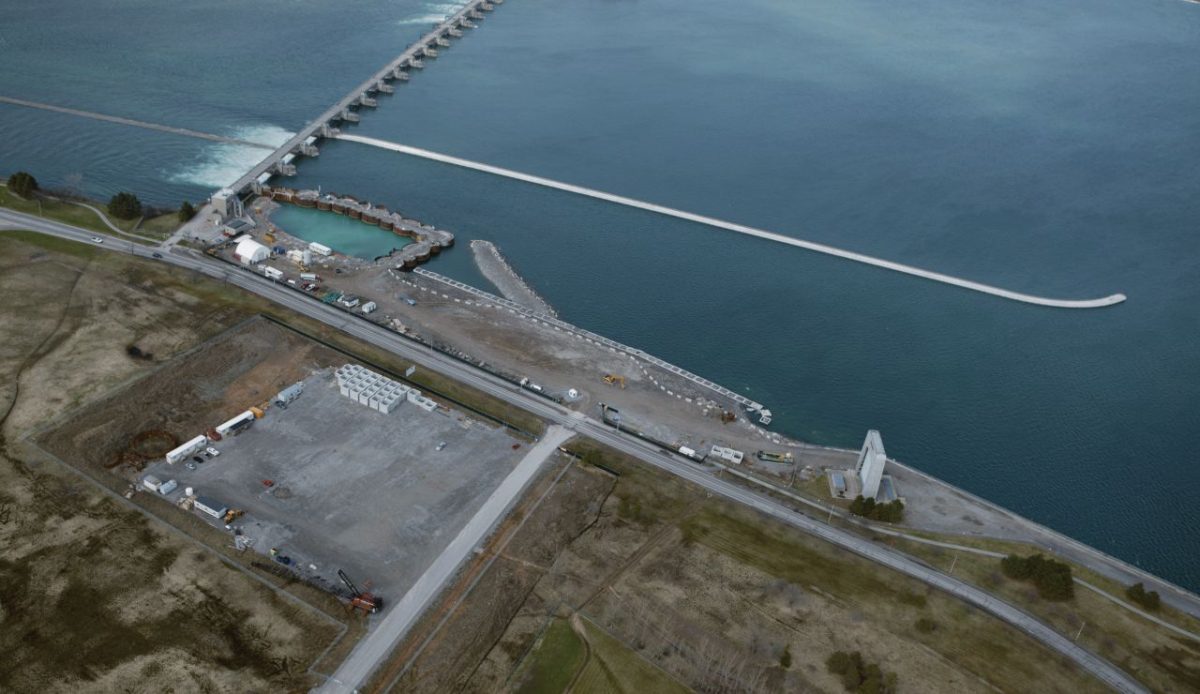
For five months in 1969, engineers diverted water away from the American Falls to study rockfall and erosion. That one-time project fuels the rumor that someone can “switch off” Niagara whenever they want.
In reality, day-to-day changes are controlled and limited. Water is shared between tourism and hydroelectric generation, with minimum flows maintained, about 100,000 cubic feet per second in peak daytime season and about 50,000 at night or off-season.
If you notice lower water at night or in winter, that’s a scheduled diversion, not a shutdown. The river is still moving fast, and the drop is still dangerous even when it looks calmer from a distance.
2. The falls freeze solid every winter
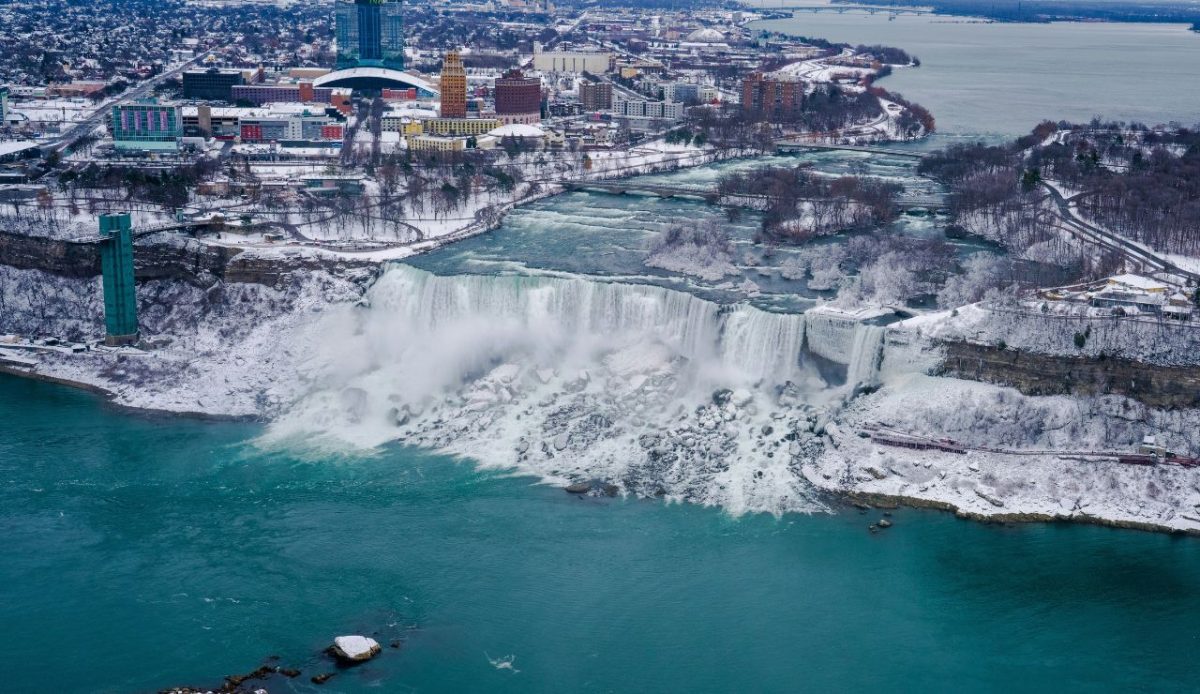
Photos of ice piled at the brink make it look like Niagara Falls “freezes solid” every winter. The reality is that the water keeps flowing, while spray and river ice build thick shelves that can look like a frozen wall from a distance.
A true river freeze-up is rare; the famous March 1848 stop was caused by an ice jam upstream, not normal winter weather. To reduce risk, agencies also use an ice boom to manage drifting ice before it piles up.
The old idea of walking an “ice bridge” is not a safe modern activity. Ice can crack, shift, and open without warning, and historical breakups, including the 1912 tragedy, show why barriers exist now for visitors.
3. You can safely swim near the brink

Some visitors assume the river above the brink is “just a wide, calm flow” like any other. It can look flat from shore, but the current accelerates toward the falls and pulls debris along the same path.
Swimming is not a realistic way to “test the water” or take a shortcut for a photo. The Niagara River includes powerful rapids and changing hydraulics, and access points are controlled because even strong swimmers can’t outpace the river once they drift into faster channels.
If you see rafts of foam or floating ice, that’s a clue that the surface is moving quickly. The safe way to experience the water is from designated viewpoints, behind railings, and on licensed boat tours.
4. Going over the falls in a barrel is “mostly safe.”
Old photos make it seem like “people go over in barrels all the time and live.” A small number of stunt attempts have survived, but that history is selective; failures and injuries don’t become cute postcards.
Most deaths associated with going over the falls are suicides, not daredevil rides. Even among planned stunts, survival has been estimated at around three out of four attempts, and conditions still change: wind, wave action, and impact forces at the base are not controllable.
Modern attempts are illegal and treated as major emergencies. For visitors, the lesson is simple: the safety system is built around keeping people away from the water’s edge, not managing risk once you’re in it.
5. “Niagara Falls” is just one waterfall
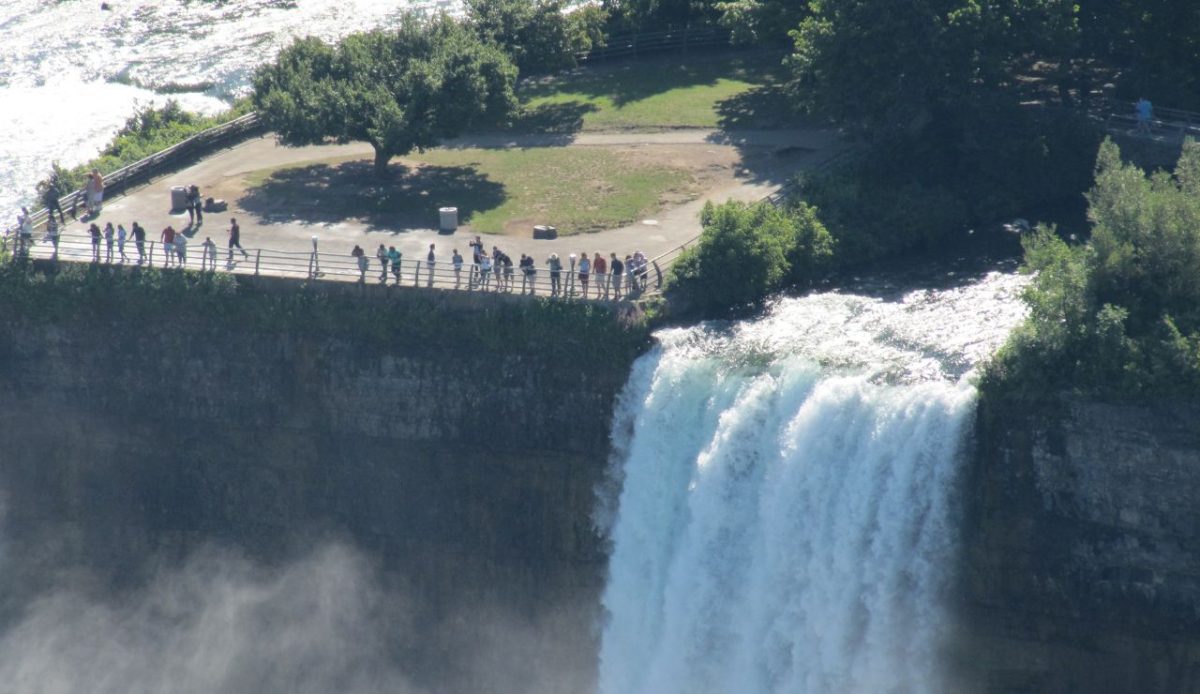
Many first-time visitors talk about Niagara Falls as if it’s one single drop. It’s actually three waterfalls: Horseshoe Falls, American Falls, and Bridal Veil Falls, split by islands and the international border.
Horseshoe is the largest and tall at roughly 57 meters, while the American Falls has a shorter visible drop because boulders sit at the base. That difference changes how photos look and why “it seems smaller” from some viewpoints.
Understanding the layout helps with planning. Canadian-side overlooks emphasize the curve of Horseshoe, while U.S.-side paths bring you closer to American Falls and the river’s edge, still behind barriers and safe access points.
6. The mist is harmless “light fog.”
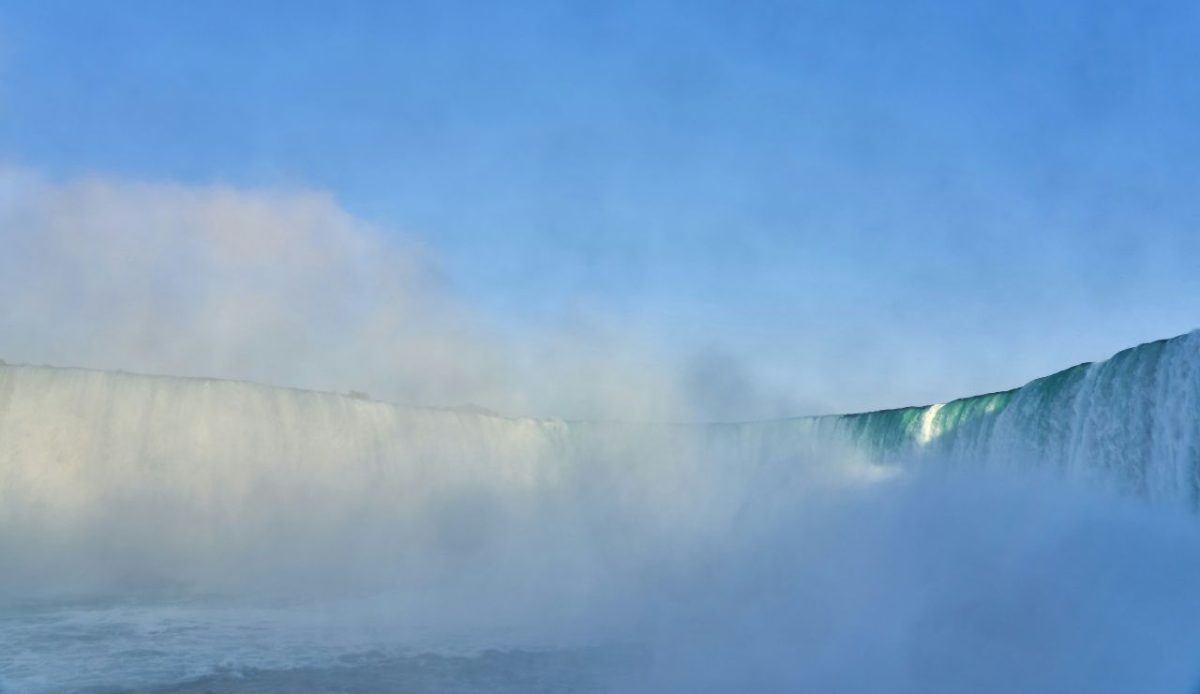
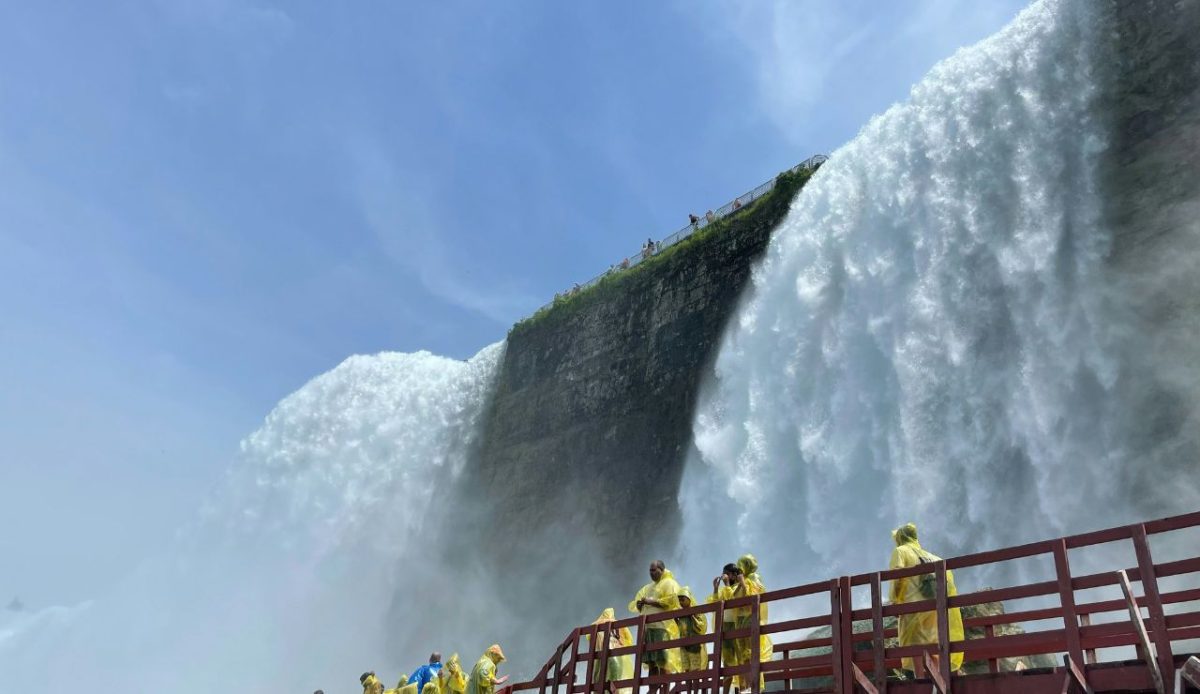
The cloud of mist looks like a light fog, so some people treat it like a harmless backdrop. It’s actually a constant spray zone that can soak clothing quickly and make surfaces slick, especially near the base viewpoints.
In warm months, that mostly means wet shoes and limited visibility for cameras. In colder weather, the same spray can freeze onto railings and walkways, which is why crews salt, clear, and sometimes restrict access on exposed platforms.
The smart move is simple prep, not panic: wear grippy footwear, keep electronics protected, and give yourself extra time on stairs and ramps. The mist is part of the experience, but it changes conditions fast.
7. The water is “toxic,” so touching it is dangerous
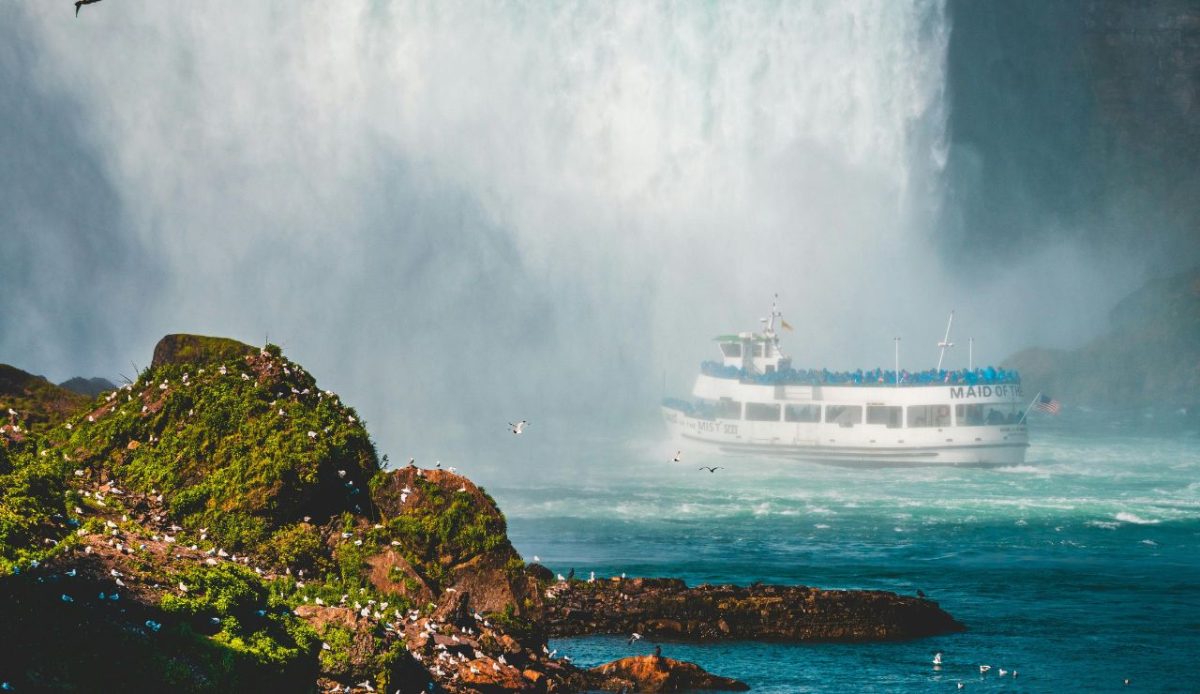
A common rumor says Niagara’s water is “toxic” or unsafe to even touch. The water flowing over the brink comes from the Great Lakes system via the Niagara River, and it’s the same freshwater that people boat on upstream.
That doesn’t mean it’s drinking water at the falls. Like any major river near cities and industry, water quality varies with weather and runoff, and the real hazard at the falls is force and current, not skin contact.
If you get splashed on a boat tour or at a lookout, you’re not being exposed to something unusual. Wash hands before eating, avoid swallowing river water, and focus on footing and railings where the risk actually is.
8. Anything you drop is “gone forever.”

People joke that anything dropped near the falls is “instantly swallowed and never seen again.” The river is fast, but objects don’t vanish. Many end up in eddies, along shorelines, or farther downstream, depending on wind and water level.
What’s true is that retrieval is rarely immediate and often not worth the risk. Climbing barriers or stepping onto wet rocks to chase a phone turns a small loss into a rescue situation.
If you lose something, report it through official channels and accept that recovery is uncertain. The best prevention is boring but effective: wrist straps for cameras, zipped pockets, and taking photos from stable, designated spots.
9. Power plants “steal most of the falls,” so it’s fake
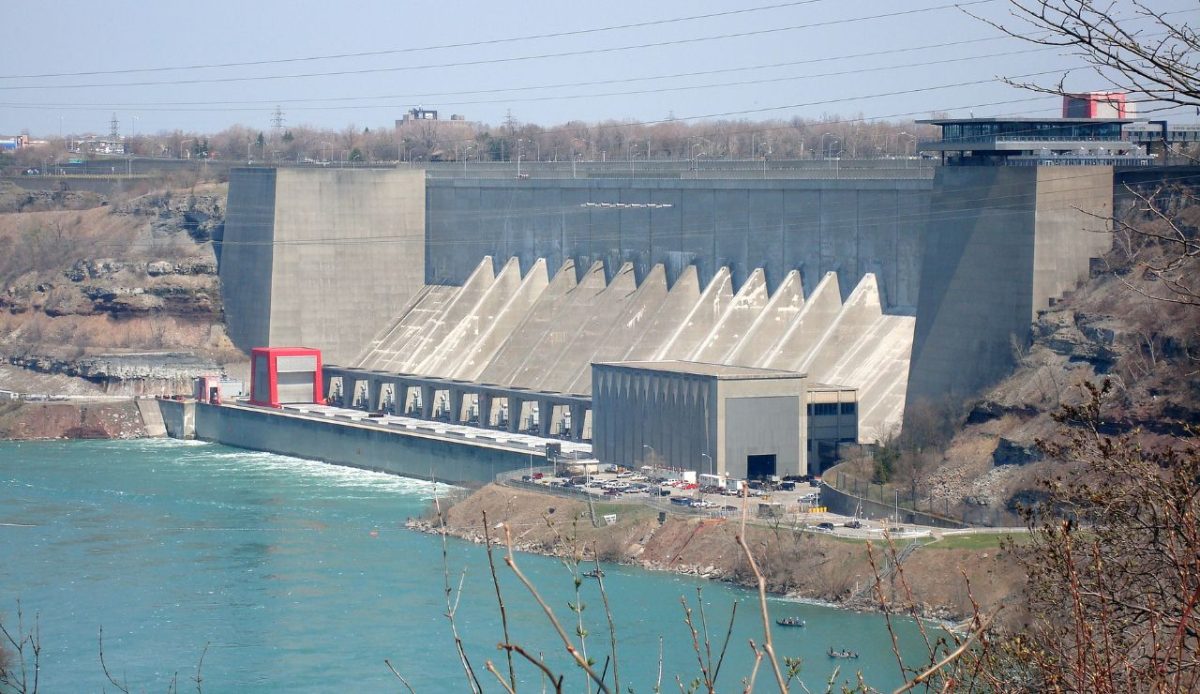
Because hydroelectric stations operate nearby, some visitors assume the falls are “mostly diverted” and what you see is a staged trickle. Diversion is real, but it’s managed to balance power generation with a stable viewing experience.
During peak visitor hours, minimum tourist flows are maintained, and even the reduced off-season flow is enormous. Average annual flow is measured in thousands of cubic meters per second, not something a small canal can “steal.”
You may notice more water in spring and early summer because lake levels rise, and less at night because diversion increases. Either way, the scale remains massive, and the safety rules don’t change with the schedule.
10. Tourists “accidentally fall in” all the time
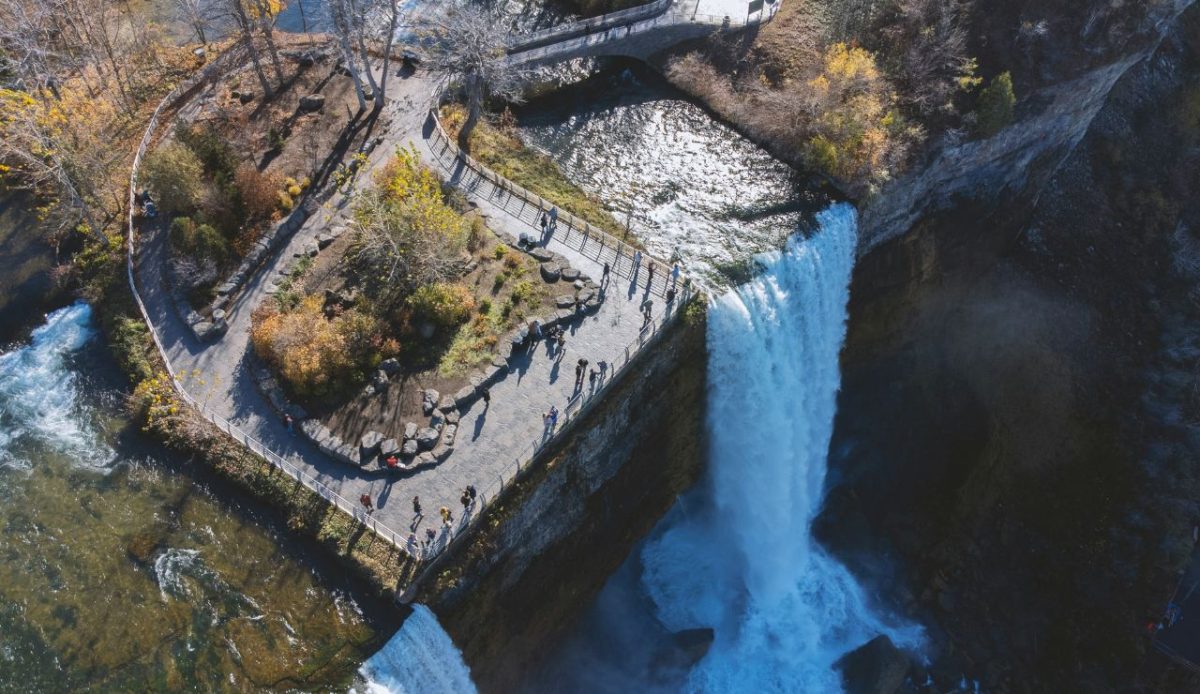
The phrase “people fall in constantly” makes Niagara sound like an unprotected cliff. In reality, the main public areas are built around railings, setbacks, and controlled access, and truly accidental entries are uncommon.
Many reported fatalities involve intentional acts rather than tourists slipping on a standard walkway. The park design is meant to reduce normal visitor risk, not to make the river approachable for climbing, wading, or jumping.
The practical takeaway is simple: most serious incidents begin with someone crossing a barrier or leaving a designated path. Treat fences and warning signs as the line between sightseeing and a situation that responders can’t easily fix.
