
Latin America spans active plate boundaries, ancient shields, and two great oceans, so standout landscapes appear within a few flight hours of each other. Climate swings from equatorial rain to high altitude cold create sharp ecological contrasts.
To keep the list verifiable, every pick is a named park, reserve, or landform with mapped boundaries and sustained scientific or conservation monitoring. Most are protected under national law, and many are listed on UNESCO’s World Heritage Natural Register.
Each section notes what makes the site distinct, one measurable feature such as height, area, or endemism, and the core processes that shape the scenery, like flood pulses, glacial flow, or volcanic isolation.
1. Iguazú And Iguaçu Falls, Argentina And Brazil
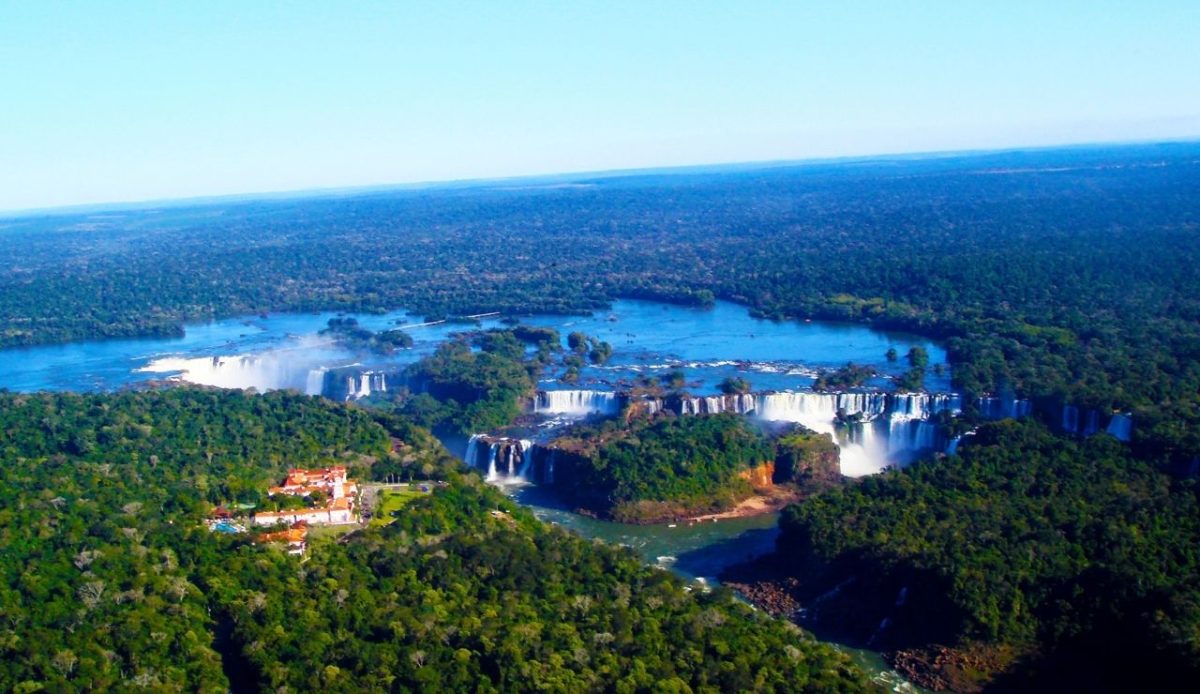
Iguazú in Argentina and Iguaçu in Brazil protect one river system in the Paraná basin, where the water splits into roughly 275 separate drops over a broad basalt rim. The falls arc for nearly 2.7 kilometers through subtropical forest.
Many cataracts reach about 80 meters, and the best known viewpoint is Garganta del Diablo, a U-shaped chasm where much of the flow funnels and a constant plume forms. After heavy rain, discharge can rise sharply, and the sound carries far.
Beyond the spectacle, the parks conserve a major remnant of the inland Atlantic Forest, so a day trip can link spray-driven microclimates with wildlife sightings like toucans, coatis, and butterflies. Boardwalk design keeps foot traffic off fragile riverbank soils.
2. Galápagos Islands, Ecuador
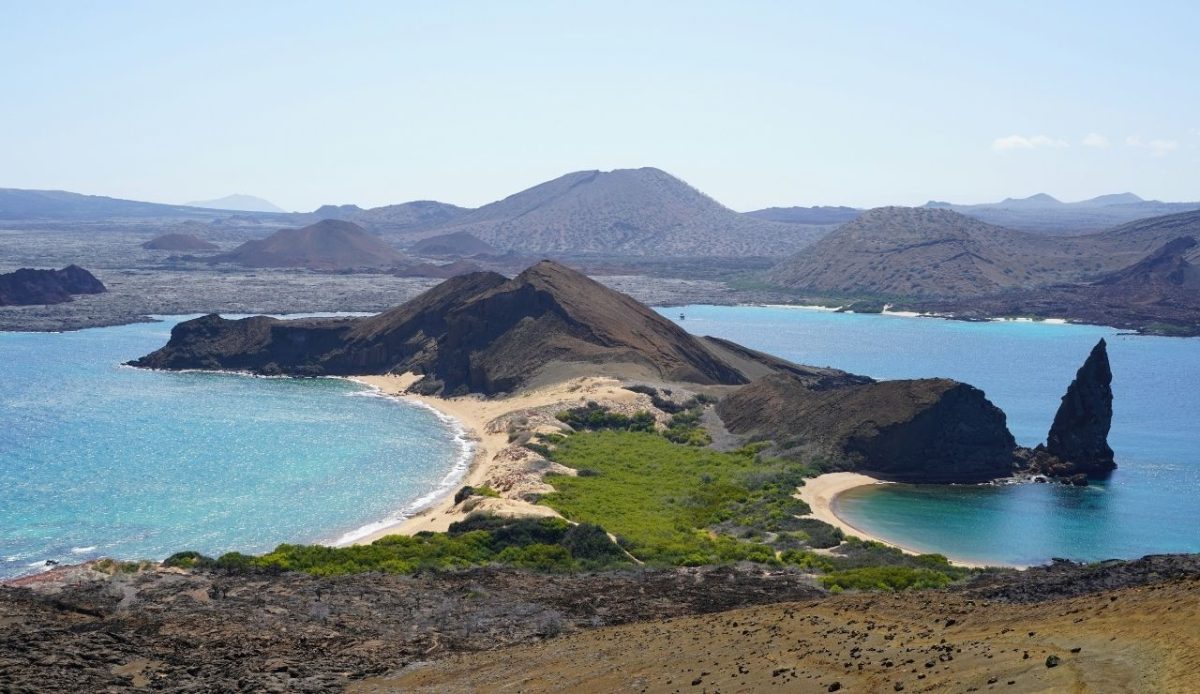
The Galápagos are a volcanic archipelago about 900 kilometers west of Ecuador, built by hotspot activity as the Nazca Plate moves, leaving multiple islands of different ages.
Strict protection covers both land and sea, so visitor routes are managed around nesting beaches, lava fields, and a large marine reserve that supports sharks, rays, and sea turtles. Guides limit landings and enforce cleaning rules to reduce invasive species.
Endemism is the signature, with giant tortoises, marine iguanas, flightless cormorants, and Darwin’s finches evolving under limited predators. Cool upwelling from the Humboldt and Cromwell currents boosts productivity, making snorkeling feel like a biology lab.
3. Salar de Uyuni, Bolivia
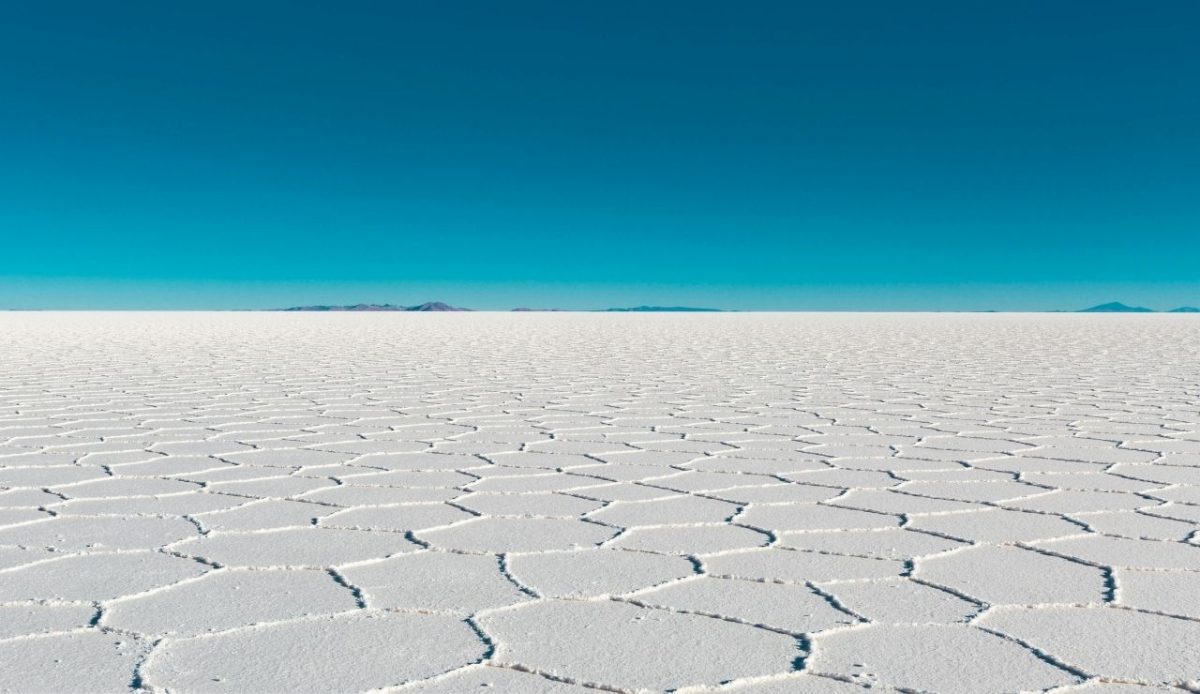
Salar de Uyuni sits on Bolivia’s Altiplano at about 3,650 meters, a remnant of prehistoric lakes that evaporated and left a thick salt crust over mineral-rich brine. The basin has no outlet, so salts accumulate over time.
At roughly 10,500 square kilometers, it is the largest salt flat on Earth, and its near-perfect flatness has been used as a reference surface for calibrating satellites. The brine beneath the crust also holds major lithium resources.
In the dry season, polygon salt patterns reveal daily expansion and contraction under strong sun and cold nights, while rain can lay a thin water sheet that produces mirror reflections. Nearby volcanic islands with cactus stands show how life persists on isolated outcrops.
4. Los Glaciares National Park, Argentina
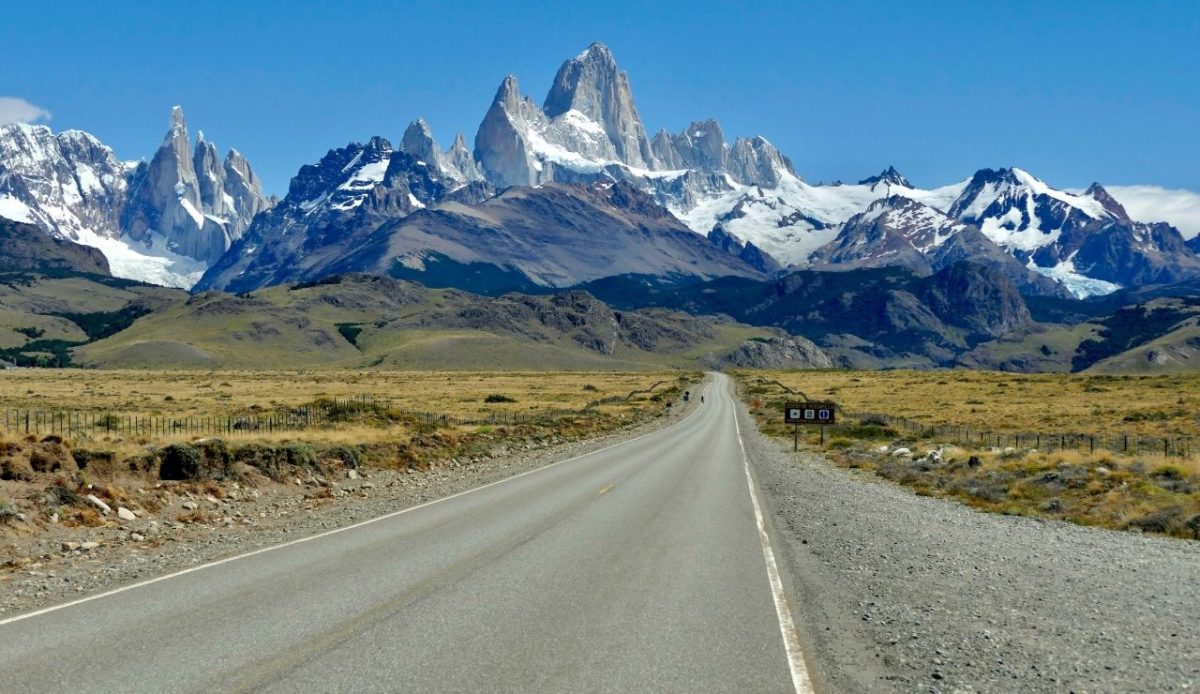
Los Glaciares National Park in Argentina protects part of the Southern Patagonian Ice Field on the Andean crest, where snowfall compacts into ice and flows down valleys into Lago Argentino and Lago Viedma.
Perito Moreno is the most visited glacier because it often reaches the lake edge and calves in loud blocks, and it can form an ice dam that periodically ruptures when pressure builds. Nearby, Upsala and Spegazzini show contrasting retreat and cliff height.
It spans about 726,000 hectares, so its value is not one viewpoint but a full glacial system with peaks, moraines, and cold steppe. On clear days, visitors can track how wind, lake temperature, and debris bands influence the ice margin.
5. Central Amazon Conservation Complex, Brazil
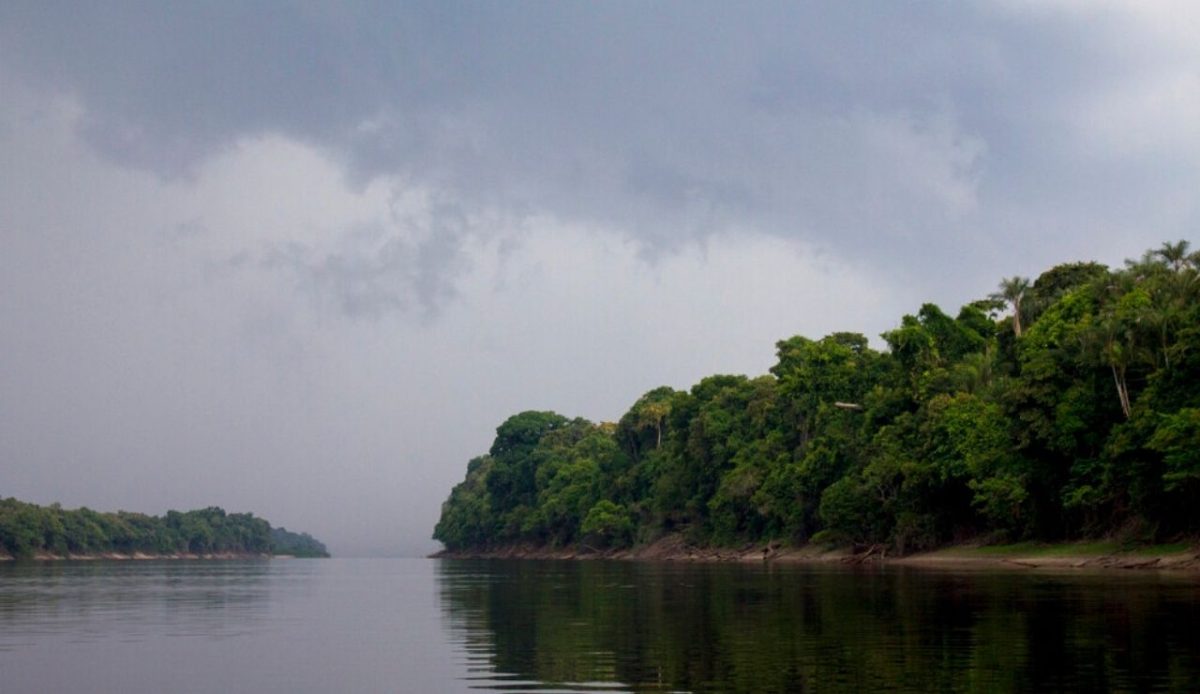
Brazil’s Central Amazon Conservation Complex links Jaú National Park with Anavilhanas river islands and the reserves of Amanã and Mamirauá across the Rio Negro region.
The area exceeds six million hectares, keeping blackwater channels, várzea floodplains, and seasonally flooded igapó forests connected, so species can shift with water level changes that can span many meters each year.
This protected mosaic is used to study intact rainforest processes, from carbon storage to food chains, with high fish diversity, primates, and river dolphins supported by flood pulses. Boat travel shows how water chemistry, light penetration, and leaf litter control habitats from the main channel to the back lagoon.
6. Pantanal Conservation Area, Brazil
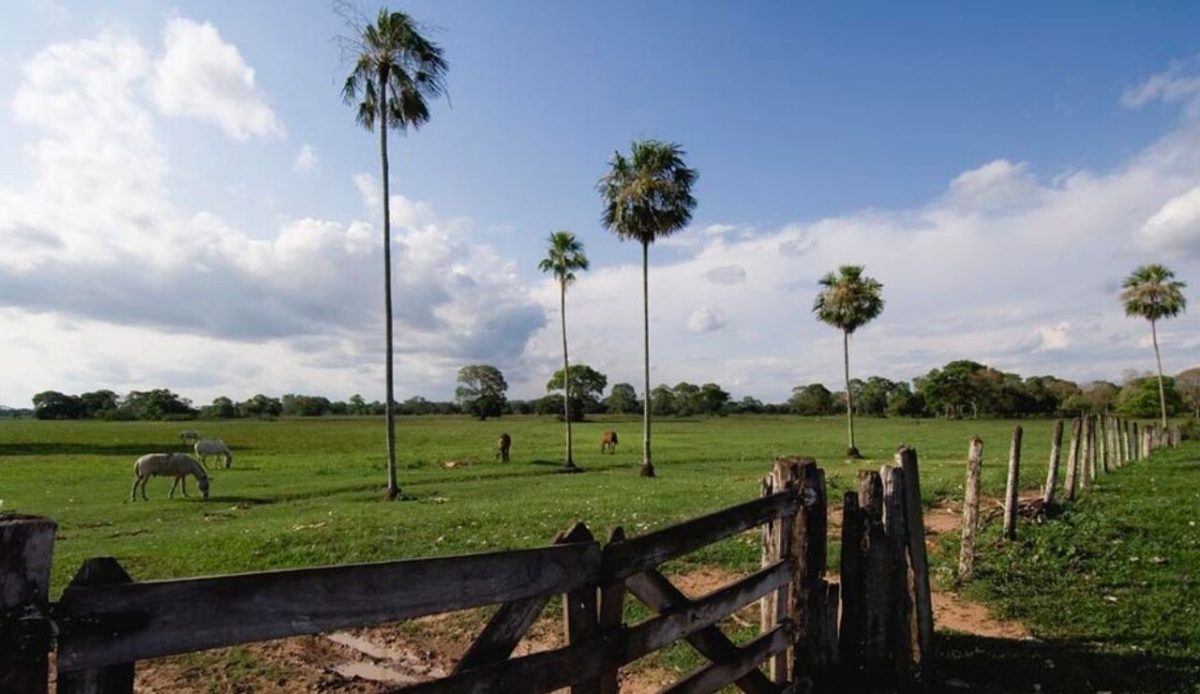
The Pantanal Conservation Area protects a core section of the Upper Paraguay River basin in Brazil, within the world’s largest tropical wetland, often estimated at around 140,000 square kilometers across the wider region.
Flooding connects rivers, ponds, and grasslands, then receding water concentrates nutrients and prey, creating predictable feeding zones for caimans, capybaras, giant otters, and abundant waterbirds. Fire regimes and grazing also shape habitat patches.
Unlike dense rainforest, the open floodplain structure makes ecological interactions visible, from fish spawning to raptor hunting. The experience hinges on timing, since water depth controls where wildlife gathers and which tracks or waterways remain passable.
7. Canaima National Park And Angel Falls, Venezuela
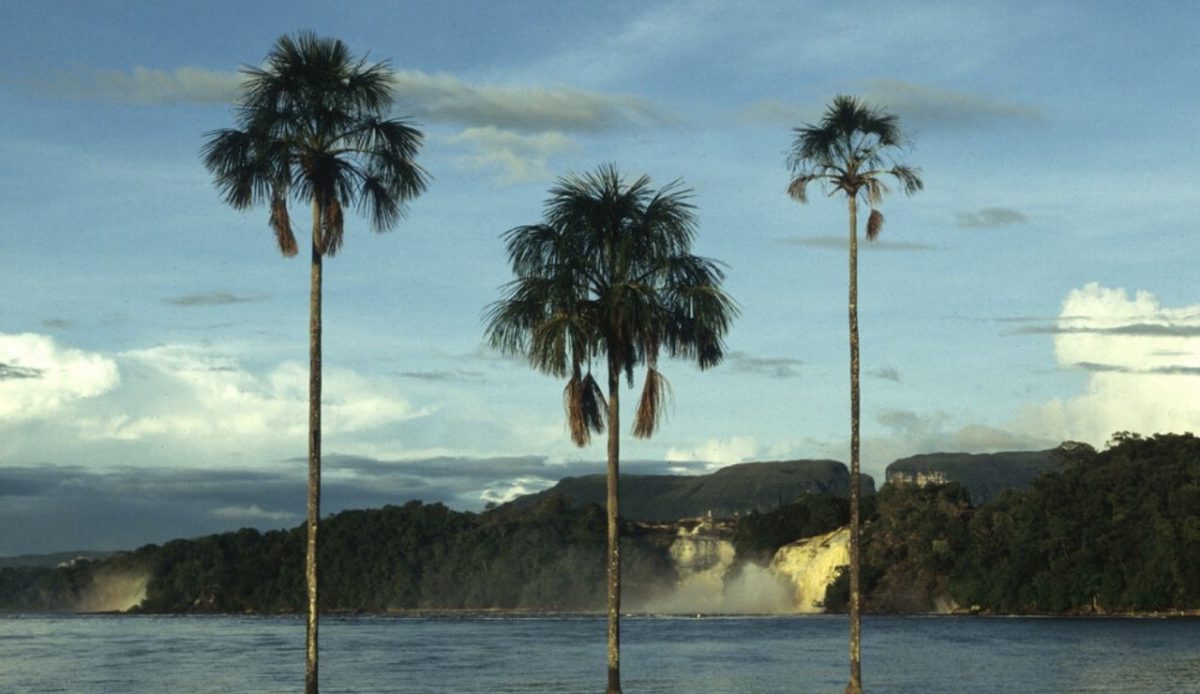
Canaima National Park in Venezuela is defined by tepuis, sandstone table mountains on the Guiana Shield that rise as sheer walls above forest and create isolated summit habitats.
Angel Falls drops from Auyán tepui with a total height of nearly 979 meters, so much of the water atomizes into mist before it reaches the base, altering local humidity and visibility. The drop is fed by seasonal rainfall rather than glaciers.
The broader wonder is the full system of blackwater rivers, savanna pockets, and cliff faces exposing very old rock layers measured in the billions of years. On tepui tops, isolation supports endemic orchids and carnivorous plants, plus amphibians adapted to cool, wet plateaus.
8. Coiba National Park, Panama
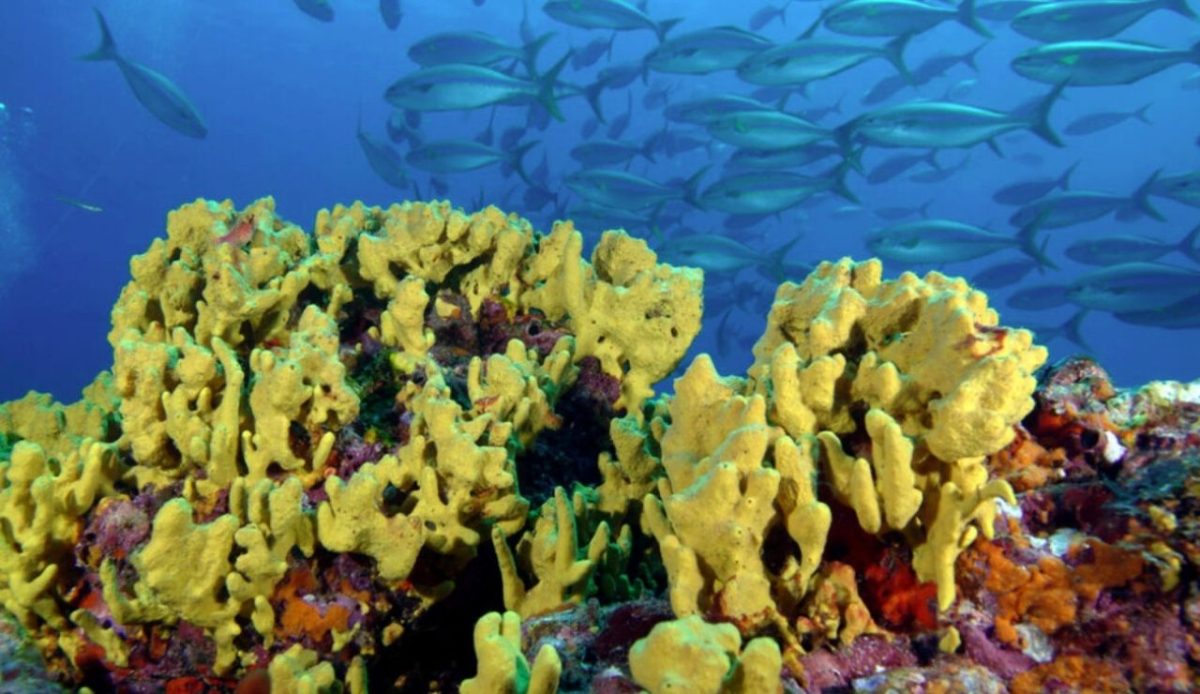
Coiba National Park, off Panama’s Pacific coast, centers on Coiba Island and the surrounding waters that remained lightly developed for decades, which helped habitats stay intact.
The protected zone includes tropical moist forest on land and coral reefs plus seagrass offshore, forming a connected refuge for sea turtles, reef fish, and migratory species that follow seasonal currents.
Coiba is also known for its high endemism among birds and small mammals compared with mainland sites, a result of long isolation after sea level rise. A visit can combine canopy birdwatching with diving, showing how coastal forests and marine food webs support each other.
9. Sian Ka’an Biosphere Reserve, Mexico
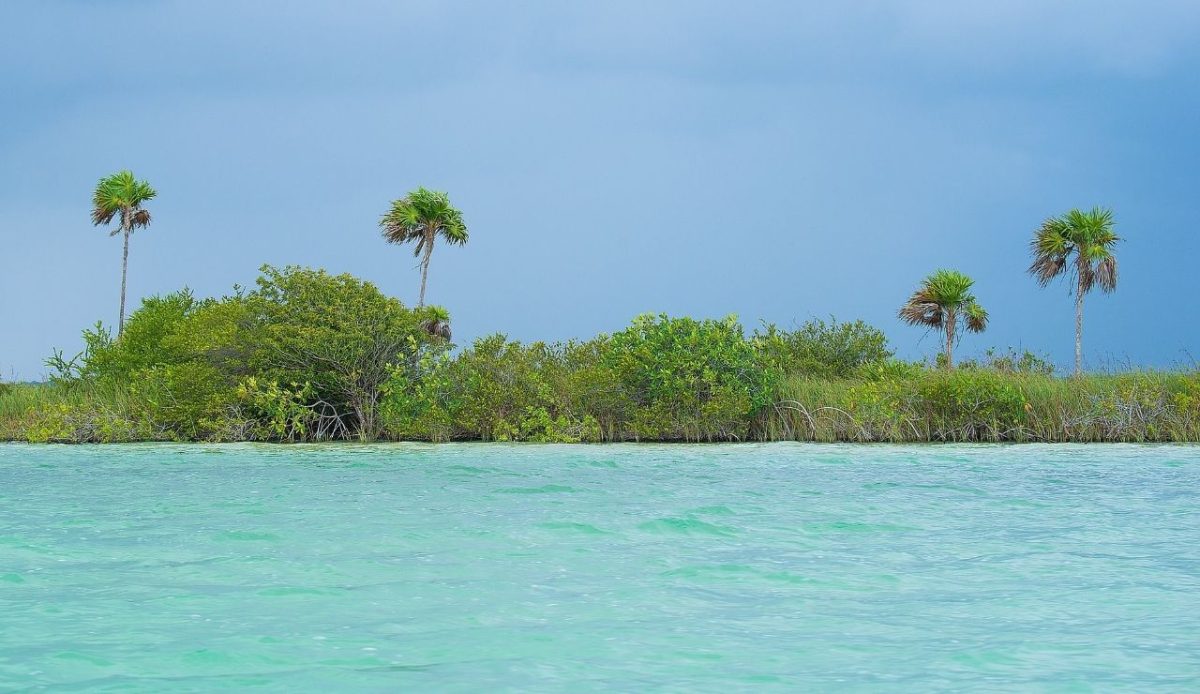
Sian Ka’an Biosphere Reserve on Mexico’s Caribbean side protects a long strip of coastal wetlands, mangroves, lagoons, and reef structures tied to the Mesoamerican Barrier Reef.
Freshwater from inland marshes mixes with seawater through channels, creating salinity gradients that determine where mangroves, seagrass beds, and coral communities can persist.
This connectivity makes the site scientifically important, since nurseries for fish and crustaceans feed offshore reefs while filtering improves water clarity. Visitor routes often rely on small boats, which allows close study of manatees, crocodiles, and bird colonies without heavy infrastructure.
10. Manú National Park, Peru
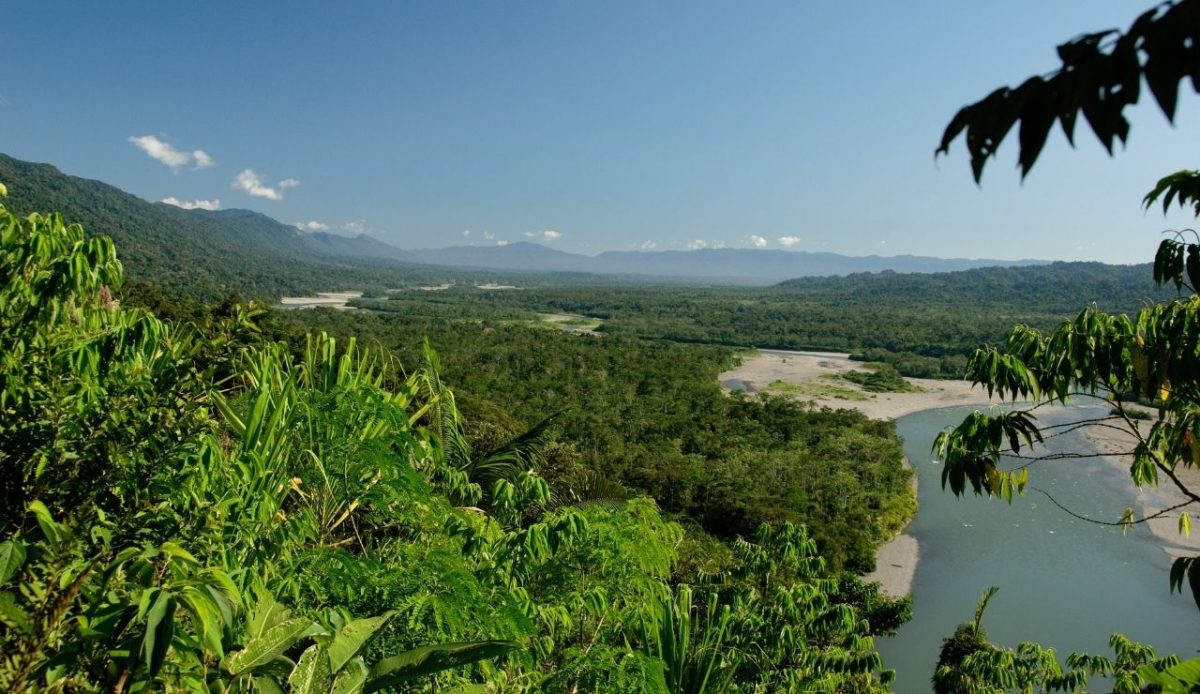
Manú National Park in Peru runs from Andean slopes down into the Amazon lowlands, spanning roughly 150 meters to over 4,000 meters in elevation within one protected block.
Its area is about 1.7 million hectares, and it remains largely roadless, preserving river meanders, oxbow lakes, and wildlife corridors that support jaguars, tapirs, macaws, and immense insect diversity.
Manú is valued as a reference for long-term ecology because intact gradients show how temperature and rainfall shifts change species composition with altitude. Clay licks, bamboo stands, and cloud forest edges offer field evidence of niche specialization rather than staged wildlife encounters.
