
Cruise vacations bring ocean views, relaxed days, and new places to visit, yet comfort at sea starts with careful packing on land. Cabins tend to be smaller than hotel rooms, storage is limited, and onboard shops can charge more than you expect. A few well-chosen items keep you organized, protect your budget, and prevent simple problems from growing into hassles that follow you all week. The right gear also helps on travel days when you wait for your room, navigate through crowded terminals, and manage shore days with changing weather conditions. This guide gathers practical picks trusted by frequent cruisers and travel editors so you can board confidently, stay comfortable, and focus on the trip you planned.
1. Carry-On Bag or Backpack

A reliable carry-on keeps key items close until your suitcase reaches the room. Pack medication, travel documents, chargers, headphones, a swimsuit, sunscreen, sunglasses, and a light cover-up so you can start the day on the pool deck without delay. A structured backpack works well because it doubles as a shoulder bag and fits under most seats. Choose padded straps, a water bottle pocket, and a sleeve for a tablet or small laptop. Use a small pouch for valuables and keep it at the top for quick checks; place liquids in a clear quart bag to speed security. Add a protein bar and a reusable fork so you are set if lines run long. With these basics in reach, the first hours on board feel easy and calm.
2. Digital Luggage Scale
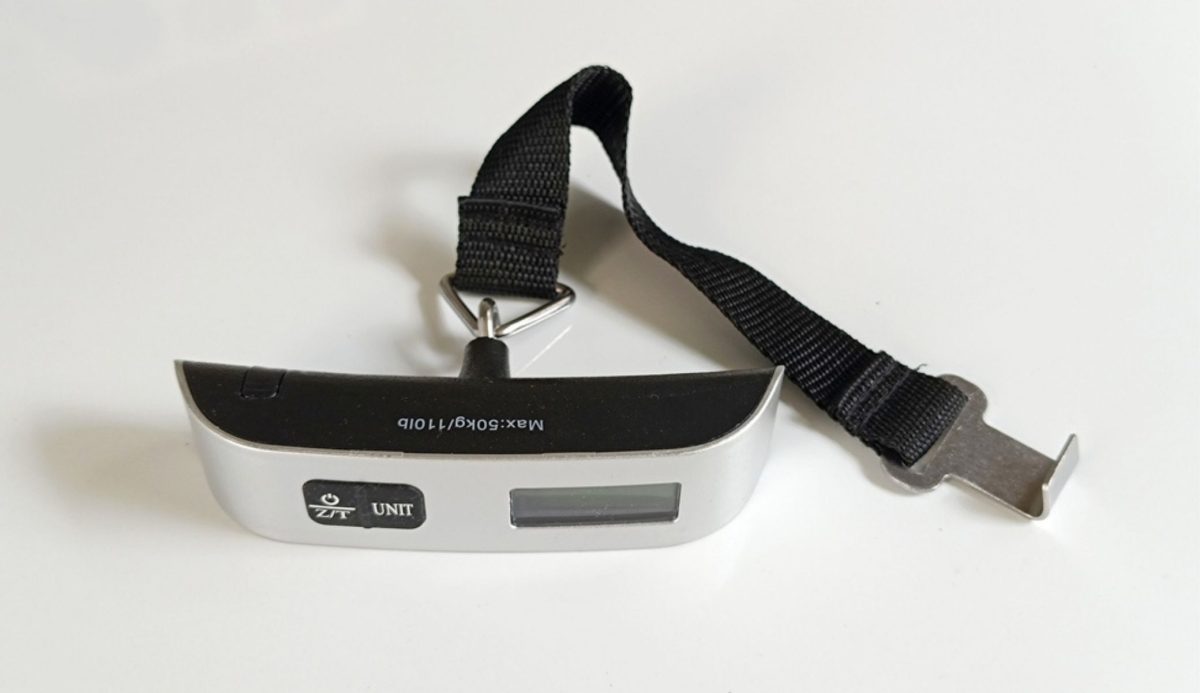
A pocket scale protects your budget from airline fees and removes guesswork before you leave the hotel or ship. Clip the strap to your bag handle, lift until the reading settles, and note the number. Check weights on the outbound flight, then again before you return, since souvenirs and gifts add pounds fast. A simple model that reads to at least 100 pounds covers most cases and fits in a side pocket. If you travel with a partner, weigh both bags and shift heavier items to balance loads before reaching the counter. The scale also helps on regional flights with stricter limits, which can appear on some cruise routes. A quick check the night before travel saves time at check-in and keeps your day moving smoothly.
3. Passport and Identification
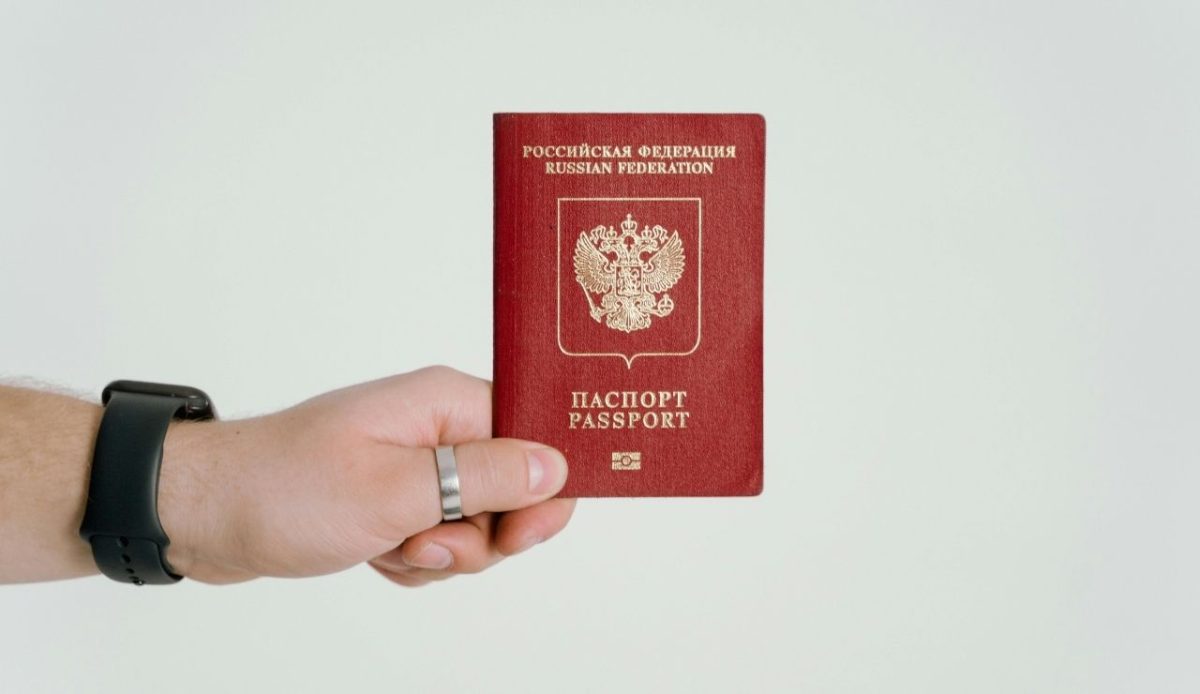
Valid documents are the foundation of smooth travel. Review your passport months before departure and renew early if it expires soon, since many ports expect at least six months of validity after your return date. Store your passport in a waterproof sleeve or RFID pouch and keep it on you until you reach the room. Save clear photos of the photo page and visas in secure cloud storage and on your phone. Bring a second government ID if available and learn the process for replacing lost documents at your planned ports. Use the cabin safe for storage and keep a paper copy in a separate bag. Organized papers speed check-in, protect you during shore days, and reduce stress if plans change.
4. Travel Insurance

Travel insurance protects you from problems that can cost far more than the policy itself. Illness, delayed flights, or sudden cancellations can lead to expensive last-minute changes, and shipboard medical visits are rarely included in regular health coverage. Good policies refund prepaid costs and handle evacuation or emergency transport if needed. Compare options that cover medical care, baggage, and trip interruption. Keep a printed copy and a digital version in your email so you can access it anytime. Reading the coverage details before sailing prevents surprises and gives peace of mind when plans shift unexpectedly.
5. RFID Wallet or Passport Holder
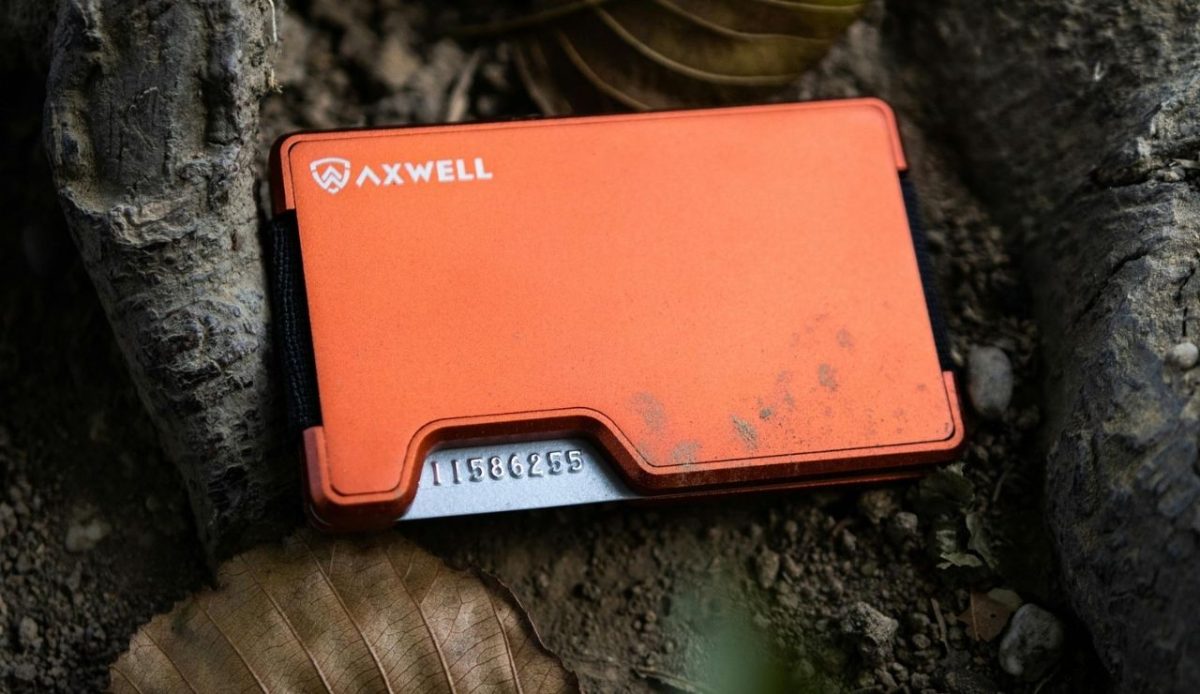
A compact RFID wallet prevents electronic scanning of credit-card chips and passport data. It is small, flat, and fits easily inside a cross-body bag or money belt. Choose one that can hold boarding passes, foreign currency, and extra identification cards. Some travelers prefer passport holders with multiple slots to keep family documents together. Use it when passing through terminals or walking in crowded markets during shore excursions. Keeping cards protected in one secure case makes paying for tours, tips, and souvenirs quick and safe without fumbling for cash or documents at every stop.
6. First-Aid Kit
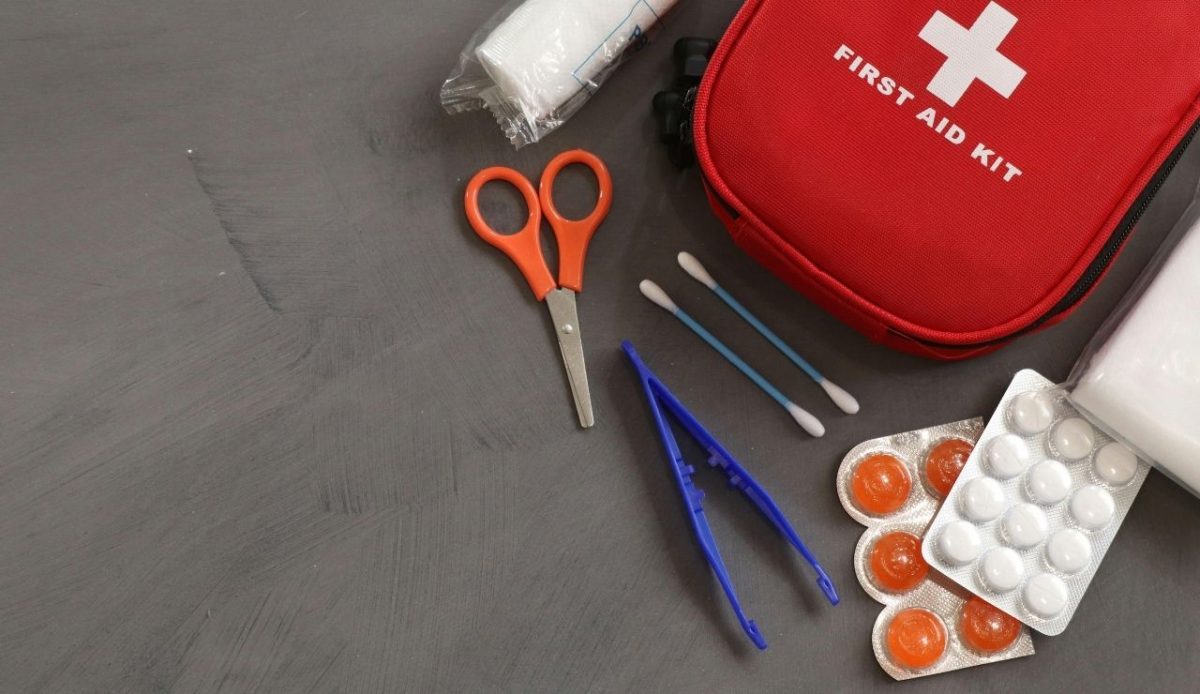
A travel-size first-aid kit keeps minor problems from disrupting your trip. Include adhesive bandages, antiseptic wipes, antibiotic cream, tweezers, and blister pads for long walks on deck or in port. Add hydrocortisone cream for insect bites, small scissors, and a few packets of oral rehydration salts. Place everything in a waterproof pouch so it stays dry in humid cabins. The ship’s medical center can treat serious issues, but simple supplies save you from waiting in line for basic care. Restock the kit after each trip so it is ready for your next sailing without extra preparation.
7. Hand Sanitizer and Disinfecting Wipes

Cruise ships bring thousands of people together in close quarters, which makes hygiene a daily priority. Hand sanitizer and wipes help reduce exposure to germs when soap and water are not available. Keep a travel-size sanitizer in your pocket or bag and use it before meals, after touching railings, and after excursions. Disinfecting wipes are ideal for cleaning tray tables, door handles, and light switches in your cabin. They are also helpful when using shared gym equipment or loungers on deck. Regular use keeps small illnesses from spreading and ensures your vacation stays healthy from the first port to the last.
8. Travel-Size Laundry Detergent

Packing a small bottle of detergent extends your wardrobe and saves money on laundry services. Wash lightweight clothing such as swimsuits, T-shirts, and undergarments in the sink using lukewarm water. Most cabins include a retractable clothesline in the shower, which makes drying easy. Bring a soft sponge or quick-dry towel to gently remove excess water before hanging. Choose a biodegradable detergent that rinses clean and avoids strong scents. This routine keeps clothes fresh between ports, reduces overpacking, and helps when weather or excursions require frequent outfit changes. It also ensures you always have something clean for the next day’s plans.
9. International Travel Adapter
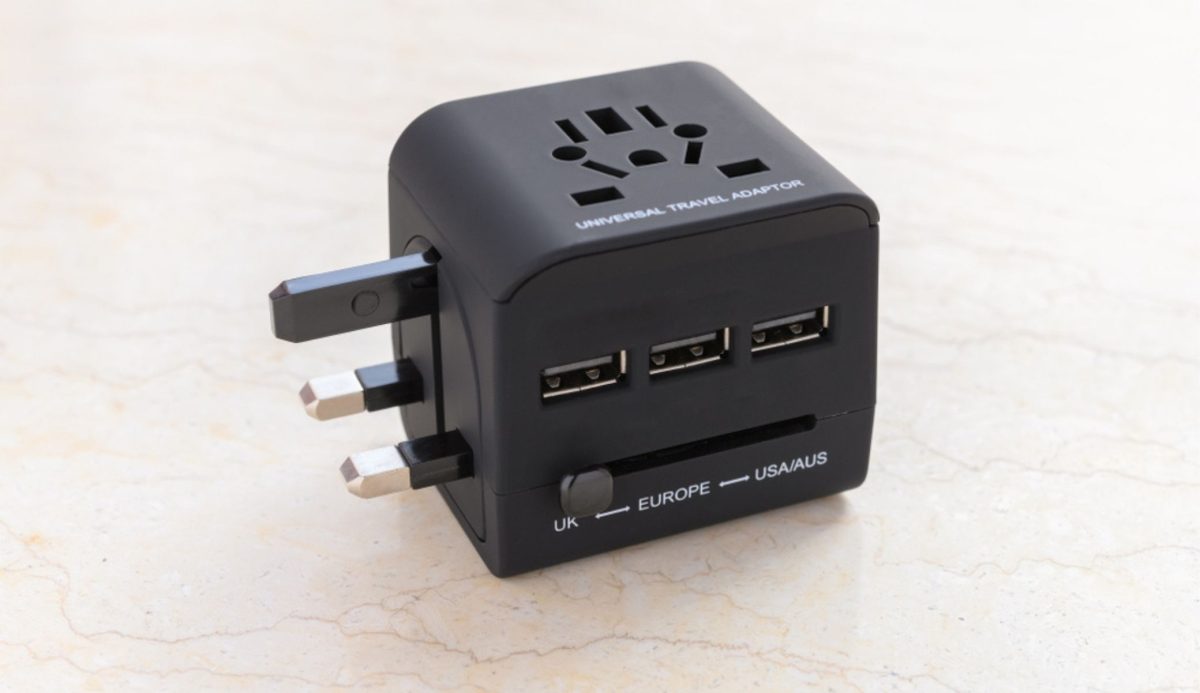
Not every ship uses the same outlet type, especially if it departs from or visits ports outside the United States. An international adapter solves this issue by letting you plug in electronics safely wherever the ship docks. Look for one that supports several plug shapes and includes built-in USB slots. Some models work in more than 200 countries and have a built-in fuse for extra protection. Bringing one ensures you can charge gear whether your ship stops in Europe, Asia, or South America. Keep it in your carry-on since it is also useful for hotels before or after the cruise. Having one small adapter avoids confusion about voltage or plug shape when traveling across regions.
10. Reusable Water Bottle
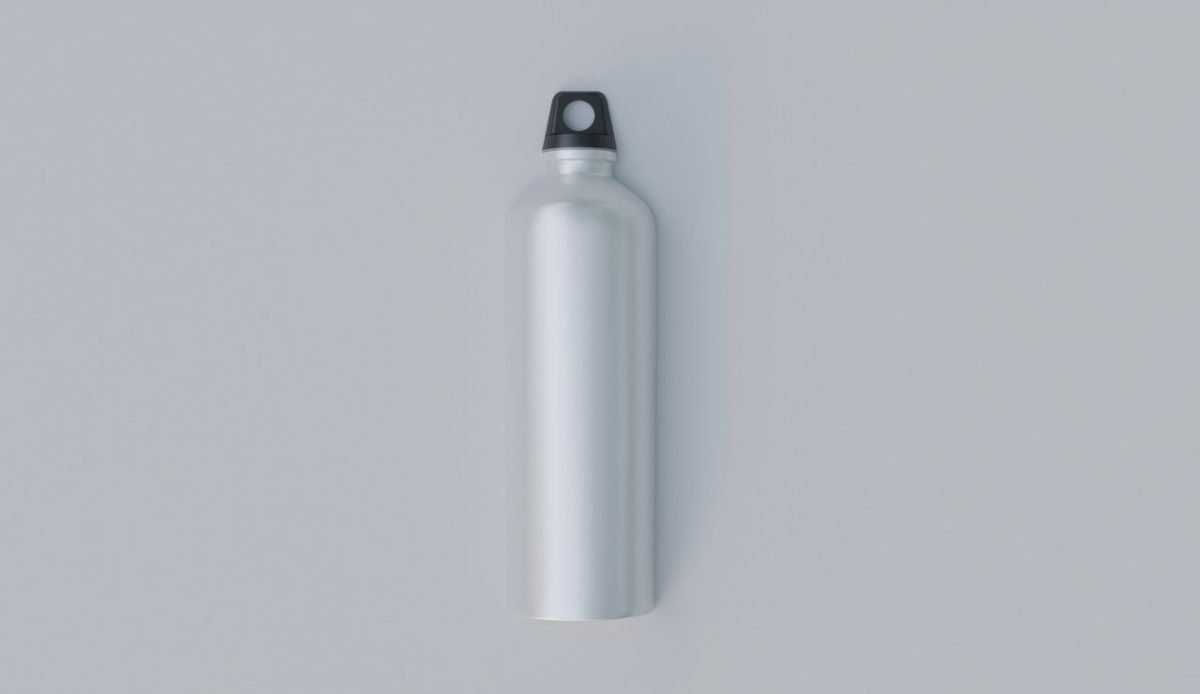
A sturdy, reusable bottle keeps you hydrated during long shore days and reduces plastic waste. Fill it at water stations before leaving the ship so you have clean drinking water wherever you go. Choose an insulated model that maintains temperature and a leakproof lid for packing in a day bag. Many cruisers prefer bottles with built-in filters for destinations where water quality varies. Avoid glass bottles, as they can break easily in luggage or during excursions. Carrying your own bottle saves money on bottled drinks and keeps you refreshed while exploring ports, walking decks, or relaxing under the sun.
