
Viral travel posts have pushed tiny mountain towns into peak demand that resembles a major city weekend. A single overlook, festival, or café can be copied by thousands once a clip spreads, and arrivals pile up fast. Search results often favor the most photogenic angle, not the safest route.
Crowding is felt first at trailheads, narrow highways, and limited parking. Wastewater plants, rescue crews, and park rangers are stretched, while quiet neighborhoods see more short stays than residents.
Many towns now use shuttles, reservation systems, and geotag messaging to protect land and keep emergency access open. The same views still draw visitors, but capacity has to be managed every season.
1. Jackson, Wyoming
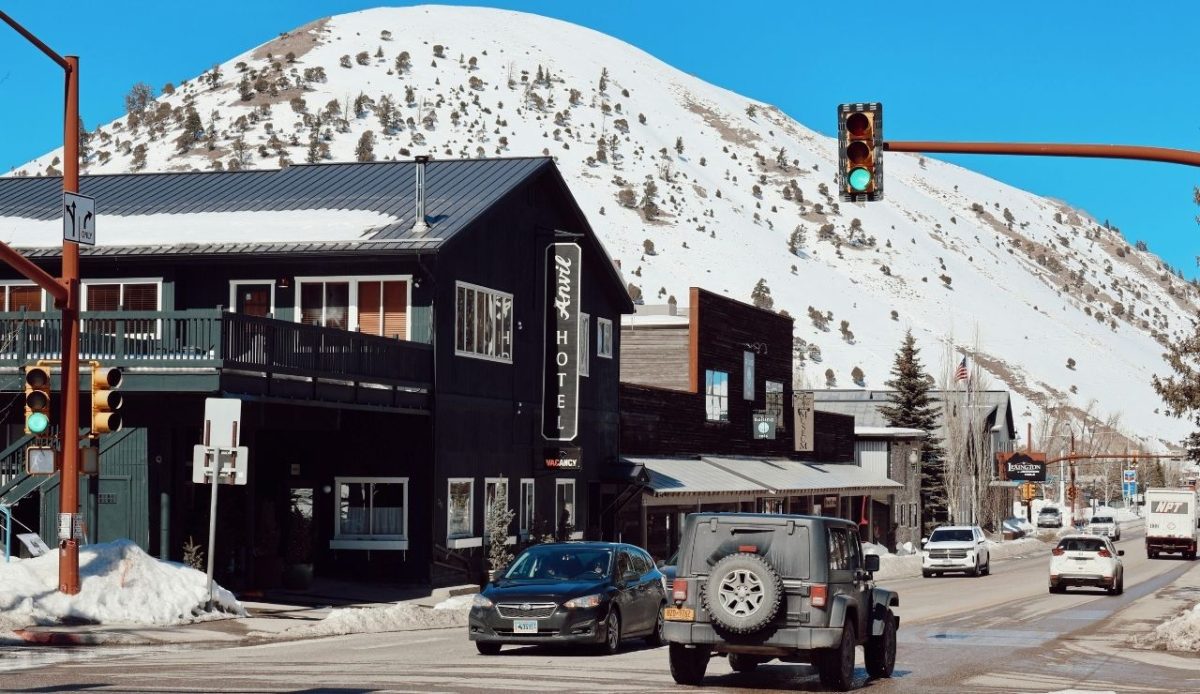
Geotagged sunrise shots around Grand Teton funnel drivers toward the same pullouts near Jackson each summer. Parking fills before dawn, and roadside overflow can trample vegetation and block sightlines on curving roads.
Timed entry and shuttle options at popular lake areas were expanded to smooth the daily rush. Local campaigns ask visitors to tag broadly and avoid pinpointing fragile photo spots. When lots are full, traffic is redirected, and trail use is spread across less fragile routes.
Visitor pressure has also been felt in housing and staffing, since short stays compete with local leases. With limited land for growth, services are planned carefully, and crowd impacts are tracked season by season.
2. Aspen, Colorado
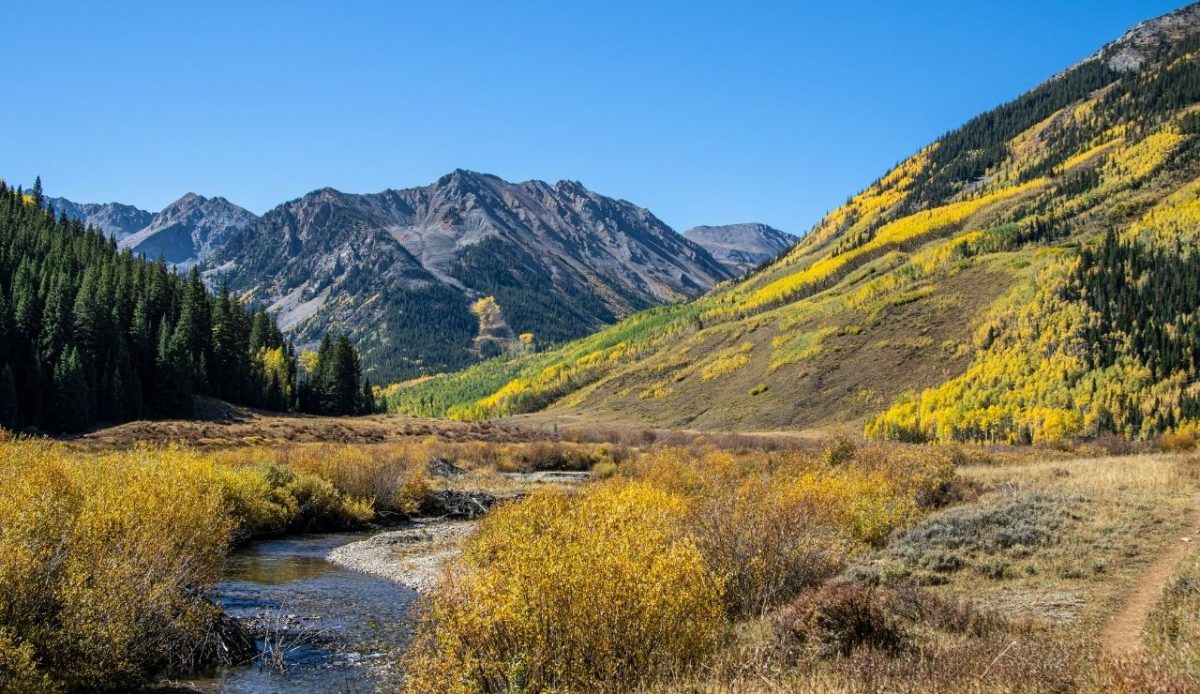
Maroon Bells photos shared at peak leaf color drive concentrated demand near Aspen in a short autumn window. Vehicle lines stack up on the access road, and late arrivals circulate for spaces, raising emissions and collision risk.
Reservation and shuttle requirements were put in place to cap traffic and protect alpine soils. Rangers report more off-trail shortcuts during crowded mornings, so signage and patrols are increased when fall conditions are at their best.
The town also faces strain from seasonal labor shortages and high rents tied to tourism growth. When service capacity is limited, wait times rise across transit, dining, and medical response, so daily caps are reviewed.
3. South Lake Tahoe, California
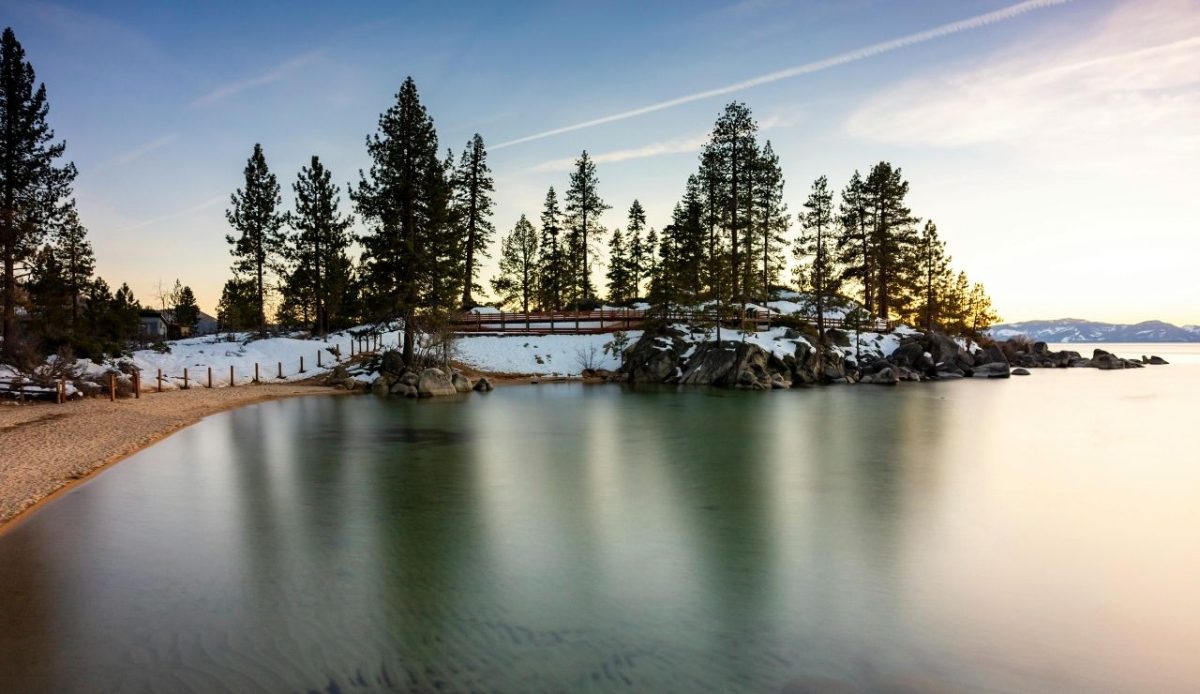
Viral lake views and beach reels pull heavy weekend traffic into South Lake Tahoe, especially around Emerald Bay. Two-lane approaches back up, and shoulder parking spreads into sensitive shoreline areas.
Enforcement has been increased for illegal stopping, and some lots are managed with paid entry and time limits. Waste pickup and water quality monitoring are intensified after high-use days, since litter and sediment can wash into the lake.
Wildfire seasons add another layer, because evacuation routes must stay clear even during tourist peaks. When smoke advisories are issued, travelers are asked to shift plans, and local agencies coordinate messaging across counties.
4. Estes Park, Colorado
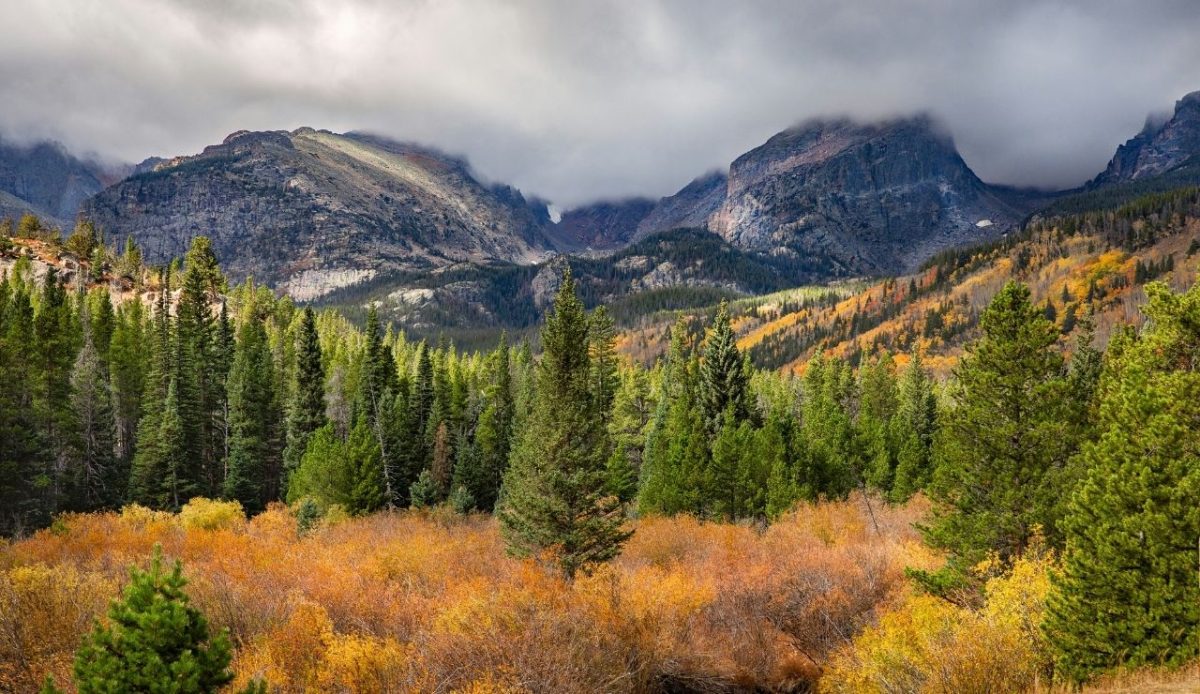
Social feeds often frame Rocky Mountain National Park as a quick day trip, making Estes Park a surge gateway in summer. The same trailheads go viral, and cars queue early for limited entry points and picnic areas.
Timed entry permits and shuttle options were adopted to control volume and reduce idling at gates. When permits are sold out, visitors are routed to lower-impact activities, and rangers push safety notes about altitude, storms, and wildlife distance.
Search and rescue demand can rise when new hikers follow short clips without planning. Local clinics and emergency crews are staffed for spikes, and messaging highlights basic gear and turnaround times before afternoon weather hits.
5. Stowe, Vermont
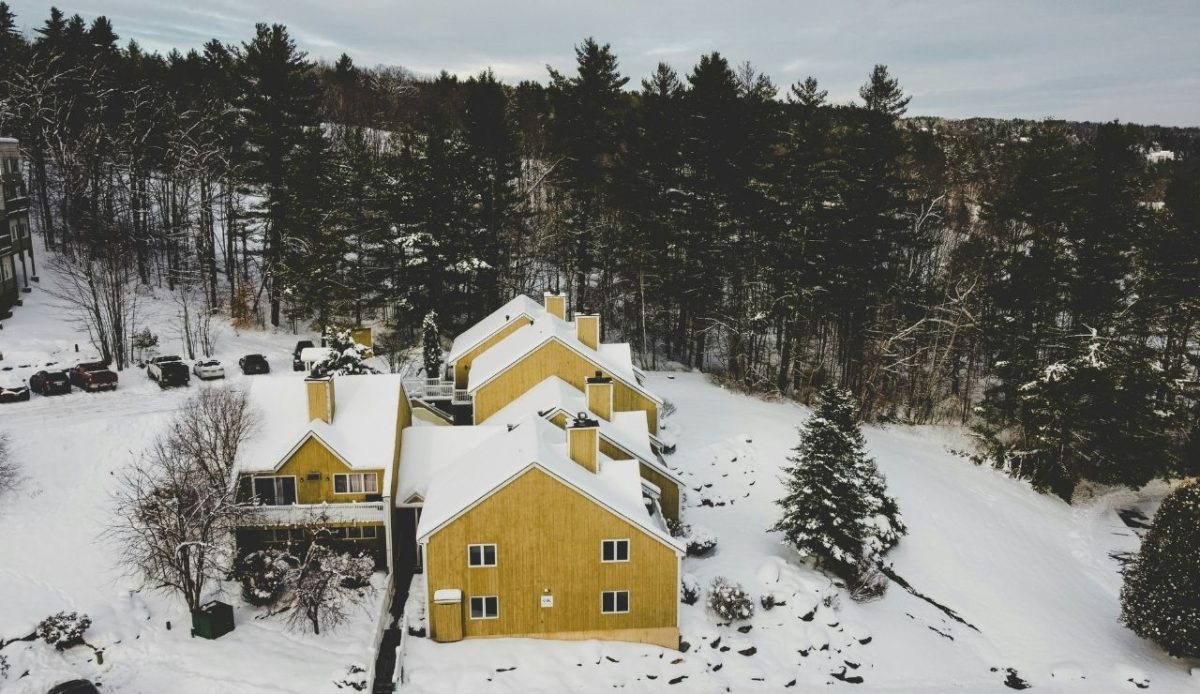
Fall foliage posts compress visitation into a few October weekends in Stowe, turning quiet roads into stop-and-go lines. Mountain passes and trail lots fill, and drivers often stop for photos on narrow shoulders.
Temporary traffic controls and extra patrols are used during peak color to keep lanes open. Some areas restrict roadside parking, and trail networks promote alternative loops to spread foot traffic away from a single viewpoint.
Private land issues have increased when visitors chase viral angles across fields and driveways. Clear signage has been added, and access is sometimes limited to protect residents and emergency response, which can be delayed by congestion.
6. Leavenworth, Washington
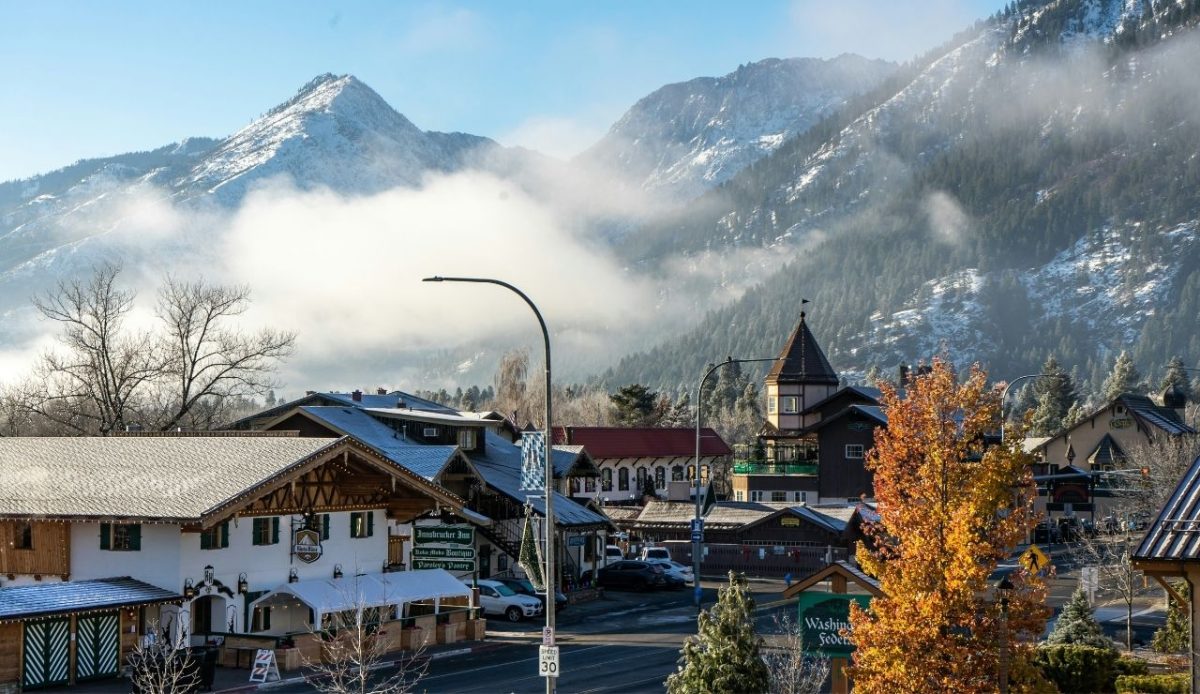
Holiday light videos and snowy street photos draw winter crowds to Leavenworth far beyond its road capacity. Weekend arrivals create long backups on the main highway, and parking spillover affects nearby neighborhoods.
Shuttles and remote lots are used to reduce downtown gridlock, and real-time traffic updates steer drivers to off-peak times. Event schedules are adjusted to stagger arrivals, while police manage crosswalk surges around the most photographed blocks.
The business boost is real, yet services are strained when day visitors outnumber beds and restrooms. Waste collection, plowing, and pedestrian safety measures are expanded each season, and crowd plans are revised after weather shifts.
7. Gatlinburg, Tennessee
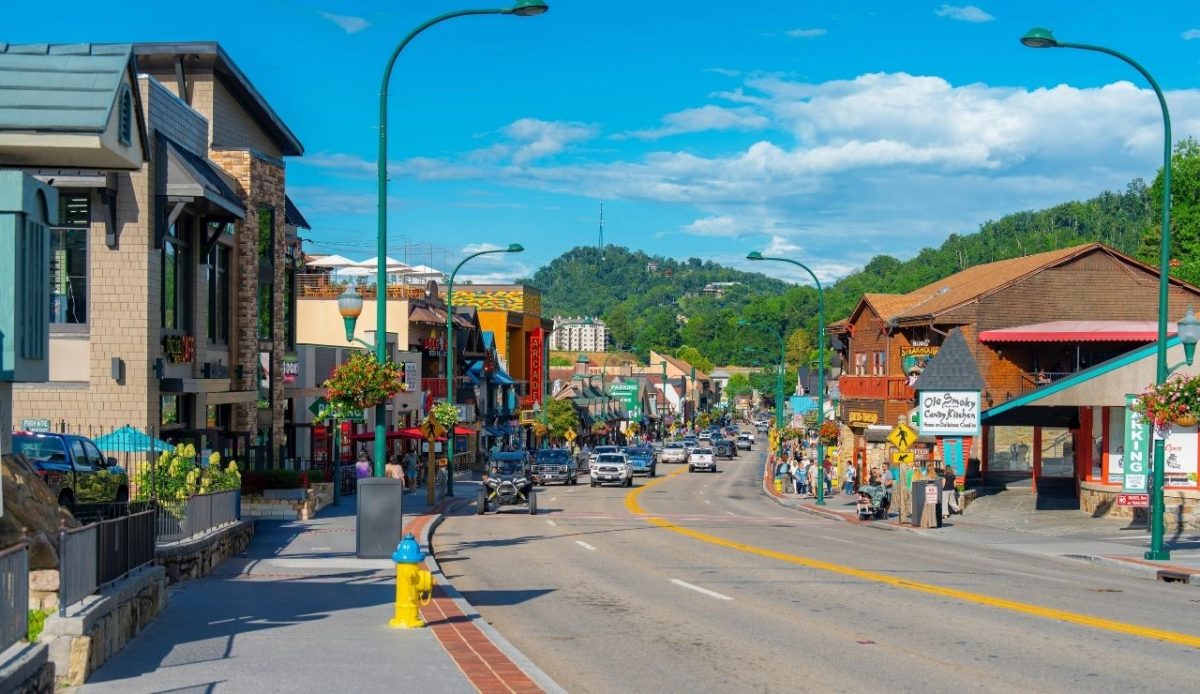
Smoky Mountains clips and cabin rental posts send large volumes through Gatlinburg during leaf season and summer breaks. The park entrance corridor jams, and stoplights can back traffic into steep grades.
Management relies on structured parking, pedestrian zones, and coordination with park warnings about full lots. When trails trend online, rangers issue crowd alerts and remind visitors that bears and sudden storms require distance and preparedness.
High visitation has been linked to air quality and noise concerns in a narrow valley. With limited space for new roads, crowd control is handled by timing, signage, and shuttle trials, while local businesses adjust staffing around peaks.
8. Breckenridge, Colorado
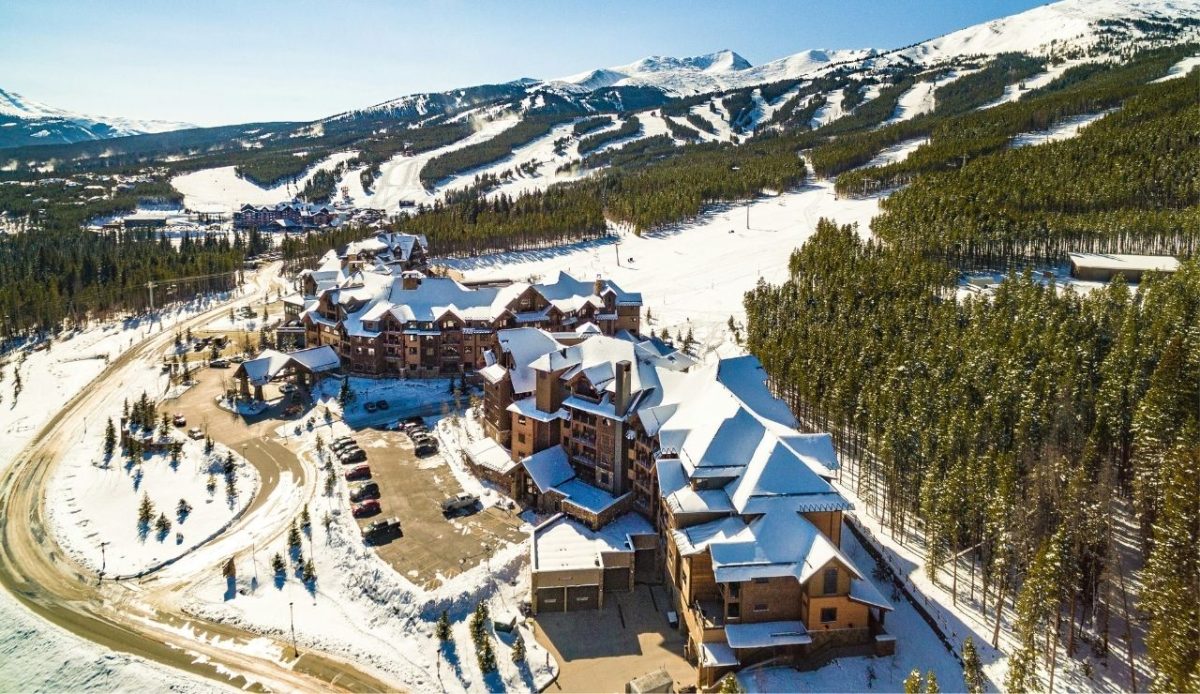
Ski slope selfies and summer wildflower posts have widened Breckenridge demand beyond traditional resort weeks. Peak weekends bring heavy I-70 traffic, and town lots fill early, pushing drivers into residential streets.
Transit buses and paid parking are used to shift visitors away from the core and reduce circling. Trail signage and mapped alternatives aim to protect the tundra near popular viewpoints that appear in repeat photo guides.
Housing pressure is intensified when short stays outcompete worker rentals during both winter and summer. As staffing tightens, restaurant and lift operations can be constrained, so the town reviews visitor services and emergency coverage each season.
9. Big Sky, Montana
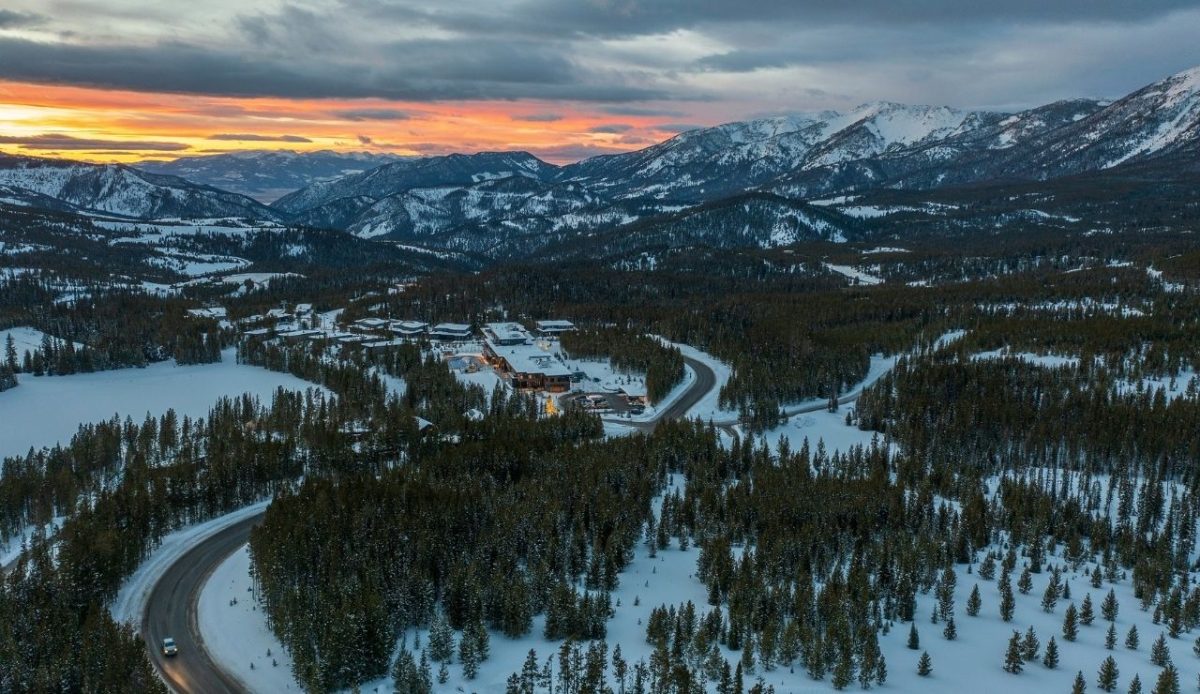
Big Sky has been pushed by influencer ski content and Yellowstone side trip plans that circulate widely online. Limited lodging clusters create choke points, and winter storms can turn a busy access road into a long delay.
Resort and county partners use shuttle links, parking controls, and avalanche safety messaging to reduce risky travel. When a viewpoint trends, staff direct visitors to maintained trails and discourage off-route travel that can damage fragile soils.
Rapid growth has also strained utilities and workforce housing in a remote setting. New development is debated alongside habitat protection, and service staffing is monitored during the busiest holiday periods when viral coverage tends to spike.
10. Lake Placid, New York
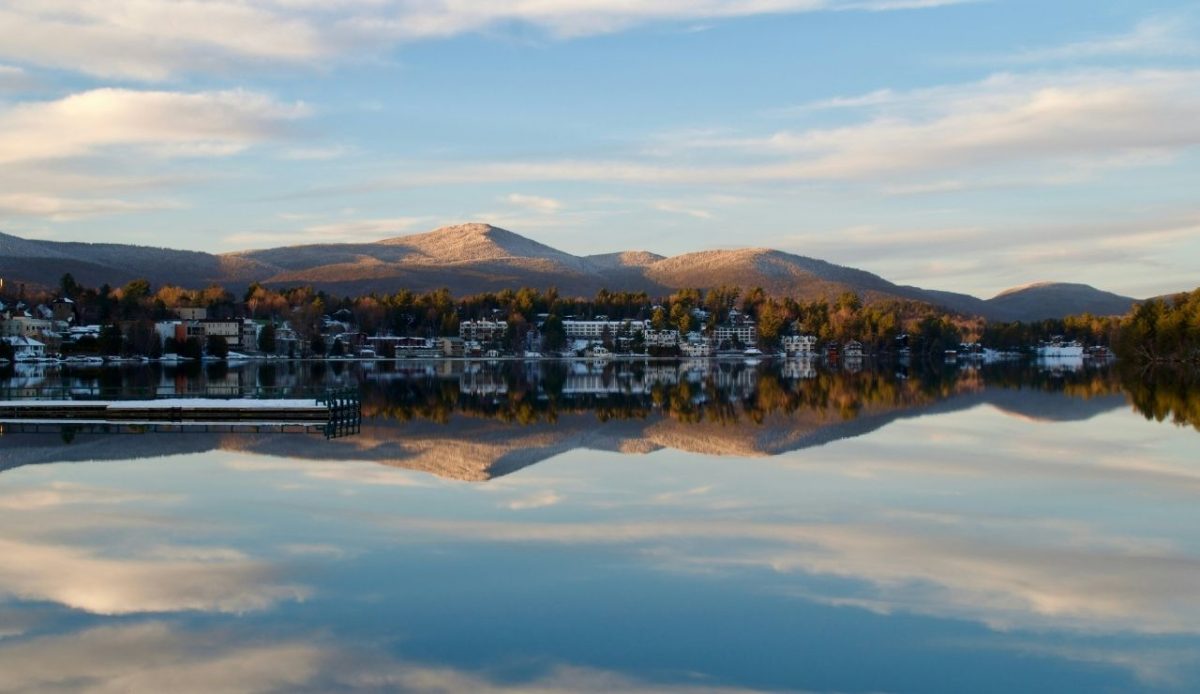
Lake Placid draws viral winter sport nostalgia and Adirondack hike content that spreads fast during snow and foliage seasons. Small lots near trailheads and the village center reach capacity early, and roadside parking increases.
Town planning leans on shuttle experiments, event permitting, and targeted enforcement to keep emergency lanes clear. Trail groups promote durable routes and discourage summit rushes when conditions are icy or muddy, since damage can be long-lasting.
Short peak seasons create sharp swings for local services and staffing. When hotel occupancy surges, dining and medical access can be limited, so visitors are urged to book ahead and follow Leave No Trace rules to reduce cumulative impact.
