
Some Middle Eastern places maintain personal space through physical distance, modest social norms, and a daily pace that remains quiet after sunset. These destinations reward visitors who keep their voices low, dress respectfully, and ask before photographing people. Choices below favor mountain villages, oases, reserves, and sacred valleys where tourism remains limited, and traditions guide behavior. Each spot offers calm scenery and cultural continuity without the pressure to perform or share every moment publicly. Practical privacy comes from fewer crowds, fewer cameras, and clear etiquette that locals and guests widely follow.
1. Jebel Akhdar, Oman
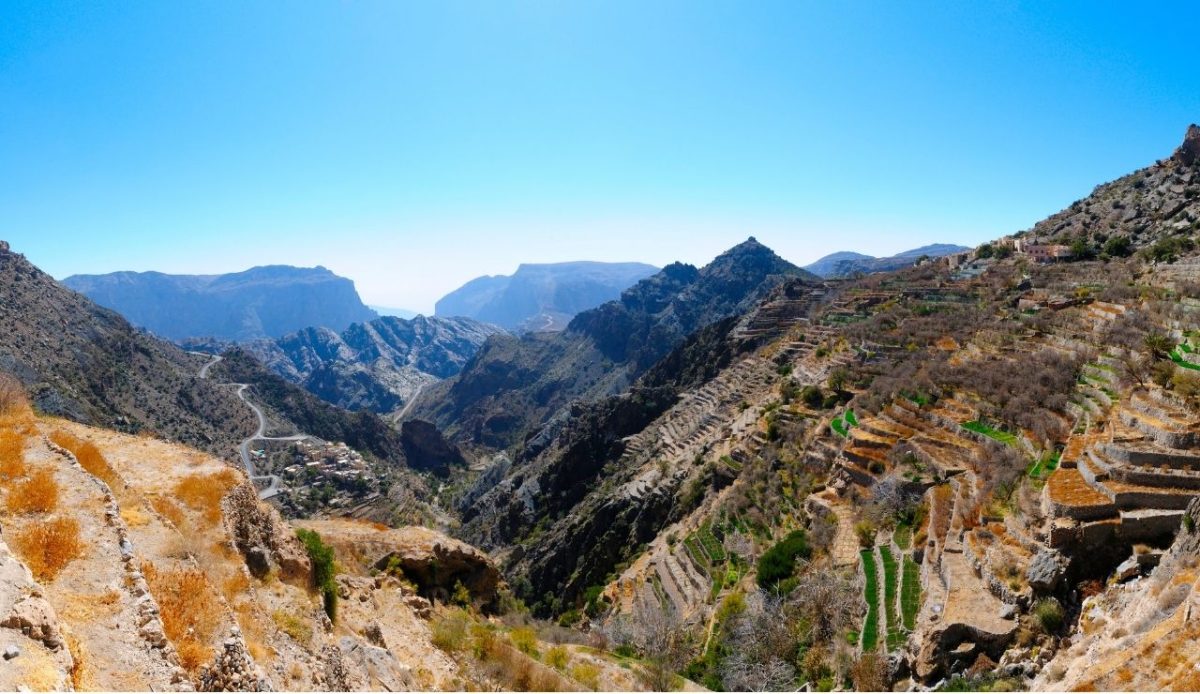
Jebel Akhdar in Oman rises above the heat in the Hajar range, reached by winding roads that naturally limit day trippers. Apple orchards and terraced roses surround small settlements where evenings stay subdued and public behavior is modest. Hikes and viewpoints replace nightlife, and private courtyards matter more than busy plazas. Visitors who dress conservatively outside resorts and keep photography polite will find quiet spaces and a strong sense of discretion. Cooler air also pushes activity into mornings, so afternoons often feel still, which supports a low-profile stay. The rhythm feels intentionally slow.
2. Masirah Island, Oman
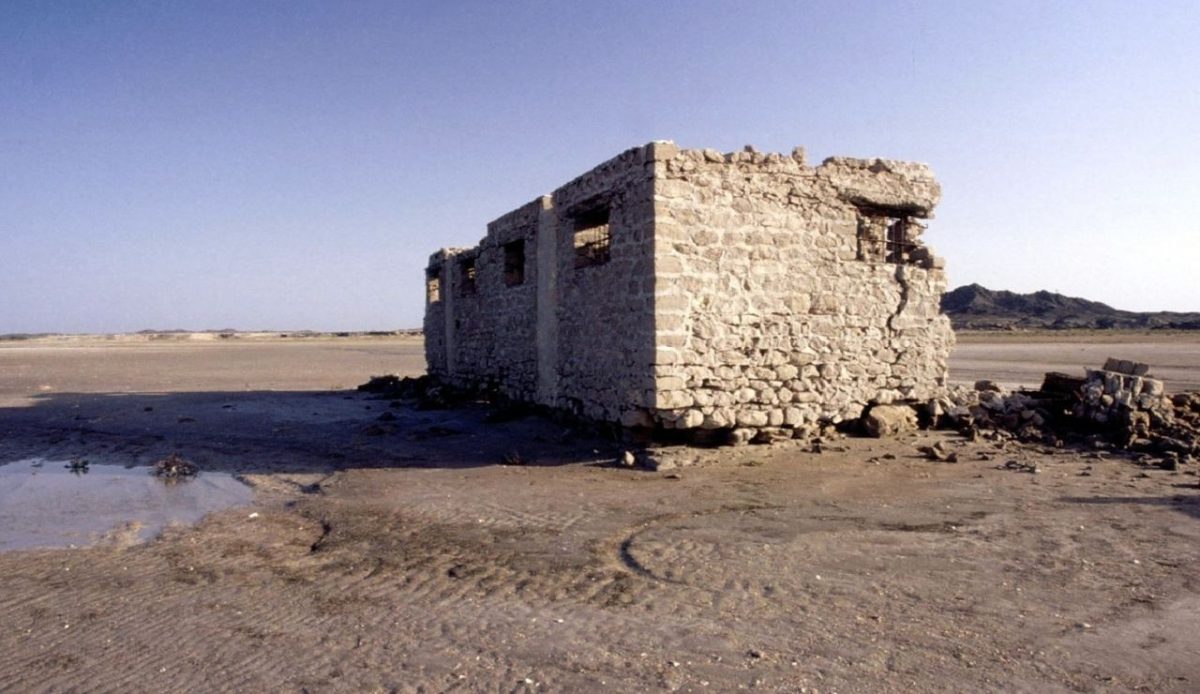
Masirah Island off Oman’s east coast stays lightly developed, with long shorelines and small fishing towns where routines start early. Because entertainment venues are scarce, days revolve around beaches, birdlife, and simple meals rather than late crowds. Local etiquette favors modest dress in town and respectful distance around homes and boats. Low population density and wide open space reduce unwanted attention, making it easy to enjoy nature without feeling observed. Ferry schedules and wind seasons also control visitor flow, so quiet hours are common even in peak travel months. Privacy comes naturally here.
3. Musandam Peninsula, Oman
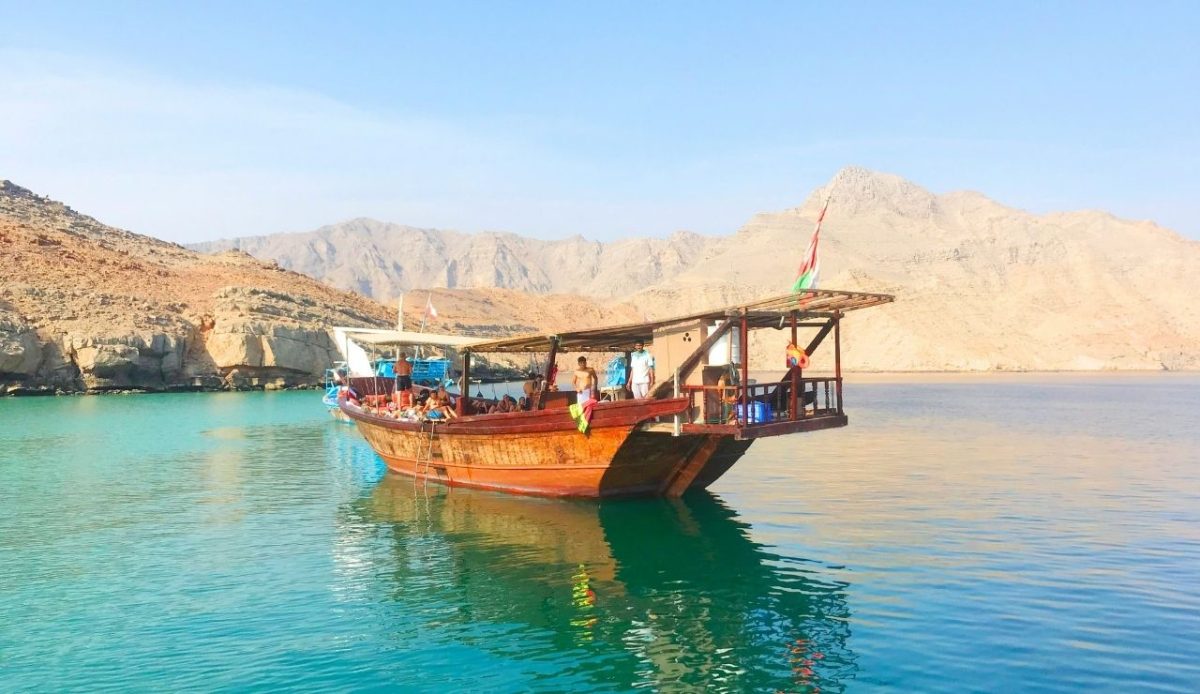
Oman’s Musandam Peninsula is separated from the rest of the country, and its steep coastline keeps tourism focused on boats and small lodges. Dhow cruises glide through narrow inlets past tiny communities where daily life remains reserved. The main pleasures are sea air, dolphins, and silent water rather than loud attractions. Travelers are expected to avoid intrusive photos near houses or docks, and that shared restraint helps the region feel calm and private. Mobile coverage can be patchy outside towns, and early dinners on the waterfront encourage a quieter schedule. Many coves have no crowds at all.
4. Dana Biosphere Reserve, Jordan
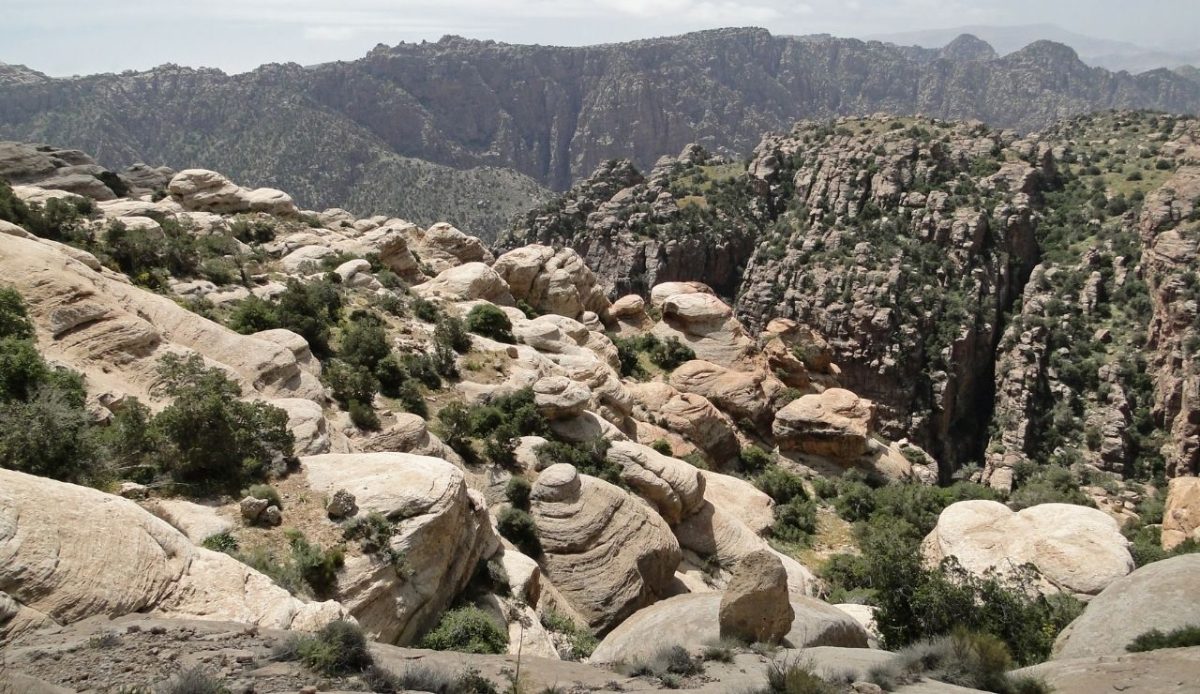
Jordan’s Dana Biosphere Reserve protects broad landscapes and small villages, and access is shaped by trails, guides, and eco-minded lodging. That structure limits noise and keeps visitor numbers manageable, especially away from main viewpoints. Days are spent hiking canyons, watching wildlife, and learning about local crafts, not chasing nightlife. Because communities live within the reserve, quiet conduct and respectful dress are commonly advised, supporting a discreet, low-impact visit. With few streetlights, nights turn into stargazing and early rest, which reinforces the sense of privacy.
5. Wadi Feynan, Jordan
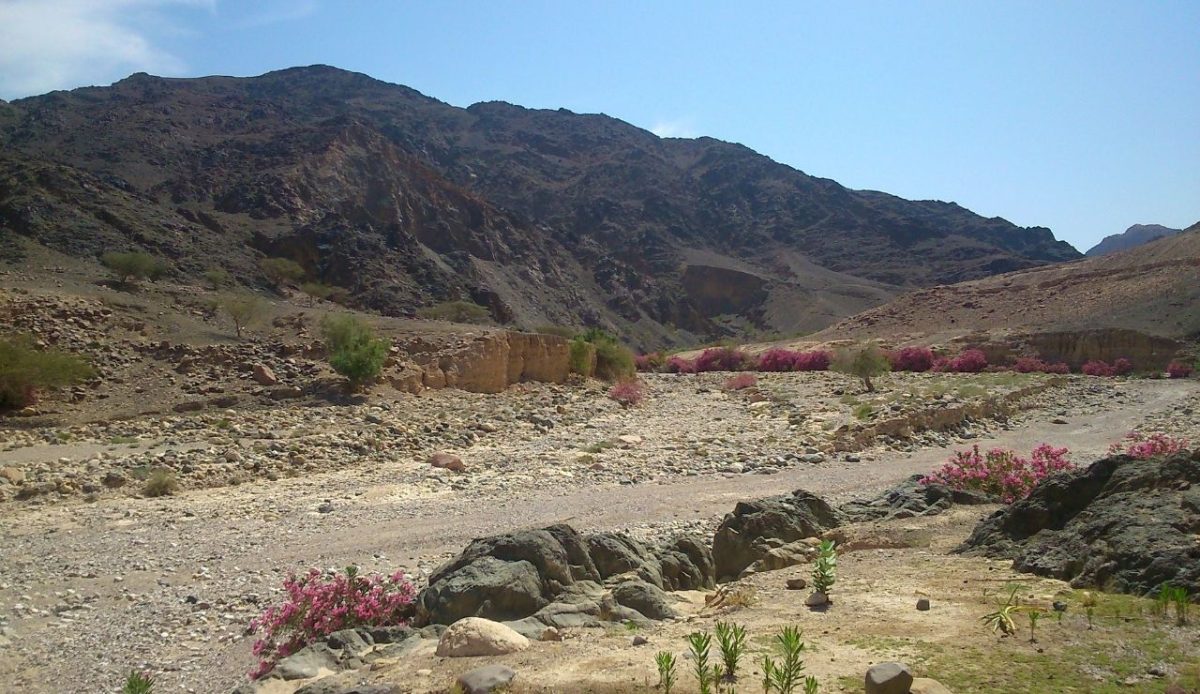
Wadi Feynan in southern Jordan is reached by rough desert routes, and its remoteness is used to preserve silence and dark skies. Some stays rely on candlelight at night, so the mood shifts toward conversation in low voices and long pauses. There are no nearby clubs, and the lack of traffic removes the feeling of being on display. Hosts often brief guests on local customs and photo manners, which helps personal boundaries be respected throughout the visit. Daytime walks and tea stops can be unhurried, while phones are used less because signals vary, adding to the private atmosphere. It feels purposefully secluded.
6. Siwa Oasis, Egypt
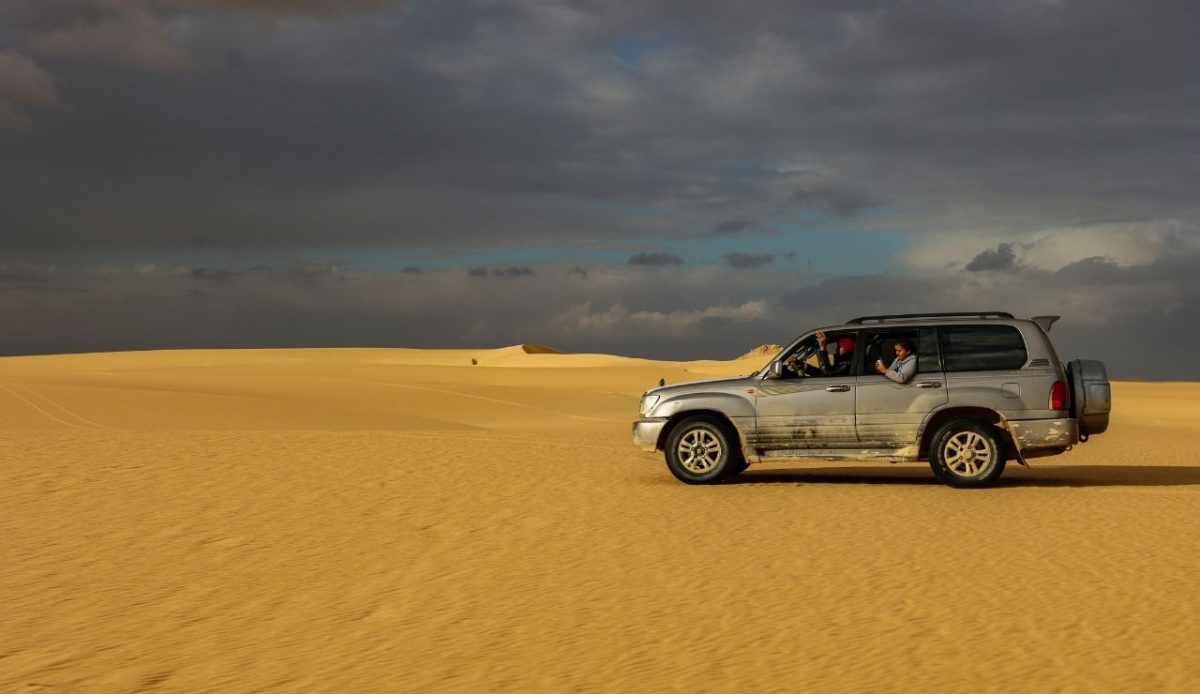
Egypt’s Siwa Oasis lies far from major cities and keeps a distinct identity, with conservative social expectations that visitors are asked to respect. Modest clothing is recommended in town, and permission should be sought before photographing residents, especially women. Tourism remains small-scale, so markets, springs, and old mud brick areas do not feel overwhelmed. Because the community is close-knit, quiet behavior and careful observation are appreciated, creating privacy through shared etiquette. Nights are typically calm, with few late venues, and many outings head into the open desert where space and silence are constant.
7. Saint Catherine Area, Sinai, Egypt
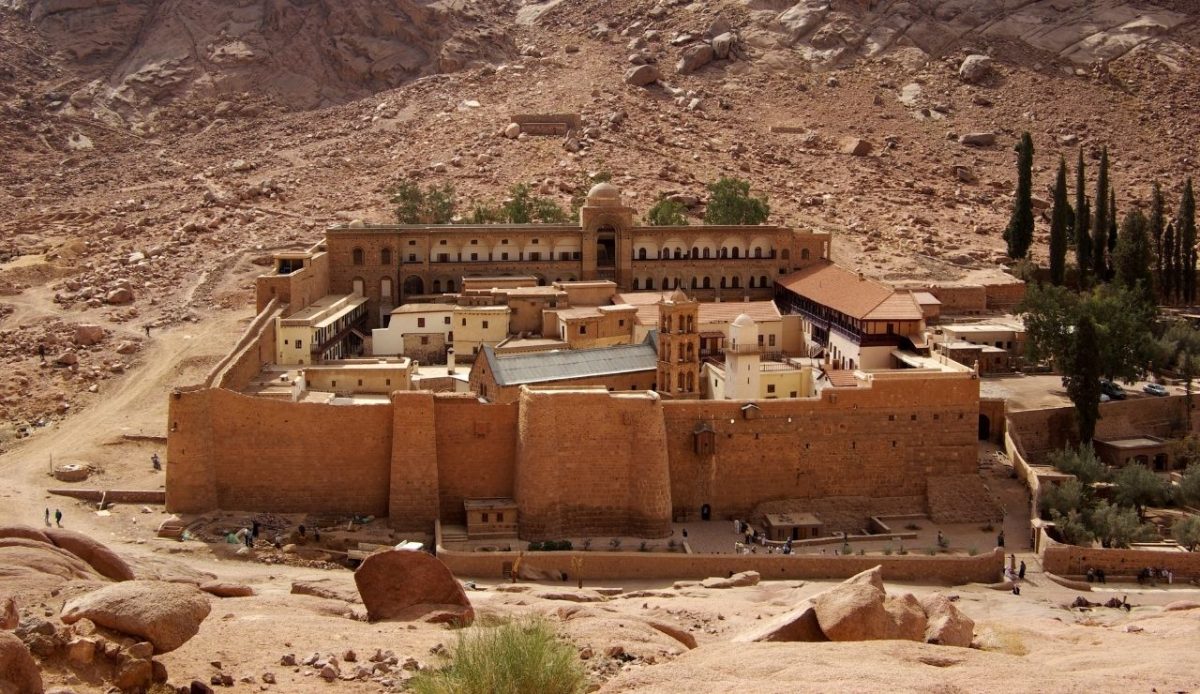
The Saint Catherine area in Sinai is formed by sacred geography and long monastic practice, so quiet conduct is expected rather than optional. Visitors to the monastery and nearby paths are advised to dress modestly, use lower voices, and avoid casual behavior near worship spaces. The surrounding mountains keep settlements small and limit commercial development. Most activities involve sunrise hikes, heritage learning, and simple meals, which fit travelers seeking reflection, privacy, and tradition-guided routines. Local Bedouin guides often set clear boundaries for photos and visits, and limited connectivity reduces public sharing.
8. Rijal Almaa, Saudi Arabia
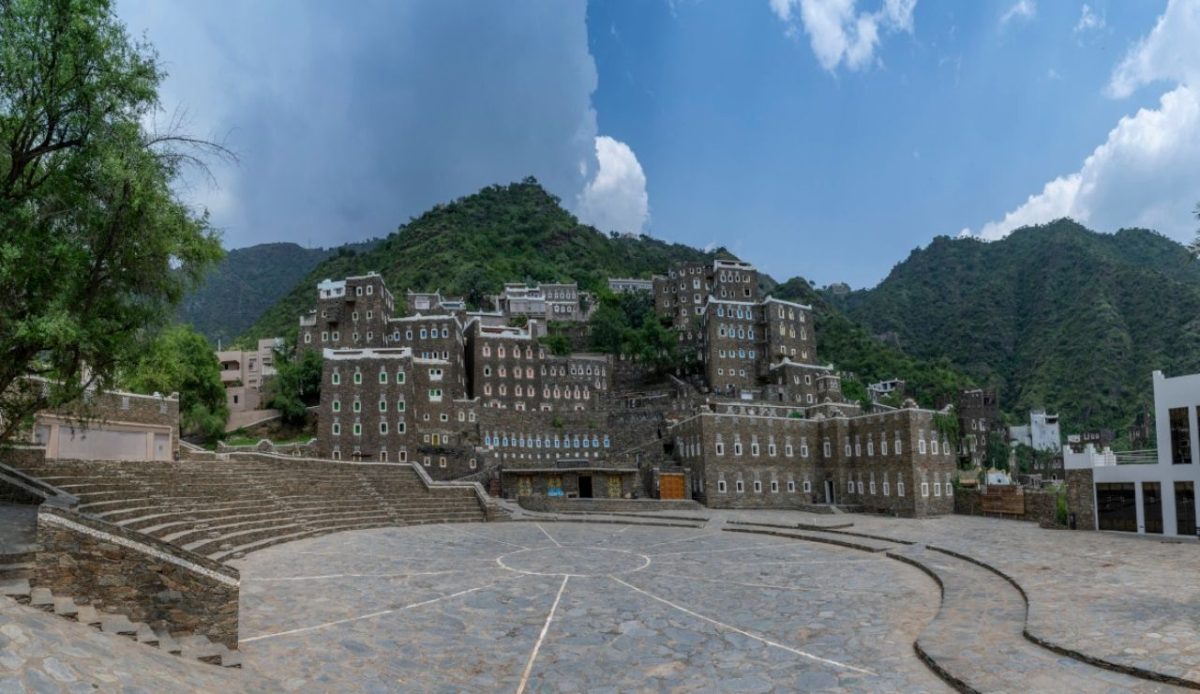
Rijal Almaa in Saudi Arabia’s Asir region is a heritage village known for stone towers and preserved design, with visits centered on culture, not spectacle. Because the setting is residential, respectful distance and polite photography matter. The cooler mountain climate supports daytime walks and early evenings, which keep public spaces calm. Local dress norms tend to be conservative, and travelers who follow them blend in more easily. The result is a low noise experience where privacy comes from community boundaries and measured tourism. Museums and craft displays provide context without crowds pressing close.
9. Al Ain Oasis, United Arab Emirates
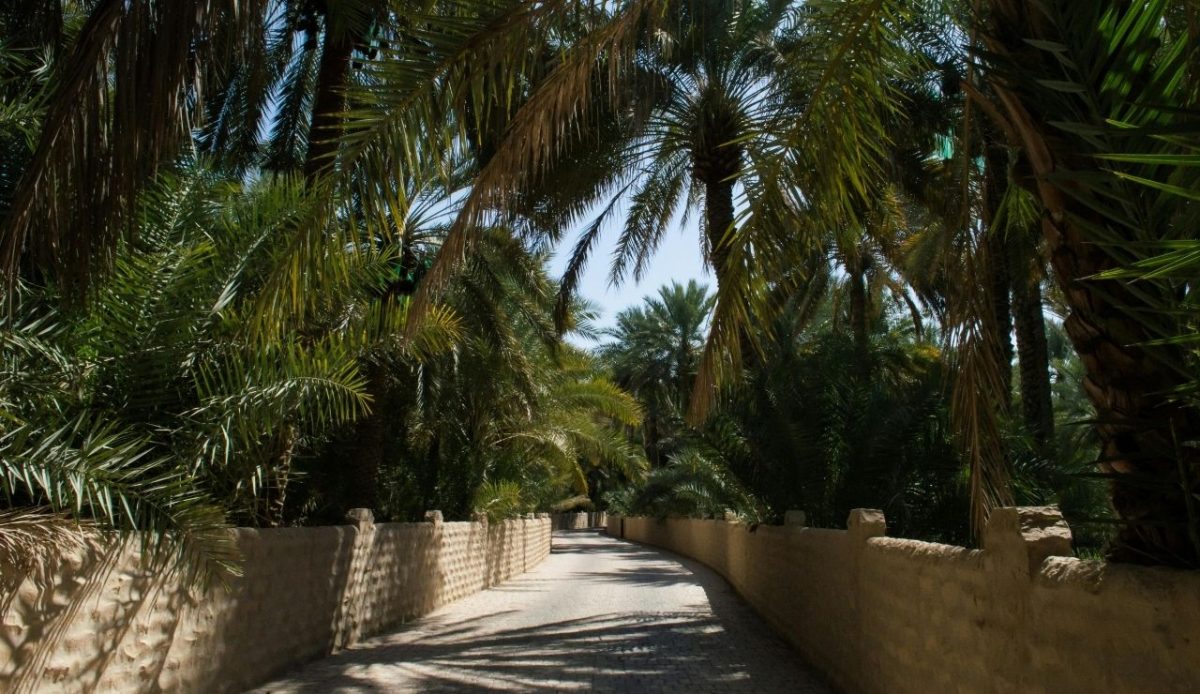
Al Ain Oasis in the UAE offers a slower rhythm than coastal hubs, built around shaded paths and historic falaj irrigation channels. Families visit for walks, museums, and gardens, so public life feels reserved and routine. Heritage rules protect the landscape, and that reduces the push for loud commercial activity nearby. Modest behavior is common, and evening options are quieter than in major cities. For travelers who want cultural depth with personal space, the oasis layout supports privacy by design. Early mornings are especially calm, and visitors are encouraged to be mindful when photographing workers and family areas.
10. Qadisha Valley, Lebanon
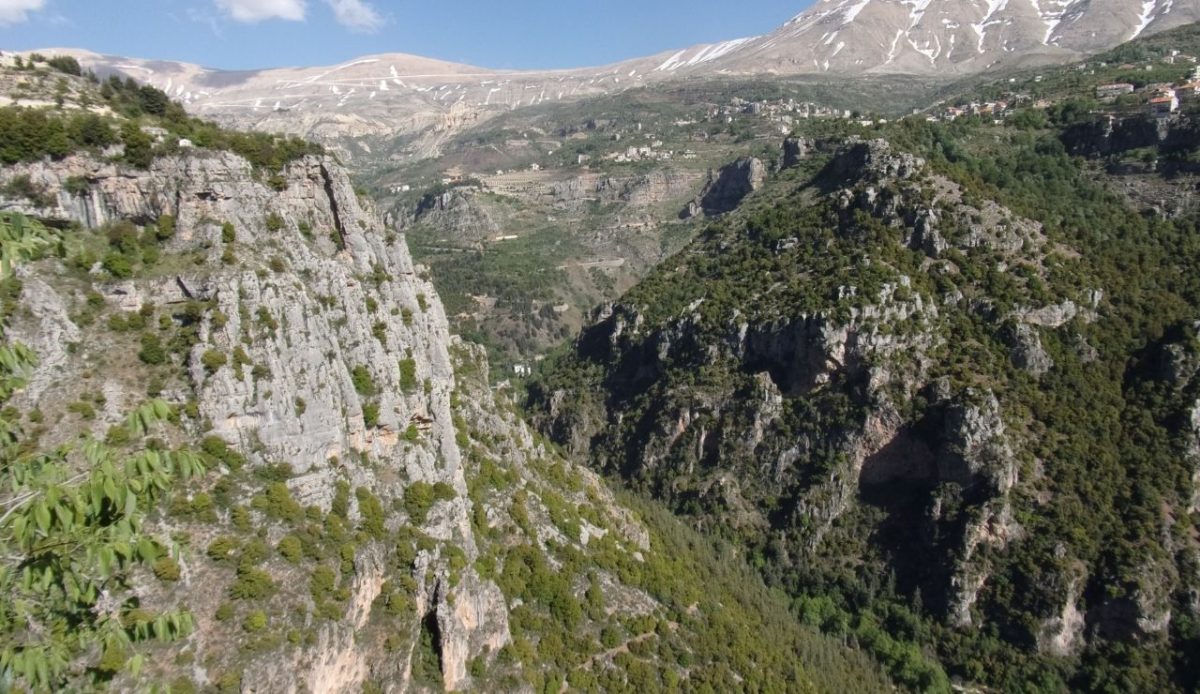
Lebanon’s Qadisha Valley is a steep UNESCO-listed holy valley tied to monastic history, where monasteries and hermitages still set expectations. Access roads and trails limit crowds, and the setting encourages silence rather than social display. Visitors are expected to dress modestly at religious sites and to keep their behavior respectful in small villages. Many viewpoints look over quiet ravines where wind and bells replace traffic. The valley’s role as a refuge is remembered locally, so discretion and restraint remain part of how the area is experienced. Simple guesthouses and early closing hours help nights stay private and calm.
