
Travelers judge a destination by how it feels after sunset, not only by daytime attractions. Late meals, evening events, and night transport shape real travel routines. Some cities keep streets active, transit reliable, and assistance easy to reach after dark. Strong public safety systems, clear lighting, and managed nightlife areas help reduce risk without limiting movement. The cities below combine recognized safety performance with genuine late-night activity. Visitors often report being able to walk, use transit, and return to lodging late without constant concern, while still following basic precautions.
1. Copenhagen, Denmark
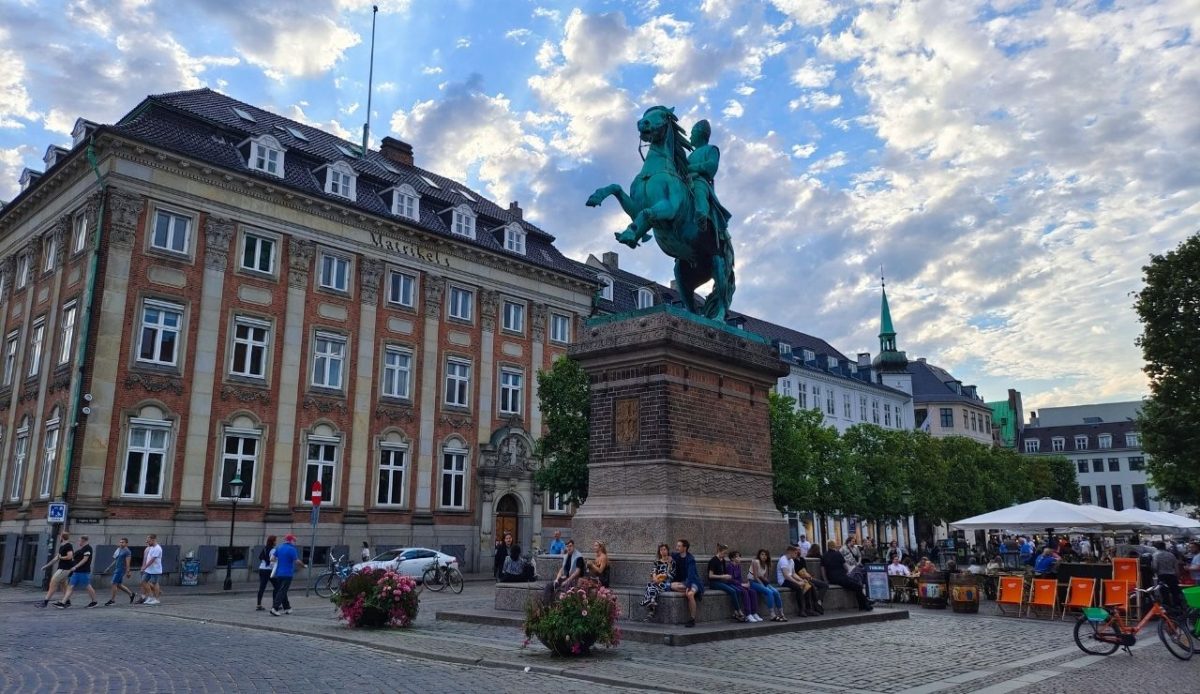
Copenhagen stays active late because dining streets, music spots, and harbor areas keep foot traffic moving. The city is easy to navigate on foot or by bike, and late public transport helps visitors avoid long waits. Lighting is steady across central districts, and crossings are well marked. Police patrols appear in nightlife zones and transit hubs without feeling heavy. Travelers often move between Vesterbro, the center, and hotels after midnight with a calm sense of control. Night buses and metro stops remain easy to use, and many venues use door staff and clear queue rules, which limit disorder on busy nights.
2. Toronto, Canada
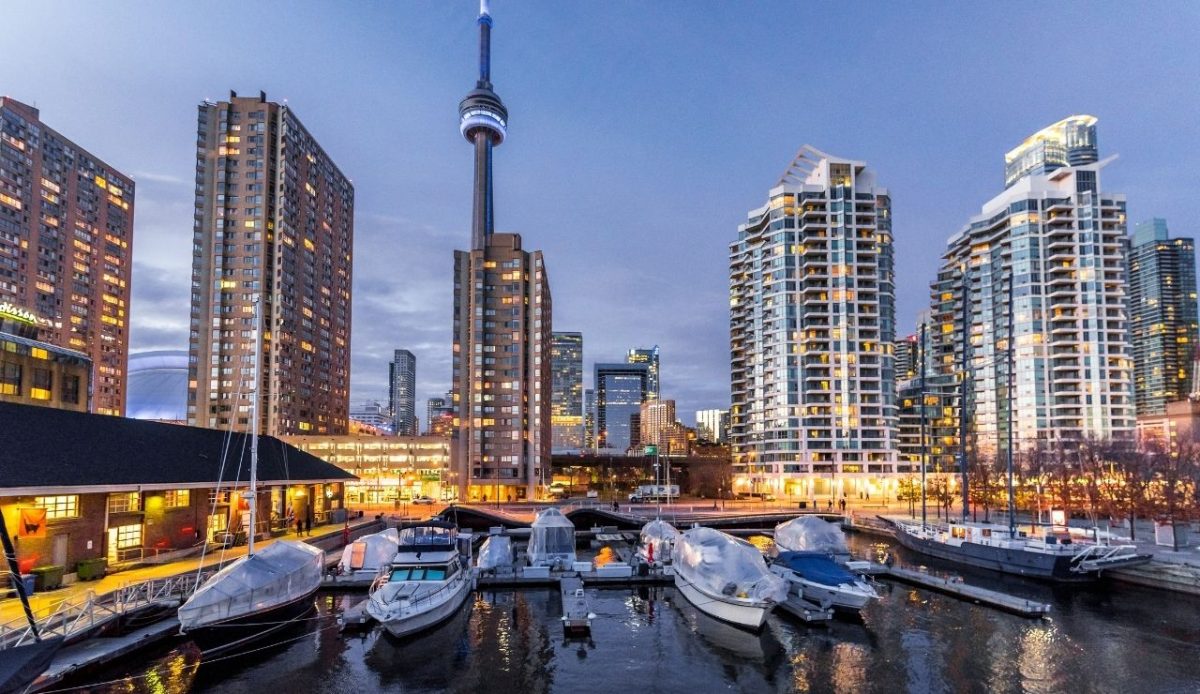
Toronto’s nights revolve around the Entertainment District, late restaurants, sports events, and theaters that run past standard hours. Subway and streetcar service extends late, and rideshares are widely available, so visitors can avoid isolated walks. Downtown streets are well-lit and busy near major venues, which adds natural oversight. Hotels cluster near transit and attractions. Police and venue security concentrate on event corridors on weekends. Many travelers report feeling comfortable getting food or returning to lodging after midnight in the core. Keep to the main streets, and you will usually see steady traffic and open businesses.
3. Singapore
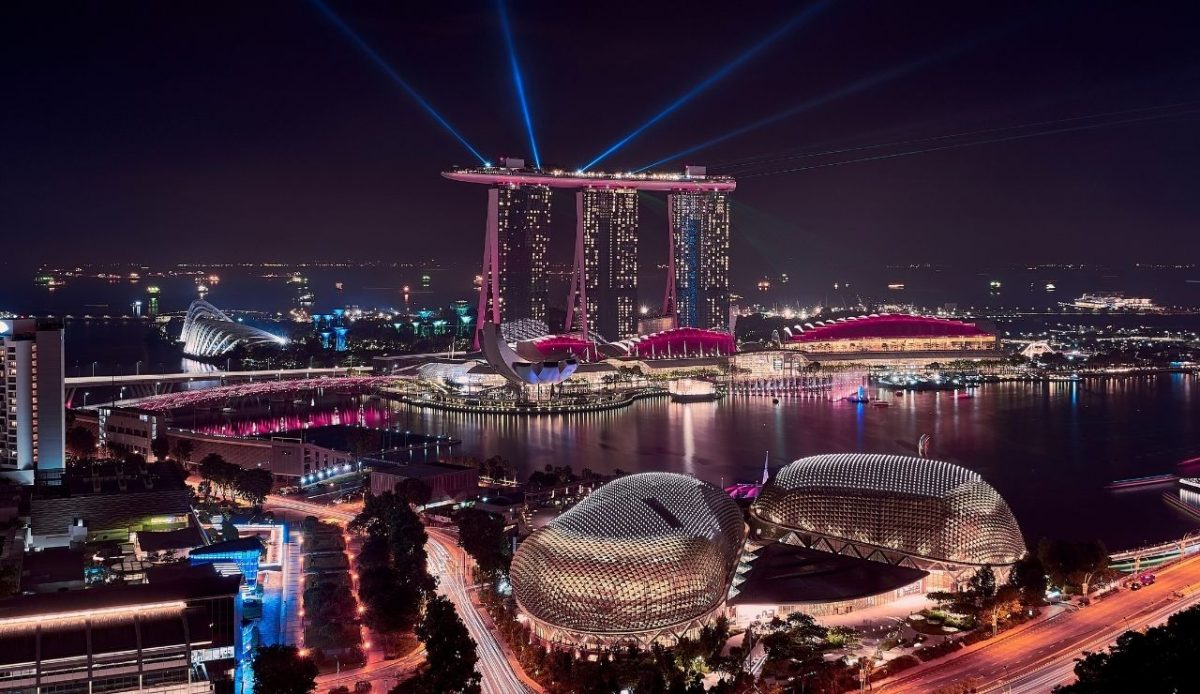
Singapore runs nightlife in a structured way, with clear entertainment areas, strict rules, and dependable late transport. Clarke Quay and nearby riverfront streets stay busy, and hawker centers keep food options open well into the night. Stations are staffed, streets are bright, and cameras are common in public spaces. Enforcement is consistent, which discourages street crime and aggressive behavior around bars. Visitors often walk between venues or use trains without hesitation, even late, because the environment feels orderly and predictable. Alcohol service is regulated, and taxi access is quick when crowds thin.
4. Sydney, Australia
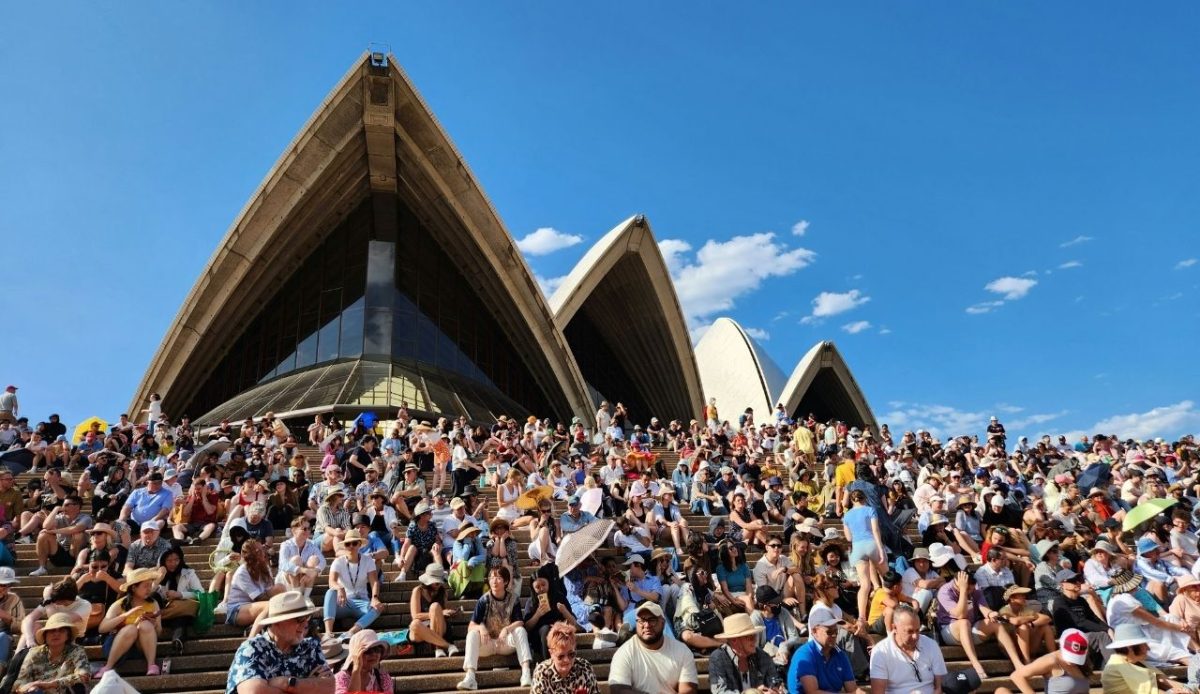
Sydney supports late nights through designated districts for dining and venues, backed by regular patrols and licensing rules. Popular waterfront areas, inner city bars, and live music spots keep streets active after dark. Night buses and late trains on key routes help visitors return to hotels without long gaps. Lighting and cameras are common in central zones, and many venues use security staff at the doors. Travelers often say they can move between evening plans without feeling cut off, provided they stick to busy precincts. Emergency help is easy to reach in the center, and ride options stay available when transit slows.
5. Tokyo, Japan
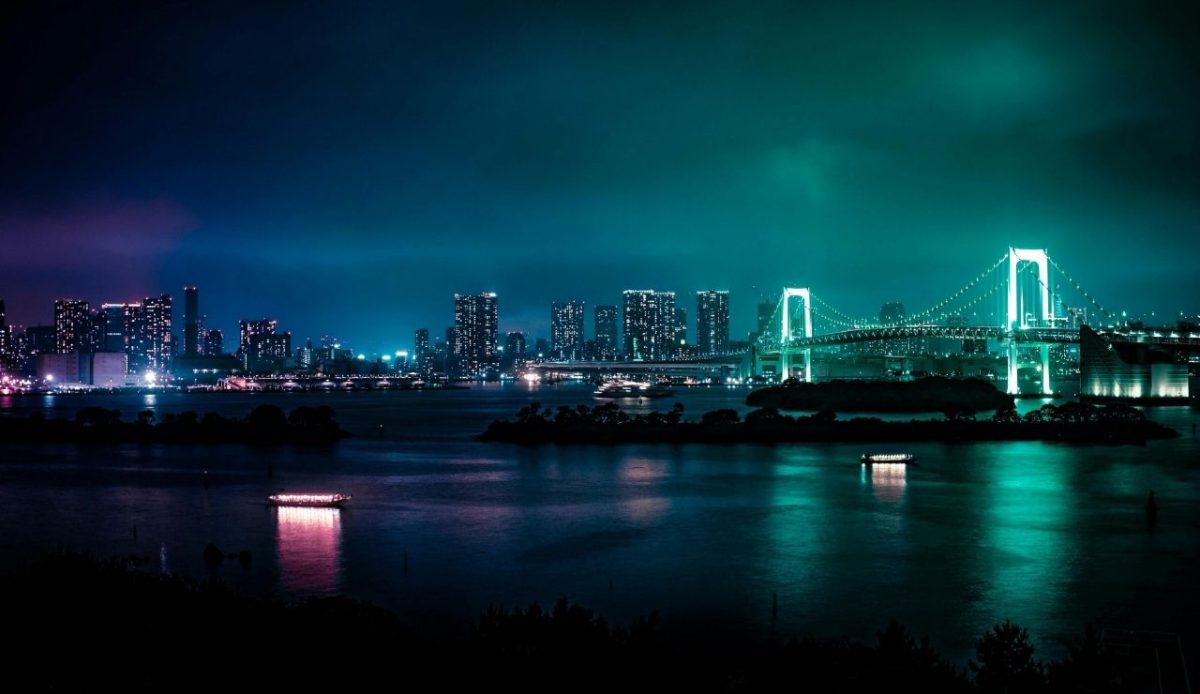
Tokyo remains active late in Shinjuku, Shibuya, and other hubs where restaurants, karaoke, and shops run deep into the night. High foot traffic and dense street lighting reduce the feeling of emptiness that can raise anxiety for visitors. Train stations have staff and clear signage, and late trains make returns straightforward. Small police posts appear near major crossings, and officers respond quickly to problems. Travelers often feel comfortable walking short distances after midnight, especially on main streets, because the city’s order and routine stay consistent even late. Cashless payment and convenience stores keep basic needs simple.
6. Amsterdam, Netherlands
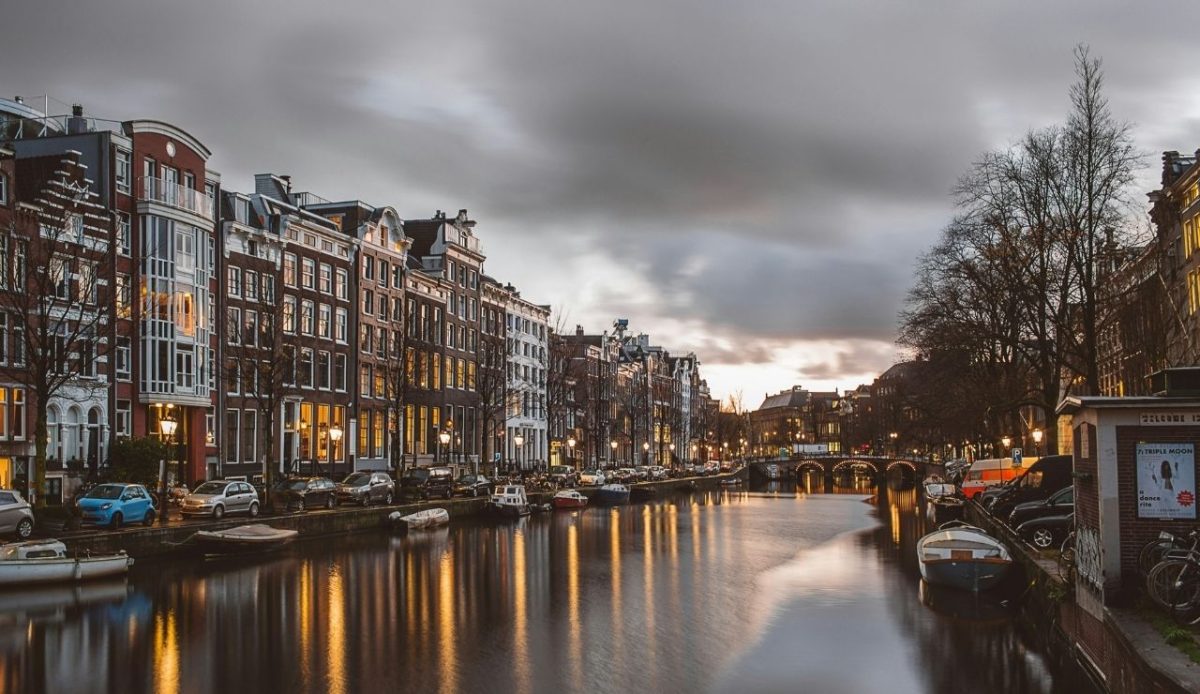
Amsterdam has late cafés, bars, and music venues concentrated in walkable areas, so visitors can plan nights without long transfers. Central streets and canal routes stay active, and cycling remains common after dark. Lighting is consistent on main paths, and police patrols focus on busy nightlife corridors. Public transport and taxis cover key zones when the night runs late. Travelers often report feeling safe getting back to lodging if they keep to well-known streets and avoid quiet shortcuts by canals. Door staff and crowd controls around large clubs reduce conflict, and busy night transit stops add extra reassurance.
7. Wellington, New Zealand
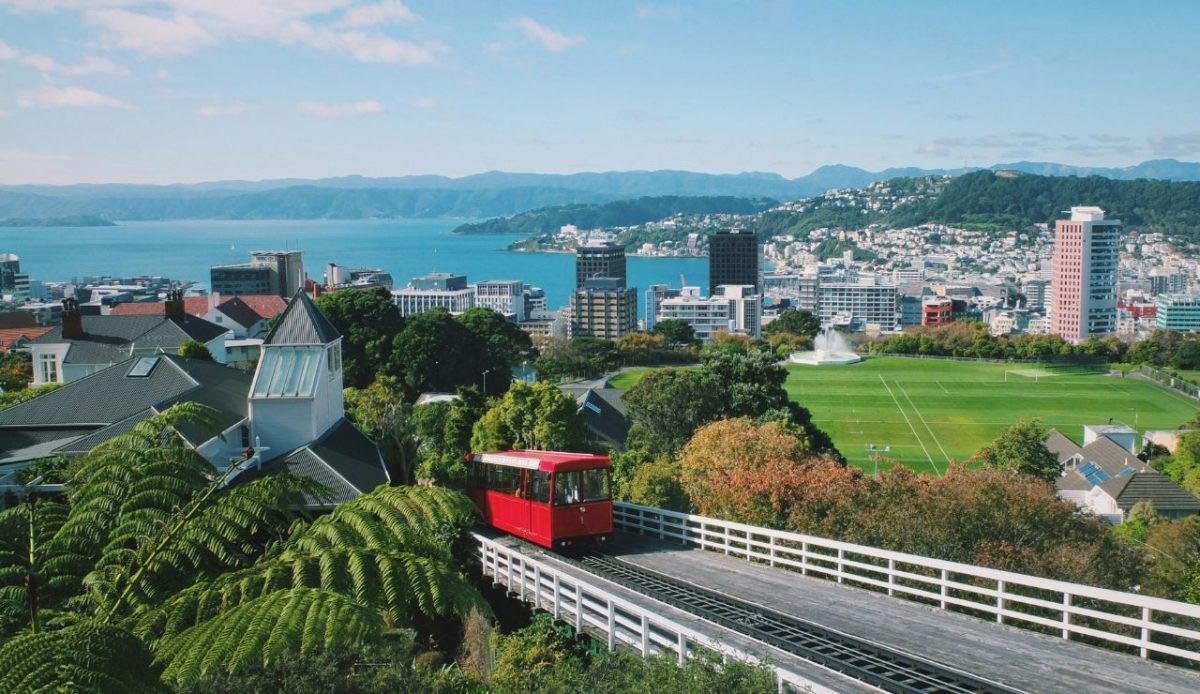
Wellington’s compact center keeps late venues close together, which lowers the need for long rides after midnight. Courtenay Place and nearby streets draw steady crowds for food, bars, and shows, while the waterfront stays active in the evening. Streets are well-lit, and buses and taxis connect the core to common hotel areas. Police presence increases on busy weekend nights. Travelers often feel comfortable walking between venues because routes are short and other people remain around. Late cafés and takeaway spots stay open, and clear street layouts make it easy to avoid isolated blocks while heading back.
8. Hong Kong
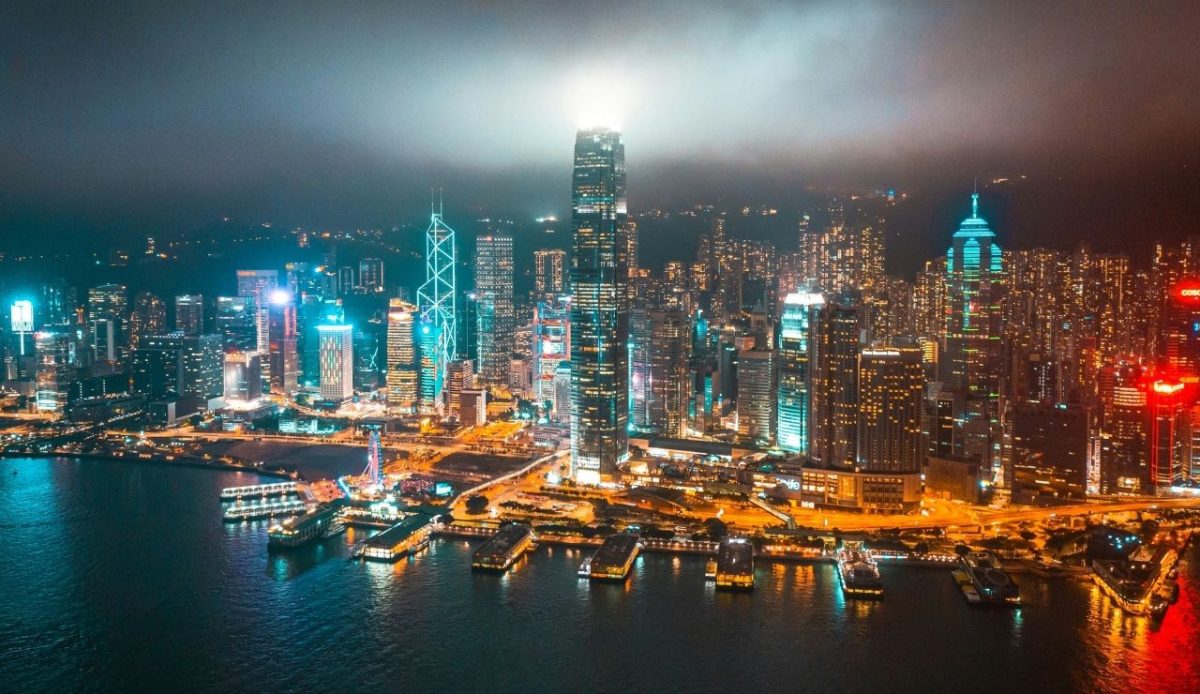
Hong Kong concentrates late activity in dense commercial districts, so streets around major hubs stay busy after dark. Night markets, late dining, and shopping keep people moving, and plentiful taxis reduce long walks. The MTR and buses cover key areas until late, and building security is common in busy zones. Police patrols are visible near nightlife streets, while staff in malls and towers manage entrances and crowds. Travelers often say they feel safer at night when they stay near well-lit main roads and active transit points. Clear signage in stations and many 24-hour shops make it easier to handle small needs without stress.
9. Melbourne, Australia
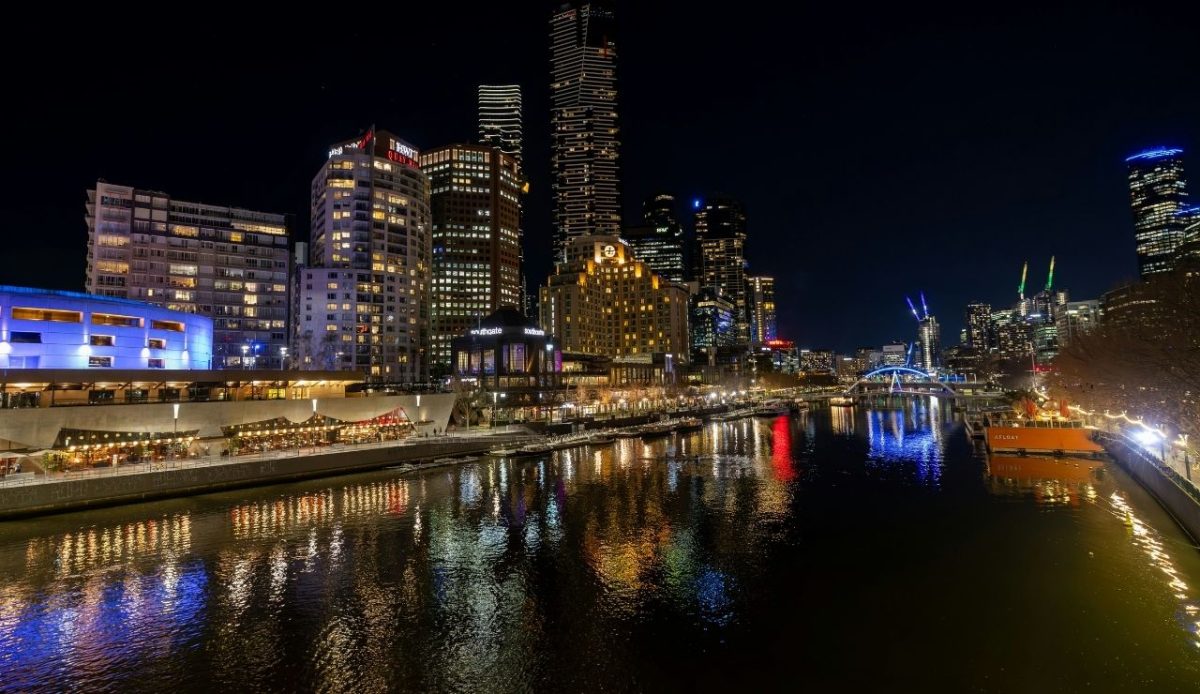
Melbourne keeps evenings lively through inner-city laneways, dining strips, and music venues that operate late. Trams run into late hours on main routes, and rideshares fill gaps when services thin. Lighting projects and cameras support safety in high-traffic areas, and venue security teams manage entry lines. Police patrol nightlife precincts during peak times, which helps limit street disorder. Travelers often feel comfortable moving between restaurants and events in the CBD when they stick to active streets. Late food options stay available, and many hotels cluster near the center, so the last walk back is usually short.
10. Stockholm, Sweden
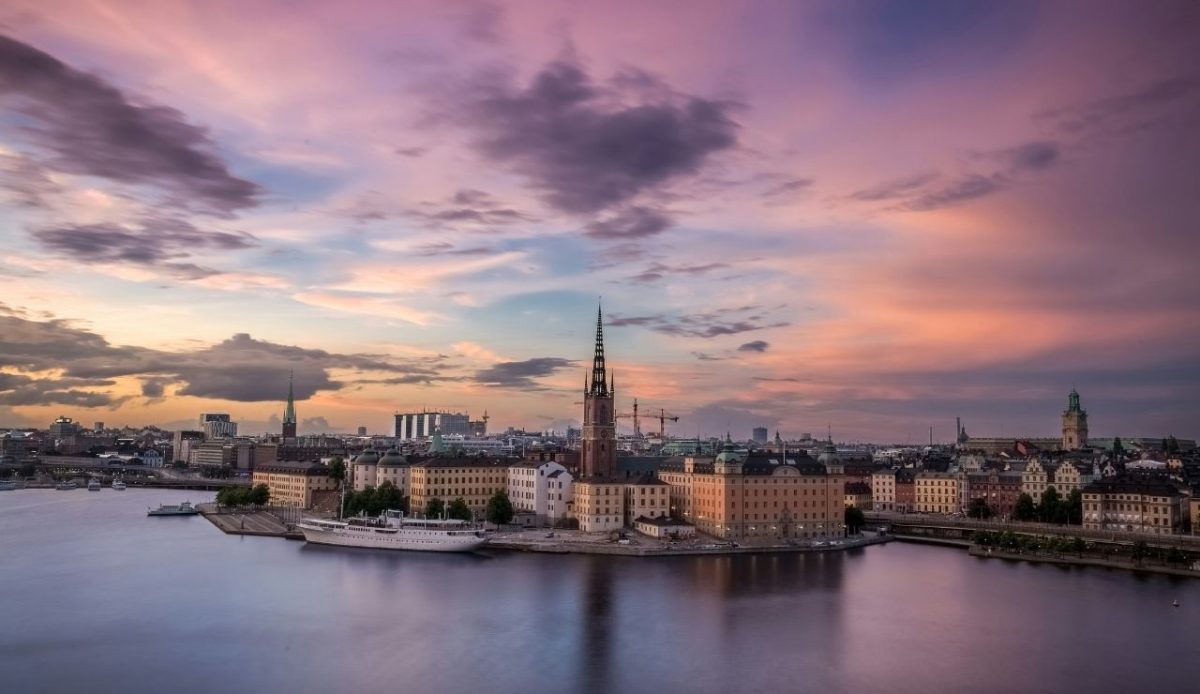
Stockholm’s nightlife is centered in well-served districts, with late restaurants and bars linked by metro and buses. Streets are clean and well-lit, and public areas near transit stay active in the evening. Police patrol popular nightlife corridors while allowing relaxed movement, and venues often use staff to manage crowds. Mixed residential and commercial planning keeps many central blocks from going quiet too early. Travelers often report feeling at ease walking back to hotels after midnight when they stay on main routes. Taxi access is dependable, and clear station signage helps visitors avoid confusion late at night.
