
Jungfraujoch trips are priced through rail tariffs, lift capacity rules, and paid extras that stack fast. At 3,454 meters, options narrow, so on-site spending grows while discounts often apply only to parts of the route.
The sections below flag ten money drains linked to clear mechanisms in the Jungfrau network. Each explains what triggers the charge and why it tends to surprise visitors who plan around a single headline fare.
All figures are taken from operator pages or tariff listings for the 2026 season, where available. Use them to set realistic per-person ceilings, pick which peaks matter, and avoid last-minute purchases that add little value.
1. Jungfraujoch Return Ticket Pricing
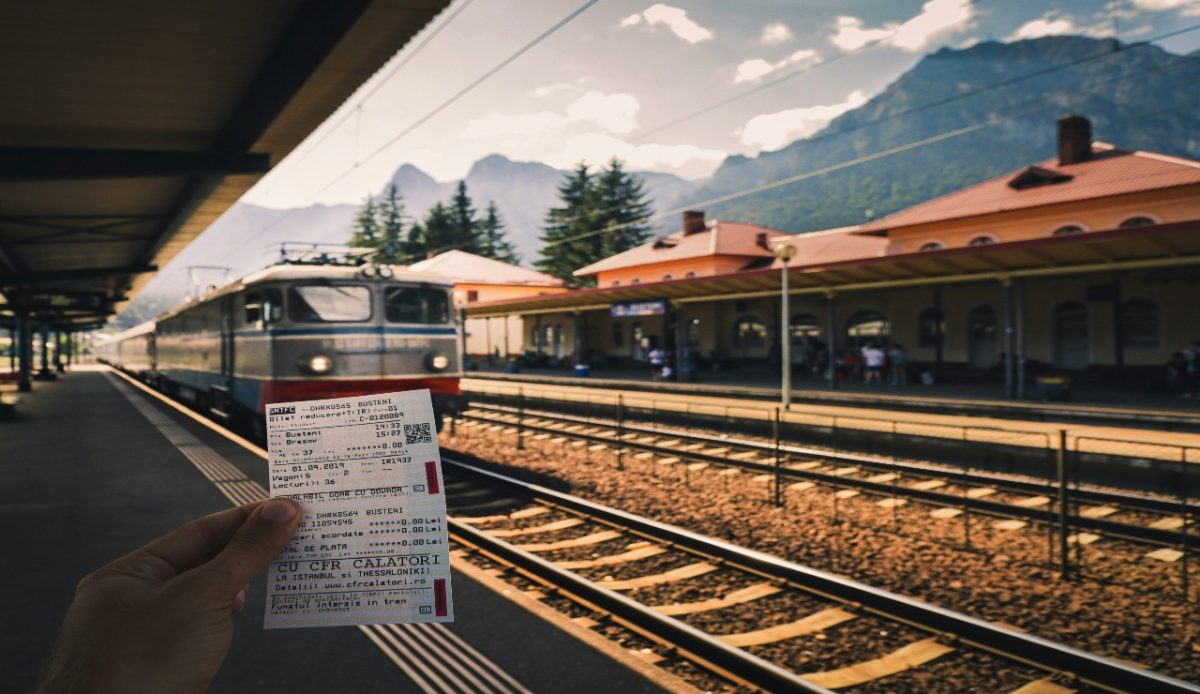
Peak season rail pricing is the biggest predictable hit. A standard return ticket from Interlaken Ost to Jungfraujoch is listed at CHF 261.20 for May through October 2026, before any add-ons. In other months, it drops to CHF 224.40, which still ranks as a premium day trip.
The cost is driven by multiple segments, including the Eiger Glacier connection and the final cogwheel climb. Many national passes cover earlier legs but only discount the top section, so the last purchase feels like a surprise surcharge.
Budget errors happen when groups price only Interlaken to Grindelwald or Wengen. Once at a junction, the sunk travel time and weather window push people onward, so the remaining fare is paid even if the value feels thin.
2. Peak Season Seat Reservation Fees
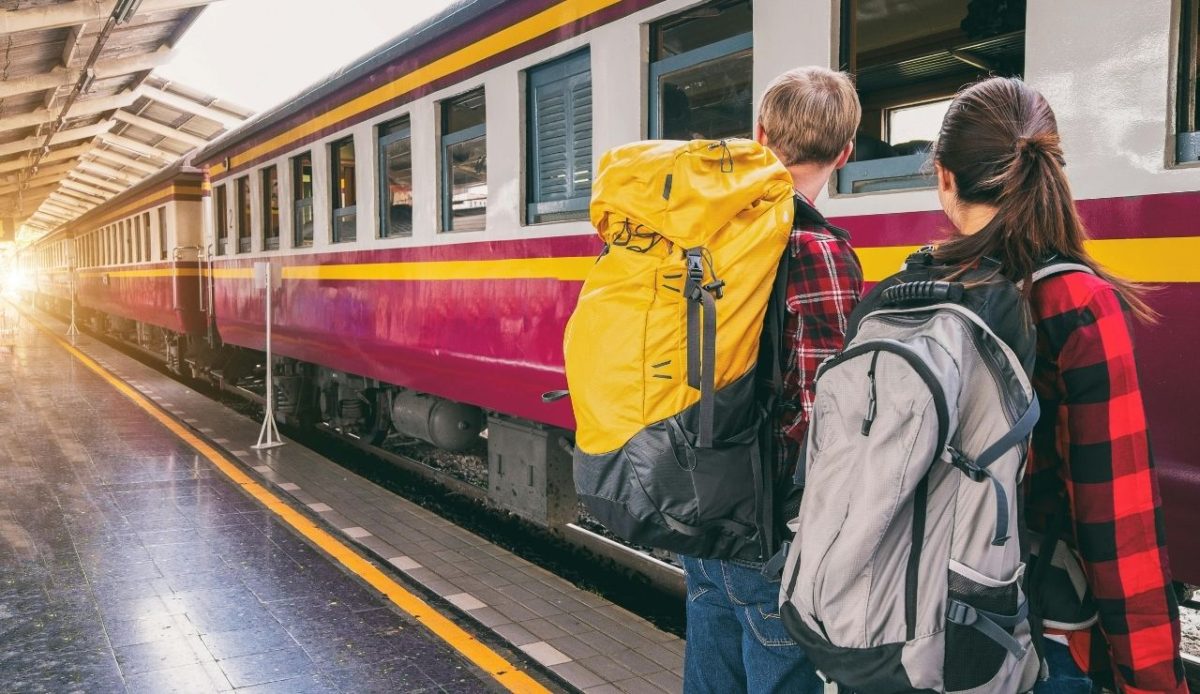
From May 1 to October 31, 2026, a paid seat reservation is mandatory on the Jungfrau Railway for the summit leg. The fee is CHF 10 per person, and children in the covered age bands also need it during that window.
This charge is separate from the travel ticket and is tied to a specific departure slot. If the booked connection is missed, the next train may be full, which can shift the day plan and trigger extra food or activity spending while waiting.
The trap is scale. A couple pays CHF 20, a family of five pays CHF 50, and multi-day plans repeat it. Travelers who buy discount cards late still owe the reservation, so the add-on survives most savings strategies.
3. Grindelwald First Activity Stacking
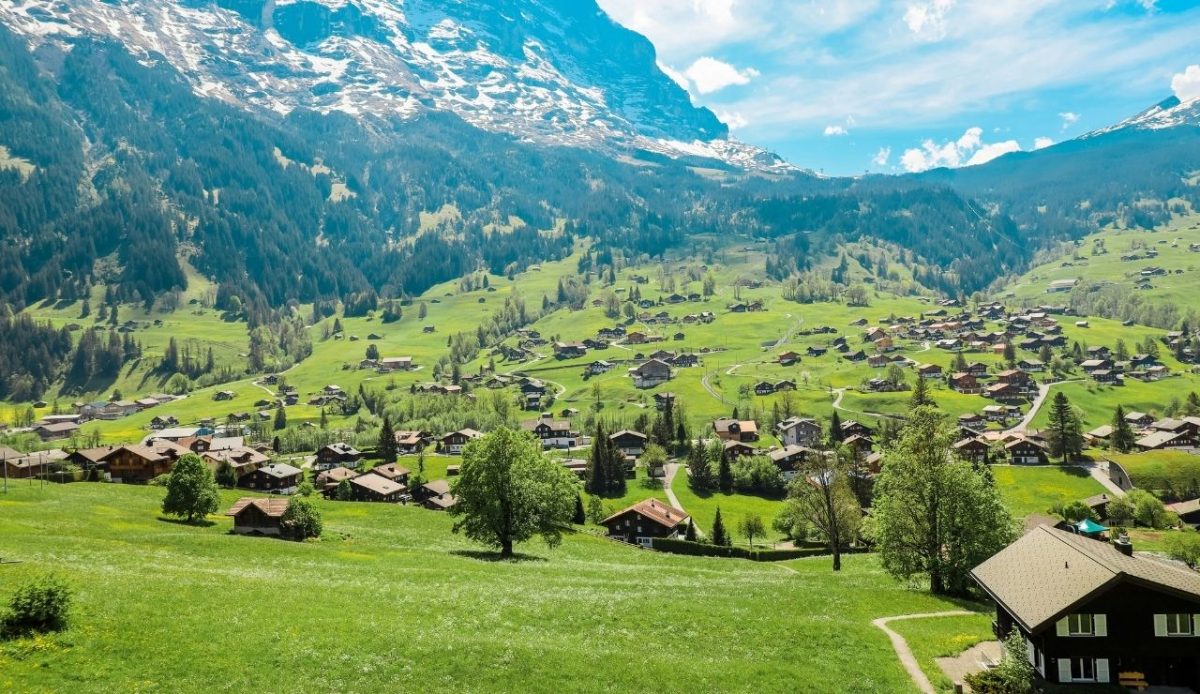
Grindelwald First is sold as one mountain stop, but the major thrills are priced per ride. Adult tariffs list First Flyer at CHF 35 and First Glider at CHF 35, while Mountain Cart and Trottibike are each listed at CHF 25, on top of the lift up.
Because the activities are adjacent and marketed together, visitors tend to buy more than one. The decision happens on site after the ride up, when leaving feels like wasting the viewpoint, so the marginal spend is accepted.
Cost balloons fastest for groups with mixed ages. Teens often want multiple runs, while adults follow to keep the party together. Two riders doing three activities can add CHF 180 quickly, and that is before snacks and transport back to Interlaken.
4. Schilthorn Cableway Add On
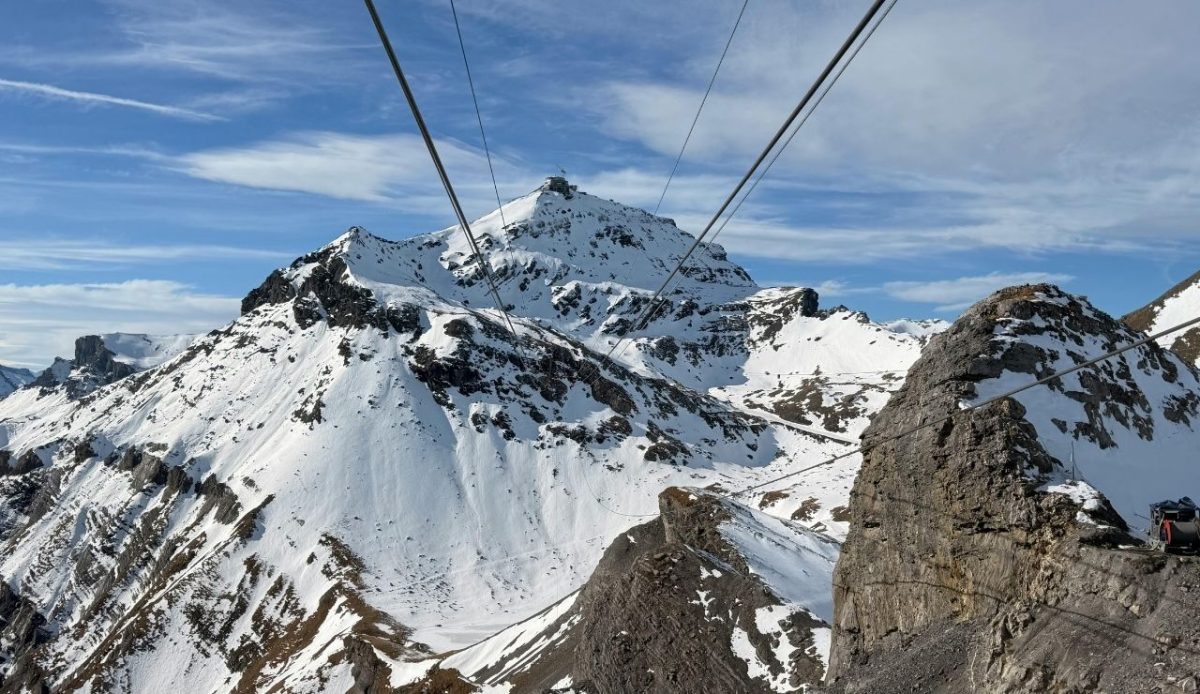
Schilthorn is frequently paired with Jungfraujoch, but its cableway is a separate system with its own return fare. A normal Stechelberg to Schilthorn return ticket is priced at CHF 115, and that cost is paid even if the day already includes a high rail bill.
The mechanism is simple. The route uses multiple lift sections with limited alternatives, so there is no cheaper parallel train. Discounts exist for certain cards, yet the out-of-pocket amount remains large for most short stays.
It becomes a trap when both peaks are scheduled back-to-back. Two adults can spend over CHF 230 on Schilthorn alone, then still face lodging and meals in the valleys. Many only notice the doubling effect when comparing receipts at the end.
5. Lauterbrunnen Parking Charges
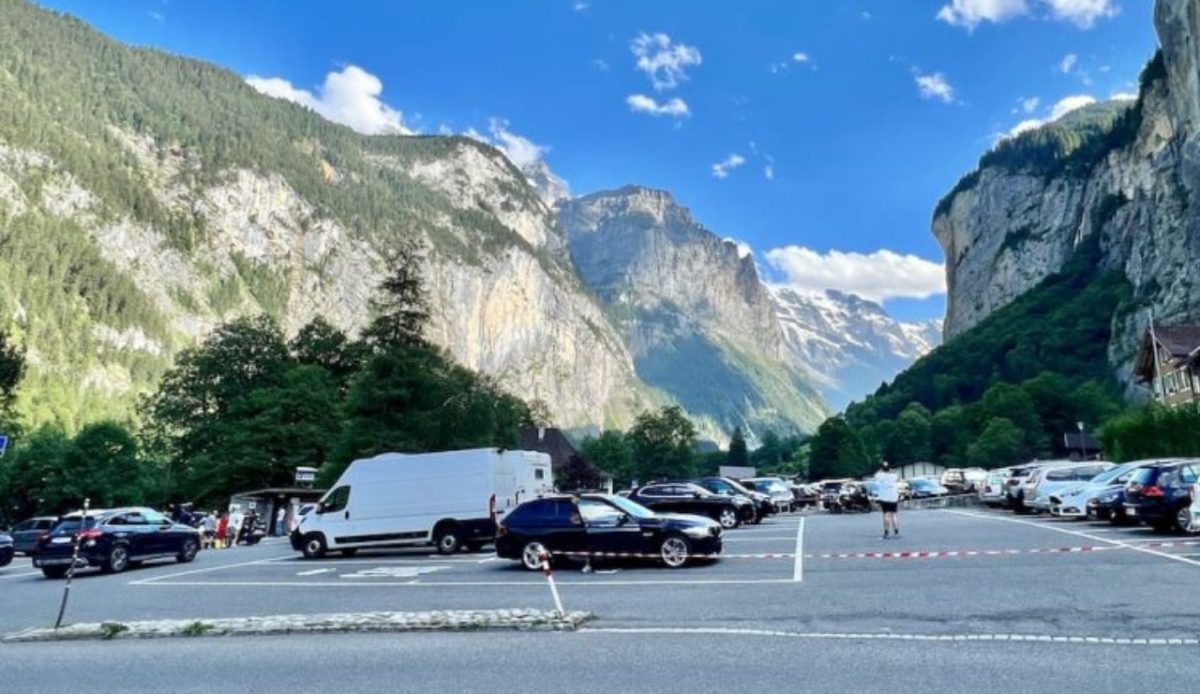
Drivers entering Lauterbrunnen face a pay-to-park gateway before any mountain ticket is bought. Parkhaus Talstation Lauterbrunnen lists a tariff of CHF 18 for 8 hours, and most day itineraries exceed that duration once trains and waits are included.
The fee is tied to the car-free structure of the valleys. Wengen and Mürren require rail or lift transfers, so the vehicle sits while the party rides onward. That makes parking a fixed daily cost rather than an optional convenience.
Multi-day trips magnify the drain. A three-day stay can add more than CHF 50 just to store the car, and extra charges appear if the day runs long. Travelers who planned to self-drive for savings can end up paying more than a rail-based plan.
6. On Mountain Dining Markups
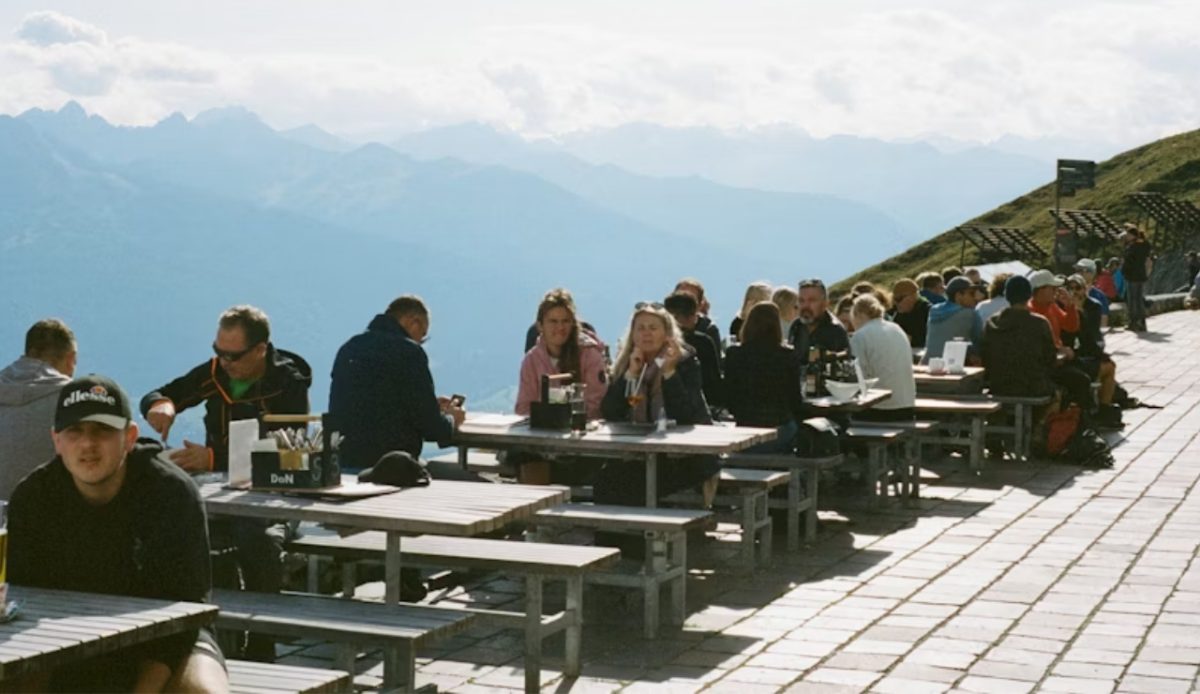
Mountain dining at hubs like Kleine Scheidegg and Jungfraujoch carries a predictable markup because supplies move by rail and storage is limited. Even a quick lunch becomes expensive when every ingredient, staff shift, and waste stream is handled at altitude.
Menus often push visitors toward combo plates, soups, and hot drinks that pair well with cold exposure. Prices that look normal in Swiss cities feel steeper up high because the same stop also forces paid rest time between connections.
The wallet trap is timing. People eat at the junction because it is the only practical break point, not because it is the best value. If a group spends CHF 30 per person on a meal and drink, that single pause can add CHF 150 to the day.
7. Summit Retail Upselling
Jungfraujoch funnels foot traffic through branded retail space, including the Top of Europe shop, where souvenirs and premium Swiss goods are positioned as proof of the achievement. The setting reduces price comparison because there are no competing stores at 3,454 meters.
Retail spend is triggered by photo moments. After the platform, ice attractions, and viewing deck, visitors carry the emotional high of the climb, so small purchases feel justified and larger items seem sensible as lasting keepsakes.
This trap is hard to spot in planning because it is discretionary, yet it repeats across groups. A family buying gifts can add CHF 100 to CHF 300 in minutes. The exit route then locks the spend in before anyone reevaluates.
8. Interlaken Accommodation Taxes
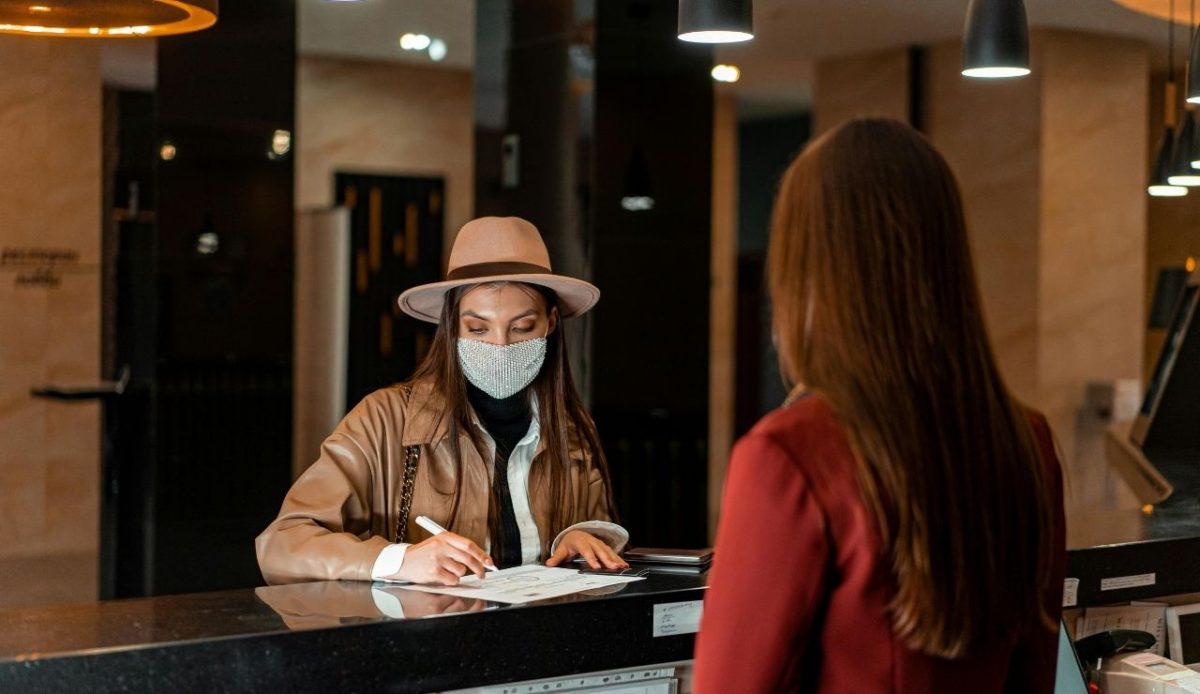
Interlaken is a common base for Jungfrau day trips, and lodging costs rise sharply in summer due to limited inventory and strong rail access. The hidden piece is the accommodation tax collected with the visitor tax on top of the room rate.
Interlaken Tourism states the accommodation tax is one franc per night per person aged 16 and over. That fee looks small, but it applies to every night and each adult, and it is paid even when a booking is non-refundable.
A four-night stay for two adults adds CHF 8 automatically, and larger groups scale faster. The bigger trap is that high peak room prices make travelers chase discounts elsewhere, then they spend more on transport to reach Jungfrau gateways each day.
9. Winter And Glacier Gear Rentals
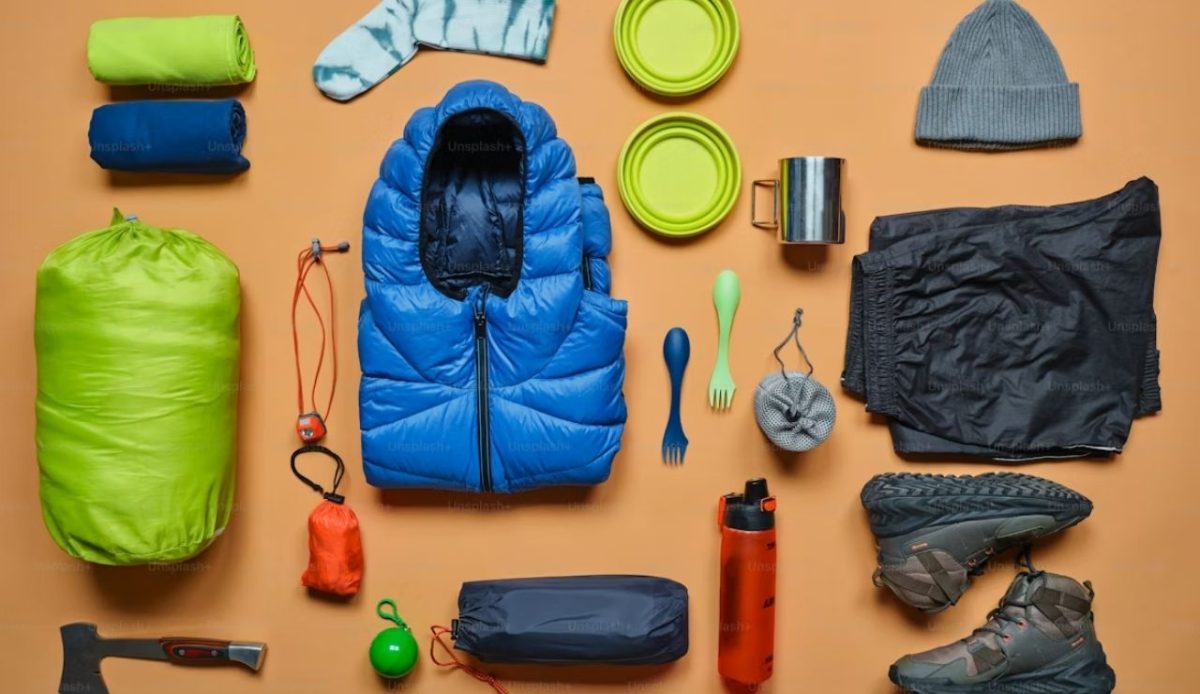
The weather at elevation changes quickly, and underdressed visitors end up renting gear in Grindelwald or nearby hubs. Rental lists for local mountain schools show glacier hiking sets that include crampons starting around CHF 20 for one day.
The charge appears because the itinerary moves from valley spring conditions to winter surfaces near the ice. Once the ascent is underway, buying or renting becomes the only way to keep the plan safe and comfortable.
Costs jump when a whole party needs upgrades. Boots, waterproof layers, and gloves add up across people and days. A family that rents two sets and buys missing basics can cross CHF 120 quickly, even though the gear adds no new sights to the route.
10. Swiss Travel Pass Miscalculations
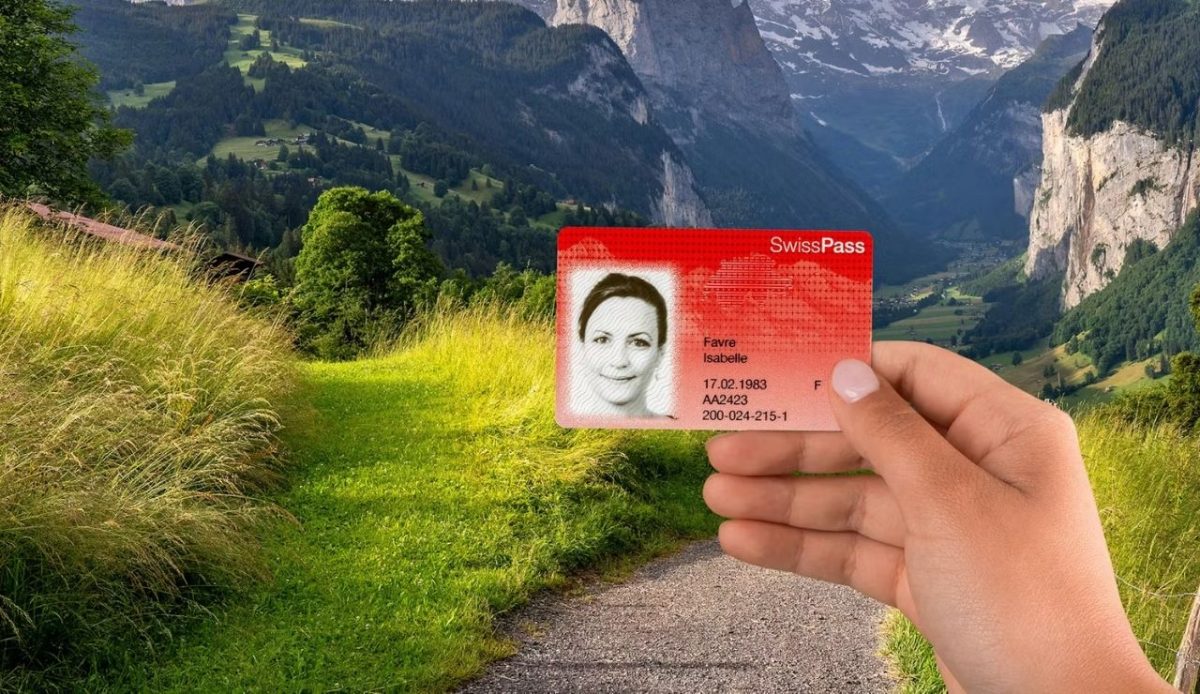
National passes are often bought with the assumption that Jungfraujoch is included, but coverage breaks on the final section. Jungfrau Travel Pass terms note that the Eigergletscher to Jungfraujoch return segment is not included and is sold as a separate connecting ticket.
In peak season, that purchase is paired with the mandatory CHF 10 reservation for the Jungfrau Railway summit leg. The last climb can therefore carry both a fair top-up and a capacity fee, even after a pass has been paid for.
The trap is expectation, not math. Travelers see unlimited travel language and a budget of zero for the upgrade. At the counter, the day feels too committed to cancel, so the extra payment is accepted. Planning for the top-up prevents resentment.
