
When the U.S. dollar weakens against another currency, the same hotel, meal, or train ticket can cost more in dollar terms. That shift can happen quickly when interest-rate expectations, commodity prices, or investor risk appetite change.
This list focuses on destinations where recent market moves have favored local currencies, meaning U.S. travelers may see less buying power. It does not mean a trip is “too expensive,” but it does reward planning.
Use current exchange rates before you book, build a buffer for daily spending, and consider paying in local currency when possible. Small choices, timing, neighborhoods, and transport matter more when the FX tide is moving against you.
1. Australia
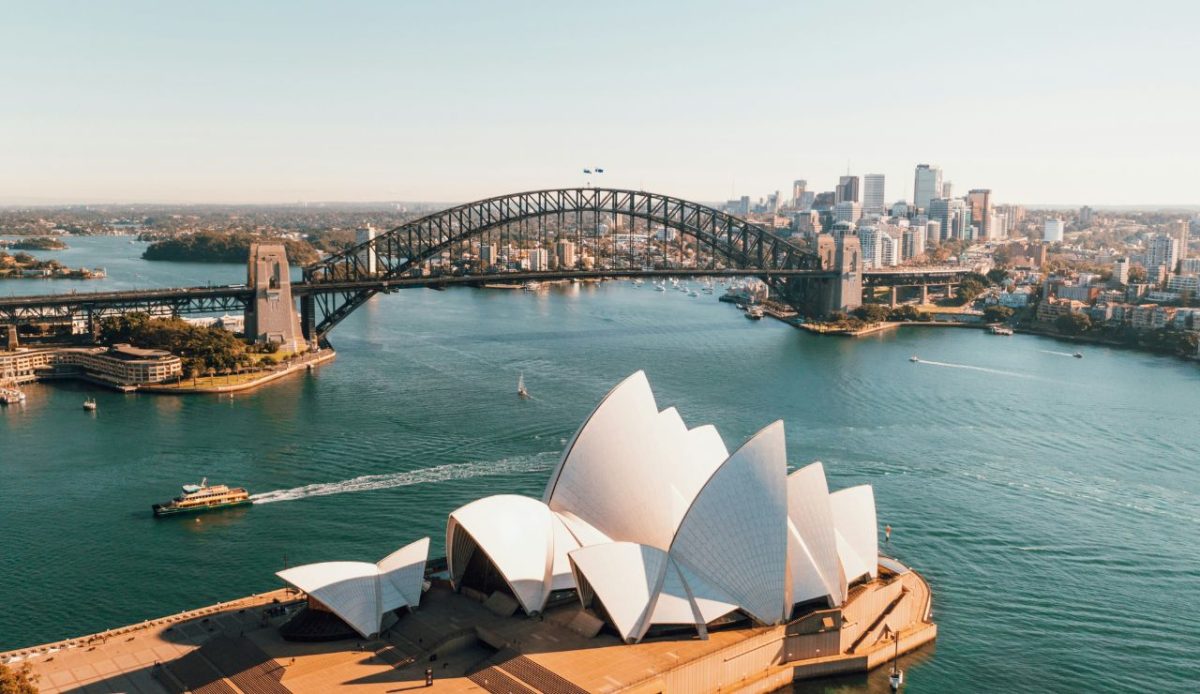
Australia’s dollar has been one of the stronger major currencies recently, helped by shifting rate expectations and firm commodity demand. For visitors, that can translate into higher nightly rates in Sydney and Melbourne, plus steeper domestic flights.
If you’re flexible, compare shoulder-season dates and look at stays slightly outside the CBD with good rail links. Museum passes and city transit caps can keep daily costs predictable.
Watch whether your card offers fee-free foreign transactions, and decline “dynamic currency conversion” at terminals so you’re not locking in a poor rate. When the AUD is rising, those small fee decisions add up fast.
2. New Zealand

New Zealand’s currency has also been bid up alongside other “commodity” currencies, which can make a classic North Island–South Island loop pricier for U.S. travelers right now. Rental cars, fuel, and one-way drop fees are where the FX hit is felt first.
Consider basing in one region longer, Auckland to Rotorua, or Queenstown to Wanaka, and using day tours for the big sights. That reduces transport churn, keeps mileage down, and helps you control spend.
For lodging, compare motels, holiday parks, and apartment-style rooms with kitchens. Being able to self-cater a few meals is a straightforward hedge when the NZD is strengthening against the dollar.
3. Norway

Norway has a long reputation for being expensive, and a stronger krone can sharpen that reality for visitors landing in Oslo, Bergen, or Tromsø. When the USD buys fewer NOK, restaurant mains, ferries, and even coffee breaks creep up.
To balance the budget, build your days around free outdoor experiences, harbor walks, city viewpoints, and marked hiking routes, then pick one paid highlight. Regional passes and advance rail tickets can also soften transport costs.
Norway’s grocery stores are often better value than casual dining. If your accommodation includes breakfast, treat it as a real meal and plan lighter lunches, so currency swings don’t dictate your entire itinerary.
4. Switzerland

Switzerland is a textbook case of “safe-haven” currency strength, and a firmer franc can make peaks-and-rail travel feel noticeably steeper in dollar terms. Mountain transport, scenic trains, and lake cruises are the big-ticket items.
If you’re set on the Alps, price out regional passes versus point-to-point tickets and map your days so you’re not paying for long distances twice. Staying in smaller towns with good connections can reduce hotel costs without cutting access.
Dining is where many budgets get surprised. Mix in bakeries, supermarket picnic stops, and set-menu lunches, then reserve sit-down dinners for a few nights. With a strong CHF, meal planning is your easiest lever.
5. Mexico
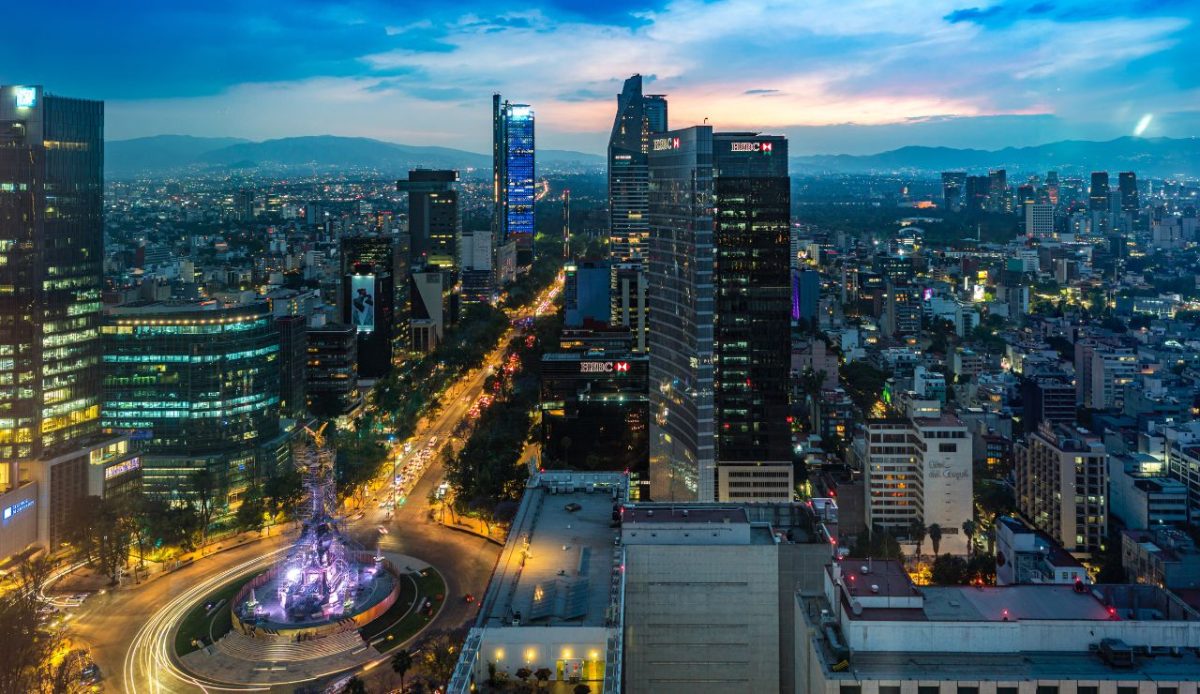
Mexico has been a standout in recent years, with the peso holding firm enough that U.S. visitors can feel prices rising in places that once looked “cheap.” That’s most obvious in resort corridors and trend-heavy neighborhoods.
You can still travel well by choosing smaller cities or inland hubs where local demand sets prices, not international tourism. Public transit and intercity buses remain a strong value compared with frequent short flights.
For day-to-day spending, ask about prices in pesos and pay in pesos when you can. Avoid on-the-spot dollar quotes that build in a cushion for the seller. When USD/MXN is moving, being consistent about the currency you pay in helps protect your budget.
6. Brazil

Brazil’s real has strengthened enough lately that the dollar can feel less dominant, especially in Rio de Janeiro and São Paulo, where lodging and dining are already in demand. Tickets for major attractions and long-distance flights are another common pinch point.
One way to manage costs is to combine one big-city base with a slower coastal or countryside leg where prices are more local. Booking domestic flights earlier and comparing baggage rules can prevent last-minute add-ons.
Brazil has great everyday-value options, buffet-by-weight lunches, neighborhood bakeries, and simple beach kiosks. If the BRL keeps firming, leaning into those local formats can keep your trip comfortable without turning it into a constant conversion exercise.
7. Sweden
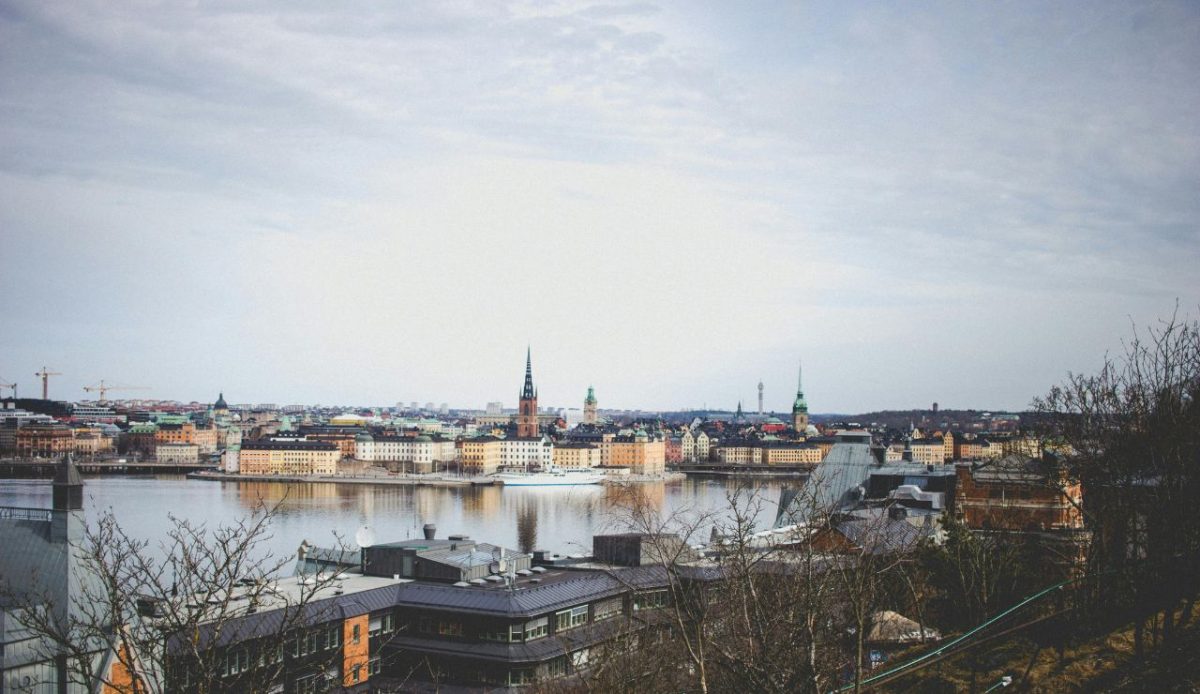
Sweden’s krona has been stronger against the dollar over the past year, which matters most in Stockholm and Gothenburg, where hotels can move quickly with events. A weaker USD also makes design shopping and nightlife tabs feel heavier.
To keep a city break manageable, prioritize walkable districts and use transit day tickets rather than rideshare hopping. Many museums and waterfront areas are low-cost or free, so you can spend where it’s meaningful.
Food spending is easier to control than people think. Look for weekday lunch specials, casual “dagens” menus, and grocery-store hot bars. With SEK gaining, these habits can offset the currency move without cutting the fun parts.
8. Singapore

Singapore is rarely a bargain destination, and a firmer Singapore dollar can make that even clearer for U.S. visitors. Hotels, airport transfers, and nightlife are where exchange-rate shifts show up fastest.
The good news is that the city is built for smart, predictable spending. Use the MRT for most trips, plan attractions by neighborhood, and avoid cross-island backtracking that burns time and money.
Hawker centres remain a practical counterweight to a strong SGD. You can eat well at a wide range of price points, then spend selectively on one rooftop bar or a premium museum ticket. When the currency rises, structured days are your friend.
9. United Kingdom
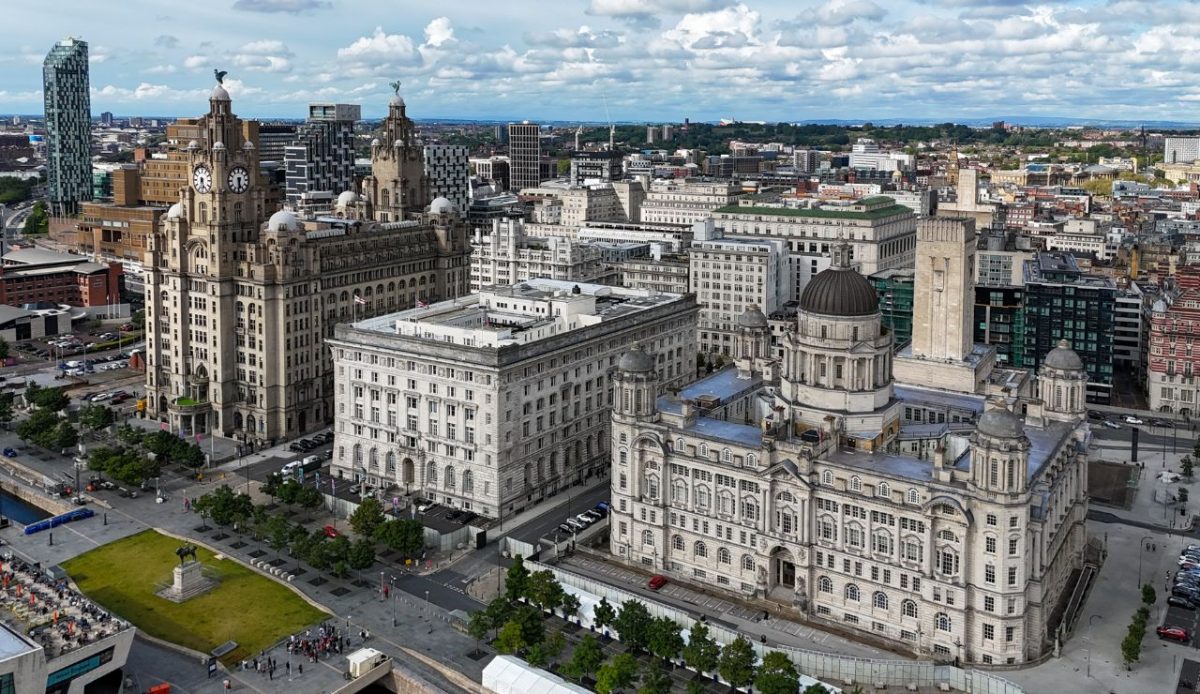
The British pound being higher versus the dollar over the last year can make London’s baseline costs feel sharper, even before you add theatre tickets or rail travel. The FX effect is easy to miss because prices are already quoted in large numbers.
If you’re trying to stretch the trip, stay a few Tube stops outside the central zones and use contactless fare caps rather than single tickets. Free museums and parks can anchor your itinerary on lower-spend days.
Intercity travel is where planning pays off. Advance rail fares, split-ticketing rules, and off-peak timing can cut totals materially. With GBP firming, the difference between “walk-up” and planned transport is often the difference between on-budget and not.
10. France
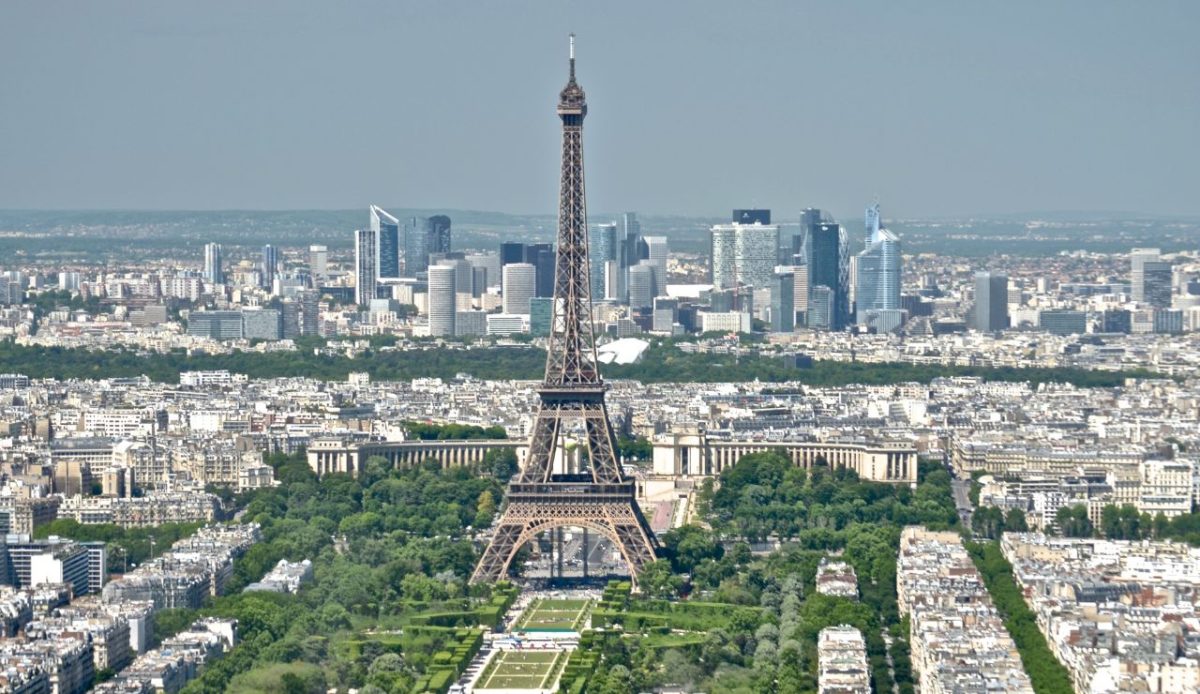
France prices many travel staples in euros, and the euro’s strength against the dollar can make a familiar trip feel newly expensive, particularly in Paris and on popular Riviera routes. Even small daily items, metro rides, bakery stops, café terraces, add up.
To stay comfortable, mix paid highlights with high-value days: neighborhoods on foot, public gardens, riverbanks, and smaller museums. For intercity trips, booking TGV tickets early often matters more than shaving a hotel star.
If you’re watching costs, consider lunch as your main restaurant meal and keep dinner simpler. When EUR/USD is moving against you, the fastest savings usually come from food choices and avoiding last-minute transport purchases.
