
Across the United States, car museums give visitors a direct way to experience automotive history. These collections highlight legendary brands such as Ford and Chevrolet. They also showcase rare European imports that influenced American design. Each museum preserves more than vehicles, capturing engineering, creativity, and cultural impact. Exhibits demonstrate how transportation shaped daily life in the country. Visitors view luxury classics, racing legends, and unusual prototypes in settings that highlight their significance. These museums show why cars became central to American life and why they continue to inspire new generations of enthusiasts.
1. Petersen Automotive Museum, Los Angeles, California
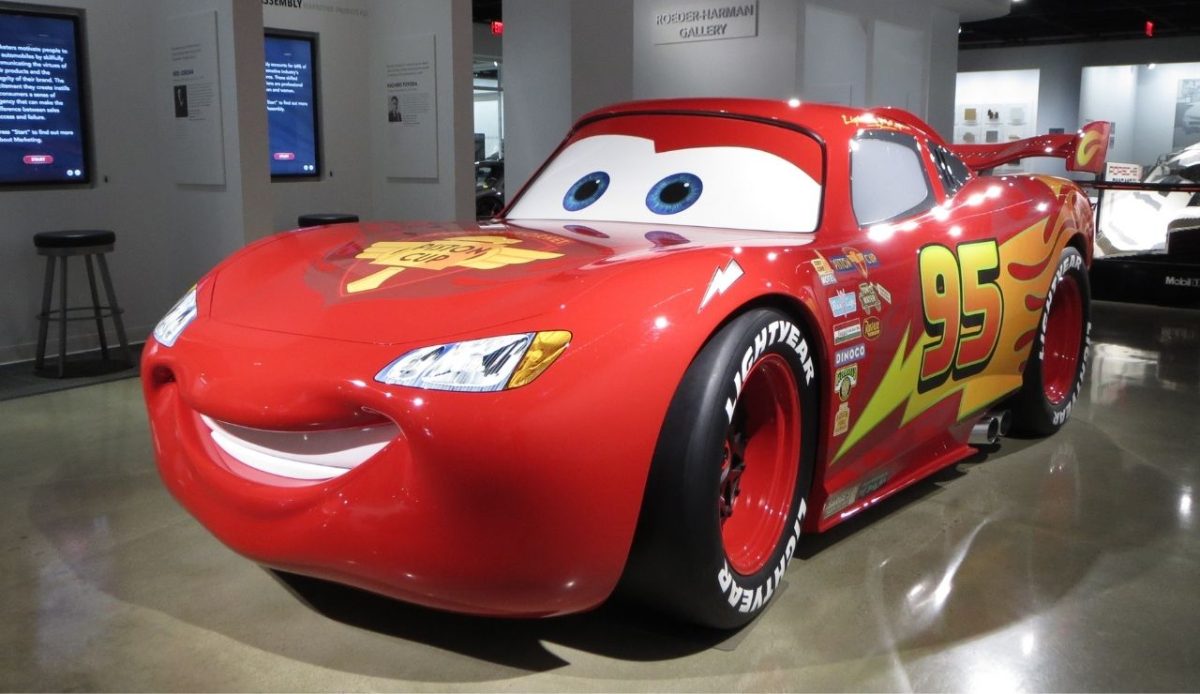
Located in the heart of Los Angeles, the Petersen Automotive Museum is one of the most recognizable car museums in the world. Its exterior design, with red ribbons flowing across the building, signals its modern approach to showcasing cars. Inside, visitors find over 300 vehicles displayed in rotating exhibits that cover everything from Hollywood cars to advanced electric prototypes. The museum also runs “The Vault,” which holds hundreds of rare vehicles not on regular display. Car lovers appreciate its mix of historic models and futuristic concepts. The Petersen shows how automobiles connect with design, art, and culture in America.
2. Henry Ford Museum of American Innovation, Dearborn, Michigan
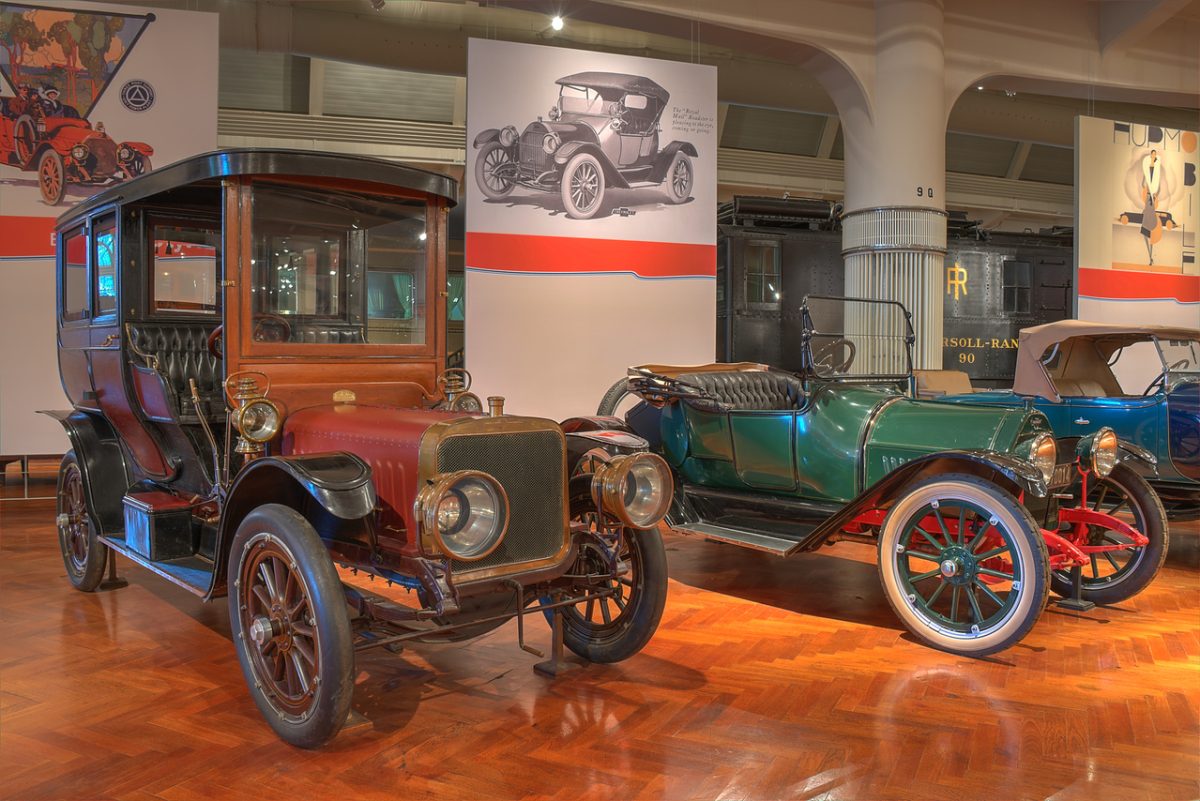
The Henry Ford Museum goes beyond being a car museum by celebrating American creativity. Located in Dearborn, the museum holds an extensive collection of vehicles that shaped the nation, from the original Model T to presidential limousines. It places these cars in the broader context of American progress, showing how transportation transformed daily life. Visitors can see iconic vehicles tied to history, including the bus where Rosa Parks made her stand. For car enthusiasts, the museum highlights how Ford’s production methods reshaped the industry. It serves as both a car museum and a history lesson about American innovation.
3. National Corvette Museum, Bowling Green, Kentucky
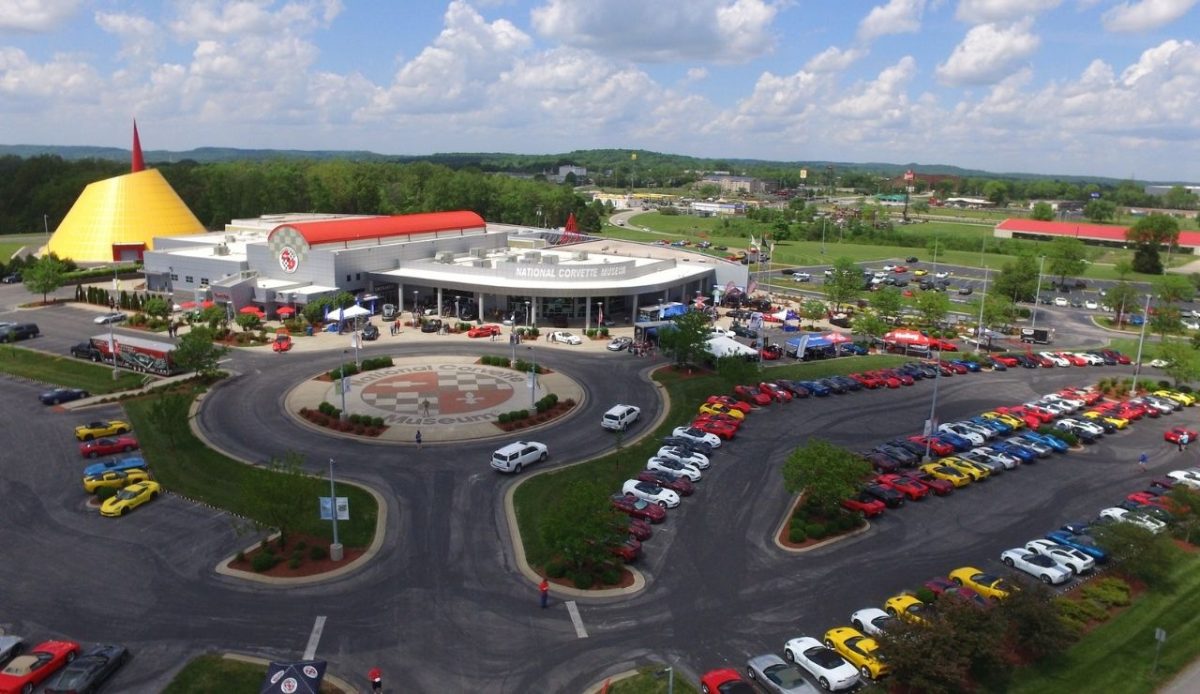
For Corvette fans, no destination is more meaningful than the National Corvette Museum. Located next to the Corvette production plant in Bowling Green, the museum displays models from every generation of the sports car. Exhibits explore Corvette’s role in racing, pop culture, and engineering. A section of the museum also recalls the dramatic sinkhole collapse of 2014 that swallowed several cars, with some of those damaged vehicles now displayed as part of its story. Guests can also take part in factory tours or even arrange to pick up their new Corvette at the museum. It is a shrine to America’s sports car.
4. LeMay – America’s Car Museum, Tacoma, Washington
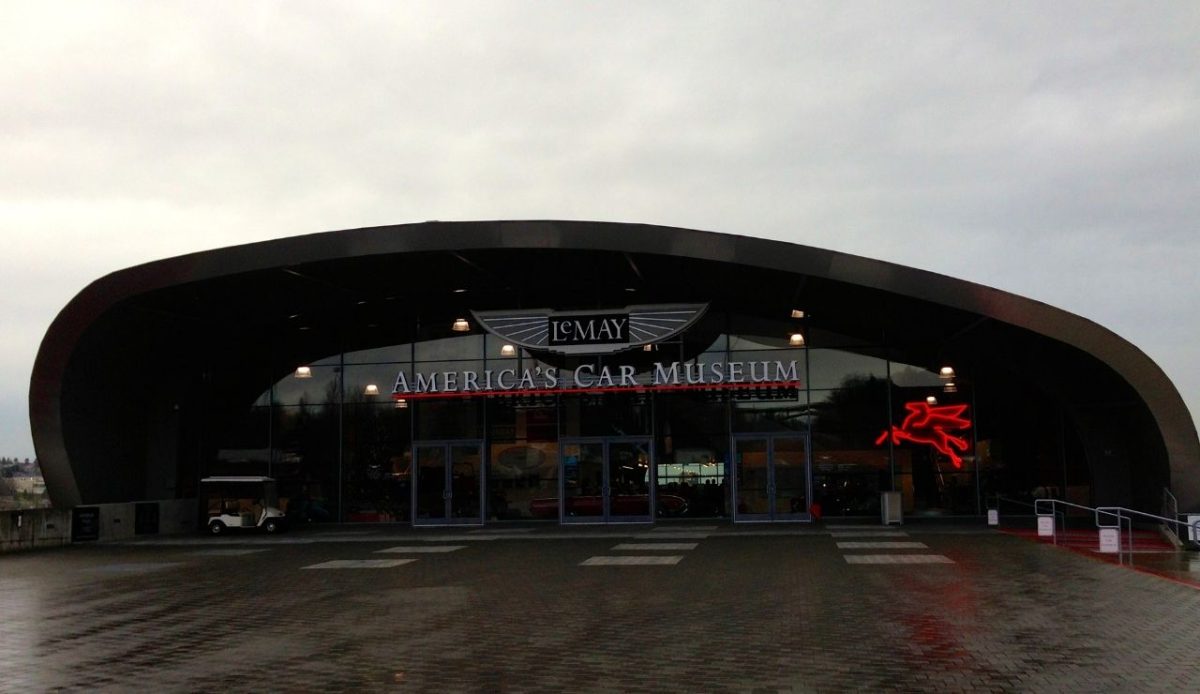
LeMay – America’s Car Museum in Tacoma is among the largest automotive museums anywhere, with space for more than 350 vehicles on display at any given time. Its collection spans classics, muscle cars, and rare imports, often rotated to keep the exhibits fresh. The museum celebrates Harold LeMay, who once owned the largest private car collection in the world. Visitors can explore everything from elegant Packards to family station wagons that shaped everyday travel. The building itself is designed like a grand showroom, making the cars the centerpiece. The museum reflects both the personal passion of LeMay and America’s car heritage.
5. Indianapolis Motor Speedway Museum, Indianapolis, Indiana
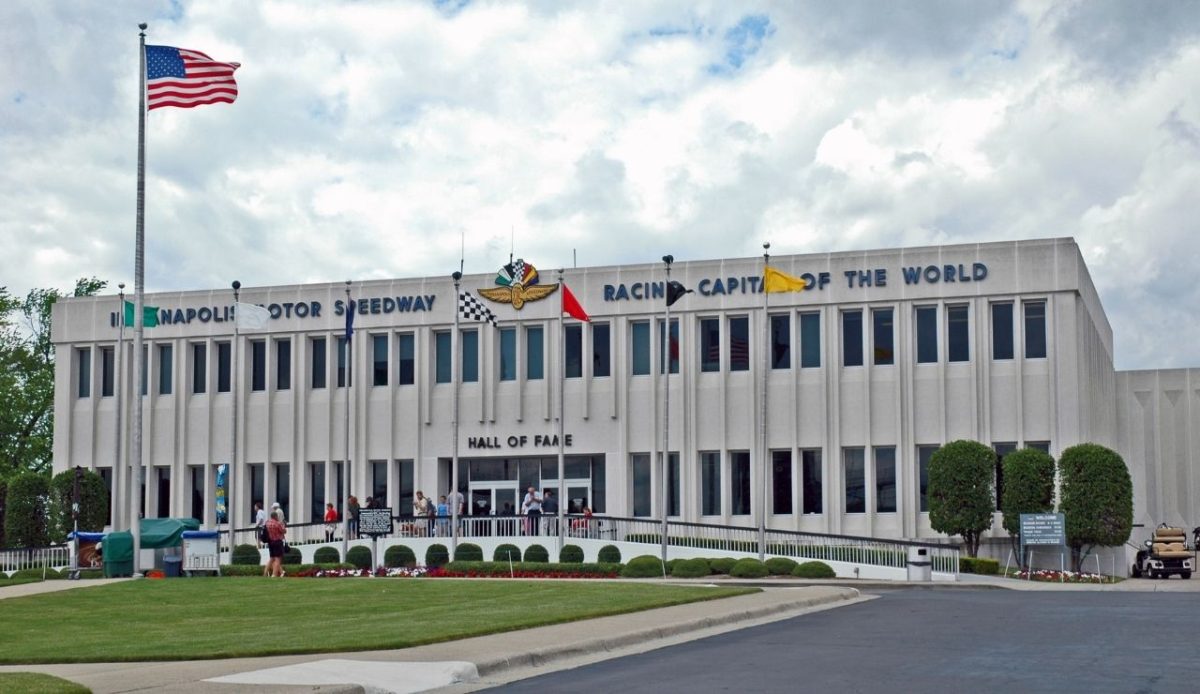
Set inside the grounds of the legendary Indianapolis Motor Speedway, this museum honors the deep connection between racing and American culture. It showcases more than 75 race cars, including past Indianapolis 500 winners, classic roadsters, and modern IndyCars. Visitors also see trophies, memorabilia, and photographs that document the history of the world’s most famous race. Tours often include access to the track itself, giving guests a direct view of the racing environment. For enthusiasts, the museum represents the excitement and engineering excellence behind American motorsport. It captures the thrill of competition and the traditions of the Indy 500.
6. The Revs Institute, Naples, Florida
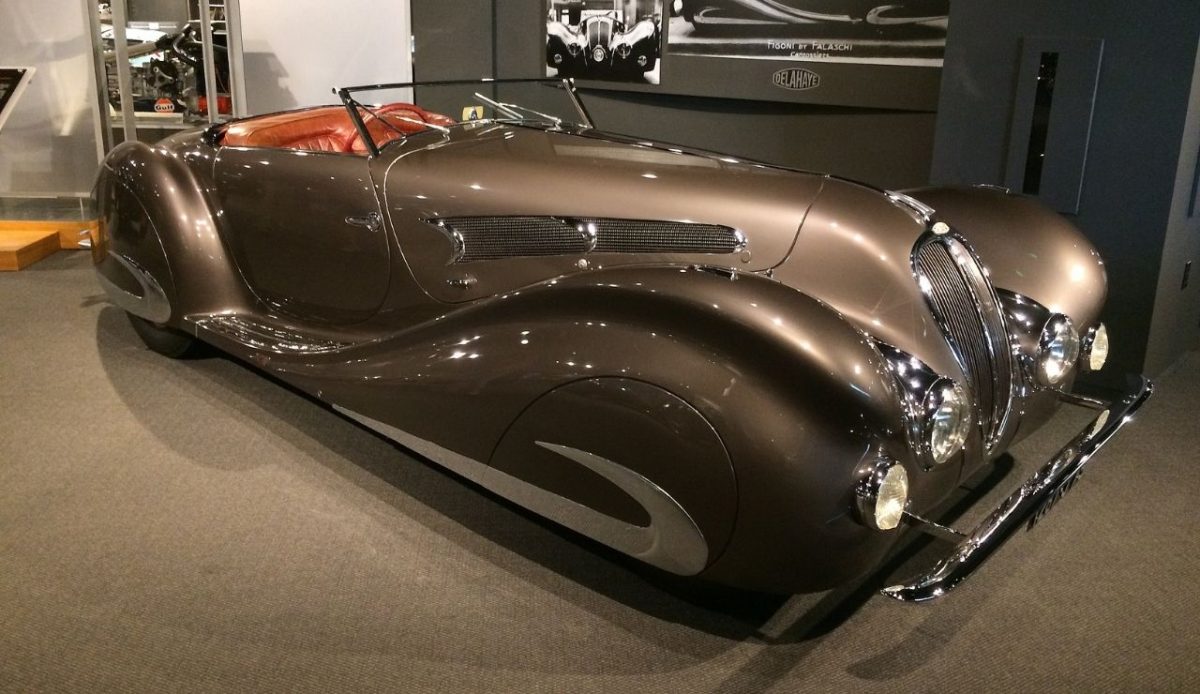
The Revs Institute combines a world-class car collection with research archives that make it a hub for automotive study. Its focus is on historically significant sports and racing cars, with many displayed in pristine, original condition. Exhibits are organized by themes such as postwar racing, sports car development, and engineering breakthroughs. Beyond the displays, the institute maintains a vast library of documents, photos, and technical records for scholars and enthusiasts. The Revs Institute connects preservation with education, showing how cars reflect larger stories of progress. Visitors experience not only the beauty of rare vehicles but also their historical meaning.
7. Simeone Foundation Automotive Museum, Philadelphia, Pennsylvania
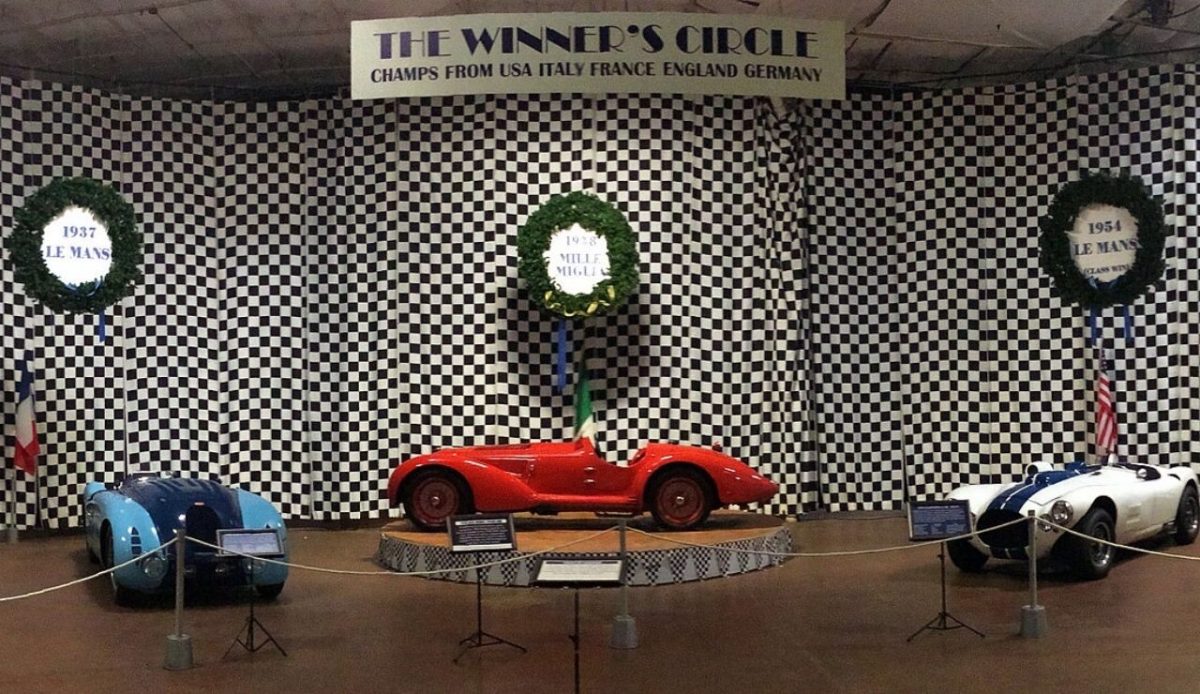
The Simeone Foundation Automotive Museum is dedicated to the “spirit of competition.” Its collection of over 70 sports and racing cars showcases vehicles from brands like Ferrari, Alfa Romeo, and Aston Martin. Instead of focusing only on static displays, the museum arranges cars by racing theme, such as endurance, road racing, and hill climbs. What sets it apart is its “Demonstration Days,” where cars are taken outside and driven so visitors can see them in action. The approach shows how racing advanced automotive technology and culture. For enthusiasts, the museum connects performance on the track with innovation in the industry.
8. Studebaker National Museum, South Bend, Indiana

The Studebaker National Museum tells the story of a company that began by building wagons and became a significant player in the car industry. Exhibits highlight the evolution of Studebaker, including military vehicles, early electric models, and the brand’s stylish designs of the 20th century. The museum also displays presidential carriages and rare concept vehicles, showing the brand’s influence on American culture and politics. Visitors see how Studebaker’s innovations reflected broader trends in transportation. Though the company no longer exists, its history demonstrates the challenges and creativity of American automakers, making the museum both educational and inspiring.
9. Lane Motor Museum, Nashville, Tennessee
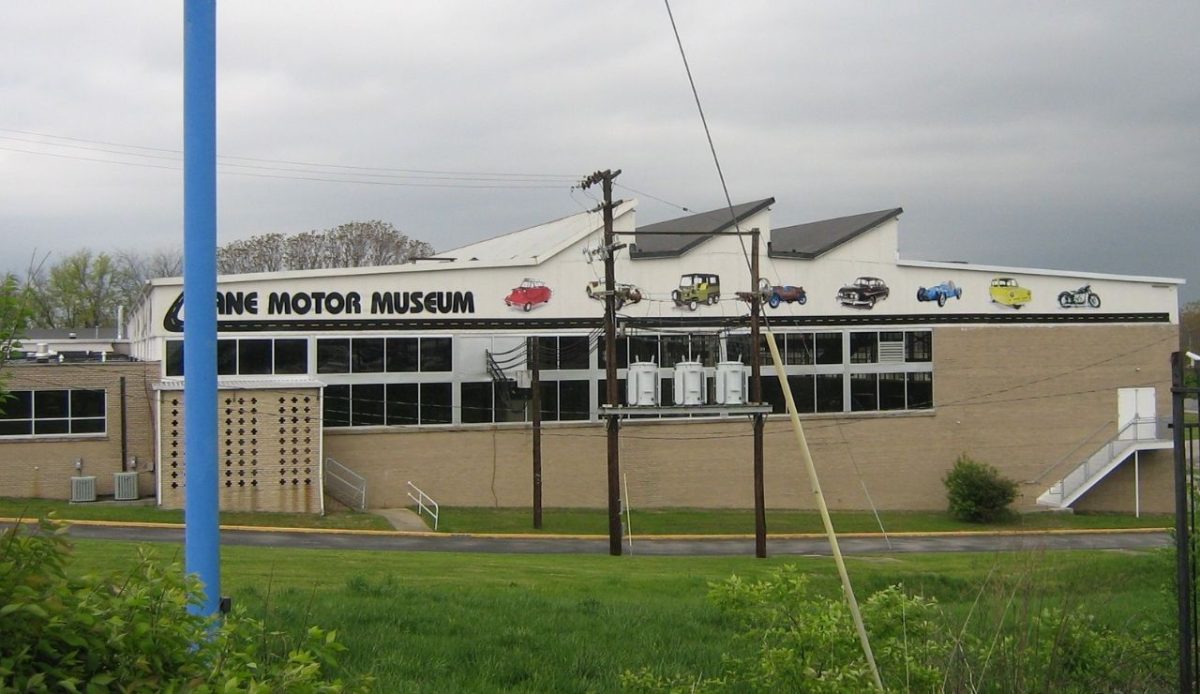
The Lane Motor Museum in Nashville stands out for its unusual and rare collection. While many car museums focus on American classics, Lane highlights European imports, quirky prototypes, and microcars that few people have seen. The museum features more than 500 vehicles, including unusual three-wheelers, amphibious cars, and experimental designs. Its mission is to preserve automotive diversity and innovation, showing visitors that the history of cars is not only about mass-market models. Families and enthusiasts alike enjoy the playful and surprising exhibits. Lane Motor Museum proves that car history is global and often inventive in unexpected ways.
10. Mullin Automotive Museum, Oxnard, California
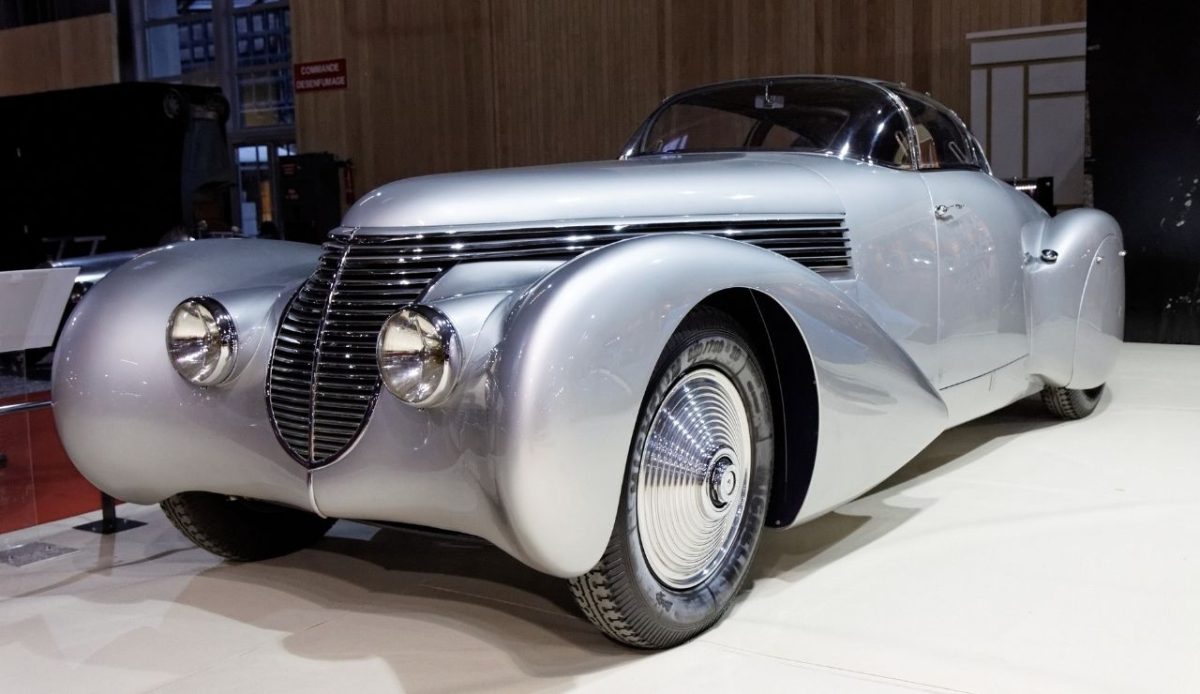
The Mullin Automotive Museum celebrates the artistry and elegance of French automobiles from the early to mid-20th century. Its collection features Bugattis, Delahayes, and other marques that highlight craftsmanship and design. The museum also emphasizes automotive styling as fine art, with displays of decorative pieces, furniture, and artifacts from the same period. Cars are presented in a gallery-like environment, reinforcing the connection between automobiles and culture. The Mullin helps visitors understand how France influenced automotive aesthetics and innovation. It is not only about engines and speed but also about design as cultural expression, making it unique among car museums.
