
Historic landmarks are supposed to feel like living history, but critics and frequent travelers sometimes describe a different vibe: more queues, branding, and upsells than context. Commercial activity can help fund conservation, yet it can also reshape what visitors notice first.
This list focuses on well-known sites where reviews and commentary often mention theme-park energy, souvenir saturation, or pay-to-unlock access. It doesn’t mean these places lack value, only that the visitor experience can tilt toward transactions.
To keep it practical, each section flags the “commercial” triggers people cite, tiered tickets, forced retail routing, staged photo moments, or heavy vendor pressure, so you can decide what to expect before you go.
1. Venice’s St. Mark’s Square and Rialto area, Italy
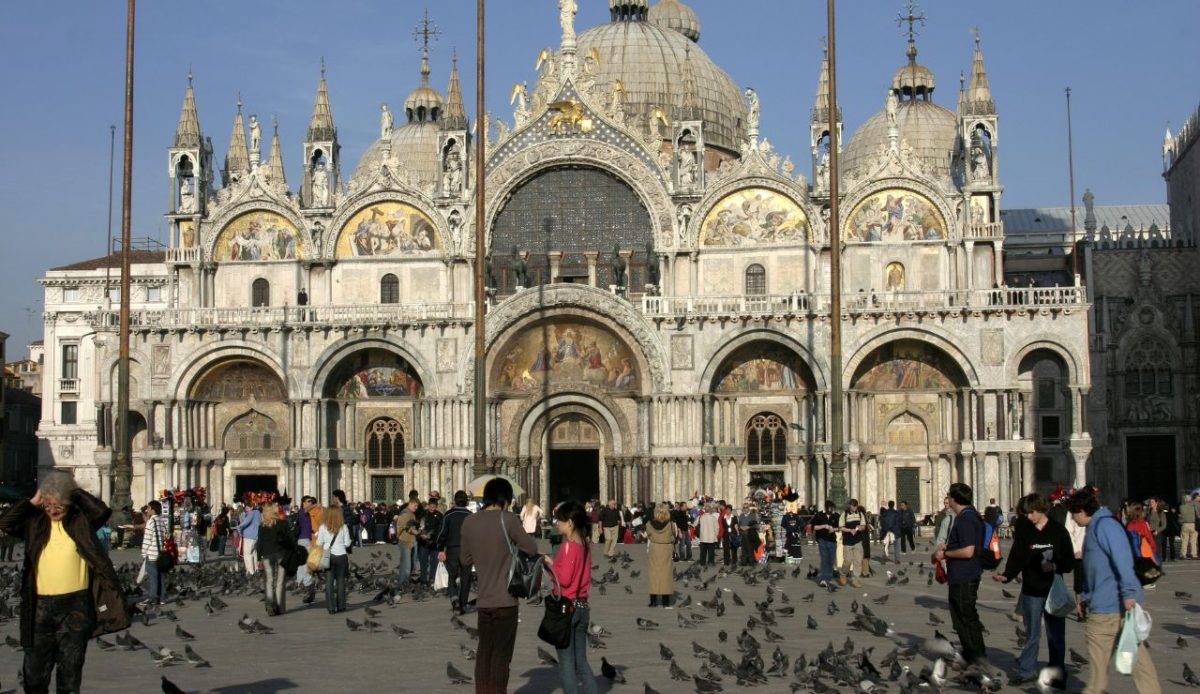
Venice is a cultural icon, yet critics of overtourism argue parts of the historic core can feel like a retail funnel. Around St. Mark’s Square and the walk toward Rialto, souvenir stalls and low-cost trinket shops often dominate the ground-level streets.
The issue isn’t commerce existing, but scale and sameness. When local groceries, crafts, and daily-life services disappear, the area can read less like a neighborhood and more like a high-traffic set built for day-trippers.
If you go, plan early or late hours and step into quieter sestieri for contrast. Many visitors say Venice’s cultural depth returns fast once you’re away from the densest souvenir corridors.
2. Machu Picchu, Peru
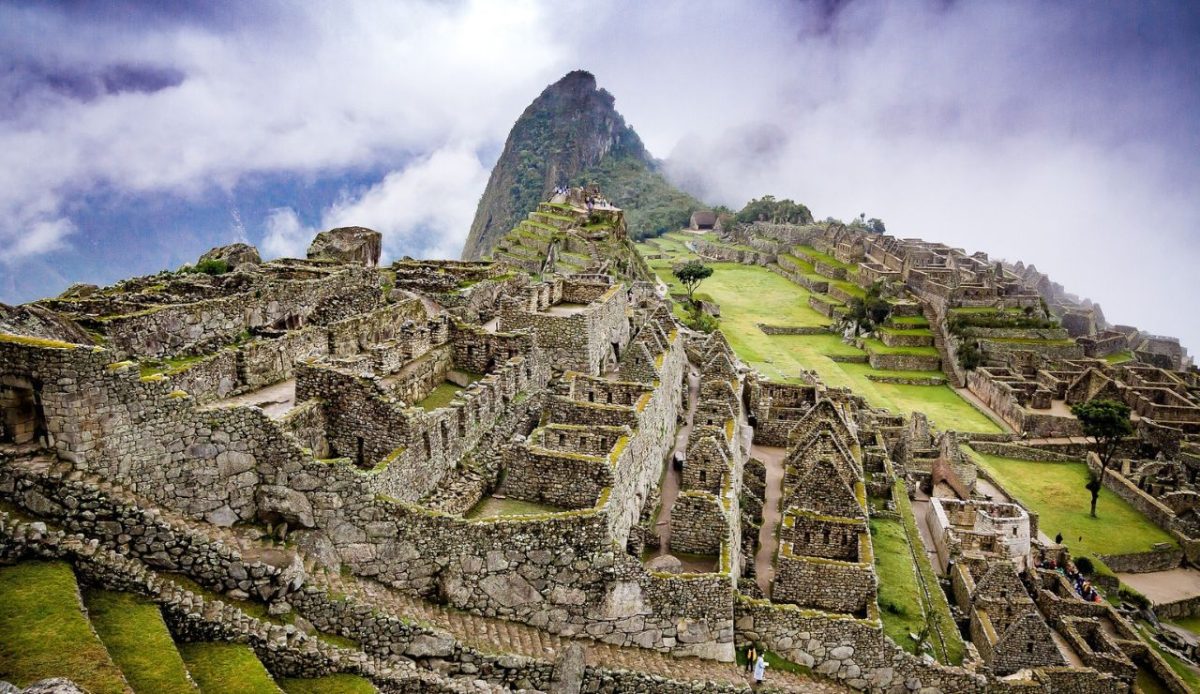
Machu Picchu remains extraordinary, but critics often point to the surrounding tourism machine as the mood-shifter. Timed circuits, permit rules, transport logistics, and add-on guides can make the day feel like a controlled product rather than a sacred landscape.
Commercial pressure shows up in the layers: bus tickets, entry windows, guide expectations, and a town built almost entirely around selling the visit. Small frictions can feel amplified because demand is so high.
To keep it cultural, pick a circuit that matches what you want to learn, not just the quickest photo route. Time for Cusco-area museums and Inca sites can add context beyond the headline stop.
3. Angkor Wat, Cambodia
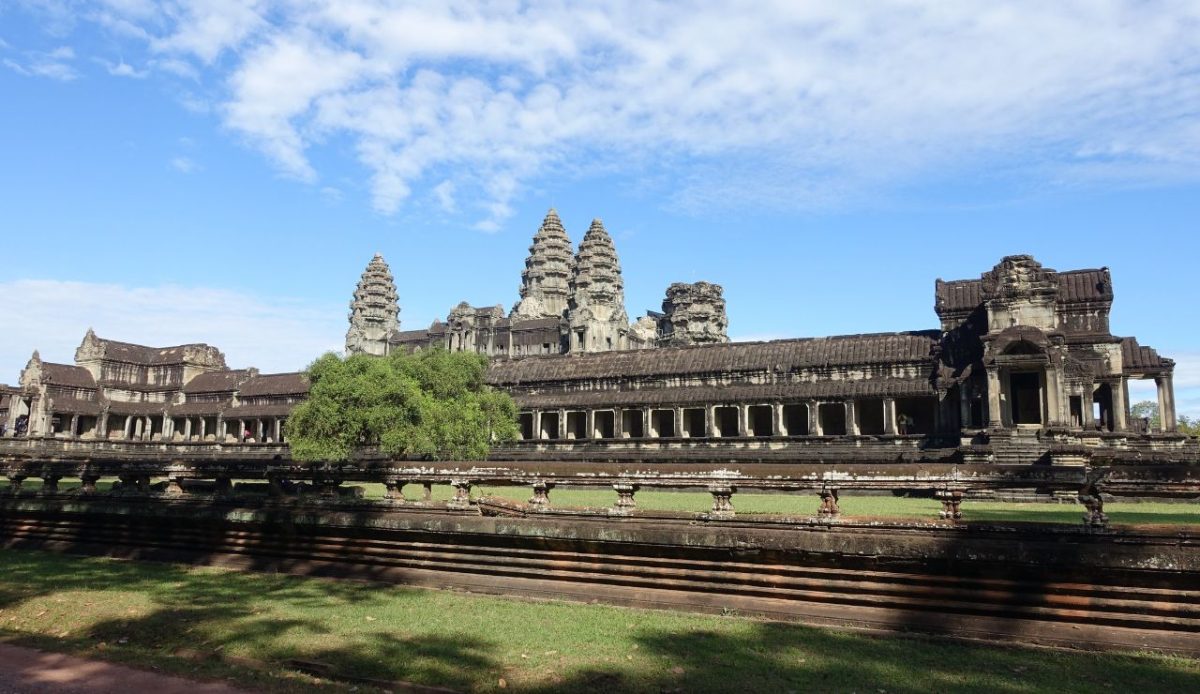
Angkor’s scale is unmatched, yet critics of mass tourism warn that crowds and nearby development can overwhelm the spiritual and archaeological feel. Sunrise viewing can resemble an event queue with tripods, tour flags, and tight movement rules.
Visitors also mention a “package” sensation: pre-set routes, rapid temple-hopping, and constant offers for rides, photos, and souvenirs at common stops. That pace can crowd out interpretation and quiet time.
Many travelers get more cultural value by choosing fewer temples and slowing down with a guide. Adding museums in Siem Reap can shift the day from checklist touring to context-led learning.
4. Stonehenge, England
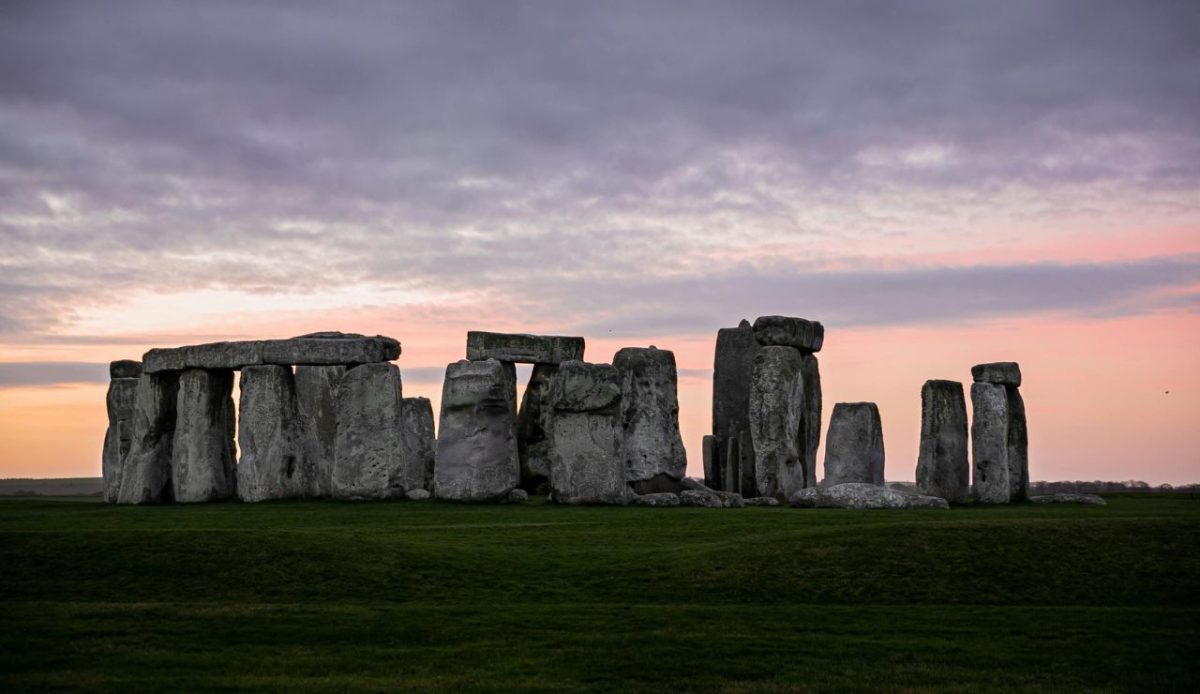
Stonehenge is prehistoric and powerful, but some critics say the modern visitor experience can feel retail-forward. You view the stones from a managed path, often at a distance, and the on-site facilities, cafés, shops, timed entry, can dominate the memory.
The controls exist for preservation and safety, yet people describe the stop as brief, pricey, and choreographed. When the most relaxed space is the visitor center, the balance can tip toward “attraction” rather than “monument.”
To make it feel cultural, add nearby context at Avebury, Salisbury, or a local museum. The wider Neolithic landscape can add depth that a quick loop around the stones can’t always provide.
5. Great Wall of China, Badaling Section

The Great Wall is vast, but critics often single out developed sections like Badaling as feeling more like a managed attraction than a frontier relic. Crowds, guided groups, and dense vendor areas can turn the walk into a throughput experience.
Commercial cues show up in the extras: packaged transport, priority lanes, photo services, and rows of identical souvenirs that compete with the history. For some visitors, logistics become the headline, not the wall’s military purpose.
If you want a calmer visit, many travelers pick earlier time slots or less built-up stretches. A quick read on dynasties and watchtower function can also add meaning to what otherwise feels like stairs and views.
6. Taj Mahal, India
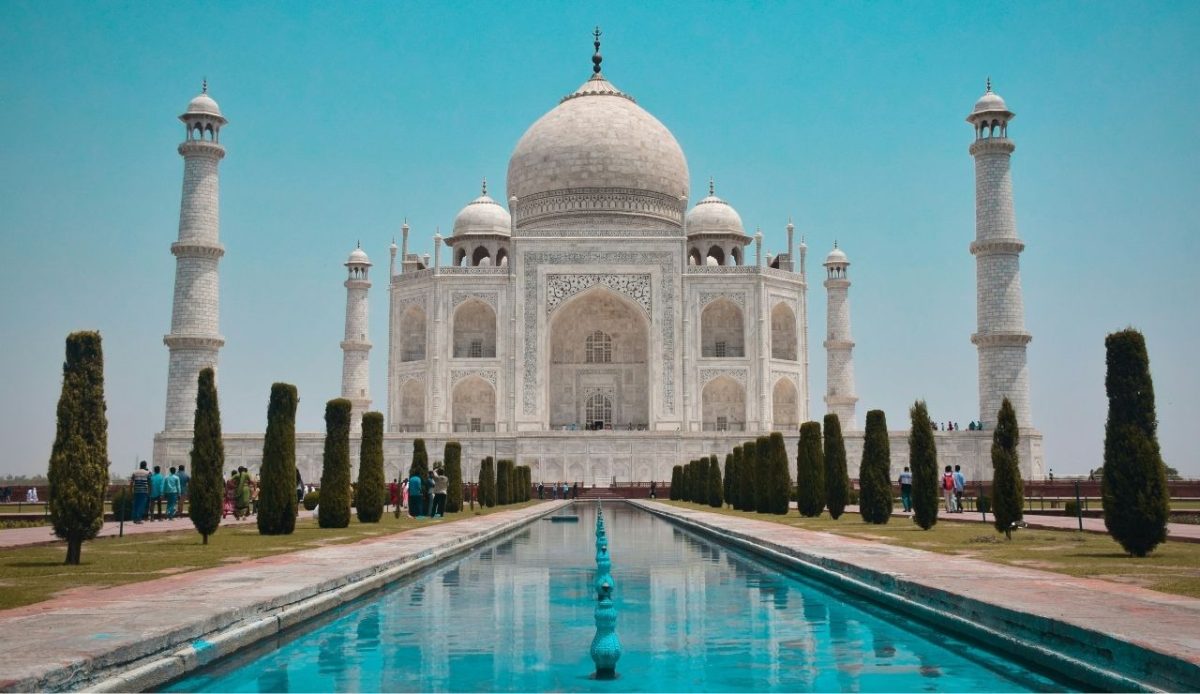
The Taj Mahal is a Mughal masterpiece, yet critics often point to the commercial noise around the approach. Outside the gates, persistent touting, commission guiding, and transport upsells can make arrival feel like a gauntlet.
Inside, timed entry and crowd patterns can compress the visit into a photo sprint. When the stop becomes about hitting the “classic” angle before your slot ends, the cultural reading, inscriptions, symmetry, funerary meaning, can get lost.
Many travelers improve the payoff by arranging a reputable guide in advance, then pairing the visit with Agra Fort. Seeing the wider Mughal context helps the Taj feel less like a single, monetized moment.
7. Pyramids of Giza, Egypt
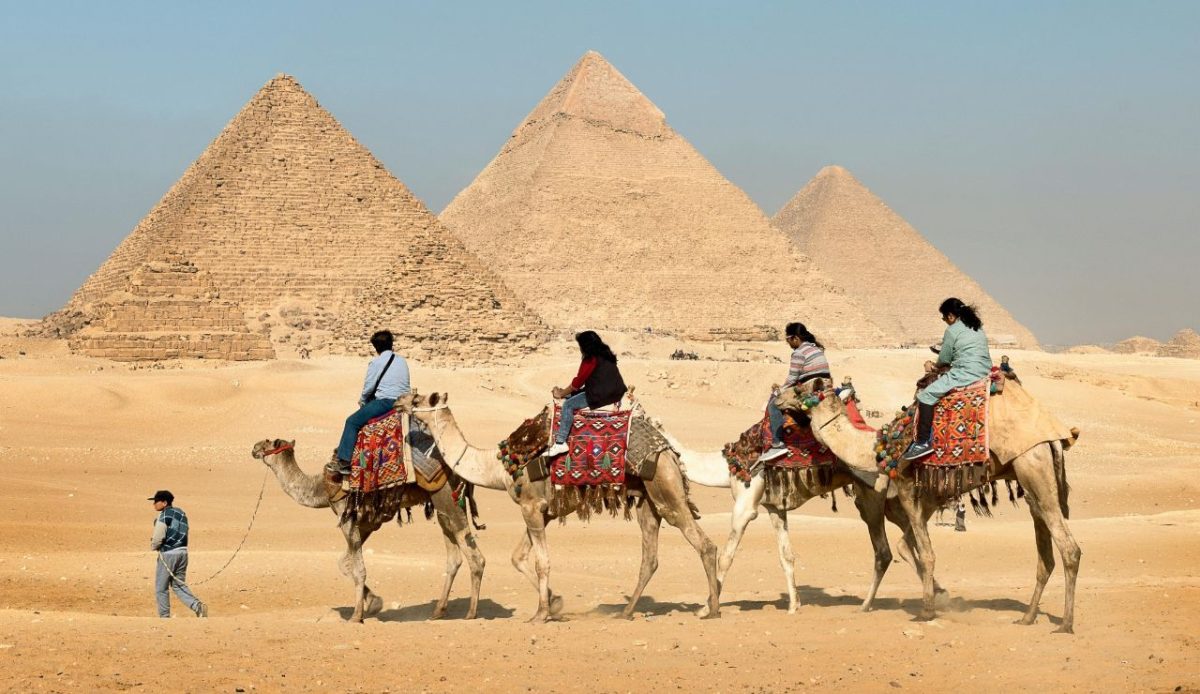
The Pyramids are ancient wonders, but critics often mention intense commercial pressure on and near the plateau. Camel and horse rides, photo “helpers,” and nonstop sales pitches can dominate attention, especially for first-time visitors.
That can make the visit feel transactional: negotiating prices, declining offers, and moving through a busy circuit. When most interactions are about money, the story of dynasties, funerary design, and engineering can fade.
Many travelers get more cultural value with a licensed guide and a plan for context elsewhere, such as the Egyptian Museum or Saqqara. The pyramids often land better when they’re part of a wider narrative, not a single rushed stop.
8. The Colosseum,Rome, Italy
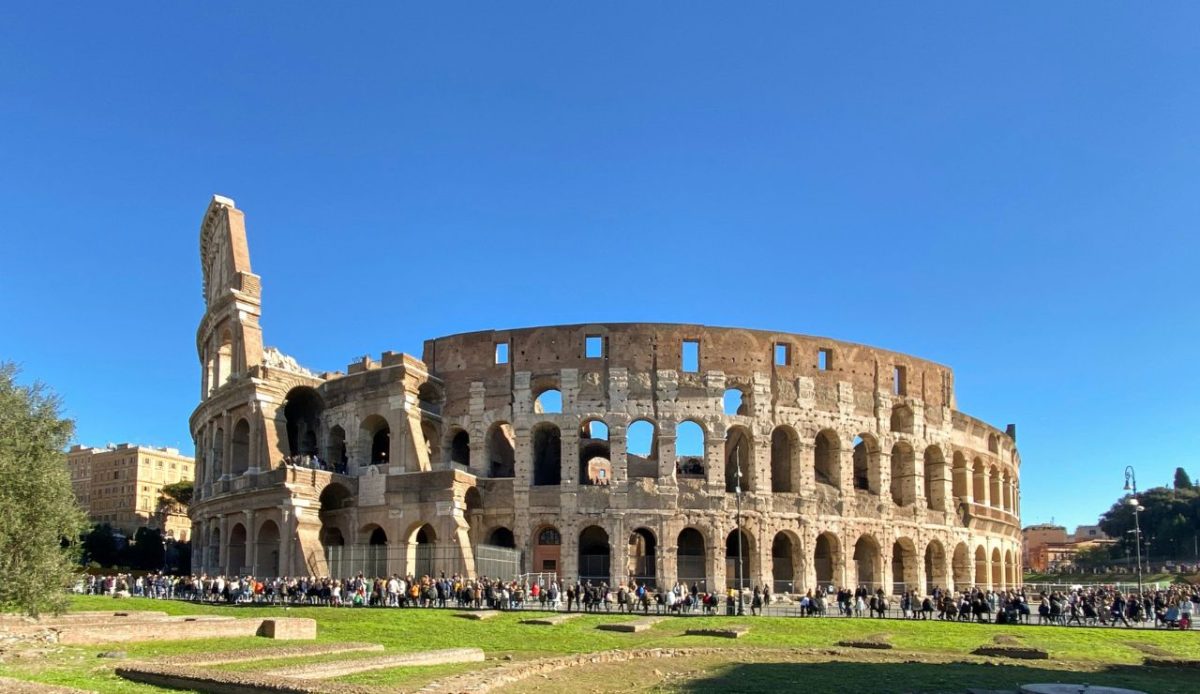
Rome’s ancient core is unmatched, but critics say the approach can feel like an upsell maze. Around the Colosseum, ticket resellers and “skip-the-line” pitches can blur what’s official, turning a heritage visit into a sales environment before you enter.
Inside, crowd control is necessary, yet the pace can feel rushed in peak season. When visitors focus on timing, photos, and bottlenecks, the layered history, spectacle, politics, and later reuse shrink to a quick visual hit.
Buying from official channels, choosing off-peak hours, and giving the Forum real time can shift the day back toward culture. Even a short primer on Roman public life helps the ruins feel less like a stage set.
9. Eiffel Tower, Paris, France
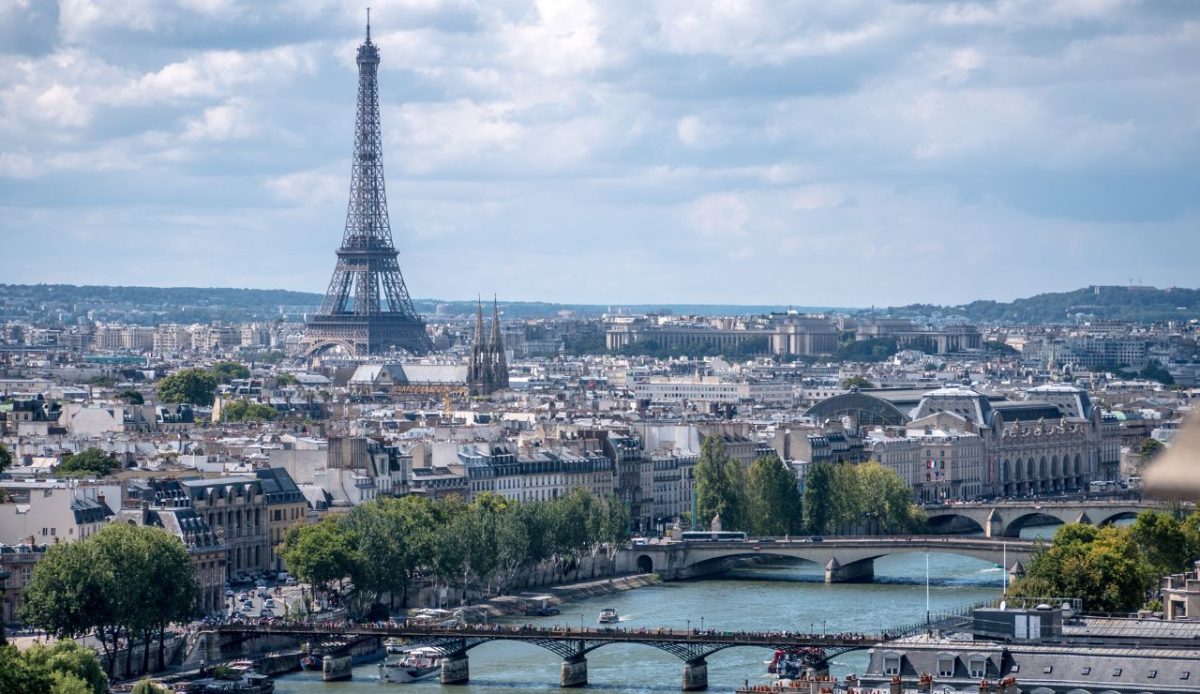
The Eiffel Tower has real engineering history, but critics often describe the base area as heavily commercial. Security lines, crowded plazas, and constant souvenir selling near the Champ de Mars can make it feel more like an outdoor mall than a civic space.
Tiered ticketing adds to the “product” feeling: different levels, time slots, and premium options that shape what you can access. For many visitors, the stop becomes a checklist photo rather than a story about Paris and world’s fairs.
For more cultural payoff, some travelers choose viewpoints from across the Seine, then add a museum stop on design or city history. The tower often lands better in context, not as just a queue routine.
10. Acropolis of Athens, Greece
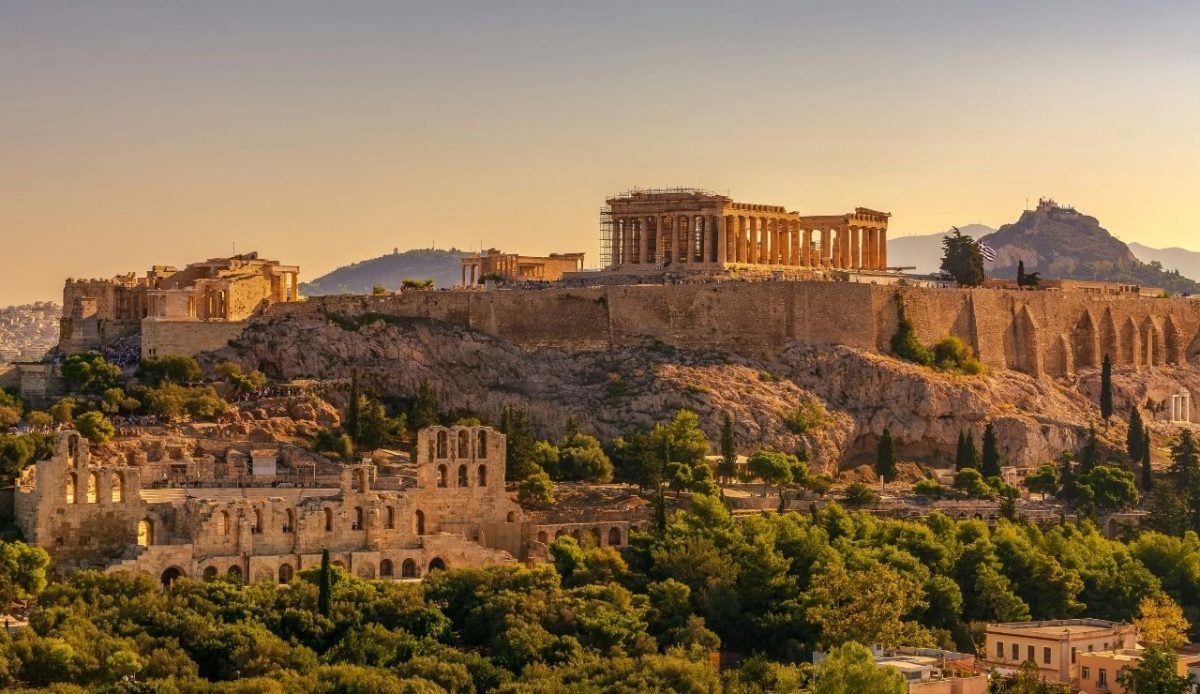
The Acropolis is a top-tier archaeological site, yet critics say the visit can feel like a high-volume attraction in peak season. Timed entry, crowd funnels, and congestion can shift attention from detail to simply getting through the route.
Commercialization complaints focus on the edges: dense souvenir selling nearby, packaged tours that rush the story, and the sense you’re paying repeatedly for access and interpretation. When the day becomes logistics-first, meaning can blur.
Many travelers get more culture by adding the Acropolis Museum and choosing quieter hours. Slower pacing makes it easier to notice construction phases and how the hill relates to Athens’ civic life, not just its skyline.
