
Coastal forts were built to control harbors, yet salt spray, tide flooding, and stronger storms now attack the same walls. Brick, mortar, and iron fittings weaken when moisture stays trapped, and repairs cost more when access is by boat or limited roads.
Many sites rely on yearly operating funds for staffing and minor upkeep, while major masonry work needs separate project allocations. When allocations slip, patching replaces full repointing, drainage upgrades wait, and small breaks spread through connected spaces.
The ten forts below show reported maintenance backlogs or storm damage where preservation money has not kept pace. Each case ties a coastal exposure mechanism to deferred work that leaves historic fabric deteriorating.
1. Fort Jefferson
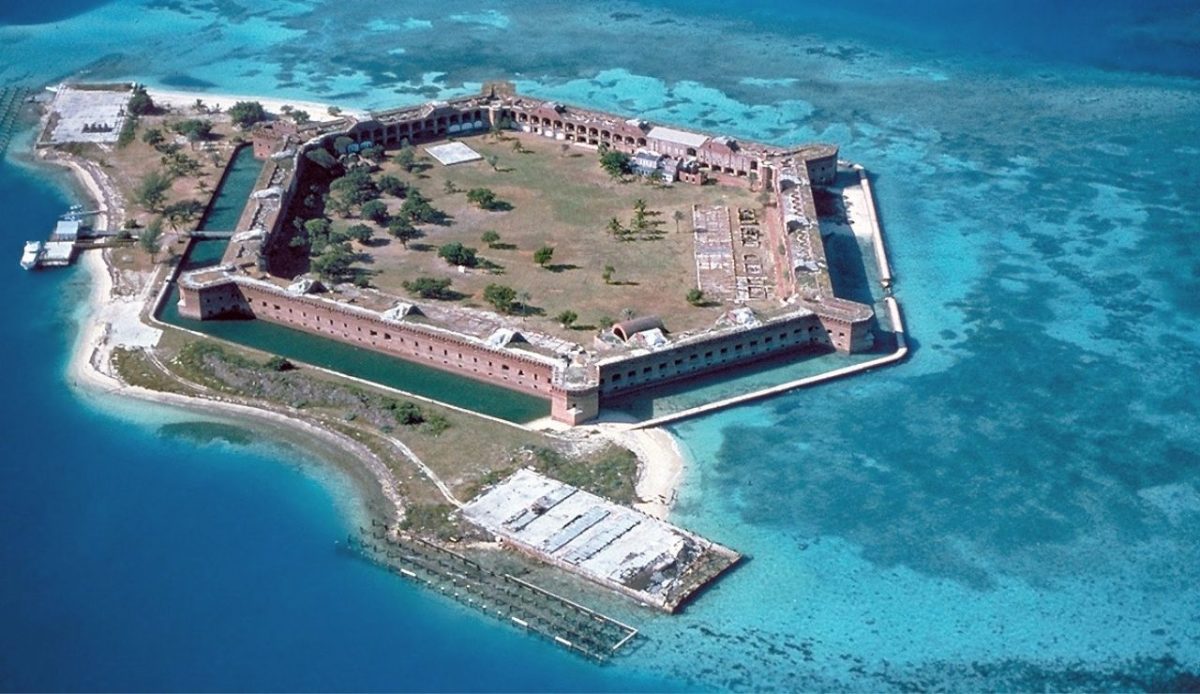
The fort is a huge brick structure exposed to open water on every side. Salt crystallization and constant humidity degrade mortar joints, while wave-driven spray reaches upper courses during rough seasons.
NPS infrastructure reporting for Dry Tortugas lists a large deferred maintenance total that includes historic fort assets. Because materials and crews must be shipped, full-scale masonry campaigns are spaced out, and interim patchwork is used more often.
When repointing and drainage fixes are delayed, water moves deeper into casemates and accelerates brick loss. The backlog grows as each storm season adds new damage before prior repairs can be completed.
2. Fort Monroe
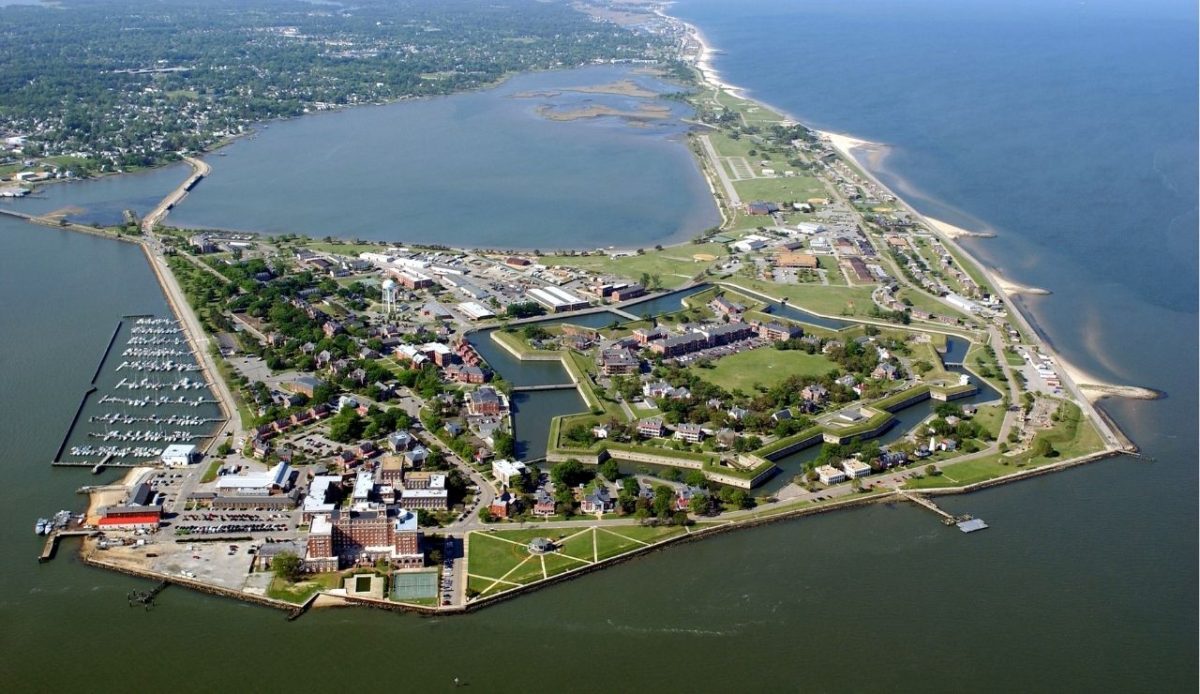
This harbor fort guards the entrance to Hampton Roads and lies in a tidal setting with persistent salt exposure. Moats, seawalls, and casemates hold moisture, which drives mortar decay and corrosion in embedded metal across older sections.
NPS infrastructure factsheets for the monument report a very large deferred maintenance figure. Limited project funding has prioritized select areas, while other masonry and water control systems remain on a wait list.
Deferred work raises risk because small leaks can undermine adjoining walls and arches. As the backlog persists, temporary treatments are repeated, yet long-term stabilization is still needed for many historic elements.
3. Fort Pulaski
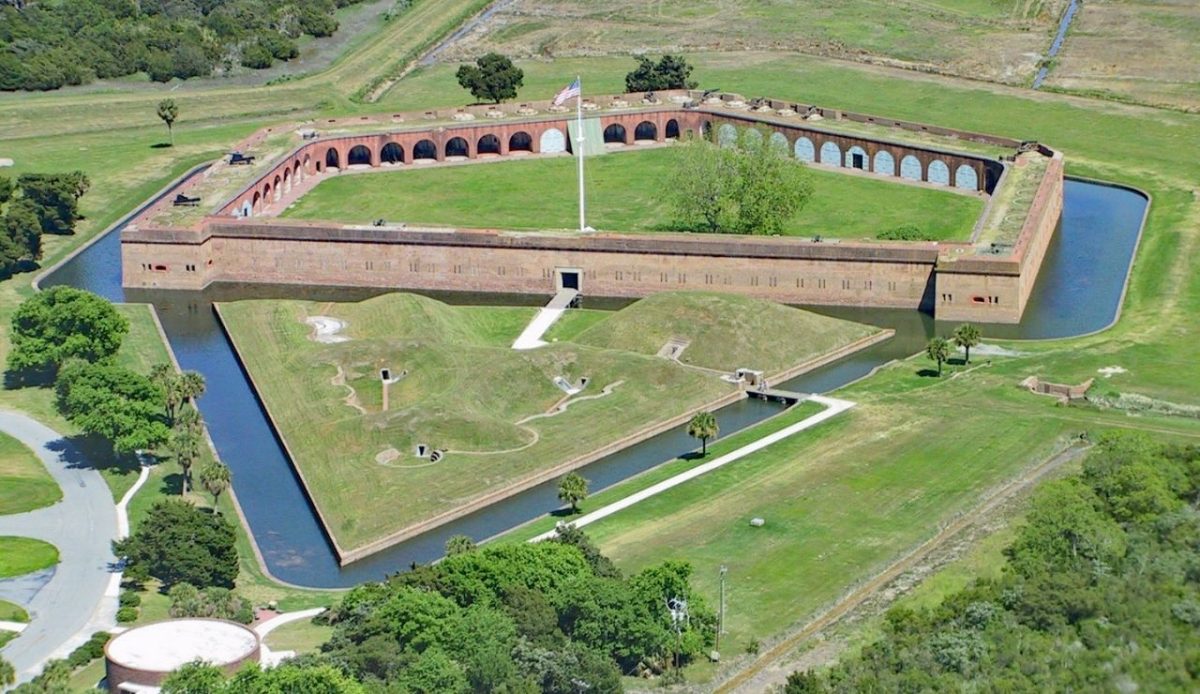
This masonry fort was built on Cockspur Island marsh, where high groundwater and damp air keep the structure wet for long periods. Moisture pressure affects foundations and interior brick, and salts migrate through walls after heavy rainfall and tides.
NPS deferred maintenance reporting for the monument documents a significant backlog. Budget limits often steer work toward surface repairs, while drainage upgrades and deeper masonry rehabilitation can be scheduled years out.
Because water pathways stay active, repaired areas can fail again, and costs rise. Without steady preservation funding, the fort remains stuck in a cycle where mitigation is done, but underlying drivers are left in place.
4. Fort Pickens
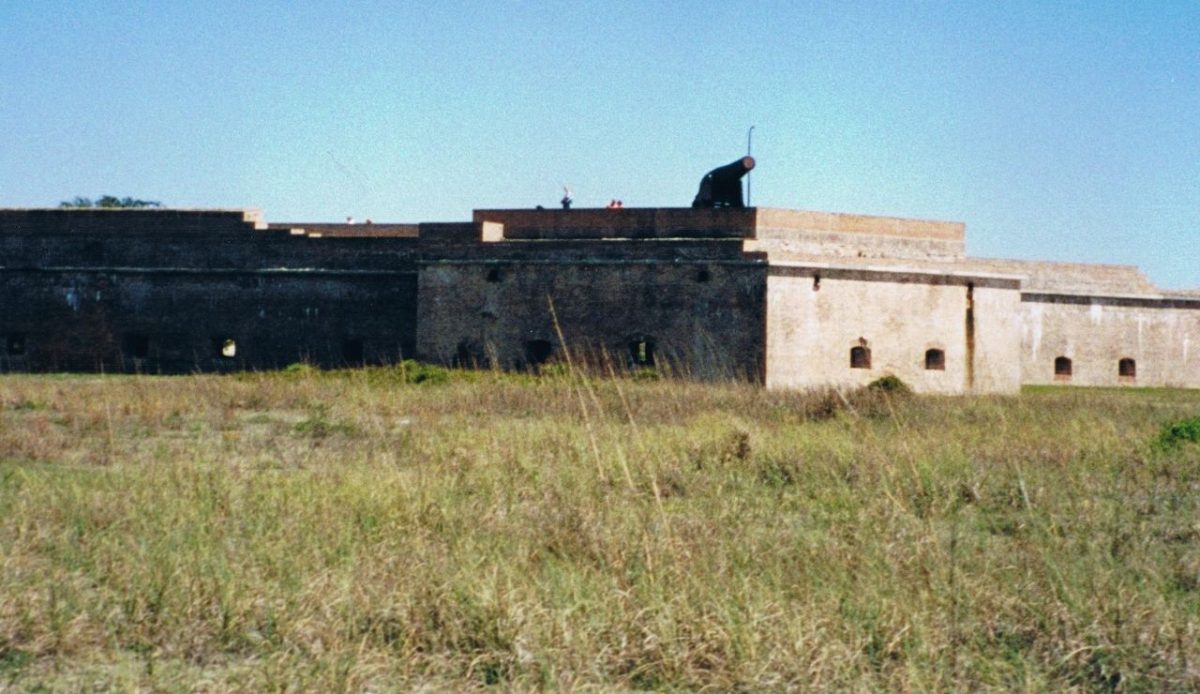
The fort is set on Santa Rosa Island, where hurricanes, storm surge, and sand movement repeatedly impact historic brickwork. Saltwater flooding damages lower courses, and wind-driven grit accelerates abrasion along exposed corridors and gun positions.
The fort is managed within the Gulf Islands National Seashore, and NPS factsheets show a very large maintenance backlog for the park. Preservation projects must compete with roads, utilities, and storm recovery needs across the entire seashore unit.
When capital work is postponed, repairs focus on access and safety rather than full masonry renewal. Each major storm adds new loss, and deferred work expands as older fixes are overtaken by fresh coastal damage.
5. Fort Point
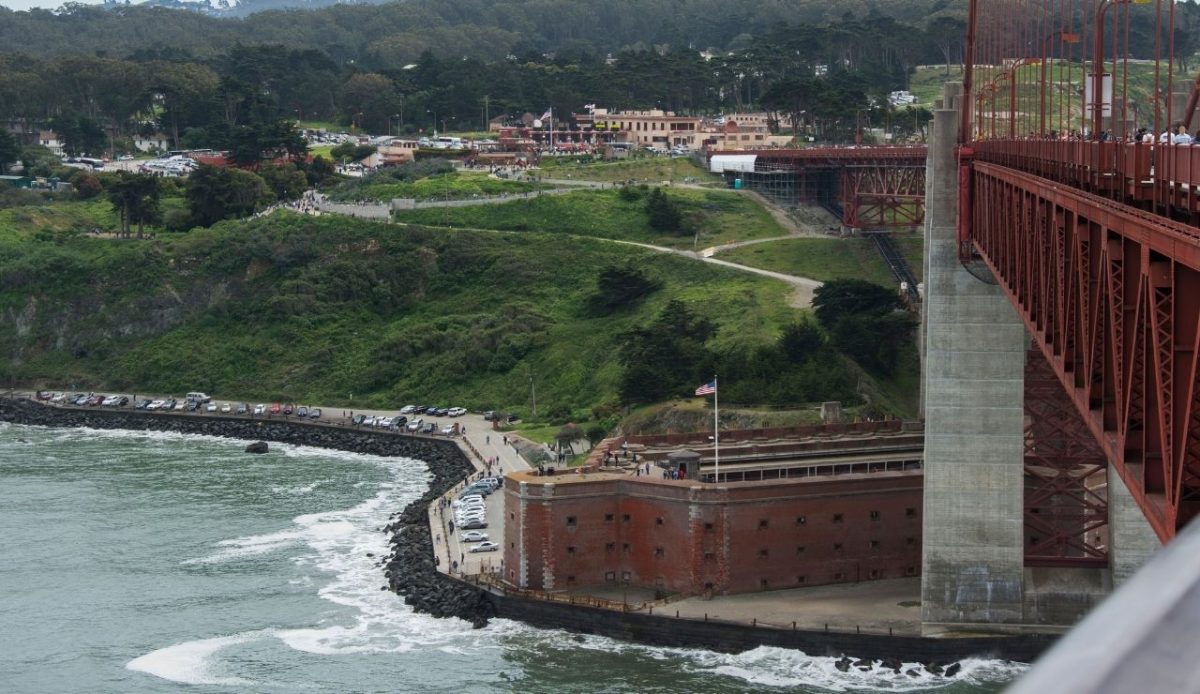
The fort is located beneath the Golden Gate Bridge and is exposed to cold marine fog and salt-laden wind. Persistent dampness weakens mortar, while vibration and thermal swings can open hairline cracks that admit more water.
NPS infrastructure factsheets for the site list deferred maintenance needs for historic structures and supporting systems. Routine budgets typically address urgent hazards first, leaving broader repointing, drainage, and envelope work waiting for project funds.
As untreated areas expand, loads shift, and earlier repairs are stressed. Long-term preservation requires sustained financing so interventions can cover whole wall runs instead of isolated patches.
6. Fort Sumter
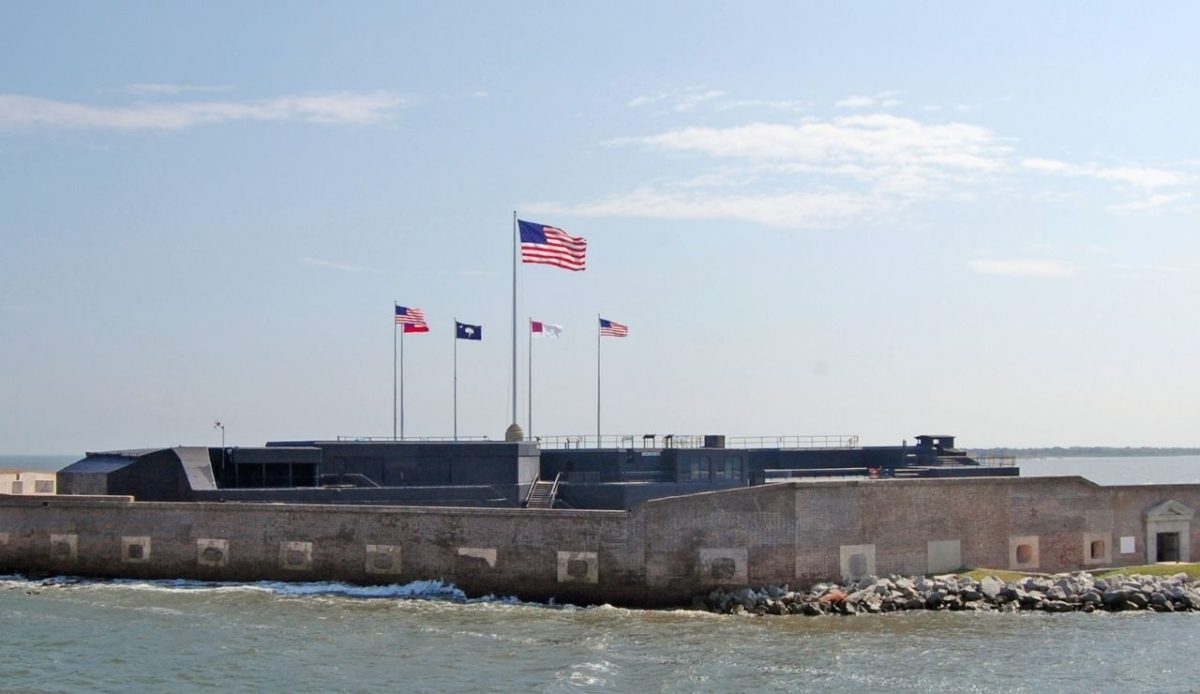
The fort occupies an artificial island in Charleston Harbor, where tides and wave action keep the base zone wet. Saltwater intrusion undermines masonry, and storm surge can drive debris impacts that chip brick and erode protective surfaces.
NPS infrastructure reporting for the paired park unit notes deferred maintenance across key assets. Boat-only access and exposure windows limit construction time, so larger stabilization efforts depend on scarce project funding.
When drainage and masonry rehabilitation lag, recurring flooding accelerates internal deterioration. Deferred work also restricts visitor routes, since weakened sections must be closed until repairs can be financed and completed.
7. Fort Moultrie
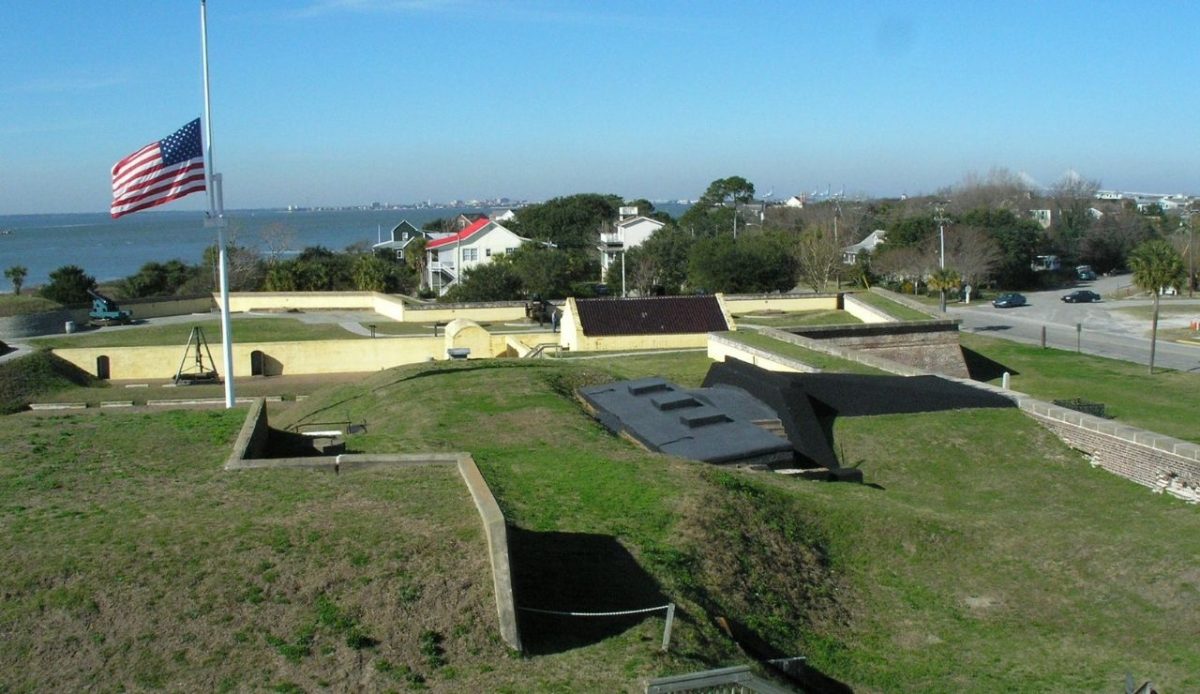
This low island fort faces coastal flooding and high humidity that affect both buildings and earthworks. Salt air degrades metal fittings, and saturated soils can destabilize older fort features during prolonged wet periods.
The joint NPS unit factsheet reports ongoing deferred maintenance needs. Shoreline protection, drainage control, and building rehabilitation can be delayed when available funds are routed to higher-priority repairs.
When earthen defenses erode, adjacent masonry and walkways are also stressed. Sustained preservation funding is needed to address water management, not just cosmetic repairs, so deterioration slows over time, overall ok.
8. Castillo de San Marcos
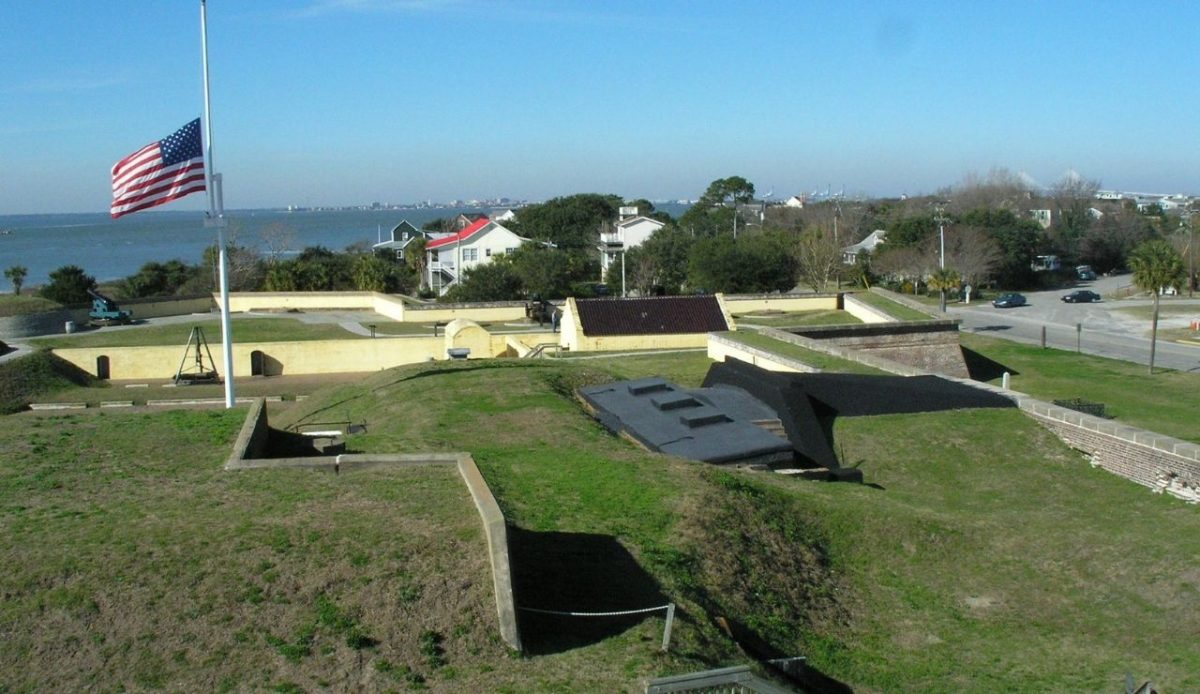
This fort uses coquina stone that withstands impact yet wears away under constant moisture. Salt-laden air and periodic flooding keep walls damp, which promotes surface loss and weakens mortar and joint treatments.
NPS deferred maintenance factsheets for the monument report a continuing backlog. Seawall and drainage upgrades are costly, and when funding is limited, treatment cycles can be extended beyond ideal intervals.
As protective coatings and repointing schedules slip, erosion advances deeper into the stone matrix. Delays also raise future costs because larger areas must be treated at once to restore stability and limit water penetration over time.
9. Fort Matanzas
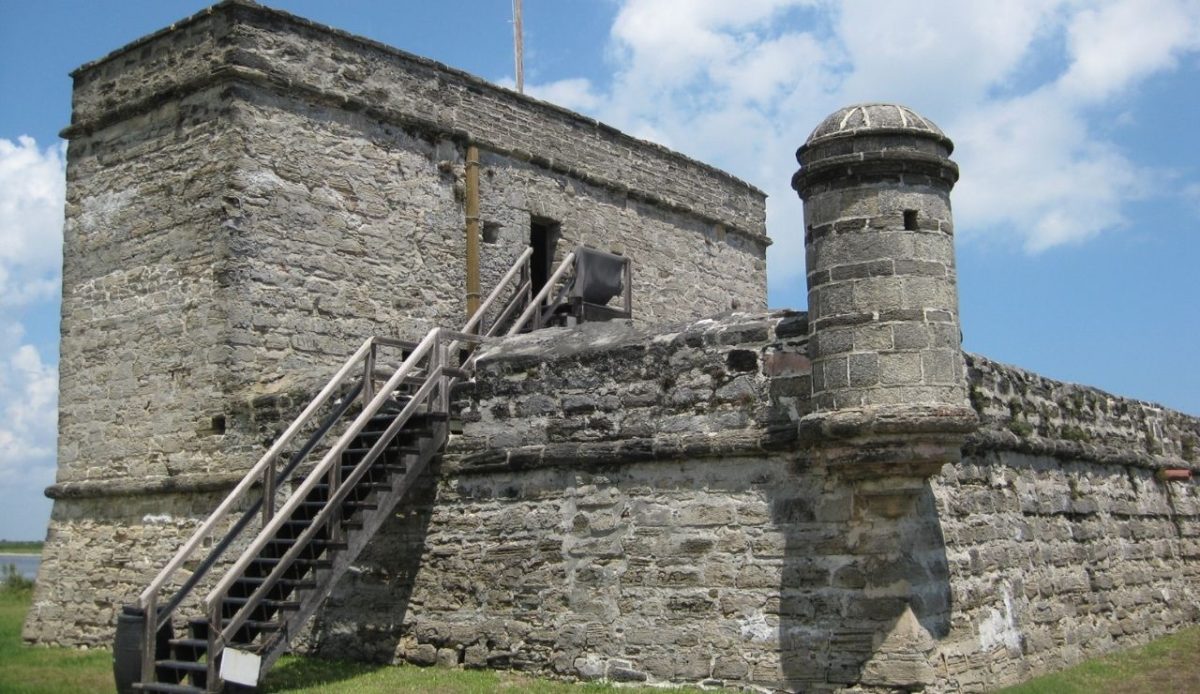
The fort is set on a tidal inlet island and is reached by boat, which complicates the delivery of heavy materials. Frequent inundation and salt spray affect the coquina structure, while damp conditions accelerate decay in wood and fasteners.
The site is managed with the nearby Castillo de San Marcos, and NPS reporting covers deferred maintenance within that coastal defense system. Shared budgets can leave limited capacity for major rehabilitation when broader priorities draw project funds.
When dock, drainage, and wall treatments are deferred, minor defects can widen quickly in the marine environment. Regular preservation funding would allow planned work cycles instead of reactive fixes after damage becomes visible.
10. Fort Gaines
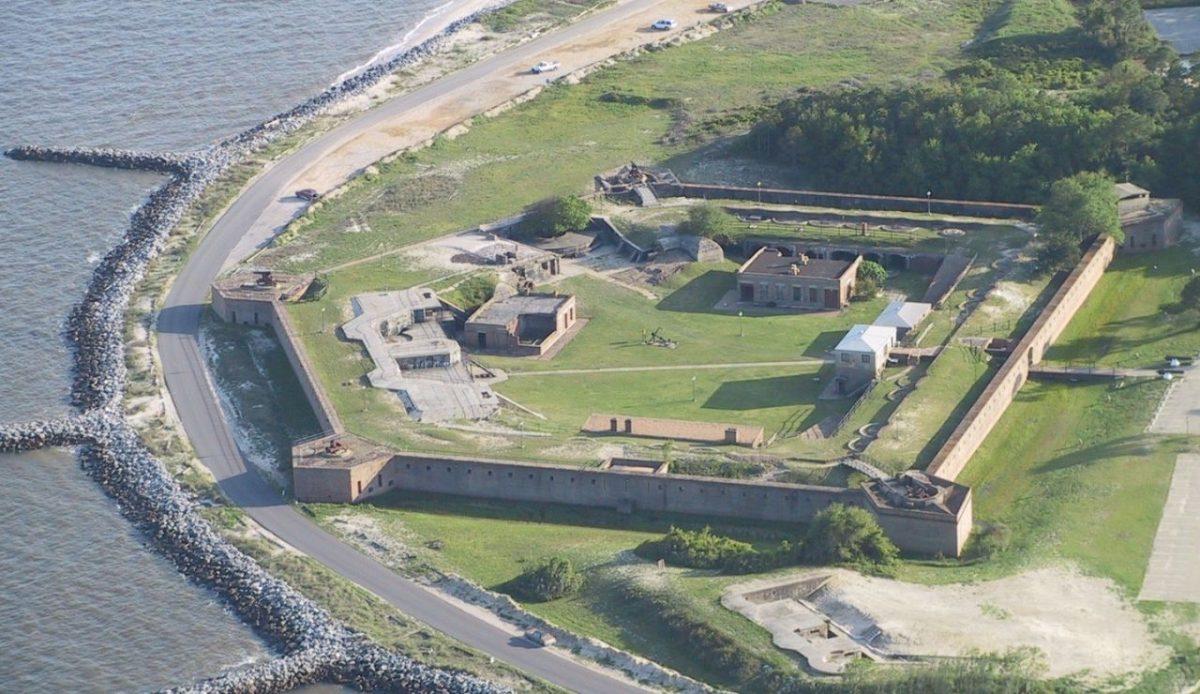
This fort on Dauphin Island was built to defend Mobile Bay and now faces shoreline retreat and storm surge. Brick walls and vaulted rooms take on moisture after flooding, and mortar loss accelerates when salt dries inside joints.
Unlike federal monuments, the site is locally operated and depends on admissions, donations, and periodic grants for restoration. That funding model can leave major masonry and drainage projects unfunded when storm damage arrives between grant cycles.
When long-term work is delayed, temporary bracing and patching become routine, yet hidden deterioration continues. Stable preservation financing would support multi-year plans for seawall protection, drainage control, and full masonry repair.
