
Europe is known for its efficient and scenic train travel, but not all journeys are spotless. Some trains suffer from poor maintenance, dirty carriages, and subpar restroom conditions, turning a potentially relaxing experience into a frustrating one. Factors like high passenger volume, inconsistent cleaning schedules, aging equipment, and overcrowding contribute to these challenges. For travelers who prioritize hygiene and comfort, knowing which trains to approach with caution can help avoid unpleasant surprises and ensure a smoother European journey, making trips safer, cleaner, and more enjoyable.
1. Trenitalia Intercity, Italy
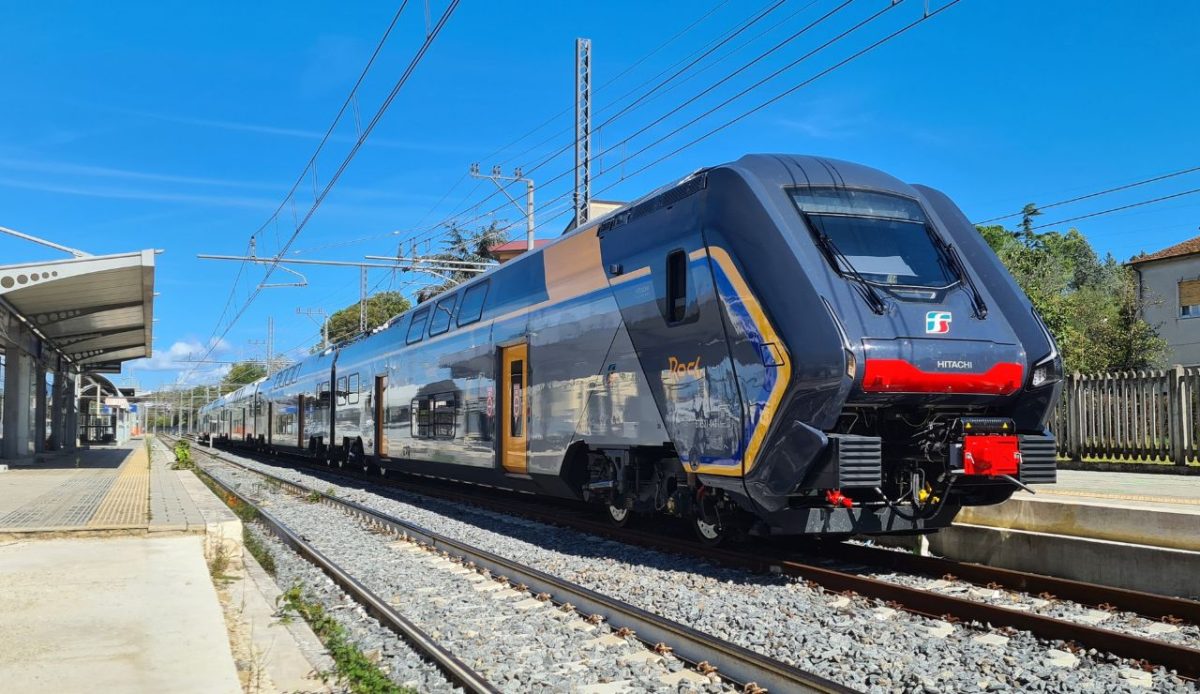
Trenitalia’s Intercity trains, while connecting major Italian cities, sometimes struggle with sanitation. Reports often mention unclean restrooms, littered carriages, and unpleasant odors. High passenger volumes during peak travel make maintaining cleanliness challenging. Older train models also contribute to these issues, as modern amenities are limited. Travelers may find seats with crumbs or leftover trash, and restroom supplies may be inconsistent. Despite these hygiene concerns, Intercity trains remain a convenient and affordable way to travel, but it’s wise to bring hand sanitizer and travel wipes for a more comfortable journey.
2. SNCF TER, France
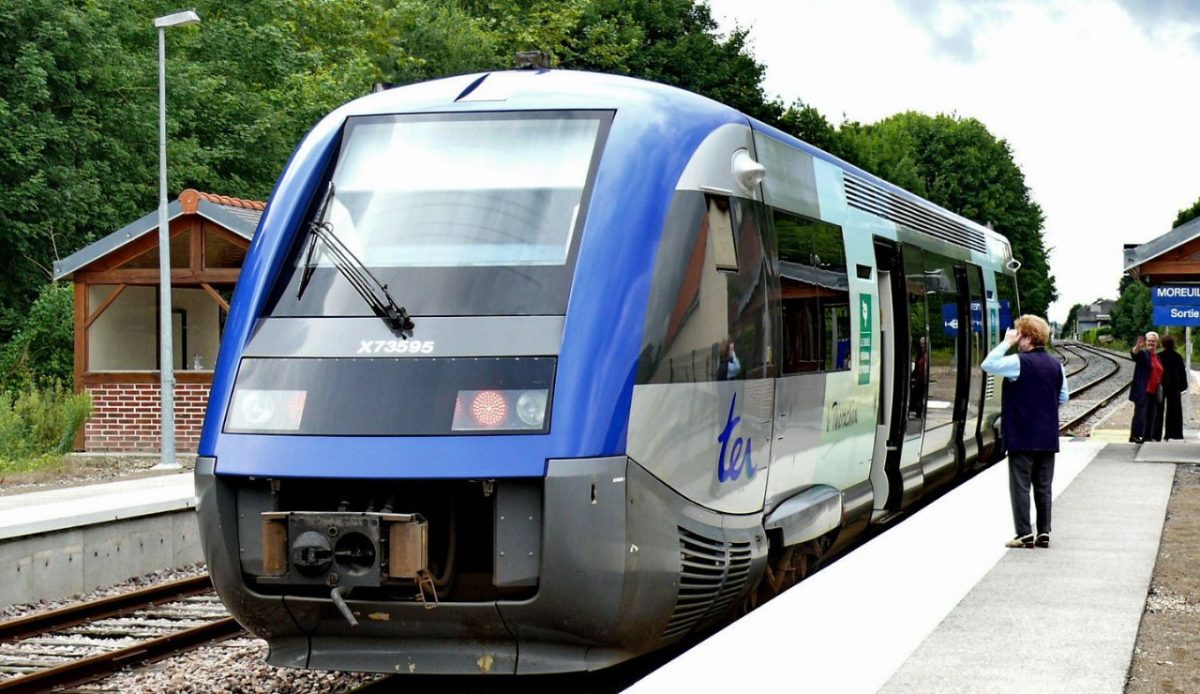
SNCF’s TER regional trains, which serve smaller towns across France, sometimes face cleanliness issues. Limited cleaning staff and frequent stops can leave carriages cluttered with trash and dirty floors. Restrooms are often poorly maintained, especially during rush hours or in older trains. Passengers report unemptied bins and unsanitary conditions, which can make long rides uncomfortable. While TER trains offer scenic routes and convenient schedules, travelers should be prepared with personal hygiene supplies and patience, as sanitation may not match the high standards expected on France’s faster TGV services.
3. Deutsche Bahn Regional, Germany
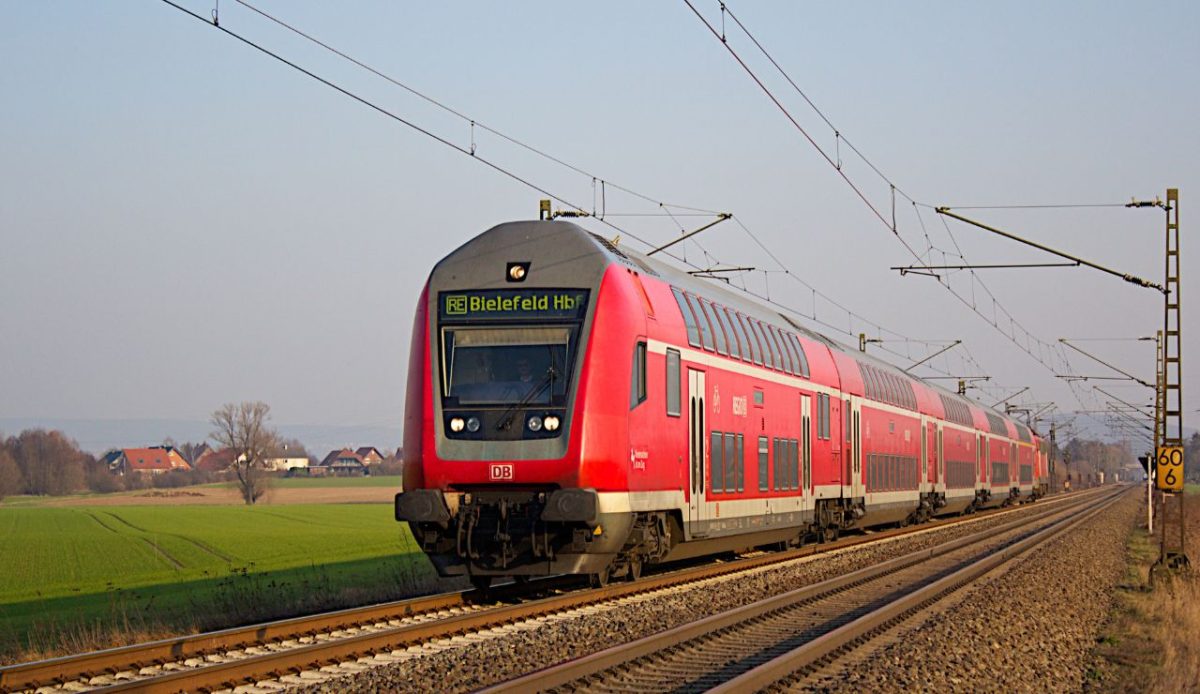
Deutsche Bahn’s regional trains offer access to Germany’s smaller towns but occasionally suffer from cleanliness problems. Dirty floors, leftover food, and unclean restrooms are reported, particularly on heavily traveled routes. High passenger turnover and limited cleaning schedules exacerbate the issue. Older rolling stock may also lack modern sanitation facilities, making long journeys less comfortable. While Deutsche Bahn provides reliable and extensive coverage, travelers should plan ahead, carrying essentials like hand sanitizer and disinfectant wipes to mitigate hygiene challenges on regional trains, especially during peak periods.
4. Renfe Cercanías, Spain
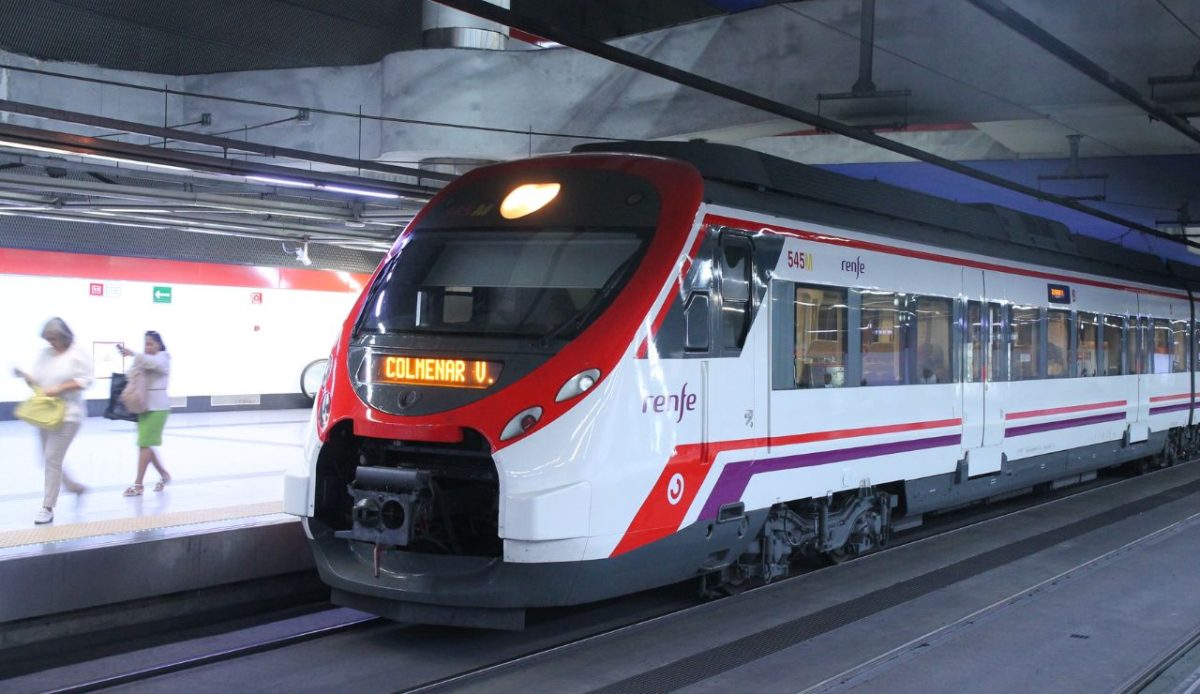
Spain’s Renfe Cercanías trains, connecting urban areas, can sometimes present hygiene issues, especially during crowded commutes. Dirty floors, graffiti, and overflowing trash bins are reported by passengers. Restrooms may be poorly stocked or unclean, and some older trains lack modern sanitation facilities. Despite these challenges, Cercanías trains remain an efficient way to navigate cities and their suburbs. Travelers can improve their comfort by bringing hand sanitizer, wipes, and using restrooms before boarding. Awareness of peak travel times can also help avoid the messiest conditions and ensure a smoother journey.
5. ÖBB Regional, Austria
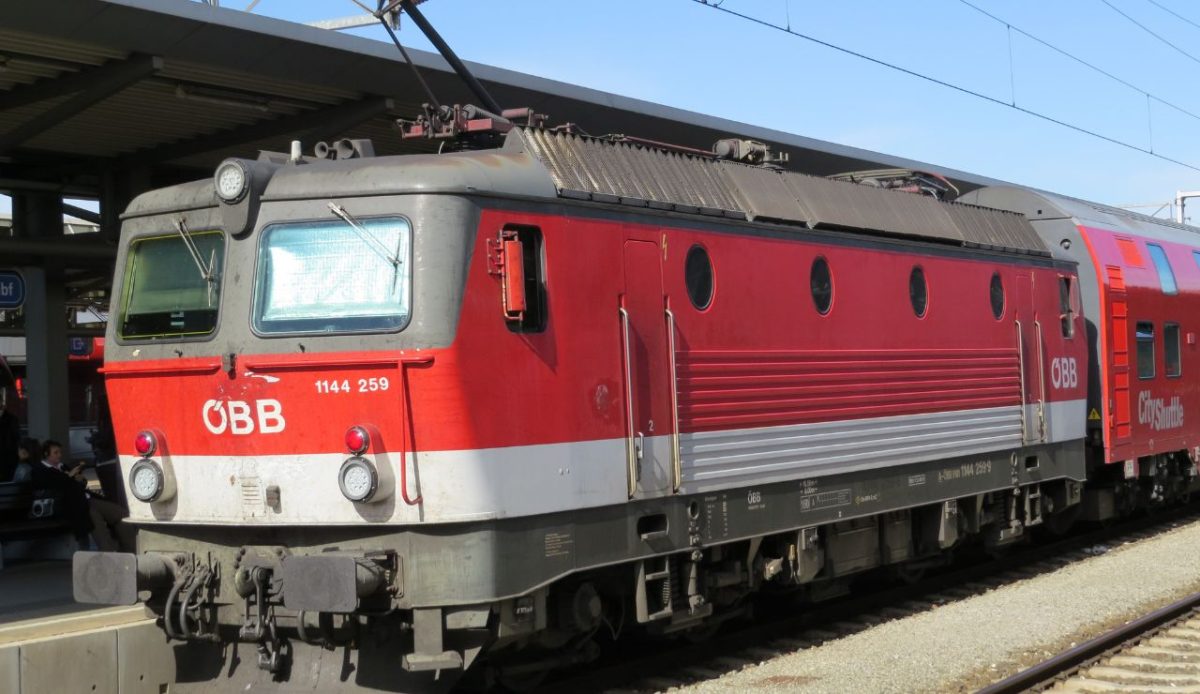
Austria’s ÖBB regional trains, while connecting scenic towns, occasionally struggle with cleanliness. Passengers report unkempt seats, littered aisles, and insufficiently cleaned restrooms. Older trains may lack modern hygiene amenities, making extended trips less pleasant. Frequent commuters contribute to the high volume of trash, challenging the limited cleaning staff. Despite these sanitation issues, ÖBB trains offer reliable schedules and beautiful views of Austria’s countryside. Travelers can prepare by carrying personal hygiene supplies and avoiding peak travel times when the trains are most crowded and sanitation lapses are most noticeable.
6. Swiss Federal Railways Regional, Switzerland
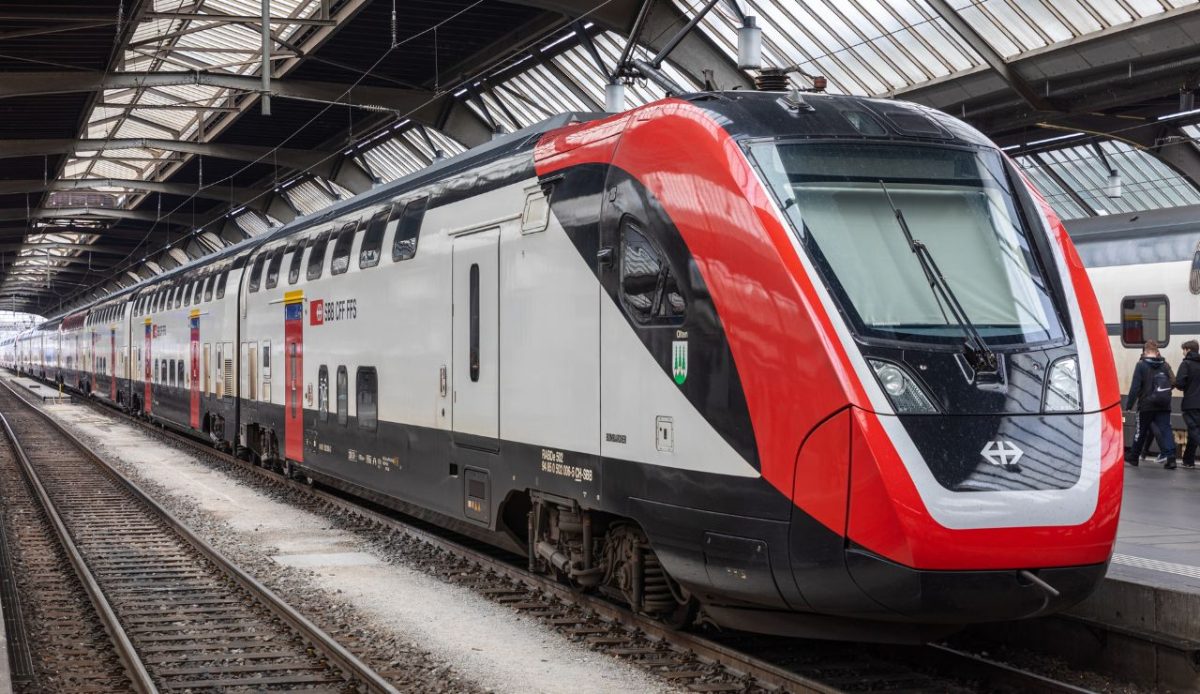
Swiss regional trains are known for punctuality, but some older models have sanitation challenges. Passengers have reported dirty floors, unpleasant odors, and restrooms lacking proper cleaning. High passenger turnover and tight schedules limit cleaning opportunities. While Switzerland’s trains are generally safe and efficient, hygiene on regional services may fall short of expectations. Travelers should carry travel wipes and hand sanitizer, especially for longer trips. Despite occasional cleanliness concerns, these trains provide excellent access to scenic alpine regions, making preparation the key to a comfortable journey.
7. PKP Intercity, Poland
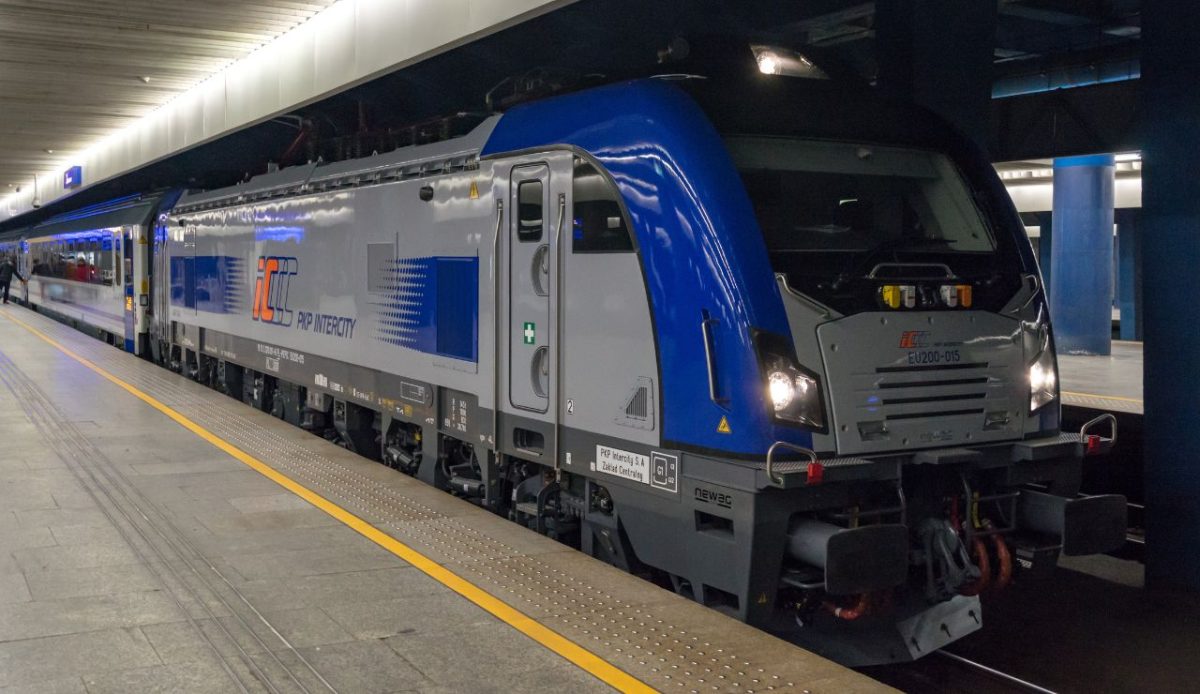
Poland’s PKP Intercity trains connect major cities, yet some carriages show poor cleanliness. Reports include dirty floors, litter, and restrooms in unsanitary conditions. High passenger traffic and aging carriages contribute to hygiene issues. While PKP provides an affordable and convenient way to explore Poland, travelers should be prepared with hand sanitizer, wipes, and perhaps masks during longer trips. Despite sanitation challenges, the trains offer scenic routes and efficient connections, allowing visitors to experience Polish cities and countryside while mitigating discomfort with some personal hygiene preparation.
8. Trenord, Italy
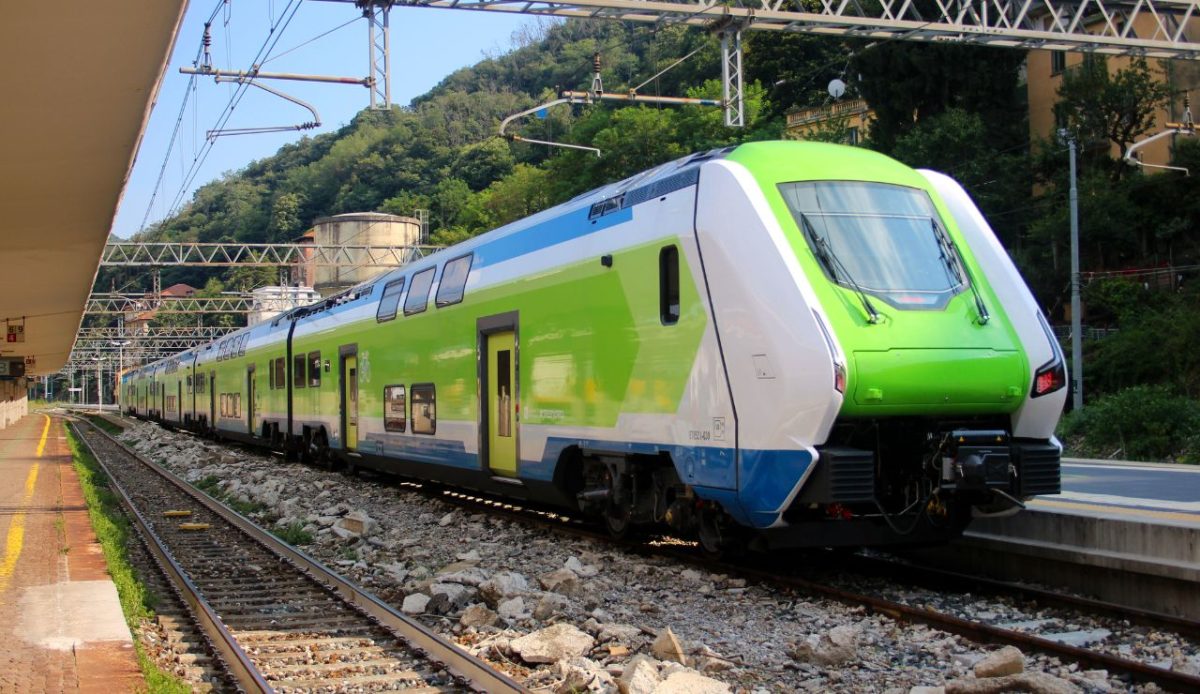
Trenord trains in Northern Italy, serving the Lombardy region, occasionally suffer from poor sanitation. Dirty floors, unemptied trash bins, and less-than-clean restrooms have been reported, particularly during commuter hours. Some older trains lack modern cleaning systems, making hygiene inconsistent. Despite these issues, Trenord remains a practical option for exploring Milan and the surrounding towns. Travelers should carry personal hygiene items and try to board during off-peak hours for a more comfortable experience. Awareness of the sanitation challenges allows visitors to plan accordingly for smoother journeys.
9. ČD Regional, Czech Republic
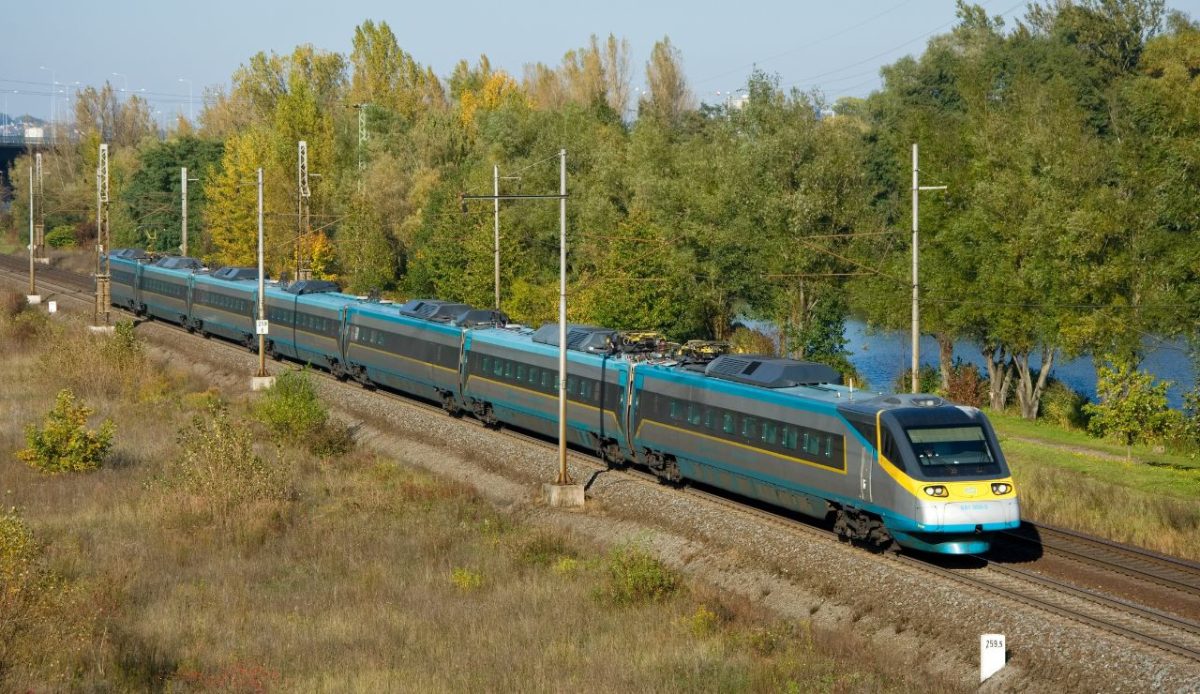
Czech Railways’ ČD regional trains offer affordable access to towns and the countryside but sometimes fall short in cleanliness. Passengers report dirty floors, litter, and poorly maintained restrooms. Older carriages often lack modern sanitation facilities, which can make longer trips uncomfortable. Despite these hygiene challenges, the trains provide efficient connections and scenic views of the Czech landscapes. Travelers should prepare with hand sanitizer and wipes, especially on longer rides or during peak travel times. Being aware of these sanitation issues ensures a smoother and more comfortable journey.
10. Vy Regional, Sweden
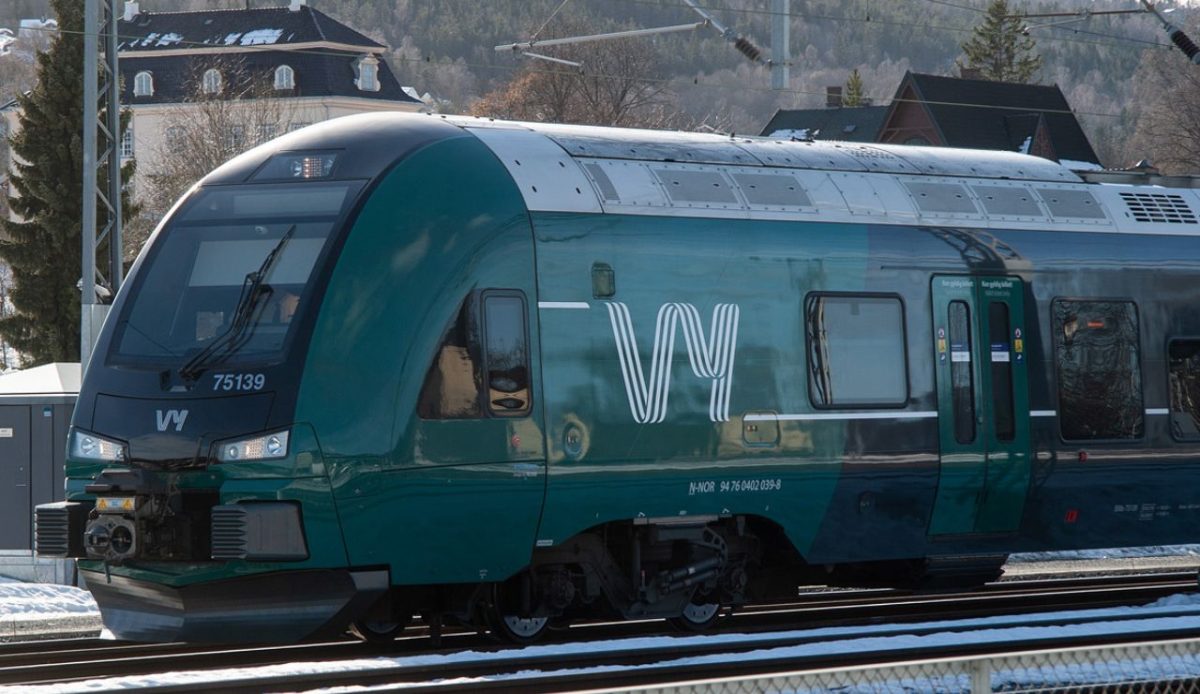
Vy regional trains in Sweden, though reliable, can occasionally have sanitation problems. Dirty seats, cluttered aisles, and restrooms needing attention have been reported. High commuter traffic and limited cleaning between stops contribute to hygiene issues. While Vy provides scenic routes across Swedish towns and countryside, travelers should be prepared with personal hygiene essentials for comfort. Planning trips during less crowded times can also help avoid the worst conditions. Despite sanitation challenges, these trains remain a practical and scenic way to explore Sweden if travelers take precautions.
