
Traveling the world can be thrilling, but some destinations carry an unsettling reputation for tourist disappearances. While many places are perfectly safe, a few have become notorious due to treacherous terrain, criminal activity, or challenging environments. These destinations often combine remote locations, dangerous landscapes, or historical mysteries that intrigue adventurers while posing real risks. Understanding the history and circumstances behind these disappearances helps travelers prepare and make informed choices. This list explores 10 destinations where caution is especially advised.
1. Benin, West Africa
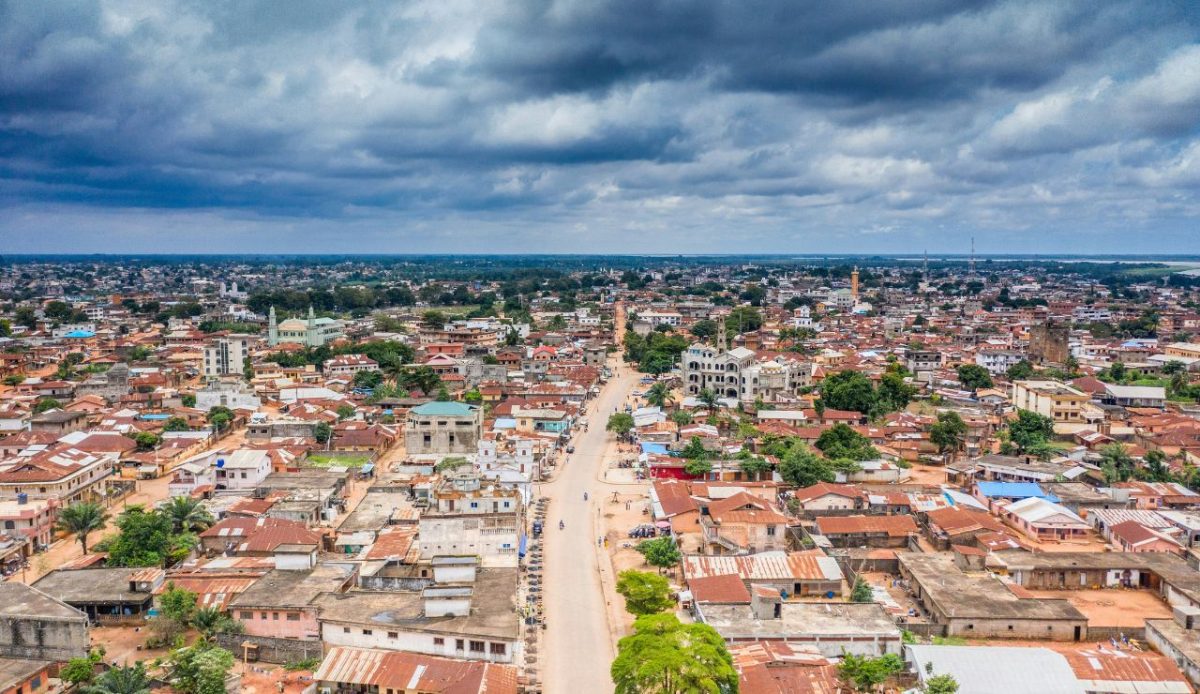
Benin is known for its rich culture, vibrant markets, and historic sites, but the country has a reputation for disappearances linked to remote areas and local traditions. Travelers exploring dense forests, rural villages, and sacred shrines should remain vigilant. While most visits are safe, stories of unexplained disappearances and encounters in isolated regions have circulated over the years. Understanding local customs, hiring trusted guides, and sticking to well-traveled paths are crucial. Benin’s blend of mystery and cultural heritage makes it a destination of fascination, yet caution is warranted.
2. Bermuda Triangle, Atlantic Ocean

The Bermuda Triangle, spanning parts of the Atlantic near Miami, Bermuda, and Puerto Rico, has long intrigued travelers with its tales of disappearing ships and aircraft. While much is speculative, the region’s unpredictable weather, strong currents, and navigational hazards create real risks. Sailors and pilots have reported sudden mechanical failures, compass malfunctions, and unexplained vanishings. Adventure seekers are drawn to the mystery, but understanding maritime safety and weather patterns is essential. The Bermuda Triangle remains one of the most infamous locations linked to unexplained tourist disappearances worldwide.
3. Mexico’s Yucatán Peninsula

The Yucatán Peninsula is popular for its beaches and Mayan ruins, yet some remote areas, including cenotes and jungles, have been linked to tourist disappearances. Isolated sinkholes and unmonitored caves can be dangerous for inexperienced explorers. Additionally, certain regions have seen criminal activity affecting tourists, making vigilance crucial. Guided tours and sticking to well-populated locations reduce risks significantly. Despite these concerns, the peninsula remains a major travel destination due to its natural beauty, cultural richness, and historical significance, blending wonder with caution.
4. Cambodia’s Remote Angkor Areas
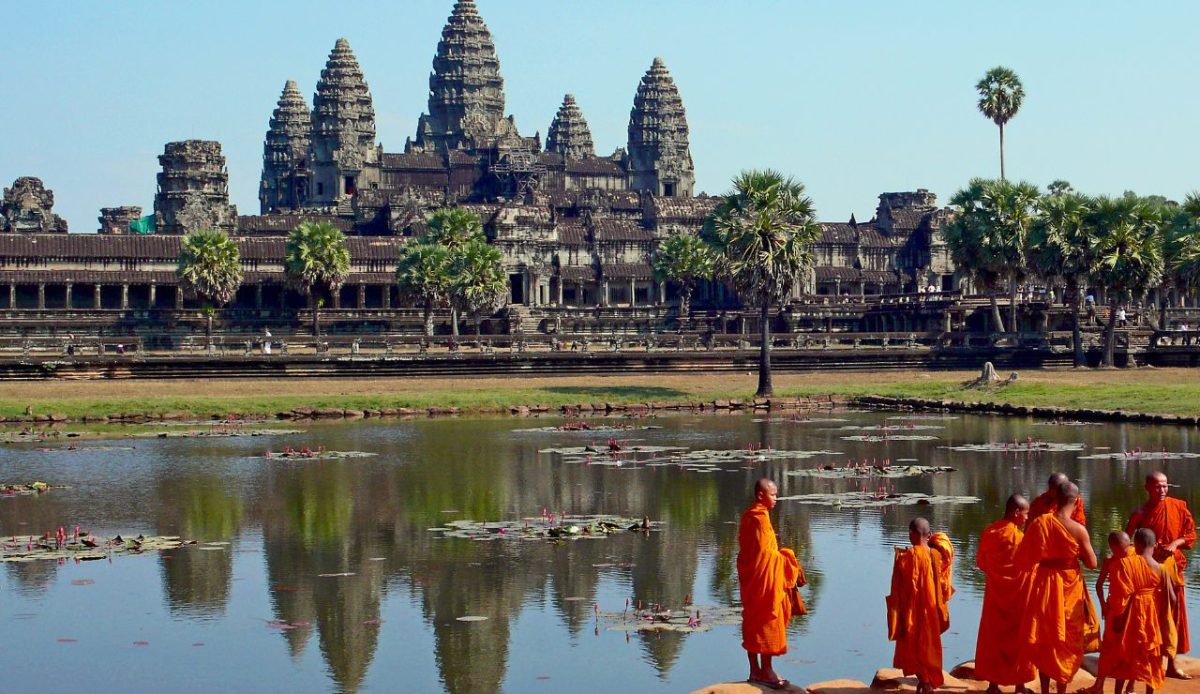
Cambodia attracts millions to the Angkor temples, but remote jungle areas around these sites have witnessed cases of tourist disappearances. Dense forests, abandoned structures, and poorly marked trails pose hazards. While organized tours are generally safe, wandering alone or ignoring local advice can increase danger. Historical conflicts and limited emergency infrastructure in rural regions contribute to risk. Travelers should always use reputable guides and stay on recognized paths. Cambodia’s rich history and stunning temples continue to draw visitors, yet awareness of potential hazards is essential.
5. Thailand’s Northern Jungles
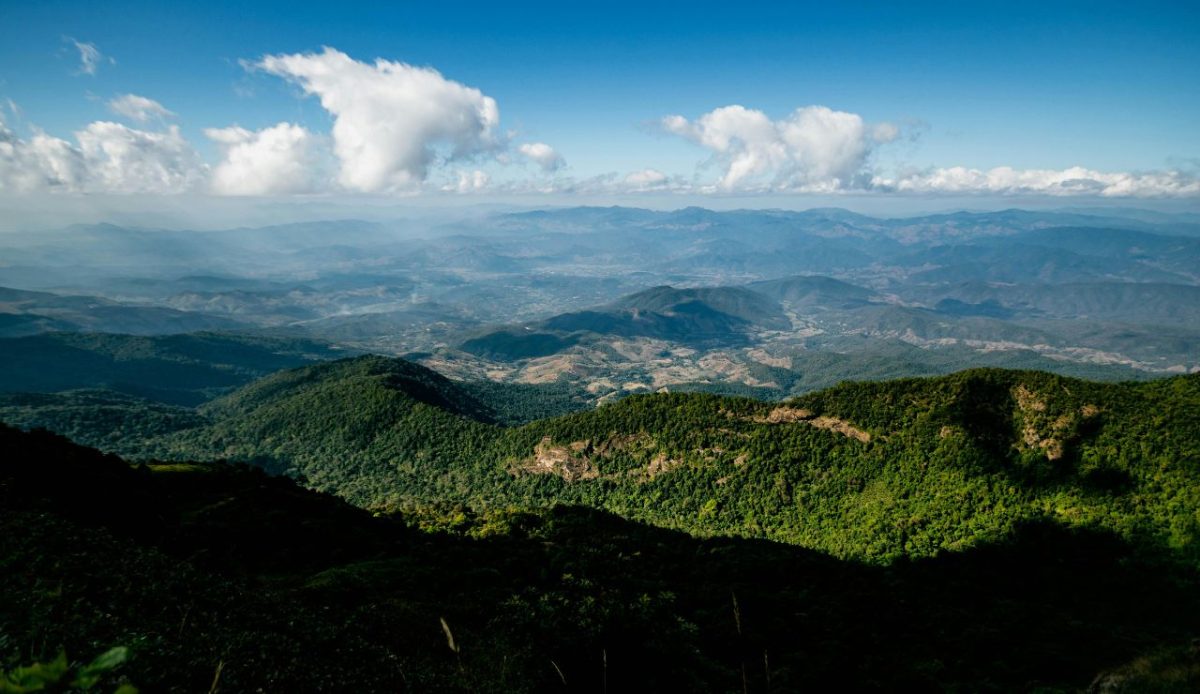
Thailand’s northern jungles, particularly near Chiang Mai and Chiang Rai, offer trekking adventures but have been linked to missing tourist reports. Dense vegetation, remote locations, and unpredictable weather contribute to the risk of getting lost. While most guided excursions are safe, independent exploration without maps or proper equipment is dangerous. Wildlife encounters and river hazards add additional challenges. Responsible planning, hiring certified guides, and maintaining communication ensure a safer experience. Thailand’s natural beauty and cultural richness make it tempting for adventurers, but caution is key.
6. Nepal’s Himalayas
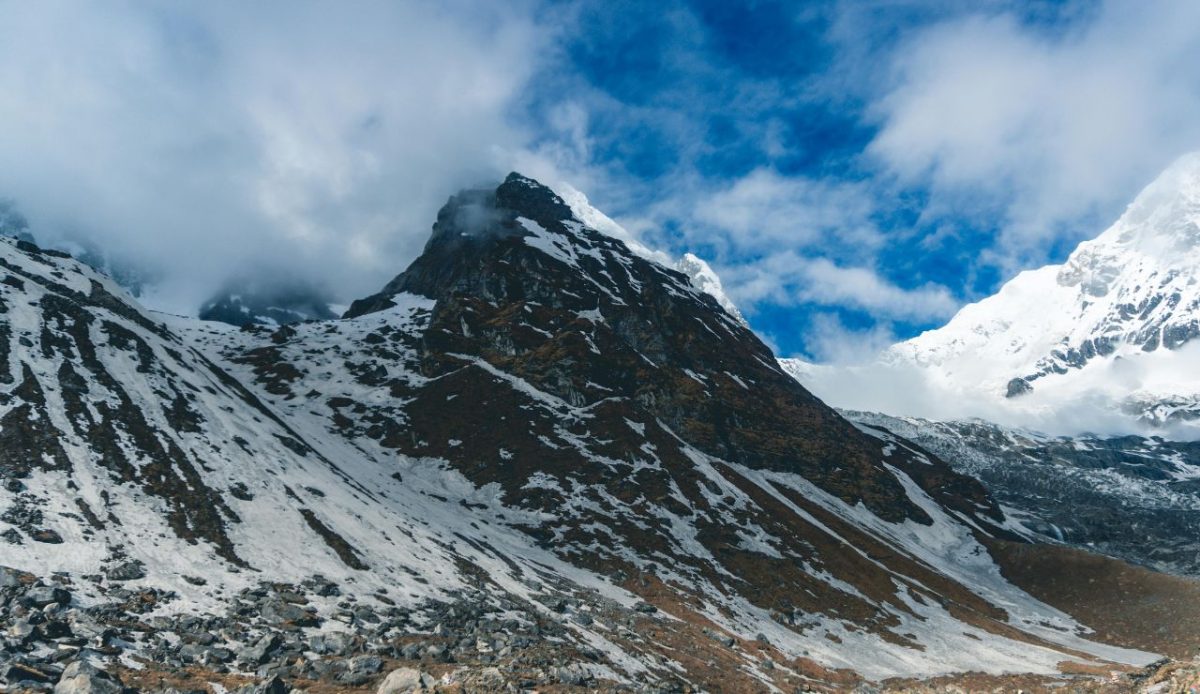
The Himalayas draw climbers and trekkers worldwide, yet harsh conditions have caused numerous tourist disappearances. Avalanches, altitude sickness, and extreme weather make some trails treacherous. Isolated mountain passes and limited rescue services increase the stakes. Proper preparation, experienced guides, and acclimatization are critical for safety. Despite these dangers, the Himalayas remain a bucket-list destination due to their breathtaking scenery and spiritual significance. Awareness of local conditions and respecting nature’s power are essential for any traveler seeking a Himalayan adventure.
7. Madagascar’s Rainforests
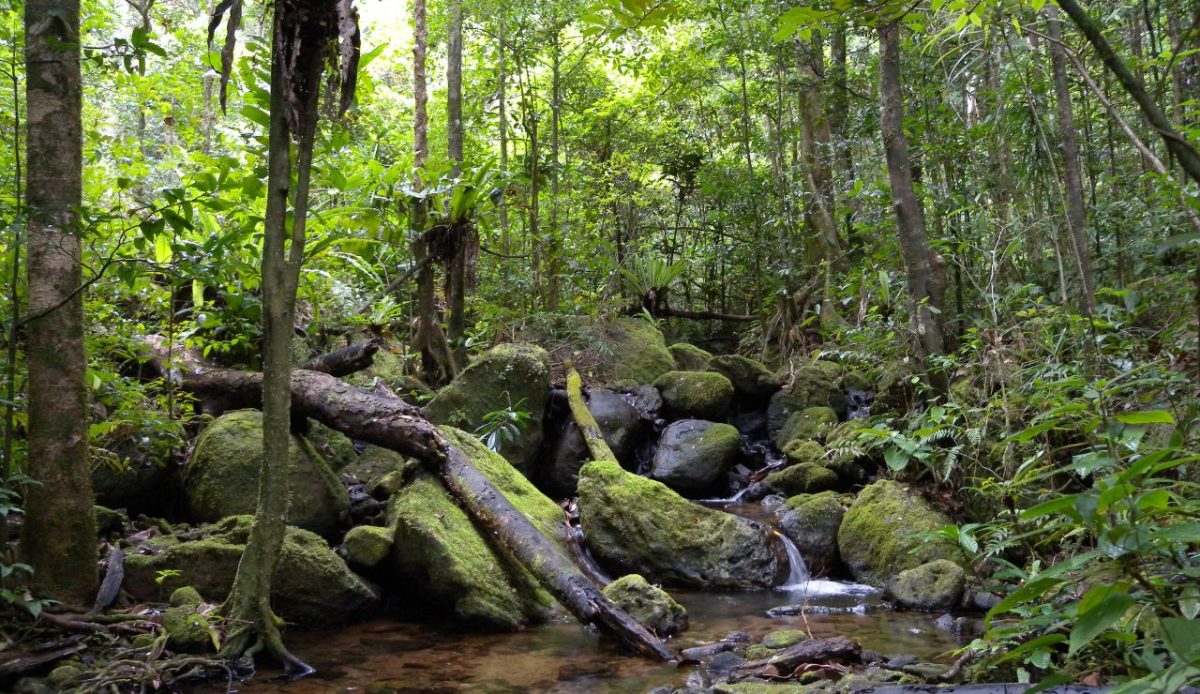
Madagascar’s rainforests are home to unique wildlife but also pose risks for tourists due to dense foliage, rivers, and remote locations. Cases of tourists going missing in isolated regions have been reported over the years. Limited infrastructure, unpredictable terrain, and challenging weather amplify the danger. Guided tours and staying on marked trails significantly reduce risk. Despite these concerns, Madagascar’s extraordinary biodiversity, endemic species, and cultural experiences continue to attract visitors. Travelers should respect local guidance and prepare thoroughly for excursions.
8. Indonesia’s Papua Province
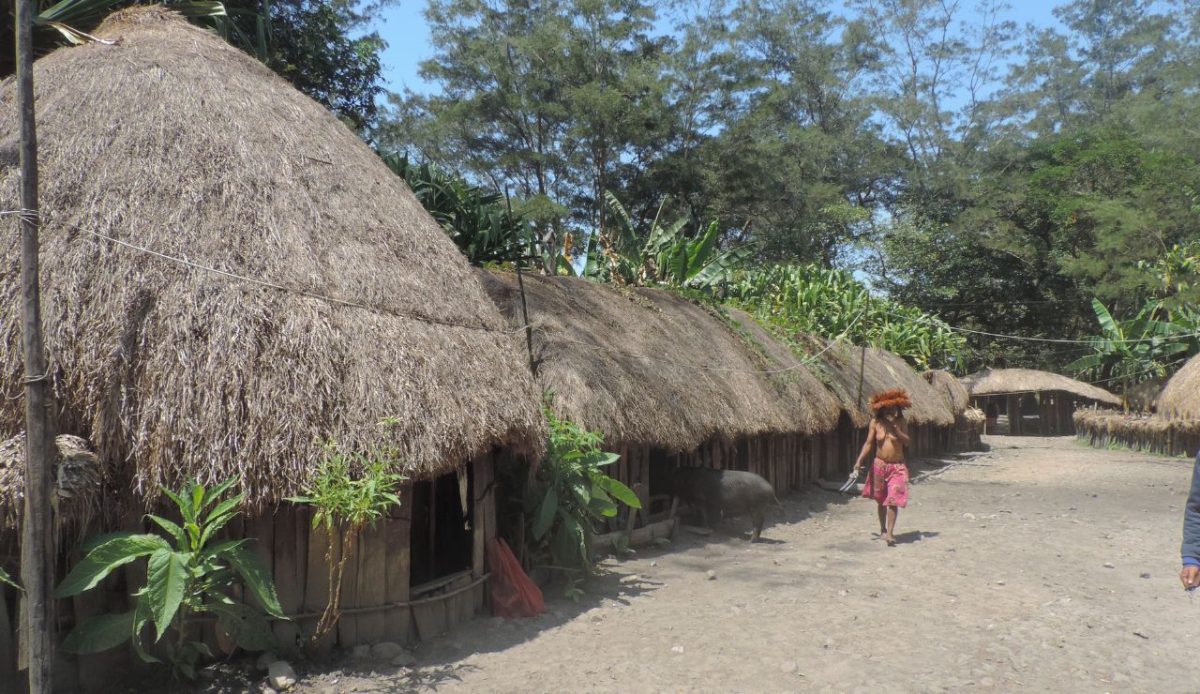
Papua in Indonesia offers untouched natural beauty but is remote and challenging to navigate. Rainforests, mountains, and isolated communities make it a high-risk area for travelers unfamiliar with local conditions. Reports of disappearances often involve trekkers or explorers straying from guided routes. Political instability in certain areas further complicates safety. Travelers must plan carefully, hire experienced guides, and respect local customs. Papua’s stunning landscapes, wildlife, and cultural heritage are alluring, yet the region demands vigilance and preparation to ensure a secure visit.
9. Alaska’s Wilderness, USA
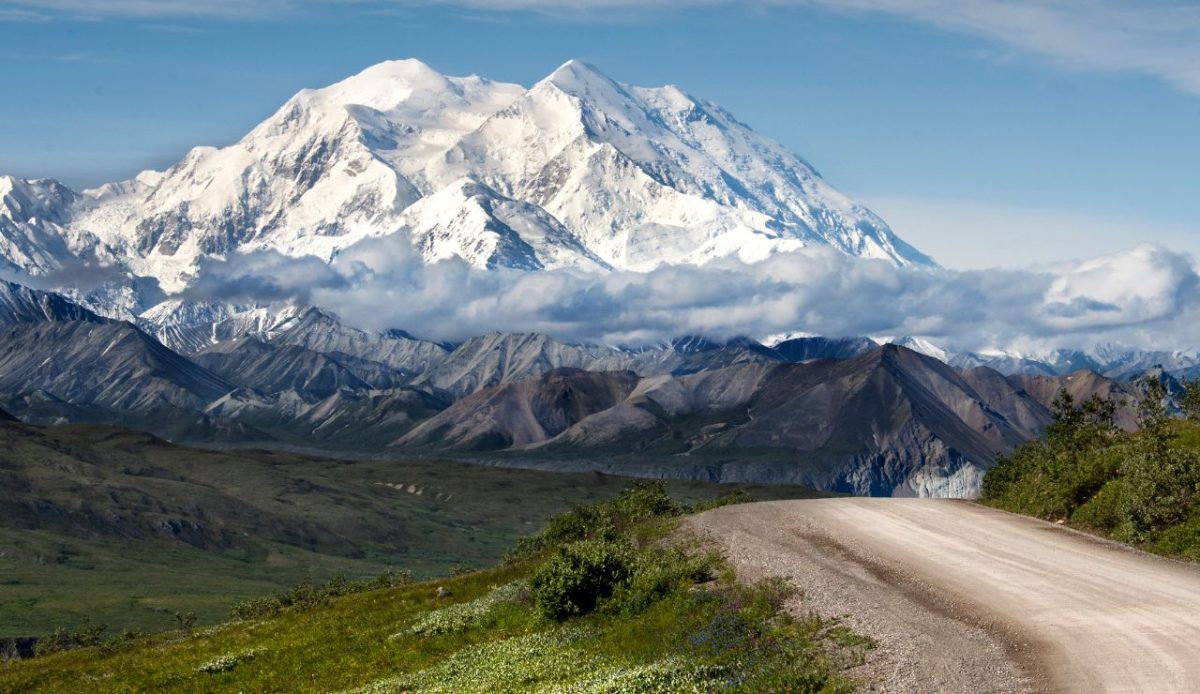
Alaska’s vast wilderness attracts adventurers, but its isolation and unpredictable weather have contributed to missing tourist reports. Remote trails, glaciers, and forests pose navigational challenges. Wildlife encounters, harsh temperatures, and limited emergency access increase risks. Proper equipment, preparation, and guidance are crucial for safety. Despite these dangers, Alaska’s natural beauty, including fjords, mountains, wildlife, and serene rivers, continues to draw explorers. Awareness of potential hazards and careful planning are essential for enjoying Alaska’s rugged landscapes without incident.
10. Chile’s Patagonia
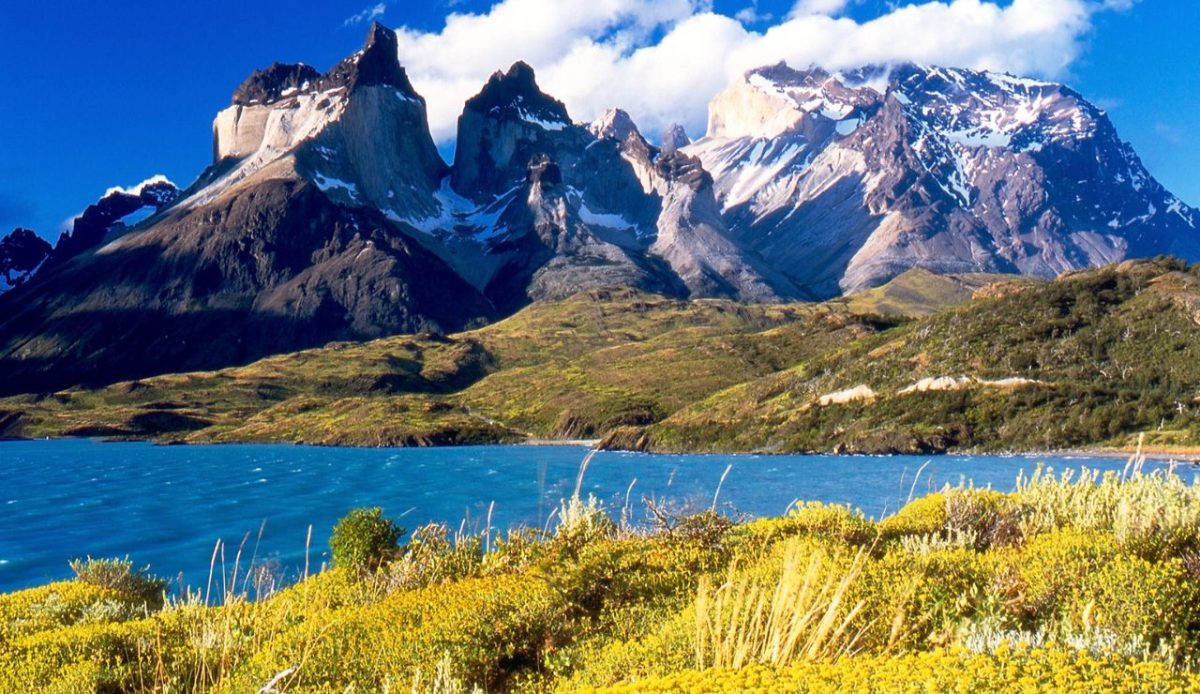
Patagonia is famous for its dramatic landscapes, but its remote mountains and glaciers have led to numerous tourist disappearances. Harsh weather, isolated trails, and sudden storms make trekking challenging. Limited communication and emergency infrastructure increase danger for unprepared travelers. Guided tours, proper gear, and local knowledge are vital for safety. Patagonia remains a bucket-list destination due to its natural wonders, from towering peaks to vast glaciers. Awareness and preparation allow travelers to experience the region’s awe-inspiring beauty while minimizing risks associated with its remote wilderness.
