
Travelers explore the Pacific Northwest for its mountains, rivers, and dramatic coastal areas, yet several locations across this region report consistently high accident numbers. Terrain, weather, and limited rescue access often create situations where small mistakes escalate quickly. Regional agencies and park teams release regular safety updates, and their data shows how many incidents begin with misjudged distances, missed weather checks, or movement on unstable surfaces. Roads, trails, and shoreline areas all carry different risks, but shared patterns appear across these places: steep drops, limited visibility, fast-changing conditions, and long response times that make timely decisions essential.
1. North Cascades National Park
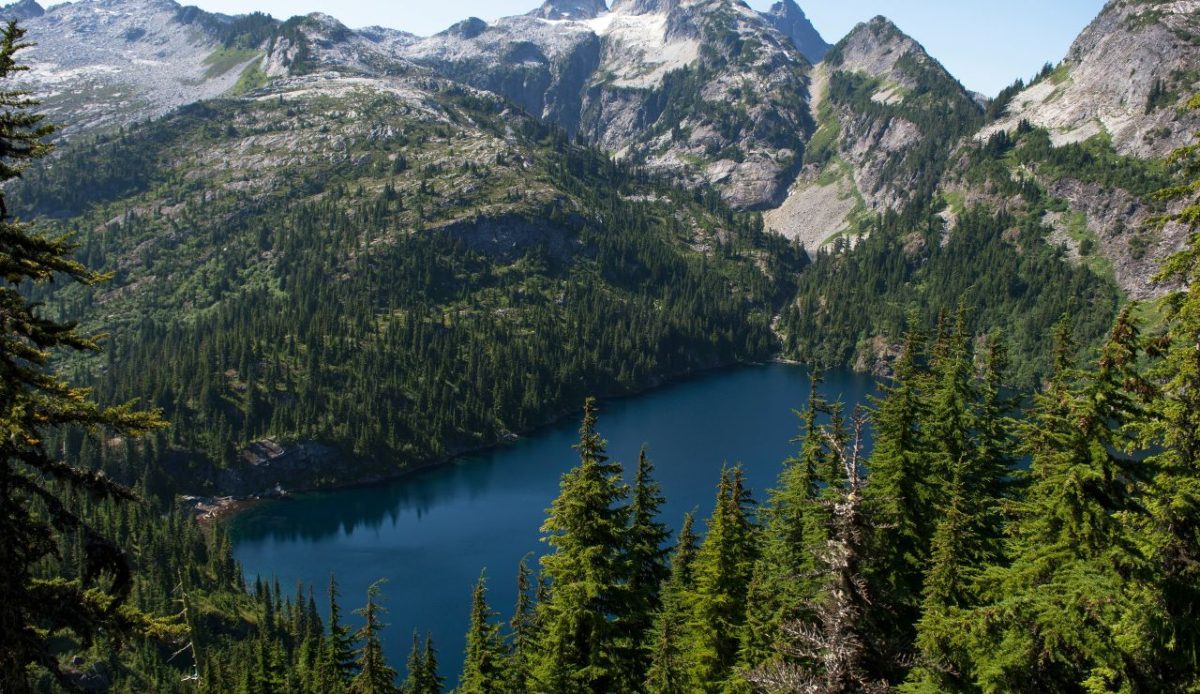
North Cascades continues to rank as one of the deadliest areas in the region because travelers often underestimate how the terrain shapes every decision. Long ascents demand steady pacing, while narrow ridgelines offer little recovery space when footing slips. Rangers track changing snow levels through the season, yet hidden crevasses remain a constant threat. Rescue teams cover a wide range, but distance slows response time, especially during storms. Many incidents start with late turnarounds that push hikers into darkness. Travelers who monitor daylight windows and follow precise route plans navigate the area with fewer emergencies.
2. Mount Rainier National Park
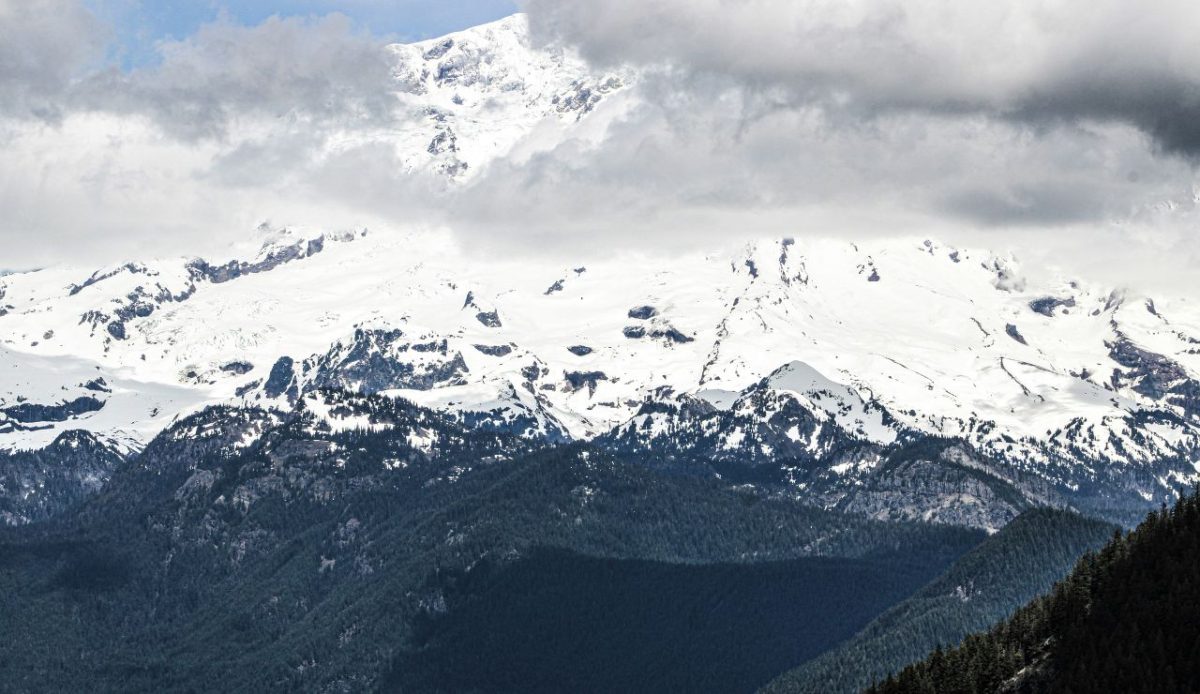
Mount Rainier’s high elevation and fast weather changes create conditions where minor errors turn into severe problems. Strong winds across the Muir Snowfield reduce visibility within minutes, leading to disorientation even for prepared groups. Ice on the upper routes shifts daily, which increases the chance of slips during afternoon melt. Road access also becomes hazardous when sudden freeze-thaw cycles form black ice around Paradise. Rescue crews stay active, yet terrain slowdowns remain unavoidable. Travelers who track weather patterns across multiple updates and stay within marked areas manage the climb far more safely than those who push limits.
3. Mount Hood
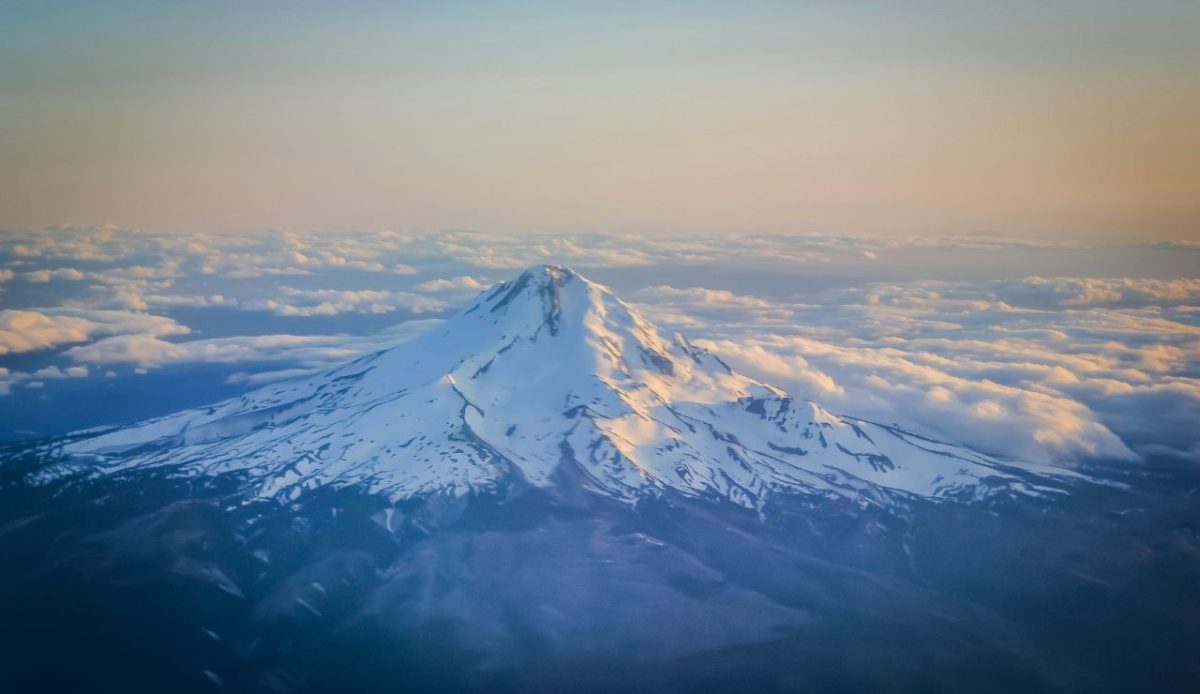
Mount Hood records repeated fatalities because many visitors assume the climb stays predictable due to its proximity to populated areas. The mountain’s upper slopes quickly reveal how changing ice layers and strong gusts reshape conditions in a single hour. Falls often begin during simple moves on hardened snow where crampons become mandatory. Late-season melt exposes unstable sections that shift beneath climbers, creating gaps that are hard to detect from below. Rescue teams respond frequently but must navigate steep terrain that slows progress. Travelers who adjust pace early and use proper gear reduce most of the mountain’s common risks.
4. Columbia River Gorge
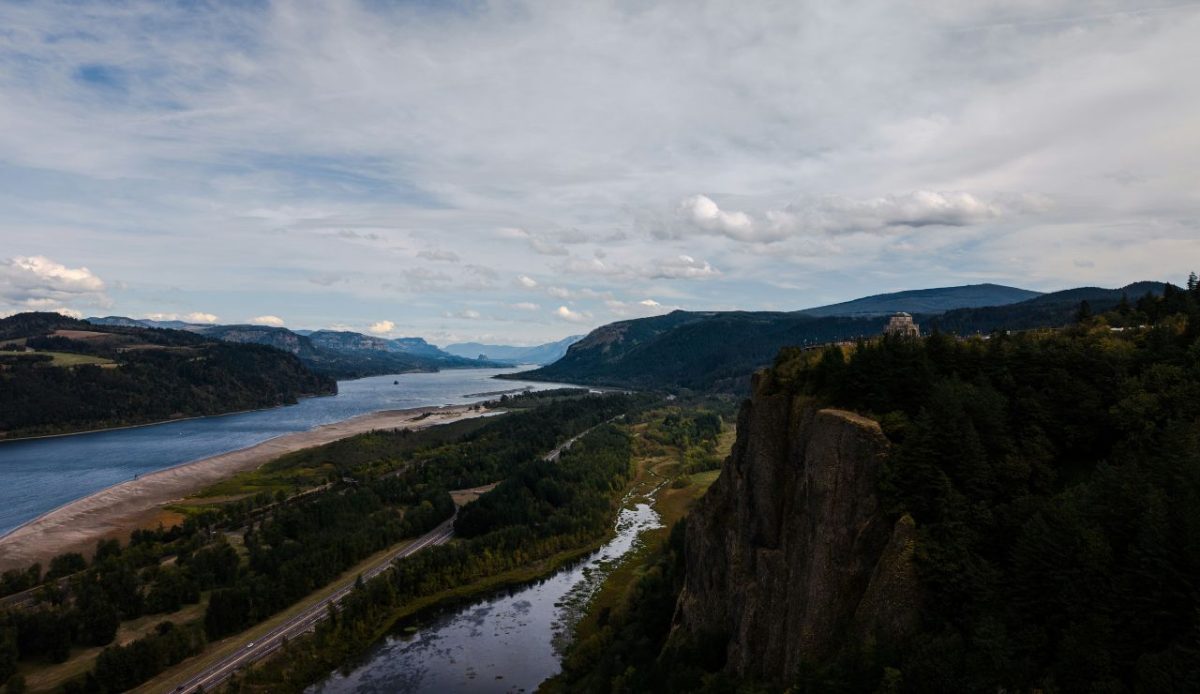
The Columbia River Gorge draws heavy foot traffic, yet the cliffs and narrow ledges around Multnomah, Horsetail, and Oneonta remain among the most dangerous spots for hikers. The first impression of easy walking fades once wet rock and steep drops appear along the trail. Wind gusts push hikers off balance at ridge lookouts, and crowding near viewpoints increases slips on slick stone. Many incidents occur on short detours where people step toward unstable edges. Rangers urge travelers to watch their footing closely and avoid moving past barriers. Those who pace themselves and maintain distance from the edges stay far safer.
5. Oregon Coast Sneaker-Wave Zones
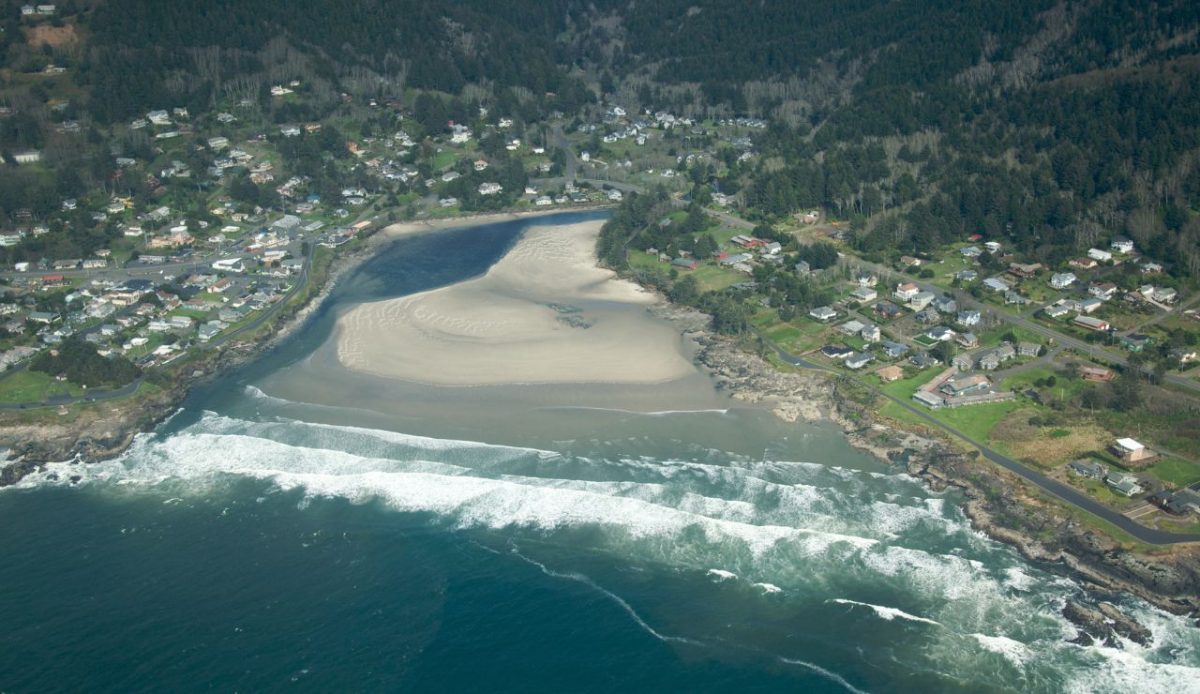
Sneaker waves along the Oregon Coast continue to cause deadly incidents because visitors often misread calm conditions as safe. Large surges form without warning and sweep across beaches with enough force to drag people into strong currents. Logs become dangerous when lifted by water, and several fatal cases involve travelers standing near them seconds before a surge arrives. Locations near Yachats, Siletz Bay, and Fort Stevens show repeated emergency responses during the winter months. Rangers advise keeping a wide buffer from the surf zone and avoiding wet sand entirely. Travelers who follow that guidance face fewer life-threatening situations.
6. Stevens Pass
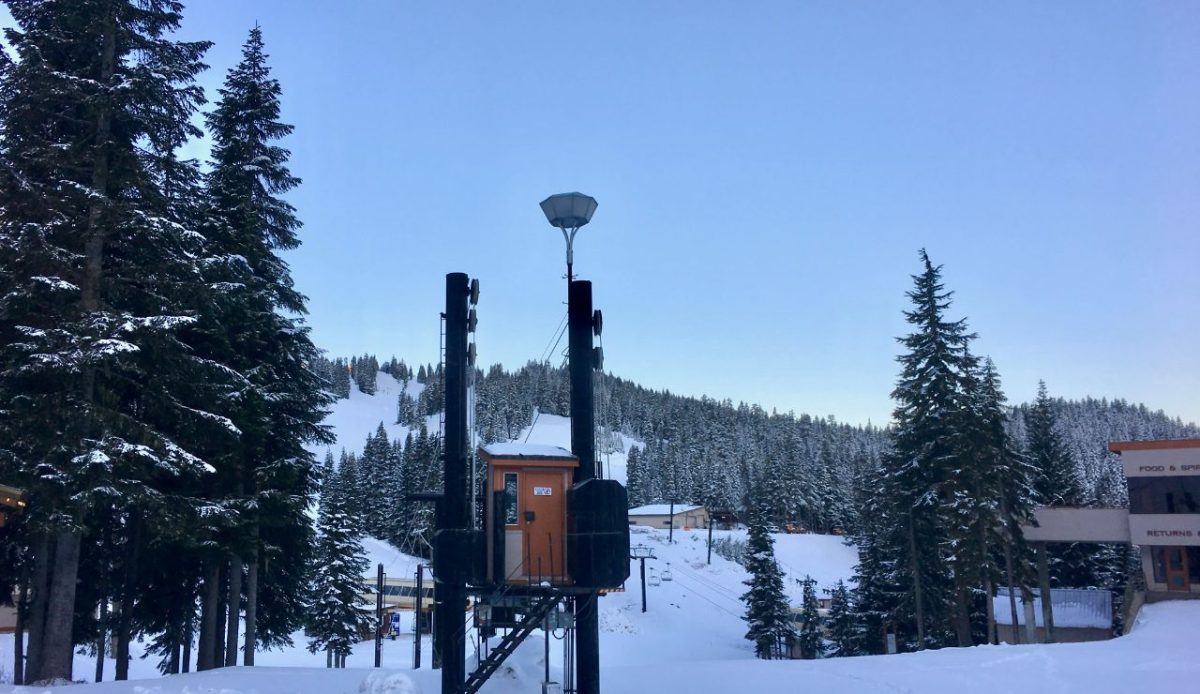
Stevens Pass poses repeated dangers because weather changes influence nearly every movement on the trails and the highway. Snowfall increases quickly, which reduces visibility for drivers and crowds the turns on U.S. Highway 2. Ice forms across shaded sections, creating conditions where braking distances become unpredictable. Avalanche zones also affect both travelers on foot and motorists during storm periods. Crews work continuously to clear routes, yet timing limits how quickly they can restore safe passage. Many serious crashes start when drivers misjudge speed on downhill stretches. Travelers who drive slowly and check updates before departure face fewer emergencies.
7. I-5 Pierce County Corridor
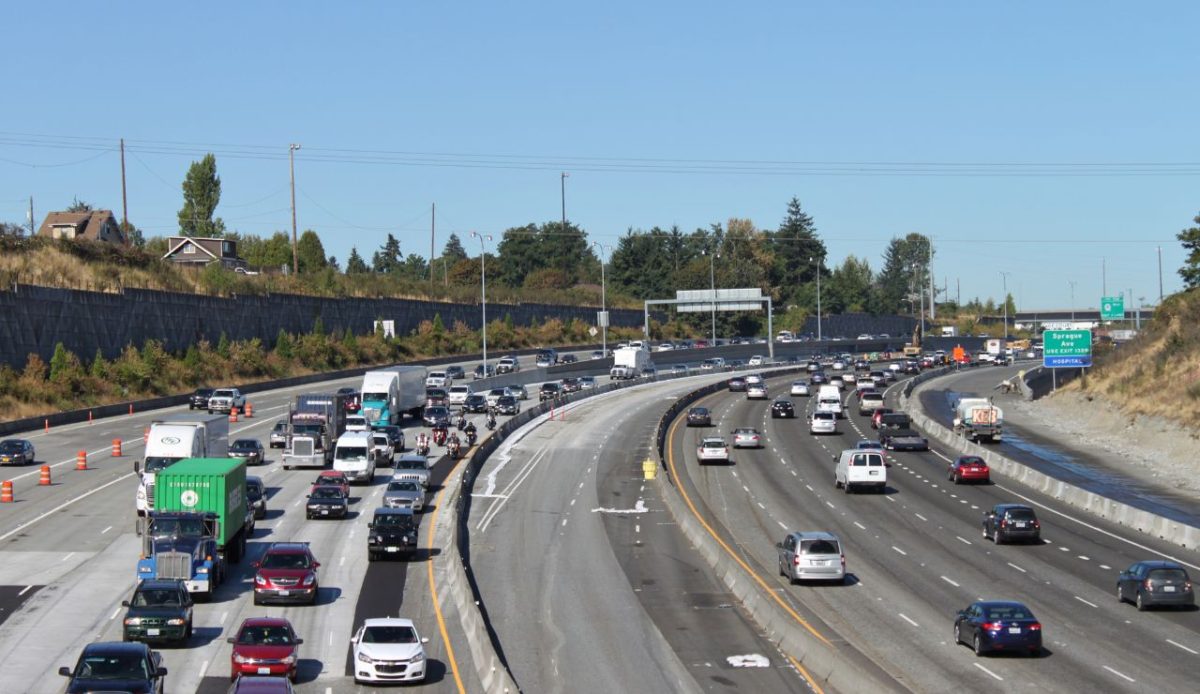
The I-5 stretch through Pierce County records some of the highest fatal crash numbers in Washington because heavy traffic meets high-speed lanes with limited reaction space. Sudden merges around major exits cause chain reactions that escalate quickly during peak hours. Weather adds to the risk when rain reduces tire grip across long segments of pavement. Commercial trucks increase stopping distances for all vehicles around them, which contributes to rear-end collisions. This corridor sees constant congestion, and many drivers shift lanes without clear visibility. Those who maintain wide gaps and avoid abrupt lane changes stay far safer on this route.
8. East Portland High-Crash Corridors
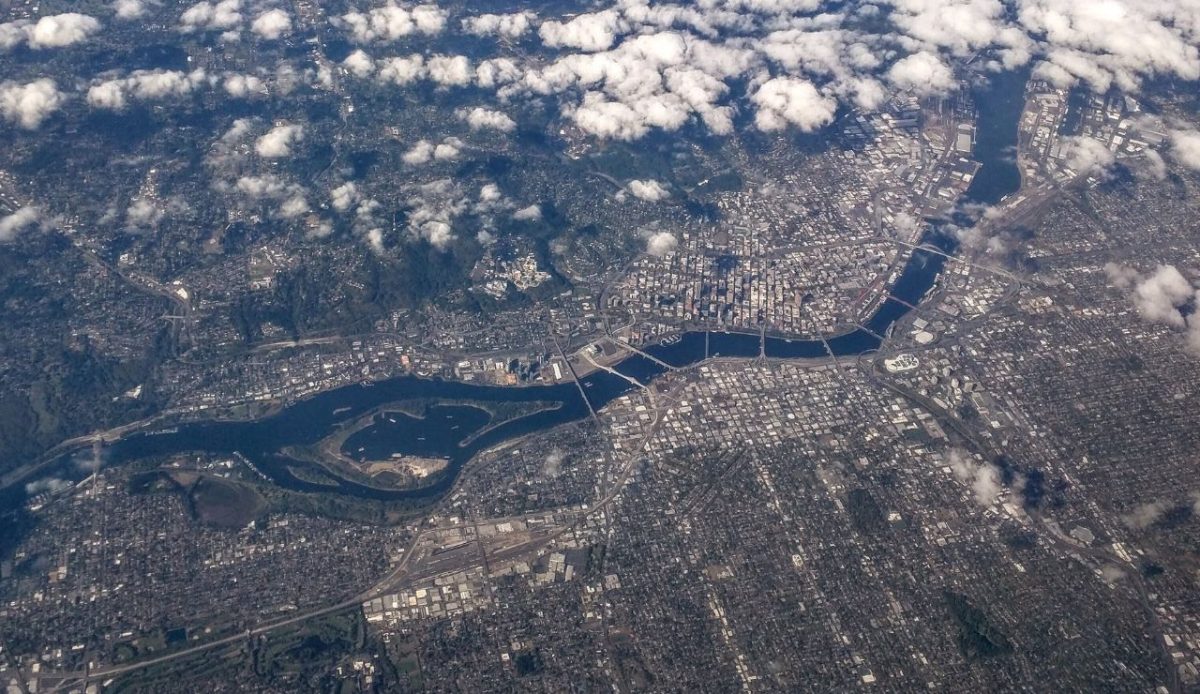
Areas around SE Division, Stark, Powell, and 122nd continue to rank as some of Portland’s deadliest corridors due to the interaction between high traffic flow, frequent crossings, and limited protected infrastructure. Many incidents begin when drivers or pedestrians misjudge timing at complex intersections with long signal cycles. Speeding remains a major factor, especially during late hours when the roads appear open but visibility stays low. City reports show that lighting gaps increase danger at several points along these roads. Travelers who use marked crossings, avoid rushing through yellow lights, and stay alert near turning vehicles reduce their risk significantly.
9. Smith Rock State Park
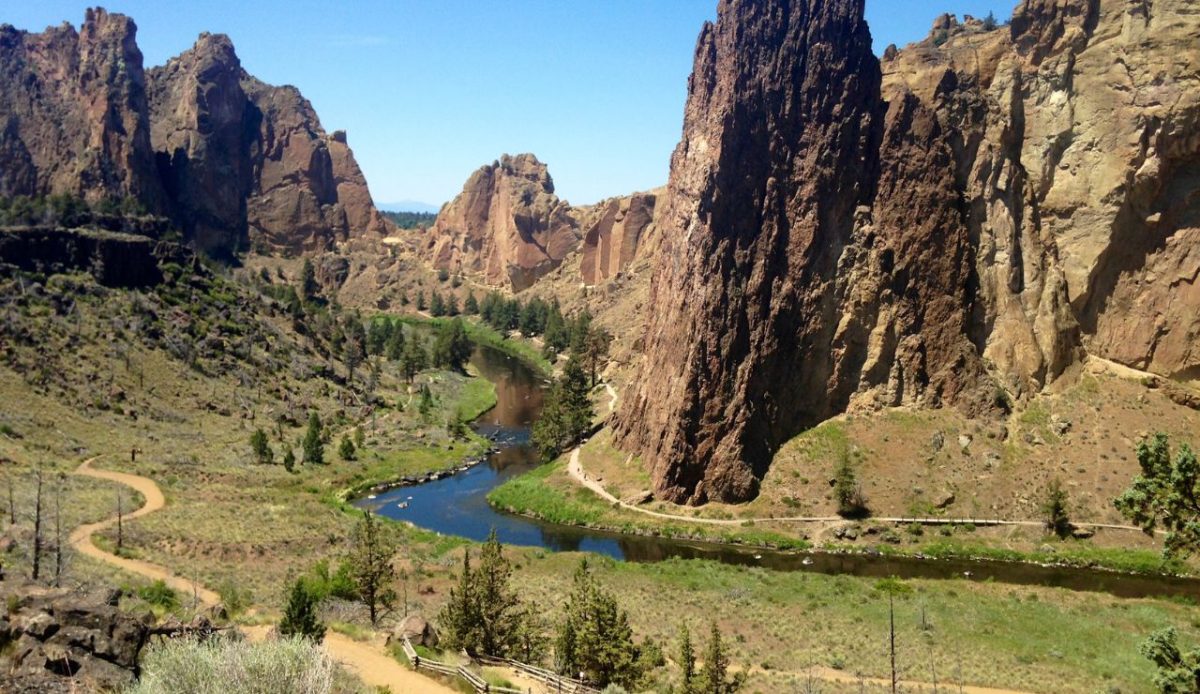
Smith Rock’s Misery Ridge and other exposed routes remain hazardous because the terrain demands precision at every step. Slips often occur on loose gravel sections that sit above steep drops, leaving little room to recover once momentum shifts downhill. Afternoon heat pushes hikers to move faster than planned, which leads to fatigue near the summit. Winter conditions bring ice patches that blend with sand-colored rock, making them difficult to spot until it is too late. Rescue teams respond regularly, yet steep walls slow progress. Travelers who pace themselves, use proper footwear, and avoid unmarked shortcuts stay much safer.
10. Hells Canyon
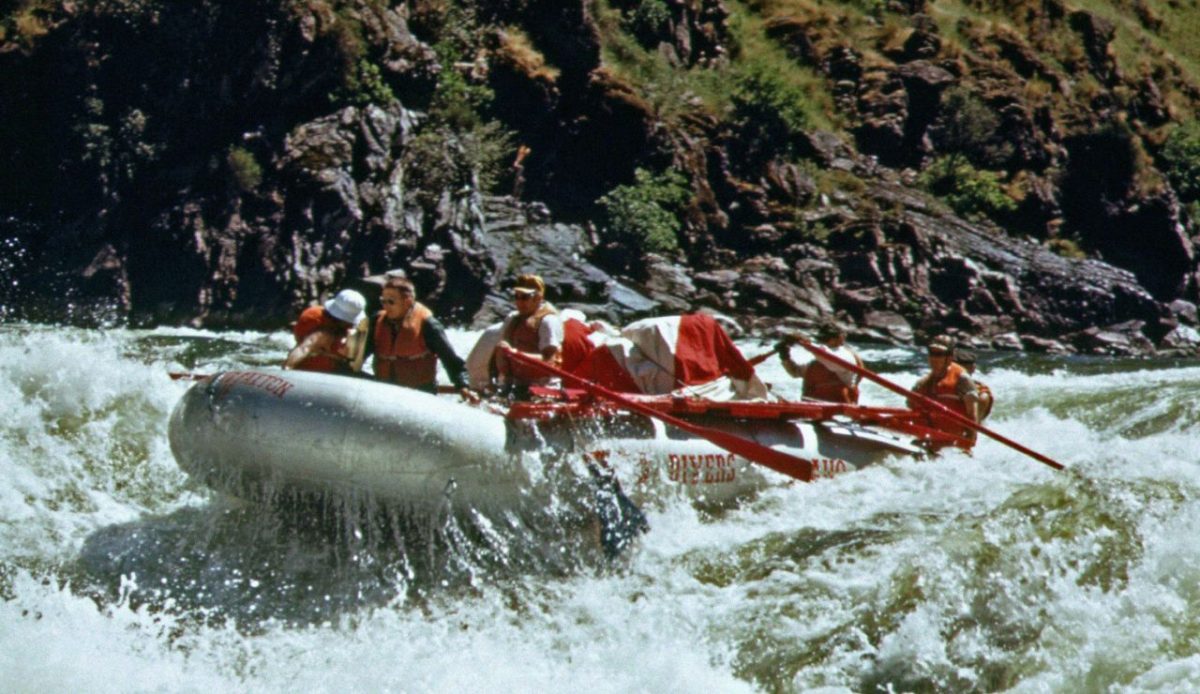
Hells Canyon poses serious risks due to strong river currents, steep slopes, and limited access points for emergency crews. Boaters often underestimate the force of the Snake River, particularly near technical rapids that require quick reactions. Capsizing incidents rise when visitors attempt routes without trained guides. The canyon walls also trap heat during summer, pushing hikers toward exhaustion on long climbs. Trails become narrow and unstable in sections where rock shifts after storms. Rescue operations take time because teams must navigate rugged terrain. Travelers who join guided river trips and carry reliable navigation tools manage the area more safely.
