
Cruise cabins were once designed to offer a balance between comfort and storage for travelers spending days at sea. As ships have expanded and competition has increased, many cabin layouts have changed. Storage space is often reduced to fit more rooms, leaving fewer closets, drawers, and shelves for guests.
Limited storage quickly affects daily comfort. Suitcases take up floor space, clothing must be packed carefully, and personal items are often left on beds or chairs. These issues are more noticeable on longer cruises.
This article examines ten cruise cabin types where shrinking storage space has frustrated guests and influenced the onboard experience.
1. Inside Cabins on New Mega Ships
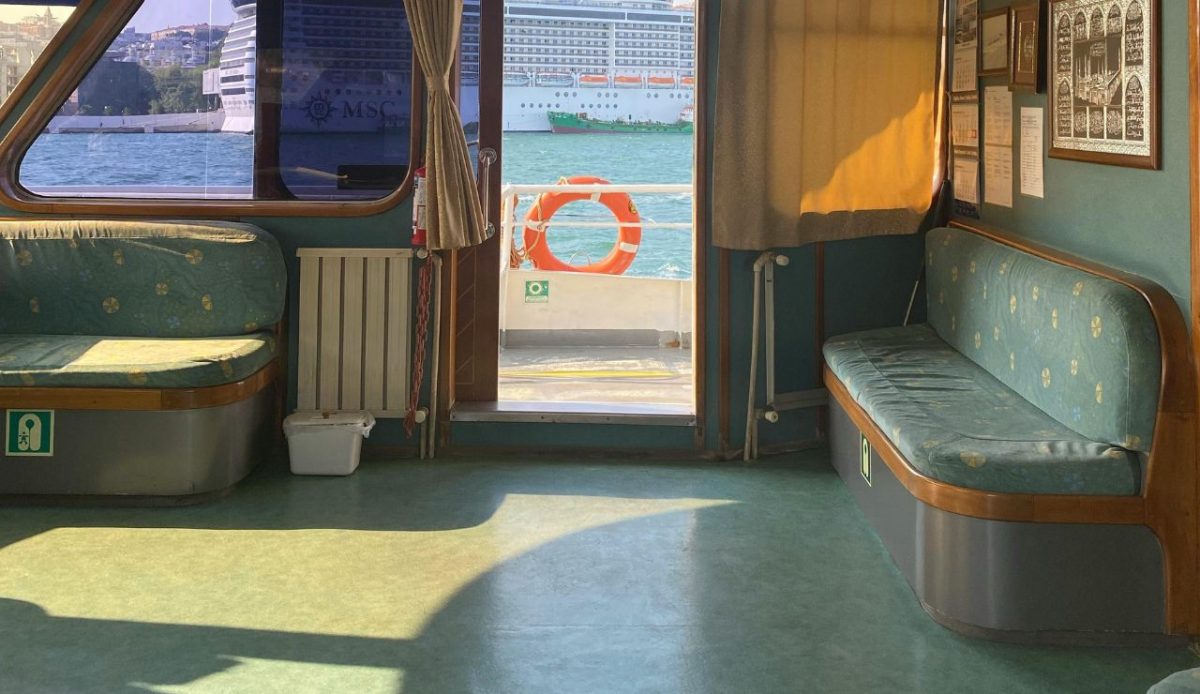
Inside cabins on newer mega ships are often the smallest rooms available, and storage is usually the first feature to be reduced. Closets tend to be narrow, with limited hanging space that barely accommodates formalwear or jackets. Drawers are few, forcing guests to keep belongings in suitcases.
Because these cabins lack windows, lighting and mirrors are used to create an illusion of space. However, these additions do little to solve practical storage problems. Bags often end up tucked under beds, leaving little room for movement.
For budget-conscious travelers, inside cabins remain popular. Still, guests expecting functional storage may find these compact layouts challenging over multi-day sailings.
2. Standard Oceanview Cabins
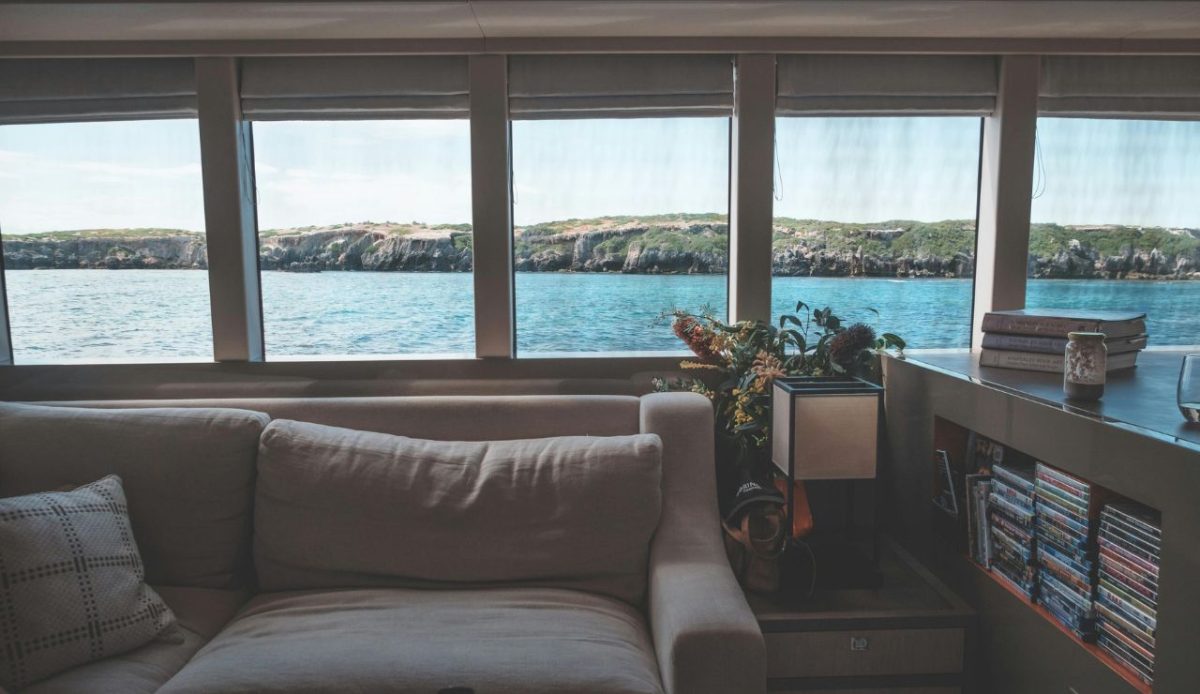
Oceanview cabins provide natural light, but storage space has not increased at the same pace as window size. Many feature a single small wardrobe and limited shelving, which fills quickly when shared by two guests. Drawers are often shallow and not designed for bulkier items.
The emphasis on window placement sometimes reduces wall space that could otherwise support cabinets. As a result, travelers must carefully ration storage between clothing, shoes, and personal accessories.
While the view enhances the experience, guests on longer cruises may feel constrained. The lack of flexible storage options can make keeping the cabin organized a daily task rather than a convenience.
3. Interior Cabins with Virtual Windows
Cabins with virtual windows replace traditional storage features with large screens that display ocean views. These screens take up valuable wall space, leaving less room for cabinets or shelving. Closets are often slimmer to compensate for the technology.
Although the digital view improves ambiance, it does not address the practical needs of travelers. Luggage frequently remains unpacked, and personal items are spread across available surfaces.
For short cruises, this setup may feel manageable. On longer itineraries, the reduced storage becomes more noticeable, especially for guests who prefer to fully unpack and settle in.
4. Studio Cabins for Solo Travelers
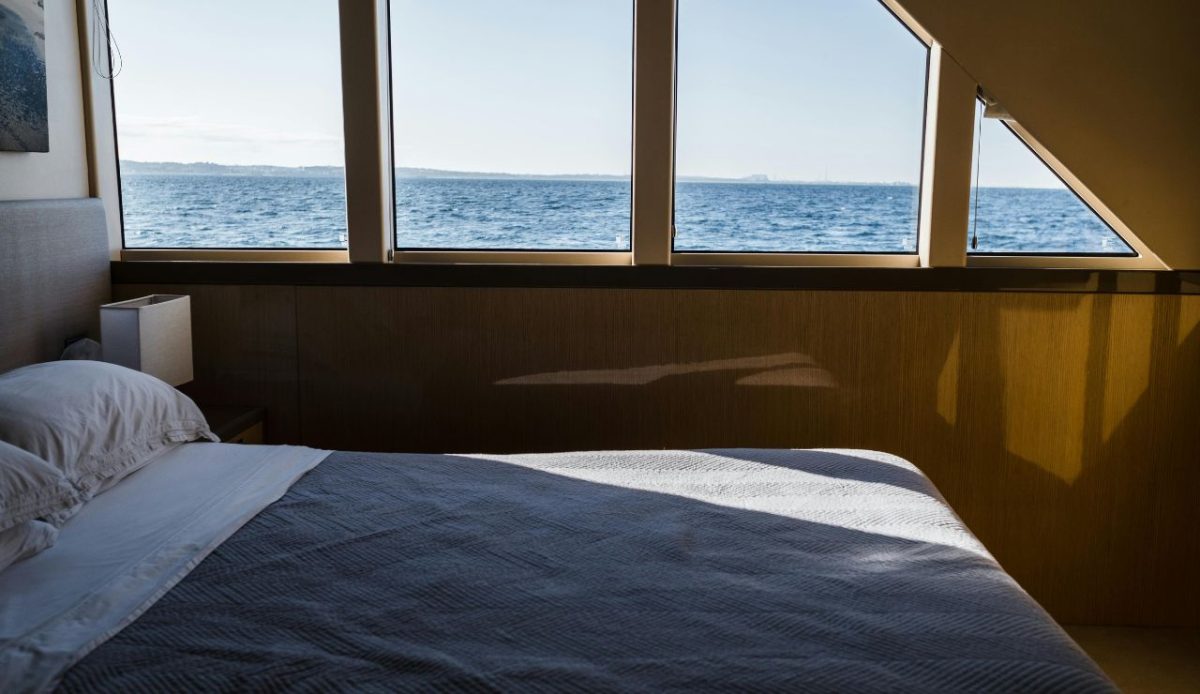
Studio cabins are designed for solo cruisers, but compact sizing often means minimal storage. Closets are typically small, with limited hanging room and only a few drawers. There is little flexibility for storing extra shoes or bags.
These cabins focus on efficiency rather than adaptability. Beds may fold or convert, reducing under-bed storage options that guests often rely on. Shelving is sparse and primarily decorative.
Solo travelers may appreciate the privacy and pricing, but limited storage can make the space feel cramped. Packing light becomes essential to maintain comfort throughout the cruise.
5. Balcony Cabins on High-Density Decks
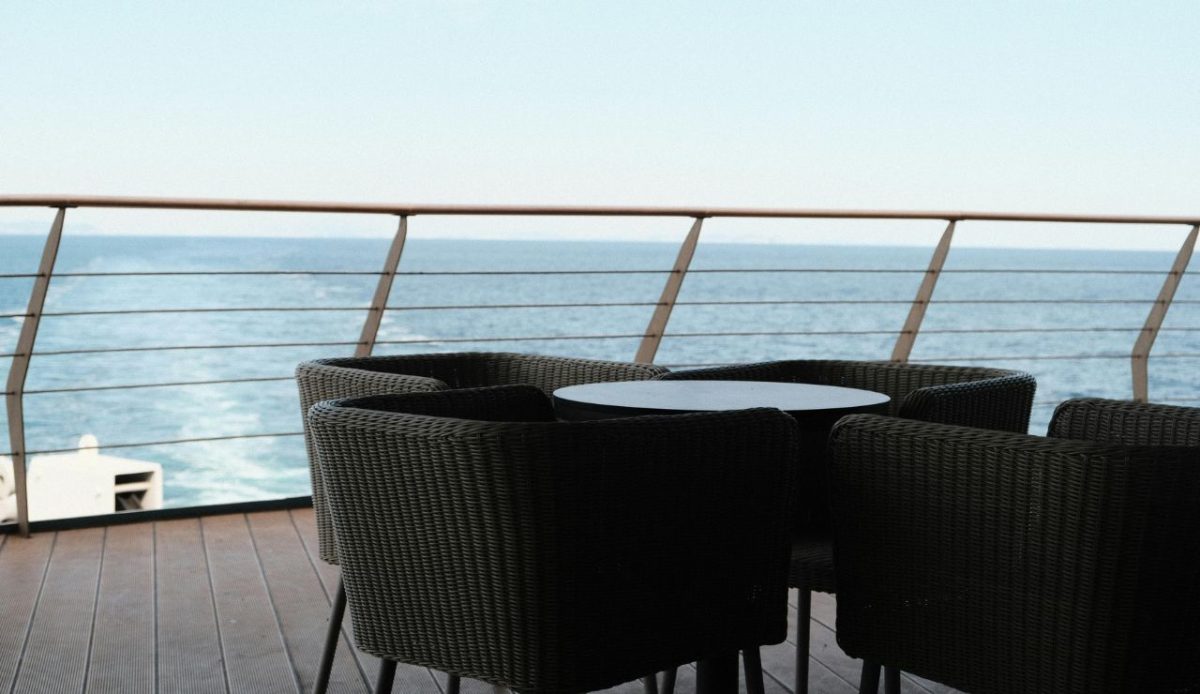
Balcony cabins on high-density decks often sacrifice interior storage to maintain consistent room dimensions. While the balcony adds outdoor space, interior closets and drawers remain modest. Guests sometimes assume a larger overall footprint means more storage, which is not always the case.
Designs often prioritize seating and bed placement over cabinetry. This leaves fewer enclosed areas for personal belongings, especially for families or couples sharing the room.
The balcony itself offers no storage benefit, and items cannot be left outside. As a result, guests may struggle to keep their living space clutter-free.
6. Family Cabins with Convertible Layouts

Family cabins are designed to sleep more passengers, but storage space rarely increases to match the higher occupancy. Bunk beds, sofa beds, and convertible layouts consume wall areas that could otherwise hold closets or cabinets, leaving limited storage shared among several guests.
When multiple travelers unpack into one room, luggage and personal items pile up quickly. Few drawers and shelves make it hard to separate belongings, resulting in cluttered floors and crowded surfaces that reduce usable space.
On short cruises, families may cope with careful organization and light packing. During longer sailings, the imbalance between sleeping capacity and storage becomes more noticeable and adds daily frustration to the cabin experience.
7. Spa Cabins with Open Designs
Spa cabins often emphasize open, minimalist layouts intended to create a calming environment. In practice, this design approach usually reduces enclosed storage, replacing traditional cabinets with open shelving. While visually appealing, these choices limit how much guests can store discreetly.
Items such as robes, workout clothing, and casual wear must share small closets with everyday outfits. Without enough drawers, personal belongings remain visible, making it harder to maintain a tidy and relaxing space.
Although the aesthetic supports wellness themes, guests who prioritize organization may find these cabins impractical. On longer cruises, the lack of hidden storage becomes increasingly noticeable.
8. Budget Cabins on Older Refitted Ships
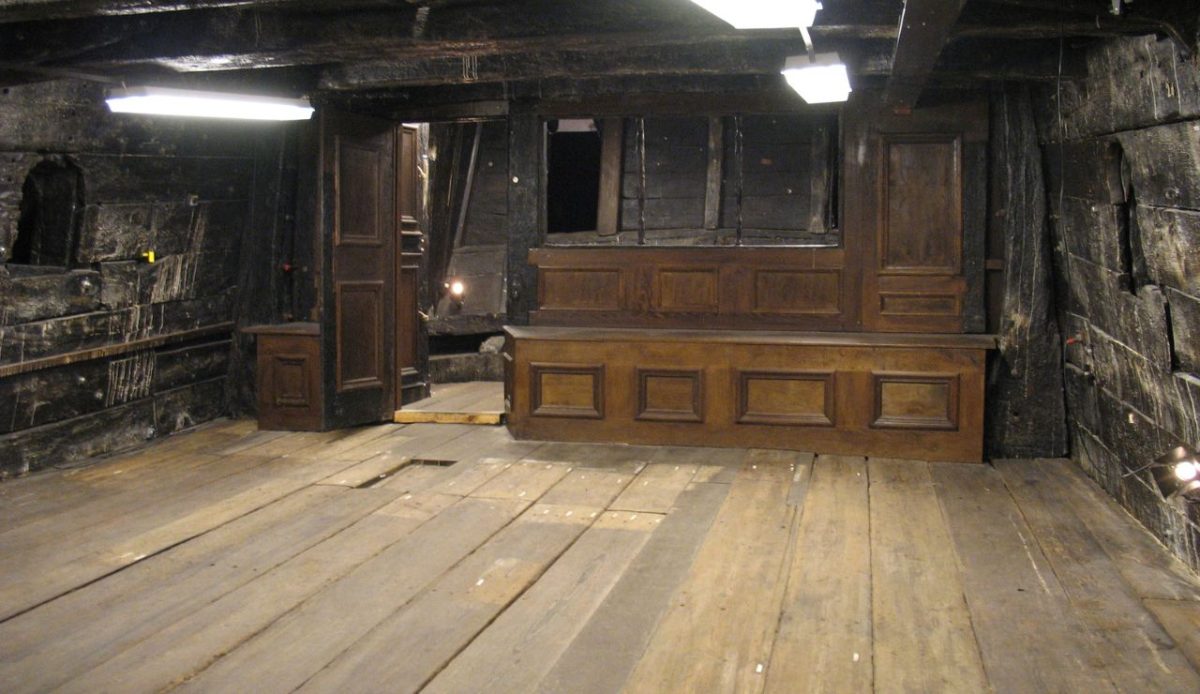
Budget cabins on older ships that have been refitted often feature reduced storage due to renovation choices. Built-in furniture may be removed to modernize interiors or increase capacity, unintentionally eliminating drawers and closet space in the process.
These cabins may also retain layouts designed for smaller luggage from earlier travel eras. Modern suitcases are bulkier, yet storage solutions have not evolved to match current packing needs.
Travelers selecting these cabins for affordability may be surprised by limited functionality. Efficient packing and frequent reorganization become necessary to avoid overcrowding the confined space.
9. Accessible Cabins with Modified Interiors
Accessible cabins are designed to support mobility needs, but storage is sometimes reduced during interior modifications. Wider walkways and adapted bathrooms can limit the space available for traditional wardrobes, drawers, and cabinets.
While accessibility features are essential, storage is not always redesigned with equal consideration. This can leave guests with fewer options for organizing clothing, medical items, or personal belongings.
For travelers who require accessible accommodations, comfort involves more than ease of movement. Adequate storage remains an important part of creating a functional and livable cabin environment.
10. Economy Suites with Oversized Furniture
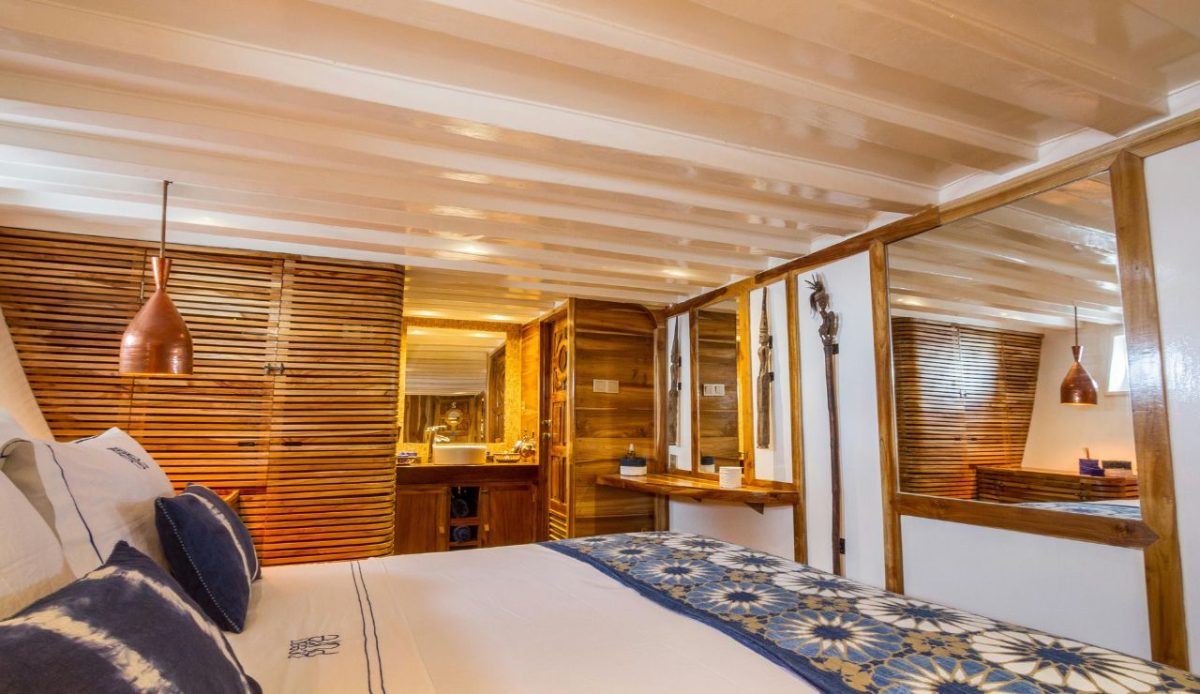
Some economy suites prioritize large beds or expanded seating to create a premium impression, but storage space can be unexpectedly limited. Oversized furniture reduces wall area, leaving fewer opportunities for built-in closets or cabinets.
Guests often expect suites to provide generous storage, only to find closet sizes similar to standard cabins. Decorative features may replace practical storage elements, reducing overall usability.
This gap between expectations and reality can be frustrating. Without thoughtful storage planning, even larger cabins can feel cluttered and difficult to keep organized during a cruise.
