
Travel opens the door to new cultures, but some destinations face significant challenges affecting the quality of life for residents. Economic struggles, infrastructure limitations, political instability, or social issues can influence daily life and impact travelers’ experiences. Understanding these realities before visiting allows travelers to approach each destination with respect, empathy, and preparedness. In this article, we highlight 10 countries where the quality of life may be lower than expected, giving insight into local conditions while encouraging responsible, informed, and safe travel experiences.
1. Afghanistan
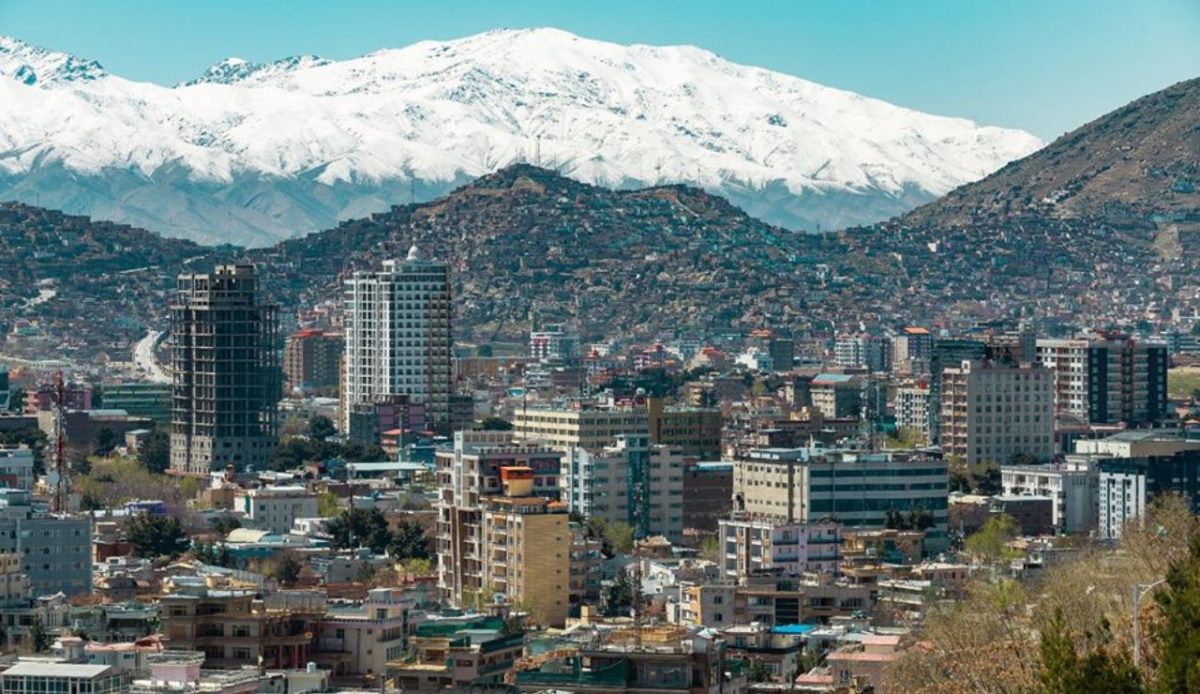
Afghanistan has endured decades of conflict, which has left lasting effects on infrastructure, healthcare, and public services. Daily life can be unpredictable, and basic amenities may be limited, especially outside major cities. Security concerns require careful attention, and travelers must stay informed about regional risks. Despite these challenges, Afghanistan has rich cultural heritage, historic sites, and breathtaking landscapes. Understanding local conditions, customs, and safety protocols is essential for anyone considering travel. Respectful, informed planning is crucial for navigating this complex country responsibly.
2. Haiti
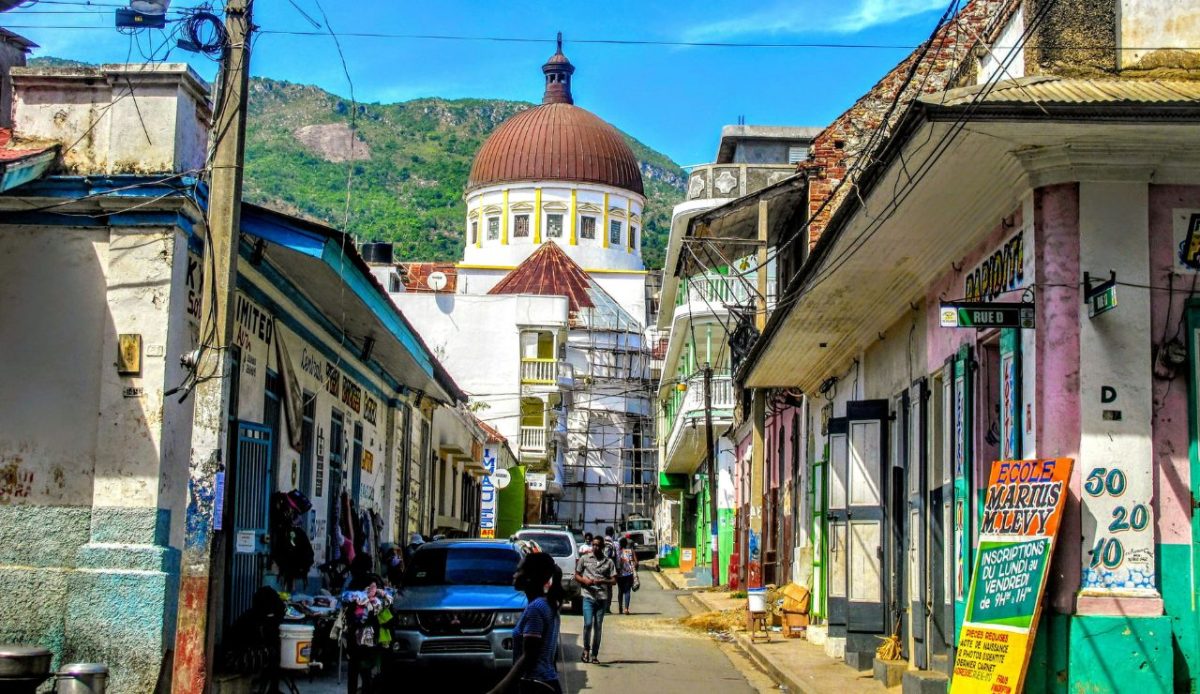
Haiti faces widespread poverty, limited access to healthcare, and vulnerability to natural disasters, affecting the overall quality of life. Transportation and public infrastructure are often unreliable, and essential services can be scarce. However, Haiti offers rich culture, music, art, and history that attract curious travelers. Visiting requires preparation, awareness, and sensitivity to local challenges. Responsible tourism can support communities through local businesses and charitable initiatives. Understanding Haiti’s realities allows travelers to explore safely while appreciating the resilience and creativity of its people.
3. Yemen
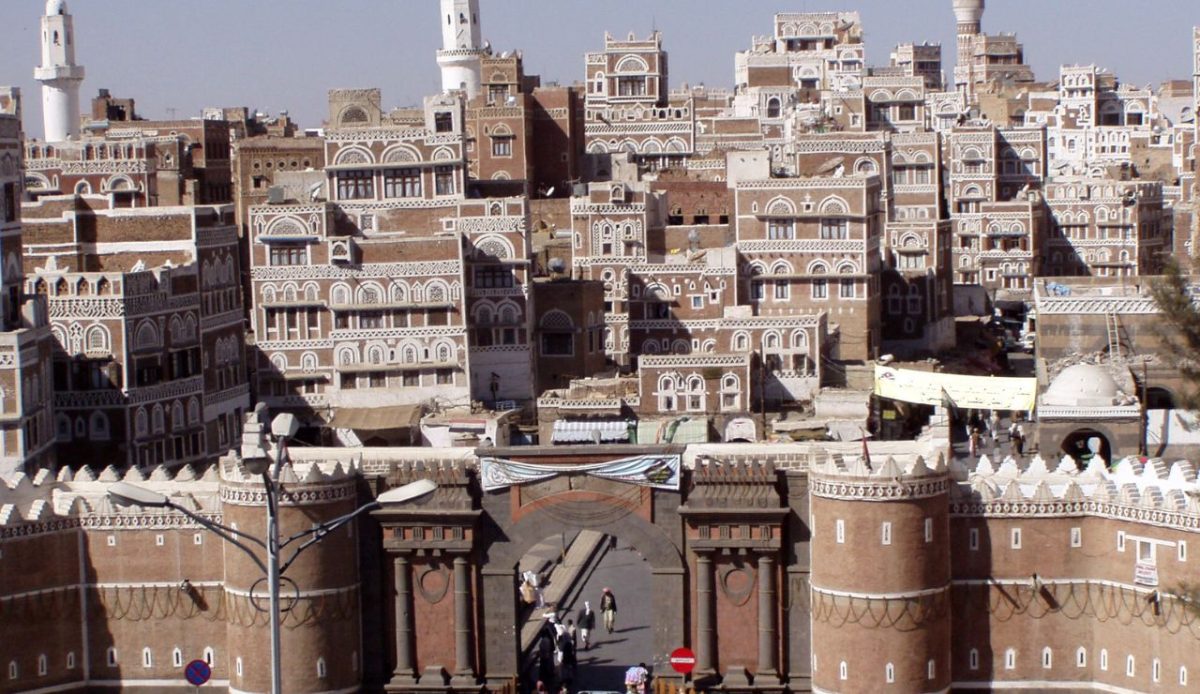
Yemen has faced prolonged conflict and humanitarian crises, resulting in a severely reduced quality of life. Infrastructure, healthcare, and food security are major concerns, and travel requires heightened caution. Many areas remain unsafe, and essential services can be unreliable. Despite its challenges, Yemen has a fascinating history, ancient architecture, and cultural richness. Travelers must prioritize safety, stay informed, and respect local conditions. Awareness of the country’s struggles helps visitors appreciate the resilience of Yemenis while minimizing risks and engaging responsibly with the local environment.
4. Central African Republic
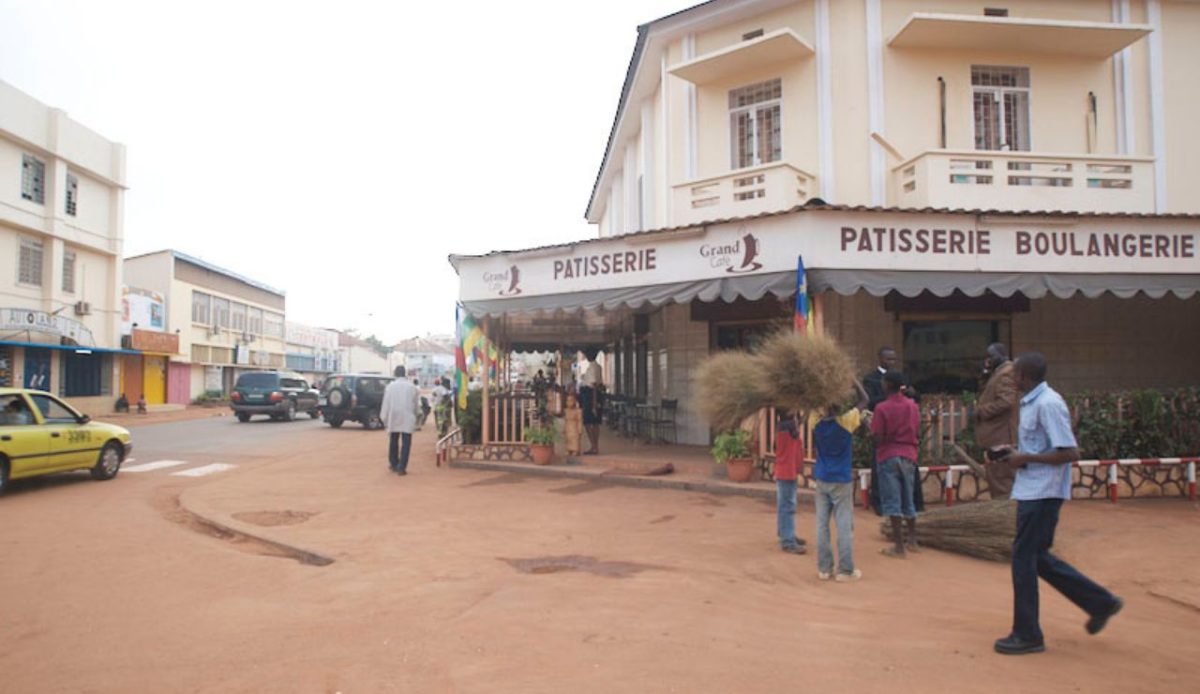
The Central African Republic experiences ongoing political instability and underdeveloped infrastructure, which directly impacts residents’ quality of life. Access to healthcare, education, and reliable transportation is limited in many areas. Travelers may face security risks and should exercise caution. Despite these challenges, the country is home to unique wildlife, natural beauty, and cultural diversity. Understanding local conditions is crucial for safe and respectful travel. Being informed helps travelers navigate daily life while appreciating the resilience of communities thriving despite difficult circumstances.
5. Chad
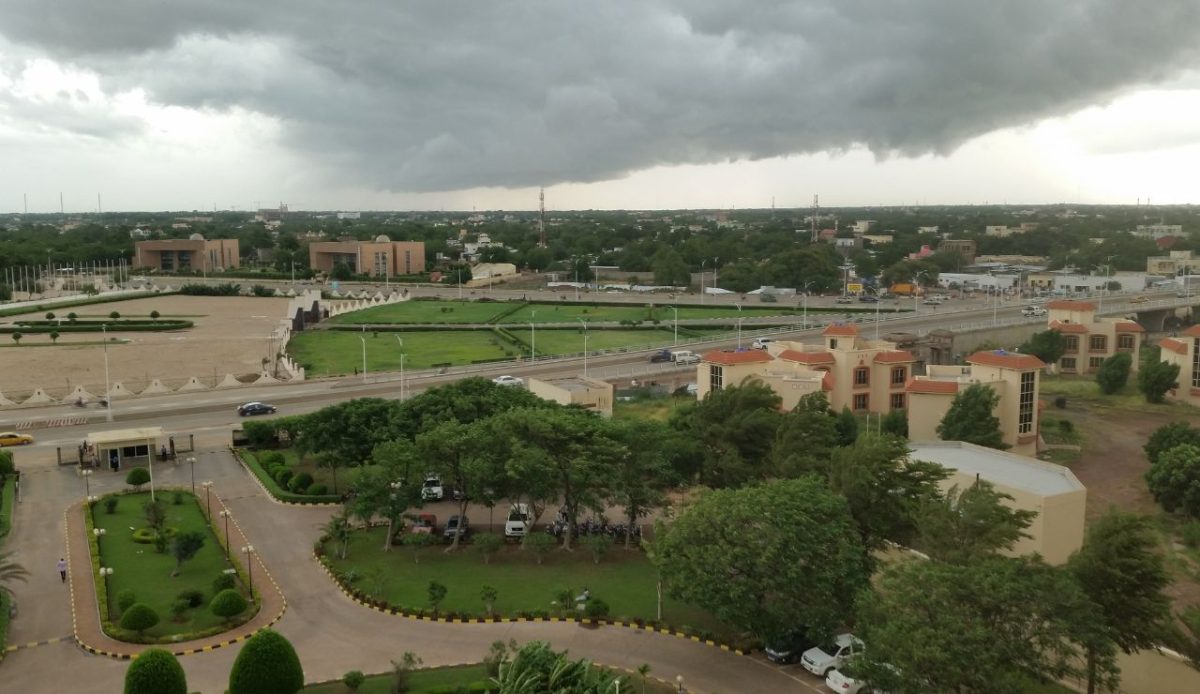
Chad has limited access to healthcare, education, and public services, affecting the overall quality of life. Harsh climates, scarce infrastructure, and economic challenges make daily life demanding for residents. Travelers may encounter difficulties in transportation, accommodation, and communication outside urban centers. Despite these conditions, Chad offers cultural experiences, traditional crafts, and stunning landscapes. Responsible travelers should plan carefully, seek local guidance, and remain aware of safety conditions. Understanding Chad’s realities ensures a respectful approach while appreciating the strength of its people.
6. Niger
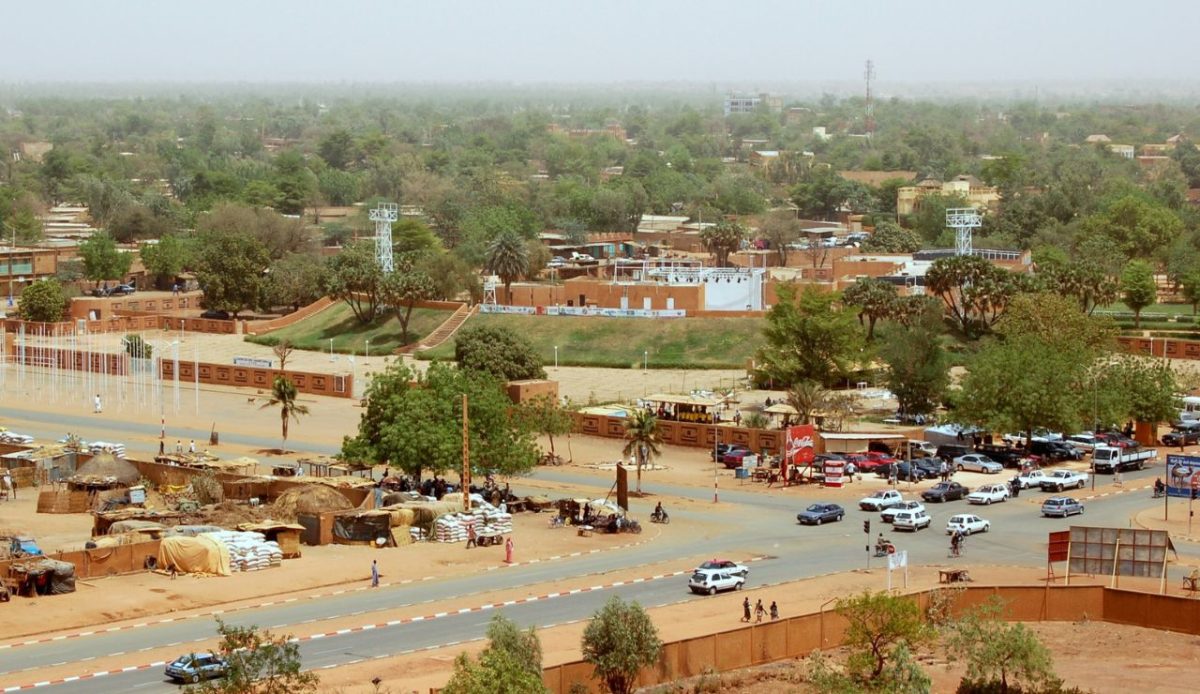
Niger faces significant challenges, including extreme poverty, limited healthcare, and inconsistent infrastructure. Daily life for locals often involves navigating harsh climates and resource scarcity. Travelers must prepare for limited services, transportation challenges, and potential safety risks. Despite these obstacles, Niger offers vibrant cultural traditions, markets, and desert landscapes reflecting the nation’s unique heritage. Visiting responsibly involves being informed, practicing cultural sensitivity, and supporting local communities. Understanding Niger’s realities helps travelers approach the country with respect and awareness.
7. Sudan
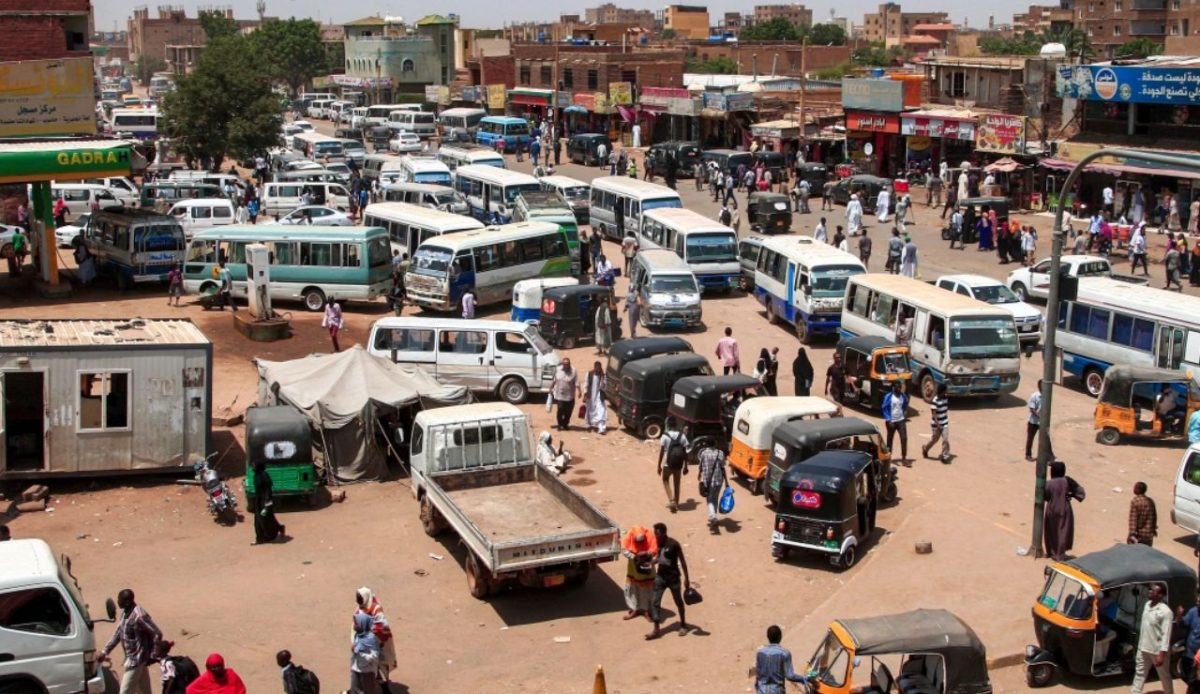
Sudan struggles with political instability, economic difficulties, and underdeveloped infrastructure, impacting residents’ quality of life. Healthcare and education access can be limited, and urban and rural areas often face different challenges. Travelers need to stay informed about security conditions and plan accommodations carefully. Despite these challenges, Sudan has a rich history, ancient archaeological sites, and cultural diversity. Awareness of local realities ensures visitors respect customs and navigate safely. Understanding Sudan’s conditions allows for meaningful engagement while minimizing risks in a complex environment.
8. Mozambique
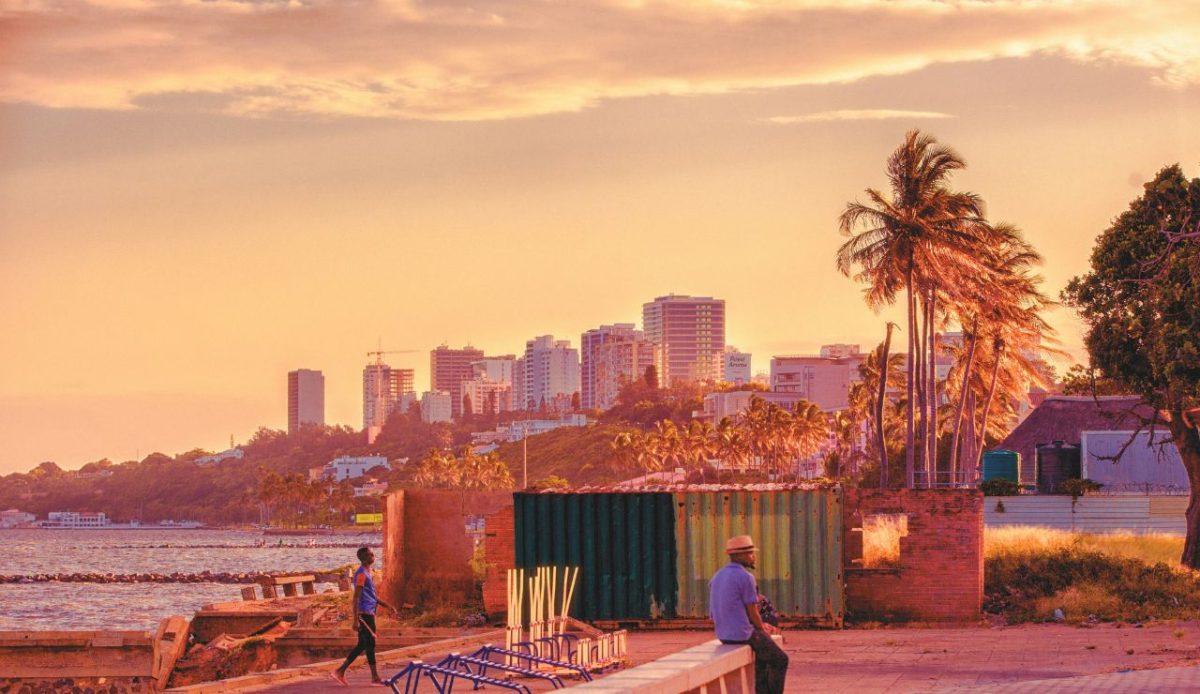
Mozambique faces economic challenges, natural disasters, and limited public infrastructure that affect the quality of life. Healthcare, education, and transportation can be inconsistent, particularly outside major cities. Travelers may face difficulties navigating rural areas or accessing essential services. Despite these issues, Mozambique offers breathtaking beaches, vibrant culture, and wildlife reserves. Responsible visitors benefit from planning ahead, supporting local communities, and staying aware of local conditions. Understanding Mozambique’s realities allows travelers to experience its beauty while appreciating local resilience.
9. Guinea-Bissau
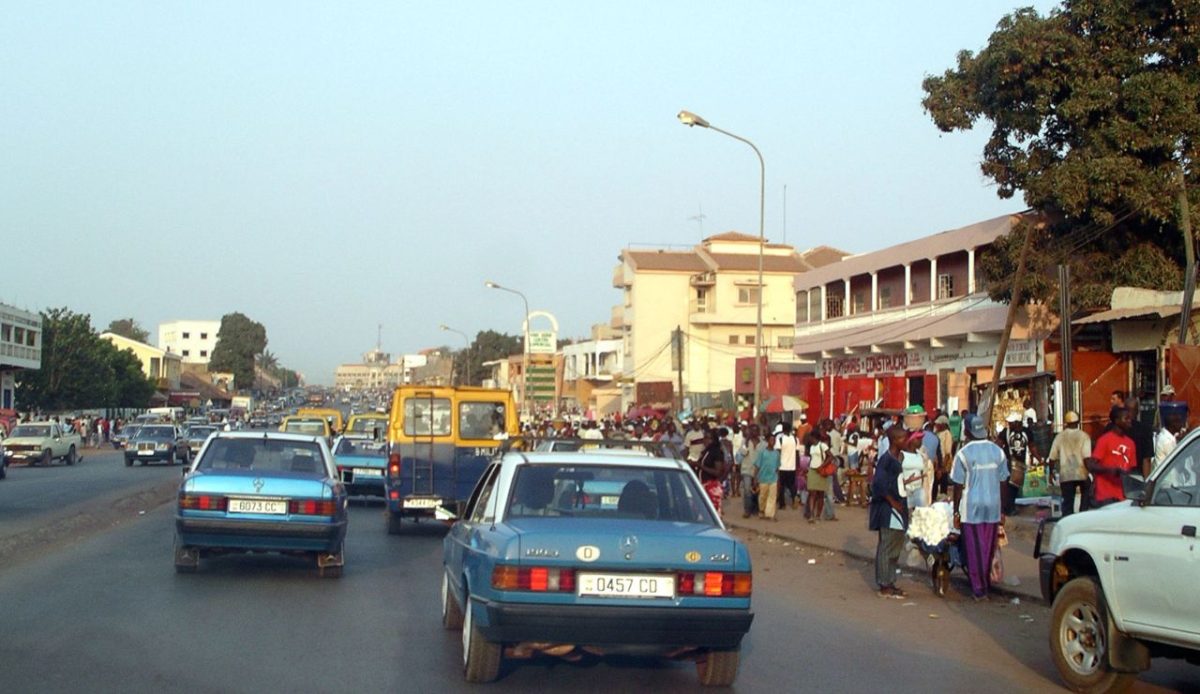
Guinea-Bissau’s low quality of life stems from limited healthcare, political instability, and underdeveloped infrastructure. Access to clean water, electricity, and reliable transport is often restricted, especially in remote regions. Travelers must plan carefully and seek reliable local guidance to navigate safely. Despite these challenges, Guinea-Bissau offers lush landscapes, traditional music, and unique cultural experiences. Visiting responsibly involves awareness, preparation, and supporting sustainable local initiatives. Understanding the country ensures travelers approach it with respect while enjoying its cultural richness.
10. Democratic Republic of Congo
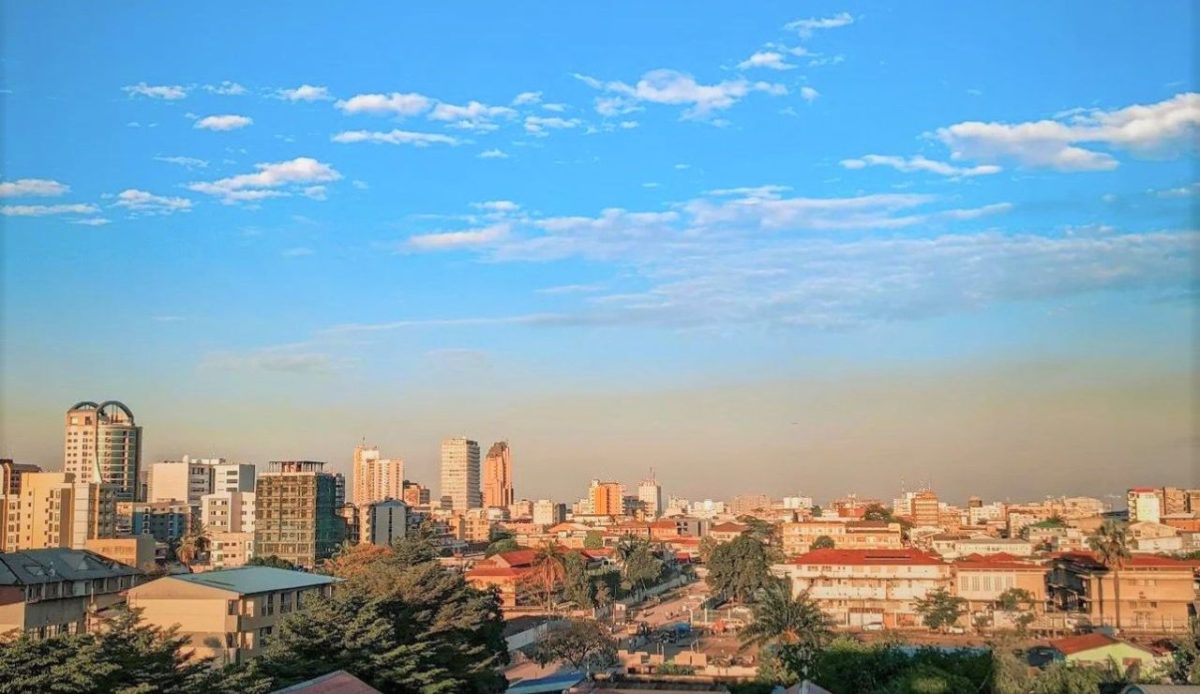
The Democratic Republic of Congo faces challenges, including political instability, limited infrastructure, and ongoing conflicts impacting daily life. Healthcare and education access can be scarce, and transportation may be unpredictable. Travelers need to be cautious, prioritize safety, and plan logistics carefully. Despite difficulties, the country has rich biodiversity, iconic rainforests, and vibrant cultural traditions. Responsible travel requires understanding local conditions, showing cultural sensitivity, and engaging with communities respectfully. Awareness ensures visitors can experience Congo safely and meaningfully.
