
Central Europe’s charm lives in its towns, where medieval squares, lakeside villages, and pastel-painted homes create postcard scenes at every turn. These places balance daily life with centuries-old beauty, offering travelers a look at authentic culture without large city crowds. From Austria’s mirrorlike lakes to Germany’s half-timbered streets, these destinations show why Central Europe remains one of the most photogenic regions in the world. The following towns highlight that perfect balance between scenery and tradition.
1. Hallstatt, Austria
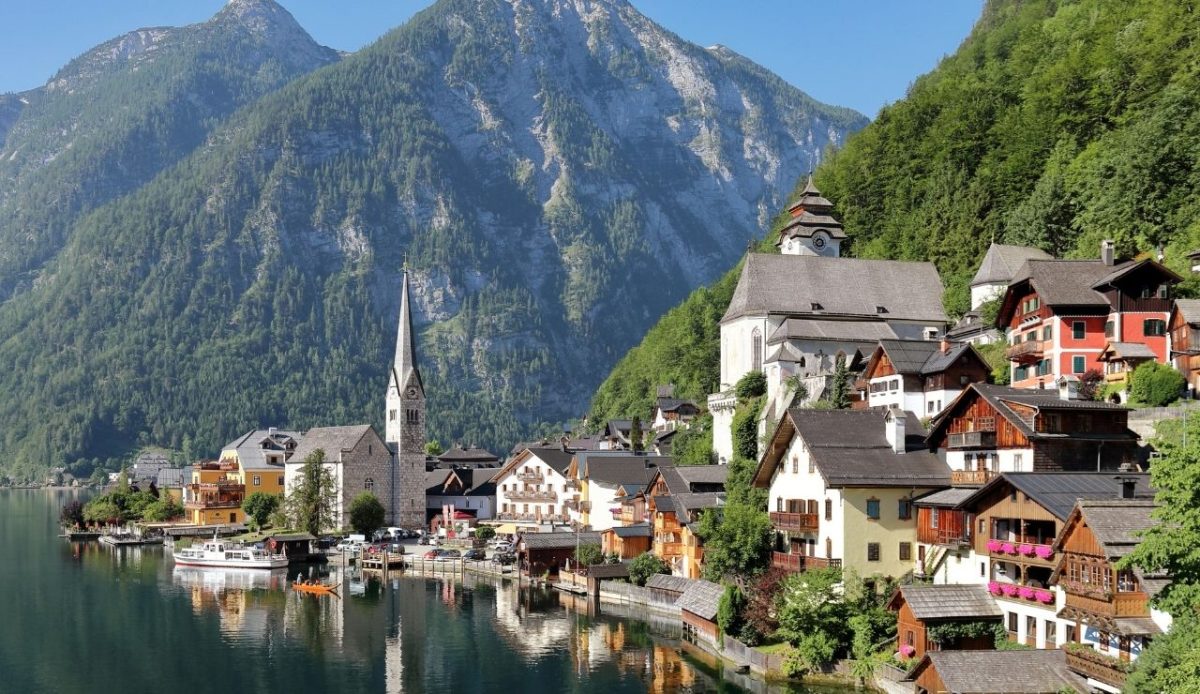
Hallstatt lies between steep Alpine peaks and a calm lake in Austria’s Salzkammergut region. Known for its salt-mining history dating back over 7,000 years, the town has pastel buildings that seem to float above the water. Visitors walk through narrow lanes, visit the market square, and take boat rides that reflect the entire town on the lake’s surface. Early mornings bring mist over the rooftops, while evenings glow with golden light across the mountains. The Hallstatt Skywalk offers panoramic views that make it clear why this village often tops travel photography lists.
2. Český Krumlov, Czechia
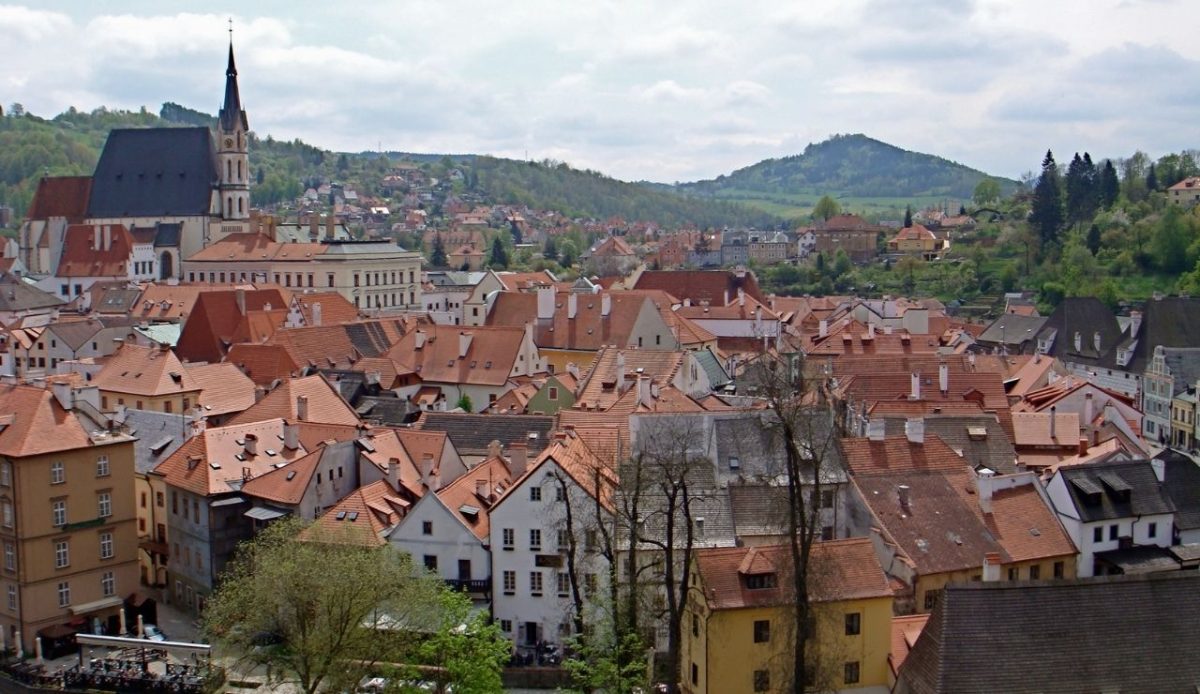
Český Krumlov looks like a medieval painting brought to life. Built around the winding Vltava River, the town’s castle complex towers over red-tiled roofs and cobblestone streets. Its Renaissance and Baroque architecture remain nearly unchanged since the 16th century. Art galleries, traditional restaurants, and the castle’s Baroque theater attract visitors year-round. Summer festivals light up the old square with local crafts and live music. From the castle tower, travelers see how perfectly the river encircles the old town, creating one of Europe’s most photographed views.
3. Telč, Czechia
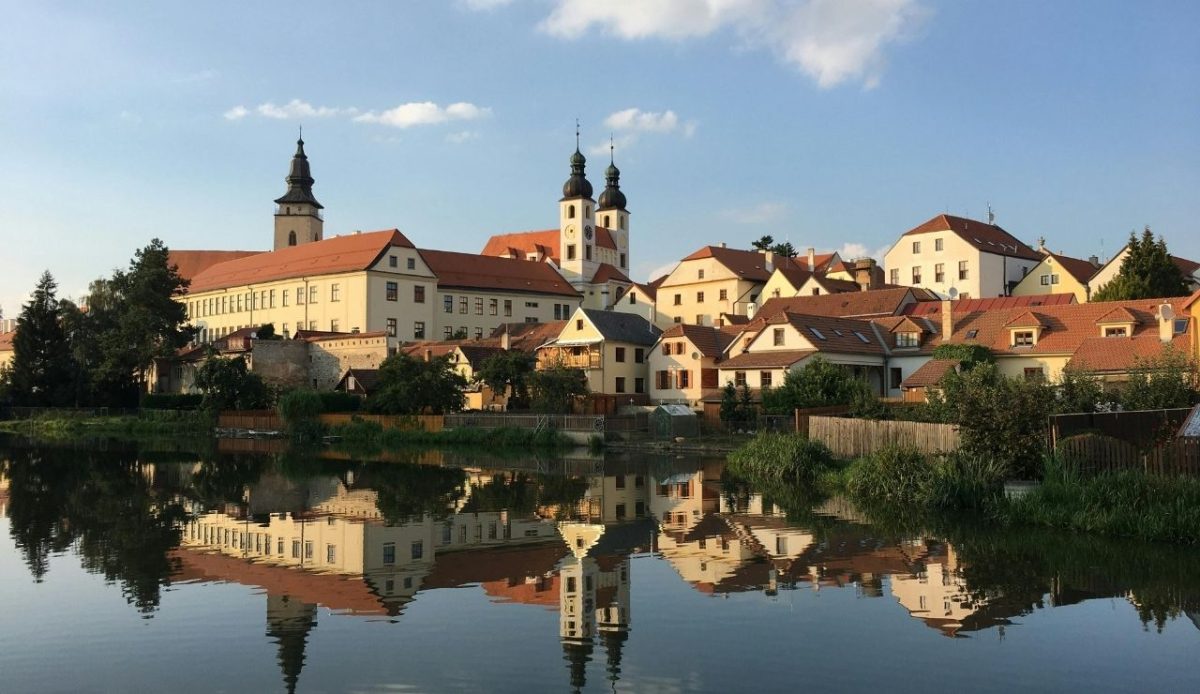
Telč is small but unforgettable, thanks to its Renaissance-era main square lined with colorful gabled houses and arcades. The entire center is protected by UNESCO for its architectural unity and historic preservation. Each house front carries a different pastel shade, and beneath them, arcades offer cool walkways filled with local shops and cafés. The 16th-century chateau overlooks the square, and nearby ponds mirror its towers in calm water. Telč is ideal for travelers seeking a peaceful, authentic Czech town experience. Its quiet charm feels like stepping back several centuries.
4. Mikulov, Czechia
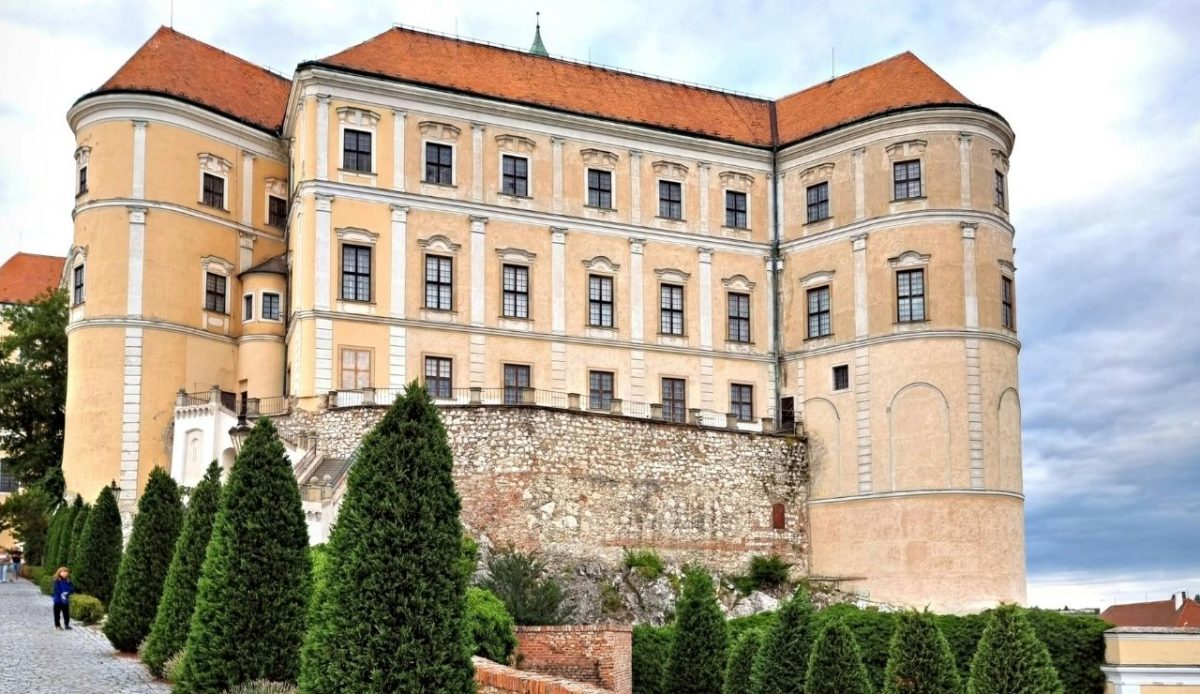
Mikulov, near the Austrian border, blends wine culture with history and Baroque beauty. The town’s centerpiece is its hilltop castle, rebuilt after a fire in the 18th century and now home to a regional museum. Below it, narrow streets lead past vineyards, wine cellars, and old Jewish Quarter landmarks. Mikulov’s Holy Hill offers a gentle hike ending in a chapel with open views over Moravia’s rolling countryside. The annual wine harvest festival turns the town into a celebration of food, music, and local pride, keeping centuries-old traditions alive in a modern setting.
5. Rothenburg ob der Tauber, Germany
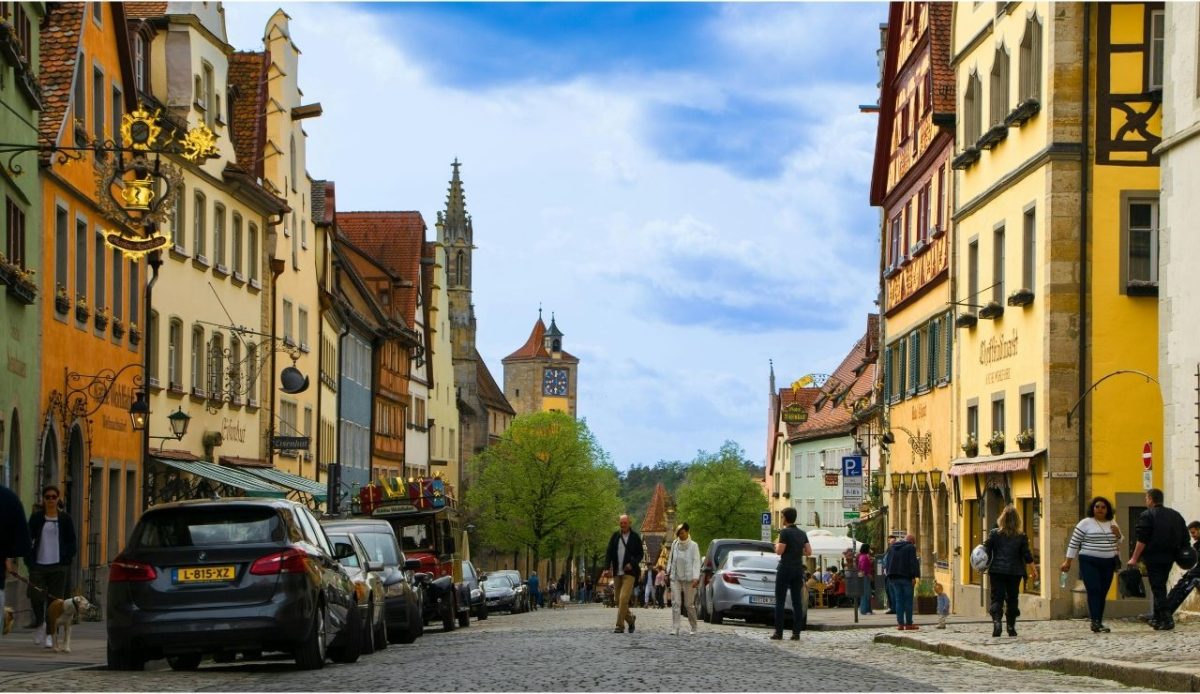
Rothenburg ob der Tauber remains one of the best-preserved medieval towns in Germany. Its stone walls, gate towers, and timber-framed houses give it a timeless look. Visitors can walk along the old fortifications for panoramic views or visit Plönlein, the famous photo spot with a narrow lane framed by historic homes. The town hosts a popular Christmas market that fills the streets with festive lights and handmade crafts. Despite its fame, Rothenburg maintains a calm rhythm, especially in early morning hours when the streets belong mostly to locals.
6. Dinkelsbühl, Germany
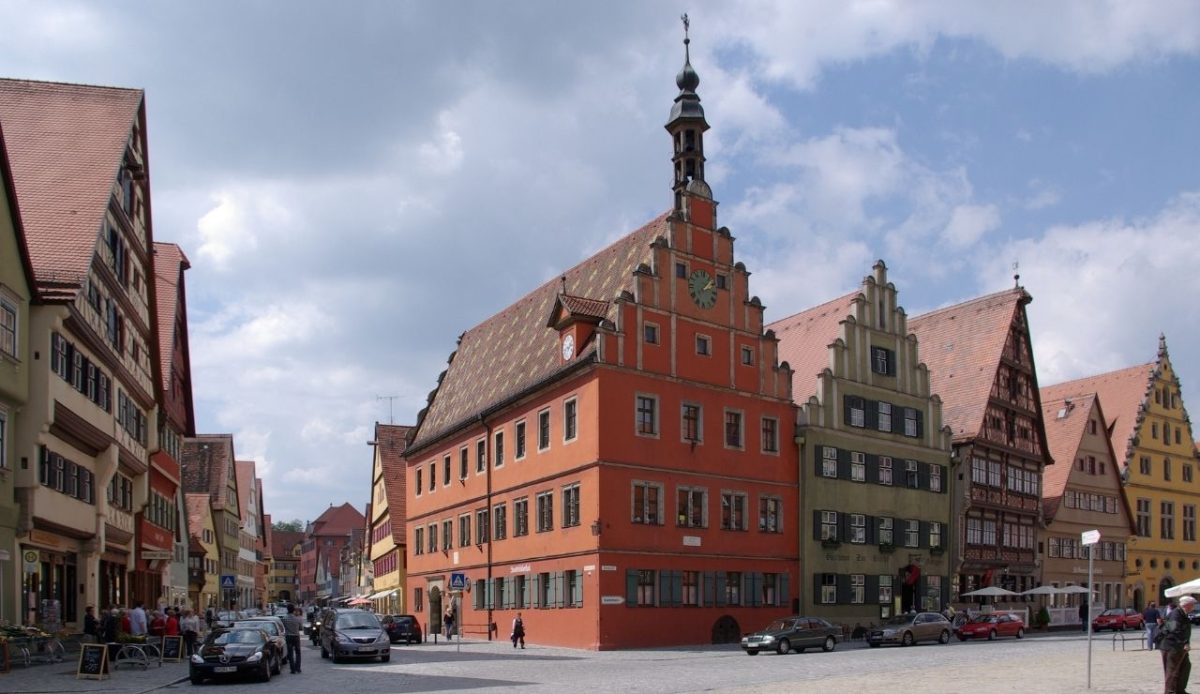
Dinkelsbühl is often mentioned alongside Rothenburg for its well-preserved medieval character, but it feels less crowded. The town’s walls and towers remain nearly intact, enclosing narrow lanes and half-timbered homes. Visitors can walk the entire perimeter or relax in the market square lined with cafés. The annual Kinderzeche festival reenacts a legend from the Thirty Years’ War, bringing locals into historical costumes. Evenings are calm, and the blend of old structures and warm street lighting makes it a quiet favorite for travelers looking for authentic Bavarian charm away from large tour groups.
7. Cochem, Germany
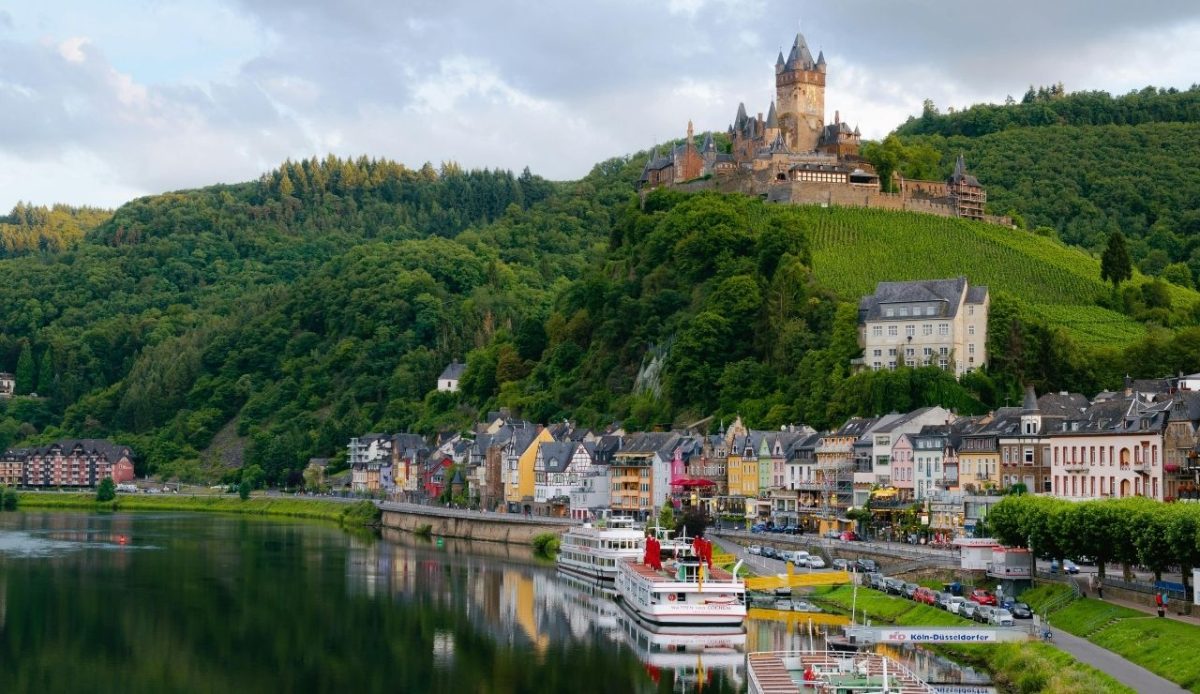
Cochem spreads along the Moselle River beneath a steep hill crowned by Reichsburg Castle. The castle, rebuilt in the 19th century, offers guided tours and wide views over vineyards and the river valley. Down below, pastel riverfront houses form a lively promenade where boats dock daily. The town’s mix of medieval and baroque buildings gives it a classic feel, and the wine cellars attract visitors eager to try local Riesling. Cochem’s combination of riverside beauty and historical appeal makes it one of western Germany’s most photogenic small towns.
8. Monschau, Germany
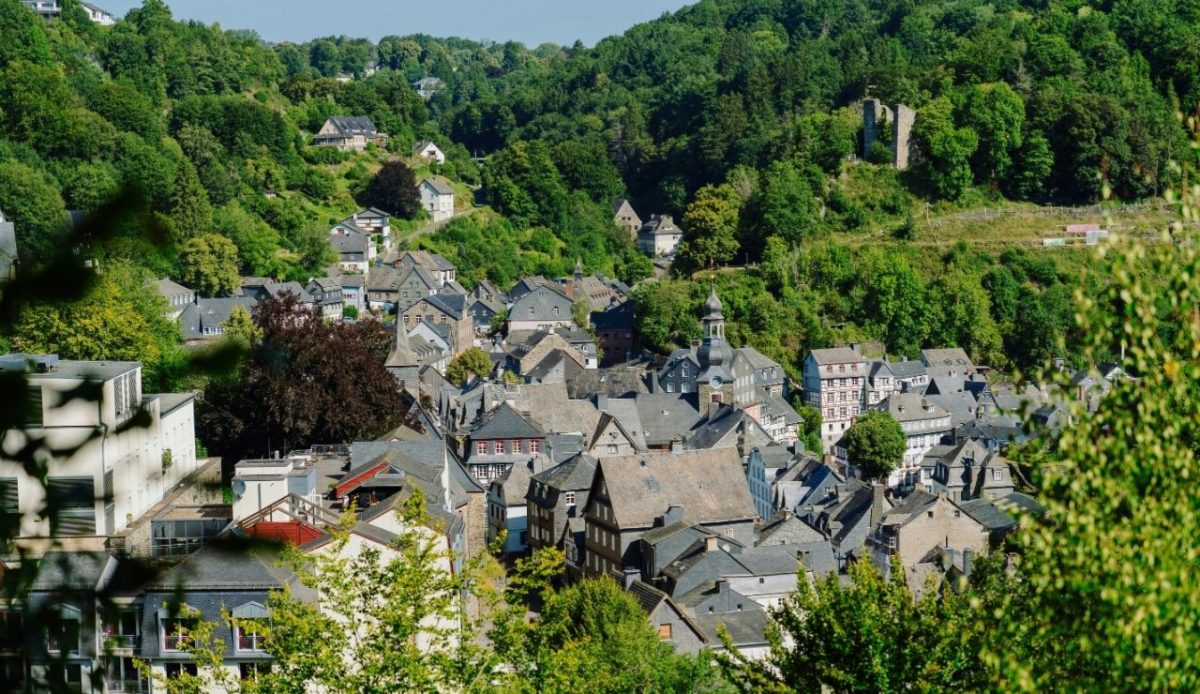
Monschau rests in the forested hills of the Eifel region near the Belgian border. Its narrow streets and half-timbered houses create a storybook look that hasn’t changed much in centuries. The Rur River runs through the center, passing under small bridges and next to slate-roofed homes. Art shops, textile museums, and bakeries draw weekend travelers from nearby cities. In winter, the Christmas market fills the town square, while in summer, hiking trails start right from the old streets. Monschau remains one of the best examples of preserved Rhineland architecture.
9. Mittenwald, Germany
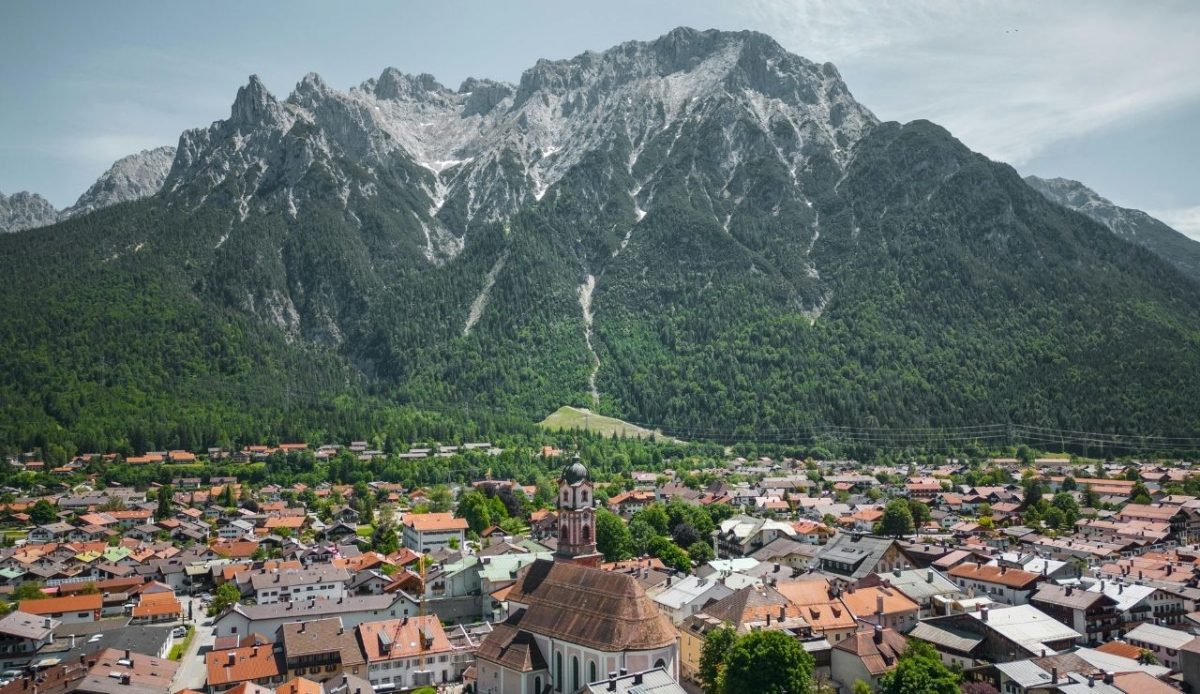
Mittenwald lies at the foot of the Karwendel Mountains, known for its painted facades and violin-making tradition. The colorful frescoes across buildings depict religious and local scenes, giving the town a distinct identity. The Geigenbaumuseum showcases its musical heritage, while nearby cable cars take visitors to panoramic mountain viewpoints. Despite being close to tourist routes, Mittenwald maintains a calm pace. Traditional restaurants serve Bavarian dishes, and its pedestrian center invites slow walks surrounded by Alpine scenery that feels perfectly balanced between nature and culture.
10. Stein am Rhein, Switzerland
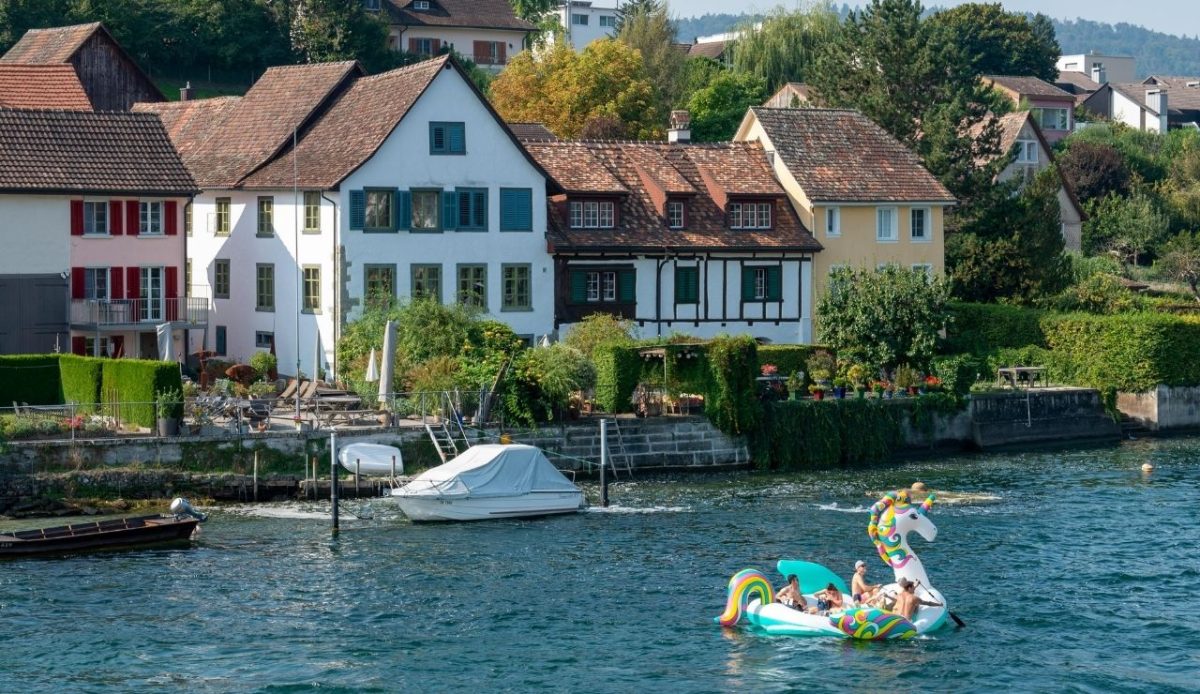
Stein am Rhein is a small Swiss town on the banks of the Rhine, famous for its perfectly preserved medieval core. Each building around the main square features hand-painted frescoes and detailed wooden structures. The Hohenklingen Castle overlooks the town, providing scenic views of the river and the surrounding countryside. Visitors often arrive by train or by boat from Lake Constance, enjoying how peaceful and compact the center feels. Despite its size, Stein am Rhein offers one of Switzerland’s richest visual experiences in a single stroll.
