
Day-tripping used to be a bonus for island towns: extra diners at lunch, busy ferries, then quiet streets by night. Now, many American islands see peak-day visitor counts that can eclipse the year-round population, stressing ferries, beaches, roads, and emergency services.
The imbalance is most obvious in summer, when cruise calls, fast ferries, and easy parking turn islands into afternoon checklists. Residents still rely on the same limited water, waste, and medical capacity, even as crowds spike for a few hours.
These ten islands are where that day-visitor surge is easiest to feel. The point isn’t to shame travelers, but to plan smarter: arrive early, book transport, and spend money in ways that actually help the place.
1. Mackinac Island, Michigan
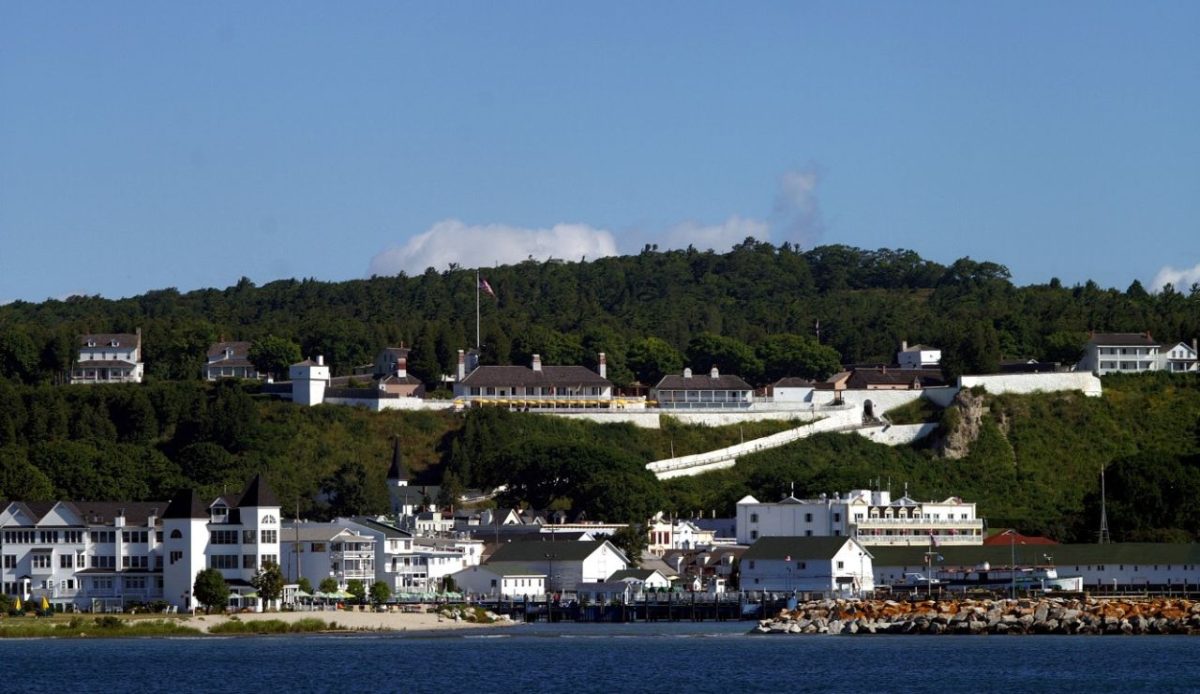
Mackinac Island has a tiny year-round community, but summer brings a rush of ferry passengers for fudge shops, forts, and those postcard car-free streets.
On peak days, the visitor crowd can feel like it has replaced the town. Lines form for bikes and carriage rides, restaurant waits stretch, and even simple things like grocery deliveries and trash pickup have to thread through tourist traffic.
For a smoother visit, target the first boats, avoid tight same-day connections back to the mainland, and plan one or two “musts” instead of a full checklist. The island is better when you move at resident speed. Booking bikes or dinner ahead can also save you from the longest midafternoon lines.
2. Santa Catalina Island, California
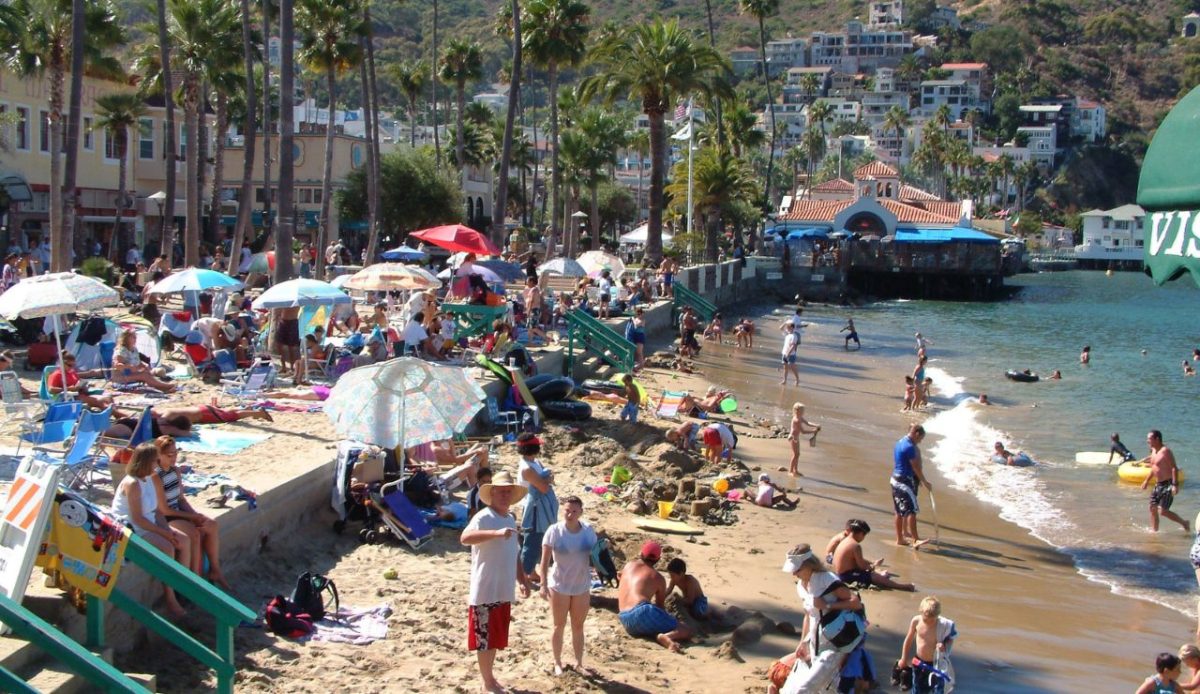
Catalina’s Avalon is compact, which is perfect for strolling, but rough when big waves of day-trippers arrive by ferry or cruise tender within the same hour.
When arrivals stack up, the waterfront clogs fast: golf carts, tour groups, and beach rentals compete for the same narrow streets, while locals still need deliveries, school runs, and clinic access in a limited-service setting.
Book ferry times before you lock other plans, and consider staying later into the evening. Spreading your visit beyond the mid-day rush, snorkel early, hike midafternoon, dine late, makes Catalina feel like an island again. If you only have half a day, pick either Avalon’s waterfront or one inland hike, not both.
3. Block Island, Rhode Island
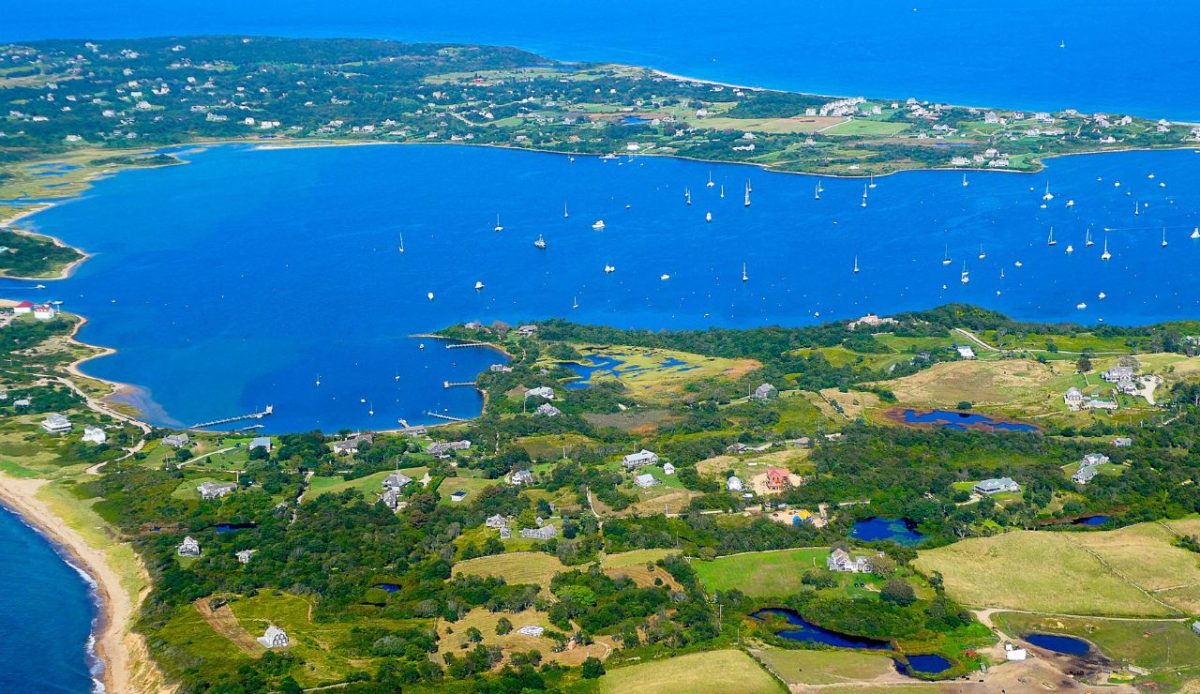
Block Island’s year-round population is small, but summer days can bring huge surges of visitors chasing beaches, bluffs, and quick seafood lunches.
The strain shows up in ferry capacity, traffic around Old Harbor, and crowded shoreline access. A place that feels open in spring can feel squeezed on sunny weekends, with limited parking and longer waits for rentals and tables.
If you’re visiting for the day, travel early, rent bikes instead of driving, and pick one main beach plus one short hike. You’ll cover more ground by doing less, and you’ll leave with a better impression. Bring a reusable bottle and snacks, because quick “grab and go” options sell out in the hottest hours.
4. Martha’s Vineyard, Massachusetts
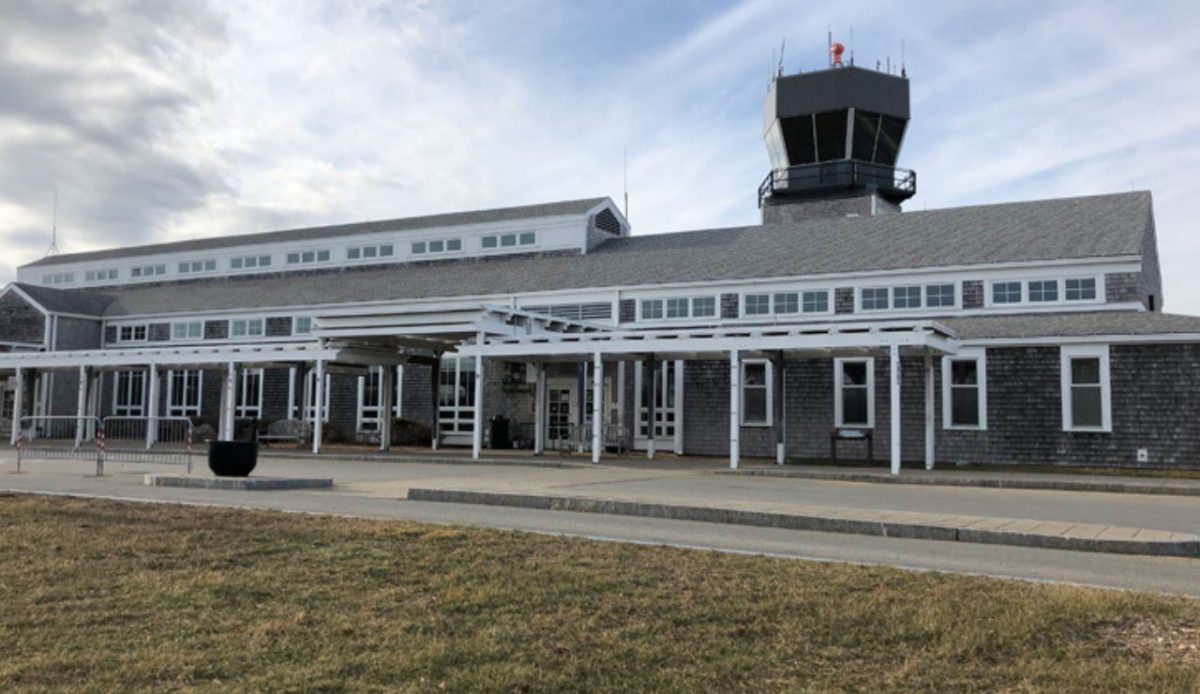
Martha’s Vineyard has real towns and a sizable year-round population, yet summer still brings a surge that can multiply the number of people on the island in a single day.
Day visitors concentrate pressure on ferries, parking, and the roads between Edgartown, Oak Bluffs, and Vineyard Haven. That crowding isn’t just annoying for tourists; it hits residents on commuting, grocery runs, and service work.
To avoid peak friction, choose one town as your base and commit to it. Use buses when practical, book ferries early, and don’t treat the island like three destinations in one afternoon. The Vineyard rewards a slower, single-town plan. Leaving one empty hour in your plan helps when ferry timing and traffic don’t cooperate.
5. Fire Island, New York
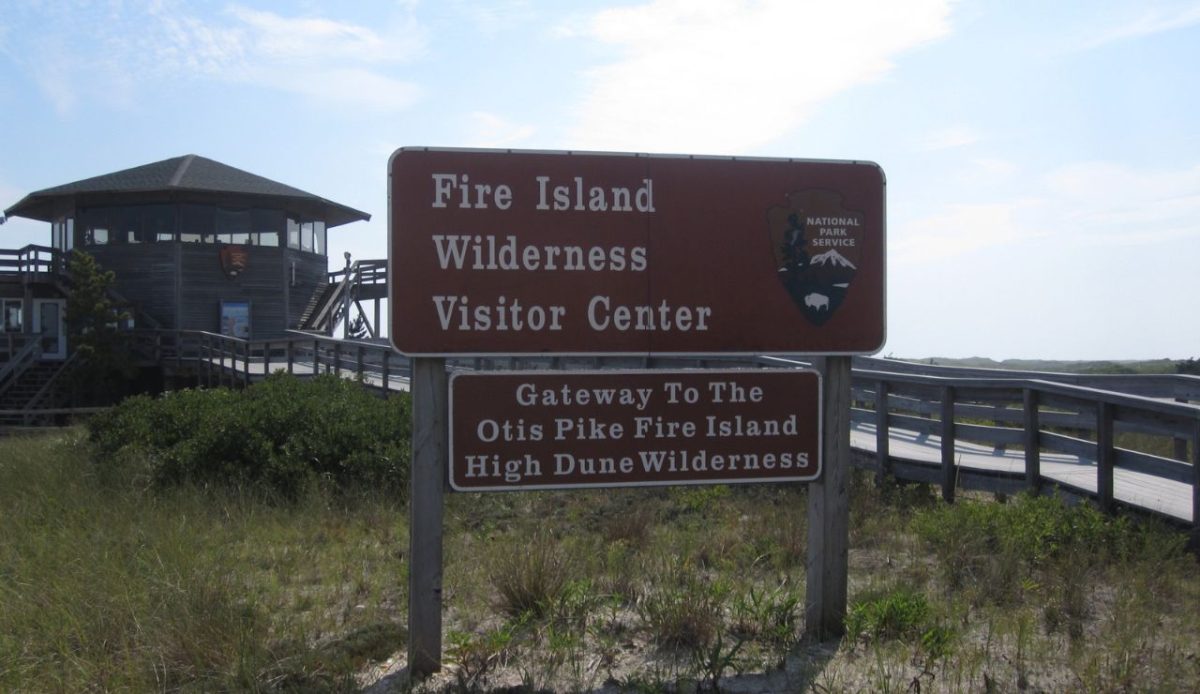
Fire Island’s communities are small in winter, but summer weekends pull large numbers of day-trippers across the bay for boardwalk walks, beach time, and quick bar-and-grill stops.
Because much of the island is walk-only, crowds funnel into limited ferries, docks, and narrow paths. Supplies, trash, and emergency response also share the same constrained access, so a busy day changes how the whole place functions.
Check ferry schedules before you go, pack out what you bring in, and set expectations for slow movement. If you want the quieter version Fire Island is known for, aim for weekdays or the shoulder season. Also note that some services and shops run limited hours, so late arrivals have fewer options.
6. Monhegan Island, Maine
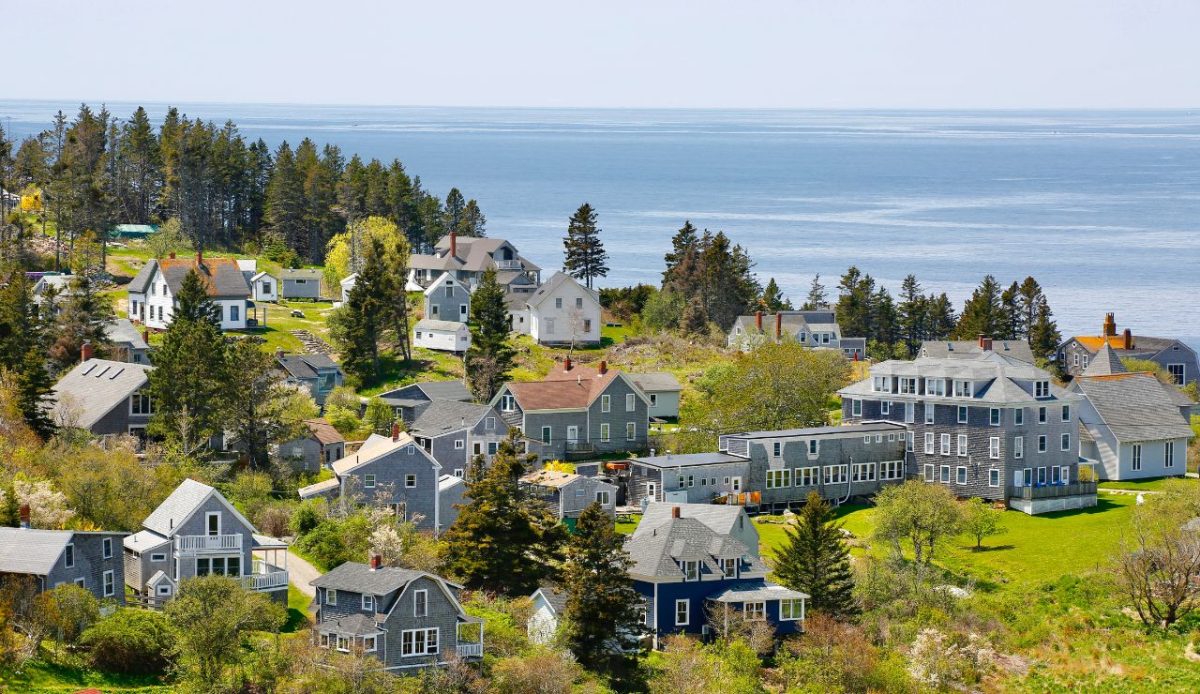
Monhegan is tiny and remote, which is exactly why it attracts day-trippers who want cliffs, art studios, and a quick reset that feels far from the mainland.
With a very small year-round population, even a few hundred summer visitors a day can dominate the harbor, trails, and limited services. Boats arrive in clusters, so the village can swing from quiet to crowded in minutes.
Plan around boat times, carry what you’ll need for the day, and stay on marked paths to protect fragile areas. A respectful visit here means low noise, no shortcuts on trails, and leaving almost no trace behind. Weather can flip quickly on the water, so pack a light layer even on sunny mornings.
7. Daufuskie Island, South Carolina
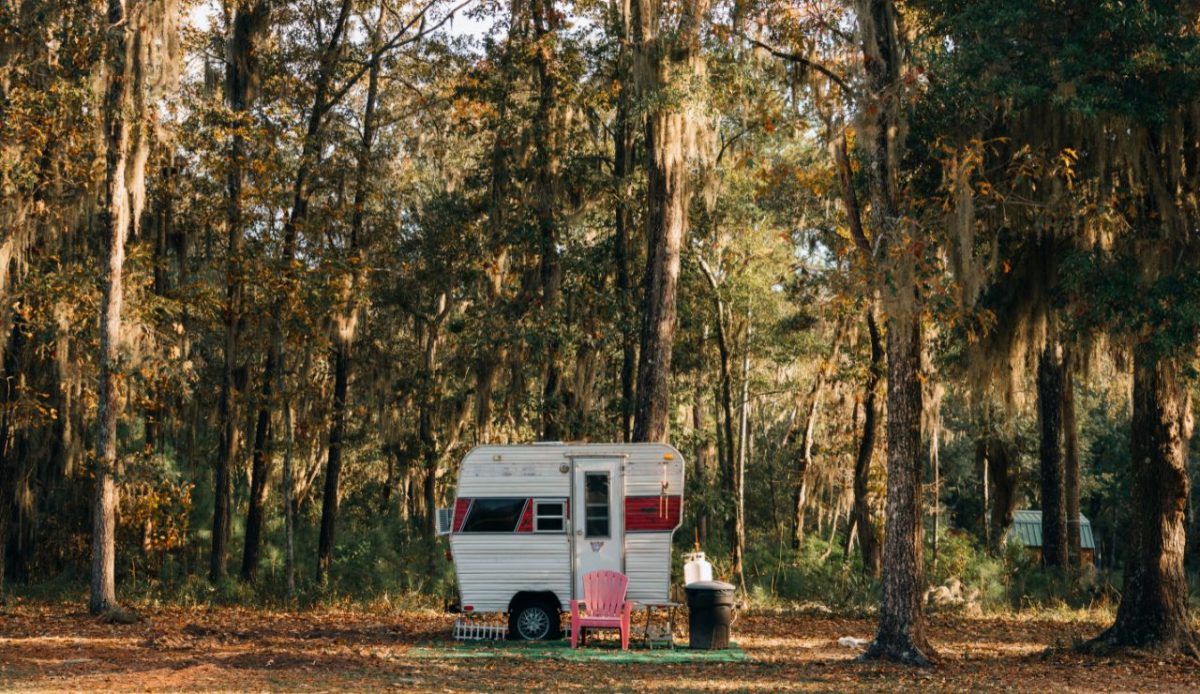
Daufuskie sits close to major tourist hubs, so it can feel like an easy day add-on, until many visitors have the same ferry departure in mind.
The island has limited roads, services, and medical access, so a heavy day-trip load can overwhelm what’s available. Visitors also intersect with a living Gullah Geechee heritage, which isn’t a theme; it’s a community with real history.
Book transport, move slowly, and choose locally run tours and shops. Give yourself time to learn, not just “see,” and be thoughtful about where you take photos. The trip is better when it’s not treated like a quick trophy stop. Respect private property boundaries, since many sights sit near homes rather than in formal tourist zones.
8. Bald Head Island, North Carolina
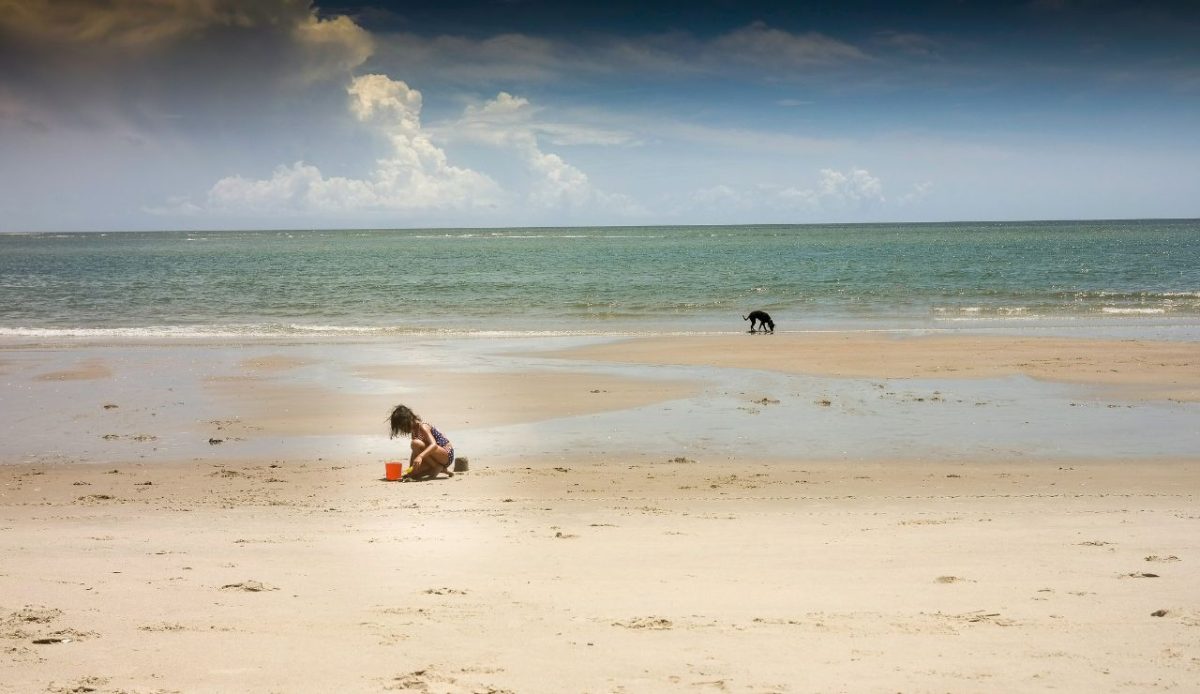
Bald Head Island stays quiet year-round, but its car-free appeal pulls day-trippers who arrive by ferry for beaches, bikes, and lighthouse views.
When ferry loads spike, the island’s limited rentals, dining options, and service capacity get stretched. Arrive late and you’ll feel it immediately: fewer bikes available, longer waits for food, and a rushed vibe as people watch the clock.
Catch an early ferry, reserve bikes or carts ahead, and build slack for the ride back. A day trip here works best when you plan it like timed entry, arrive early, do one loop well, and leave without sprinting. Keep an eye on the last-ferry cutoff, because missing it can turn into an expensive overnight scramble.
9. Jekyll Island, Georgia
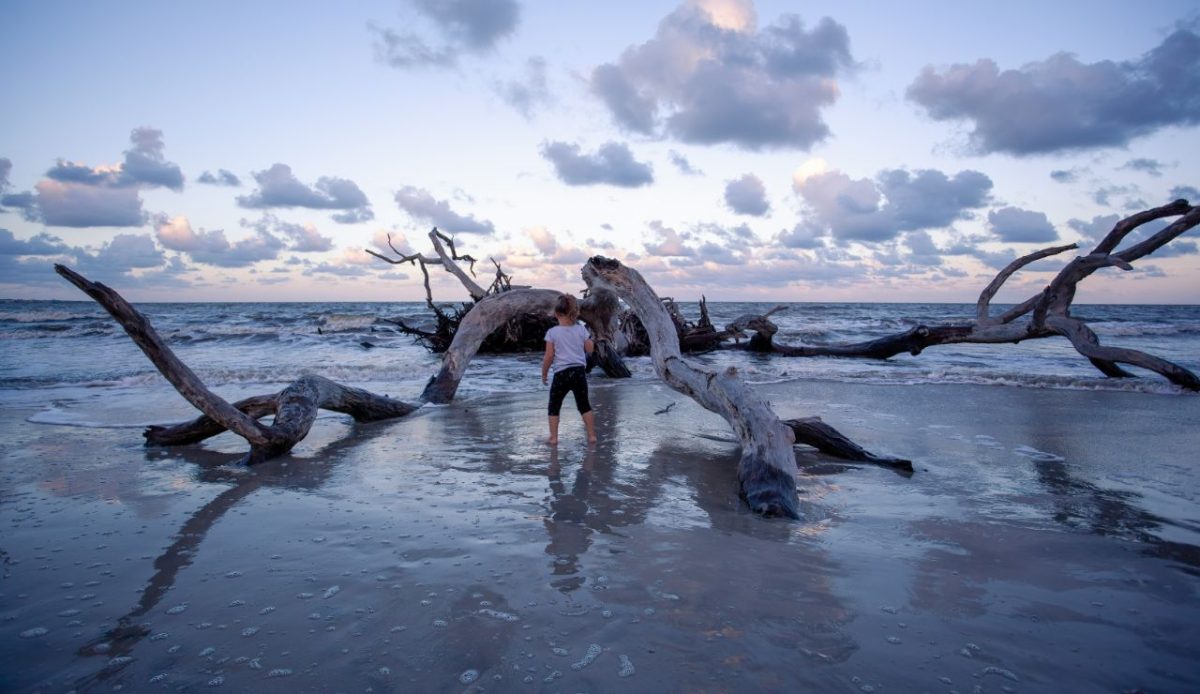
Jekyll Island draws day-trippers for beaches and historic sites, and it’s easy to access by causeway, which keeps visitor numbers high.
That convenience concentrates traffic, parking demand, and pressure on dunes and trails. With a relatively small resident base, peak days can feel like the island is being “used” more than lived in, especially around the most popular beach areas.
Arrive early, stick to designated paths, and time your beach hours outside the busiest midday window. If you want a calmer visit, plan one nature stop and one history stop, then leave room for a slow bike ride. Reef-safe sunscreen and staying off dunes go a long way toward reducing the impact of heavy visitation.
10. Tybee Island, Georgia
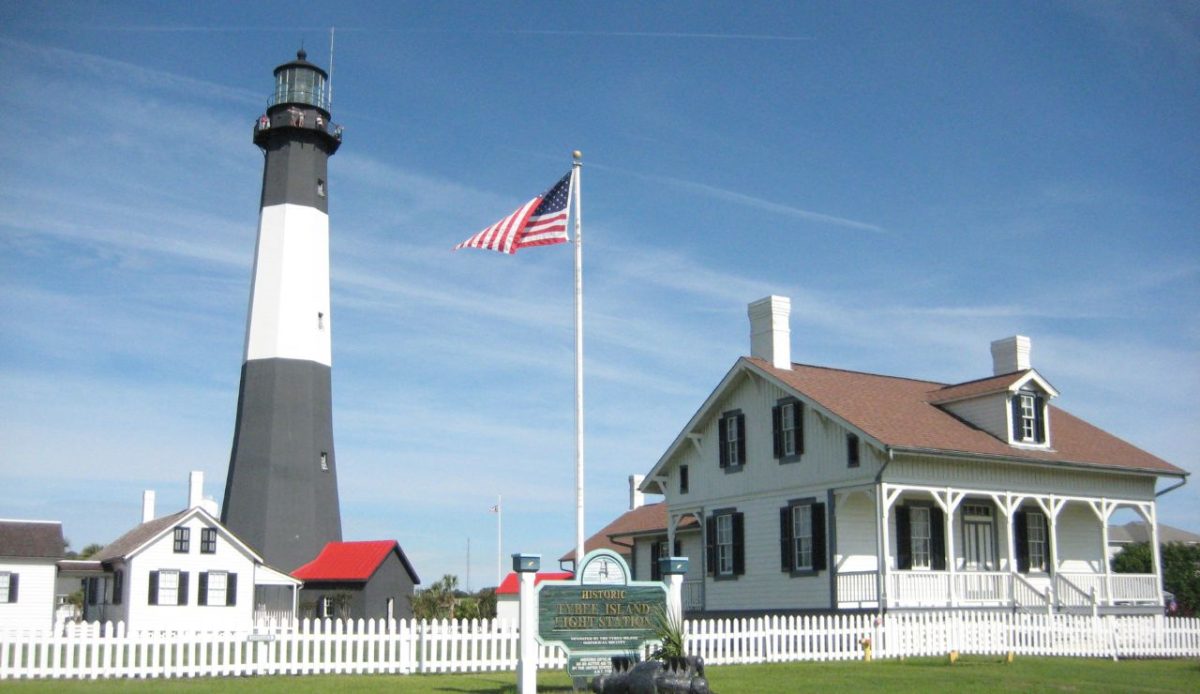
Tybee is small, close to Savannah, and famous for quick beach days, which makes it a magnet for day-trippers during peak season.
The result can be intense crowding for a three-square-mile barrier island: heavy traffic, packed parking, and long waits for basics like restrooms and food. Even when you’re just visiting, those strains spill into resident services and public space.
Go early, consider a weekday, and plan one anchor activity rather than hopping around. If you can stay overnight, you’ll see a calmer Tybee after the day crowd leaves, and you’ll spend less of your trip hunting for a parking spot. Use public lots if possible, and avoid blocking driveways; enforcement is strict when crowds spike.
