
Tourist economies can outbid local paychecks when homes become nightly inventory. Short-term rentals, second homes, and seasonal leasing shrink year-round supply, so vacancy falls and prices jump faster than wages.
Housing studies and municipal audits often trace the squeeze to three forces. Limited buildable land caps construction, visitor demand lifts expected returns, and permitting rules lag new platforms.
These ten U.S. destinations show how tourism pressure collides with fixed housing stock. Spillover moves workers to distant towns, stressing roads and services. Each section highlights one linkage and the policy tools used to protect residents and workers.
1. Maui, Hawaii

Maui has a tight land base and high visitor demand, so housing is pulled toward short stays. Condos and accessory units can earn far more per night than on a yearly lease, which reduces long-term listings.
Local research has evaluated how shifting vacation units back to resident use would change supply and rent levels. Workforce shortages in schools, hospitals, and hospitality are linked to rent burdens and overcrowding. Commutes lengthen.
County policies have targeted registration, zoning limits, and conversion incentives. Even when new builds are approved, infrastructure constraints and disaster recovery costs slow delivery, keeping pressure on rentals.
2. Key West, Florida
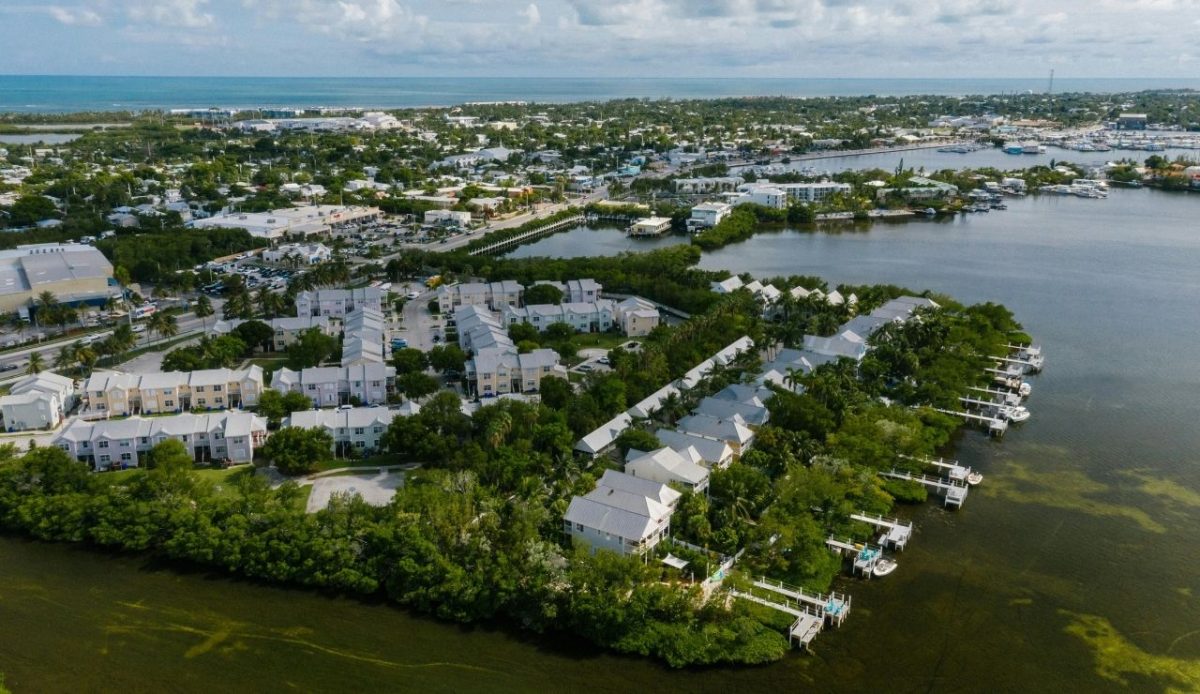
Key West is boxed in by water, with little room for outward growth and costly infill. When visitor demand rises, owners can shift cottages and condos into weekly rentals, tightening the pool for locals.
City workforce housing reports show incomes lagging behind market rents, especially for service and public safety jobs. Seasonal peaks also bring short lease terms that make long-range budgeting hard for households. Evictions increase.
Responses include deed-restricted projects, income-based lotteries, and limits on certain rental categories. Yet fixed geography and high operating costs keep replacement supply scarce, so competition stays intense.
3. Aspen, Colorado

Aspen’s resort economy attracts second-home buyers who treat housing as an asset class. That demand lifts prices across the Roaring Fork Valley, while many workers earn tourism sector wages. Inventory turns over fast.
Employee housing programs have existed for decades, but the gap persists because nightly returns remain high. Units that might house a cook or lift operator can be repurposed for vacation stays during peak ski weeks. Leases vanish.
Local tools include resale restrictions, land trusts, and impact fees on new development. Even so, limited build sites and strict design rules slow additions, so commuting from farther towns becomes routine.
4. Jackson, Wyoming
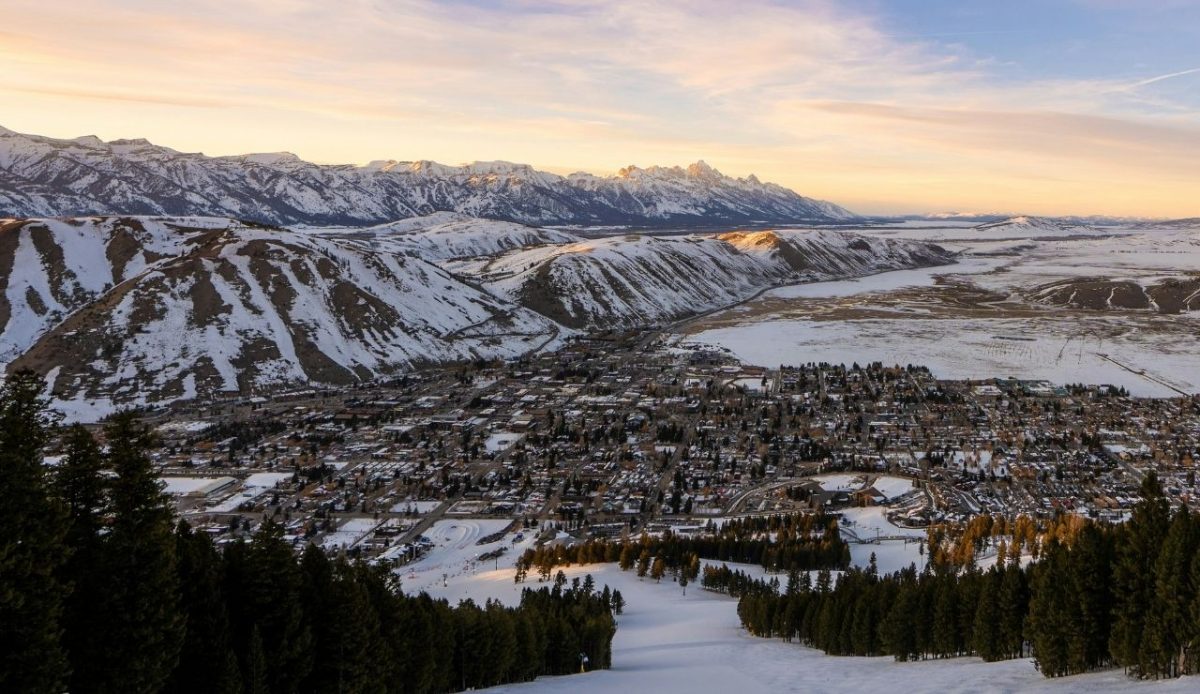
Jackson sits near major parks, so visitor demand shapes the housing market year-round. Short-term rental listings and second homes absorb units that would otherwise serve permanent residents in Teton County.
Local assessments describe low vacancy and rising prices that push workers into long commutes from Idaho or farther. When lodging demand spikes, owners face a strong incentive to keep units in nightly rotation.
Policy responses include licensing, caps in certain zones, and partnerships for deed-restricted construction. With limited land and strong conservation goals, the area struggles to add supply fast enough to offset tourism pressure.
5. Sedona, Arizona
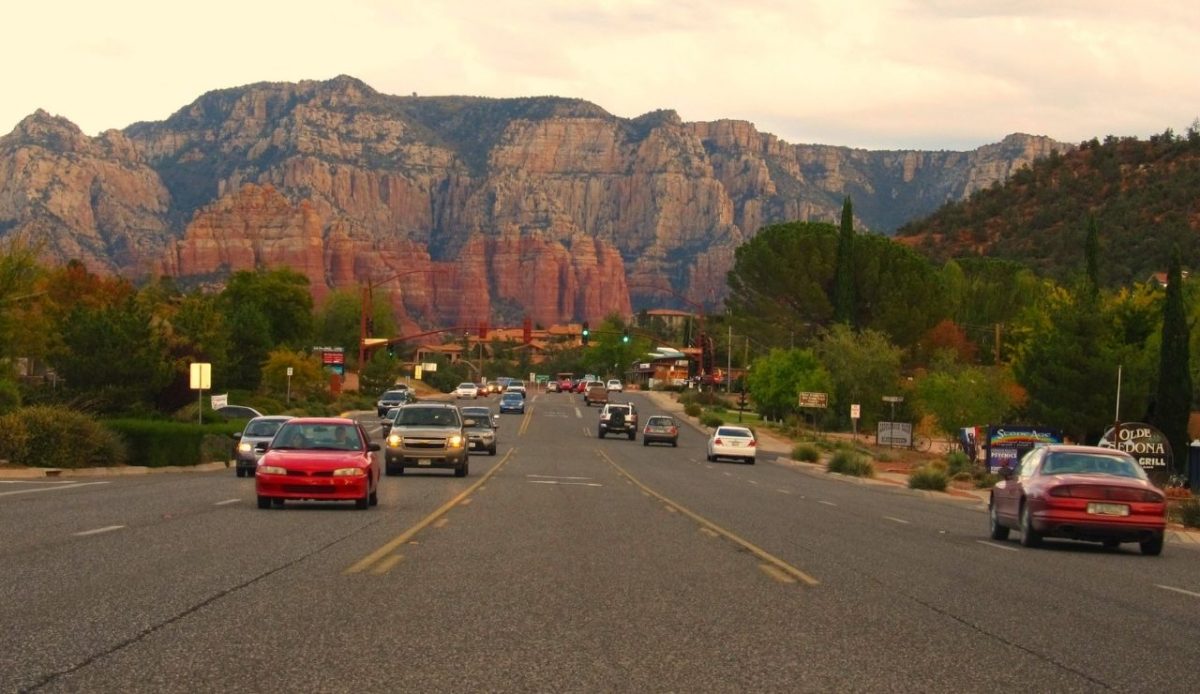
Sedona’s scenery draws heavy visitation, and a large share of homes can be marketed as vacation rentals. That shift reduces long-term availability in a small city where new construction faces terrain limits and high costs.
Local leaders have cited a housing emergency, linking workforce instability to the growth of short-stay listings. Service jobs dominate, so rent increases quickly translate into staff shortages and shorter business hours.
Responses include registration rules, occupancy limits, and incentives for long-term leasing. State-level constraints on local regulation can weaken enforcement, so the market signal from tourism remains powerful.
6. Lake Tahoe, California and Nevada

Lake Tahoe communities host large seasonal crowds while much of the housing sits as second homes. In some neighborhoods, a high share of units is vacant midweek or converted to short stays, leaving few rentals for locals.
Regional planning agencies and counties have documented workforce shortages and a sizable unit deficit. Hospitality, public works, and health systems compete for limited leases as prices follow visitor demand. Turnover is constant.
Programs fund deed-restricted projects and encourage conversion to year-round occupancy. Still, high land prices, wildfire risk, and cross-state permitting complexity slow supply growth, keeping affordability strained.
7. Nantucket, Massachusetts
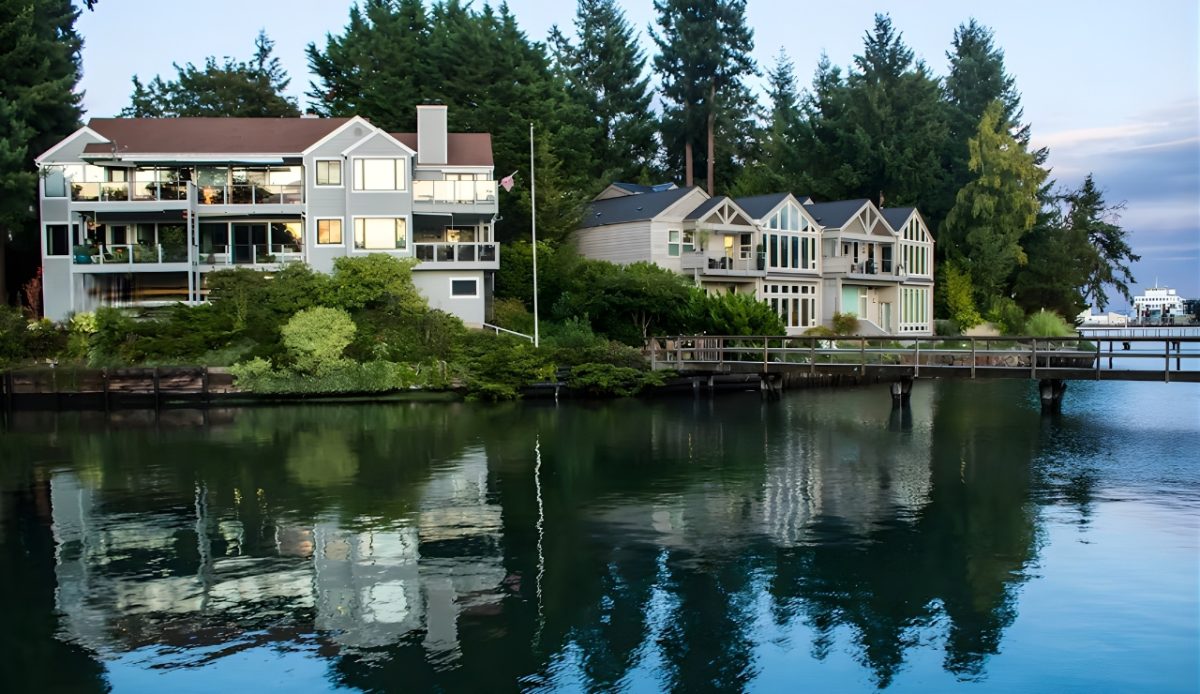
Nantucket’s housing stock is heavily shaped by seasonal ownership and short-term use. Summer demand raises weekly rents and pulls homes out of the year-round market, while land and water limits restrict building.
State and local housing needs assessments describe severe affordability gaps for permanent residents. Employers struggle to house teachers, tradespeople, and medical staff, and overcrowding rises as households share limited space.
Tools include local housing trusts, deed restrictions, and restrictions on certain rental patterns. Even with funding, construction timelines are long, and costs are high, sothe tourism season continues to drive scarcity.
8. Park City, Utah
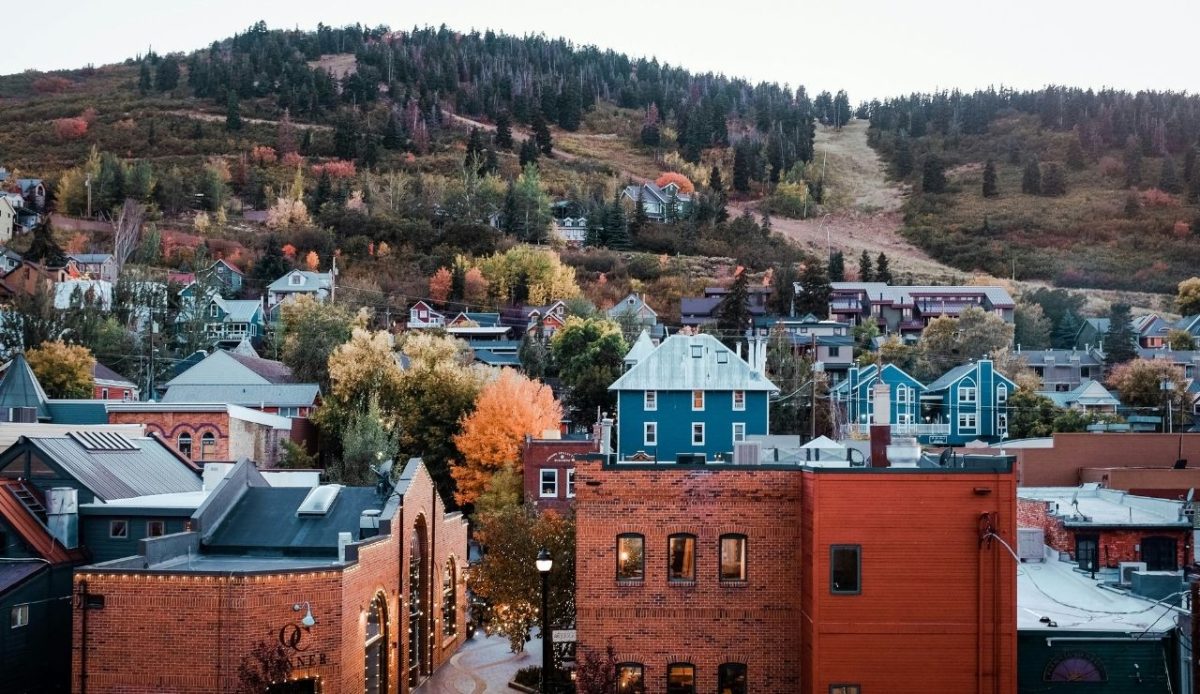
Park City combines ski demand with festival traffic, which strengthens the case for nightly rentals. Investment buying and second home ownership raise values, while workers in lodging and retail face wage limits.
Housing assessments for Summit County describe a large workforce unit need and very low vacancy. When homes are priced for visitors, staff move down the canyon, increasing congestion and reducing local labor supply. Response times suffer.
Programs offer employer partnerships, rental incentives, and deed-restricted developments. Yet high land prices and competition with luxury projects slow additions, so tourism continues to influence rent setting.
9. Moab, Utah
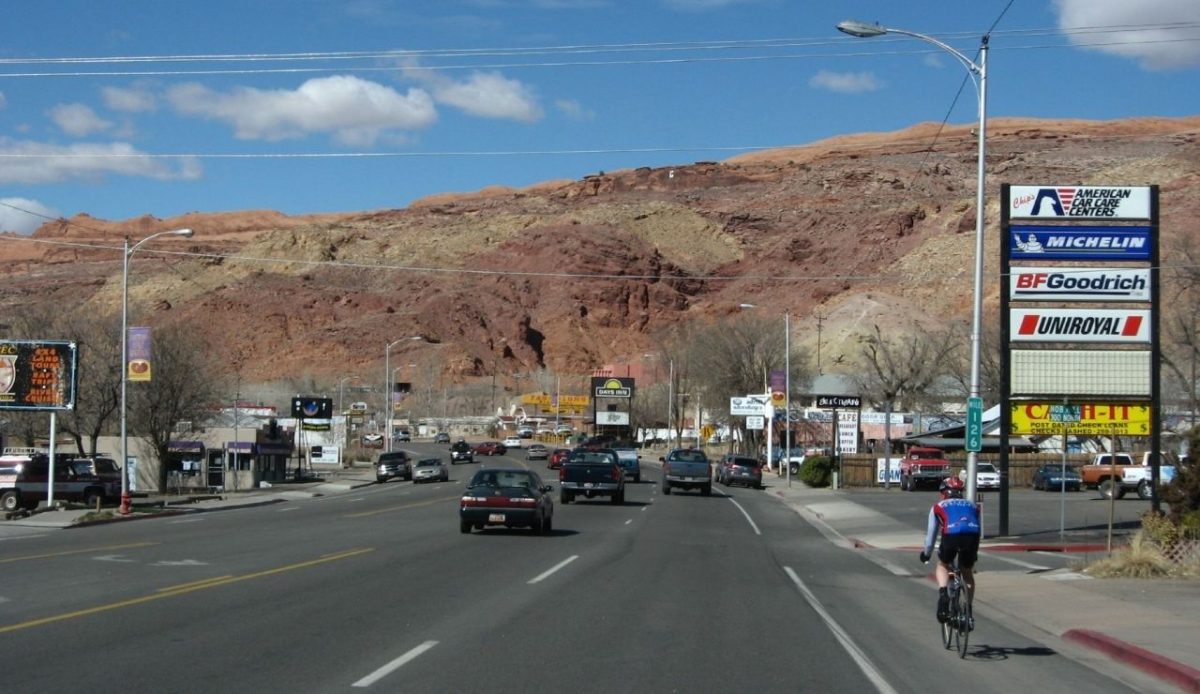
Moab is a gateway for national parks, so visitor volumes create strong demand for short-stay lodging. Small housing stock means that even a modest shift of units into nightly rental status can tighten the resident market.
Municipal plans have noted a high concentration of registered short-term rentals relative to total units. As prices climbed, workers began commuting from farther towns, and employers reported persistent staffing gaps.
Policy steps include licensing, zoning adjustments, and incentives for long-term occupancy. Tourism remains volatile by season, so owners often prefer flexible nightly income, which keeps long-term supply limited.
10. Vail, Colorado
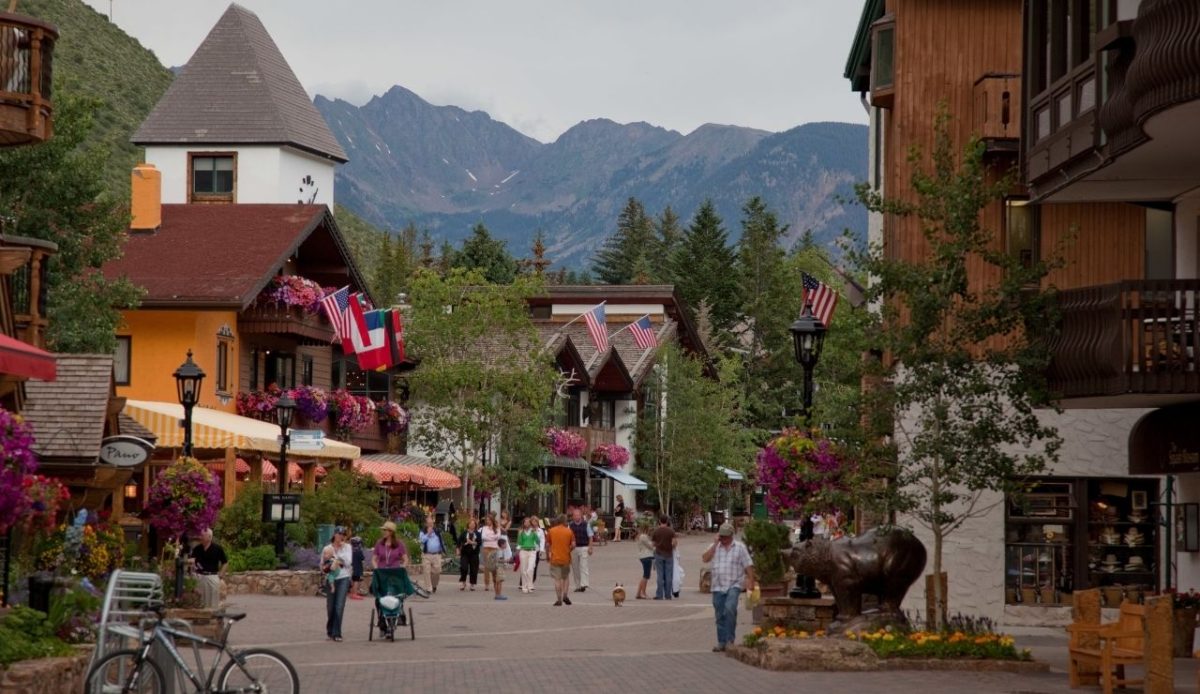
Vail and the Eagle County corridor depend on resort labor, yet housing is priced for visitors and second-home buyers. Vacation rentals can outcompete long leases, reducing options for workers who must live near transit and schools.
Regional studies describe a clear unit shortfall and rising rent burdens for service workers. Seasonal surges add strain, since landlords can shift inventory to tourists during peak weeks and events. Turnover stays high.
Local responses include fee programs, master leases, and new deed-restricted construction. Because land is limited and costs are high, progress is incremental, so tourism-driven pricing remains a dominant force.
