
Two-wheelers, including motorcycles and bicycles, face unique risks on urban streets. Some U.S. cities report higher accident rates due to traffic density, road conditions, and driver behaviour. Awareness of these danger zones can help riders plan safer routes, wear protective gear, and remain vigilant at all times. While two-wheelers offer convenience and freedom, navigating cities with high accident rates requires caution and strategic planning. From congested downtowns to poorly maintained roads, these ten American cities stand out as the most hazardous for riders seeking both safety and enjoyment on two wheels.
1. Los Angeles, California
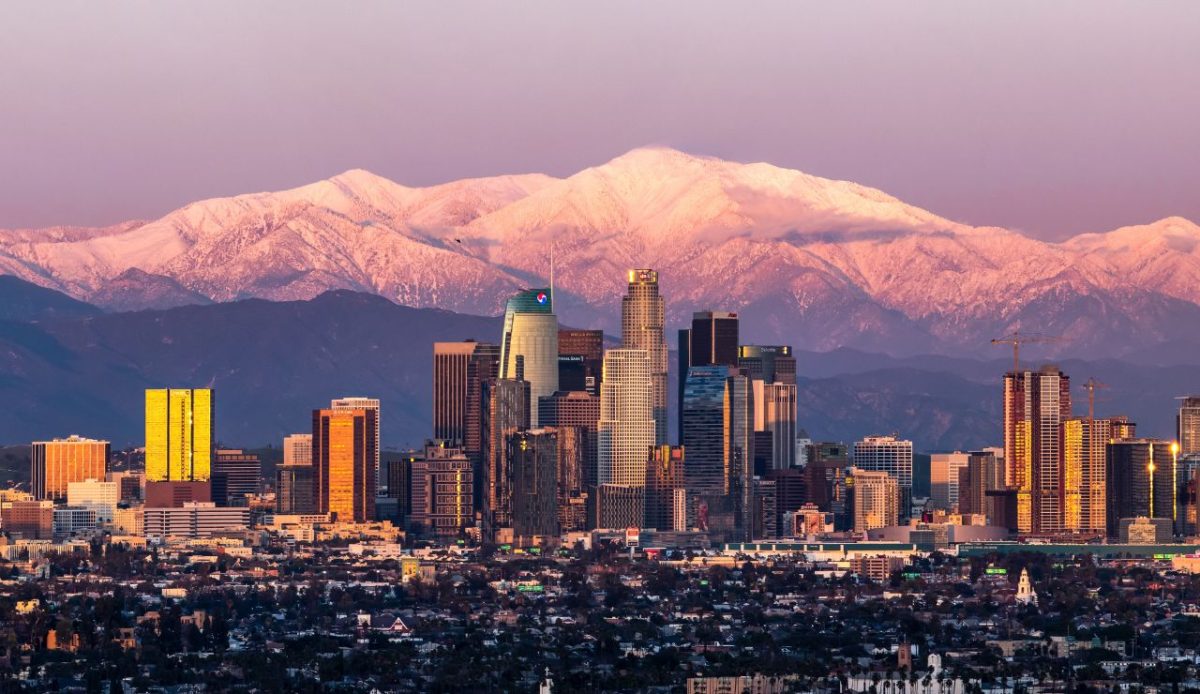
Los Angeles is infamous for heavy traffic, aggressive driving, and sprawling urban sprawl, making it one of the most dangerous cities for two-wheelers. Motorcyclists and bicyclists must navigate congested freeways, narrow lanes, and frequent lane changes by cars. Poorly maintained streets and potholes further increase accident risk. Despite these hazards, LA’s extensive road network provides scenic routes and urban exploration opportunities. Riders should remain alert, wear full protective gear, and plan routes carefully. Awareness and caution are essential to safely enjoy two-wheeling in Los Angeles.
2. Miami, Florida
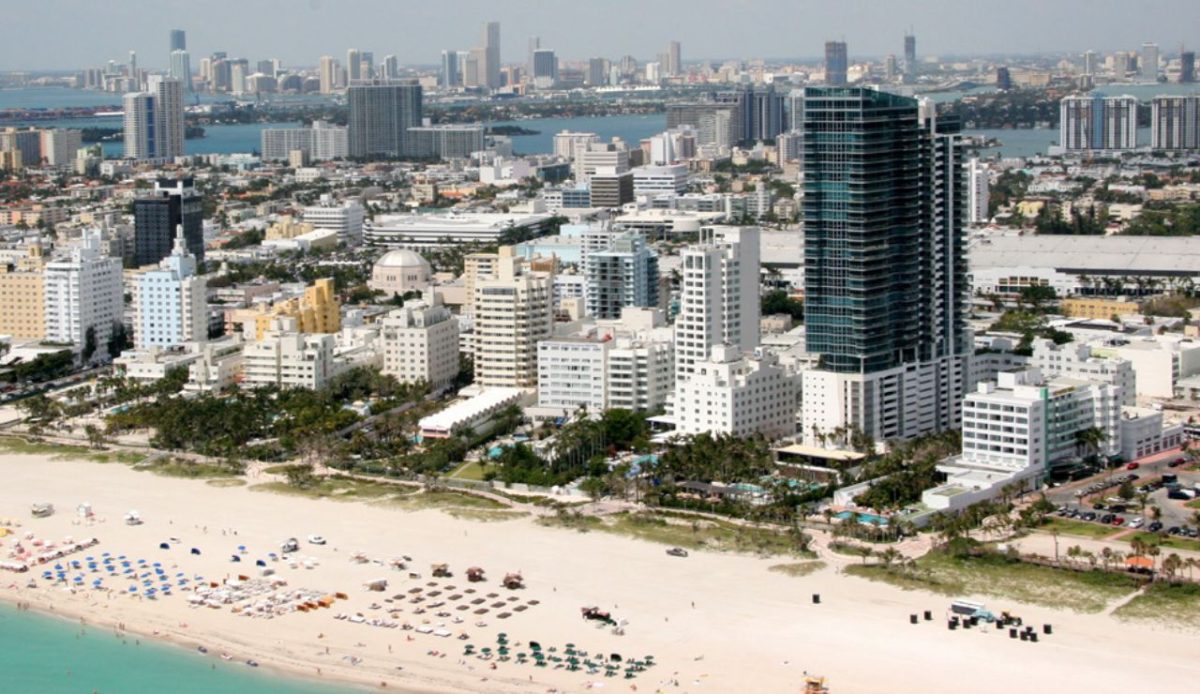
Miami’s mix of heavy traffic, high-speed roadways, and distracted drivers creates hazardous conditions for two-wheelers. Motorcycles and bicycles face frequent congestion, poorly marked bike lanes, and aggressive commuting patterns. Pedestrian interactions and tourist-heavy areas further complicate navigation. Additionally, sudden rainstorms can make roads slippery, increasing accident risks. Riders should prioritise safety by wearing reflective gear, obeying traffic laws, and avoiding peak congestion hours. Despite the risks, Miami’s vibrant streets and coastal routes offer rewarding two-wheeling experiences with proper precautions.
3. Houston, Texas
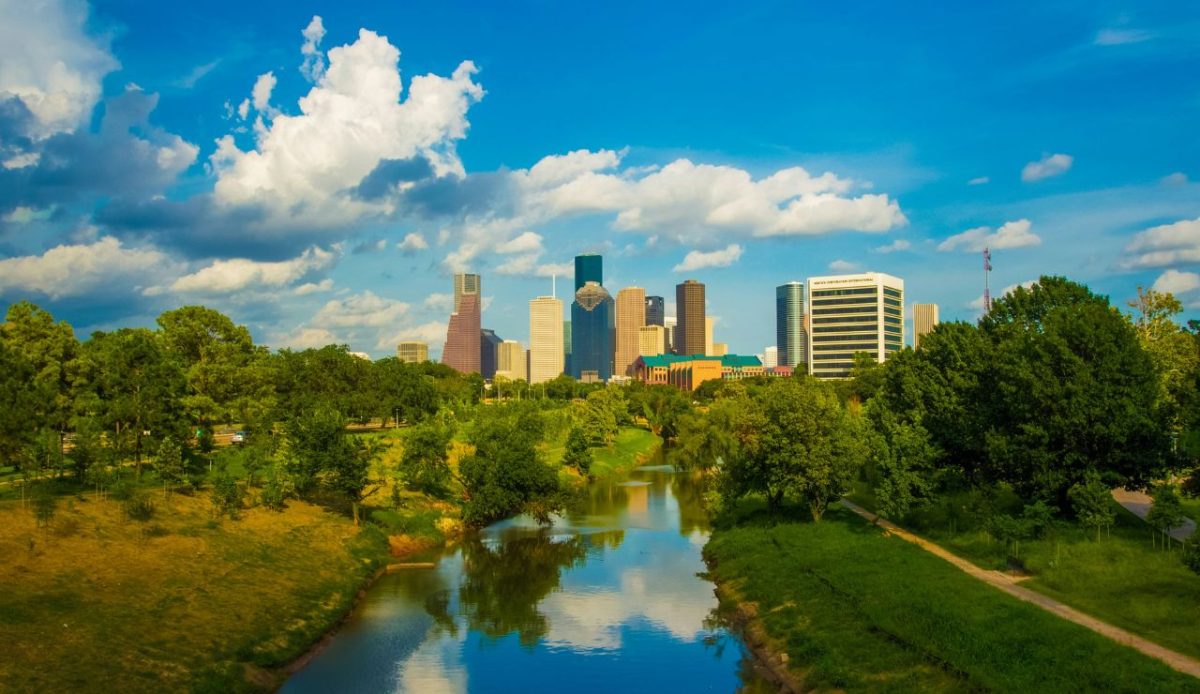
Houston’s expansive urban sprawl and high traffic density contribute to dangerous conditions for two-wheelers. Wide roads encourage high-speed driving, and drivers often underestimate motorcycles’ size. Construction zones, potholes, and poorly maintained streets increase accident risks. Bicycle commuters also contend with limited protected lanes and heavy traffic. Motorcyclists and cyclists must remain vigilant, use defensive riding techniques, and wear protective equipment. While Houston offers urban exploration, safety measures are essential for two-wheelers navigating the city’s sprawling streets.
4. Chicago, Illinois
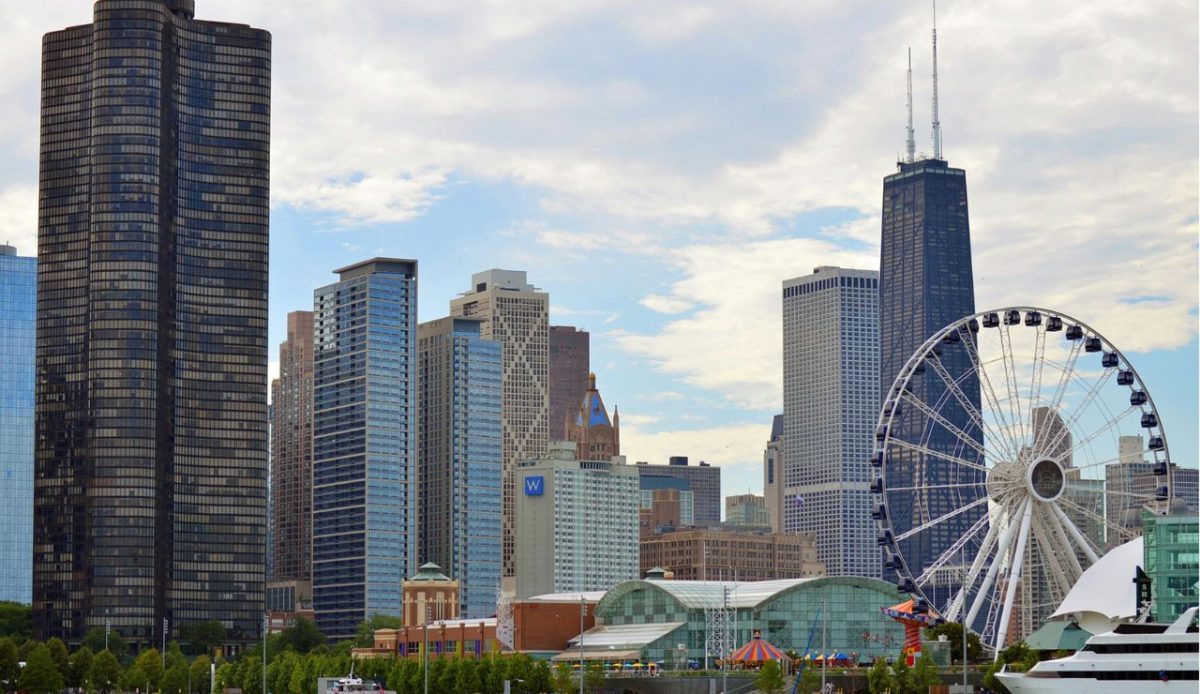
Chicago’s urban landscape presents hazards for two-wheelers, including congested downtown streets, aggressive drivers, and unpredictable weather. Snow, ice, and rain make roads slippery, increasing accident potential. Motorcycles and bicycles face potholes, construction zones, and busy intersections. Drivers’ lack of awareness compounds risks. Despite challenges, Chicago offers scenic routes along Lake Michigan and cultural landmarks accessible by two wheels. Riders should exercise caution, wear protective gear, and plan routes to minimise exposure to high-risk areas for a safer riding experience.
5. New York City, New York
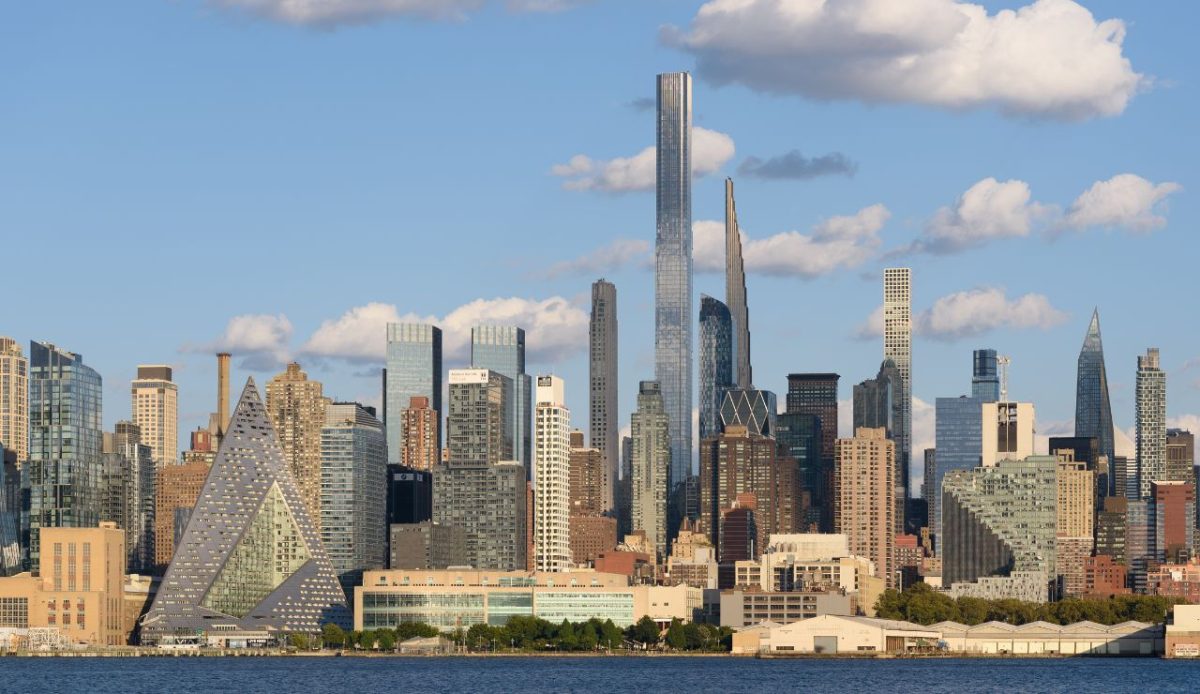
New York City, with dense traffic, pedestrians, and congested streets, is notoriously dangerous for two-wheelers. Motorcycles and bicycles must navigate crowded avenues, unpredictable drivers, and frequent intersections. Delivery traffic, double-parked vehicles, and jaywalking pedestrians increase accident risks. Heavy commuting and constant urban activity demand constant vigilance from riders. Despite hazards, two-wheelers offer manoeuvrability over cars. Riders should equip themselves with helmets, reflective gear, and defensive techniques to navigate NYC safely while enjoying the city’s vibrant energy.
6. Philadelphia, Pennsylvania
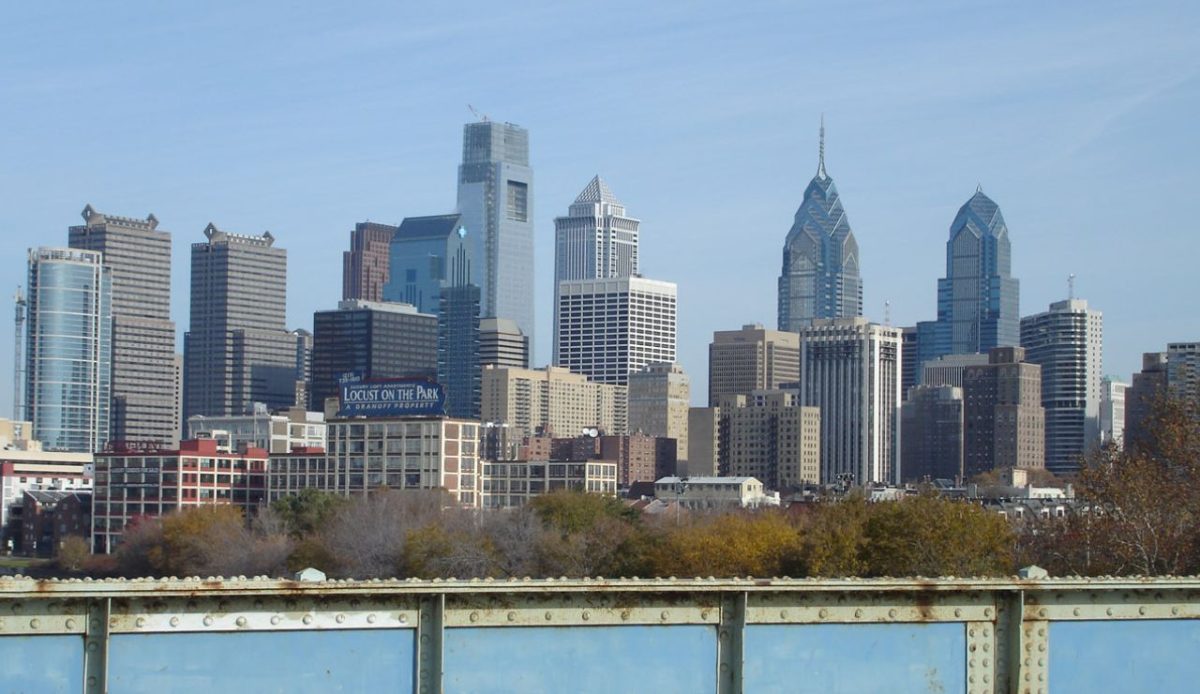
Philadelphia’s mix of narrow streets, older infrastructure, and heavy urban traffic creates challenges for two-wheelers. Motorcycles and bicycles must contend with potholes, cobblestone sections, and frequent construction zones. Aggressive driving and high pedestrian activity increase accident risk, especially during rush hours. Weather conditions, including rain and snow, further complicate riding. Riders should plan routes carefully, use defensive techniques, and wear protective gear to minimise risks. Despite these hazards, Philadelphia’s historic streets, riverside paths, and cultural landmarks remain accessible to vigilant two-wheelers.
7. Atlanta, Georgia
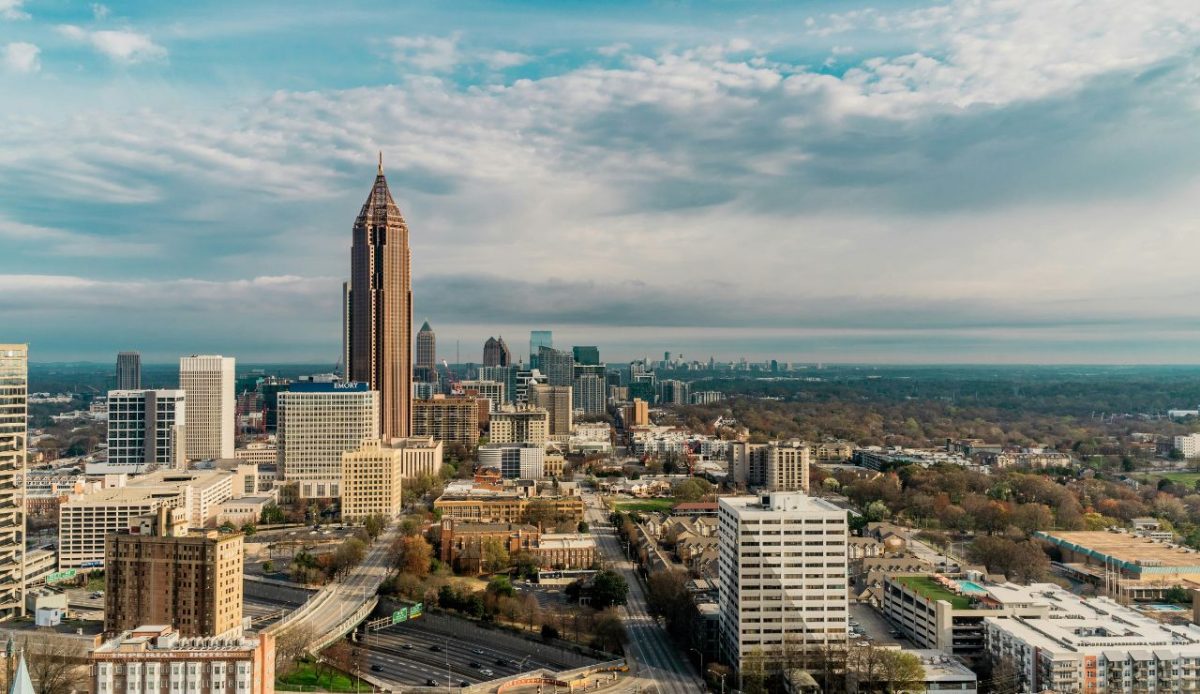
Atlanta’s sprawling cityscape and congested highways make it a risky environment for two-wheelers. Motorcycles face high-speed traffic, frequent lane changes, and drivers distracted by urban activity. Bicyclists contend with limited bike lanes, potholes, and aggressive drivers. Rain and seasonal weather can make roads slippery, increasing accident potential. Riders should adopt defensive riding techniques, wear appropriate safety gear, and plan safer routes. While Atlanta presents risks, careful navigation allows two-wheelers to explore urban parks, historic districts, and scenic drives, balancing adventure with safety precautions.
8. Detroit, Michigan
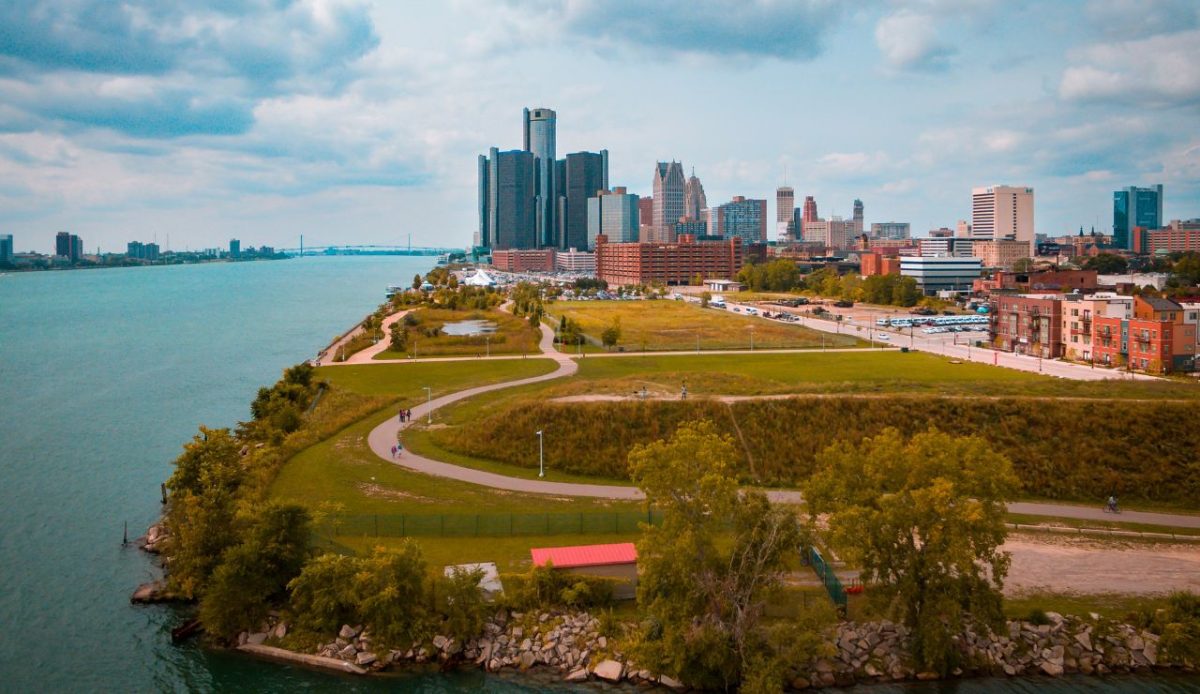
Detroit’s combination of pothole-ridden streets, heavy truck traffic, and urban sprawl creates hazards for two-wheelers. Motorcycles and bicycles are vulnerable to poor road maintenance, debris, and unpredictable drivers. Winter brings ice, snow, and slick conditions that elevate accident risks. Urban cycling infrastructure is limited, increasing exposure to fast-moving vehicles. Riders should equip themselves with helmets, reflective gear, and protective clothing, while choosing safer routes whenever possible. Despite challenges, Detroit’s revitalised neighbourhoods and riverfronts remain appealing destinations for vigilant two-wheelers.
9. Las Vegas, Nevada
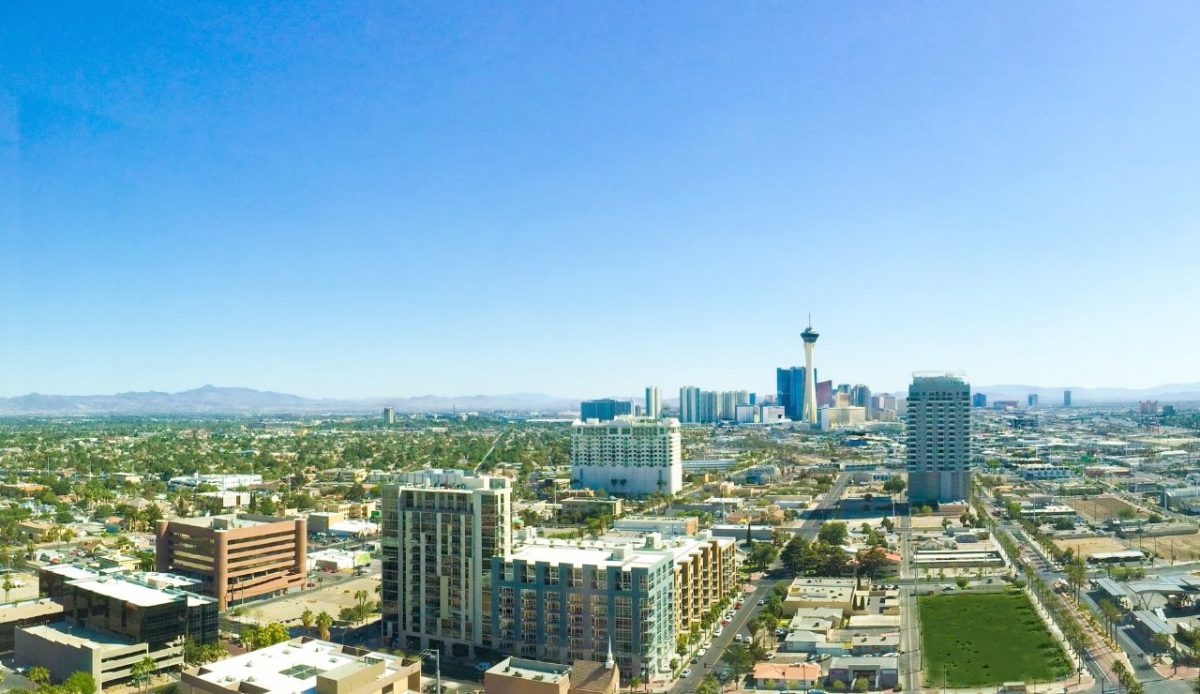
Las Vegas presents unique dangers for two-wheelers, including heavy tourist traffic, high-speed vehicles, and congested streets along the Strip. Motorcyclists face frequent lane splitting, aggressive drivers, and unpredictable pedestrian crossings. Summer heat can also affect rider alertness and road conditions. Despite these hazards, Las Vegas offers scenic desert routes and access to nearby natural attractions for two-wheelers seeking adventure. Riders should wear protective gear, stay hydrated, and plan trips outside peak traffic hours. Vigilance and preparation are key to enjoying a safer two-wheeling experience in Las Vegas.
10. Washington, D.C.
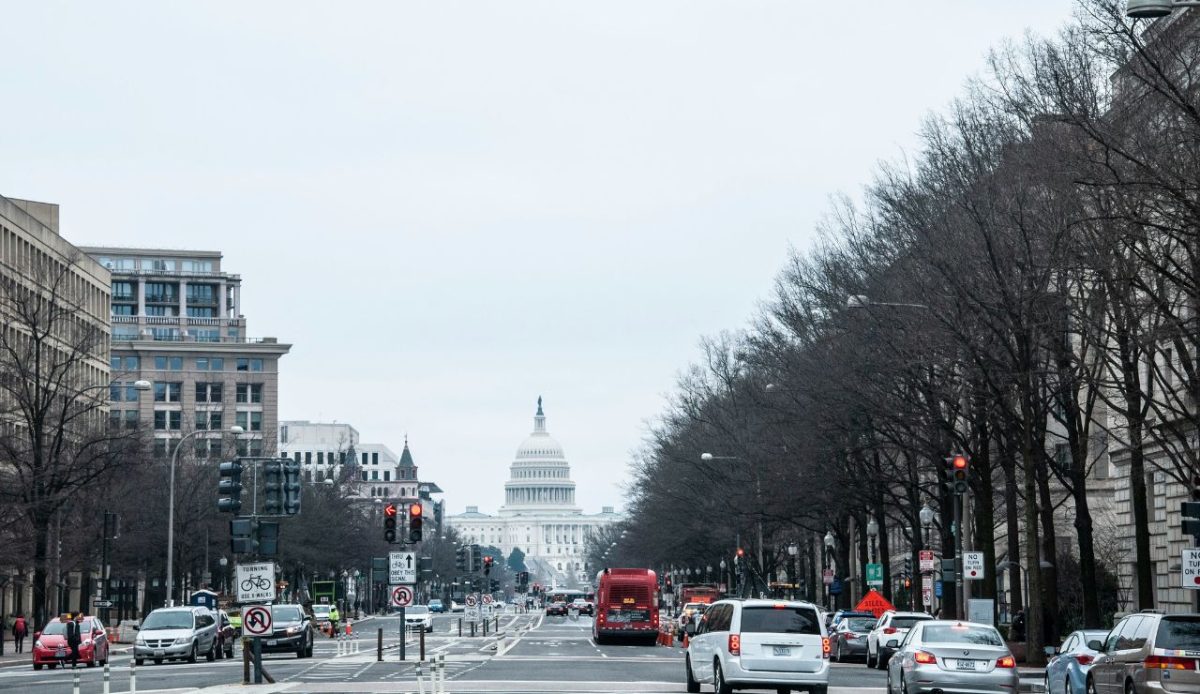
Washington, D.C., with its dense urban core and heavy commuter traffic, is hazardous for two-wheelers. Narrow streets, frequent road construction, and distracted drivers contribute to accident risks. Cyclists contend with limited dedicated lanes, while motorcyclists must navigate busy intersections and unpredictable vehicle behaviour. Seasonal weather, including rain and snow, further complicates safe riding. Despite these challenges, two-wheelers can explore historic monuments, riverfront paths, and scenic neighbourhoods if they adopt defensive techniques, wear protective gear, and remain vigilant on the city’s bustling streets.
